
Gardening has a special charm, especially when it comes to growing your own herbs. The idea of stepping into your backyard, filling your hands with soil, and nurturing plants that not only add flavor to your meals but also pack a punch in health benefits is just incredible. I created this post because I want to share with you some seasonal herbs that can truly change your everyday life. Whether you’re a seasoned gardener or just starting out, there’s something magical about fresh herbs that can elevate your cooking and well-being.
If you’re someone who values home-grown ingredients and seeks ways to boost your health naturally, you’re in the right place. This post is for you—the gardening enthusiasts, the culinary explorers, and those looking to harness the power of nature. You’ll discover a list of 16 seasonal herbs, each with unique benefits that can invigorate your body and mind. I’ve compiled practical tips on how to grow, care for, and dry these herbs so you can enjoy them year-round, no matter the season.
By the end of this guide, you’ll have a wealth of knowledge at your fingertips. You’ll learn how to incorporate these herbs into your daily life, from enhancing your meals to supporting your health. So grab your gardening gloves and let’s get started on this flavorful journey!
Key Takeaways
– Discover 16 unique seasonal herbs that offer health benefits and culinary delights, such as basil, thyme, and mint.
– Learn practical tips for growing these herbs in your garden or containers, making it easy to start your herb garden.
– Understand the drying process for herbs to ensure you can enjoy them long after the growing season ends.
– Find out how these herbs can support your wellness, ranging from digestive health to stress relief.
– Get insights on garden planning to help you maximize your space and resources for a thriving herb garden.
Contents
- 1. Basil
- 2. Thyme
- 3. Rosemary
- 4. Cilantro
- 5. Mint
- 6. Oregano
- 7. Chives
- 8. Dill
- 9. Sage
- 10. Tarragon
- 11. Lemon Balm
- 12. Fennel
- 13. Garlic Chives
- 14. Marjoram
- 15. Catnip
- 16. Lovage
1. Basil
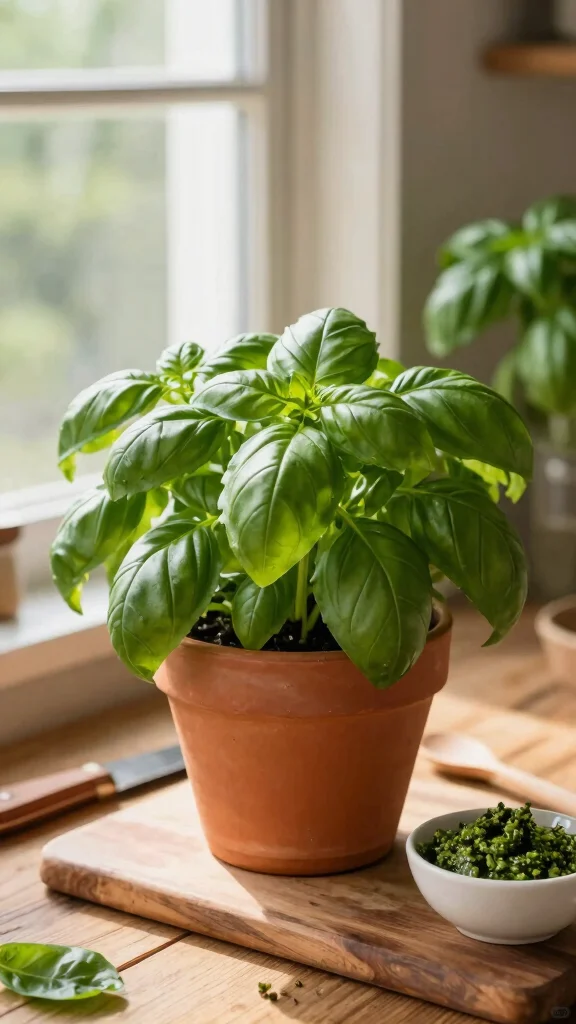
Are you in need of a flavor boost in your dishes? Basil is your go-to herb that brings freshness and a hint of sweetness to any meal. Not only does it elevate the taste of salads, pasta, and pizzas, but it also packs a nutritional punch with its anti-inflammatory benefits and vitamin K content that supports bone health.
With basil growing in your kitchen, you can instantly snip fresh leaves whenever you crave that aromatic flavor. Drying basil is a breeze; simply hang sprigs upside down in a dry, dark space to preserve its delightful essence and enjoy a taste of summer all year round.
Growing Tip: Basil thrives in warm conditions, so plant it after the last frost. Use well-draining soil and water regularly to keep those vibrant leaves lush.
2. Thyme
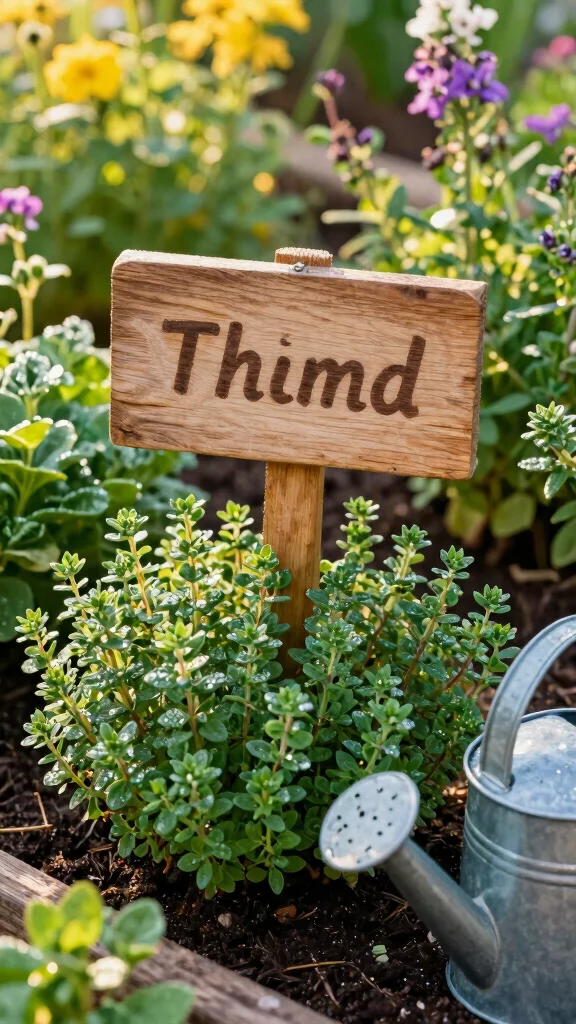
Looking for a herb that can elevate your cooking effortlessly? Thyme is often underrated, but this hardy herb is a flavor powerhouse that can transform soups, stews, and roasted veggies into culinary delights. Packed with antioxidants, thyme also supports your health with its ability to aid digestion and respiratory issues.
Drying thyme is simple; just harvest the sprigs and hang them upside down until they dry out. Store your dried thyme in an airtight container to keep its robust flavor at your fingertips for soups, marinades, or herbal teas.
Growing Tip: Thyme flourishes in well-drained soil and full sunlight. It can withstand dry conditions, so water sparingly to avoid root rot and ensure it grows beautifully.
Drying thyme is easier than you think: snip fresh sprigs, hang them upside down until crisp, then store in an airtight jar. A small bundle of dried thyme can elevate soups, stews, and roasted veggies with zero effort.
3. Rosemary
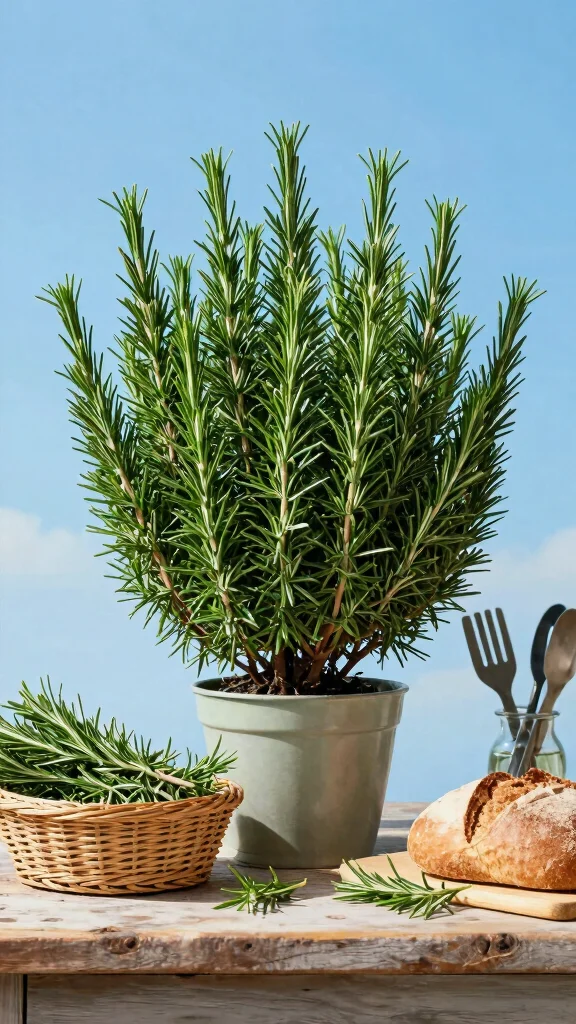
Are you ready to add a touch of elegance to your meals? Rosemary is a fragrant herb that enhances the flavors of lamb, chicken, and roasted potatoes with its aromatic needle-like leaves. Beyond flavor, rosemary is known for its potential cognitive benefits, helping to improve memory and concentration.
Drying rosemary is a straightforward task; just hang the sprigs in a dark, dry area. Once dried, use it to create infused oils or as a seasoning for bread and sauces, adding a gourmet twist to your cooking.
Growing Tip: Rosemary prefers sandy, well-drained soil and plenty of sunlight. Let the soil dry out between waterings to promote healthy growth, as this herb is drought-tolerant.
Growing rosemary is my secret shortcut for weeknight meals—it’s the fragrance, not just the flavor, that sells the dish. When I’m drying herbs, rosemary is always ready as a chef-level garnish for bread, potatoes, and sauces. Tiny herbs, big flavor.
You Might Also Like

4. Cilantro
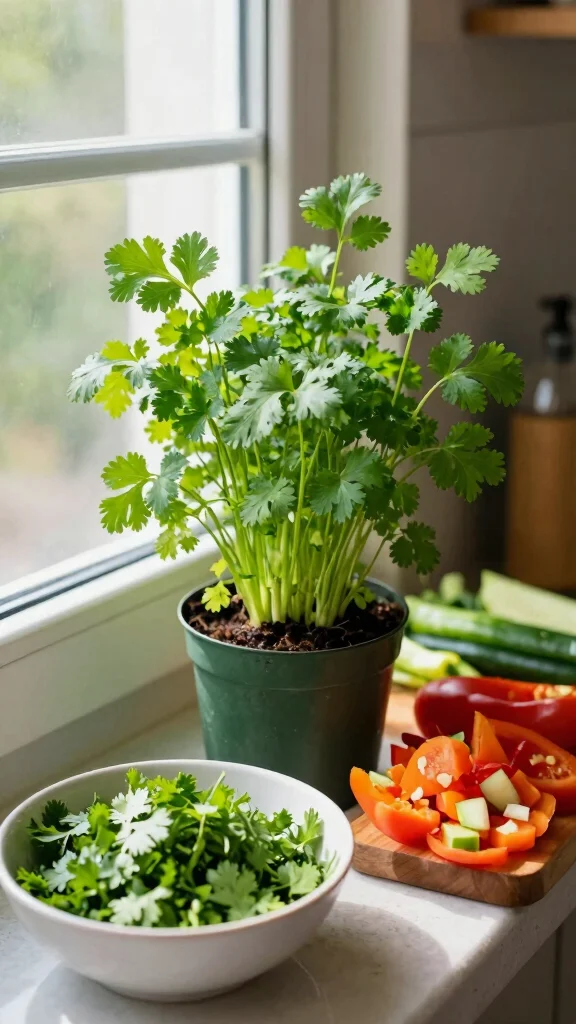
Craving a burst of flavor in your dishes? Cilantro is the herb that adds freshness and zest, especially in Mexican and Asian cuisines. Rich in vitamins A, C, and K, cilantro also offers detoxifying properties that can benefit your overall health.
Harvest cilantro fresh as needed for cooking or dry it for later use. You can air-dry it or use a dehydrator, but fresh cilantro is often preferred for its vibrant flavor that can elevate guacamole or salsa to new heights.
Growing Tip: Cilantro loves cooler temperatures, so plant it in early spring or fall. Providing partial shade during the hottest summer days will help ensure robust growth.
5. Mint
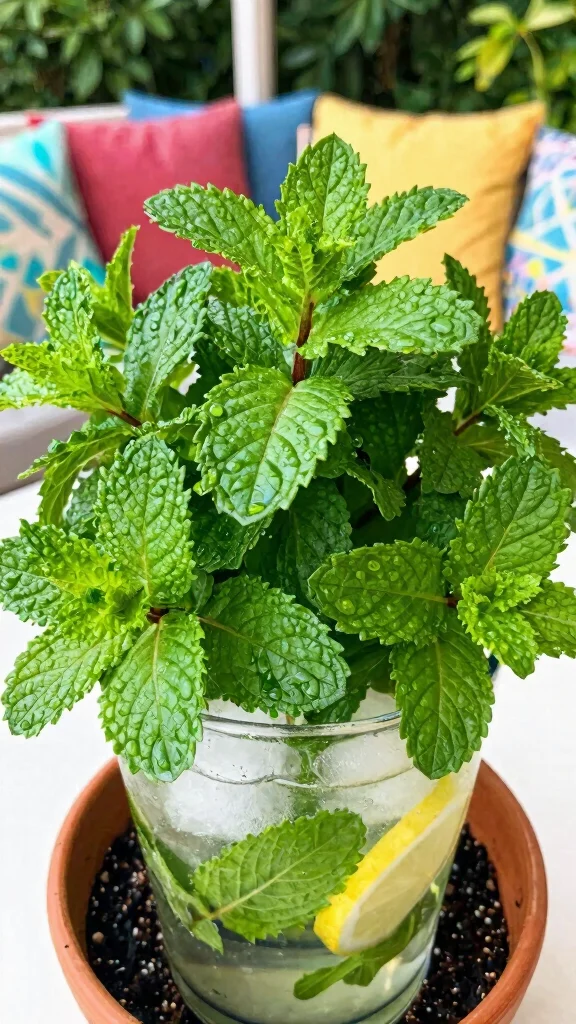
Are you dreaming of a refreshing addition to your meals? Mint is a versatile herb that can brighten up teas, salads, desserts, and cocktails. Its soothing properties aid digestion and can even help alleviate headaches.
Drying mint is easy; just hang the stems upside down in a dark, airy space. Once dried, it’s perfect for herbal teas or even as an ingredient in homemade toothpaste for a fresh feel.
Growing Tip: Mint grows vigorously, so it’s best to plant it in pots to control its spread. It thrives in partial shade and enjoys regular watering, making it a perfect herb for beginners.
How To Choose the Right Herbs for Your Garden
When starting an herb garden, selecting the right herbs can be a game-changer. With so many options available, it’s essential to know what to look for. Here’s a guide to help you make the best choices for your herb garden.
1. Growing Conditions
Different herbs thrive in various conditions. Some prefer full sun, while others are more tolerant of shade. Check your garden space to see how much sunlight it receives daily. If you have limited sun, consider herbs like mint or chives, which can grow well with less light.
2. Climate Compatibility
Your local climate plays a big role in which herbs will flourish. Research which herbs are native or commonly grown in your area. For instance, basil loves warmth and should be planted in late spring in most regions, while cilantro prefers cooler temperatures and can be sown in early spring or fall.
3. Culinary Use
Think about how you plan to use your herbs in the kitchen. If you love Italian cuisine, basil, oregano, and rosemary are essential. For Asian dishes, cilantro and mint are fantastic choices. Make a list of your favorite dishes and choose herbs that complement them.
4. Space and Size
Consider how much space you have for your herbs. Some herbs, like mint, can spread quickly and may need to be contained in pots. Others, like chives, can be planted closer together. If you’re short on space, look for compact varieties or consider vertical gardening options.
5. Maintenance Level
Different herbs require different levels of care. If you’re a beginner or have a busy schedule, look for low-maintenance herbs like thyme, oregano, or chives. These herbs need minimal watering and are more forgiving if you forget to tend to them occasionally.
6. Seasonal Availability
Some herbs are seasonal, so plan your garden based on what you want to grow throughout the year. For example, basil is best in summer, while sage can be a winter favorite. Knowing these seasonal aspects helps in garden planning and ensures you have fresh herbs when you need them.
Pro Tip: Always start with a mix of annual and perennial herbs. Annual herbs like basil will need replanting each year, while perennials like chives will return season after season. This balance can provide a continuous supply of fresh herbs without much effort.
Choosing the right herbs for your garden can uplift your cooking and provide fresh ingredients year-round. Take your time, do your research, and soon you’ll be enjoying the fruits of your labor!
6. Oregano
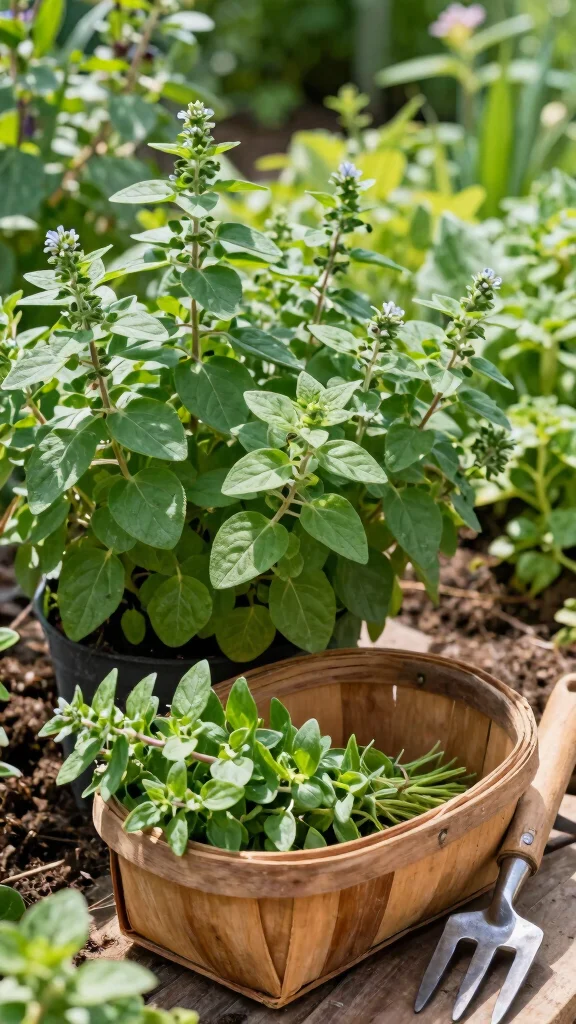
In search of a herb that embodies the essence of Italian cooking? Oregano is a flavorful addition that brings warmth and fragrance to your dishes. Known for its antibacterial properties, oregano can also support a healthy immune system while enhancing the taste of pizza, pasta, and marinades.
To dry oregano, simply tie sprigs together and hang them in a dry spot. Dried oregano can be a staple in your kitchen, adding flavor to countless recipes all year long.
Growing Tip: Oregano loves full sun and well-drained soil. It can withstand dry conditions, so remember to water it sparingly for the best taste and growth.
📹 Related Video: 5 Tips How to Grow a Ton of Oregano in Containers
7. Chives
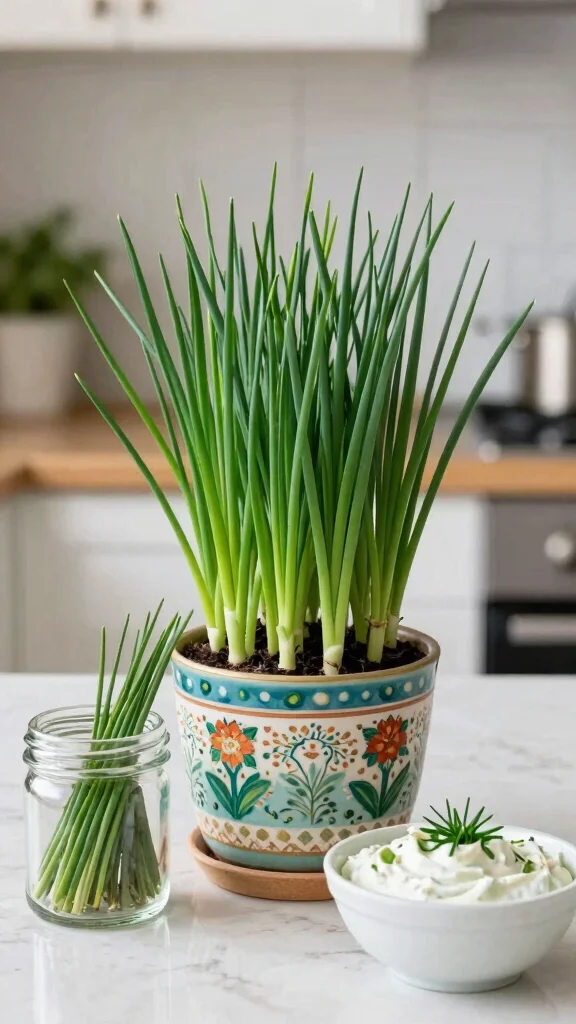
Are you looking for a touch of onion flavor without the intensity? Chives offer a mild taste that’s perfect for garnishing salads, soups, and various dishes. Not only are they delicious, but they are also low in calories and rich in vitamins A and C, supporting your immune health and digestion.
Drying chives is straightforward; chop the leaves and place them in a dehydrator or a low-temperature oven. Dried chives can be sprinkled on many dishes, adding flavor and a pop of color.
Growing Tip: Chives thrive in full sunlight and prefer moist but well-drained soil. They can be grown in pots or directly in your garden, making them an easy herb to cultivate.
You might also like
8. Dill
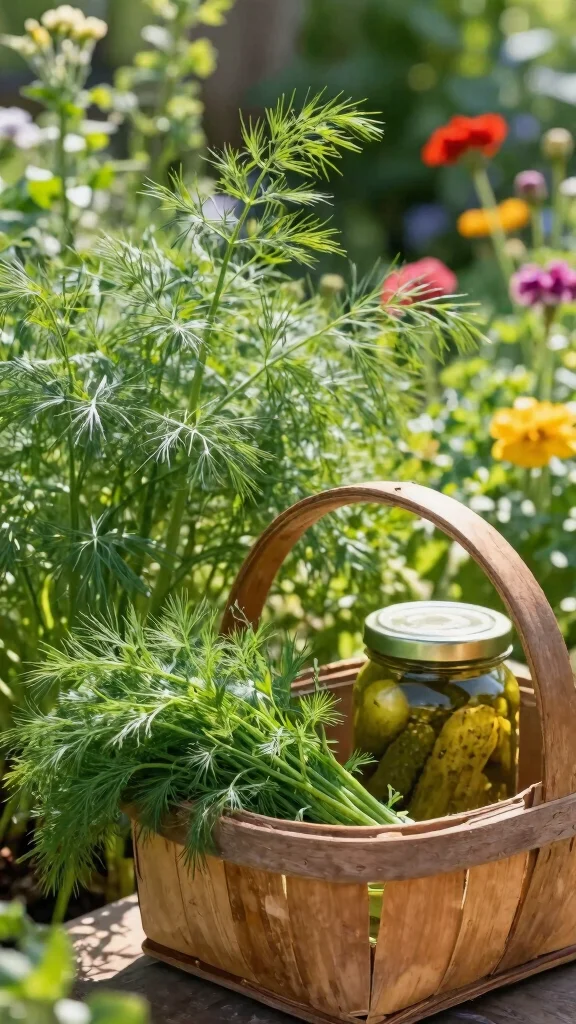
Are you ready to add a unique flavor to your meals? Dill is known for its feathery leaves and tangy taste, making it a fantastic choice for pickling, salad dressings, and seafood dishes. It also offers digestive benefits, helping to alleviate bloating.
To dry dill, cut the stems and hang them in a cool place until fully dry. Dried dill is a wonderful addition to soups and sauces, lending a fresh zing to your dishes.
Growing Tip: Dill thrives in sandy, well-drained soil and full sun. Ensure it has enough space to grow tall and consider planting it near vegetables that can benefit from its pest-repelling properties.
9. Sage
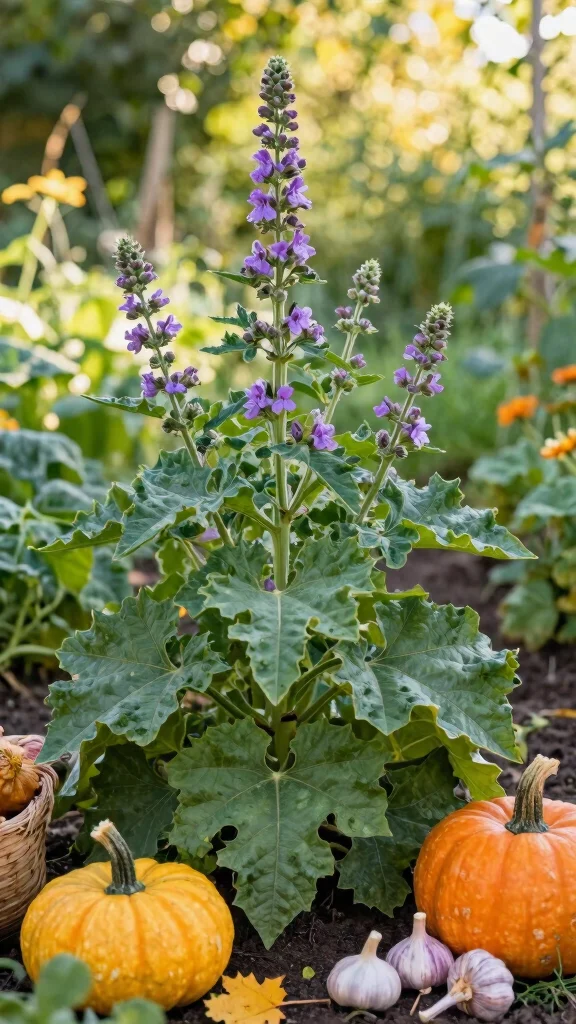
Are you searching for a herb that adds depth to your savory dishes? Sage is an earthy herb that complements meats, stuffing, and a variety of hearty dishes. It’s also linked to cognitive enhancement, making it a great addition to your diet.
Drying sage is easy; simply cut off the leaves and hang them in a dark area. Dried sage can be crumbled and used in various recipes or brewed into tea for a soothing drink.
Growing Tip: Sage prefers warm, sunny spots with well-drained soil. Regular pruning encourages bushier growth and helps keep the plant looking its best.
10. Tarragon
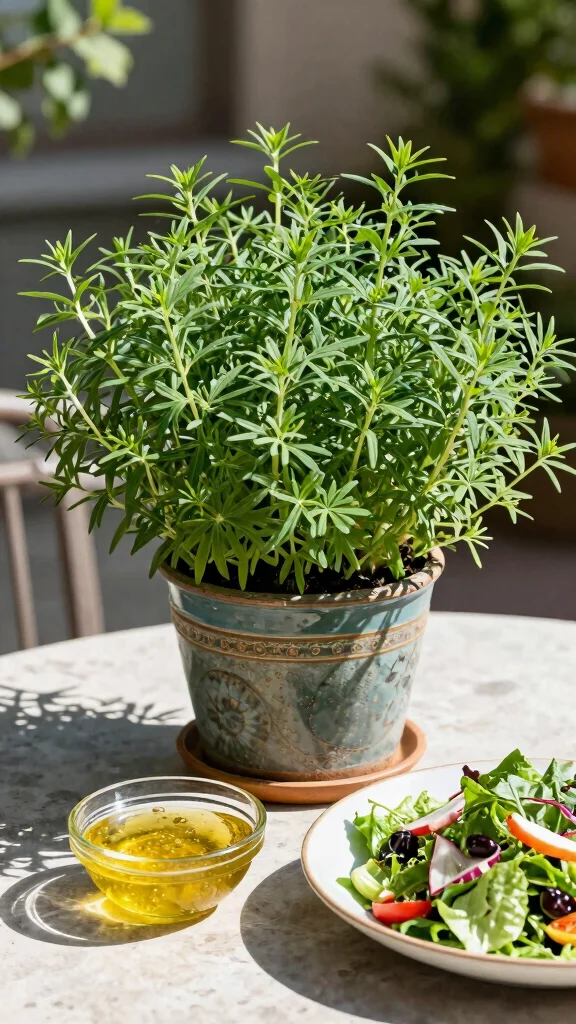
Are you ready to explore a lesser-known herb with a unique flavor? Tarragon is known for its distinct anise flavor, making it fantastic in salad dressings, sauces, and paired with chicken or fish. Additionally, tarragon is thought to improve digestion and reduce appetite.
To dry tarragon, cut stems and hang them upside down to preserve the flavor. Dried tarragon can be rehydrated in cooking, continuing to impart its unique taste to your favorite dishes.
Growing Tip: Tarragon loves sunny spots with well-drained soil. Make sure to choose French tarragon for the best flavor when planting.
11. Lemon Balm
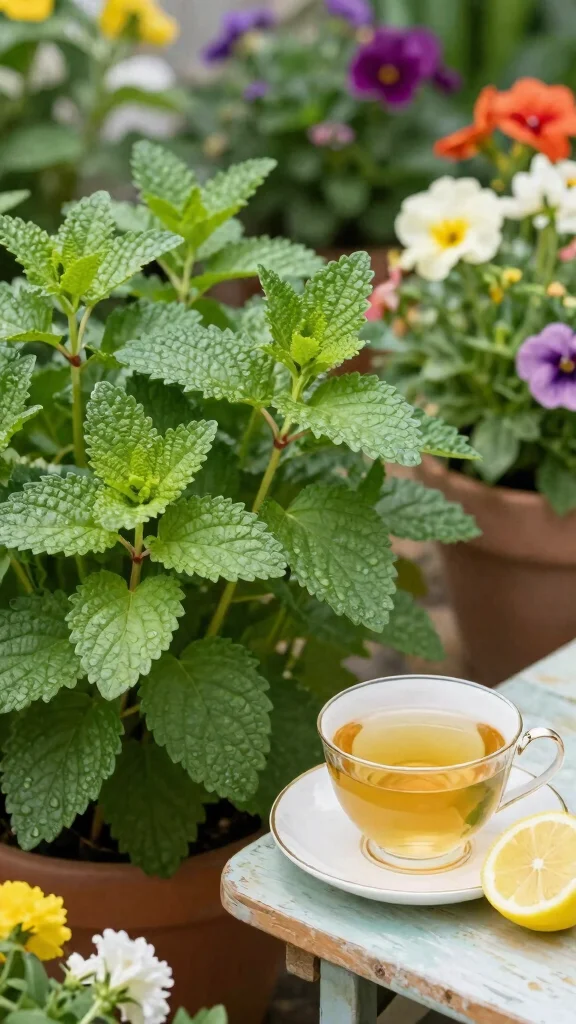
Are you in need of a calming herb that brings a refreshing aroma? Lemon balm is known for its delightful lemony scent and flavor, which can help reduce anxiety and improve sleep quality. You can enjoy it fresh in herbal teas or as a zesty addition to salads.
For drying, simply harvest the leaves and hang them up to dry. Dried lemon balm can be stored in jars for teas or used in baked goods for a refreshing twist.
Growing Tip: Lemon balm does well in partial shade and fertile soil. Keep in mind that it can be invasive, so consider growing it in containers to manage its spread.
12. Fennel
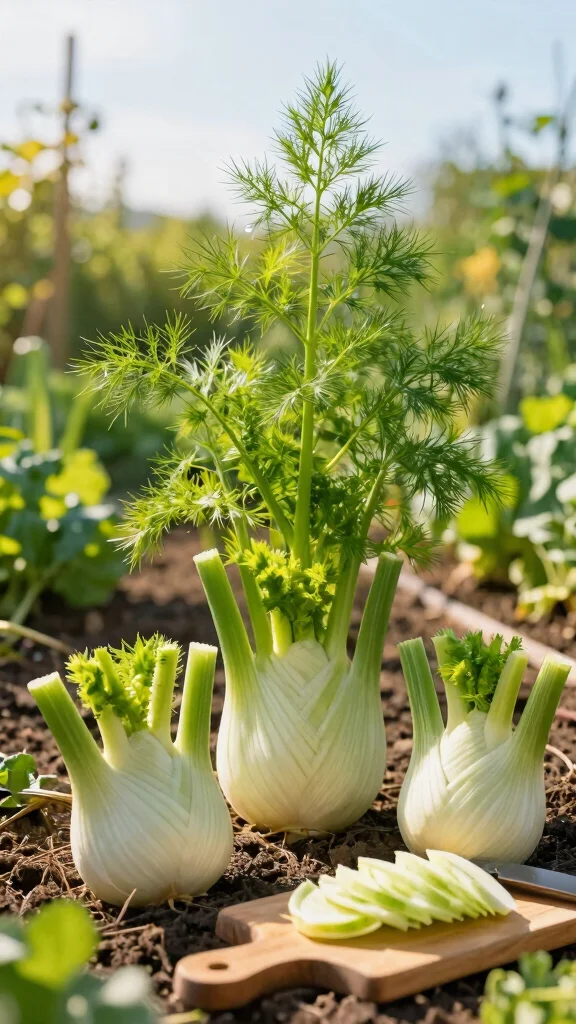
Are you looking for a unique herb that adds both texture and flavor? Fennel is known for its crisp texture and sweet taste, often found in salads and as a cooking ingredient. It’s rich in vitamins and may support digestive health, making it a great addition to your meals.
To dry fennel fronds, cut and hang them in a dark area; the dried fronds can enhance the flavor of dishes or be added to teas.
Growing Tip: Fennel enjoys full sun and rich, well-draining soil. Being a tall plant, provide enough space for it to grow and consider its benefits for attracting beneficial insects in your garden.
13. Garlic Chives
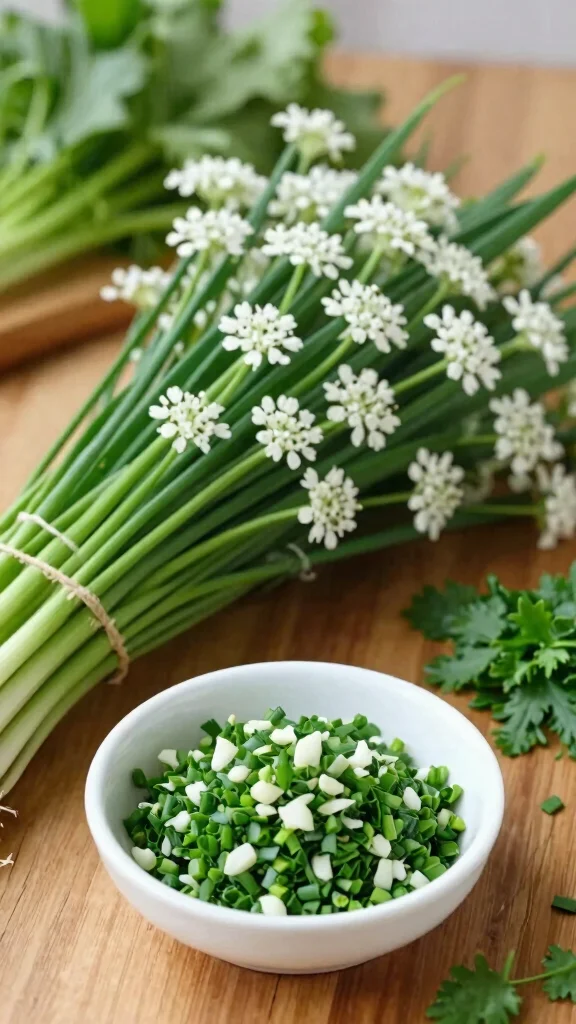
Are you eager to add a hint of garlic flavor to your meals? Garlic chives are similar to regular chives but offer a distinct garlic taste that enhances dips, dressings, and stir-fries. Rich in vitamins A and C, they also boast antioxidant properties.
To dry garlic chives, finely chop the leaves and use a dehydrator for quick results. Dried garlic chives can be easily incorporated into various meals, providing that garlic kick without overpowering your dishes.
Growing Tip: Garlic chives thrive in well-drained soil and enjoy full sun to partial shade. These versatile herbs can be planted in pots or your garden.
14. Marjoram
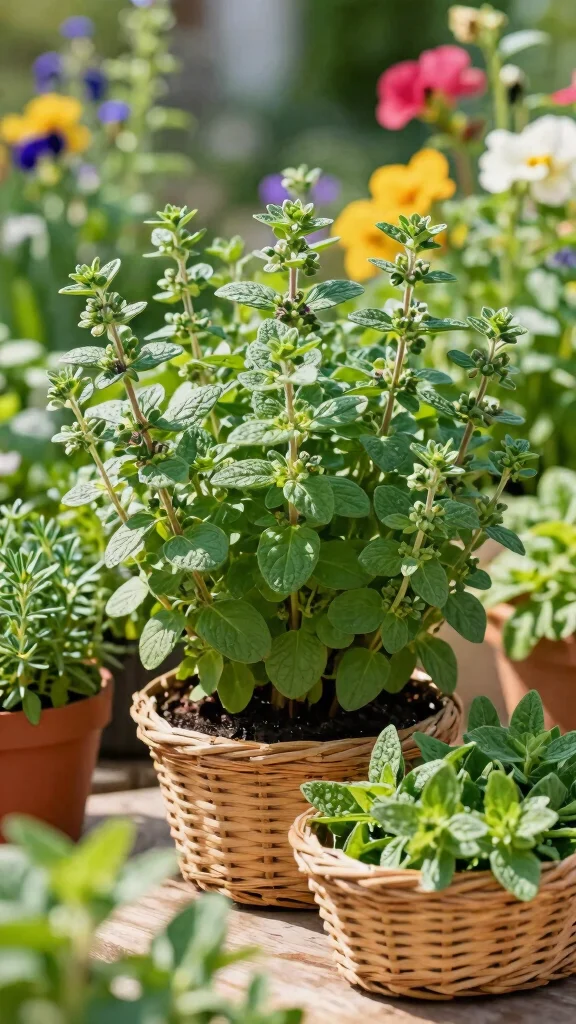
Are you seeking a sweet, mild herb to elevate your Mediterranean dishes? Marjoram provides a delightful flavor that complements meats and vegetables beautifully. Known for its calming effects on the digestive system, it’s a wonderful addition to your cooking routine.
To dry marjoram, harvest the leaves and place them in a dark area until they are completely crisp. This dried herb can enhance your favorite recipes all year round.
Growing Tip: Marjoram loves warm weather, making it ideal for summer gardens. Ensure good air circulation around the plants to encourage healthy growth.
15. Catnip
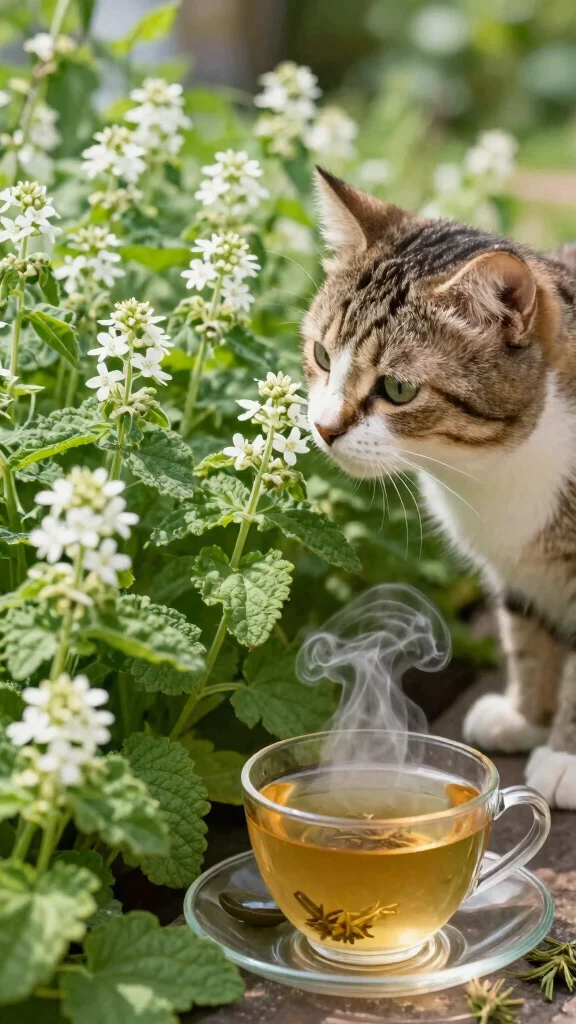
Are you aware that catnip isn’t just for cats? This herb has calming effects for humans too, potentially helping with relaxation and sleep. It’s perfect for herbal teas, and it also possesses mild pain-relieving properties.
To dry catnip, cut the leaves and flowers, then hang them upside down in a well-ventilated area. Dried catnip can be brewed into tea or used in sachets for a soothing aroma.
Growing Tip: Catnip enjoys well-drained soil and full sun. It can spread easily, so consider planting it in pots to help manage its growth.
16. Lovage
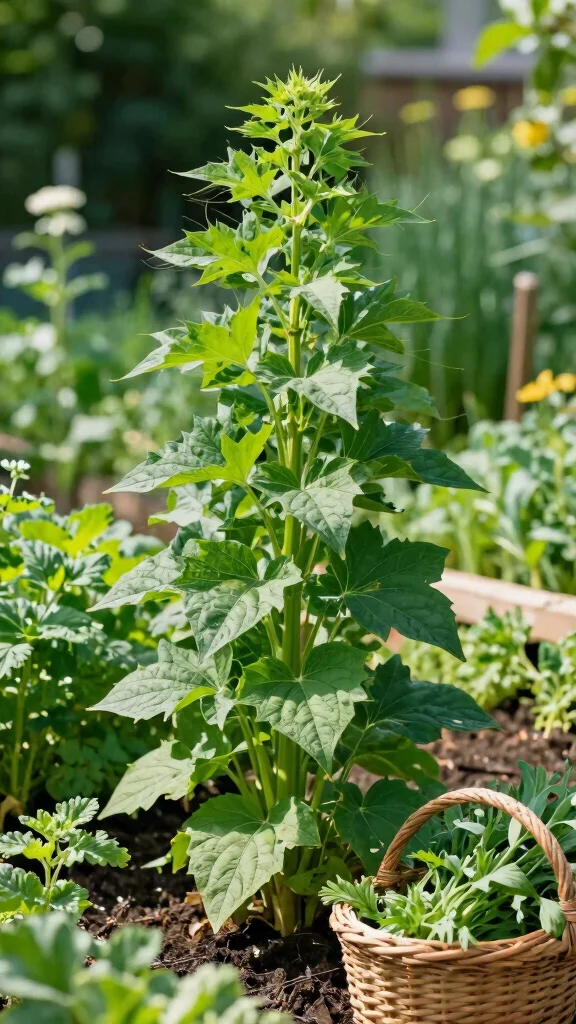
Are you interested in a unique herb that can enhance your culinary creations? Lovage has a flavor reminiscent of celery, making it a fresh addition to soups, stocks, and salads. Packed with vitamins, it can also support digestive health.
To dry lovage, simply cut the sprigs and hang them to dry. Dried lovage can be sprinkled into various dishes to boost flavor.
Growing Tip: Lovage prefers rich, moist soil and partial shade, which makes it perfect for cooler climates. Ensure plenty of space for it to grow tall in your garden.
Lovage tastes like celery and instantly lifts soups—perfect for busy cooks. When drying herbs, start with little sprigs: to dry lovage, hang them and sprinkle dried leaves into dishes. Pro tip: grow it in rich, moist soil with partial shade for best results.
Conclusion
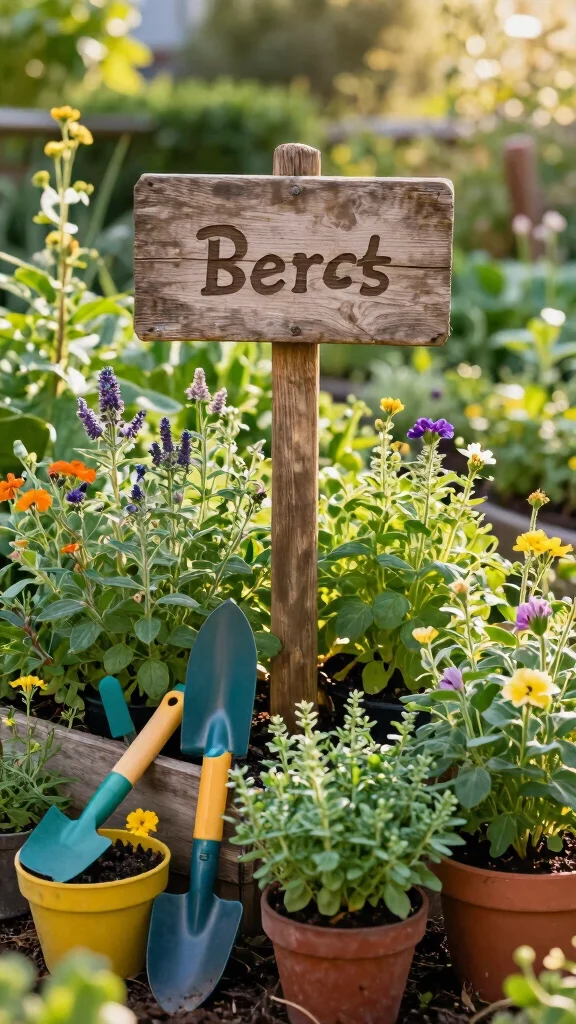
Growing herbs isn’t just about enhancing your cooking; it’s about enriching your life! Each of these seasonal herbs brings unique flavors and benefits that can transform your meals and boost your health.
Start your herb garden today to experience the joy of fresh ingredients and the satisfaction of caring for your plants. Explore which herbs resonate with you and make them a part of your everyday life!
Frequently Asked Questions
What are the best herbs to dry for long-lasting flavor?
For long-lasting flavor, start with herbs that dry well: basil, thyme, rosemary, oregano, sage, dill, and mint. To dry them: harvest in the morning after any dew has dried, 1) tie stems into small bundles, 2) hang in a warm, dark, well-ventilated spot for 1–2 weeks until leaves feel crumbly, 3) or use a dehydrator or oven on a very low setting (about 95–115°F / 35–46°C) for faster results. When dry, strip leaves from stems and store in airtight jars away from light. Properly dried herbs retain flavor for about 6–12 months. With smart garden planning, you can stagger harvests and have a steady supply for drying throughout the year.
How can I plan a seasonal herb garden to maximize benefits and drying options?
Start by mapping your climate’s seasons and choosing herbs that thrive in each window. Use zones or containers to flex with weather. Group herbs by harvest windows so you can pick and dry continuously, not all at once. Plant perennials like rosemary and thyme for years of harvest, and annuals like basil, dill, and cilantro for fresh cycles. Plan beds with good drainage, sun exposure of 6–8 hours, and companion planting. Add a simple drying area: a shaded rack or screen, plus space for jars. Create a small garden planning checklist: 1) select herbs per season, 2) space them, 3) schedule harvests, 4) designate drying/storage spots, 5) note when to replant. This keeps your seasonal herbs productive and ready for drying all year.
When is the right time to harvest herbs for drying?
Harvest in the morning after any dew has dried, when essential oils are strongest. Use clean scissors and cut stems at about 1/3 to 1/2 of their length, leaving enough foliage for the plant to recover. For leafy herbs, pick just before flowering for the best flavor; basil is best just before flowering, while woody herbs like rosemary and thyme can be harvested a bit later in the season. After cutting, gently shake off dirt and let the harvest air-dry briefly before starting your drying method. Remember to avoid over-harvesting from a single plant to keep it healthy.
What are the best drying methods to preserve flavor and nutrients?
Three reliable methods: 1) Air-drying: cluster small bundles, hang in a warm, dark, well-ventilated spot for 1–2 weeks until crispy. 2) Dehydrator: set to low (95–115°F / 35–46°C) and check frequently. 3) Oven drying: optional quick-dry method, using the lowest setting and keeping the door ajar; watch for scorching. After drying, crumble or leave leaves intact and store in airtight containers in a cool, dark place. Label with the drying date. Dried herbs store best about 6–12 months, then start losing potency, so rotate stock with fresh harvest.
How can dried herbs be used in everyday cooking and still deliver the herb benefits?
Dried herbs offer concentrated flavor and their herb benefits can shine in soups, stews, sauces, and teas. Use dried herbs in place of fresh at a 1:3 ratio (one tablespoon dried equals about one teaspoon fresh). Add dried herbs early in cooking to let flavors bloom; add delicate herbs like chives or dill late. For teas and infusions, steep dried leaves in hot water for 5–10 minutes. Store dried herbs properly to preserve herb benefits, keeping them in airtight jars, away from light and heat. With a well-planned garden planning approach, you can harvest, dry, and enjoy herbs year-round while boosting your cooking and overall garden success.
Related Topics
herb gardening
seasonal herbs
drying herbs
garden planning
herb benefits
easy gardening
beginner friendly
homegrown herbs
medicinal herbs
culinary herbs
sustainable gardening
indoor gardening