
Creating a sustainable garden has never been more exciting, and that’s exactly why I put together this post. With a growing awareness of environmental issues, many of us find ourselves craving outdoor spaces that not only look beautiful but also support the planet. If you’ve been dreaming of a stunning backyard oasis that draws in wildlife and reduces your carbon footprint, you’re in the right place!
This post is crafted for anyone who loves gardening, home decor, and wants to make a positive impact on the environment. Whether you’re a seasoned gardener or just starting out, these ideas will resonate with your desire for a beautiful, eco-friendly yard. I’ve pulled together 17 unique ideas that are practical, achievable, and perfect for anyone looking to embrace the latest garden trends. Get ready to transform your outdoor space into a haven of sustainability!
In this guide, you’ll discover how to embrace native plants, create zones for biodiversity, and even incorporate recycled materials into your design. You’ll walk away with actionable tips that will help you cultivate a garden that not only looks good but also thrives in harmony with nature. Let’s dive in and unlock the secrets to sustainable garden design!
Key Takeaways
– Incorporate native plants to support local wildlife and reduce maintenance needs in your garden. These plants are adapted to your region’s climate and soil, making them easier to care for.
– Create zones for biodiversity to encourage a variety of plants and animals in your yard. This can include flowers, shrubs, and water features that attract beneficial insects and birds.
– Implement composting to nourish your soil naturally. Composting kitchen scraps and yard waste improves soil health and reduces the need for chemical fertilizers.
– Use water-wise gardening techniques, such as drip irrigation and drought-resistant plants, to conserve water and keep your plants thriving during dry spells.
– Explore edible landscaping by integrating fruits, vegetables, and herbs into your garden design. This not only provides fresh produce but can also enhance the beauty of your yard.
Contents
- 1. Embrace Native Plants
- 2. Create Zones for Biodiversity
- 3. Composting for Nutrient-Rich Soil
- 4. Water-Wise Gardening
- 5. Vertical Gardening
- 6. Edible Landscaping
- 7. Incorporate Wildlife Features
- 8. Use Recycled Materials
- 9. Seasonal Planting Strategy
- 10. Organic Pest Management
- 11. Sustainable Hardscaping
- 12. Greenhouse Gardening
- 13. Solar Lighting
- 14. Incorporate Fencing with Purpose
- 15. Plant for All Seasons
- 16. Mindful Garden Design
1. Embrace Native Plants
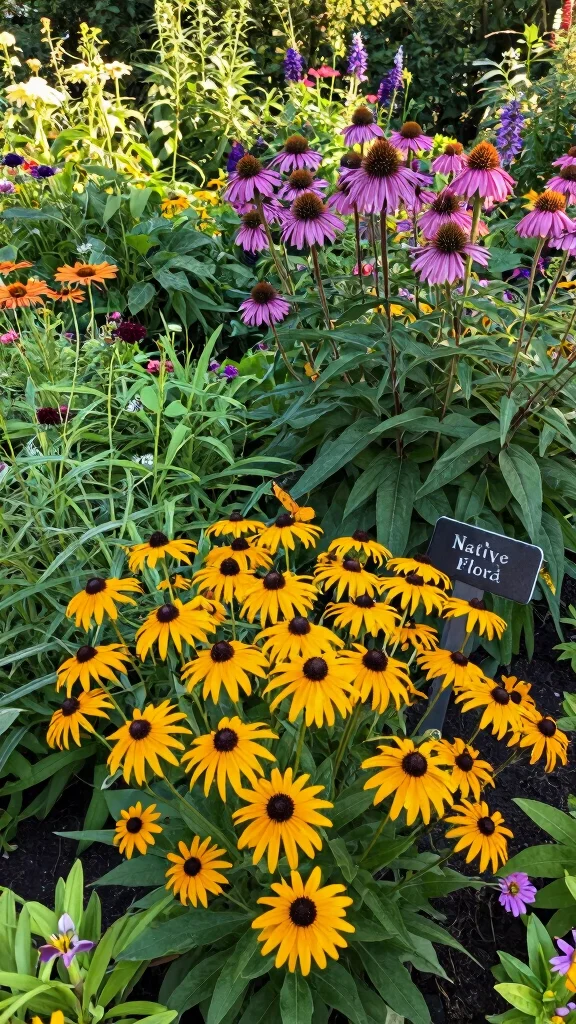
Embracing native plants is a brilliant choice for sustainable gardens. These plants thrive naturally in your local environment, making them low-maintenance and beneficial for local wildlife. For instance, plants like Black-eyed Susans and Echinacea not only provide vibrant color but also attract butterflies and bees, enriching your garden’s ecosystem.
By choosing native flora, you can decrease water usage and create a flourishing habitat. This approach also allows you to enjoy the beauty of your garden while minimizing upkeep, giving you more time to appreciate your outdoor space.
Consider these tips to maximize your native plant garden:
– Research local native plant species suitable for your area.
– Group plants with similar water needs for efficient irrigation.
– Choose plants that bloom at different times for year-round interest.
– Use mulch around plants to retain moisture and suppress weeds.
This method not only enhances visual appeal but also enriches your garden’s texture and variety, creating a harmonious outdoor environment.
2. Create Zones for Biodiversity
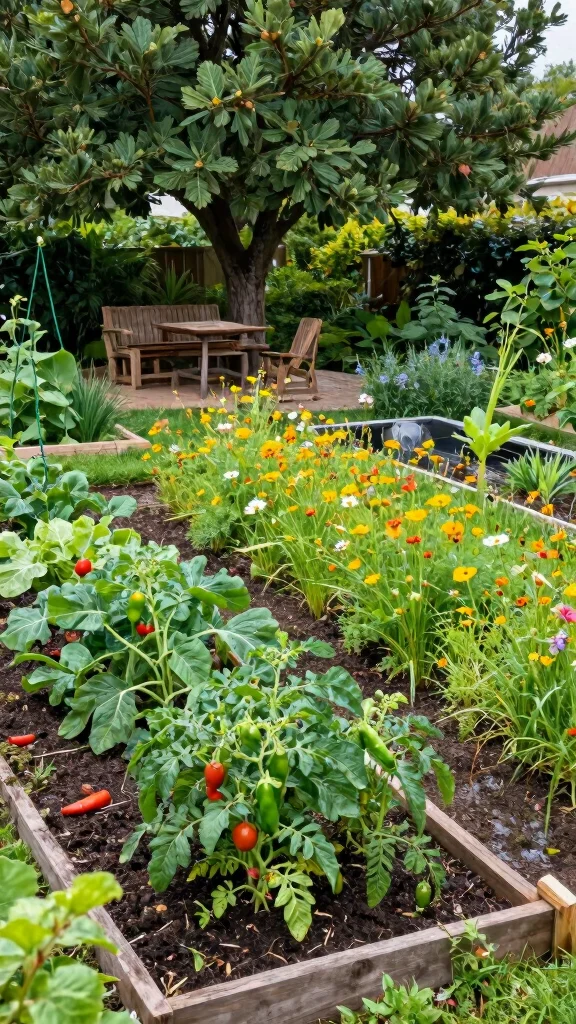
Creating distinct zones in your garden is a fantastic way to boost biodiversity. Think of your yard as a living ecosystem where each area serves a unique purpose, such as a vegetable patch, a wildflower meadow, or a tranquil seating area. This variety attracts different wildlife and adds visual interest to your space.
Incorporating paths lined with herbs or flowers can enhance the beauty between zones while inviting beneficial insects. This thoughtful layout not only improves aesthetics but also fosters a thriving environment for plants and animals alike.
Here are some ideas to design your garden zones:
– Identify areas based on sunlight and water availability.
– Use native shrubs to create natural barriers between zones.
– Incorporate a rain garden to manage water overflow and attract pollinators.
– Include a compost bin in one area to recycle kitchen waste.
This approach not only supports local wildlife but also provides a delightful and engaging experience as you move through your garden.
3. Composting for Nutrient-Rich Soil
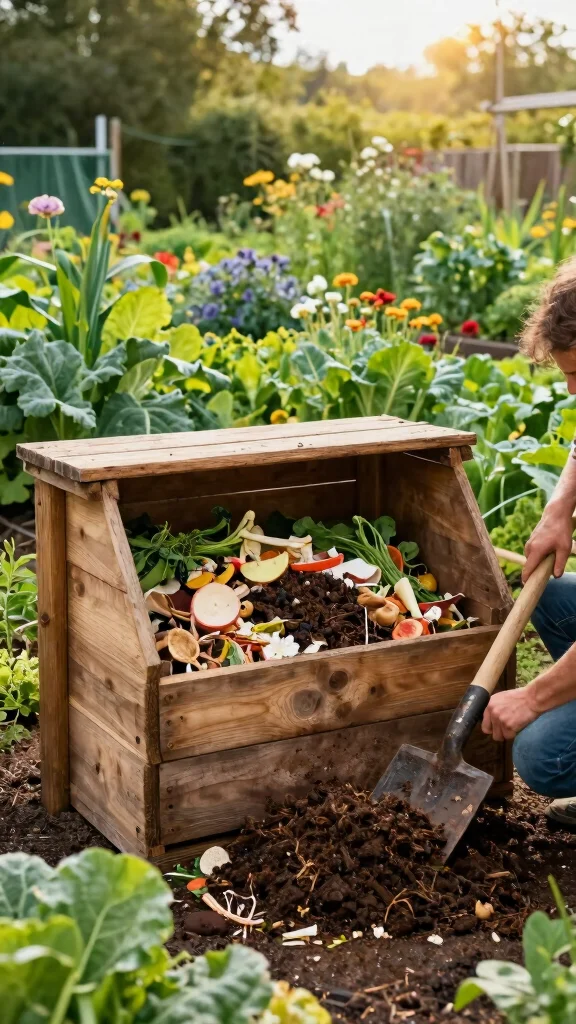
Composting is an effective way to enrich your soil while reducing waste. By setting up a compost bin, you can turn kitchen scraps and yard waste into nutrient-rich compost that supports plant growth. This natural fertilizer improves soil structure and helps retain moisture, leading to healthier plants.
Starting with a small countertop compost container can make this process simple. Remember to balance green materials, like vegetable scraps, with brown materials, such as dry leaves, for optimal results.
Here are some composting tips:
– Layer green (nitrogen) and brown (carbon) materials for a healthy mix.
– Turn your compost pile regularly to promote decomposition.
– Use finished compost to enrich garden beds or potted plants.
– Keep track of compost contents to avoid unwanted odors.
This method not only benefits your garden but also contributes positively to the environment by reducing landfill waste.
4. Water-Wise Gardening
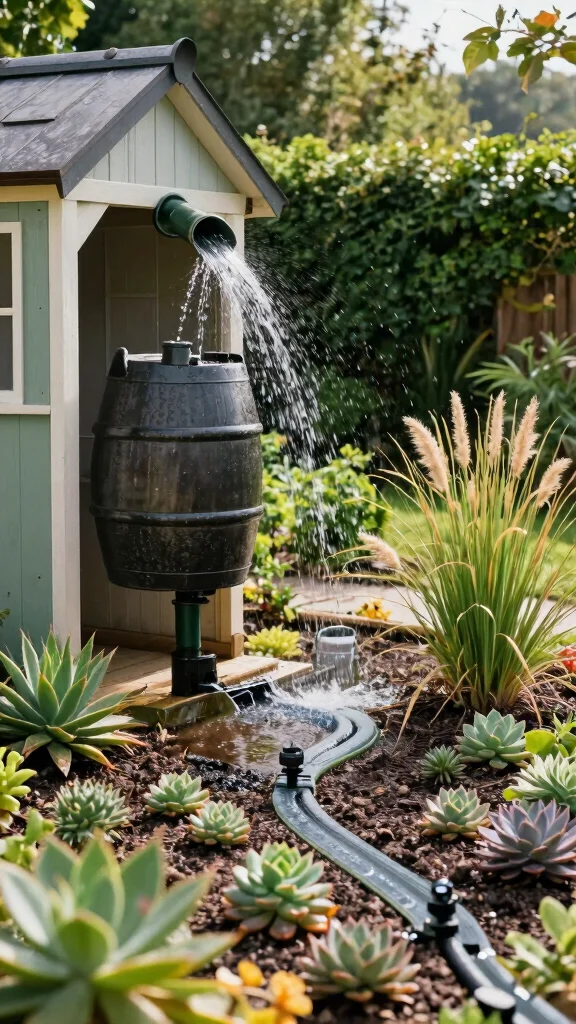
Water-wise gardening is essential for creating a sustainable landscape. Implementing strategies like rain barrels to collect runoff can provide a free water source for your plants. Additionally, drip irrigation systems deliver water directly to plant roots, minimizing evaporation and waste.
Choosing drought-resistant plants will also help your garden thrive during dry spells. These techniques not only create a beautiful yard but also conserve water, making your gardening efforts more sustainable.
Consider these water conservation tips:
– Group plants with similar water needs together for efficiency.
– Apply mulch to retain moisture and suppress weeds.
– Use greywater systems to recycle household water.
– Adjust watering schedules based on weather conditions.
By adopting these practices, you contribute to a healthier ecosystem while maintaining a vibrant, lush garden.
5. Vertical Gardening
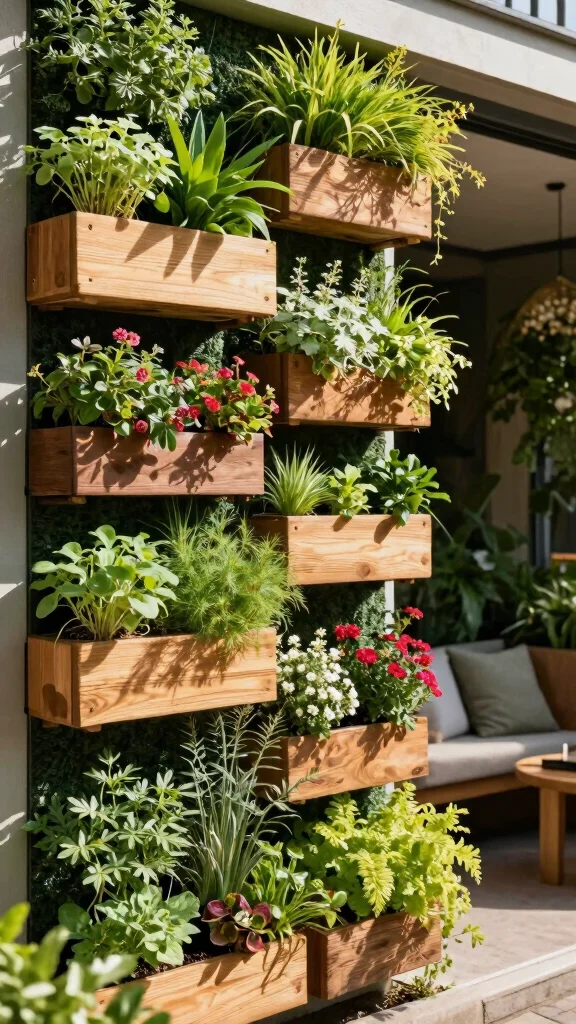
Vertical gardening is a clever way to maximize your garden space and add unique design elements. Ideal for smaller areas, using structures like trellises and wall planters allows you to grow various plants while saving ground space. This method enhances your garden’s depth and promotes better air circulation, vital for plant health.
Imagine creating stunning living walls filled with herbs or vibrant flowers that catch the eye. This approach not only beautifies your garden but also makes efficient use of space.
Here are some vertical gardening ideas:
– Use recycled materials like pallets for creative plant stands.
– Choose lightweight containers to ease structural strain.
– Ensure climbing plants have adequate support for healthy growth.
– Incorporate drip irrigation to keep vertical gardens hydrated.
This technique not only elevates your garden’s aesthetic but also offers a sustainable solution for limited spaces.
6. Edible Landscaping
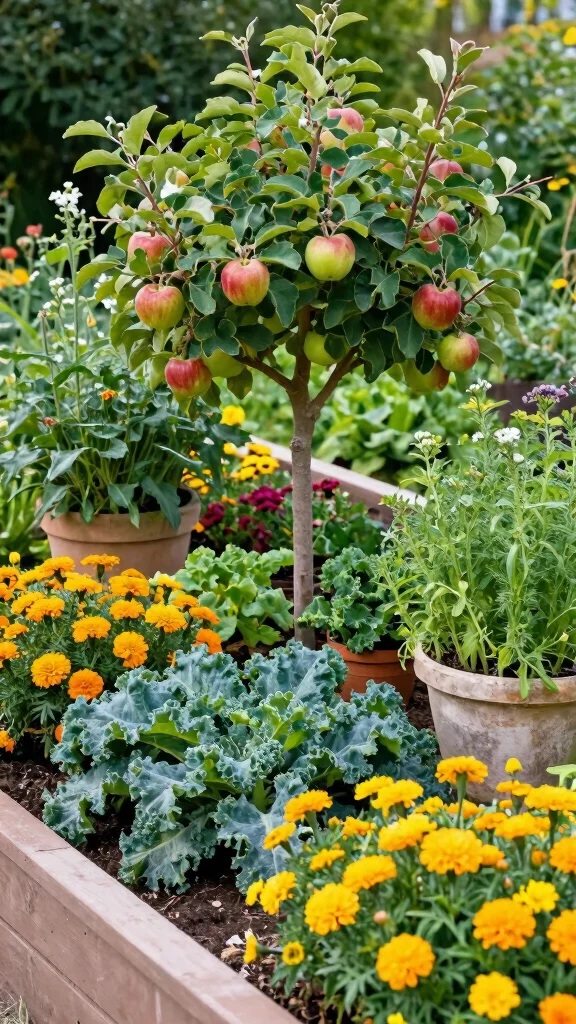
Edible landscaping beautifully blends aesthetics with functionality, allowing you to grow food-producing plants that enhance your outdoor space. Picture fruit trees as focal points or colorful vegetable plots nestled among ornamental plants. This not only adds beauty but also provides fresh, organic produce right at home.
Incorporating herbs like rosemary or thyme in decorative pots can enhance your garden’s charm while being functional. This approach creates a delightful outdoor space that nourishes both body and soul.
Consider these edible landscaping tips:
– Choose dwarf fruit trees for limited spaces.
– Mix herbs into flower beds for fragrance and utility.
– Select colorful vegetables like Swiss chard for visual appeal.
– Use companion planting to boost growth and deter pests.
This method not only beautifies your yard but also promotes a healthy lifestyle through homegrown food.
7. Incorporate Wildlife Features
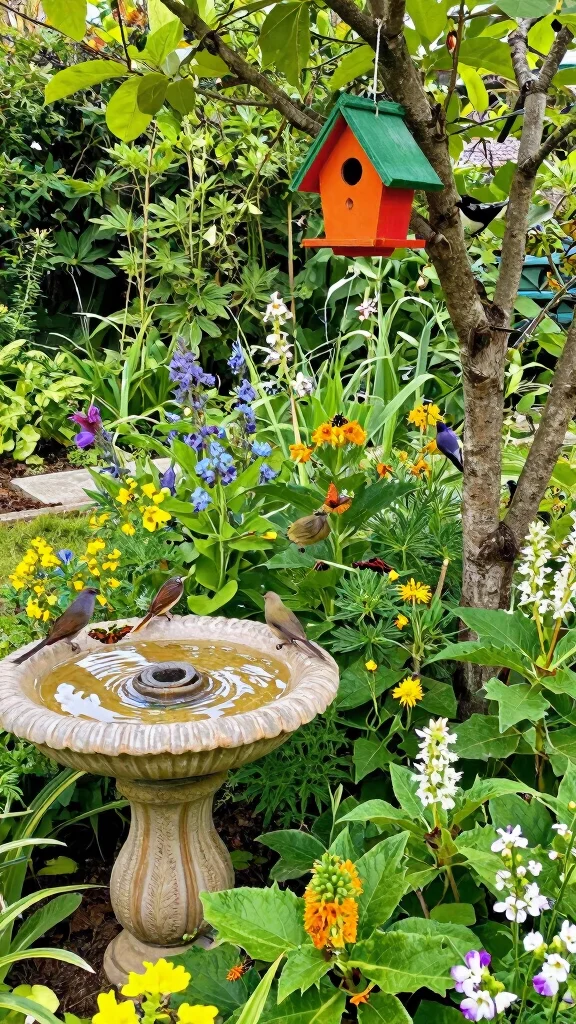
Creating a habitat for local wildlife is essential in sustainable gardening. By adding features like birdhouses, bat boxes, and pollinator gardens, you attract beneficial creatures that help maintain ecological balance. These elements not only beautify your garden but also support a thriving ecosystem.
Consider installing a small water feature, like a birdbath, to provide hydration for feathered friends. This not only enriches your garden’s charm but also encourages biodiversity.
Here are some ways to support wildlife in your garden:
– Choose native plants that provide food and shelter.
– Avoid harmful pesticides to keep your garden safe for nature.
– Create brush piles or rock gardens for small creatures’ habitats.
– Learn about local wildlife needs to enhance your efforts.
This approach fosters a lively, dynamic garden where nature can flourish alongside your plants.
8. Use Recycled Materials
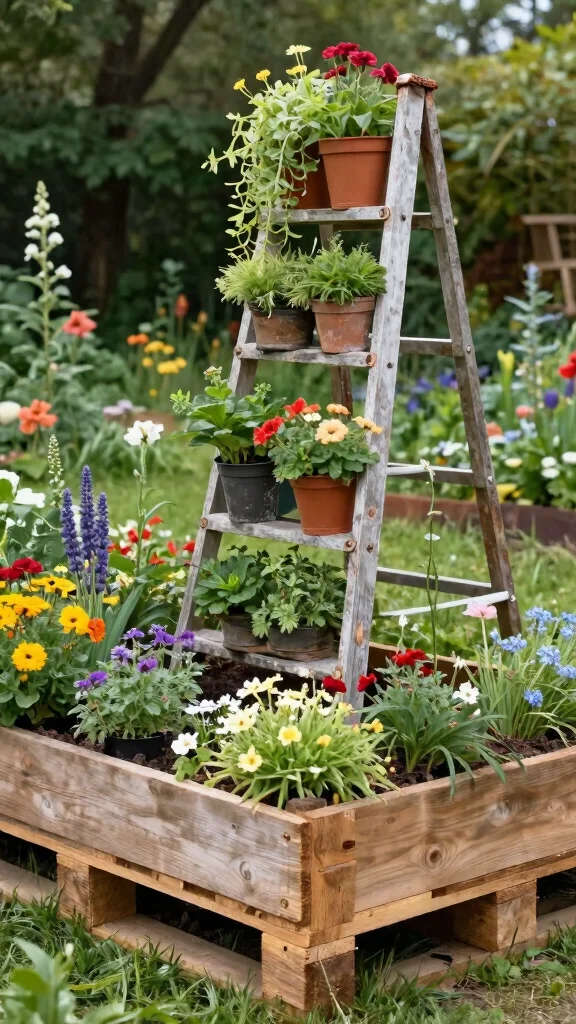
Sustainable gardening thrives on creativity, especially when incorporating recycled materials. From creating raised beds with old pallets to using wine bottles as borders, these items reduce waste while adding unique character to your garden. You can even repurpose old furniture into charming garden features.
Each piece tells a story and contributes to the beauty of your outdoor space, making it truly one-of-a-kind.
Here are some ideas for using recycled materials:
– Visit thrift stores for unique garden finds.
– Clean and treat materials to ensure safety for plants.
– Use mismatched containers for a quirky touch.
– Think outside the box for new uses in your garden.
This method not only enhances your garden’s design but also promotes a sustainable approach to gardening.
9. Seasonal Planting Strategy
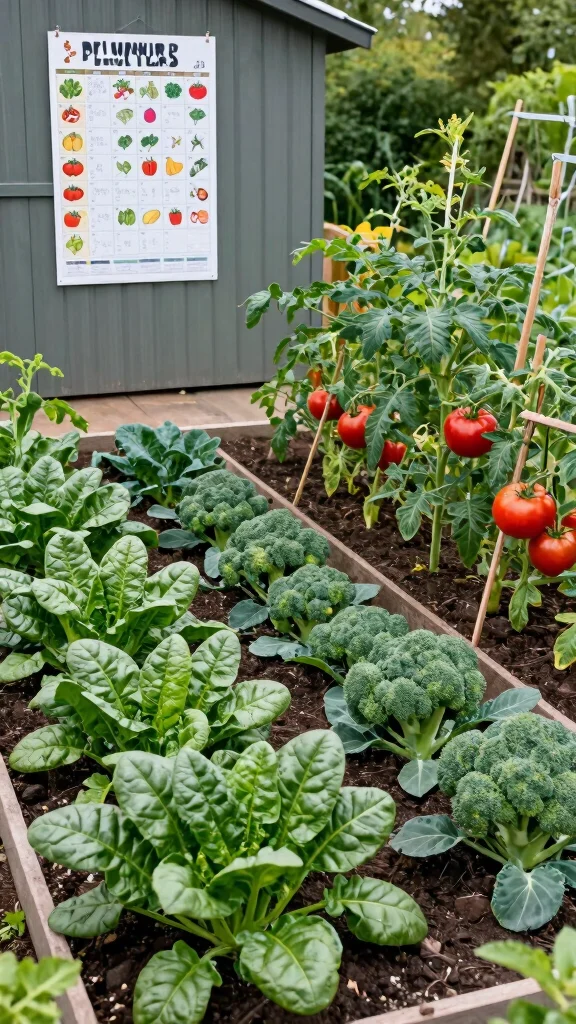
Adopting a seasonal planting strategy is a smart way to keep your garden productive and visually appealing all year round. By planning which plants to grow based on the season, you can enjoy a continuous supply of fresh produce. For example, plant cool-weather crops like spinach in early spring and switch to summer favorites like tomatoes.
This strategy not only maintains your garden’s vibrancy but also helps minimize pest problems associated with planting the same crops repeatedly.
Here are some tips for seasonal planting:
– Create a planting calendar to track seasonal crops.
– Rotate crops annually to maintain soil health.
– Explore companion planting for maximizing space and deterring pests.
– Use cover crops in the off-season to enrich the soil.
This approach ensures your garden remains dynamic and productive throughout the year, benefiting both you and the environment.
10. Organic Pest Management
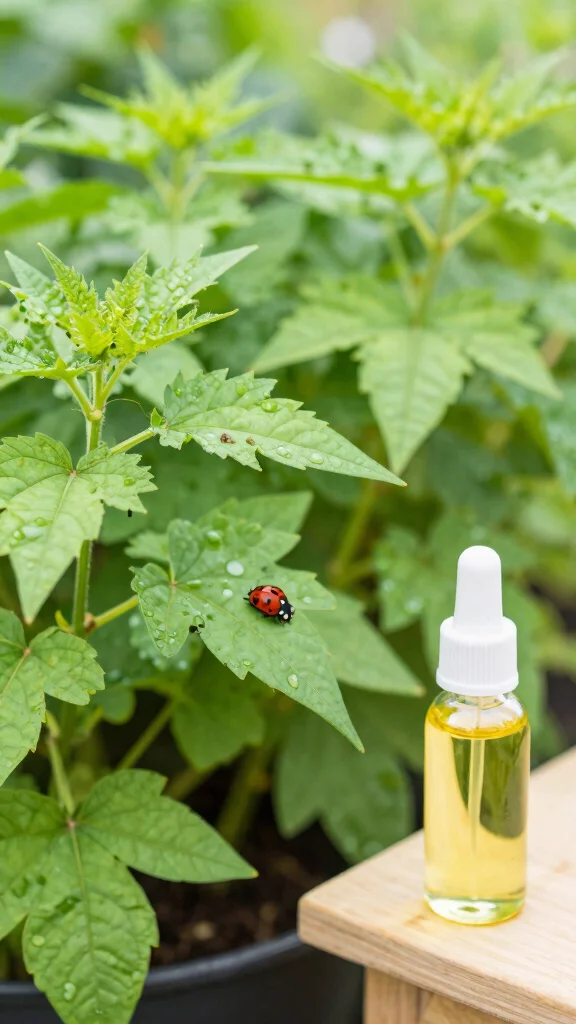
Managing pests organically is crucial for a healthy garden. Instead of using chemical pesticides, consider natural deterrents like neem oil or insecticidal soap. Encouraging beneficial insects such as ladybugs through flower planting can also aid in natural pest control.
You can hand-pick pests or set traps to manage populations without harsh chemicals, keeping your garden safe for all its inhabitants.
Consider these organic pest management strategies:
– Use companion planting to repel harmful insects naturally.
– Maintain cleanliness by removing dead leaves and debris.
– Introduce beneficial insects to help control pests.
– Regularly inspect plants for early signs of trouble.
This organic approach not only protects your plants but also nurtures a balanced ecosystem within your garden.
11. Sustainable Hardscaping
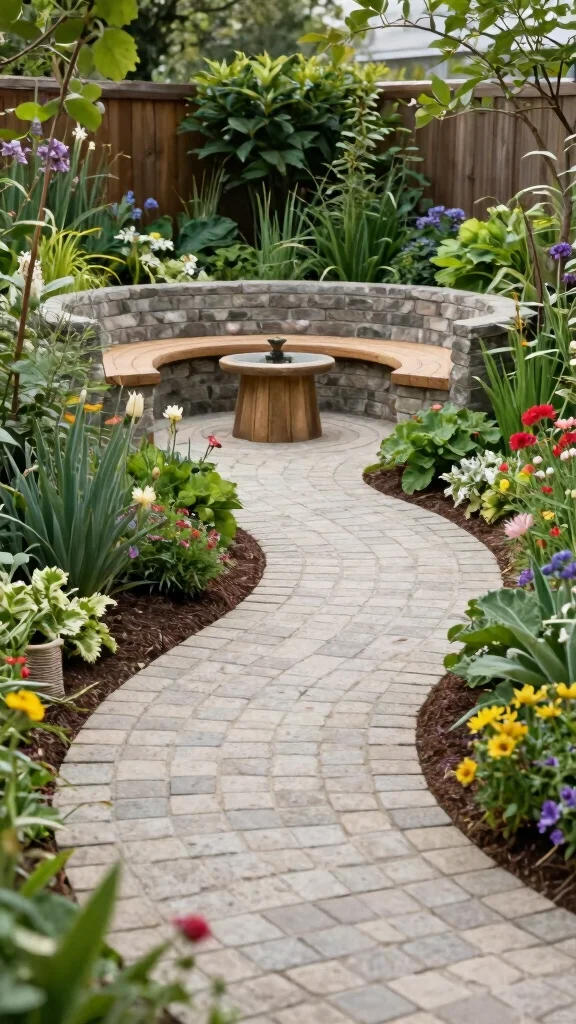
Sustainable hardscaping focuses on using eco-friendly materials that complement your garden’s design. Consider permeable pavers for walkways, which allow rainwater to filter into the ground, helping recharge groundwater supplies. Using recycled concrete or stone can enhance visual interest while maintaining sustainability.
These materials not only look great but also reduce your environmental footprint, making your garden both beautiful and eco-conscious.
Explore these sustainable hardscaping ideas:
– Choose locally sourced or recycled materials for projects.
– Use natural stone or wood for a rustic appearance.
– Design pathways that double as drainage systems.
– Incorporate low-maintenance hardscaping to minimize upkeep.
By integrating these elements, you create a garden that is not only stunning but also mindful of the planet.
12. Greenhouse Gardening
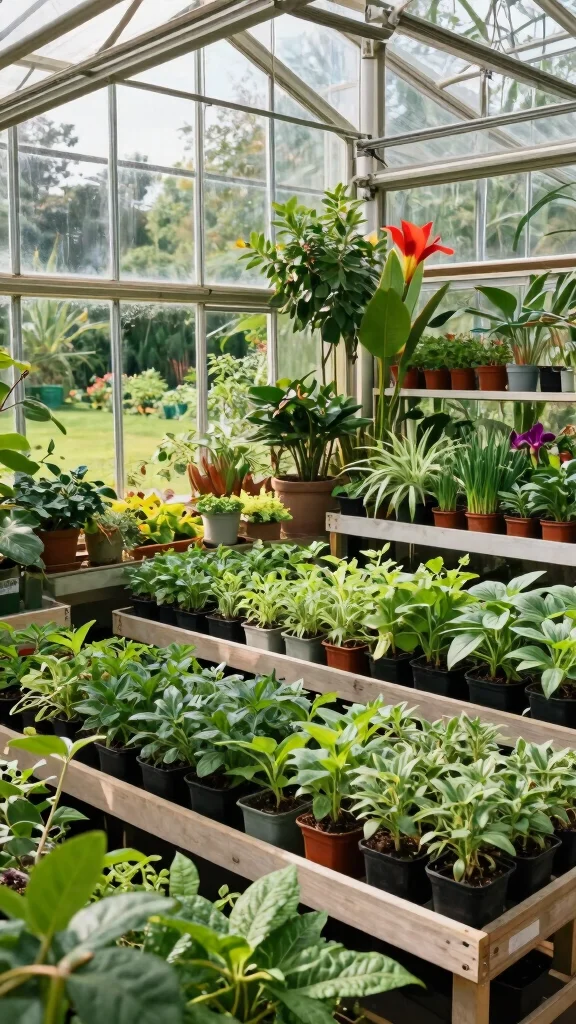
A greenhouse offers a way to extend your gardening season and shield plants from harsh conditions. By providing a controlled environment, you can grow a variety of plants year-round, including culinary herbs and tropical varieties. Incorporating sustainable practices like solar heating can enhance your eco-friendly approach to greenhouse gardening.
This setup allows for experimentation with diverse plant types that may not thrive in your local climate.
Consider these greenhouse gardening tips:
– Choose a design that suits your space and budget.
– Opt for natural materials when possible to maintain sustainability.
– Include shelving to maximize vertical growing space.
– Monitor temperature and humidity for optimal plant growth.
This not only beautifies your garden but also fosters a commitment to sustainable practices.
13. Solar Lighting
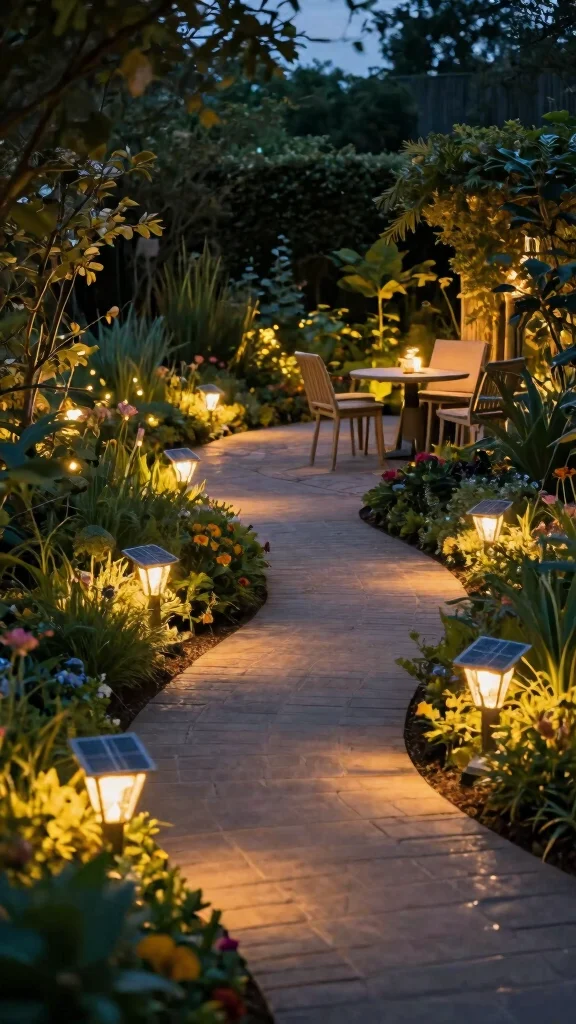
Adding solar lighting to your garden enhances ambiance and reduces energy consumption. These lights are easy to install and come in various styles, from fairy lights to decorative lanterns, creating charm and functionality. They are perfect for illuminating pathways or highlighting garden features during the evening.
Strategically positioning lights can enhance safety while creating a cozy gathering space for relaxation.
Here are some solar lighting ideas:
– Position lights to enhance safety and visual appeal.
– Choose energy-efficient LED solar lights for longevity.
– Consider motion-activated lights for added security.
– Use warm-toned lights for a softer atmosphere.
This approach not only beautifies your outdoor space but also supports sustainable living.
14. Incorporate Fencing with Purpose
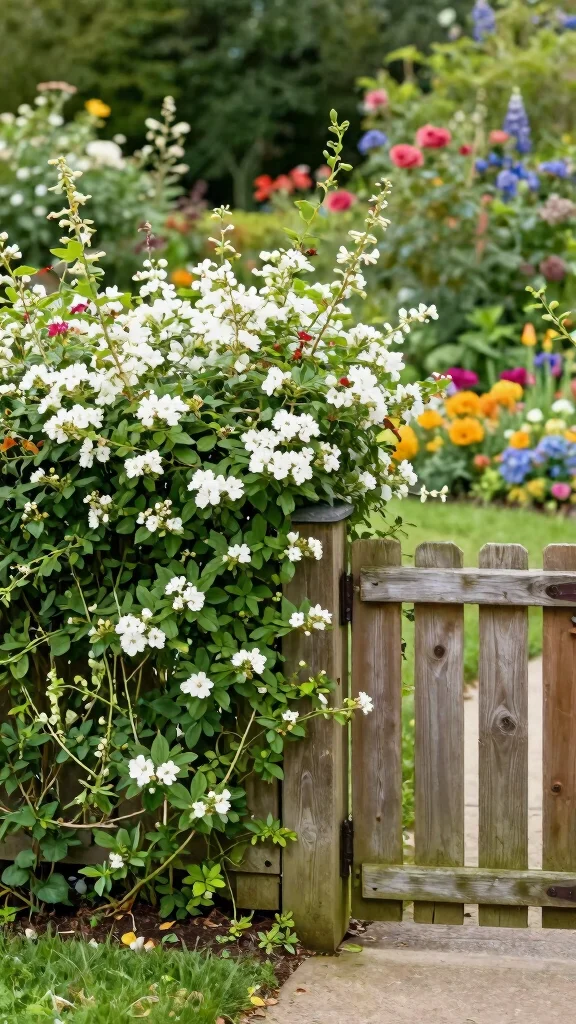
Instead of standard fencing, consider creating living fences with shrubs and vines. These natural barriers provide privacy while supporting biodiversity and offering habitats for insects. Using trellises with climbing plants can enhance your yard’s beauty while serving functional purposes like windbreaks.
This design choice elevates your garden’s aesthetic while adding layers of interest and utility.
Here are some tips for purposeful fencing:
– Select fast-growing varieties for quicker privacy solutions.
– Choose native plants that require less maintenance.
– Design pathways alongside your fencing for a cohesive look.
– Incorporate features like gates or arbors for added charm.
This thoughtful approach creates a visually appealing garden that integrates seamlessly with the surrounding environment.
15. Plant for All Seasons
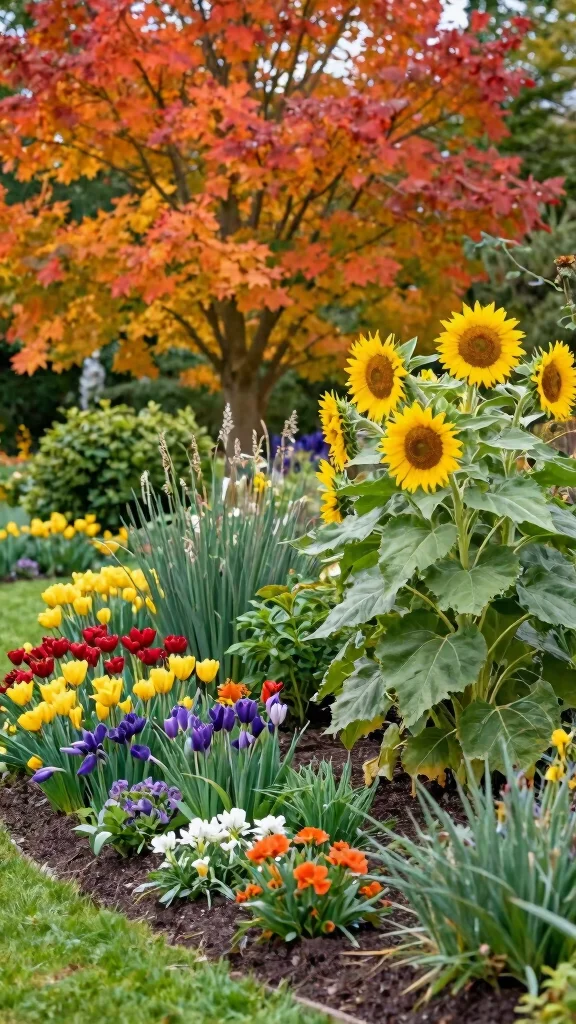
Creating a year-round garden that offers visual interest is key to sustainable design. By selecting plants that bloom in various seasons, you can enjoy a constantly evolving landscape. Incorporating evergreens for winter, spring bulbs for early blooms, summer flowers for vibrant colors, and fall foliage for stunning contrasts adds depth to your garden.
This approach not only enhances the beauty of your outdoor space but also supports wildlife by providing food and shelter throughout the year.
Here are some planting strategies for all seasons:
– Research plants that thrive in each season in your area.
– Use perennials for lasting beauty with less maintenance.
– Implement seasonal color schemes for visual appeal.
– Plan for winter interest with unique bark textures and evergreens.
This thoughtful design keeps your garden dynamic and visually engaging, no matter the time of year.
16. Mindful Garden Design
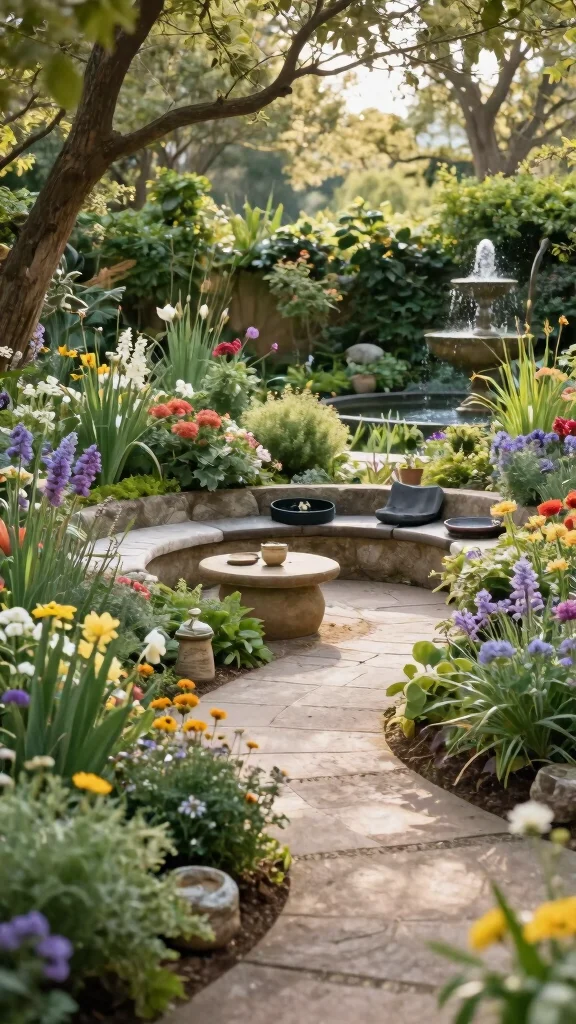
Mindful garden design focuses on crafting a space that nurtures mental well-being and emotional health. Incorporate elements like soothing water features, fragrant plants, and comfortable seating to promote relaxation. This thoughtful approach encourages a deeper connection with nature and fosters tranquility.
Consider adding meditation spots, sensory gardens rich in textures and scents, or quiet nooks for moments of reflection.
Here are some mindful garden design ideas:
– Use calming colors and soft textures in plant selections.
– Create paths leading to peaceful areas for reflection.
– Incorporate sound elements like wind chimes or water features.
– Engage all senses with a variety of plants and materials.
This design philosophy creates a serene retreat where you can unwind and recharge amidst the beauty of nature.
Conclusion
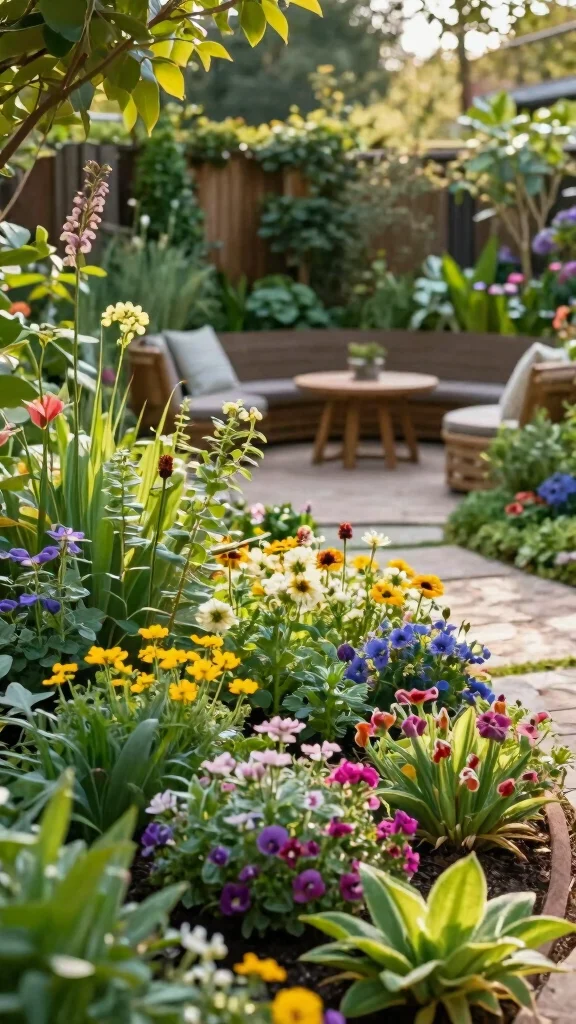
Designing a sustainable garden is more than just a trend—it’s a commitment to living in harmony with the environment.
Each idea shared in this guide offers a pathway to creating a beautiful yard that supports nature while enriching your life.
As you explore these concepts, remember that every small step counts. Let’s cultivate our outdoor spaces to be vibrant and eco-friendly sanctuaries for ourselves and the world around us.
Frequently Asked Questions
What garden trends are shaping sustainable garden design today?
Today, sustainable garden design is guided by garden trends that prioritize beauty with less water and fewer inputs.
Focus on drought-tolerant plants and native species to cut water use while supporting local ecosystems.
Apply permaculture principles by grouping plants with similar water needs, building soil health with compost and mulch, and creating productive guilds.
Design a functional backyard oasis vibe with seating zones, shade, and low-maintenance groundcovers that still feel lush.
Choose permeable paths and rainwater harvesting to reduce runoff and support a resilient micro-ecosystem.
How can I start a permaculture-inspired backyard that is both beautiful and low maintenance?
Starting a permaculture-inspired backyard begins with careful observation of your site—sun exposure, water flow, wind patterns, and soil quality.
Design zones and plant guilds that meet each other’s needs, prioritizing edible, useful, and pollinator-friendly species.
Build soil health with compost, mulch, and minimal disturbance to let beneficial organisms thrive.
Capture rainwater with barrels and a drip irrigation plan to minimize waste and keep maintenance simple.
Finish with a cozy backyard oasis that blends beauty and practicality—think comfortable seating, natural shade, and low-maintenance groundcovers.
What practical steps can turn a small space into a backyard oasis without breaking the bank?
Start with multi-functional elements like vertical planters, container gardens, and compact perennials that provide color year-round.
Choose native or drought-tolerant plants to reduce water use and maintenance.
Upcycle pallets, tires, or reclaimed wood for planters and trellises, and layer in mulch to suppress weeds and conserve moisture.
Add a simple rain barrel and a basic drip-irrigation line to water efficiently without fuss.
Finish with a cohesive palette and a cozy seating nook to transform a small patch into a true backyard oasis.
How can I maintain soil health and conserve water as part of sustainable garden design?
Soil health starts with testing and feeding with nutrient-rich compost and a thick mulch layer to lock in moisture.
Use cover crops or living mulches where appropriate to protect soil structure during off-seasons.
Adopt a water-wise approach with drip irrigation, smart timers, and rainwater harvesting to minimize waste.
Choose native grasses and groundcovers that reduce erosion and maintenance while supporting biodiversity.
Monitor plant performance and adjust irrigation and feeding to keep soil biology thriving.
What are common mistakes to avoid when designing a sustainable garden that harmonizes with home decor?
Common mistakes include ignoring microclimates and sun/shade patterns, which leads to failed plantings.
Over-planting or crowding spaces blocks airflow and makes maintenance harder.
Focusing on trends without considering climate or soil can backfire, creating high upkeep costs.
Neglecting accessibility, lighting, and pathways can ruin usability and ambiance rather than enhance it.
To ensure harmony with your home decor, pick a cohesive palette and garden trends that suit your climate and craft a backyard oasis vibe with durable, timeless materials.