
Gardening season is here, and I find myself craving fresh veggies and vibrant blooms. There’s something magical about digging in the earth and nurturing plants, but let’s be honest—sometimes it can feel overwhelming. If you’re passionate about organic gardening or just curious about how to grow your best harvest ever, you’re in the right place. This post is crafted for garden enthusiasts like you who want to explore natural methods and eco-conscious practices that lead to a bountiful garden.
In “17 Organic Gardening Secrets to Grow Your Best Harvest Ever,” you’ll discover practical tips that can transform your approach to gardening. From selecting the right location to understanding the importance of heirloom varieties, this guide is filled with actionable insights. You’ll learn how to enrich your soil, control pests without chemicals, and embrace the beauty of native plants. Whether you’re a seasoned gardener or just starting out, these secrets will help you cultivate not only a thriving garden but also a deeper connection to nature.
With each tip, you’ll gain knowledge that empowers you to make better choices in your garden. Get ready to dig in and embrace the joys of organic gardening, knowing that every step you take is a step towards a healthier environment and a more fruitful harvest.
Key Takeaways
– Choose the Right Location: Pick a sunny spot with good drainage to give your plants the best start possible.
– Use Quality Soil: Invest in nutrient-rich soil to provide a healthy foundation for your garden’s growth.
– Natural Pest Control: Use eco-friendly methods to keep pests at bay, ensuring a safer environment for beneficial insects.
– Embrace Perennials: Incorporate perennial plants to save time and resources, as they return year after year.
– Harvest at the Right Time: Timing your harvest can significantly impact the flavor and quality of your produce.
1. Choose the Right Location
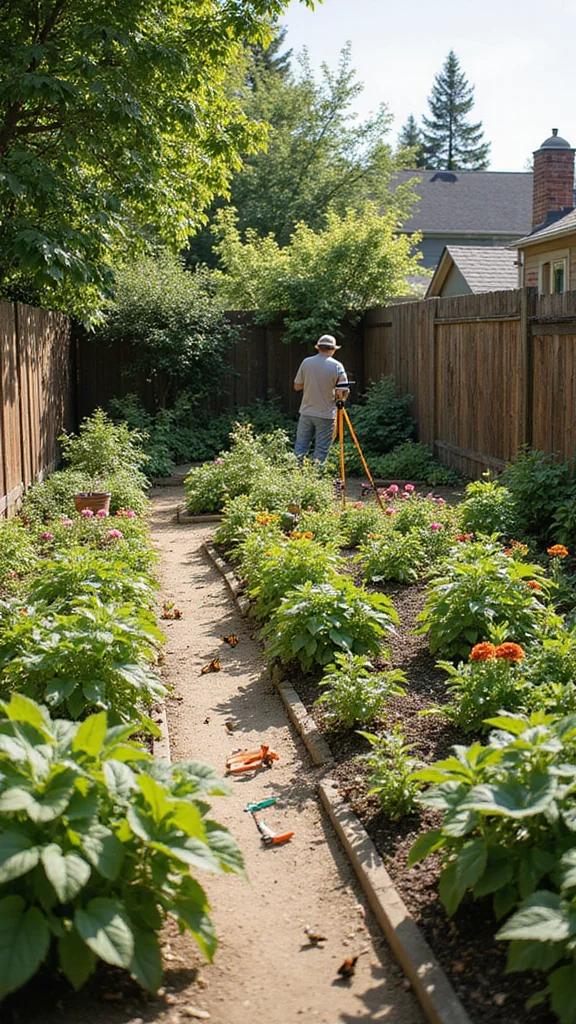
Finding the ideal spot for your garden is essential for success. Consider how sunlight, wind patterns, and drainage will affect your plants. Most vegetables thrive with 6-8 hours of sunlight daily, so seek out a sunny, sheltered area that drains well. This choice can significantly impact your garden’s overall health and yield.
Think about rotating your garden location each year to keep the soil rich and deter pests. Ensure the site is easily accessible for watering and harvesting, as convenience can play a huge role in your gardening experience.
Key steps to identify the perfect location:
– Monitor sunlight throughout the day.
– Avoid areas where water collects after rain.
– Explore vertical or container gardening if space is limited.
Choosing the right garden location lays the groundwork for a flourishing harvest.
📹 Related Video: Beginning Gardening Series #1: Best Location for a Vegetable Garden
2. Use Quality Soil
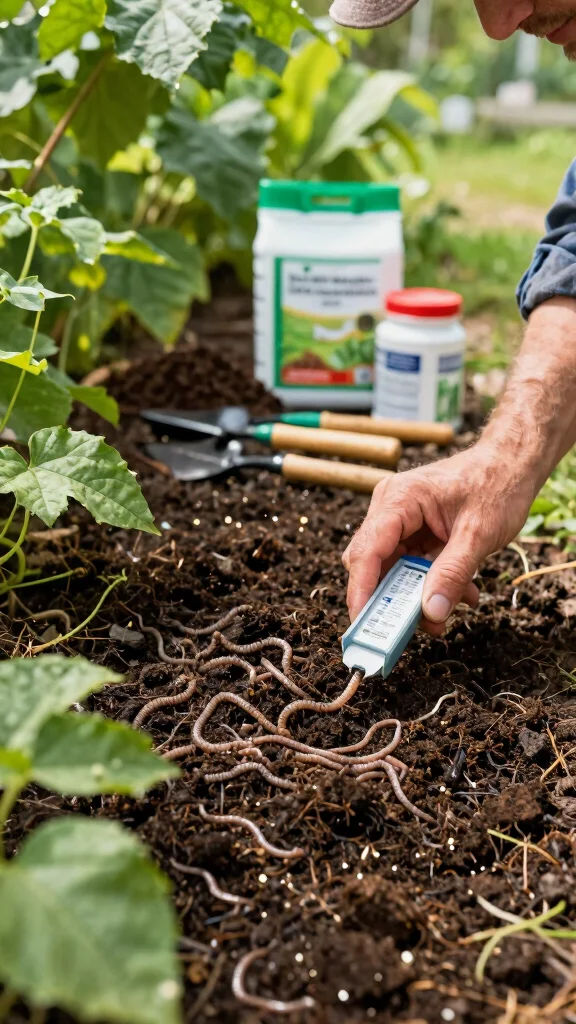
Soil quality is the backbone of any successful garden. For organic gardening, prioritize nutrient-rich soil that supports healthy plant growth. Start with a blend of compost, peat moss, and well-rotted manure for optimal results.
Test your soil to understand its pH and nutrient levels. This knowledge allows you to make necessary amendments, ensuring your plants get the essential nutrients they need to thrive.
Steps to improve your soil:
– Conduct a soil test for pH and nutrient levels.
– Incorporate organic matter like compost for better structure.
– Use mulch around plants to conserve moisture and suppress weeds.
Investing in your soil leads to healthier plants and abundant harvests.
How To Choose the Right Organic Gardening Techniques
Choosing the best organic gardening techniques for your garden can be overwhelming. With so many options available, it’s essential to consider key factors to ensure a successful harvest. Here’s how to streamline your decision-making process:
1. Assess Your Environment
Understanding your garden’s environment is the first step. Consider sunlight, soil type, and climate. You need to know how much sunlight your plants will receive daily and if your soil is sandy, clayey, or loamy. This information will guide you in selecting the best techniques tailored to your unique conditions.
2. Define Your Goals
What do you want to achieve with your garden? Are you looking to grow vegetables, herbs, or flowers? Defining your gardening goals helps you choose the right organic methods. If you aim for high yields, you might focus on techniques like crop rotation or companion planting. If you’re interested in sustainability, consider practices that enhance biodiversity.
3. Evaluate Available Space
The amount of space you have can dictate your gardening choices. If you’re limited to a small area, container gardening or raised beds might be the best options. For larger areas, traditional row gardening or permaculture could be more suitable. Assess your space and decide what fits best.
4. Research Organic Methods
Familiarize yourself with various organic gardening methods. Techniques such as composting, natural pest control, and crop rotation can significantly impact your success. Look into methods that enhance soil health and pest resilience. Each method has its benefits, so gathering information helps you make informed choices.
5. Consider Your Budget
Organic gardening can vary in cost depending on the methods and materials you choose. If you’re budget-conscious, focus on low-cost techniques like composting and companion planting. If you have a larger budget, investing in quality soil amendments or specialized tools can enhance your results. Set a budget before diving in to avoid overspending.
6. Seek Community Resources
Don’t forget to tap into local gardening communities and resources. Joining a community garden or participating in local workshops can provide valuable insights. You can learn from experienced gardeners, share resources, and even swap plants or seeds. Community support can make your organic gardening journey more enjoyable and successful.
Pro Tip: Document your gardening journey! Keep notes on what techniques work best for you and what challenges you face. This record will help you refine your approach in future growing seasons and lead to your best harvest ever! 🌱✨
3. Companion Planting
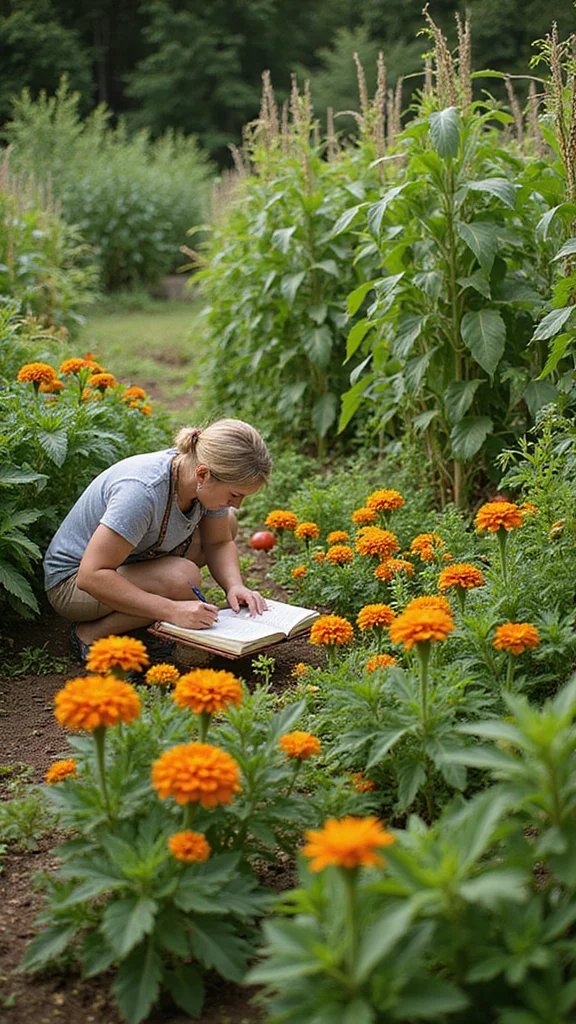
Companion planting is a smart strategy for enhancing your garden’s health. Grow different plants together to naturally repel pests and improve growth. For instance, pairing marigolds with tomatoes can keep harmful nematodes at bay.
By thoughtfully selecting plant pairs, you create a self-sustaining ecosystem that benefits all plants involved.
Popular companion plant pairings:
– Combine basil with tomatoes for flavor and pest control.
– Plant carrots alongside onions to deter pests.
– Grow beans with corn to share nutrients.
Experimenting with companion planting can lead to a more productive garden and delightful surprises.
4. Natural Pest Control
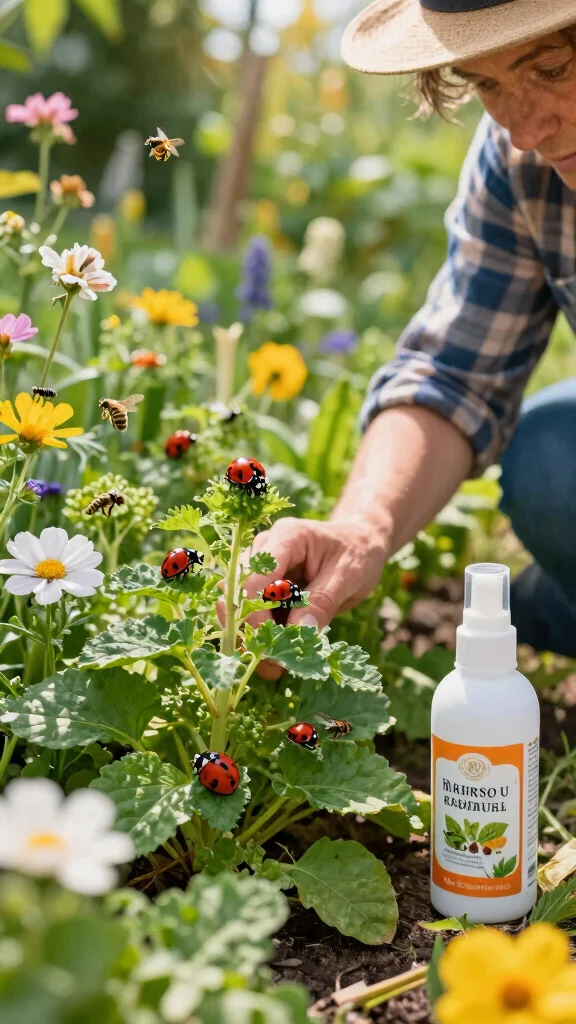
Opt for natural pest control methods instead of harsh chemicals. These eco-friendly strategies protect your garden and your health. Introducing beneficial insects like ladybugs can help manage pest populations effectively.
You can also create homemade sprays using garlic or neem oil to deter unwanted pests. Regularly inspect your plants to catch any issues before they escalate.
Natural pest control techniques:
– Release beneficial insects to combat harmful pests.
– Utilize neem oil as a natural insect repellent.
– Create garlic sprays to keep pests away.
Implementing these organic methods fosters a healthier garden environment and supports biodiversity.
Did you know releasing ladybugs can curb aphids by up to 70–80% in just a week? Pair this with homemade garlic or neem oil sprays and regular plant checks for natural pest control that protects your harvest without harsh chemicals.
5. Water Wisely
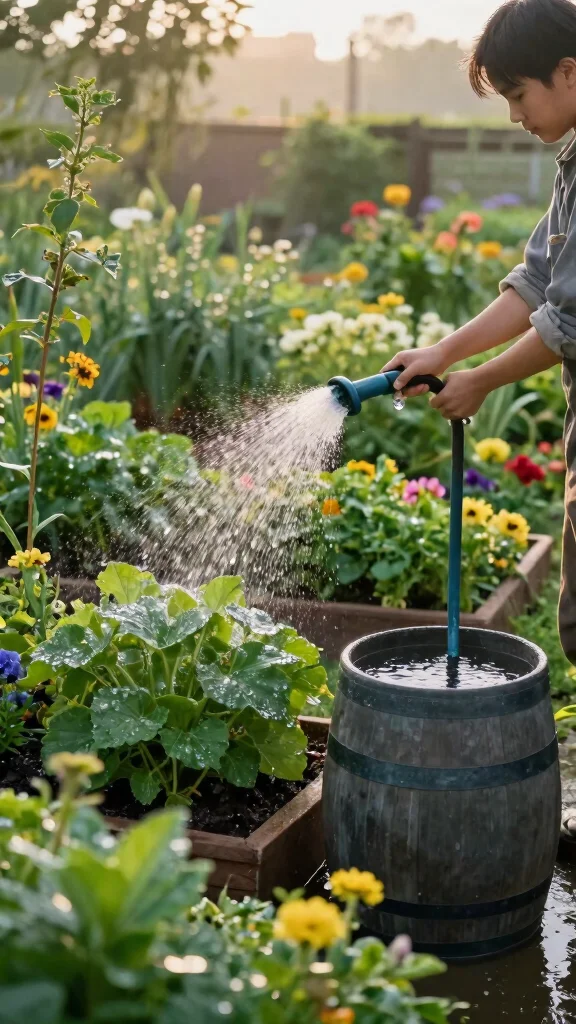
Effective watering practices are crucial for a thriving garden. Instead of following a strict schedule, adjust your watering routine based on weather and soil conditions. Early morning is the best time to water, allowing plants to absorb moisture before the heat sets in.
Consider installing a drip irrigation system to target roots directly while saving water. Mulching around plants also helps maintain moisture levels and curbs evaporation.
Watering strategies to consider:
– Check soil moisture before watering; it should feel dry.
– Collect rainwater in barrels for reuse.
– Focus on deep watering to develop strong roots.
Smart watering practices support plant health while conserving water.
7. Enrich with Compost
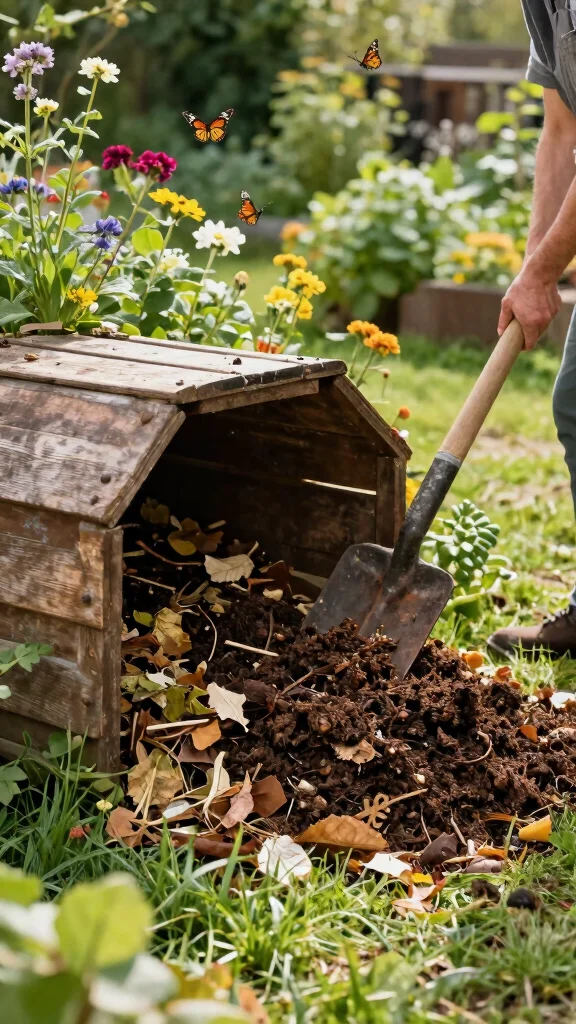
Composting is a fulfilling aspect of organic gardening that benefits both your plants and the environment. By recycling kitchen scraps and yard waste, you create nutrient-dense compost for your garden. Compost enhances soil structure, increases water retention, and supports healthy microbial life.
Begin by collecting vegetable scraps, coffee grounds, and leaves in a compost bin. Regularly turning your compost speeds up decomposition, resulting in rich material ready to nourish your garden in a few months.
Composting essentials to remember:
– Balance greens and browns for optimal compost.
– Keep the compost pile moist but not soaking wet.
– Use finished compost as mulch or soil amendment.
Your plants will flourish while you reduce waste, making composting a rewarding practice.
You might also like
8. Select Heirloom Varieties
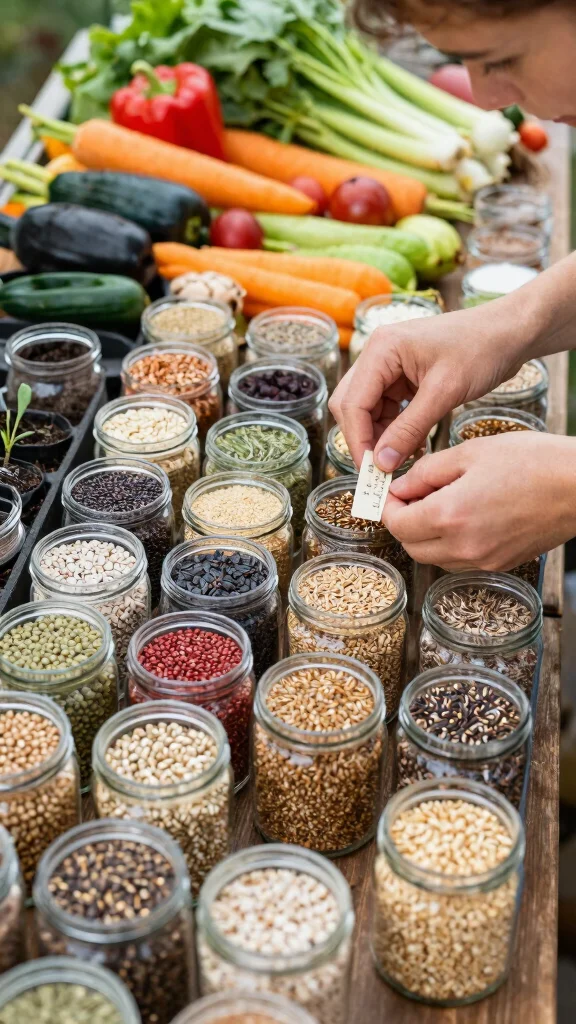
Heirloom seeds are a special treasure for organic gardeners. Unlike hybrids, these seeds have been preserved through generations, often boasting unique flavors and resilience. They adapt well to local climates, allowing for a more sustainable harvest.
Choosing heirloom seeds not only enhances biodiversity but also connects you with the rich history of gardening.
Advantages of heirloom varieties:
– Enjoy richer flavors compared to hybrids.
– Adaptability to local pests and conditions.
– A wide range of colors, shapes, and tastes to explore.
Saving seeds from your harvest ensures continuity and deepens your connection to your garden.
9. Utilize Raised Beds
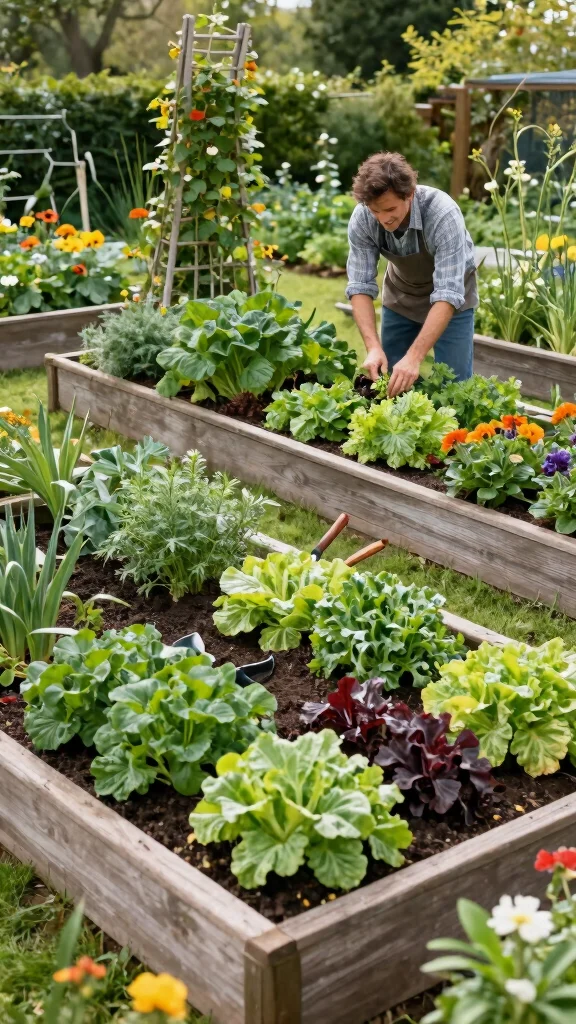
Raised garden beds can revolutionize your gardening approach. They enhance drainage, improve soil quality, and offer a neat layout for your plants. Managing weeds and pests becomes easier, too.
Building raised beds allows you to tailor the soil mix for each type of plant, optimizing growth conditions. Plus, you gain better control over sunlight and moisture exposure than with traditional planting.
Benefits of raised beds include:
– Easier access for planting and maintenance.
– Enhanced soil management and drainage.
– Extended growing seasons due to increased warmth.
Consider using reclaimed materials for your beds to create an eco-friendly and visually appealing garden space.
Raised beds make gardening feel practical and joyful—better drainage, easier access, and soil you can tailor for each crop. Build, mulch, and watch weeds stay down while your harvest climbs, one neat row at a time.
10. Embrace Perennials
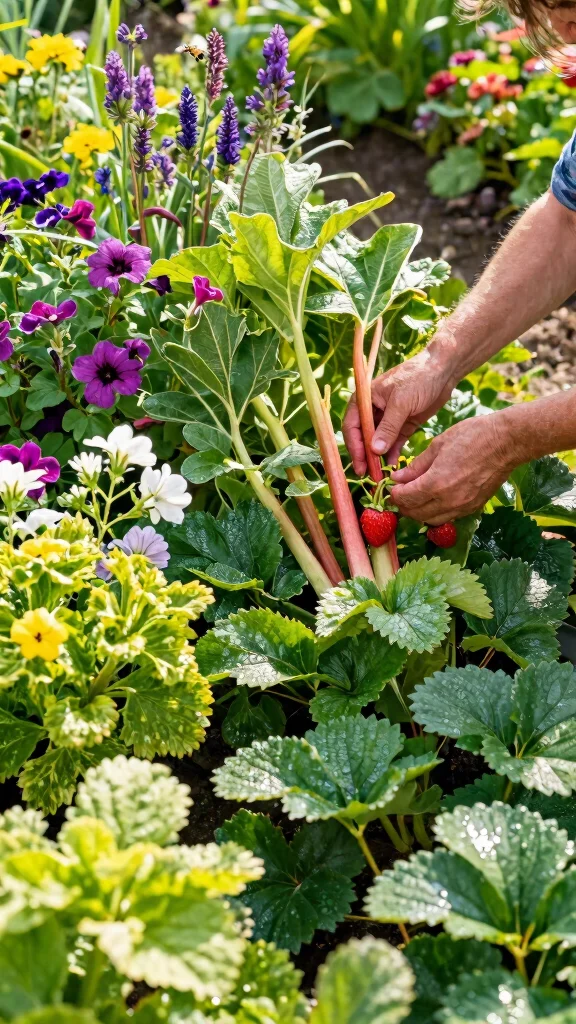
Integrating perennial plants into your garden saves time and effort in the long run. These plants return annually, providing reliable harvests without needing to be replanted. They foster a stable ecosystem and require less upkeep once established.
Select perennials that suit your local climate and soil for optimal success.
Notable perennial options:
– Asparagus for a long-term vegetable supply.
– Rhubarb for sweet desserts and jams.
– Strawberries for delightful early summer treats.
A diverse selection of perennials creates a flourishing garden that continuously delivers rewards.
11. Grow Native Plants
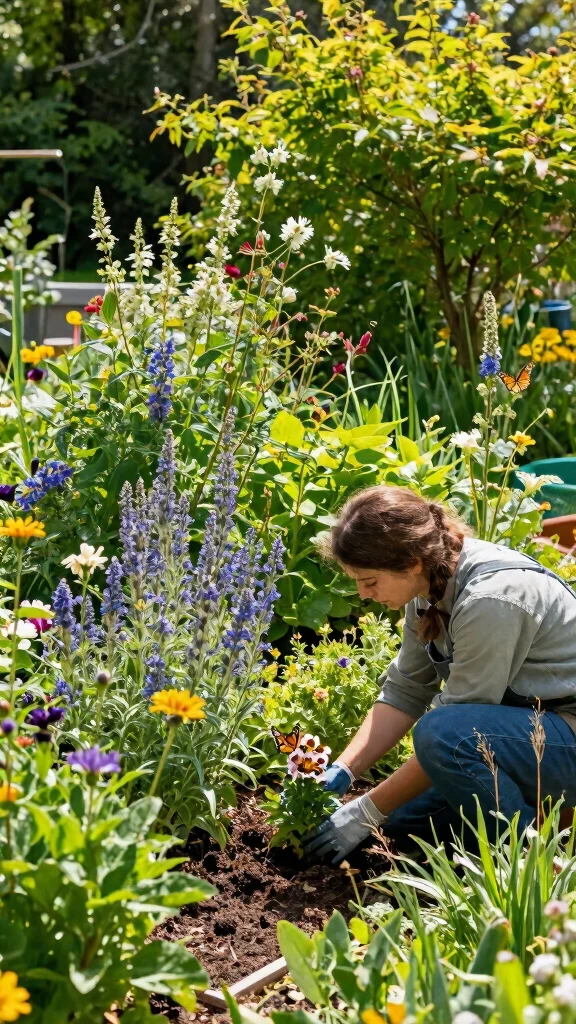
Adding native plants to your garden is an excellent way to support local wildlife and create a sustainable environment. Native species are adapted to local conditions, requiring less water and maintenance. They also provide essential habitats for beneficial insects and birds.
Research which native plants thrive in your area and consider planting a variety to promote biodiversity.
Benefits of growing native plants:
– Minimal care needs, flourishing in local environments.
– Supports local ecosystems and pollinator populations.
– Naturally beautifies your garden.
By choosing native plants, you align your gardening efforts with nature, fostering a harmonious relationship.
12. Prune Regularly
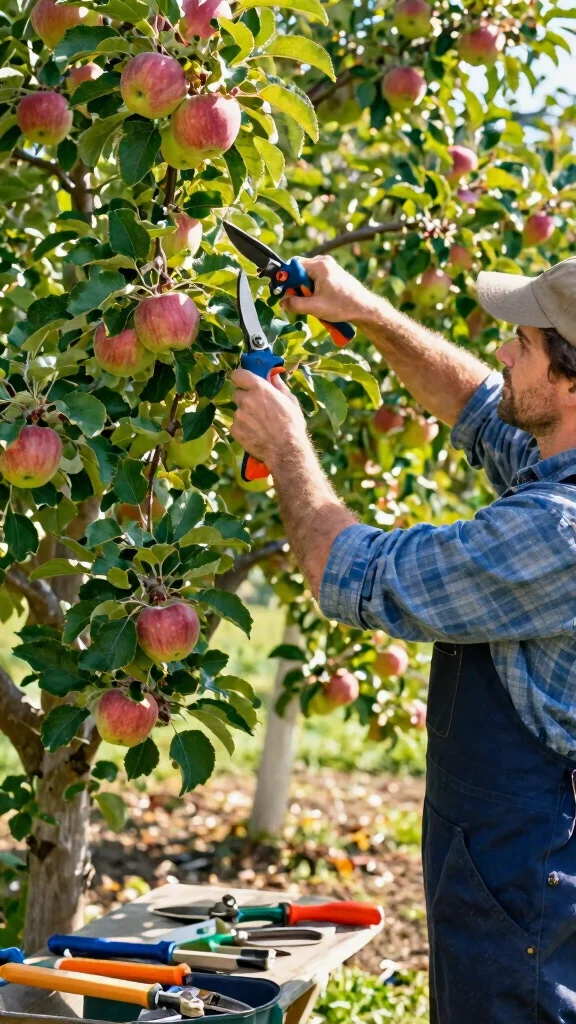
Regular pruning is vital for maintaining a healthy garden. Clearing dead or diseased branches promotes healthy growth and allows better airflow among plants. It also helps control shape and size, ensuring sunlight reaches all parts of the plant.
Prune at the right time for each plant type; summer is often best for fruit-bearing plants, while dormant pruning is ideal for trees.
Pruning tips for success:
– Use sharp, clean tools for precise cuts.
– Avoid over-pruning; less is often more.
– Understand the specific needs of each plant variety.
Regular pruning supports plant health and can enhance your overall harvest.
13. Fertilize Naturally
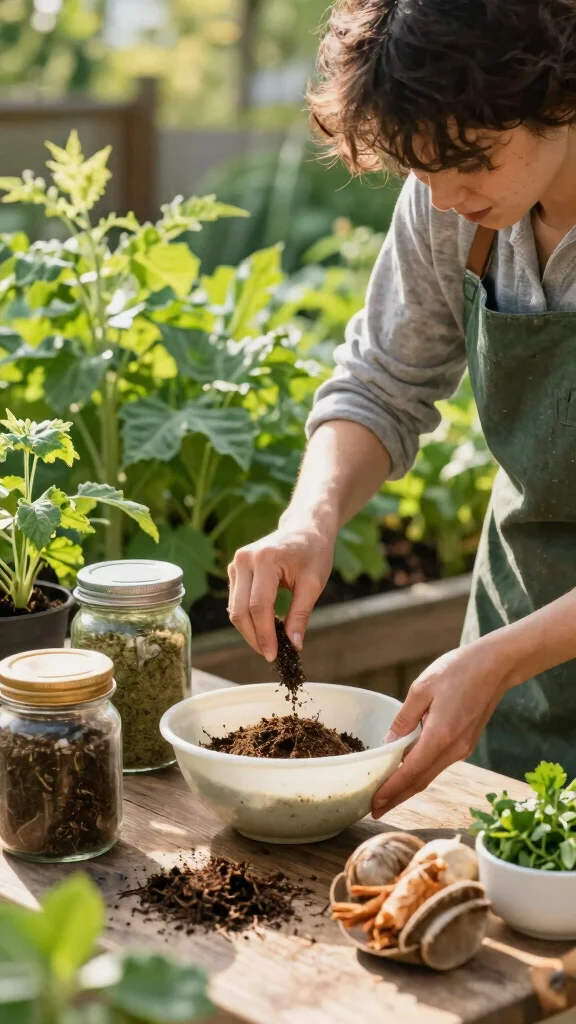
Instead of relying on chemical fertilizers, explore natural options to nourish your plants. Fish emulsion, bone meal, and seaweed products provide essential nutrients while being safe for the environment. You can also create homemade fertilizers from compost or manure.
Timing is crucial when applying fertilizers; do it during the growing season for maximum effectiveness. This is typically when plants are actively growing or flowering.
Natural fertilizer options to consider:
– Use compost tea for an extra nutrient boost.
– Mix kitchen scraps for homemade fertilizer.
– Select organic fertilizers tailored to specific plant needs.
Going natural not only benefits your plants but also protects our planet.
You Might Also Like
14. Cover Crops
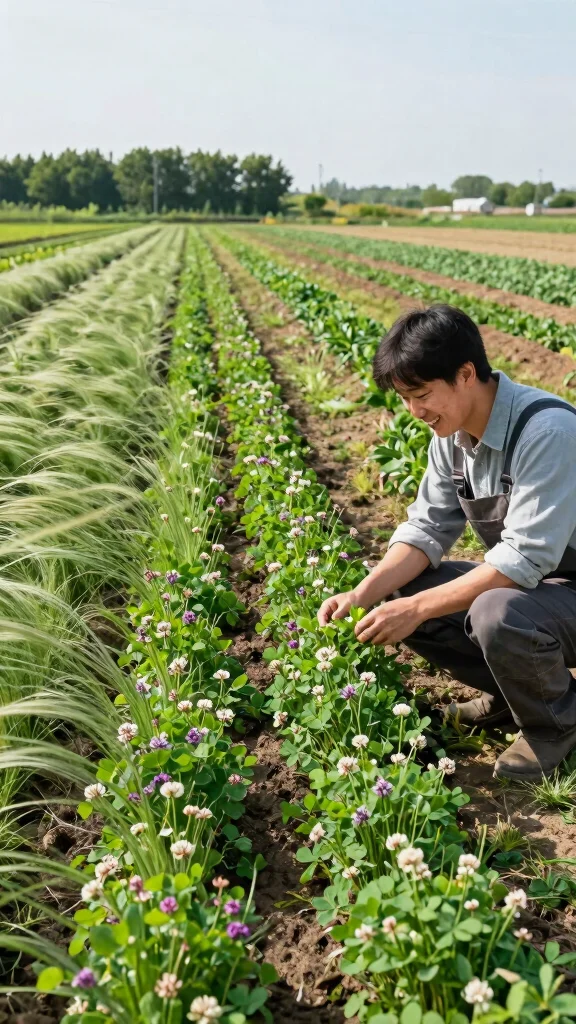
Cover crops are a fantastic way to enhance soil health during the off-season. Planting species like clover or vetch prevents erosion, suppresses weeds, and adds nitrogen back into the soil. These crops act as green mulch, protecting the soil and preparing it for the next planting season.
Planting cover crops also promotes biodiversity and attracts beneficial insects. When their growth season ends, simply cut them down and till them into the soil to enrich it.
Advantages of cover crops:
– Shields soil from erosion and compaction.
– Naturally boosts soil fertility.
– Enhances the ecosystem by luring pollinators.
Incorporating cover crops helps create a sustainable cycle that benefits your plants.
Conclusion
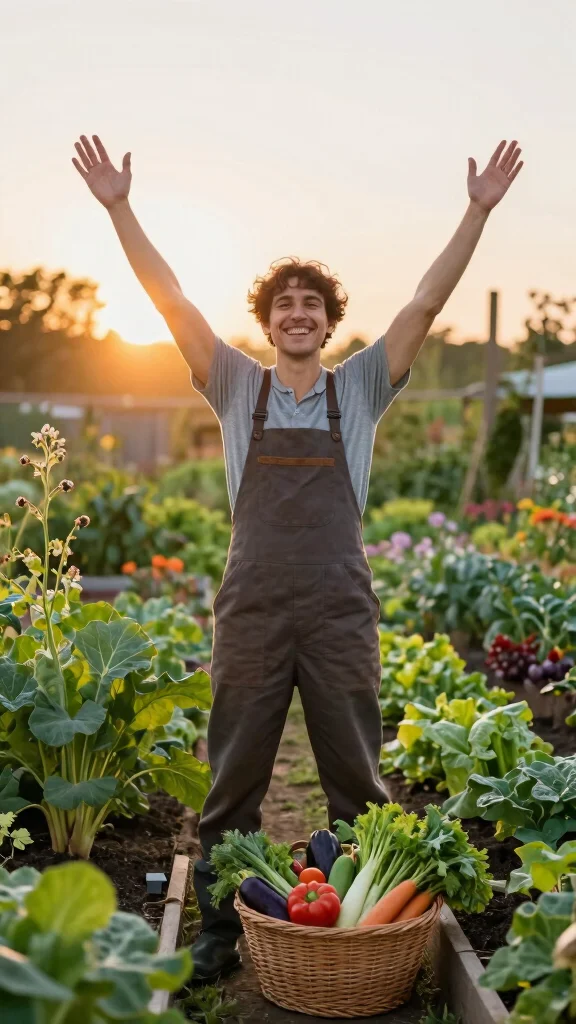
Embracing these organic gardening secrets can lead to an abundant harvest and a greater appreciation for nature. Each step you take not only fosters your garden but also contributes positively to our planet.
Remember, the journey of gardening is filled with lessons, joy, and fulfillment. Get your hands dirty, try new techniques, and enjoy the fruits of your labor!
Frequently Asked Questions
What are the essential organic gardening secrets to grow your best harvest ever?
Growing your best harvest ever starts with healthy soil and natural methods of care. Build soil fertility with compost, aged manure, and cover crops, then mulch to conserve moisture and suppress weeds.
Practice crop rotation and companion planting to boost yields and deter pests, and water with a drip system to save water and prevent diseases. For pest control, rely on natural methods like beneficial insects, row covers, and timely hand-picking. Finally, harvest at peak maturity and preserve excess with canning, freezing, or drying to enjoy your harvest year-round.
How can I start an eco-conscious organic garden using natural methods?
Start with the soil and a commitment to eco-conscious gardening. Build a rich base with homemade compost, leaves, and straw mulch; collect rainwater or use a simple water-saving system; choose native or well-adapted varieties that resist local pests. Minimize synthetic inputs and favor natural methods of nutrient management, pest prevention, and weed control to keep your garden thriving season after season.
What are the best pest and disease management strategies without chemicals?
Regularly scout beds to catch issues early and intervene before they spread. Use physical barriers like row covers, proper spacing for airflow, and beneficial insects as natural allies. Apply natural methods such as insecticidal soap or neem oil only when needed, and rotate crops to break pest cycles. Sanitation—removing diseased plant material—helps keep problems from reoccurring.
Which crops are easiest to grow organically for a big harvest?
Try forgiving, high-yielding staples like leafy greens (spinach, lettuce, kale), root crops (carrots, radishes), beans, bush tomatoes, and hardy herbs. These crops tolerate imperfect soil and still deliver abundant harvests when fed with compost and watered consistently. Practice succession planting to keep fresh produce coming all season.
How can I extend the growing season and maximize harvest with organic methods?
Extend your season with row covers, cold frames, and mulched beds to protect crops from frost and extend warmth. Choose early-maturing varieties and stagger planting so you harvest earlier and longer. Maintain healthy soil with ongoing compost and proper watering, and if your outdoor space allows, you can pair your garden with a relaxing feature using nice above ground pool ideas to enjoy your eco-conscious harvest evenings.
Related Topics
organic gardening
natural methods
eco-conscious practices
harvest tips
sustainable gardening
beginner friendly
seasonal planting
soil health
companion planting
pest control
container gardening
permaculture techniques