
Companion planting has me buzzing with excitement for my garden this season! The idea of pairing plants to boost growth, deter pests, and enhance flavors can truly transform your gardening experience. If you’re someone who loves to dig in the dirt and nurture plants, this post is tailored just for you. Whether you’re trying to maximize garden space or looking for perfect plant pairings, you’re in the right place.
In this post, I’ve compiled 18 genius companion planting tips that are practical, easy to implement, and packed with potential benefits for your garden. You’ll discover how simple combinations can lead to healthier plants and a more bountiful harvest. From the marvelous marigold to the dynamic duo of basil and tomatoes, these tips will inspire you to get creative and rethink your garden layout. Let’s boost your garden’s potential together!
Key Takeaways
– Understand Companion Planting: Companion planting involves strategically placing plants next to each other to enhance growth and deter pests. Learning which plants thrive together can significantly improve your garden’s health.
– Maximize Garden Space: By choosing compatible plants, you can effectively use every inch of your garden. Tall plants can provide shade for those that prefer partial sunlight, creating a more productive growing environment.
– Choose the Right Pairings: Certain plants work better together. For instance, basil and tomatoes not only taste great together but also support each other’s growth by repelling pests.
– Deter Pests Naturally: Many companion plants can ward off harmful insects. For example, planting garlic near roses can keep aphids at bay, protecting your flowers without the use of chemicals.
– Create a Companion Planting Chart: As you learn about plant pairings, creating a companion planting chart can help you visualize what goes where in your garden. This can be a fun and practical reference for future planting seasons.
Contents
- 1. The Marvelous Marigold
- 2. The Dynamic Duo: Basil and Tomatoes
- 3. Carrots and Onions: A Match Made in Heaven
- 4. The Power of Beans and Corn
- 5. Shielding Cabbage with Sage
- 6. The Benefits of Planting Garlic with Roses
- 7. Borage: The Pollinator Magnet
- 8. The Protective Nature of Nasturtiums
- 9. Peas and Carrots: A Classic Pair
- 10. Fennel as a Natural Repellent
- 11. Thyme for All Seasons
- 12. Peppers and Sweet Potatoes: A Flavorful Combo
- 13. Radishes: The Speedy Companions
- 14. Squash and Corn: A Traditional Trope
- 15. The Gourd and the Pollen
- 16. Cilantro’s Dual Purpose
- 17. The Allure of Edible Flowers
- 18. Creating a Companion Planting Chart
1. The Marvelous Marigold
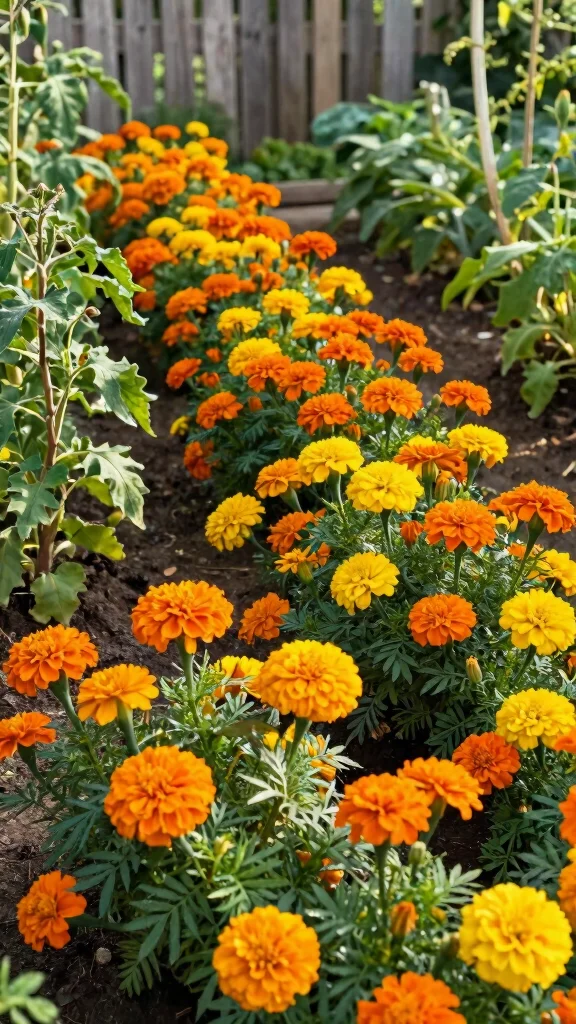
Looking to add vibrancy to your garden while keeping pests away? Marigolds are your perfect partner! Not only do they bring bright oranges and yellows, but they also naturally repel harmful insects like nematodes. Their strong fragrance confuses pests, making it challenging for them to target your plants, while they simultaneously attract beneficial insects like ladybugs that feast on aphids.
Place marigolds around the edges of your vegetable beds to create an effective barrier against unwanted visitors. You can also mix them with tomatoes, peppers, and eggplants for added pest protection. With these golden companions, your garden will thrive and look stunning!
Key benefits of planting marigolds:
– Repel harmful pests while adding color
– Attract beneficial insects for natural pest control
– Enhance garden aesthetics with their vibrant blooms
Incorporating marigolds into your garden will not only beautify your space but also create a healthier environment for your plants!
2. The Dynamic Duo: Basil and Tomatoes
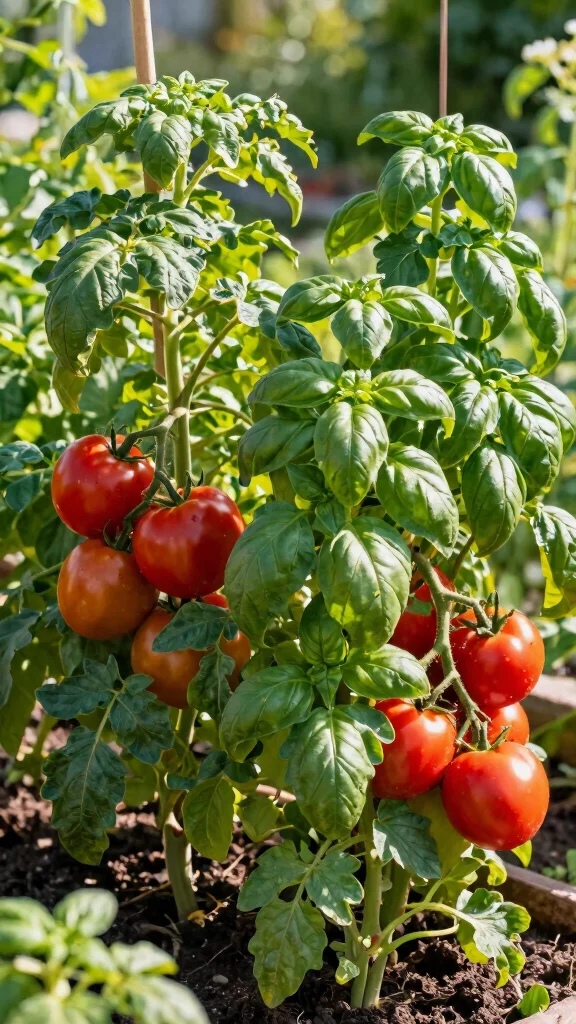
Are you a fan of fresh tomatoes and aromatic basil? These two plants are the ultimate companions in your garden! Basil boosts the flavor of tomatoes while acting as a natural pest repellent against aphids and whiteflies. Plus, it invites pollinators, enhancing the overall health of your garden.
For best results, space your basil about 12 inches away from tomato plants to promote air circulation. Regularly pinch back basil leaves to encourage bushy growth, which in turn protects your tomatoes even more. This combination not only provides flavorful ingredients for your kitchen but also fosters a vibrant garden ecosystem.
Here’s how to maximize this pairing:
– Space basil 12 inches apart for optimal growth
– Pinch basil regularly for bushier plants
– Enjoy a bountiful harvest of tomatoes and basil
With basil and tomatoes together, you’ll enjoy a delicious and abundant garden all season long!
3. Carrots and Onions: A Match Made in Heaven
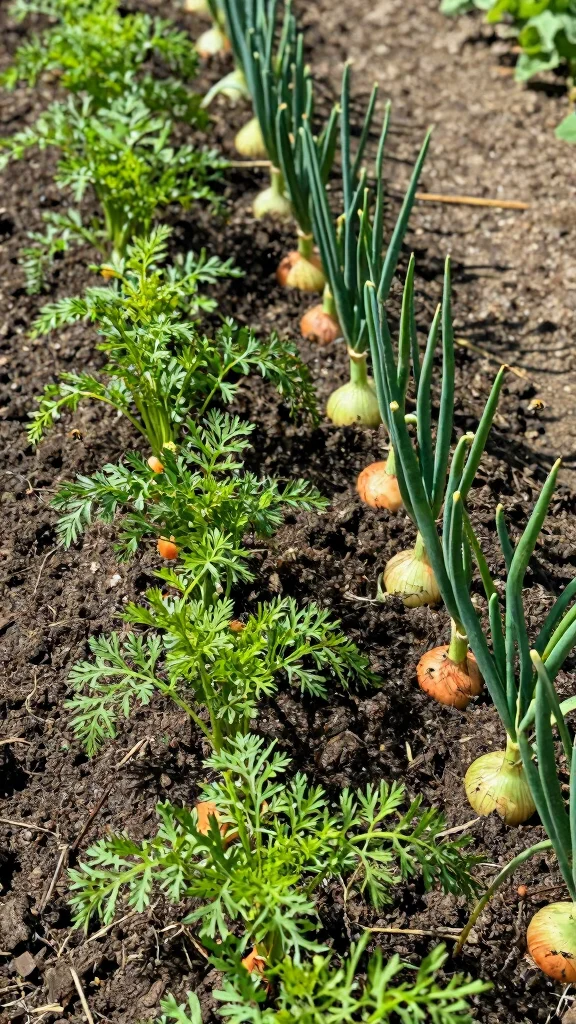
Ever considered planting carrots and onions together? This duo is more powerful than you might think! Onions naturally repel pesky carrot flies with their sulfur compounds, while carrots loosen the soil, helping onions thrive. Together, they create a harmonious growing environment.
When planting, keep a distance of about 6 inches between each carrot seed and onion set to allow both to flourish. You’ll be rewarded with crunchy carrots and flavorful onions from the same garden patch! This clever combination maximizes your space and elevates your meals.
Benefits of growing carrots and onions together:
– Repel carrot flies with onion’s sulfur compounds
– Loosen soil for better onion growth
– Harvest both crops from a single area
With this pairing, you can enjoy fresh, flavorful vegetables while optimizing your garden’s potential!
4. The Power of Beans and Corn
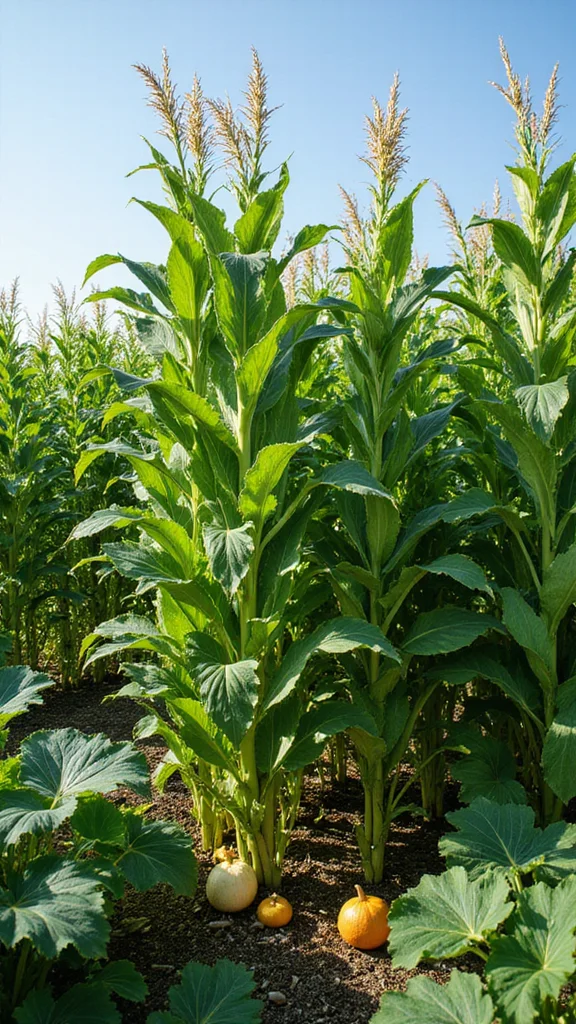
Beans and corn are a classic example of companion planting, famously known as the ‘Three Sisters’ alongside squash. Beans enrich the soil with nitrogen, which is a big plus for corn. The tall cornstalks provide a natural trellis for beans, allowing them to climb while squash covers the ground and suppresses weeds.
Start by planting corn first, allowing it to reach a height of about a foot before adding beans. Incorporating squash not only enhances your garden’s ecosystem but also maximizes your space and nutrient use. Together, these crops create a sustainable environment that thrives!
Steps to cultivate this powerful trio:
– Plant corn first to provide support
– Add beans once corn is established
– Include squash for ground cover and weed suppression
By choosing this method, you’re fostering a mini-ecosystem that benefits all plants involved!
5. Shielding Cabbage with Sage
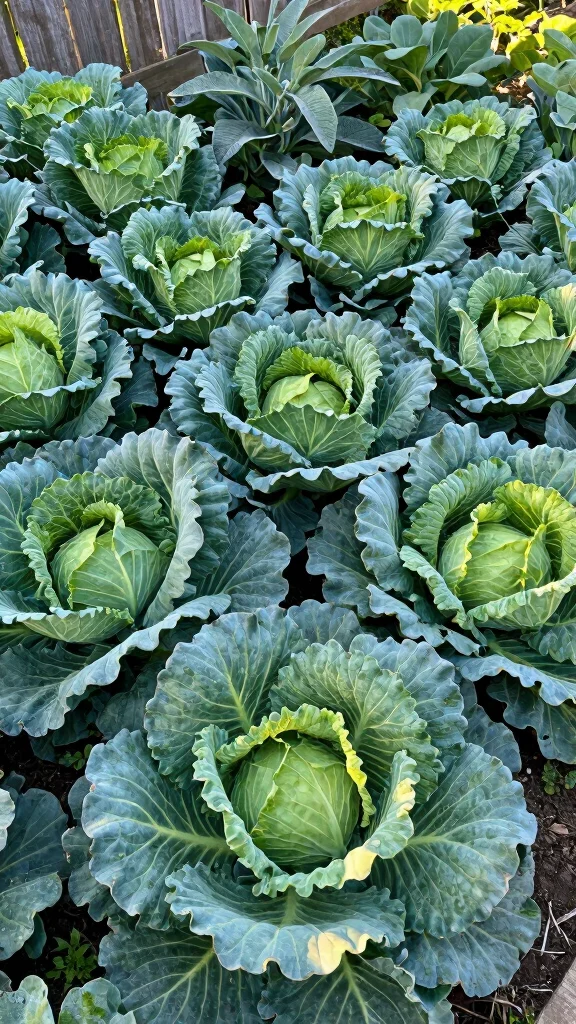
If you’re growing cabbage, sage might be your new best friend! This aromatic herb not only adds flavor to your dishes but also protects cabbage from the troublesome cabbage moth. Its scent confuses these pests, significantly reducing their chances of laying eggs on your precious plants.
Plant sage around the perimeter of your cabbage patch to form a protective barrier. Additionally, sage attracts pollinators while deterring pests, which improves your garden’s overall health. This dynamic duo allows you to grow beautiful cabbage heads while effectively keeping pests at bay!
Benefits of pairing cabbage with sage:
– Create a natural barrier against cabbage moths
– Attract pollinators for healthier plants
– Enhance flavor of cabbage dishes
With sage in the mix, you can cultivate a thriving cabbage patch without the worry of pests!
6. The Benefits of Planting Garlic with Roses
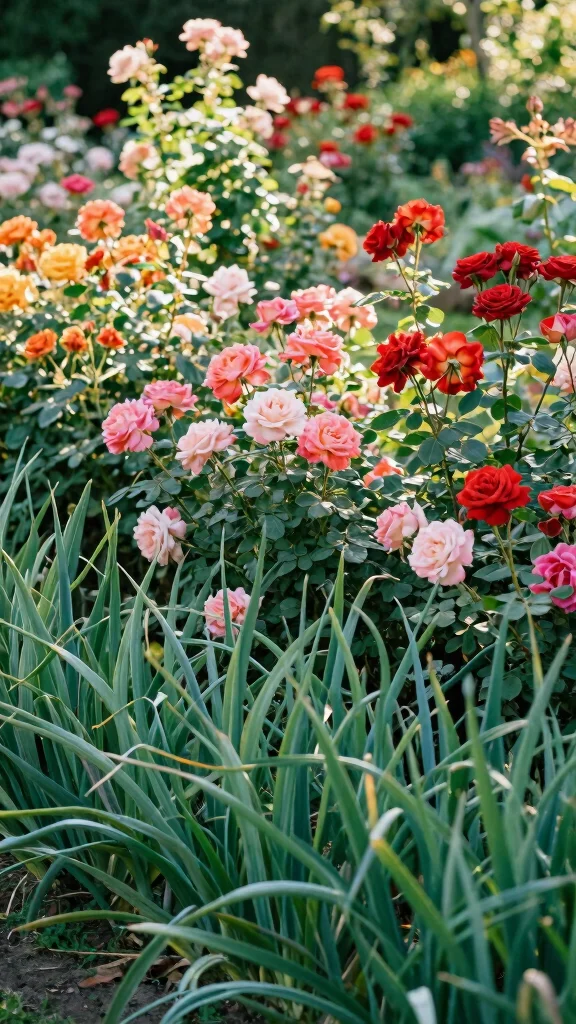
Garlic is not just for cooking; it’s also an excellent companion for roses! Its strong aroma deters aphids and other pests that threaten your beautiful blooms. Moreover, garlic helps improve soil health, providing essential nutrients for roses to thrive.
In the fall, plant garlic cloves around the base of your rose bushes to enjoy healthier, more fragrant blooms come spring. The combination of roses and garlic creates a lush, fragrant garden space that enhances your outdoor experience.
Key advantages of planting garlic with roses:
– Deter aphids and other pests naturally
– Improve soil health for vigorous growth
– Create a fragrant and beautiful garden space
This pairing ensures that your roses flourish while being well-protected, proving garlic’s worth in any garden!
7. Borage: The Pollinator Magnet
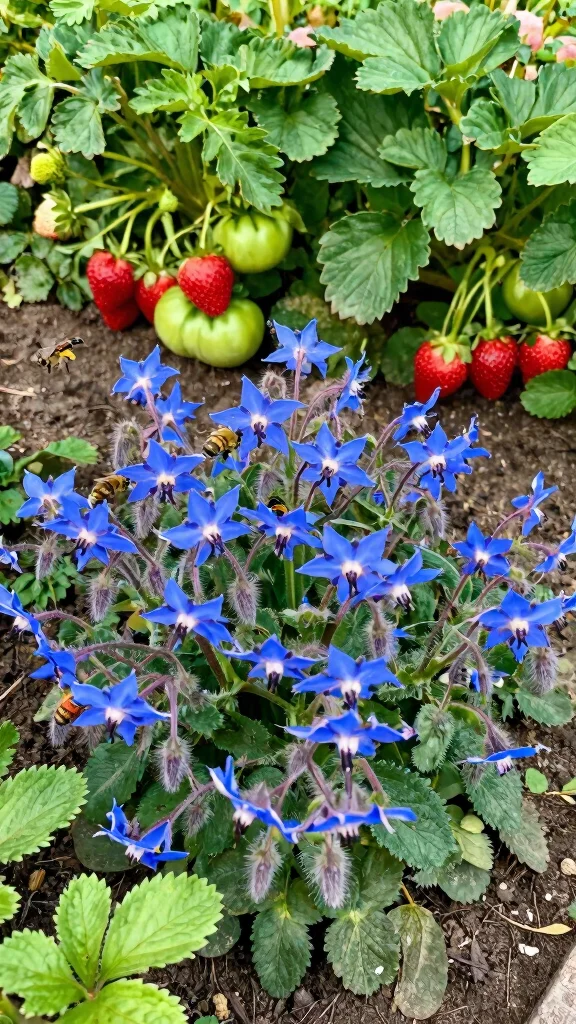
Borage is a hidden gem in companion planting, serving as a magnet for pollinators! When planted near strawberries and tomatoes, it attracts bees and enhances the flavor of your fruits. Plus, its leaves act as a natural mulch, protecting nearby plants from pests.
Consider planting borage in areas where you want to boost pollination and fruit flavor. It also pairs well with cucumbers and squash, making it a versatile addition to your garden. By including borage, you’re inviting beneficial insects, creating a thriving environment for your plants!
Benefits of adding borage to your garden:
– Attract bees and enhance pollination
– Improve fruit flavor with its presence
– Provide natural mulch for nearby plants
With borage, you’re not just adding a flower; you’re enriching your garden ecosystem!
8. The Protective Nature of Nasturtiums
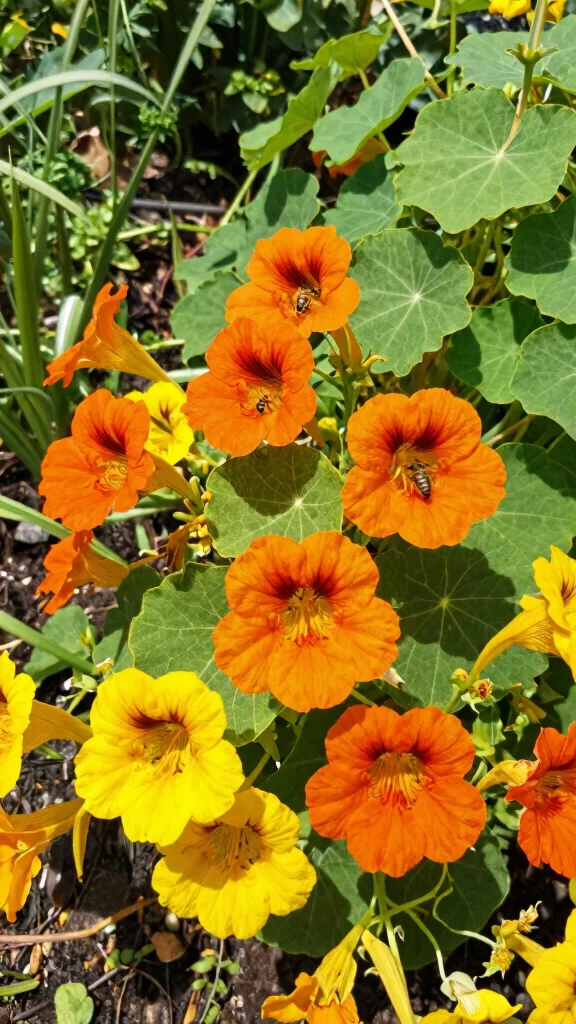
Nasturtiums are not just lovely flowers; they make excellent companion plants for any vegetable garden! Acting as trap crops for aphids, they draw pests away from your more valuable plants. Plus, their edible leaves and vibrant blooms add a spicy kick to salads!
Plant nasturtiums around the edges of your garden to create a colorful, protective border. Their leaves can be harvested to enhance your dishes while simultaneously keeping pests at bay. With nasturtiums, your garden is not only stunning but also more productive!
Highlights of planting nasturtiums:
– Trap aphids to protect other plants
– Add edible leaves to your culinary creations
– Create a vibrant border around your garden
With this delightful pairing, your garden can flourish and remain healthy!
9. Peas and Carrots: A Classic Pair
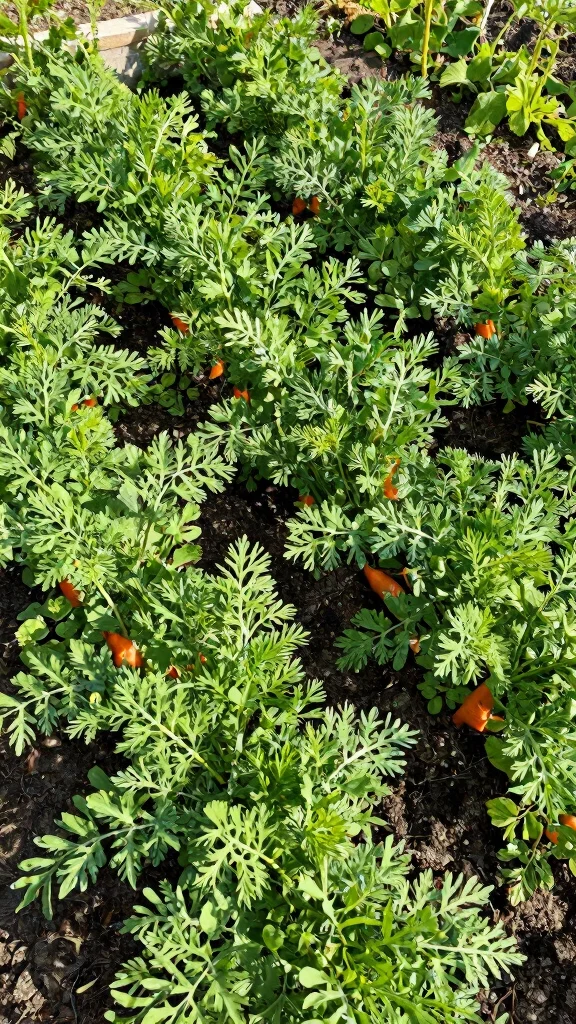
Planting peas alongside carrots is a timeless combination that benefits both crops! Peas fix nitrogen in the soil, which carrots thrive on, while their foliage offers shade that keeps carrot roots cool. This partnership promotes healthy growth while maximizing your garden space.
Sow peas in early spring and allow them to establish before planting carrots a few weeks later. Both crops can be harvested around the same time, providing a delightful mix of flavors for your meals. This classic pairing enhances productivity in your garden!
Tips for planting peas and carrots together:
– Sow peas early for optimal growth
– Plant carrots a few weeks later for timing
– Harvest both for a delicious mix
This combination not only supports healthy growth but also makes the most of your garden area!
10. Fennel as a Natural Repellent
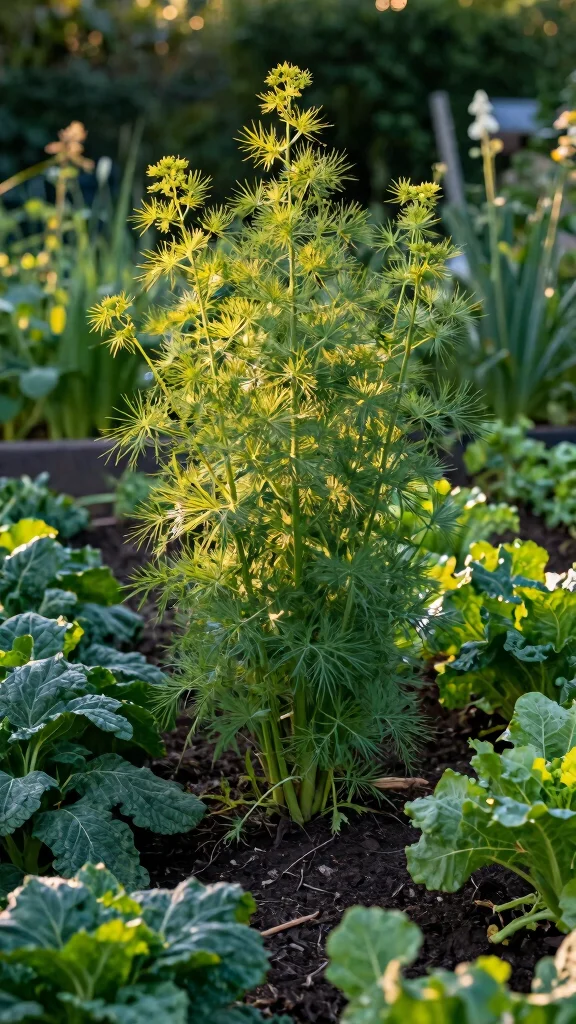
Fennel is not just a flavorful culinary herb; it also serves as a natural repellent! When planted near certain vegetables, it deters pests like aphids and caterpillars. However, be mindful that fennel can inhibit the growth of other plants, especially beans, so plant it wisely!
Plant fennel separately from sensitive plants to minimize any negative effects. Use its feathery leaves and seeds in your cooking for added flavor while keeping your garden protected. This herb can help maintain balance in your garden ecosystem!
Benefits of planting fennel:
– Deter aphids and caterpillars naturally
– Enhance flavor in your dishes with its leaves
– Protect your garden while cooking
Fennel is a strategic addition to your garden that safeguards your plants while enriching your culinary experience!
11. Thyme for All Seasons
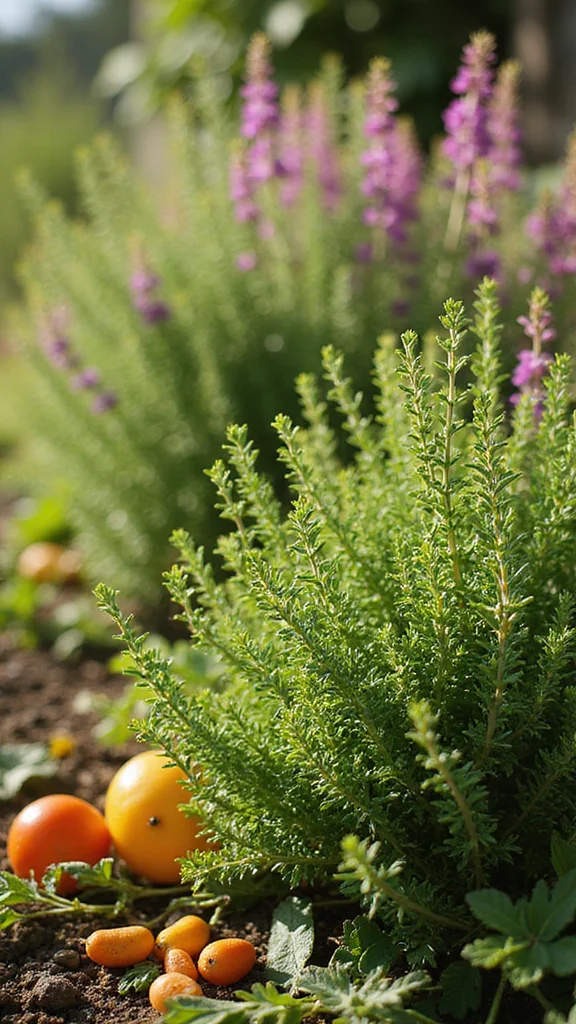
Thyme is a versatile herb that thrives alongside many vegetables. Not only does it attract beneficial insects, but it also serves as a natural repellent for pests. Plant thyme near cabbage, tomatoes, and potatoes to enhance growth and flavor while keeping troublemakers away.
Grow thyme in well-drained soil and ensure it receives full sun for optimal flavor. Harvesting thyme regularly encourages bushier growth, allowing you to enjoy its aromatic leaves in your cooking. This herb is a must-have for a flourishing garden!
Why grow thyme in your garden?
– Attract beneficial insects for healthy plants
– Repel pests naturally while enhancing flavor
– Enjoy fresh thyme in your culinary creations
Thyme combines culinary benefits with pest-repelling properties, making it an essential addition to any garden!
12. Peppers and Sweet Potatoes: A Flavorful Combo
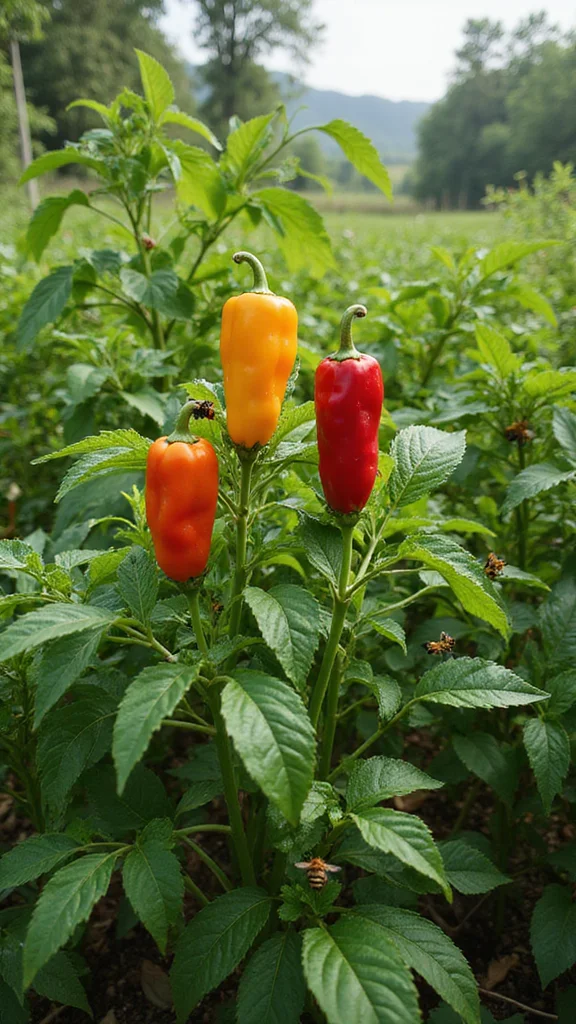
Peppers and sweet potatoes create a delightful pairing that maximizes space while enhancing flavors. Sweet potatoes thrive on the ground while peppers grow upright, allowing for efficient use of vertical space. Additionally, sweet potatoes help prevent weeds from overtaking the area.
Plant sweet potato slips alongside established pepper plants for a great harvest. This duo not only offers a bounty of delicious produce but also beautifies your garden layout with their contrasting shapes.
Key points for planting peppers and sweet potatoes:
– Plant sweet potato slips next to pepper plants
– Enjoy the sweet and spicy combination in dishes
– Keep your garden neat and tidy with this pairing
This duo provides a colorful and tasty harvest while creating a visually appealing garden!
13. Radishes: The Speedy Companions
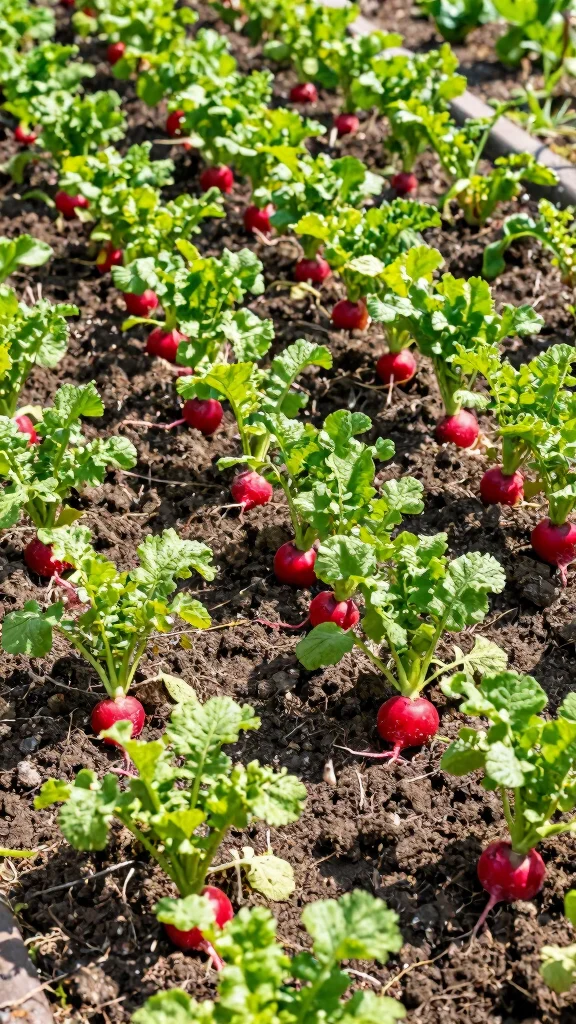
Radishes are the perfect fast-growing companions for slower crops like carrots. They mature in as little as 30 days, allowing you to utilize garden space effectively while waiting for carrots to develop. Their foliage also helps shade young carrots and keep pests at bay.
Sow radish seeds in between rows of carrots to maximize space and enjoy both crops successfully. Radishes break up the soil, promoting better root development for carrots. This combination creates a productive garden!
Benefits of growing radishes with carrots:
– Utilize space effectively by interplanting
– Shade young carrots and deter pests
– Enjoy a quick crop while waiting for carrots
With radishes, you can enjoy a speedy harvest while nurturing your longer-term plants!
14. Squash and Corn: A Traditional Trope
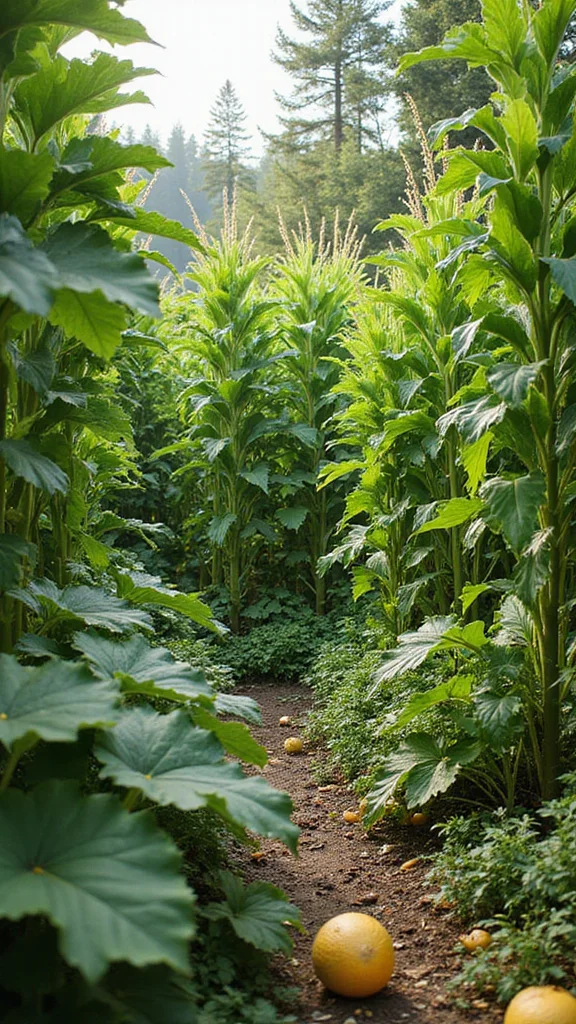
Squash pairs beautifully with corn as part of the ‘Three Sisters’ planting strategy alongside beans. Squash covers the ground, providing shade that helps retain moisture and prevents weeds. Corn supports the beans, and all three plants work together in harmony to create a sustainable growing environment.
Start by planting corn first, allowing it to grow to about a foot tall before adding beans and squash. This method not only maximizes your space but also creates a rich tapestry of flavors and textures in your garden!
Steps for this traditional planting:
– Plant corn first to establish support
– Add beans and squash once corn is tall enough
– Enjoy a diverse harvest from this planting trio
This approach fosters a thriving garden ecosystem that rewards you with delicious produce!
15. The Gourd and the Pollen

Growing gourds like pumpkins alongside sunflowers can lead to a thriving garden! Sunflowers attract pollinators and beneficial insects, which in turn boost the pollination of gourds. This pairing not only maximizes garden space but also enhances the beauty of your landscape.
Plant sunflowers on the outer edges of your garden, letting the gourds sprawl inward for a natural layout. The tall sunflowers create a stunning backdrop to the sprawling gourds, making your garden a visual delight.
Benefits of planting gourds with sunflowers:
– Attract pollinators for better fruiting
– Create a visually striking layout in your garden
– Maximize space while enhancing beauty
Combining these two not only provides a bountiful harvest but also adds eye-catching focal points to your garden!
16. Cilantro’s Dual Purpose
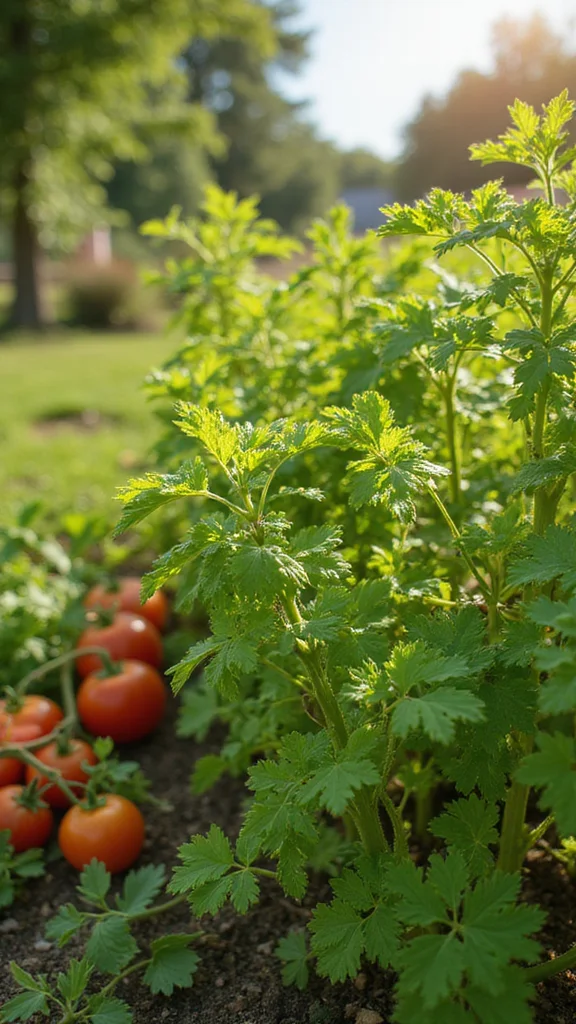
Cilantro is a fantastic companion plant that serves multiple purposes! Plant it near tomatoes and peppers, as its foliage deters pests while attracting beneficial insects. Plus, you can enjoy fresh cilantro for your culinary creations right from your garden!
To prevent cilantro from bolting, plant it during cooler seasons. Enjoy the fresh taste of cilantro in countless dishes while providing a protective layer for your vegetables. This herb enhances both your garden and your kitchen!
Advantages of incorporating cilantro:
– Deter pests while attracting beneficial insects
– Enjoy fresh cilantro in your cooking
– Create a protective layer for your veggies
With cilantro in your garden, you’re cultivating a flavorful haven filled with protection and taste!
17. The Allure of Edible Flowers
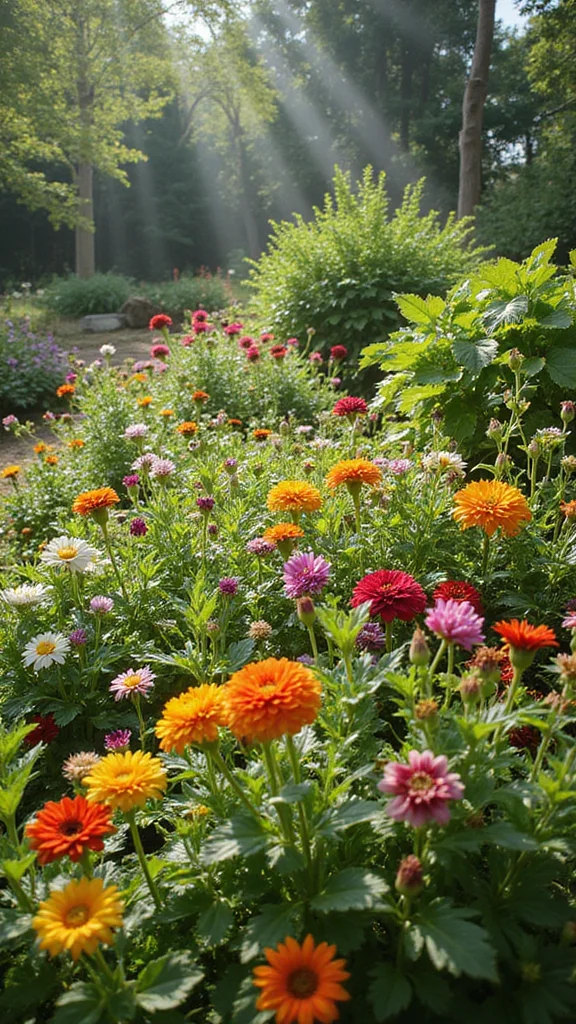
Edible flowers like calendula and violets can be stunning companions in any vegetable garden. These vibrant blooms attract pollinators and elevate the visual appeal of your space. Many edible flowers also have culinary uses, allowing you to incorporate their beauty into your dishes.
Plant edible flowers near your vegetables to create a colorful and inviting environment. Use them as garnishes or in salads for a pop of color and flavor that’s sure to impress! This addition enhances biodiversity while making your meals more visually appealing!
Benefits of planting edible flowers:
– Attract pollinators to boost garden health
– Enhance aesthetic appeal with vibrant blooms
– Incorporate beauty into your culinary creations
Adding edible flowers to your garden not only enriches biodiversity but also elevates your dining experience!
18. Creating a Companion Planting Chart
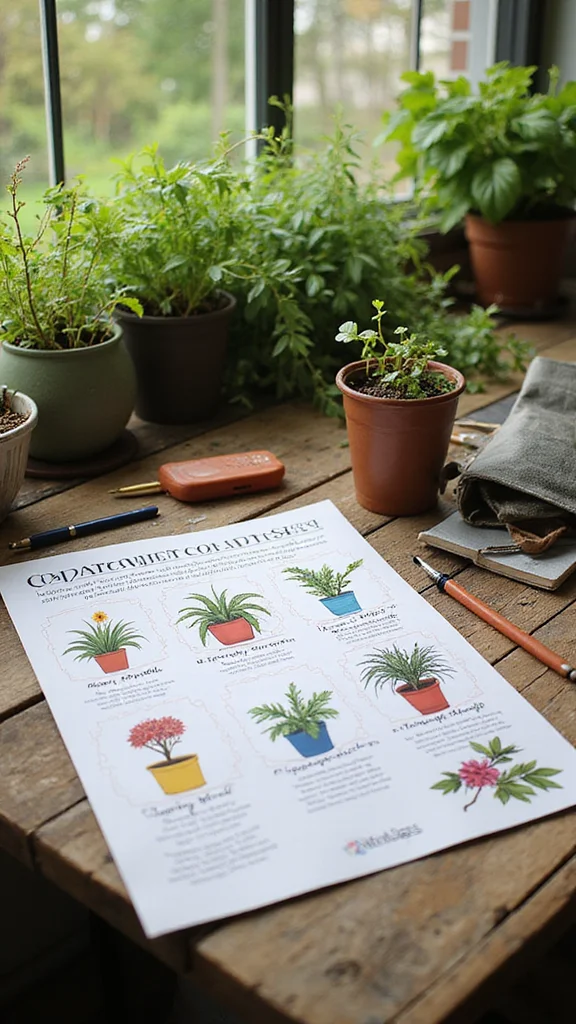
To truly optimize your garden, consider creating a companion planting chart that outlines which plants thrive together. This tool serves as a handy guide when planning your garden layout, ensuring you maximize space and yield. Include notes on planting times, spacing, and harvest periods for each pairing.
Use a notebook or digital tool to chart your plant pairings and monitor their progress. Personalize your chart with colors or symbols to make it visually appealing and easy to use. This organized approach will help you make informed decisions for future plantings, ensuring long-term success!
Key benefits of a companion planting chart:
– Outline plant pairings for optimal growth
– Track progress and adjust as needed
– Ensure long-term success with informed decisions
With a companion planting chart, you’ll have a roadmap to a flourishing garden that thrives on collaboration!
Conclusion
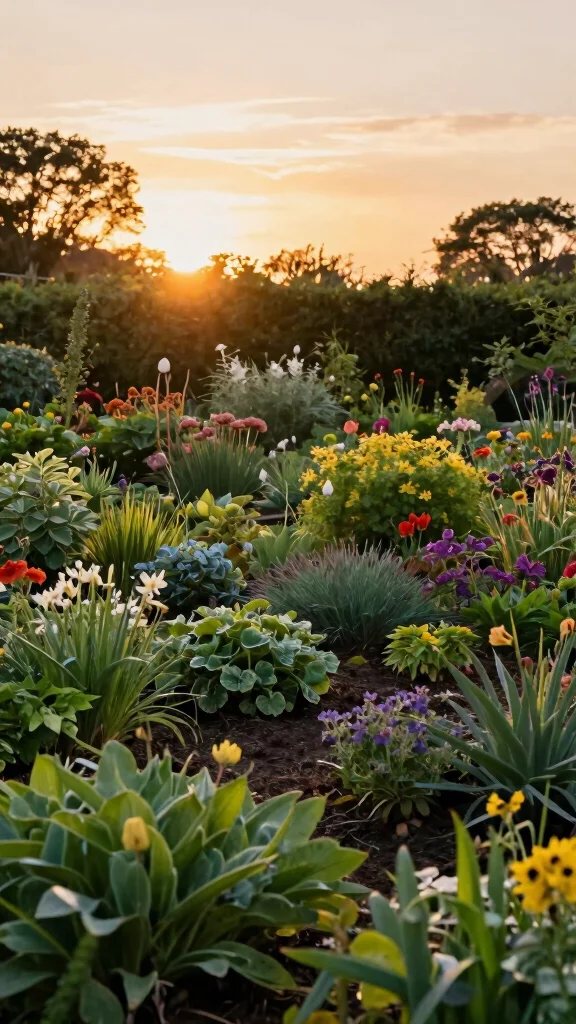
Companion planting is a wondrous way to nurture your garden while enjoying the benefits of nature’s harmony. By utilizing these 18 tips, you can create a diverse and thriving ecosystem that supports plant health and increases yields. Discover the joy of watching your garden flourish with these simple yet effective pairings. So go ahead, grab your seeds, and start sowing the magic of companion planting today!
Frequently Asked Questions
What is companion planting and how can a comcompanion planting chart help maximize garden space?
Companion planting is pairing plants that help each other grow through pest control, pollination, and resource sharing. A comcompanion planting chart is a visual guide that shows beneficial plant pairings and known conflicts. It helps you maximize garden space by guiding intercropping, border plantings, and smart rotation, so you can fit more in a bed.
Getting started is simple: pick one bed, choose 2–3 proven pairings from the chart, and plant them in blocks or rows. Keep notes on what works and adjust next season.
Which plant pairings are most reliable to boost yield and deter pests?
Some classic combinations consistently perform well. The Three Sisters—corn, beans, and squash—support each other and make efficient use of space. Basil with tomatoes can improve flavor and help deter pests. Nasturtiums near cucumbers or lettuce act as a trap crop for aphids and attract beneficial insects. Use these pairings from the comcompanion planting chart to plan beds and borders. Then plant in alternating rows or interwoven blocks so every plant benefits.
How can I maximize garden space in a small yard using companion planting?
In small spaces, you want intercropping, vertical growing, and smart spacing. Start with a comcompanion planting chart to pick 2-3 high-impact pairings per bed. Plant fast growers between slower ones and use vertical trellises for vining crops. For example, tomatoes with basil along a sunny edge, lettuce and radish under taller plants, and herbs around the perimeter to reduce pests. Track outcomes and rotate families season to season.
Are there crops that should not be planted together?
Yes—some combinations clash, compete for the same nutrients, or invite pests. A practical approach is to rely on the comcompanion planting chart and avoid packing too many nutrient-hungry crops into the same space. Also respect light and water needs; avoid letting tall crops shade slower ones for long periods. Start with a simple pairing and observe before expanding.
How do I get started with a comcompanion planting chart for my garden today?
Grab a notebook or printable chart and map your garden beds. From the comcompanion planting chart, pick 2-3 strong plant pairings for each bed and note sun/water needs. Plant them in blocks or intermix them to maximize space, then monitor growth and pest activity. After a season, adjust pairings based on results to optimize plant pairings and overall yield.