
When it comes to creating that perfect outdoor oasis, bark mulch is your secret weapon. Gardening has me craving rich, vibrant landscapes that burst with life. If you’re someone who loves gardening or landscaping, this post is tailored just for you. I pulled together essential insights on when to use bark mulch, offering a guide that is practical, insightful, and perfect for anyone looking to elevate their garden game.
Whether you’re a seasoned green thumb or just beginning your gardening journey, understanding the nuances of bark mulch can transform your outdoor space. With the right timing and techniques, you can ensure your flowers and plants thrive. This post will shed light on how to use bark mulch effectively throughout the seasons, revealing tips and tricks to keep your garden lush and healthy. Get ready for actionable advice that you can implement immediately to enhance your gardening experience and enjoy a vibrant, flourishing landscape.
Key Takeaways
– Understand the best times to apply bark mulch in spring, summer, and fall to protect and nourish your garden throughout the year.
– Learn how to use bark mulch for creating attractive paths and walkways, adding functionality and beauty to your outdoor space.
– Discover the benefits of using bark mulch in container gardening, including moisture retention and weed suppression.
– Explore how bark mulch contributes to soil health and supports eco-friendly gardening practices, making your garden more sustainable.
– Get maintenance tips to ensure your bark mulch stays effective and visually appealing, prolonging the life of your garden.
Contents
- 1. When to Apply in Spring for a Fresh Start
- 2. Summer Mulching: Keeping the Heat at Bay
- 3. Fall Preparation: Setting Your Garden for Winter
- 4. Creating Paths and Walkways
- 5. Container Gardening with Bark Mulch
- 6. Landscape Design with Bark Mulch
- 7. Bark Mulch for Soil Health
- 8. Eco-Friendly Gardening with Bark Mulch
- 9. Bark Mulch Maintenance Tips
- 10. Understanding Different Types of Bark Mulch
1. When to Apply in Spring for a Fresh Start
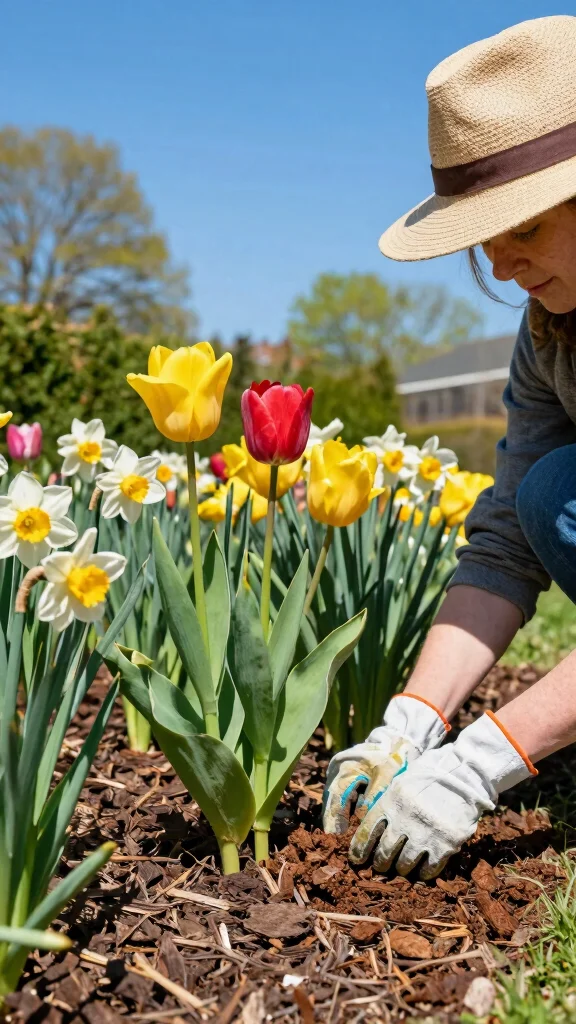
Spring brings new life to your garden, making it the perfect time to add bark mulch. This fresh layer not only enhances the visual appeal but also plays a crucial role in weed suppression, allowing your plants to thrive. As the blooms emerge, a well-placed layer of mulch retains moisture, setting a solid foundation for growth during the warmer months ahead. For instance, a combination of natural wood mulch and vibrant flower beds creates a striking contrast, invoking an inviting atmosphere in your outdoor space.
To implement this, begin by clearing the area of any leftover debris and weeds. Apply a generous layer of bark mulch, about 2-4 inches thick, ensuring it’s not too close to plant stems to prevent rot. This practice not only contributes to a tidy look but also supports healthy root development by providing a stable temperature for your plants.
Consider these steps to maximize your spring mulching:
– Pair shredded hardwood mulch with bright annuals for added texture
– Install a base layer of straw underneath for moisture retention
– Use cedar mulch for its natural pest-repelling properties
This method enhances the overall aesthetic, while the varied textures and materials elevate the garden’s charm as the plants flourish.
2. Summer Mulching: Keeping the Heat at Bay
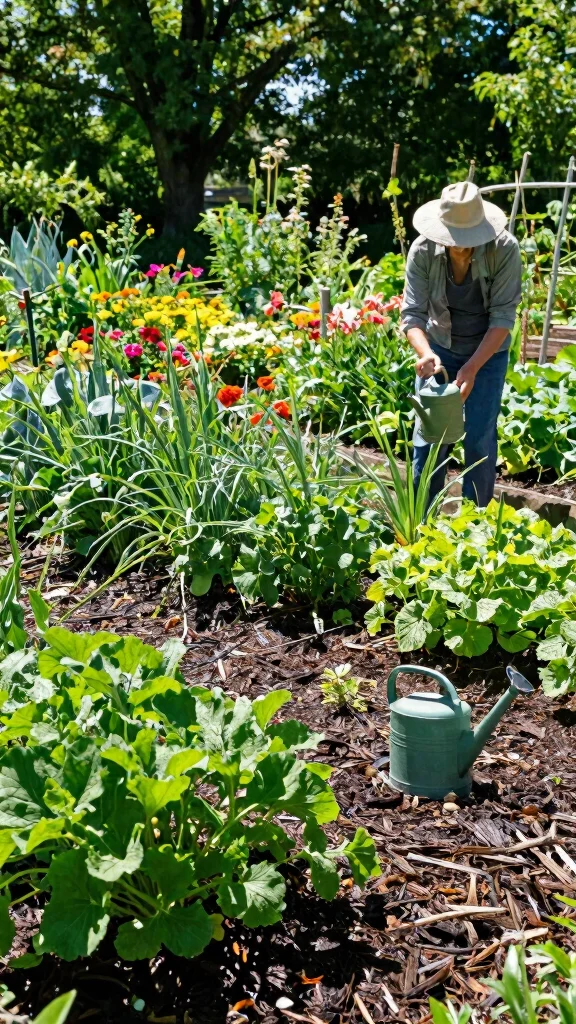
As summer heats up, protecting your garden from extreme temperatures is essential. Bark mulch acts as a shield against the intense sun, helping to keep moisture in and soil temperatures down. Applying a thick layer after a thorough watering locks in hydration, particularly vital for vegetable gardens where plants need steady moisture. This creates a microclimate that supports plant health, especially during heat waves when hydration is critical.
For effective summer mulching, ensure you apply a layer of at least 3 inches around your plants. Organic bark mulch will break down over time, enriching the soil with nutrients. You might even consider mixing in some organic compost to enhance fertility, making your garden thrive.
Here are some practical tips for summer mulching:
– Use a thick layer of mulch to reduce soil temperature
– Monitor for pests that may thrive in warm conditions
– Pair organic mulch with compost for nutrient-rich soil
This approach not only conserves water but also contributes to a healthier environment for both plants and beneficial insects during the hotter months.
3. Fall Preparation: Setting Your Garden for Winter
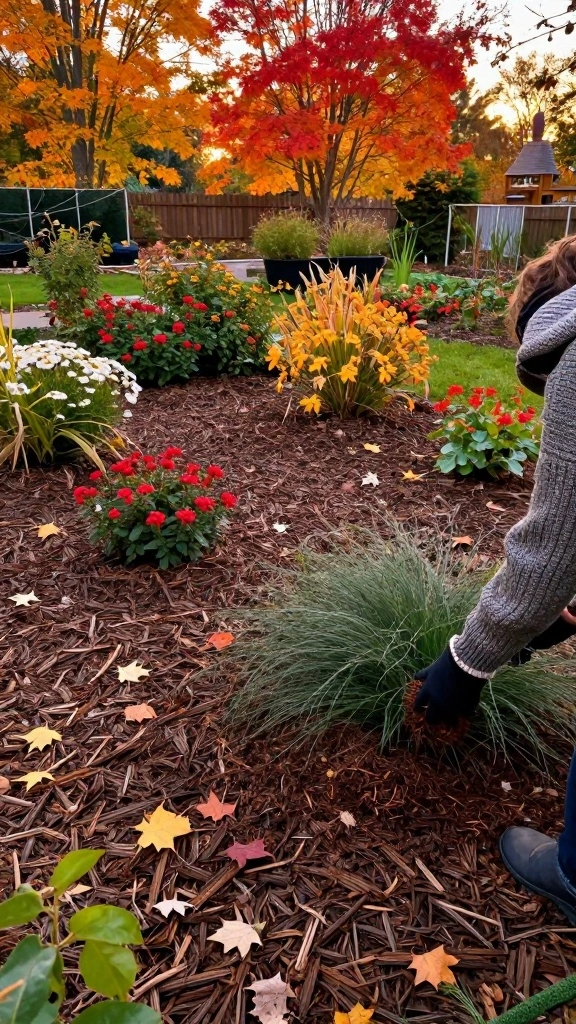
As autumn settles in, preparing your garden for the winter months becomes essential. Bark mulch provides crucial insulation, keeping the soil temperature steady and protecting plant roots from frost. Applying a thick layer of mulch after your final harvest creates a protective barrier, ensuring your garden is ready to burst with life come spring. Aim for 3-5 inches around perennials and shrubs, which also helps retain moisture during the drier winter months.
Incorporate fallen leaves with your bark mulch for added protection and organic matter, enriching the soil as they decompose. This combination not only safeguards your plants but also contributes to the health of your garden soil.
Consider these strategies for effective fall mulching:
– Create a thick layer of mulch around perennials
– Combine bark mulch with leaves for enhanced insulation
– Use organic mulch to break down and nourish soil
This preparation ensures a vibrant garden in spring, as the insulation protects against harsh winter conditions while enriching the soil.
4. Creating Paths and Walkways
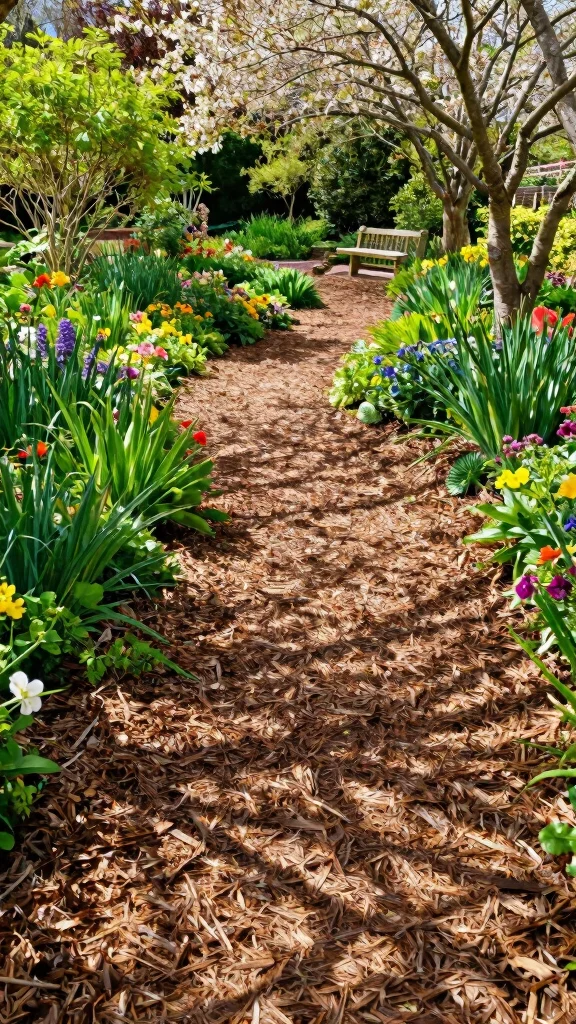
Bark mulch is versatile and perfect for creating charming pathways in your garden. These mulch paths not only serve a functional purpose but also add a soft, natural aesthetic that guides visitors through your landscape. To establish a mulch pathway, mark the desired route with stones or string, then clear away grass and weeds. If preferred, lay down landscaping fabric to minimize weeds before adding a thick layer of bark mulch, around 3-4 inches, for a defined walking path.
This method enhances the beauty of your garden while reducing mud and soil erosion in frequently traveled areas. A comfortable walking surface allows for easy exploration and enjoyment of your outdoor space.
Follow these tips for creating beautiful mulch paths:
– Install a thick layer of mulch for effective coverage
– Mix in decorative stones for added interest
– Replenish mulch annually to maintain depth
This approach not only beautifies your garden but also makes it more accessible, enhancing your gardening experience.
5. Container Gardening with Bark Mulch
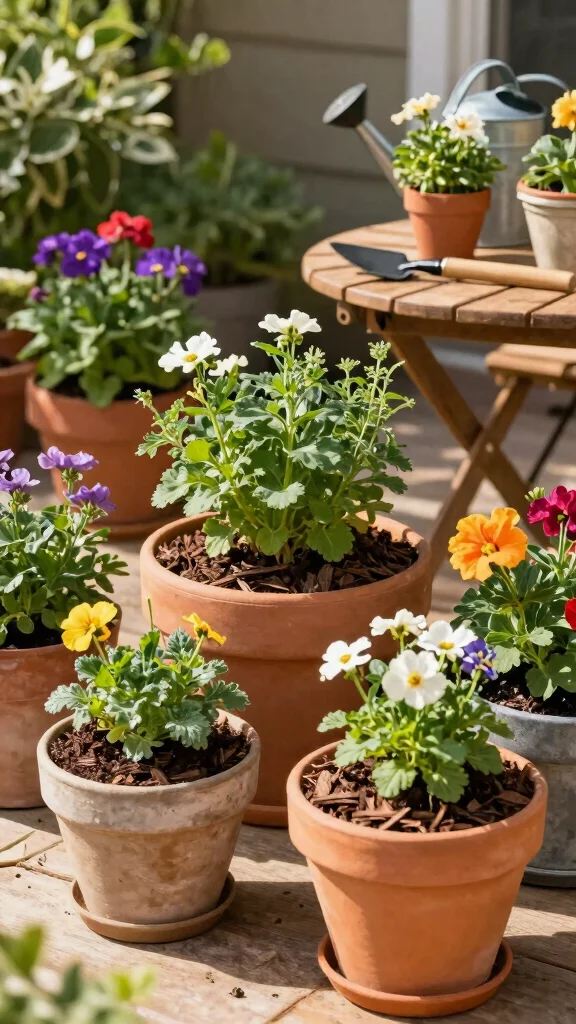
In the realm of container gardening, bark mulch plays a vital role in maintaining soil health and moisture levels. Applying mulch on top of your potted plants creates a mini-ecosystem, similar to that of traditional gardens. This layer retains moisture, keeping soil damp while preventing weed growth in the limited space of containers, all while enhancing the overall appearance of your plants.
When applying mulch to containers, aim for about 1-2 inches on top of the soil, using smaller pieces to ensure proper drainage and airflow. This practice is particularly beneficial for herbs and vegetables, supporting healthy root systems.
Consider these benefits of mulching in containers:
– Maintain consistent moisture levels in soil
– Prevent weeds and pests from establishing
– Enhance the aesthetic appeal of your potted plants
This method not only keeps your plants thriving but also adds a polished touch to your container gardens.
6. Landscape Design with Bark Mulch
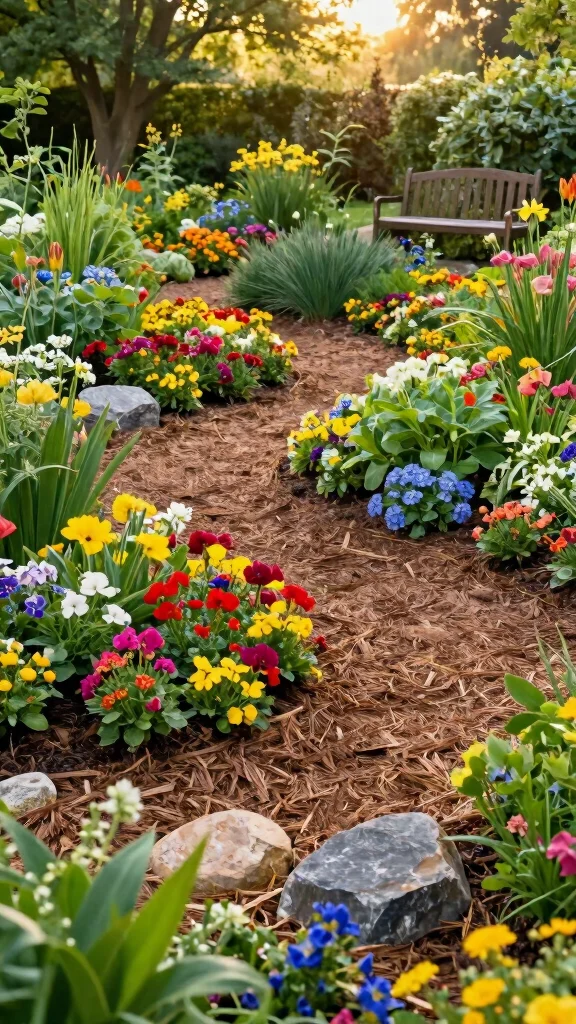
Incorporating bark mulch into your landscape design can significantly elevate your yard’s visual appeal. It serves as a neutral backdrop that allows vibrant plants to stand out while providing structure and organization to garden beds. When planning your landscape, think about using mulch to define areas such as flower beds, vegetable patches, and seating spaces. By contrasting mulch colors and textures, you can craft a stunning visual narrative throughout your garden.
Utilizing various types of bark mulch adds depth and interest. Darker mulch can highlight lighter flowers, while lighter mulch softens bold colors. A well-organized landscape not only looks beautiful but also functions effectively in weed suppression and moisture retention.
Explore these ideas for landscape design with mulch:
– Create defined areas with contrasting mulch colors
– Layer different mulch types for added dimension
– Use mulch to enhance pathways and sitting areas
This approach not only beautifies your landscape but also contributes to its overall health and maintenance, making your garden a delightful retreat.
7. Bark Mulch for Soil Health
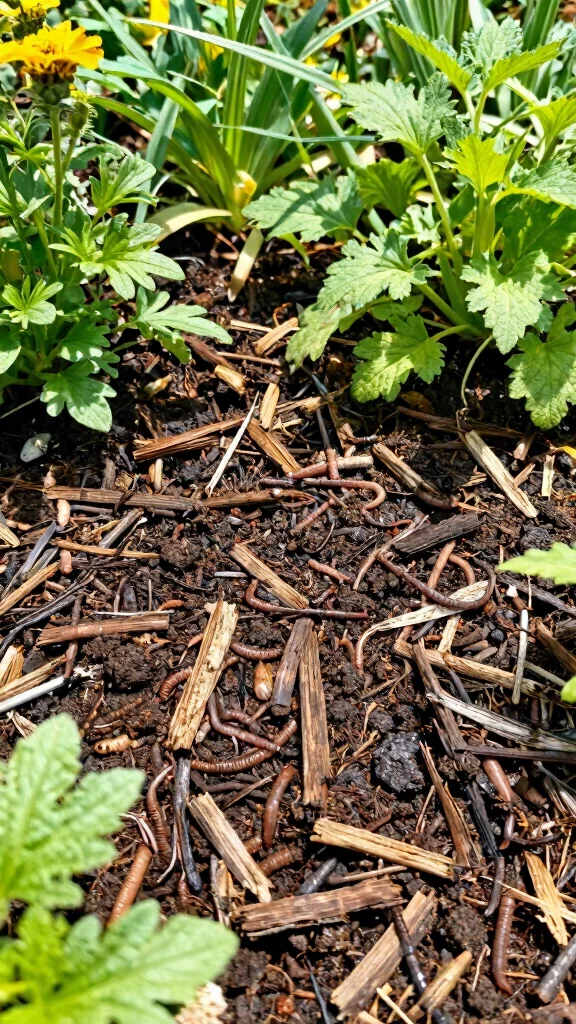
One of the remarkable benefits of bark mulch is its ability to improve soil health over time. As it decomposes, organic bark mulch enriches the soil with essential nutrients, promoting robust plant growth. This natural process enhances soil structure and aeration while reducing compaction and improving drainage, creating a thriving environment for roots.
To maximize the benefits, consider applying fresh layers of mulch each season, ensuring your soil remains nutrient-rich and healthy.
Here are some advantages of using bark mulch for soil health:
– Suppress soil erosion effectively
– Increase organic matter as it breaks down
– Encourage beneficial soil microorganisms
This practice not only nurtures your plants but also contributes to a more sustainable and vibrant garden ecosystem.
8. Eco-Friendly Gardening with Bark Mulch
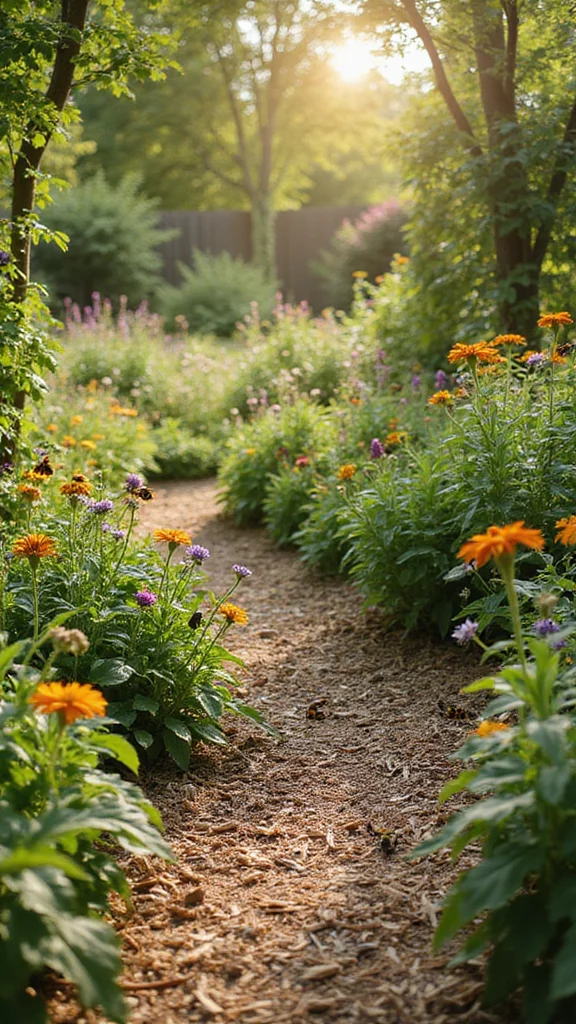
In today’s environmentally conscious world, eco-friendly gardening practices are essential. Bark mulch is a sustainable option that supports healthy ecosystems and reduces waste. Many types of bark mulch come from recycled wood, making them an eco-friendly choice for your garden. By using bark mulch, you also minimize the need for chemical herbicides and fertilizers, creating a safer environment for your family and beneficial wildlife.
Opting for locally sourced bark mulch further reduces your carbon footprint while supporting local businesses. Mixing bark mulch with other organic materials, such as straw or leaves, can enhance its nutrient content, creating a rich compost blend for your garden.
Consider these benefits of eco-friendly mulching:
– Support local ecosystems with sustainable practices
– Reduce waste by using recycled materials
– Promote biodiversity in your garden
This approach ensures your garden thrives while contributing positively to the environment.
9. Bark Mulch Maintenance Tips
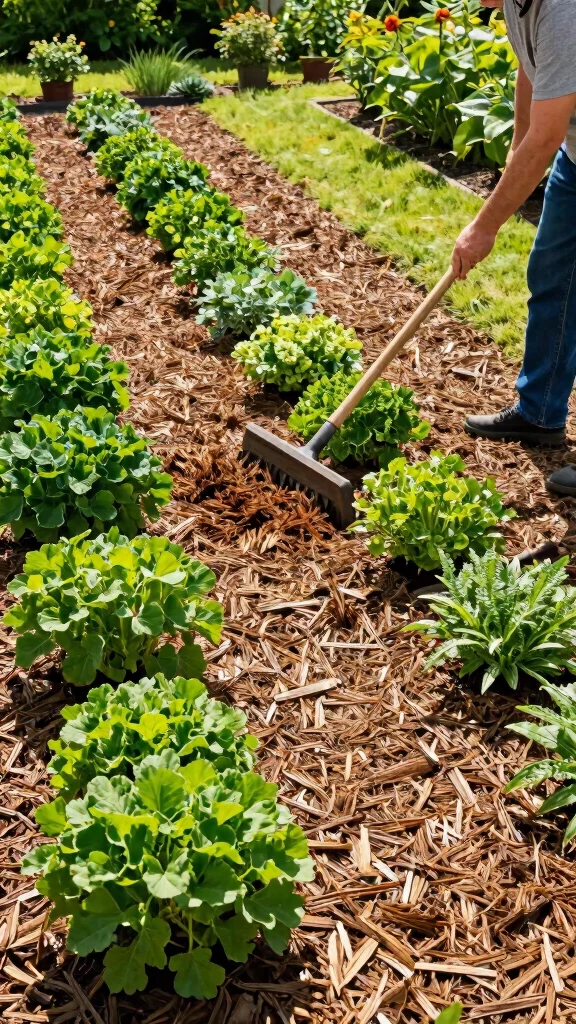
To keep your bark mulch effective and visually appealing, regular maintenance is essential. Check the depth of your mulch at least twice a year. If it has decomposed or settled below the recommended 2-4 inches, it’s time to refresh the layer. Avoid compacting the mulch, as this can hinder water absorption and airflow to plant roots. Raking the mulch occasionally helps maintain its appearance and functionality.
Monitor for pests regularly. While bark mulch can deter certain insects, it’s wise to keep an eye out for unwanted guests like slugs or snails that may find it a suitable habitat. A little diligence ensures your garden remains healthy and beautiful.
Here are some maintenance tips for your mulch:
– Refresh mulch annually or biannually
– Rake to prevent compaction and enhance appearance
– Remove debris to maintain cleanliness
This proactive approach keeps your garden thriving and looking its best throughout the seasons.
10. Understanding Different Types of Bark Mulch
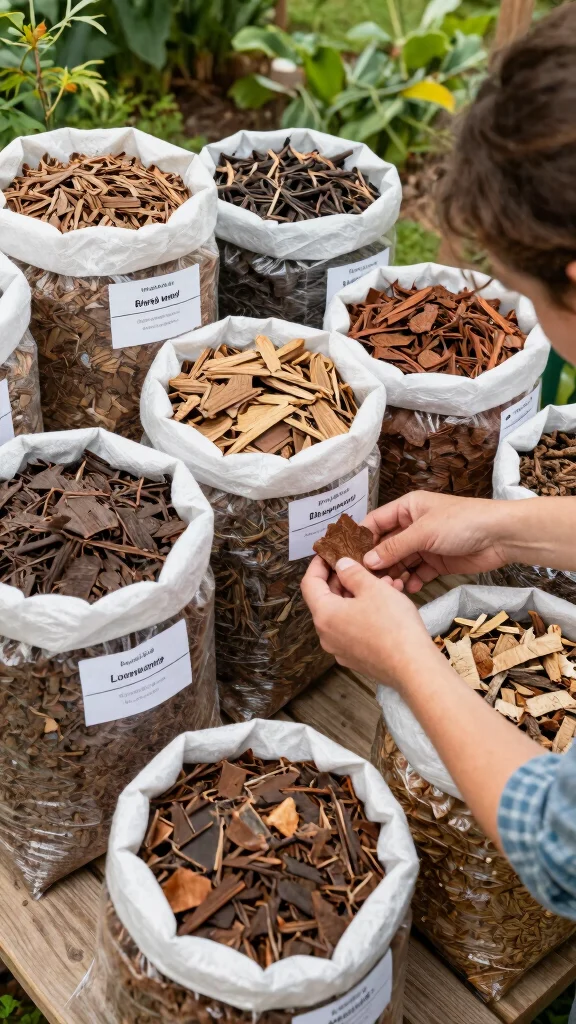
Not all bark mulch is created equal; knowing the various types available will help you choose the best for your garden. Common varieties include shredded hardwood, cedar, pine bark, and dyed mulches, each with unique characteristics and benefits.
– Shredded Hardwood: This versatile choice holds moisture well and suppresses weeds effectively.
– Cedar Mulch: Renowned for its lovely scent, it naturally repels insects and resists decay, ideal for flower beds.
– Pine Bark: Breaks down quickly, enriching the soil but needs frequent replenishment.
– Dyed Mulch: Offers vibrant colors, but be cautious as some may contain chemicals.
Understanding these types will empower you to make informed decisions that enhance and protect your garden effectively.
Consider these advantages of knowing your mulch:
– Choose the right type for your plants’ needs
– Learn how each contributes to soil health
– Create a cohesive and beautiful garden design
This knowledge transforms your gardening experience, allowing you to cultivate a thriving and visually stunning outdoor space.
Conclusion
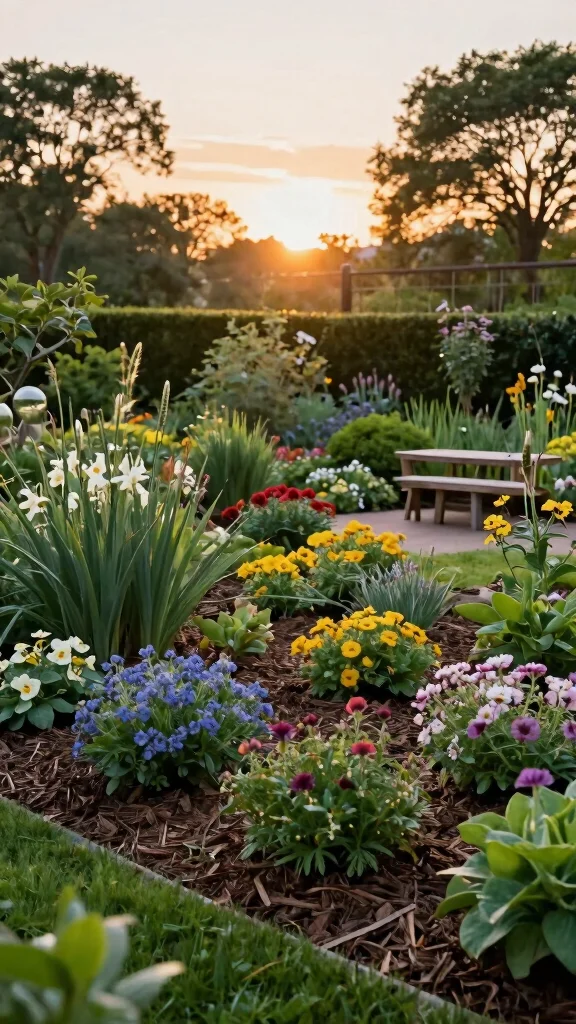
Incorporating bark mulch into your garden care routine brings countless benefits, enhancing not only the aesthetics but also the health of your plants and soil. From preventing weeds to retaining moisture, the advantages are truly remarkable.
As you experiment with different types and applications, you’ll discover the unique charm that bark mulch adds to your gardening experience. So, embrace the power of mulch and watch your garden flourish in beautiful, vibrant ways!
Frequently Asked Questions
When is the right time to apply bark mulch for a lush garden?
Timing matters: After planting and when the soil is workable, typically in spring or fall. In our mulch guide, apply a 2-4 inch layer over the soil, keeping it 2-3 inches away from tree trunks and plant stems. Use a rake to smooth, water deeply after application, and reapply annually as it settles. This simple step helps with soil moisture, temperature regulation, and weed suppression, fitting neatly into practical landscaping and gardening tips.
What types of bark mulch are best for a lush garden and easy maintenance?
Think about your garden goals and soil pH. Cedar and hardwood mulches last longer and resist decay, while pine mulch is economical and helps with soil warmth but can slightly acidify soils. In our mulch guide, choose based on plants and space, aiming for a natural look. Apply a uniform 2-3 inch layer, keep mulch away from stems, and refresh annually for best results in landscaping and gardening tips.
How does bark mulch help with weed control and conserving soil moisture?
Mulch blocks light to weed seeds, reduces evaporation, and moderates soil temperature while slowly feeding beneficial microbes as it decomposes. To maximize benefits, spread a uniform layer of 2-4 inches, avoid piling against stems, and reapply every year or two as it settles. This is a core part of any mulch guide and pairs well with practical landscaping and gardening tips.
Are there plants or situations where bark mulch should be avoided or used with caution?
Yes. Never pile bark mulch directly against tree trunks or the crowns of shallow rooted shrubs. Avoid applying fresh bark around newly planted seedlings or plants that dislike mulch contact. If your soil drains poorly or it’s extremely hot, use a thinner layer or consider another mulch type. This thoughtful approach keeps plant health front and center in your mulch guide and supports smart landscaping and gardening tips.
How much bark mulch do I need and how do I apply it properly?
Measure your bed area in feet (length x width). Multiply by your desired depth in inches, then divide by 324 to convert to cubic yards. For example, a 10 x 10 ft bed at 3 inches deep needs about 0.93 cubic yards. If you buy bags, most are 2-3 cubic feet each. Apply in a smooth, even layer 2-4 inches thick, and recheck after heavy rain or settling. This practical method is a staple in every mulch guide and a helpful landscaping and gardening tips resource.