
Transforming your yard into a colorful garden can be a joyful experience. If you’re anything like me, the thought of planting vibrant flowers fills you with excitement. You might be looking for ways to elevate your outdoor space, making it a beautiful retreat filled with life and color. That’s why I created this post. I want to inspire you with creative flower bed ideas that can turn a dull patch of earth into a lively sanctuary.
This guide is for anyone who loves gardening or wants to dip their toes into the world of flower beds. Whether you’re a seasoned gardener or just starting out, these combinations are easy to follow. You’ll find tips on how to mix colors and plant combinations that will enhance the visual appeal of your yard. With 24 unique ideas to explore, there’s something here for everyone looking to bring beauty into their homes.
As you read through this article, you’ll discover how to create stunning flower beds that will make your outdoor space feel inviting. From bold reds and yellows to soft pastels, each idea reflects a unique style. You’ll also learn about the practical benefits of various flower combinations and how they can thrive together. Get ready to fall in love with your yard all over again!
Key Takeaways
– Explore 24 unique flower bed ideas that range from vibrant and bold to soft pastels, making it easy to find your style.
– Learn about plant combinations that work well together, ensuring your flower beds thrive and look beautiful.
– Discover how different colors and textures can enhance the visual appeal of your garden, creating a stunning outdoor space.
– Get practical tips for maintaining your flower beds, including the best planting techniques and seasonal care.
– Find inspiration for creating a garden that reflects your personal style and provides a lovely retreat throughout the year.
Contents
- 1. Bold and Bright: Red and Yellow Explosion
- 2. Elegant Pastels: Soft Pink and Lavender Symphony
- 3. Tropical Vibes: Exotic Colors and Textures
- 4. Classic Perennials: Timeless Beauty
- 5. Whimsical Charm: Mixed Wildflowers
- 6. Monochromatic Elegance: Shades of Blue
- 7. Vibrant Sunset: Orange, Pink, and Coral
- 8. Earthy Tones: Rustic Reds and Greens
- 9. Dramatic Contrast: Dark and Light
- 10. Fragrant Delight: Scented Blooms
- 11. Vertical Gardens: Space-saving Flower Beds
- 12. Garden Borders: Defining Spaces
- 13. Seasonal Blooms: A Year-round Delight
- 14. Pollinator Paradise: Flowers for Bees and Butterflies
- 15. Edible Blooms: Flowers with a Flavor
- 16. Shade Lovers: Flowers for Low Light
- 17. Rustic Farmhouse: Vintage Flower Bed
- 18. Minimalistic Garden: Simple Yet Stunning
- 19. Themed Flower Beds: A Fun Twist
- 20. Textured Flower Beds: Layered Beauty
- 21. Container Gardens: Portable Flower Beds
- 22. Drought Tolerant Flowers: Resilient Blooms
- 23. Seasonal Themes: Celebrate the Holidays
- 24. Multi-Purpose Flower Beds: Beauty Meets Function
1. Bold and Bright: Red and Yellow Explosion
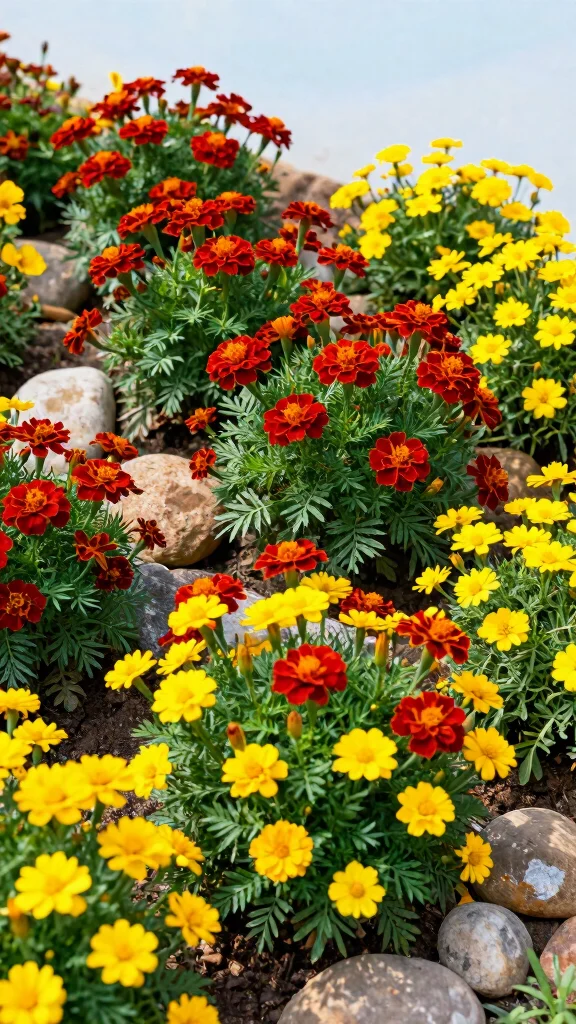
Start your flower bed adventure with a vibrant splash of red and yellow! These bold colors bring energy and life to any outdoor space, creating an inviting atmosphere. Imagine clusters of red marigolds paired with cheerful yellow daisies, transforming your yard into a sunlit paradise. This combination not only looks stunning but also uplifts your mood instantly.
To make the most of this color scheme, plant marigolds in generous bunches for a lush base, while introducing daisies for a delightful contrast. Ensure these flowers bask in the sun and enjoy well-drained soil for optimal growth. You can also add decorative stones or mulch to enhance the color burst even further.
Key flowers to include:
– Red Marigolds for bright spots
– Yellow Daisies for a cheerful touch
– Orange Zinnias to warm up the palette
This vibrant flower bed attracts pollinators and wards off pests, making it a functional and beautiful addition to your garden.
2. Elegant Pastels: Soft Pink and Lavender Symphony
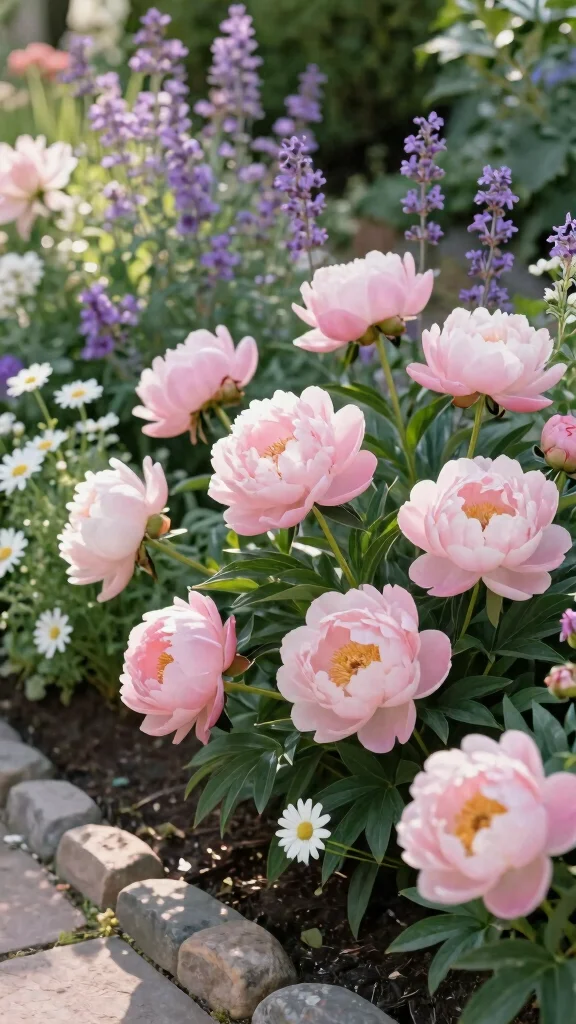
For a serene and calming garden space, consider a flower bed filled with soft pinks and delicate lavenders. This lovely combination creates a peaceful retreat, perfect for relaxation. Picture pink peonies nestled among lavender blooms, inviting tranquil moments in your garden.
Arrange your peonies in the back to provide height, while the lavender can grace the front, adding a touch of elegance. These flowers thrive in sunny spots with well-drained soil, so choose their location wisely. Adding decorative stones can further define the bed’s shape and enhance its beauty.
Flowers to consider:
– Pink Peonies for lush blooms
– Lavender for fragrance and color
– White Daisies to add a crisp accent
This enchanting arrangement attracts butterflies and adds charm, creating a magical sanctuary in your garden.
3. Tropical Vibes: Exotic Colors and Textures
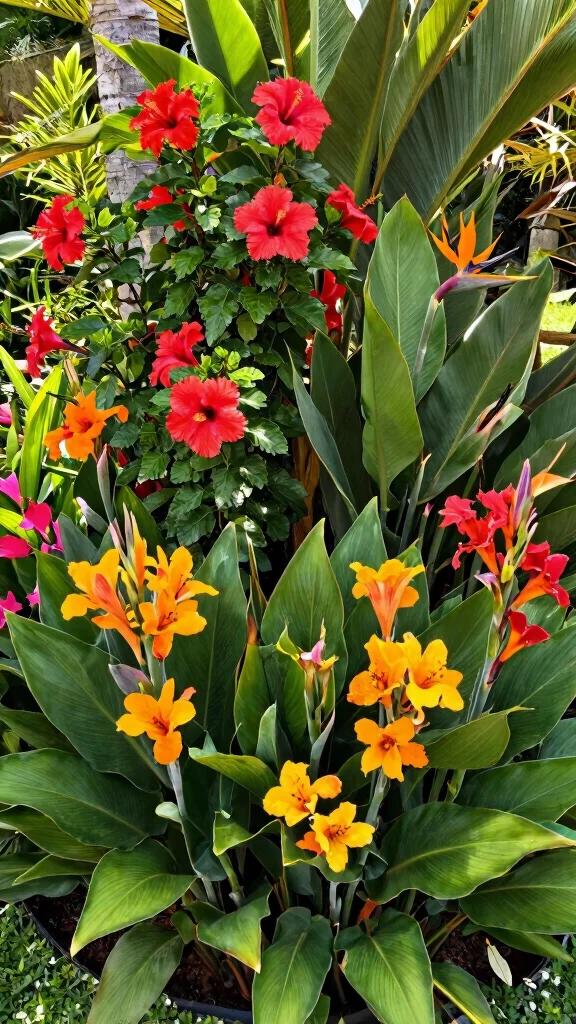
Transform your garden into a tropical paradise with a burst of exotic flowers! Bright oranges, deep purples, and lush greens create a stunning visual feast. Envision hibiscus, bird of paradise, and canna lilies coming together to deliver a vibrant oasis in your yard.
For a layered effect, place taller hibiscus at the back while positioning shorter canna lilies and Bougainvillea in the front. These plants thrive in sunny, warm climates and need well-drained soil. Apply mulch around them to retain moisture and keep weeds at bay.
Key flower choices:
– Hibiscus for bold color
– Bird of Paradise for an exotic flair
– Canna Lilies for striking blooms
This dynamic flower bed not only captivates with its visual appeal but also creates a lively environment that attracts birds and butterflies.
4. Classic Perennials: Timeless Beauty
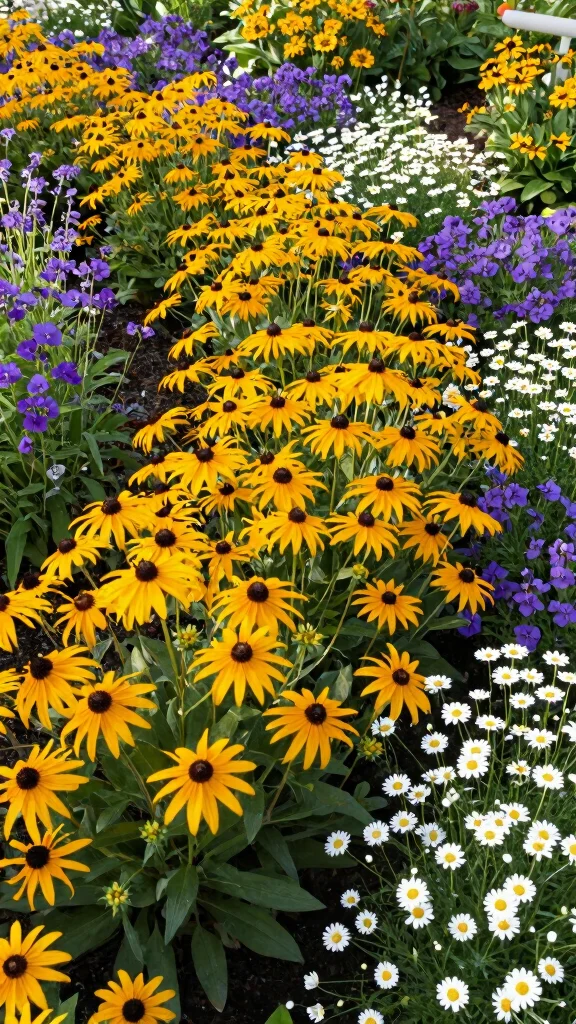
Perennials offer a classic touch to your flower bed that lasts year after year. They provide dependable beauty, making them a favorite for gardeners. A combination of black-eyed Susans and coneflowers creates a mesmerizing display that blooms throughout the season, adding continuous color and interest.
Plant these flowers in clusters for a natural look while ensuring adequate spacing for air circulation. They thrive in full sun and well-drained soil, so choose the right spot. Regular deadheading will encourage more blooms and prolong the display.
Consider these flowers:
– Black-eyed Susans for sunny yellow
– Coneflowers for vibrant purple
– Shasta Daisies for added charm
This classic arrangement not only enhances your yard’s beauty but also supports local pollinators, making it a low-maintenance option for busy gardeners.
5. Whimsical Charm: Mixed Wildflowers
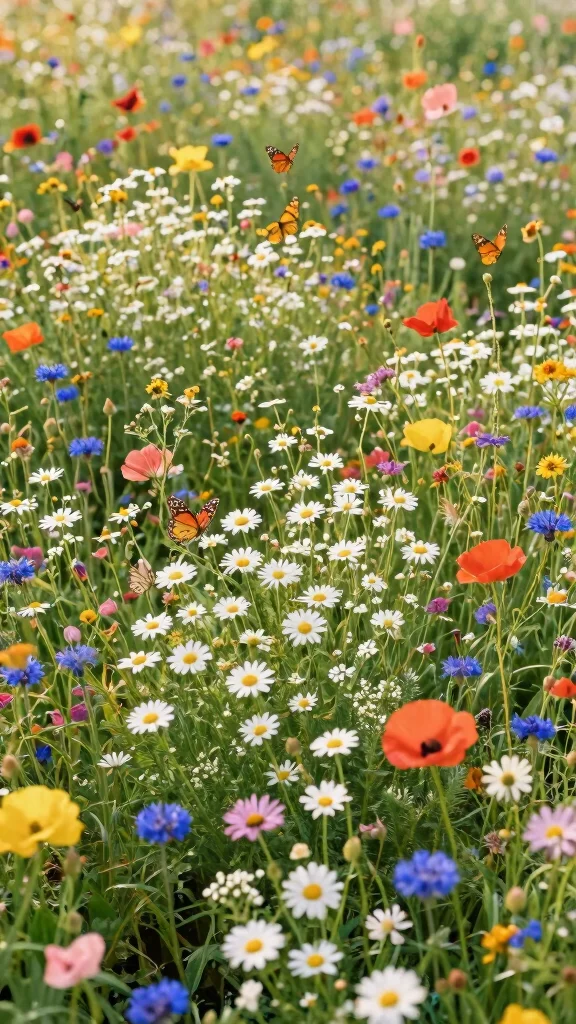
Embrace nature’s charm with a wildflower garden that evokes a sense of carefree beauty. A mix of daisies, cornflowers, and poppies creates a lively and colorful flower bed that buzzes with life. This natural look invites butterflies and bees, adding to the garden’s vibrancy.
Scatter seeds randomly for an organic appearance and avoid straight lines for a more natural feel. These flowers thrive in average soil and require little maintenance. Water occasionally, as they can tolerate drought once established.
Flowers to include:
– Daisies for cheerful blooms
– Cornflowers for vibrant blues
– Poppies for a pop of color
A wildflower garden not only brightens your yard but also provides essential habitat for local wildlife, making it an eco-friendly choice.
6. Monochromatic Elegance: Shades of Blue
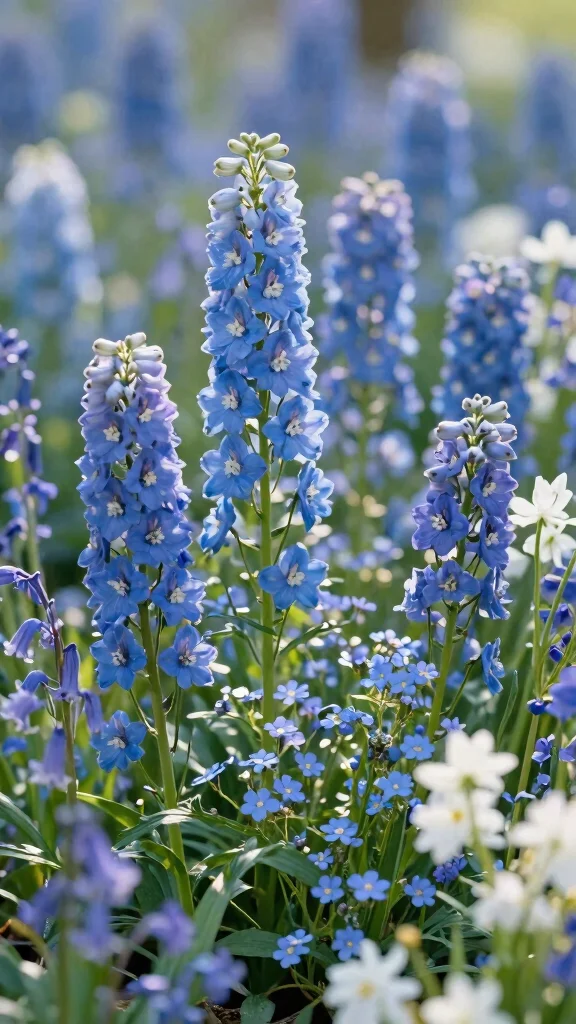
For a sophisticated touch, create a flower bed showcasing various shades of blue. Blue flowers are calming and unique, drawing the eye and creating a serene focal point. Imagine a blend of delphiniums, bluebells, and forget-me-nots layering beautifully in your garden.
Arrange taller delphiniums in the back, with bluebells and forget-me-nots in front for depth. Ensure they receive ample sunlight and plant in well-drained soil. Regular deadheading will help maintain their beauty and prolong blooming.
Key flowers to add:
– Delphiniums for height
– Bluebells for a gentle touch
– Forget-me-nots for delicate blooms
This flower bed creates a tranquil atmosphere, ideal for relaxation or contemplative spots in your yard.
7. Vibrant Sunset: Orange, Pink, and Coral
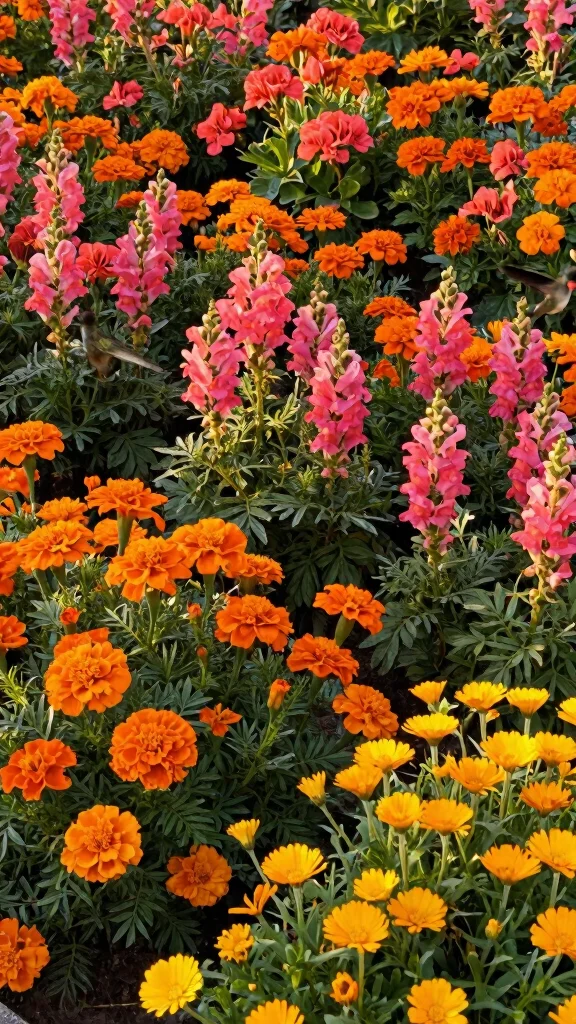
Capture the essence of a sunset with a flower bed bursting with orange, pink, and coral hues. This warm palette creates an inviting atmosphere, making it perfect for entertaining spaces or cozy evenings. Combine orange marigolds, pink snapdragons, and coral geraniums for a breathtaking display.
Place the tallest snapdragons in the center, surrounded by marigolds and geraniums. These flowers thrive in full sun and well-drained soil, so keep them well-watered for optimal growth.
Flowers to consider:
– Orange Marigolds for vibrant color
– Pink Snapdragons for height
– Coral Geraniums for added warmth
This combination not only boosts curb appeal but also attracts hummingbirds, adding an extra layer of life to your garden.
8. Earthy Tones: Rustic Reds and Greens
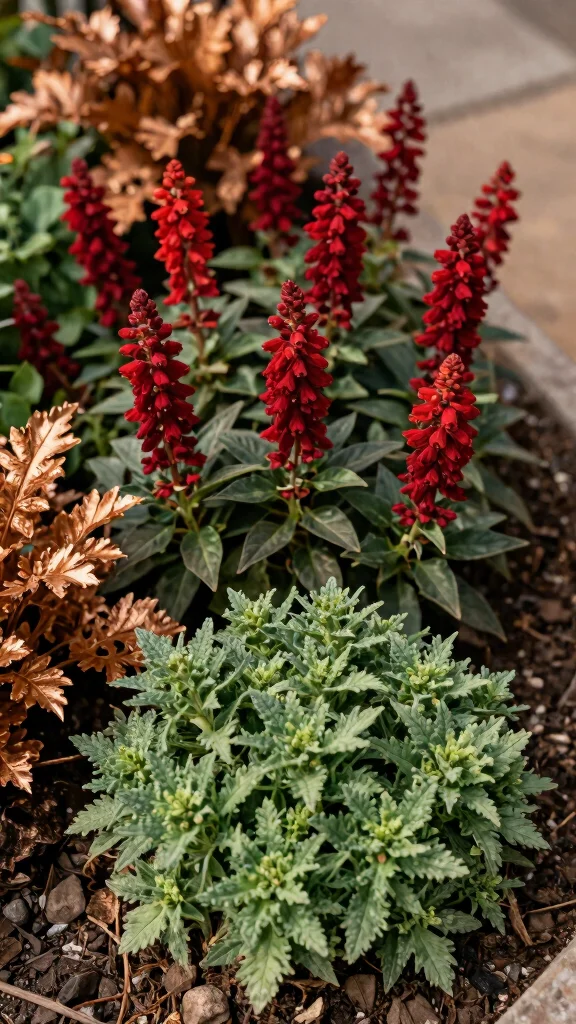
If you prefer a grounded approach, consider a flower bed featuring rustic reds and greens. This combination creates a warm and cozy feel, perfect for a garden that feels connected to nature. Picture red salvias paired with green verbena and bronze foliage for added depth.
Arrange salvias at the back for height while verbena fills the front. These plants thrive in full sun and adapt to various soil types, making them easy to care for. Regular watering will promote healthy growth and vibrant blooms.
Flowers to include:
– Red Salvias for striking color
– Green Verbena for lush coverage
– Bronze Foliage for added texture
This flower bed harmonizes beautifully with natural surroundings, enhancing the overall aesthetic of your landscape.
9. Dramatic Contrast: Dark and Light
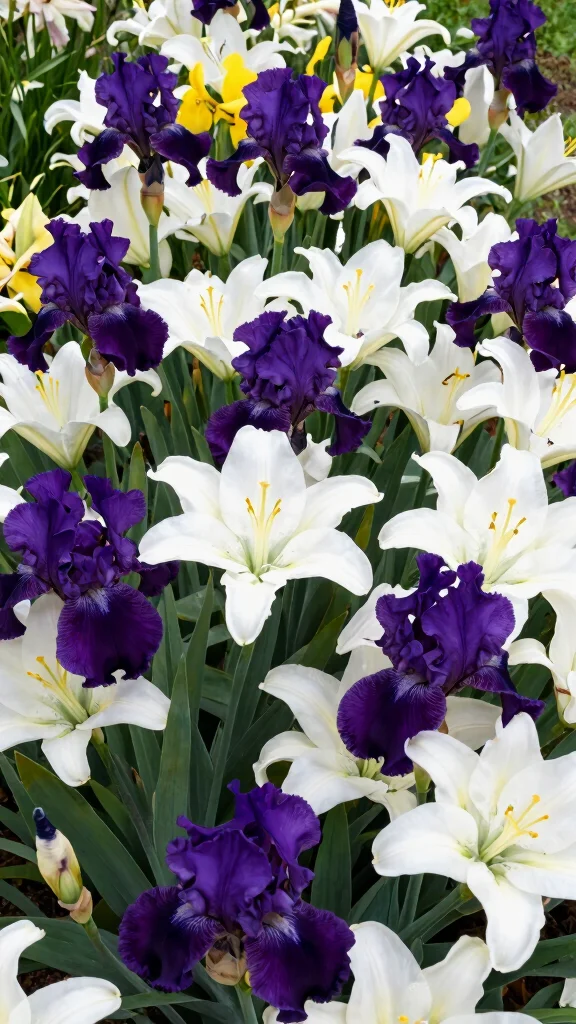
For a visually striking flower bed, consider contrasting dark and light colors. This technique highlights each bloom, creating a dramatic effect. A mix of deep purple irises and bright white lilies makes a bold statement that leaves a lasting impression.
Plant the irises in the back and the lilies in front for a tiered display. These flowers prefer well-drained soil and enjoy plenty of sunlight, so keep them well-watered during dry spells.
Key flower choices:
– Deep Purple Irises for richness
– Bright White Lilies for purity
– Yellow Centers for extra contrast
This stunning flower bed serves as a perfect backdrop for photos or outdoor events, enhancing your garden’s visual charm.
10. Fragrant Delight: Scented Blooms
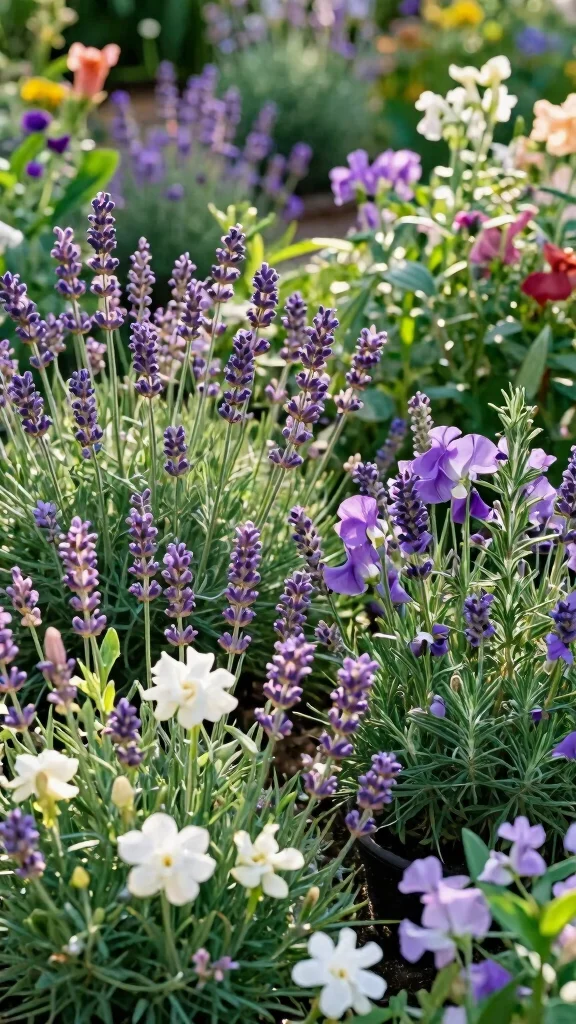
Elevate your garden experience by adding fragrant flowers to your flower bed. Scented blooms create a delightful atmosphere, transforming your outdoor space into a sensory paradise. Mix lavender, gardenias, and sweet peas for an aromatic haven.
Position lavender at the front, allowing its fragrance to greet you as you stroll through the garden. Ensure these plants get full sun and well-drained soil for thriving growth. Pruning gardenias regularly will encourage denser growth and more blooms.
Flowers to consider:
– Lavender for soothing scents
– Gardenias for rich aroma
– Sweet Peas for sweetness
Incorporating scented flowers not only beautifies your space but also attracts beneficial pollinators, creating a peaceful atmosphere to enjoy your garden.
11. Vertical Gardens: Space-saving Flower Beds
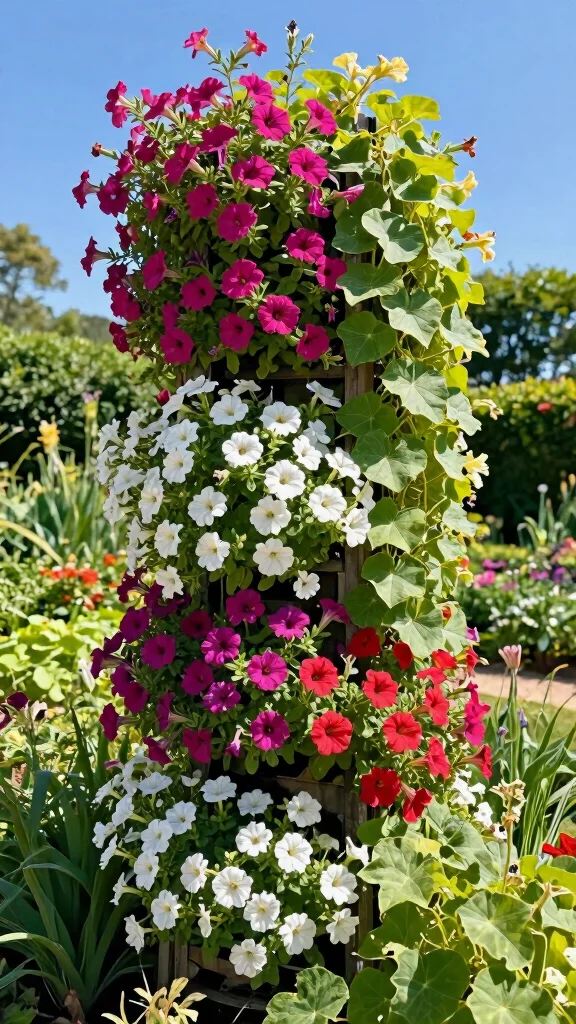
If you’re limited on space, vertical flower gardens are a fantastic solution. They save space while adding visual interest and dimension to your yard. Consider using trailing petunias, climbing nasturtiums, and trellises for eye-catching displays.
Train climbing nasturtiums to grow up the trellis while trailing petunias cascade down. Ensure these plants receive enough sunlight and water regularly to encourage growth. This design not only maximizes your space but also enhances your garden’s beauty with vertical elements.
Key flowers to include:
– Trailing Petunias for cascading beauty
– Climbing Nasturtiums for height
– Vertical Herbs like basil for added charm
A vertical garden not only provides more blooms but also serves as a unique architectural feature, making your garden stand out.
12. Garden Borders: Defining Spaces
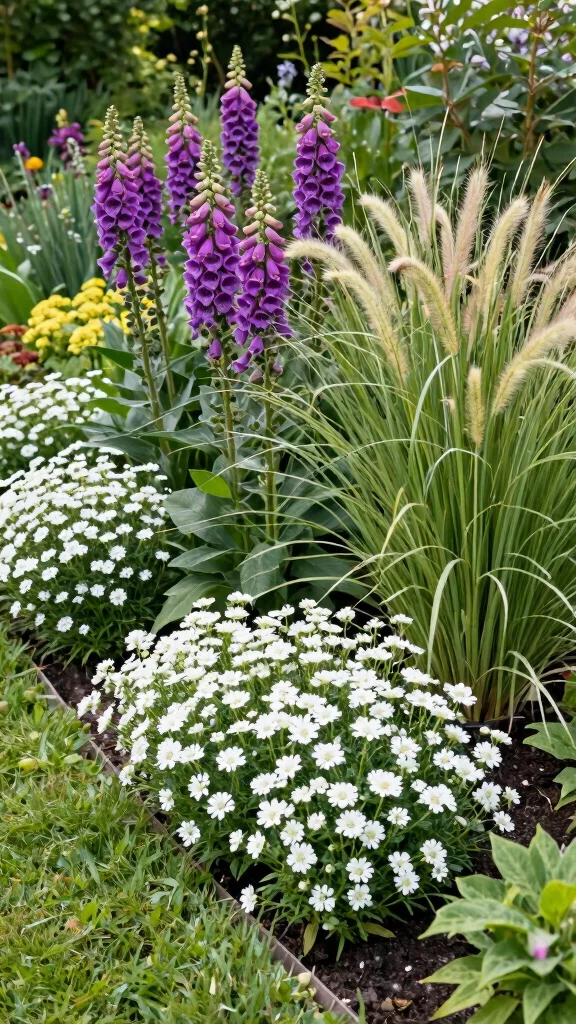
Use flower beds as borders to define different areas in your garden. This technique adds structure while allowing for creative color combinations. Consider a mix of low-growing flowers like alyssum paired with taller foxgloves to create an inviting edge.
Plant alyssum along the front for a soft touch, while foxgloves provide height towards the back. Ensure good drainage and plenty of sunlight for vibrant growth. Regular watering during dry spells will keep your flowers looking their best.
Flowers to consider:
– Alyssum for delicate blooms
– Foxgloves for height and drama
– Ornamental Grasses for texture
Garden borders enhance the aesthetics of your yard, guiding visitors through your beautifully landscaped spaces.
13. Seasonal Blooms: A Year-round Delight
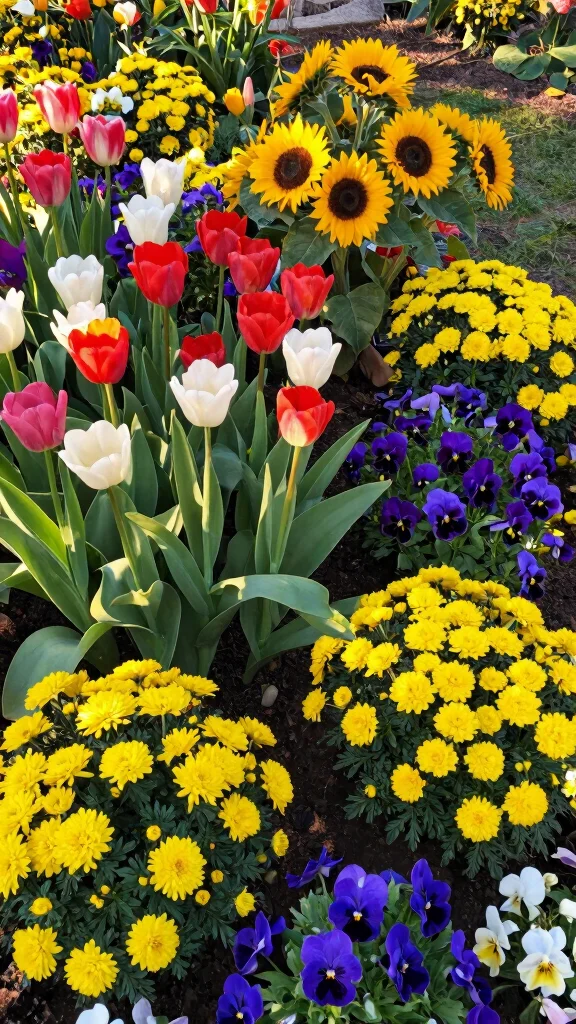
To enjoy flowers throughout the year, incorporate seasonal blooms that flourish at different times. A mix of spring, summer, fall, and winter flowers ensures your garden remains vibrant all year. Think tulips, sunflowers, and chrysanthemums for a dynamic flower bed.
Plan your flower bed with the seasons in mind, placing shorter flowering plants in front. These blooms thrive in various light conditions, so pair them accordingly. Regular deadheading and maintenance will keep your flower bed looking stunning.
Key flowers to include:
– Tulips for spring color
– Sunflowers for summer brightness
– Chrysanthemums for autumn flair
This approach creates a living calendar of blooms, keeping your garden engaging and colorful throughout every season.
14. Pollinator Paradise: Flowers for Bees and Butterflies
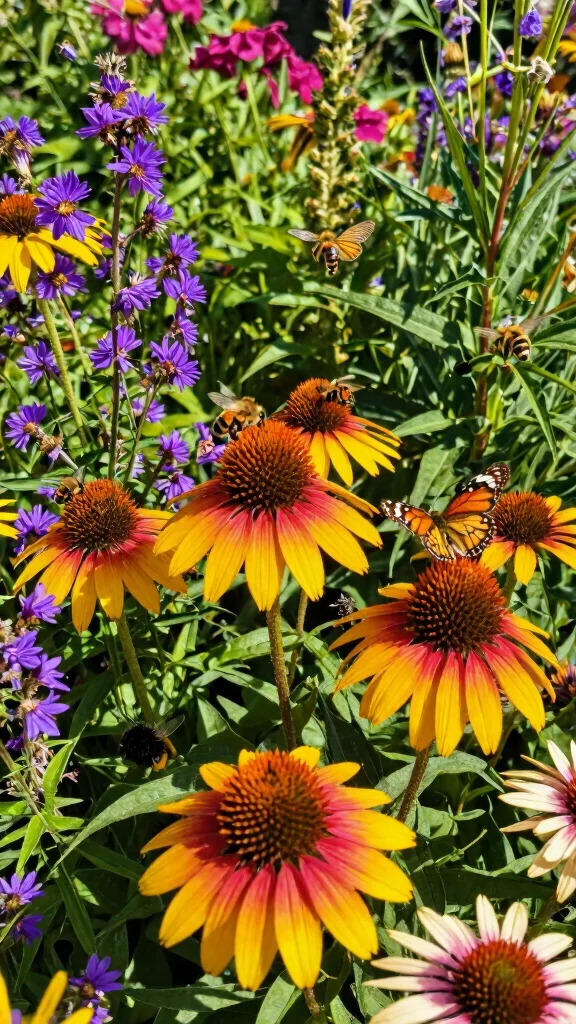
Creating a flower bed to attract pollinators is an excellent way to support your local ecosystem. Incorporate nectar-rich flowers like echinacea, bee balm, and asters to build a vibrant pollinator paradise. These stunning blooms not only look beautiful but also invite essential wildlife into your garden.
Plant these flowers in clusters to better attract pollinators, ensuring they have plenty of sunlight and good drainage. Allow for some natural growth around the flowers, making it a more inviting habitat for bees and butterflies.
Flowers to consider:
– Echinacea for vibrant color
– Bee Balm for fragrance
– Asters for late-season blooms
By cultivating a pollinator-friendly flower bed, you enhance your garden’s beauty while contributing to a healthier environment.
15. Edible Blooms: Flowers with a Flavor
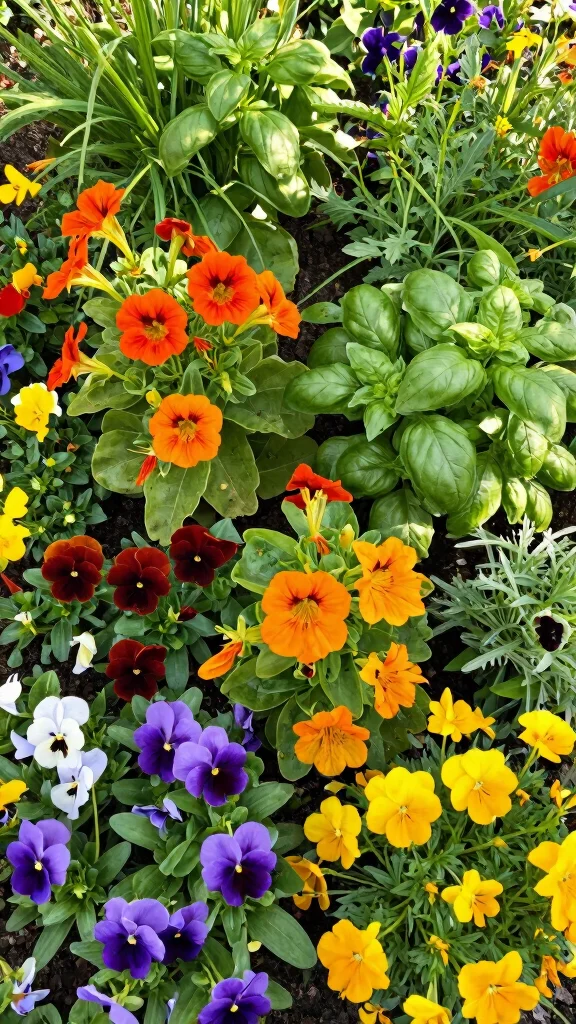
Blend beauty and utility by planting an edible flower bed. Edible flowers add vibrant colors and unique flavors to your culinary creations. Consider a mix of nasturtiums, pansies, and calendula for a colorful, flavorful display.
Plant nasturtiums for trailing growth and colorful blooms, while pansies provide a cheerful touch. Make sure they are in a sunny spot with well-drained soil for thriving growth. Regular maintenance and harvesting will encourage more blooms and flavors.
Key flowers to include:
– Nasturtiums for vibrant color and flavor
– Pansies for cheerful accents
– Calendula for bright blooms
This flower bed not only looks stunning but also offers delicious edible blooms to enhance salads, desserts, and beverages, adding a unique twist to your meals.
16. Shade Lovers: Flowers for Low Light
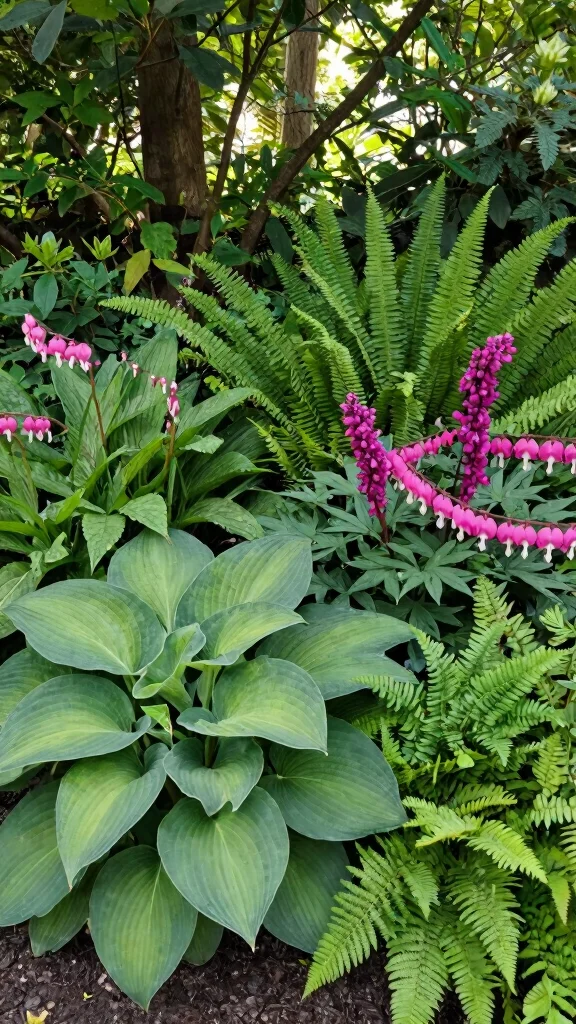
Not every garden gets full sun, and that’s perfectly fine! There are stunning flowers that thrive in low light conditions. For a shady corner, consider a mix of hostas, astilbes, and bleeding hearts to create a lush and colorful escape.
Hostas can serve as a lovely backdrop, while astilbes and bleeding hearts add vibrant color. Ensure the soil is rich and retains moisture, as shade-loving plants enjoy a bit more water. Regularly check for pests, as they can thrive in shady areas.
Key flowers to consider:
– Hostas for lush green foliage
– Astilbes for feathery blooms
– Bleeding Hearts for a unique shape
This flower bed creates a tranquil retreat, perfect for relaxation away from the sun’s heat.
17. Rustic Farmhouse: Vintage Flower Bed
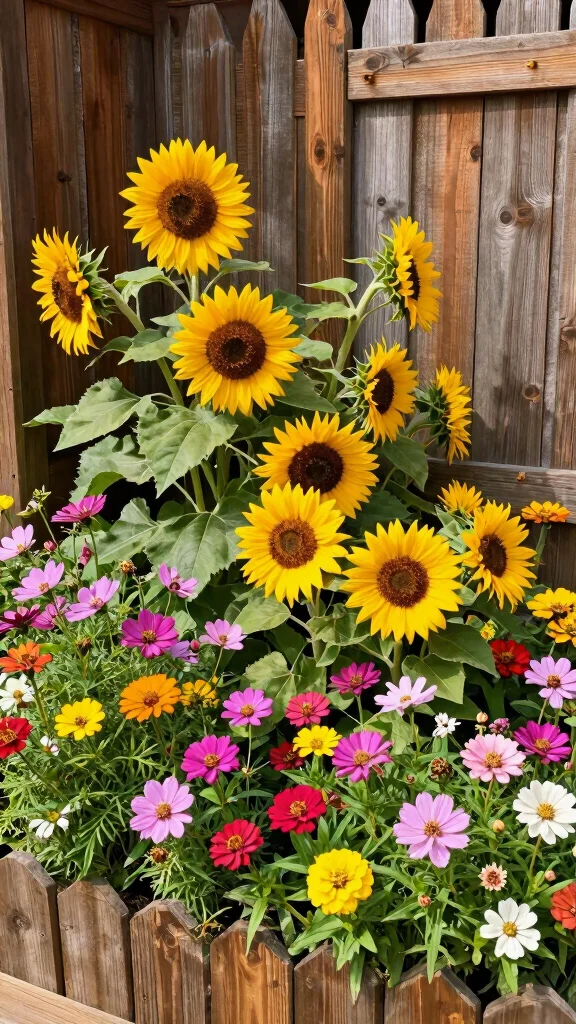
For a charming rustic look, consider a vintage flower bed that embodies farmhouse aesthetics. Mix sunflowers, zinnias, and cosmos for a warm and inviting display that feels like home. This combination instantly transports you to a cozy countryside retreat.
Use staggered planting with taller sunflowers at the back and shorter zinnias and cosmos in front. These flowers prefer full sun and well-drained soil, making them easy to care for. Adding rustic elements like wooden fences or vintage pots enhances the farmhouse feel.
Key flowers to include:
– Sunflowers for height and cheer
– Zinnias for vibrant colors
– Cosmos for delicate blooms
A vintage flower bed beautifies your space while creating a welcoming environment that embodies country charm.
18. Minimalistic Garden: Simple Yet Stunning
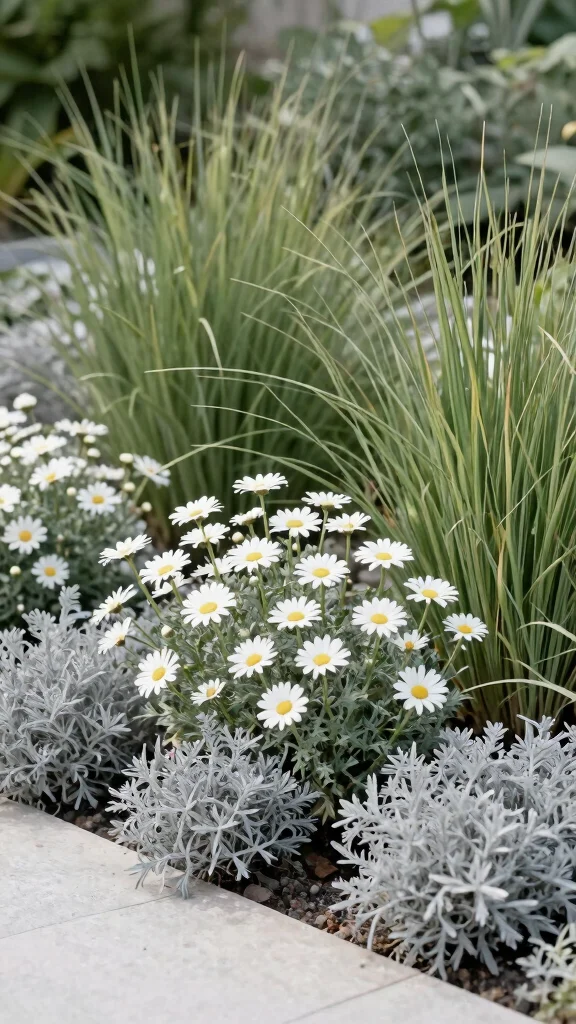
If you prefer a clean and sleek look, a minimalistic flower bed can be incredibly appealing. Simple lines and monochromatic colors create an elegant design that feels modern and chic. Consider white daisies paired with gray foliage for a stunning contrast.
Create custom shapes with your arrangement, focusing on symmetry and clean lines. Ensure the plants receive enough sunlight and have well-drained soil for optimal growth. Regular pruning will keep the flowers looking fresh and vibrant.
Flowers to consider:
– White Daisies for brightness
– Silver Dusty Miller for texture
– Tall Grasses for added height
A minimalistic garden enhances visual appeal while creating a calming space, perfect for quiet moments of reflection.
19. Themed Flower Beds: A Fun Twist
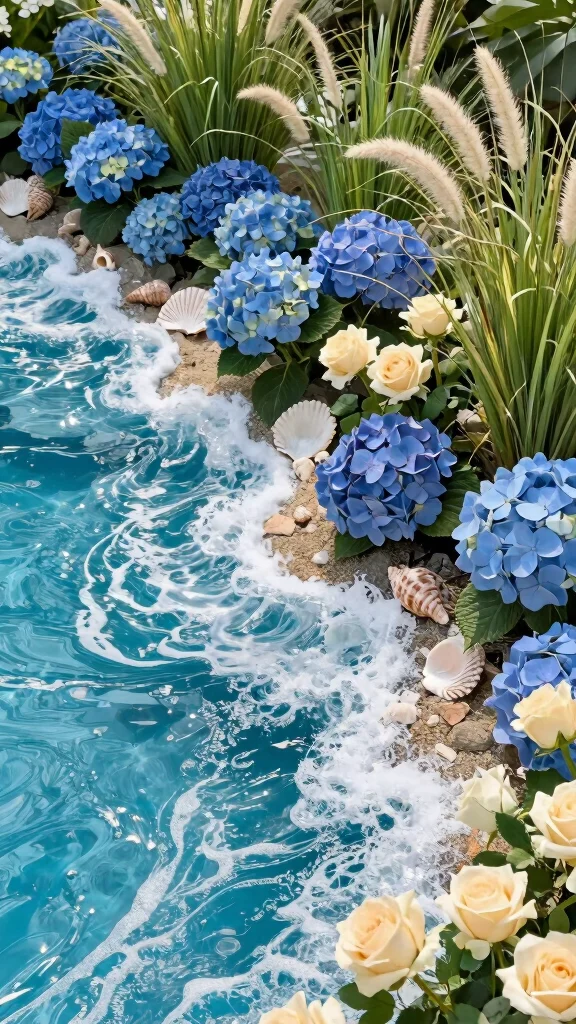
Consider crafting themed flower beds to express your personality and interests. For instance, a beach theme could include blue and sandy colors with seashell decorations. Flowers like blue hydrangeas, cream roses, and ornamental grasses can replicate a coastal vibe.
Group flowers by color and size, ensuring the tallest plants are strategically placed. These varieties thrive in well-drained soil and prefer full sun, so ensure they’re well cared for. Incorporate decorative elements like seashells to enhance the theme visually.
Key flowers to include:
– Blue Hydrangeas for lush blooms
– Cream Roses for elegance
– Ornamental Grasses for movement
Themed flower beds add a unique touch to your garden, turning it into a true reflection of you and your creative storytelling.
20. Textured Flower Beds: Layered Beauty
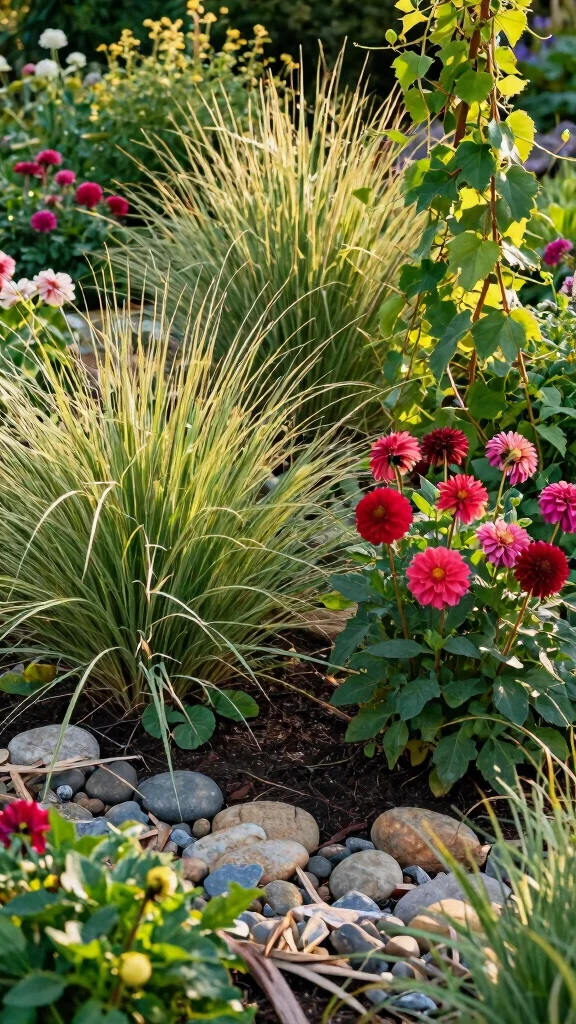
Adding different textures to your flower bed creates visual interest and depth. Combine spiky plants, round blooms, and trailing vines for a dynamic arrangement that draws the eye. Consider mixing ornamental grasses, dahlias, and trailing vines for a layered look that feels alive.
Use taller grasses as a backdrop, placing dahlias in front, and let trailing vines spill over the edges. This arrangement thrives in full sun and well-drained soil, so be sure to water regularly for optimal growth.
Key flowers to consider:
– Ornamental Grasses for height
– Dahlias for vibrant blooms
– Trailing Vines for added charm
A textured flower bed not only looks stunning but also creates a more dynamic garden space that invites exploration.
21. Container Gardens: Portable Flower Beds
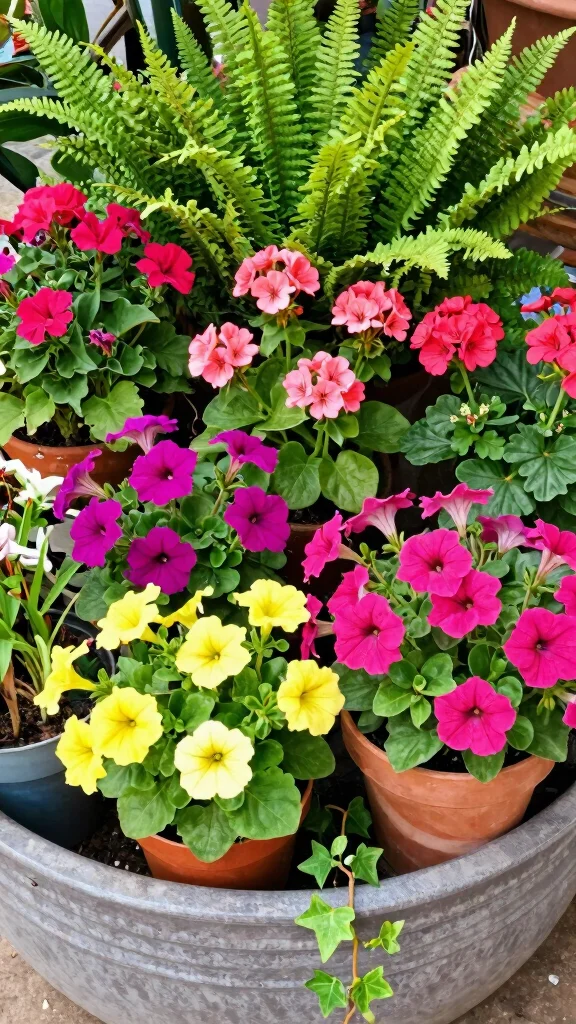
For those with limited space or a desire for flexibility, container gardens are an excellent solution. They allow you to create beautiful flower beds in pots, making it easy to rearrange your space as needed. Picture a mix of petunias, geraniums, and ferns for a colorful display that can brighten any area.
Choose pots of varying heights to create visual appeal, ensuring that plants with similar light and water needs are grouped together. Regular watering and fertilization will help keep your flowers thriving throughout the season.
Key flowers to include:
– Petunias for cheerful color
– Geraniums for vibrant blooms
– Ferns for lush greenery
Container gardens not only create stunning displays but also offer easy maintenance and the flexibility to change your garden layout whenever you like.
22. Drought Tolerant Flowers: Resilient Blooms
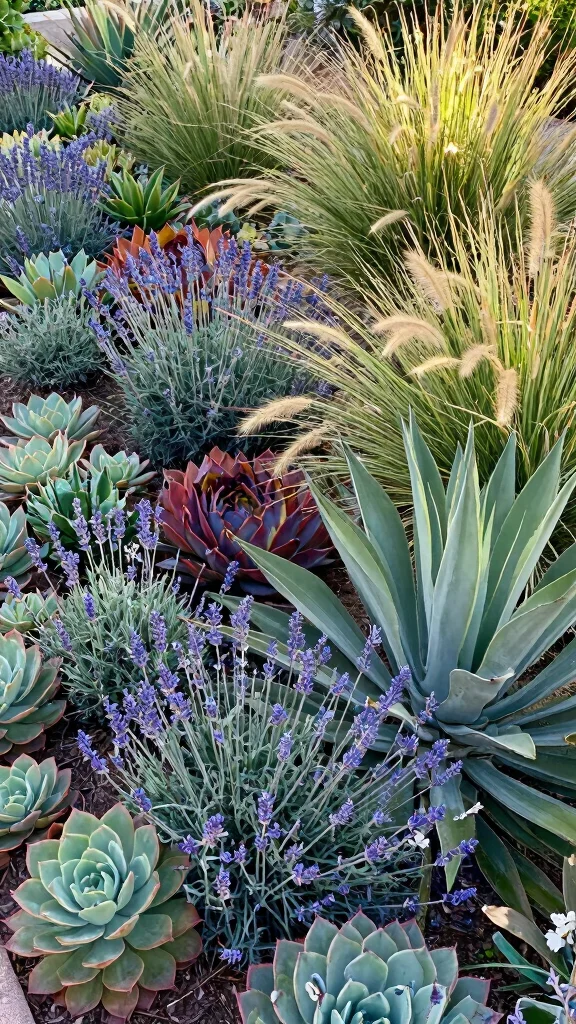
For a low-maintenance yet stunning flower bed, consider drought-tolerant flowers. These hardy plants thrive on less water, making them perfect for busy gardeners or those in arid climates. A mix of succulents, lavender, and agaves can create a unique and resilient flower bed.
Use sandy, well-drained soil and select a sunny location for optimal growth. Regular pruning and deadheading will encourage healthy blooms and shape. This combination offers beauty without the hassle of excessive watering.
Key flowers to include:
– Succulents for unique shapes
– Lavender for fragrance
– Agaves for striking foliage
A drought-tolerant flower bed not only saves water but also enhances your outdoor space’s visual appeal with its distinctive colors and shapes.
23. Seasonal Themes: Celebrate the Holidays
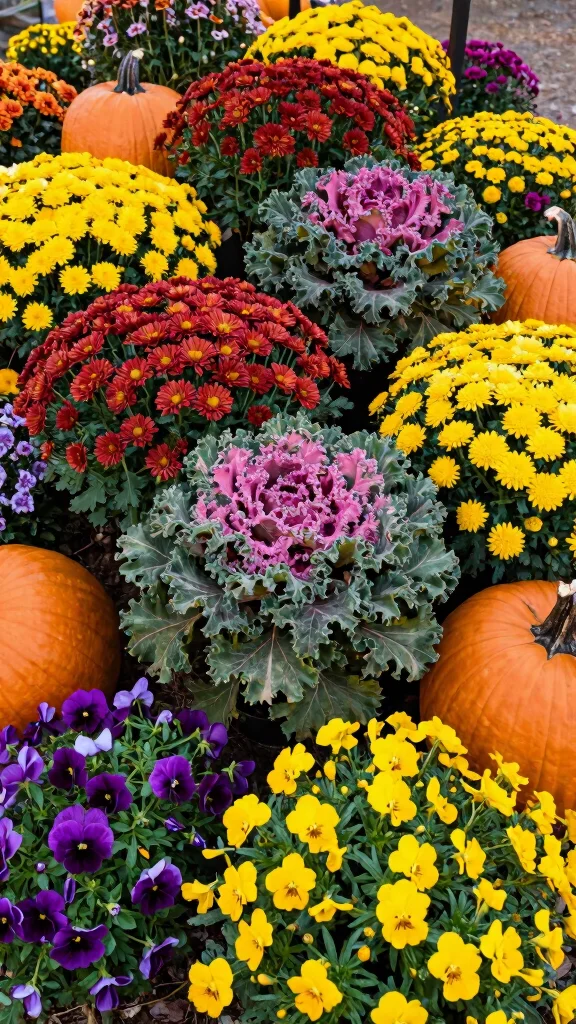
Create unique flower beds that celebrate the seasons and holidays, adding festive flair to your garden. For example, consider a fall-themed flower bed with chrysanthemums, ornamental kale, and pansies in autumn colors. This approach adds a fun twist while enhancing your garden’s visual appeal.
Arrange the flowers in clusters for a full look, emphasizing colors that celebrate the season. These blooms thrive in average soil and prefer full sun, so regular watering will keep them looking vibrant.
Key flowers to include:
– Chrysanthemums for autumn hues
– Ornamental Kale for unique texture
– Pansies for cheerful accents
Seasonal flower beds beautify your space and create a sense of joy and celebration throughout the year.
24. Multi-Purpose Flower Beds: Beauty Meets Function
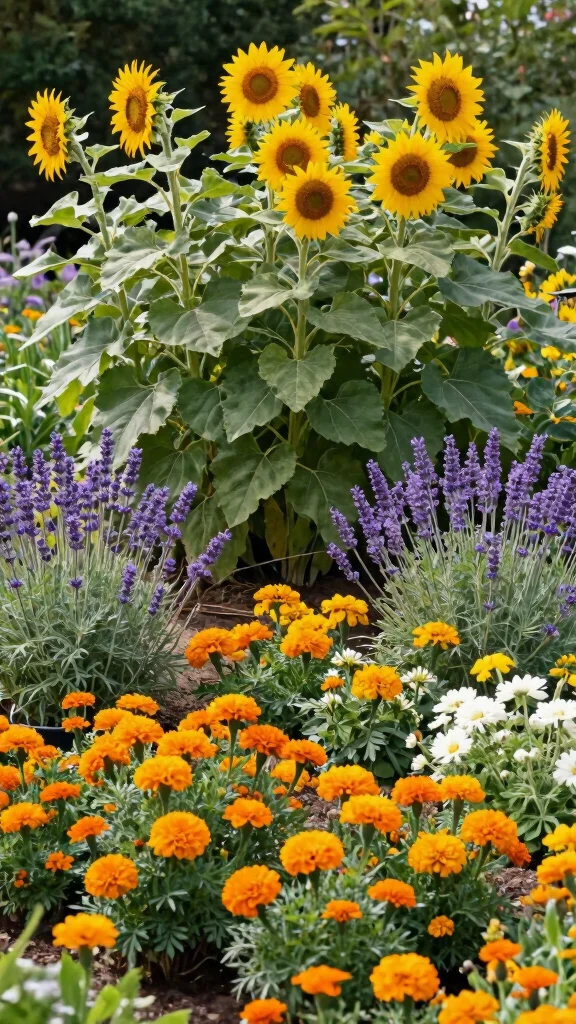
Consider creating multi-purpose flower beds that provide both visual beauty and practical benefits, such as pest control or privacy. A mix of marigolds and lavender can act as natural pest deterrents while wrapping your garden in delightful fragrances.
Position marigolds around the perimeter to maximize their pest-repelling qualities, while lavender can provide both scent and charm. Taller sunflowers in the back not only add height but also enhance privacy. Ensure regular maintenance and adequate water for optimal growth.
Key flowers to include:
– Marigolds for pest control
– Lavender for fragrance
– Sunflowers for height and privacy
This flower bed design maximizes your garden’s potential, combining aesthetics with functionality, making your outdoor space truly versatile.
Conclusion
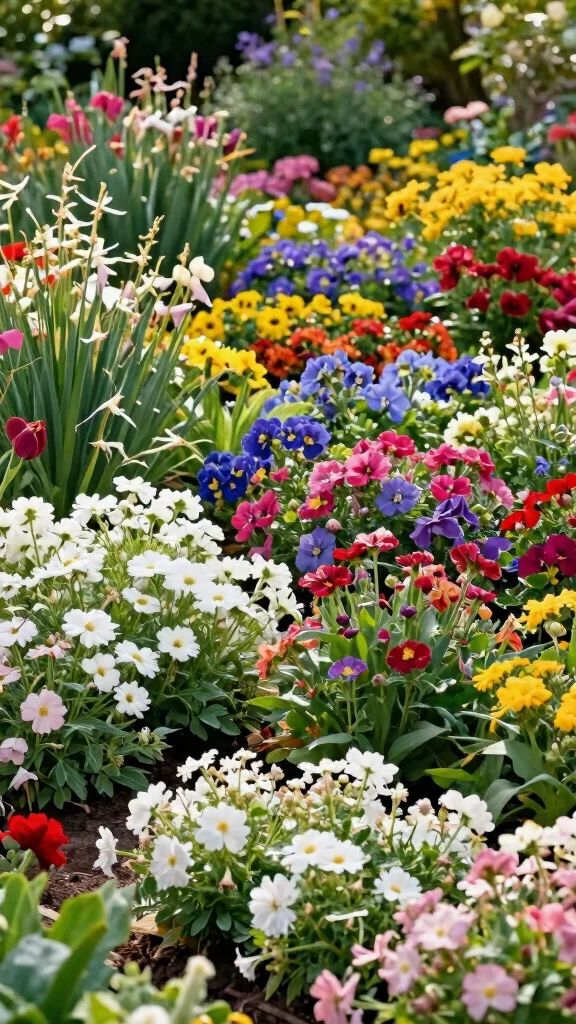
Transforming your yard with these colorful flower bed combinations can turn your outdoor space into a stunning retreat. Whether you lean towards bold contrasts or soft pastels, each idea offers a unique opportunity to express your personal style and delight in nature’s beauty.
Let these flower bed ideas inspire you to create your own beautiful arrangements that will bring joy not just to you, but to all who visit your garden.
Frequently Asked Questions
What are some beginner-friendly flower bed ideas to create vibrant, season-long color?
Great beginner-friendly flower bed ideas start with sun exposure, soil health, and a simple color plan.
Begin by assessing your site, then choose a palette that repeats every 2–3 colors so the bed reads cohesive. Group plants into layers: tall back, mid, and low front for depth. Pick a few bloom times so you get continuous color from spring to fall, and use plant combinations that share similar water and sun needs to keep maintenance low. Finally, prep the soil with compost, mulch to conserve moisture, and water deeply at dawn. With these steps, your yard transforms with vibrant visual appeal and easy care.
How can I choose plant combinations that maximize visual appeal in a small yard using flower bed ideas?
Start by focusing on scale and repetition. In a small space, group three to five colors and repeat them in different plant heights. Use foliage texture to add interest even when some plants aren’t blooming. Pair compact annuals with drought-tolerant perennials to reduce maintenance. Place a focal point like a bright clump of color or a decorative container, and use edging to create clean lines. By treating the bed as a color narrative, you’ll achieve strong visual appeal with smart plant combinations and practical care tips.
What are the best flower bed ideas for sun vs shade and different soil types?
Match plant choices to sun exposure and soil drainage. In full sun, choose heat-tolerant bloomers like lantana, petunias, or salvias; in shade, go for astilbes, ferns, and hostas. Improve heavy clay or sandy soils with compost and mulch; ensure good drainage to prevent root rot. For year-round color, layer perennials with annuals and consider groundcovers that fill gaps. Always check mature size and water needs, and choose flower bed ideas that suit your site’s climate and plant combinations.
How do I maintain plant health and prolong bloom in my flower beds?
To keep blooms coming and beds healthy, follow a simple routine: deadhead spent flowers for several weeks of color, water deeply but infrequently to encourage deep roots, and apply a balanced fertilizer according to package directions. Mulch to suppress weeds and regulate moisture. Divide crowded perennials every 3–4 years, and monitor for pests with a light spray or natural controls. When you maintain variety in plant combinations and prune after bloom, your garden retains strong visual appeal and longevity.
Are there common mistakes to avoid when planning flower bed ideas for a vibrant yard?
Yes—common mistakes can ruin even beautiful flower bed ideas. Don’t overlook sun/shade needs when selecting plant combinations; overcrowding can stunt growth and hide blooms. Plan spacing for mature size, or plants will shade or compete. Skip soil prep and mulch, leading to drainage issues. Ignore bloom times, resulting in gaps in color; aim for succession by choosing plants with staggered flowering. Finally, forget pollinators—include nectar-rich varieties and native options to boost health and visual appeal.