
Creating a vegetable garden has me dreaming of fresh, homegrown produce year-round. There’s something incredibly satisfying about plucking a ripe tomato or crisp pepper right from your own backyard. You might be feeling the same urge if you’ve dipped your toes in vegetable gardening. It can be daunting to keep track of what to plant and when, especially if you’re new to it. That’s why I put together this essential seasonal planting schedule to help you navigate your garden with ease.
If you’re a budding gardener or even a seasoned green thumb, this guide is tailored just for you. Whether you’re working with raised garden beds or traditional plots, you want to ensure your efforts pay off with vibrant, healthy vegetables. This post outlines a planting calendar that will keep your vegetable garden thriving through every season. You’ll discover what to plant when, along with tips on crop rotation and companion planting. By the end, you’ll feel equipped to grow fresh produce all year long.
Get ready to embrace the joys of gardening with actionable advice that sets you up for success. From spring awakenings to winter preparations, you’ll learn how to optimize your garden for every season. Let’s dig into the essential tips that will transform your garden into a bounty of delicious vegetables!
Key Takeaways
– Your planting calendar is crucial for successful vegetable gardening. Timing your planting correctly ensures that your crops thrive in their best growing conditions.
– Spring is the time for planting cool-season crops like peas and lettuce, while summer calls for warm-season vegetables such as tomatoes and peppers.
– Fall is all about harvesting, but it’s also a great time to plant cover crops to improve soil health and prepare for winter.
– Crop rotation helps maintain soil fertility and reduce pests. Alternate your vegetable families each season for best results.
– Companion planting can enhance growth and deter pests. Pairing certain plants together can create a healthier garden ecosystem.
Contents
- Spring Awakening: What to Plant and When
- Summer Bounty: High Yields and Flavorful Varieties
- Fall Harvest: Time for Plenty of Delicious Vegetables
- Winter Preparation: Planning for the Next Season
- Crop Rotation: Enhance Soil Health Year-Round
- Companion Planting: Your Garden’s Best Friends
- Maximizing Yield: Succession Planting Techniques
- The Importance of Soil Health: Your Garden’s Foundation
Spring Awakening: What to Plant and When
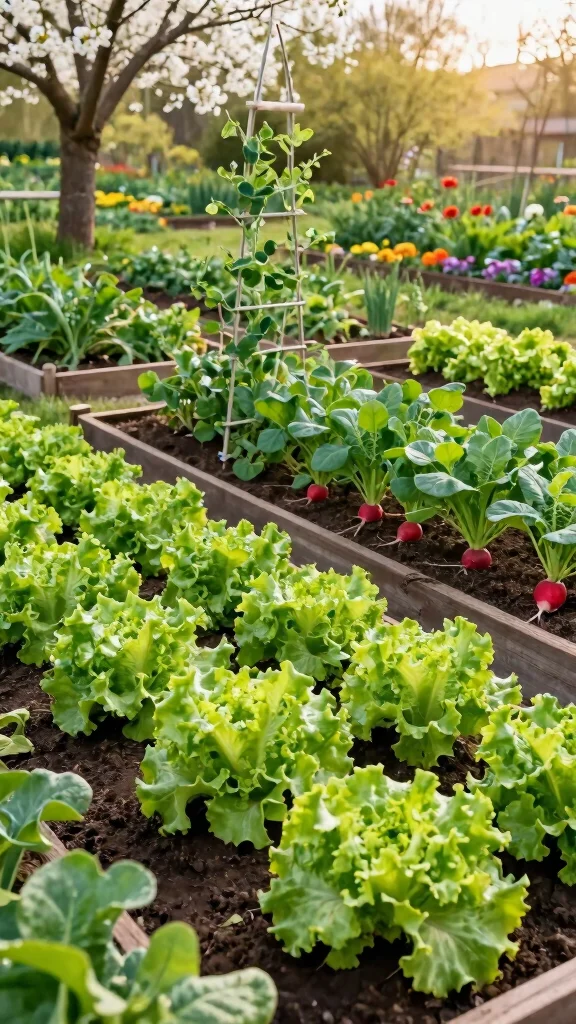
Spring is the season that beckons you outdoors, reminding you to connect with the earth. As the last frost melts away, it’s the ideal time to plant the first seeds of the year. Start with cool-weather favorites like peas, radishes, and lettuce that flourish in the crisp air of early spring. These crops are perfect for raised beds, ensuring good drainage and airflow to support healthy growth.
Your spring planting calendar includes:
– March-April: Begin seeds indoors for tomatoes, peppers, and eggplants.
– Late March: Direct sow peas, radishes, and leafy greens.
– April: Plant carrots, beets, and turnips.
These fast-growing vegetables also prepare your soil for the summer ahead. There’s nothing quite like the satisfying crunch of fresh radishes right from your garden! Remember to space seeds according to variety needs and keep the soil moist but not overly wet. If nights are still chilly, row covers can protect your tender seedlings. Companion planting can also boost growth; for instance, planting basil near your tomatoes can lead to a more fruitful harvest!
Summer Bounty: High Yields and Flavorful Varieties
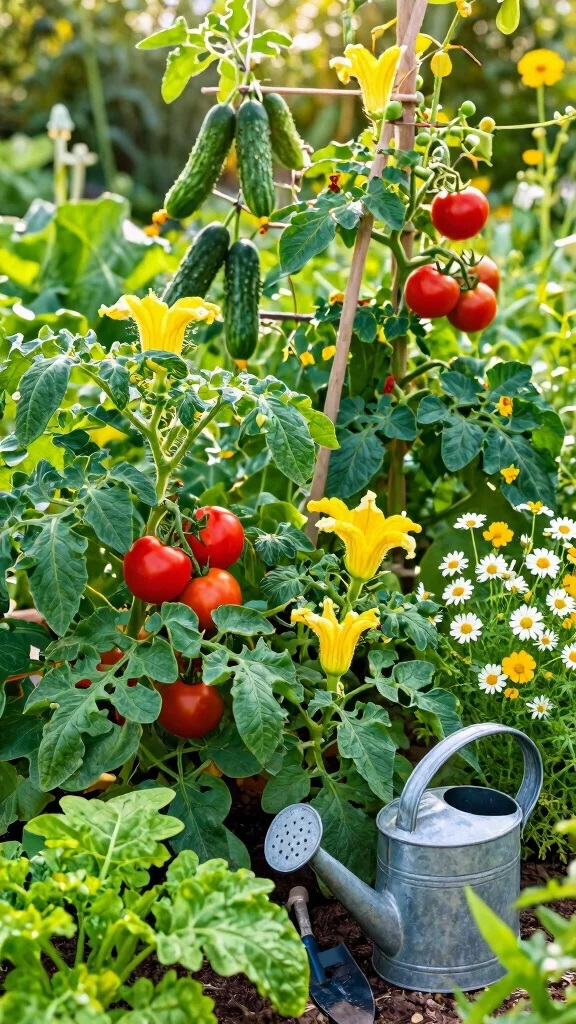
Summer brings a vibrant energy to your garden, making it the perfect time to plant those sun-loving crops. Imagine your raised beds brimming with tomatoes, peppers, squash, and cucumbers, ready to soak up the sun. With the right planning, you can enjoy a generous harvest all season long.
Your summer planting calendar may look like this:
– May-June: Transplant your tomato and pepper seedlings.
– Late June: Sow cucumber and squash seeds directly into the soil.
– Ongoing: Regularly harvest leafy greens and consider succession planting for continuous growth.
Make sure your soil is rich and well-aerated, and don’t forget to water during those hot days! Adding a layer of mulch can help retain moisture and keep weeds at bay. The joy of picking a warm, vine-ripened tomato for your salad is simply unmatched! If pests become a problem, try using organic solutions like neem oil or insecticidal soap to keep your plants safe.
Fall Harvest: Time for Plenty of Delicious Vegetables
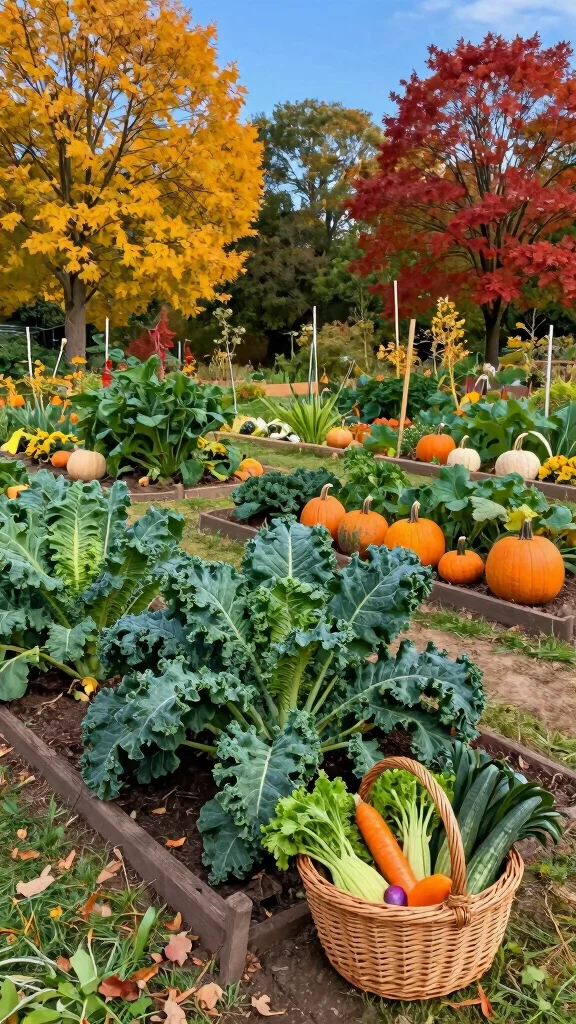
As summer draws to a close, fall presents an excellent chance to plant resilient crops that thrive in cooler weather. This is the perfect season for brassicas like broccoli, kale, and cabbage, which can even taste sweeter after a frost.
Your fall planting calendar might unfold like this:
– August-September: Start seeds for kale, broccoli, and cabbage indoors.
– September: Transplant seedlings into raised beds or sow directly in the soil.
– October: Plant garlic and shallots for a delightful early summer harvest.
Fall gardens require regular moisture checks, especially if rainfall is scarce. Consider using row covers to protect your plants from unexpected frost. Harvesting fresh veggies just before the first snow is incredibly rewarding, especially when you’re whipping up hearty soups with your produce! Don’t forget to tidy up your garden at the season’s end; composting leftover plant matter enriches the soil for the next growing cycle.
You Might Also Like
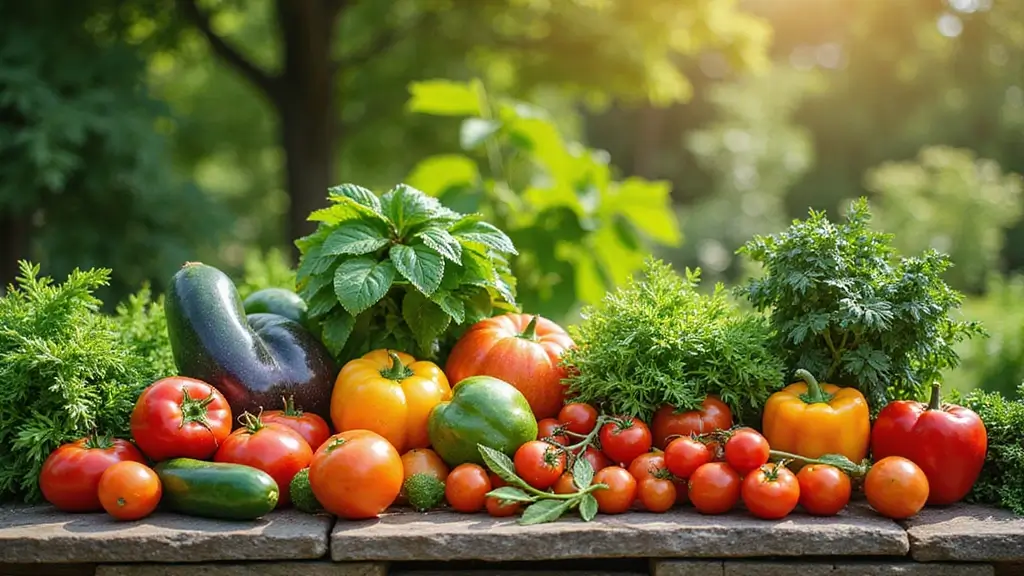
Winter Preparation: Planning for the Next Season
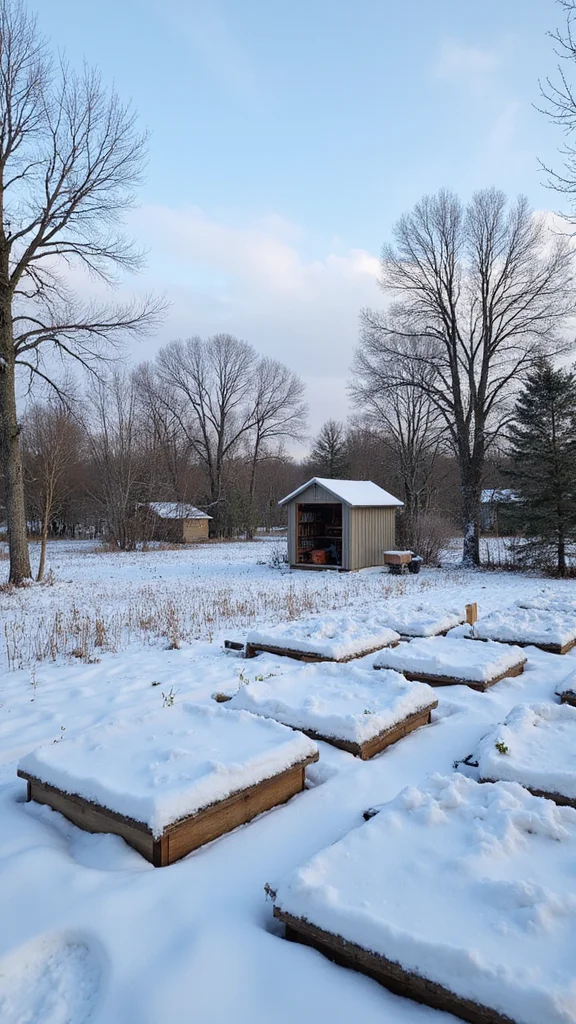
Winter is often seen as the end of gardening, but it’s actually the perfect time for planning and preparation. Use this quieter season to build raised beds or enrich your soil with compost and mulch. You might even experiment with cold frames or greenhouses to extend your growing season.
Make the most of winter by:
– Planning your garden layout and which crops to plant next.
– Researching companion planting strategies to boost yields.
– Considering winter crops like kale or spinach that can endure colder temperatures.
This is also an ideal time to reflect on last season’s successes and challenges. Keeping a garden journal can help you track what worked and what didn’t, making your next growing season even more fruitful. Plus, with some creativity, you can create a winter garden featuring evergreens or ornamental vegetables to beautify your space all season long. Remember to maintain your tools, ensuring they’re clean and sharp for when spring arrives!
Crop Rotation: Enhance Soil Health Year-Round
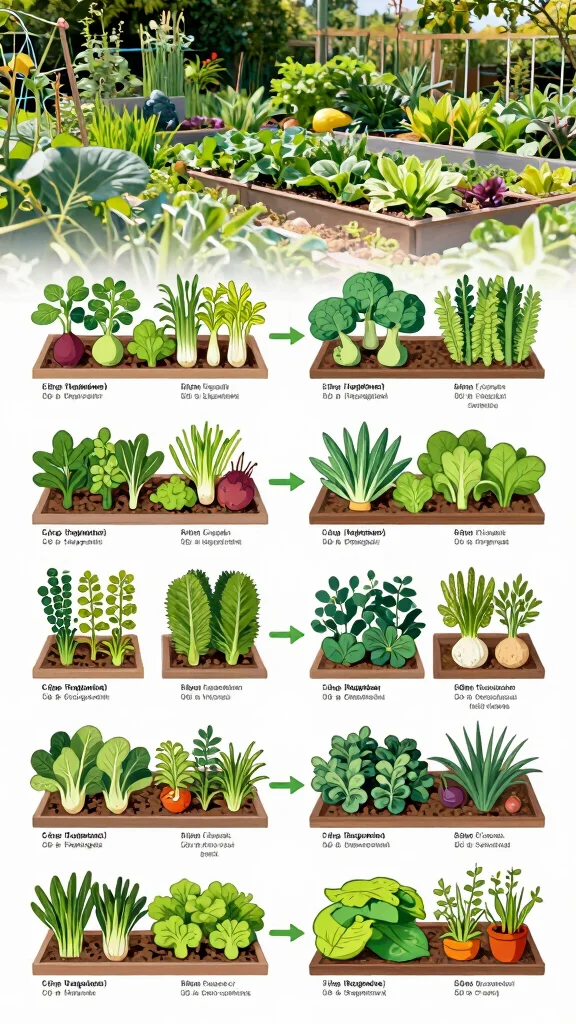
Crop rotation is vital for maintaining healthy soil and preventing pests in your garden. By altering the types of vegetables you plant in each section each season, you enhance soil nutrients and reduce disease risks.
Here’s a simple crop rotation strategy:
– Group your crops: Identify categories like legumes (peas, beans), brassicas (cabbage, broccoli), and nightshades (tomatoes, peppers).
– Plan your rotation: Shift each group around your garden beds yearly to prevent nutrient depletion.
– Track your progress: Use a gardening journal to note where each crop is planted to maintain organization.
Crop rotation not only keeps your soil healthy but also aids in pest control. Certain plants can deter pests from others, creating a more natural gardening approach. This sustainable technique ensures your garden remains productive and vibrant year after year. Incorporating cover crops into your rotation can enrich the soil while preventing erosion and weed growth.
Companion Planting: Your Garden’s Best Friends
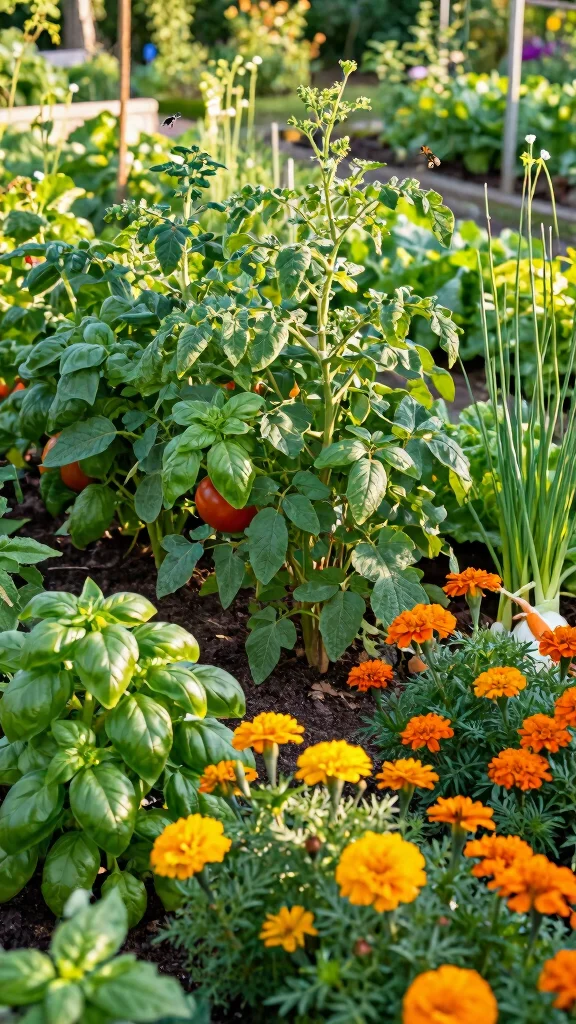
Companion planting is like giving your garden a boost of social energy! Some plants thrive together, enhancing each other’s growth and warding off pests. For instance, planting marigolds among your vegetables can help keep harmful insects at bay.
Consider these excellent combinations:
– Tomatoes and Basil: Basil enhances tomato flavor and repels pests.
– Carrots and Onions: Onions deter carrot flies while both plants thrive together.
– Cabbage and Dill: Dill protects cabbage worms and encourages healthy growth.
Maximize your yield by understanding which plants complement each other. This not only results in healthier plants but also beautifies your garden. Mixing in flowers and aromatic herbs can attract beneficial insects, creating a balanced ecosystem in your raised beds. Plan your garden layout with these companion pairings in mind to optimize your harvest. Use your planting calendar to schedule sowing these companion crops for best results.
Maximizing Yield: Succession Planting Techniques
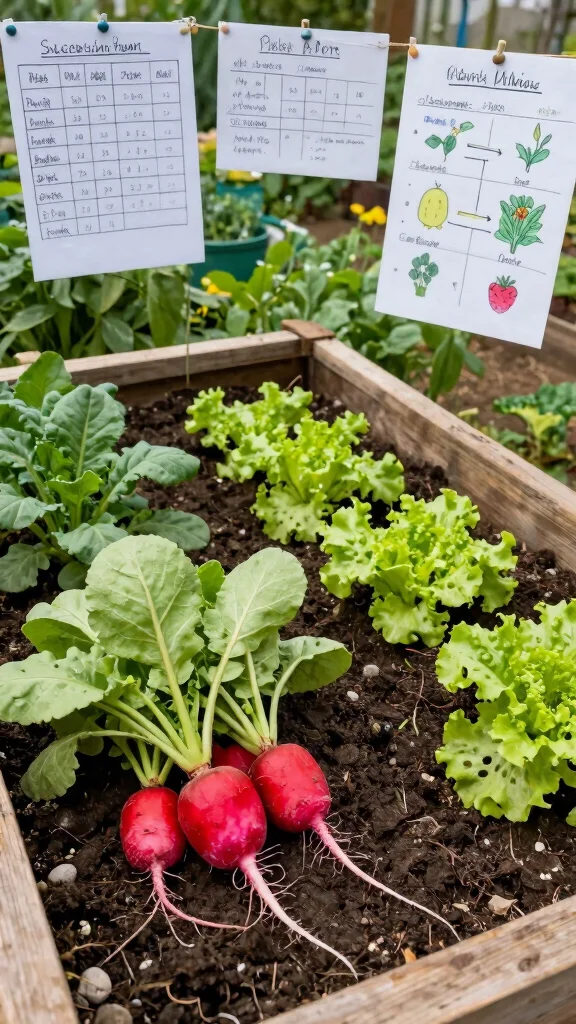
Succession planting is a smart strategy to ensure your raised garden beds stay productive throughout the growing season. This technique involves sowing new seeds at staggered intervals, allowing for a continuous harvest. With this approach, you can enjoy fresh vegetables without breaks in your supply.
To effectively implement succession planting:
– Choose quick-growing crops: Fast-maturing veggies like lettuce, radishes, and beans work well.
– Plan your schedule: Immediately replant in the same space after harvest. For example, once you pull out your spring radishes, follow up with lettuce.
– Monitor your garden: Keep an eye on which crops thrive best in each season to adjust your planting strategy.
By adopting succession planting, your garden will be a constant source of fresh flavors, allowing you to savor a variety of vegetables all season long. This method not only maximizes space but also keeps your meals exciting!
The Importance of Soil Health: Your Garden’s Foundation
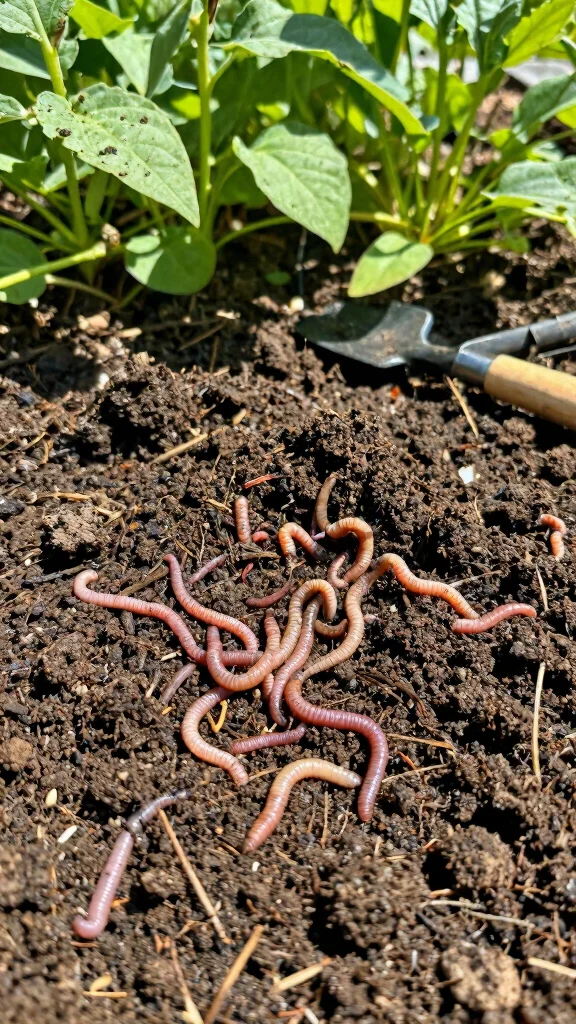
Healthy soil is the cornerstone of a thriving vegetable garden. It’s essential to regularly assess your soil health to ensure your plants receive the nutrients they need. The right soil mix can significantly impact growth and yield.
To maintain optimal soil health, consider these tips:
– Test your soil: A soil test reveals pH levels and nutrient content, guiding necessary amendments.
– Add organic matter: Mix in compost, aged manure, or leaf mold to enrich the soil and improve its structure.
– Rotate crops: As discussed earlier, rotating your crops prevents nutrient depletion and minimizes pest issues.
Keep your soil moist but well-drained; compacted or overly dry soil can hinder plant growth. Healthy soil leads to robust plants, resulting in more delicious vegetables for you! Consider adding earthworms and beneficial microorganisms to your compost and soil; they enhance aeration and nutrient cycling, ensuring your garden flourishes.
Conclusion: Your Journey to Year-Round Gardening
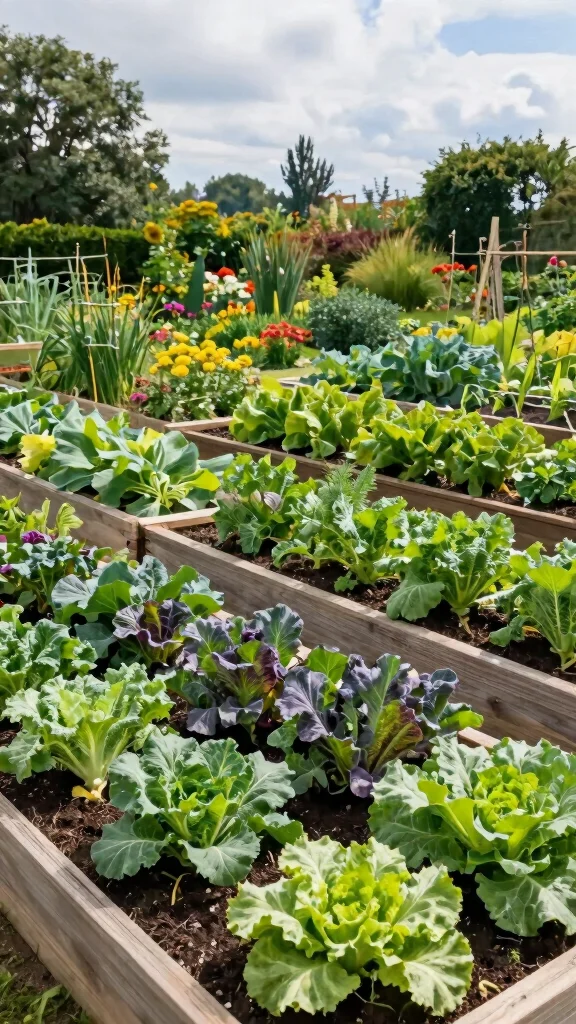
With the right seasonal planting schedule, you can truly transform your vegetable gardening experience. Embrace the joy of planting, nurturing, and harvesting fresh produce throughout the year. Whether it’s the vibrant greens of spring or the hearty roots of winter, each season offers unique opportunities to grow your own food. Planning your raised garden beds layout and adhering to a well-scheduled planting calendar can make all the difference.
Start small, learn and adapt as you go, and soon, you’ll have a flourishing garden that provides for your family all year long. Happy gardening!
Engage with fellow gardeners or share your experiences to inspire others. After all, gardening is a journey best enjoyed together!
Frequently Asked Questions
What is a seasonal planting schedule and how can I use a planting calendar in my vegetable garden?
A seasonal planting schedule tells you what to sow, transplant, and harvest in each season to get the most from your vegetable garden.
A planting calendar helps you map frost dates, crop days to maturity, and when to sow in succession.
How to start: 1) Find your frost dates and USDA zone. 2) List crops you want to grow and their preferred seasons. 3) Create 4–6 week blocks for each crop and note days to maturity. 4) Schedule succession plantings so you have fresh harvests across the year.
If you’re using a raised garden beds layout, you can rotate crops between beds to improve drainage and soil warmth, making winter crops feasible in milder climates.
How can I design a raised garden beds layout to maximize year-round harvest?
Designing a raised garden beds layout for year-round harvest starts with bed size and placement.
Choose neat, accessible paths, ensure good sun exposure, and provide sturdy drainage.
Group crops by season and height, placing fast-growing greens where you can reach easily. Use season extension ideas like row covers, cold frames, or mulch to protect crops in cooler months.
Plan irrigation and soil health upfront: amend soil, monitor drainage, and rotate crops between beds to keep soil fertile year after year.
What vegetables are best for year-round production in a temperate climate, and when should I plant them according to the planting calendar?
In temperate climates, you can aim for a year-round supply with cool-season crops like lettuce, spinach, kale, arugula, radishes, and brassicas, plus root crops such as carrots and beets.
Follow the planting calendar by planting cool-season greens in early spring and again in late summer for a fall harvest. Sow radishes and lettuce every 2–3 weeks for continuous harvest. For warmer months, plant beans, cucumbers, and tomatoes after the last frost date and protect them if a surprise cold spell hits. With a vegetable garden, you can overlap crops to stretch harvests across seasons.
What beginner-friendly tips help me follow a seasonal planting schedule in a vegetable garden?
Start small and pick 4–6 reliable crops to learn the rhythm. Use a planting calendar to time sowing, transplanting, and harvests, then add 1–2 new crops each season. Keep a simple log of what you planted and when, and note what worked in your vegetable garden. Mulch to conserve moisture, practice crop rotation between beds, and use raised beds to improve drainage and soil warmth. Finally, use row covers or cold frames when you need a extra protection for winter crops.
What common mistakes should I avoid when planning a seasonal planting schedule and raised bed layout?
Common pitfalls include ignoring frost dates, neglecting crop rotation, and overcrowding beds. Not using a planting calendar can lead to gaps in harvests. Other mistakes are poor soil preparation, lack of mulch, and underestimating water needs. To avoid them, test and amend soil before planting, space plants according to mature size, rotate families between beds each season, and protect sensitive crops with season-extension tools. A thoughtful raised garden beds layout paired with a solid calendar keeps harvests consistent year-round.