
Small gardens can feel limiting, but they come with their own charm and opportunities. If you’ve ever stood in your tiny garden, dreaming of lush landscapes and vibrant blooms, you’re not alone. This post is here to help you transform those dreams into reality! We know that space can be a challenge, but with the right strategies, you can create a stunning outdoor oasis.
If you’re passionate about home decor and small space gardening, this guide is just for you. You’ll find practical, easy-to-implement tips that cater to your love for nature while maximizing every inch of your garden. Whether you’re a seasoned gardener or just starting out, these 16 square landscaping tips will help you make the most of your available space. You’ll discover clever ways to incorporate plants, create zones, and even add decorative elements that elevate your garden’s aesthetic.
Get ready to explore a variety of creative ideas that are both space-saving and visually appealing. From vertical gardens to multi-functional furniture, this collection of tips will inspire you to think outside the box. By the end of this post, you’ll feel empowered to turn your small garden into a beautiful and functional retreat. Let’s dig in!
Key Takeaways
– Vertical gardens can open up your space and add greenery without taking up too much ground area.
– Container gardening allows for flexibility in plant placement, making it easy to rearrange your garden as needed.
– Incorporating edible landscaping not only beautifies your space but also provides fresh herbs and vegetables.
– Creating zones in your garden can help define different areas for relaxation, cooking, or growing, making the space feel larger.
– Using mirrors strategically can create an illusion of depth, making your small garden feel more expansive and inviting.
Contents
- 1. Vertical Gardens
- 2. Container Gardening
- 3. Raised Garden Beds
- 4. Utilize Vertical Space Indoors
- 5. Use Mirrors
- 6. Layering Plants
- 7. Incorporate Edible Landscaping
- 8. Pathways and Borders
- 9. Multi-Functional Furniture
- 10. Use Trellises for Climbing Plants
- 11. Shade Solutions
- 12. Seasonal Rotations
- 13. Small Water Features
- 14. Color Coordination
- 15. Grow Upward with Squash and Melons
- 16. Create Zones
1. Vertical Gardens
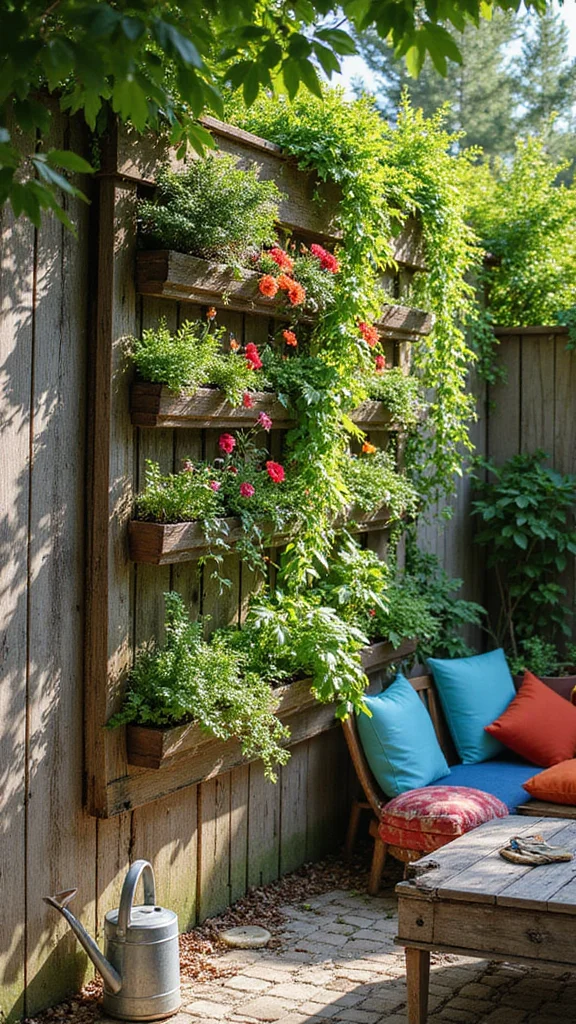
Vertical gardens bring life to small spaces by growing plants up instead of out. This innovative design choice adds a layer of greenery while keeping your floor area free. Imagine lush herbs, vibrant flowers, or climbing vines cascading from a trellis or wall-mounted planter, transforming your garden into a vertical oasis.
To make the most of this concept, consider selecting plants that flourish in vertical spaces, such as climbing beans or trailing succulents. Ensure your plants receive adequate sunlight, adjusting their placement based on wall orientation. Self-watering planters can simplify maintenance, making it easy to enjoy your green wall.
Consider these tips for your vertical garden:
– Choose plants that thrive in vertical setups for best results.
– Ensure proper sunlight access based on wall position.
– Use self-watering systems for easier upkeep.
Vertical gardens not only enhance your outdoor area but also contribute positively to air quality, offering both beauty and functionality in your living space.
2. Container Gardening
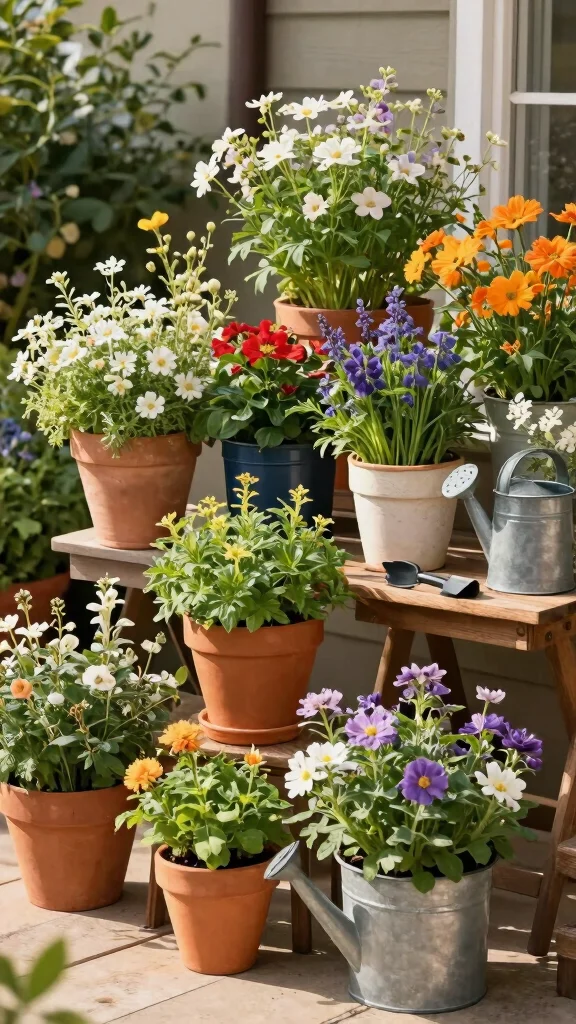
Container gardening is perfect for small spaces, allowing you to cultivate a variety of plants in even the tightest corners. With the right pots, you can create a charming display that adds character to your garden. Consider using colorful upcycled containers to personalize your space while enjoying the flexibility of moving plants as needed.
To maximize your container garden, select a well-draining potting mix to keep your plants healthy. Group containers together for a visually appealing arrangement and to create microclimates that benefit your plants. Pair plants with similar sunlight and water needs for easier care.
Here are some practical container gardening tips:
– Use a well-draining potting mix for healthy plants.
– Group containers to enhance visual interest and create warmth.
– Combine plants with similar needs for straightforward maintenance.
Container gardening allows you to bring joy and color into your life, regardless of your space constraints.
3. Raised Garden Beds
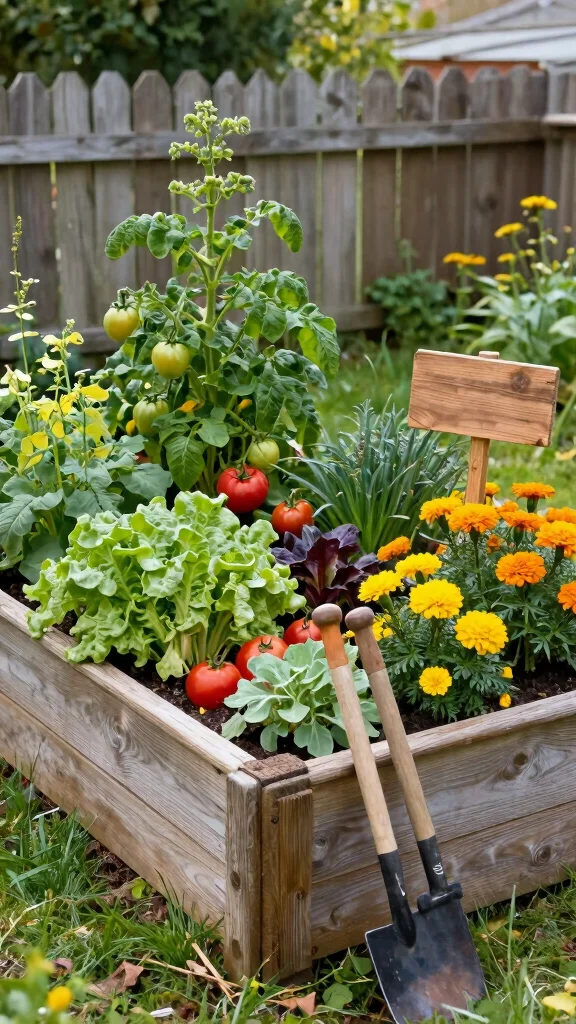
Raised garden beds are an excellent way to make the most of your space, offering better drainage and easier access for planting. They can fit snugly into corners or even be placed on patios, creating a tidy and organized look. The option to mix different crops through companion planting can also maximize growth while keeping pests at bay.
For effective raised beds, consider using rot-resistant wood or recycled materials to build sustainably. Plan your layout for easy access without stepping on plants, and incorporate a mix of soil types to enrich nutrient content.
Here’s how to set up raised beds effectively:
– Construct beds with sustainable materials for longevity.
– Ensure you can easily reach all areas without compacting soil.
– Use a mix of soils to boost plant health and growth.
Raised garden beds not only increase your gardening area but also keep your space looking neat and manageable.
4. Utilize Vertical Space Indoors
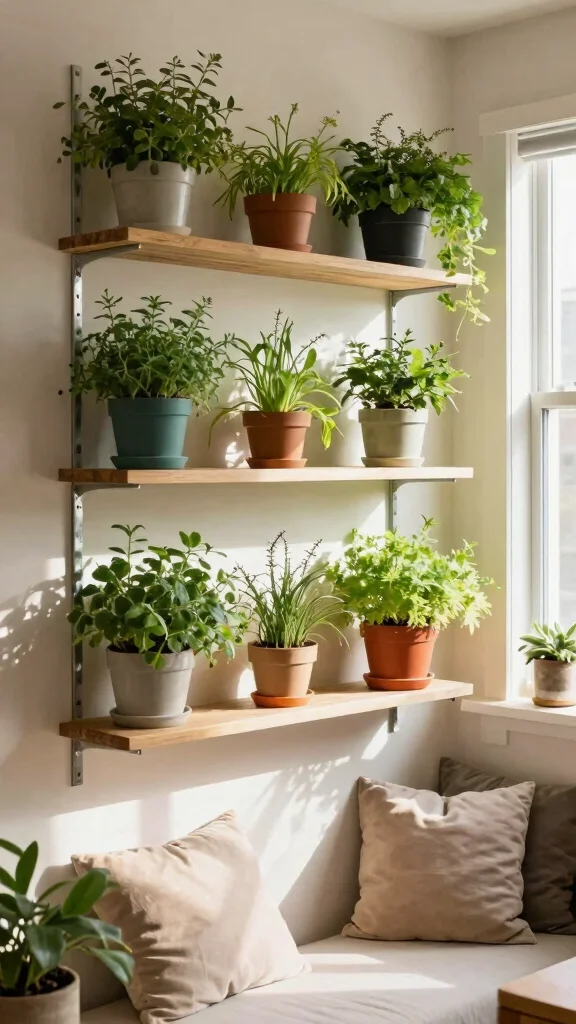
Indoor vertical gardening brings the beauty of nature into your home, enhancing your living space while utilizing vertical areas effectively. You can create a playful indoor jungle with hanging planters, wall shelves, or ladder-style plant stands, perfect for keeping herbs accessible for cooking.
To make the most of your indoor vertical space, consider hanging shelves for small pots of herbs or macramé holders from the ceiling for an artistic touch. Be sure to select plants that match the lighting conditions in each room.
Try these ideas for your indoor vertical garden:
– Install wall shelves for easy access to herbs.
– Hang macramé holders for a stylish look.
– Choose plants based on the light available in each room.
Embracing vertical gardening indoors creates a fresh atmosphere, making your home feel more inviting and vibrant.
5. Use Mirrors
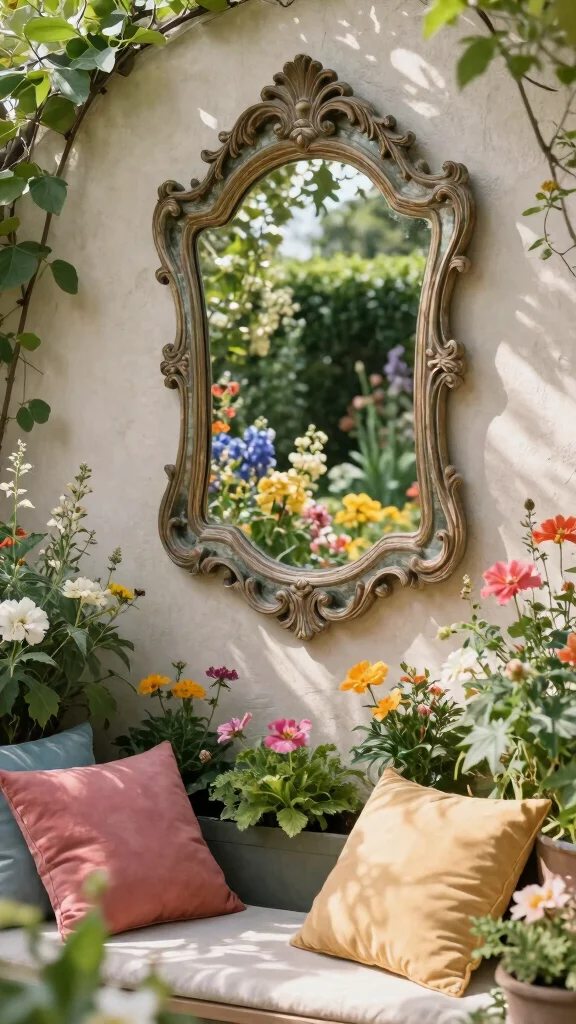
Mirrors can work wonders in small gardens, creating an illusion of space that makes your outdoor area feel larger. Strategically positioning mirrors enhances light and reflects the beauty of your garden, adding depth and dimension. A decorative mirror on a wall or a standing mirror against a fence can transform your garden into an open and inviting space.
To effectively incorporate mirrors, opt for outdoor-safe options that can withstand the elements. Choose shapes that complement your garden’s style, and position them to reflect your favorite garden features, such as flowers or water elements.
Consider these tips for using mirrors:
– Select mirrors designed for outdoor conditions.
– Match the mirror shapes to your garden’s aesthetic.
– Position mirrors to reflect the beauty of your surroundings.
With mirrors, you can effortlessly enhance your garden’s visual appeal and create a spacious atmosphere without expanding your physical space.
6. Layering Plants
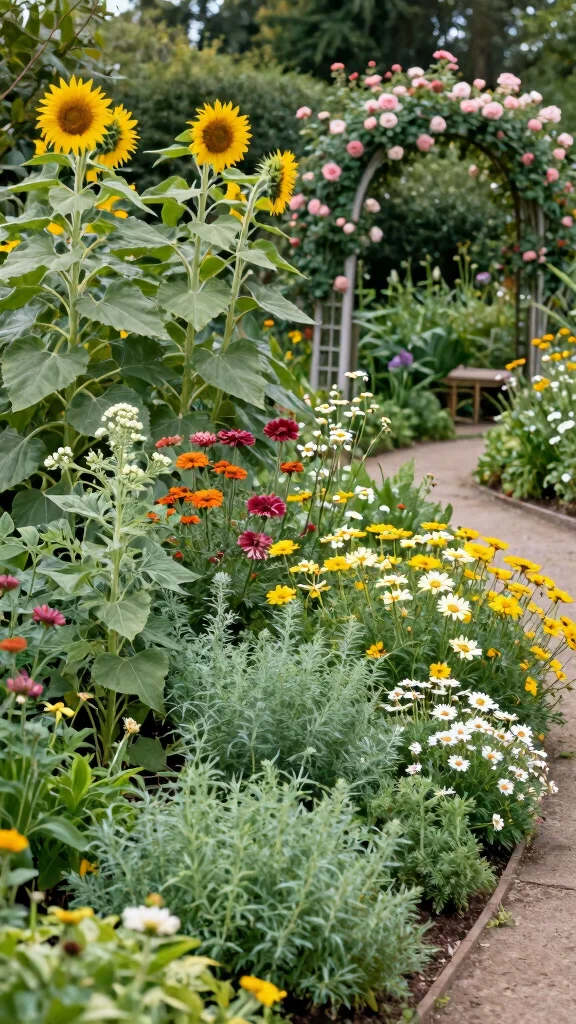
Layering plants offers a creative solution for maximizing visual interest and space in your garden. By arranging plants of varying heights, you can create a lush, full appearance without overcrowding your space. Taller plants placed at the back with shorter ones in front ensure that each plant gets the light it needs while showcasing different textures and colors.
To layer effectively, choose a mix of tall, medium, and low-growing plants for a captivating arrangement. Incorporate plants with diverse foliage to further enhance the aesthetic. Make sure taller plants do not overshadow shorter ones by considering their sunlight requirements.
Here are some tips for successful layering:
– Select plants of various heights for visual appeal.
– Use diverse foliage to create depth and texture.
– Ensure taller plants receive adequate light without shading others.
Layering plants can turn a small garden into a vibrant tapestry, making it feel alive and dynamic.
7. Incorporate Edible Landscaping
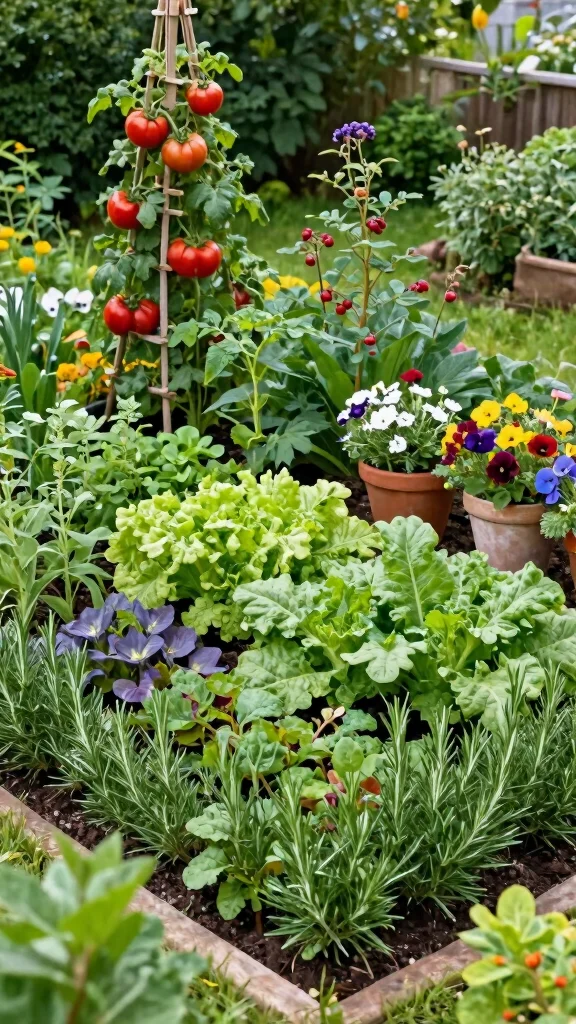
Incorporating edible plants into your landscape design merges beauty with practicality. Edible landscaping allows you to grow fresh fruits, vegetables, and herbs while creating an eye-catching garden. Imagine vibrant edible flowers, berry bushes, and fragrant herb borders adding both color and flavor to your outdoor space.
To start, choose visually appealing varieties of vegetables and herbs that also serve as decorative elements. Use fruits like strawberries and blueberries as ground cover or in hanging baskets, and incorporate aromatic herbs like lavender and rosemary to enhance both beauty and scent.
Here are some ideas for edible landscaping:
– Grow attractive vegetable varieties that double as decor.
– Use fruits as ground cover or in hanging displays.
– Incorporate fragrant herbs to add beauty and aroma.
Edible landscaping transforms your garden into a productive, delightful sanctuary that beautifully blends aesthetics with functionality.
8. Pathways and Borders
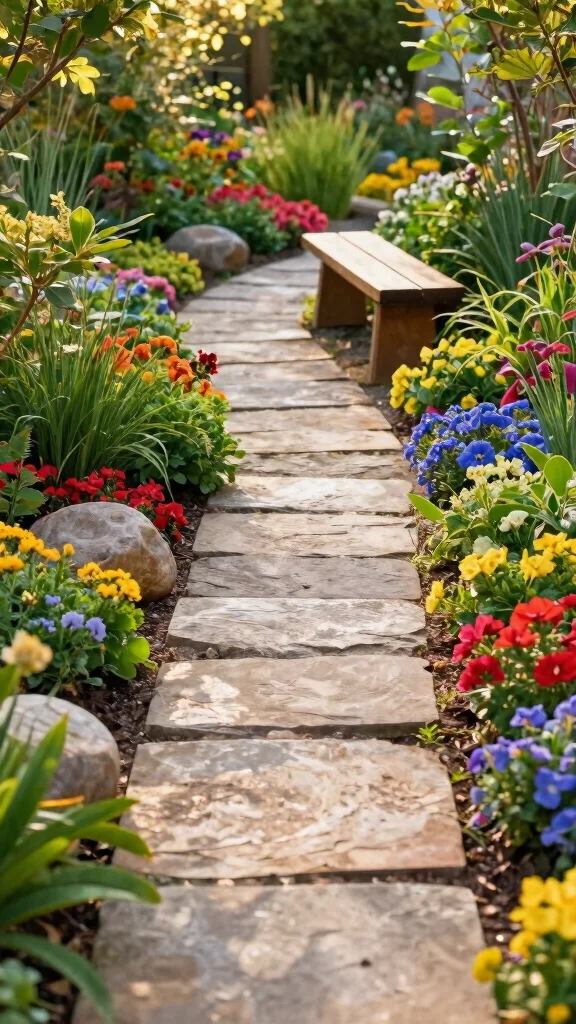
Creating defined pathways and borders can help structure your small garden, maximizing both functionality and visual appeal. By guiding the eye along set paths, you create a sense of order that makes your garden feel larger. Use materials like gravel, stepping stones, or wood chips for these pathways to enhance aesthetics while providing practical access.
To make the most of your pathways, choose materials that complement your garden’s overall design. Keep pathways narrow to preserve planting space, and use low-growing plants or decorative stones for added charm along the borders.
Consider these tips for effective pathways and borders:
– Select materials that harmonize with your garden style.
– Maintain narrow pathways to maximize planting area.
– Add borders with attractive plants or stones for extra appeal.
Thoughtfully designed pathways can lead to a visually pleasing layout while optimizing every inch of your garden.
9. Multi-Functional Furniture
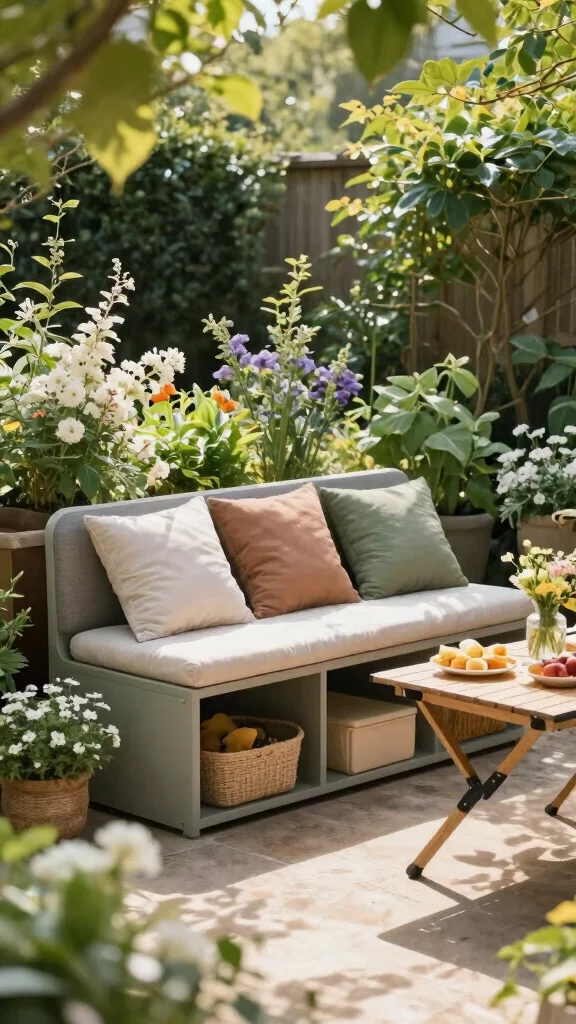
In small garden spaces, every piece of furniture counts! Opt for multi-functional items that serve more than one purpose. For example, benches with built-in storage can keep your garden organized while providing a comfortable place to relax. Consider using foldable tables and chairs that can easily be stored away, creating more room for activities.
To maximize your garden’s functionality, look for benches that can hide cushions and tools. Collapsible furniture can be saved for special occasions, providing flexibility when entertaining guests. Select decorative items that serve a purpose, like planters that double as tables.
Here are some ideas for multi-functional furniture:
– Choose benches with storage for tools and supplies.
– Use collapsible furniture for flexible space usage.
– Find decorative pieces that double as functional items.
Multi-functional furniture enhances your garden’s utility, making it both enjoyable and practical.
10. Use Trellises for Climbing Plants
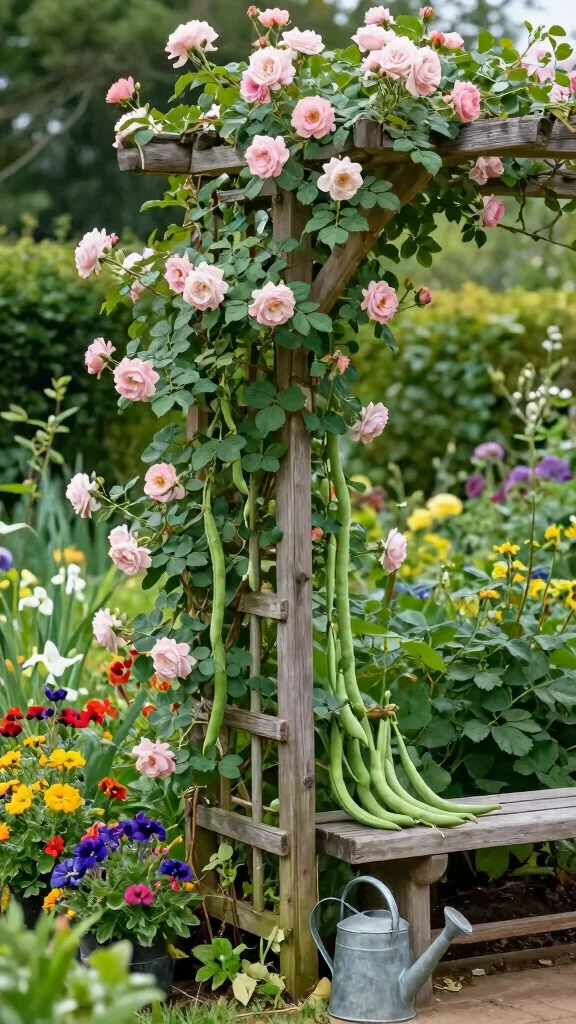
Trellises are a brilliant way to grow climbing plants in a space-efficient manner. They allow you to utilize vertical planting, maximizing your garden area while adding beauty. Train plants like peas, beans, and flowering vines to climb, enhancing your garden’s productivity and aesthetic appeal. Trellises can be crafted from wood, metal, or even recycled materials, serving as both support and decoration.
For effective use of trellises, position them in areas where they will receive ample sunlight throughout the day. Choose climbing plants that naturally grow upward, and ensure your trellis is sturdy enough to support mature plants.
Here are some tips for using trellises:
– Place trellises for optimal sun exposure.
– Select climbing plants that suit your garden’s needs.
– Ensure trellises are durable enough for fully grown plants.
Utilizing trellises not only beautifies your garden but also optimizes your available planting space.
11. Shade Solutions
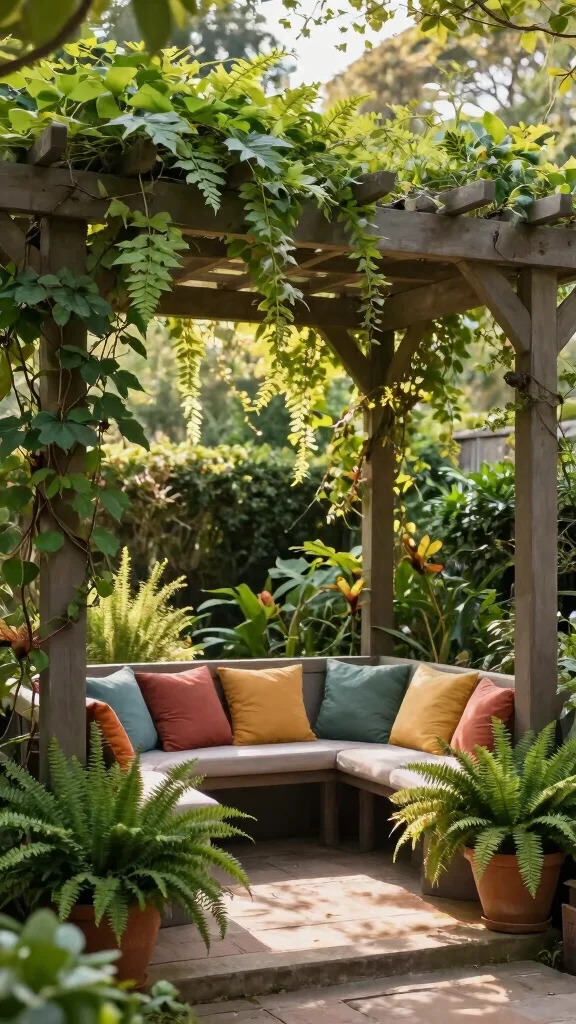
In a small garden, managing shade and sun exposure is crucial. Instead of letting shaded areas go to waste, transform them into beautiful micro-gardens. Opt for taller plants or shade-tolerant flowers that thrive with less sunlight, creating cozy spots for relaxation with structures like pergolas or umbrellas.
To effectively tackle shade issues, choose plants such as ferns, hostas, or astilbes that flourish in lower light conditions. Brighten shaded areas with colorful furniture or decor, and design pathways that encourage exploration of these hidden gems.
Consider these strategies for shade solutions:
– Select shade-loving plants for optimal growth.
– Use colorful decor to liven up shadowed spots.
– Create inviting paths leading to shaded areas.
Embracing shade can enhance your small garden’s charm, inviting you to enjoy every corner of your outdoor retreat.
12. Seasonal Rotations
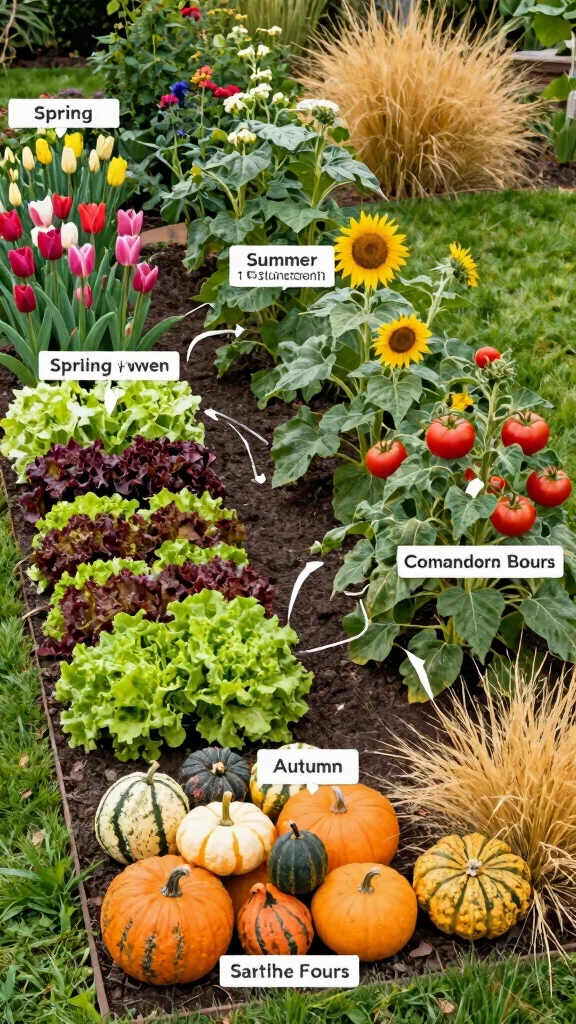
Maximizing space isn’t just about design; it’s also about how you use it over time. Seasonal rotations allow you to change your garden’s plantings based on the seasons, ensuring each inch remains productive throughout the year. By planning for diverse blooms and crops, your garden stays lively and colorful, regardless of the season.
To implement seasonal rotations effectively, create a planting calendar to track what to plant and when. Choose quick-growing crops for spring and fall to make the most of your garden space, and consider winter-hardy plants to provide year-round interest.
Here are some tips for successful seasonal rotations:
– Maintain a calendar to plan your planting schedule.
– Select fast-growing crops for timely harvests.
– Include winter-hardy plants for continuous beauty.
Seasonal rotations keep your garden fresh and productive, ensuring you make the most out of every square inch.
13. Small Water Features
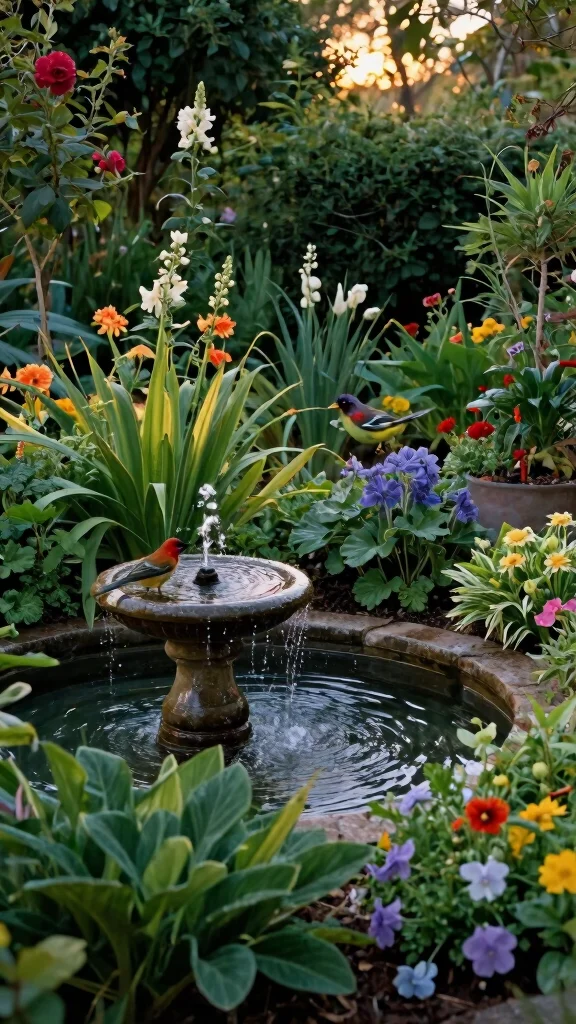
Incorporating a small water feature can add tranquility to your garden. Even a petite fountain or birdbath can significantly impact your space without taking up too much room. The soothing sound of water enhances your outdoor experience, attracting birds and beneficial insects while creating a calming atmosphere. Small features can be placed on tables, nestled among plants, or even integrated into raised beds.
To choose a water feature, select a design that complements your garden style and ensure it’s easy to maintain and refill. Position your feature at eye level for the best visual and auditory enjoyment.
Consider these tips for small water features:
– Pick a style that fits your garden’s aesthetic.
– Ensure ease of maintenance and refilling.
– Position it for optimal visibility and sound.
A small water feature enriches your garden with serenity and charm, creating a delightful outdoor retreat.
14. Color Coordination
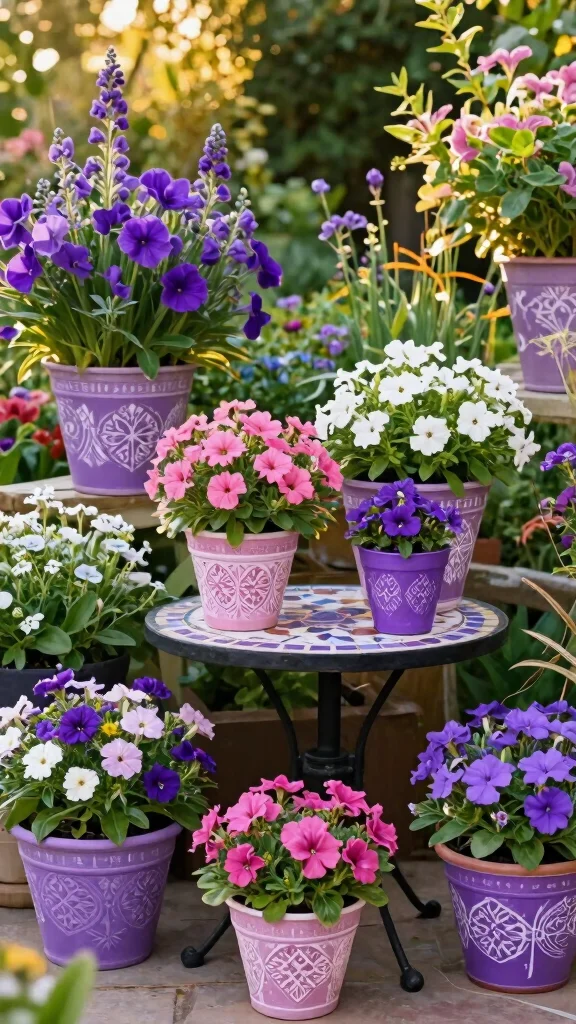
Color coordination in your garden can create a unified and attractive appearance. Choosing a color palette for your plants and decor helps to harmonize the space, making it feel thoughtfully designed. Think about your favorite colors and how they can complement each other, using varying shades to create stunning visual effects without taking up extra space.
To achieve effective color coordination, select plants that bloom in similar colors or shades. Incorporate decorative items like pots and furniture that match your color scheme, and feel free to experiment with textures and shapes to add dimension.
Here are some practical tips for color coordination:
– Opt for plants in similar hues for a cohesive look.
– Match decorative elements to your overall color scheme.
– Play with textures and shapes for added interest.
By coordinating colors, you can craft a visually striking garden that feels welcoming and harmonious.
15. Grow Upward with Squash and Melons
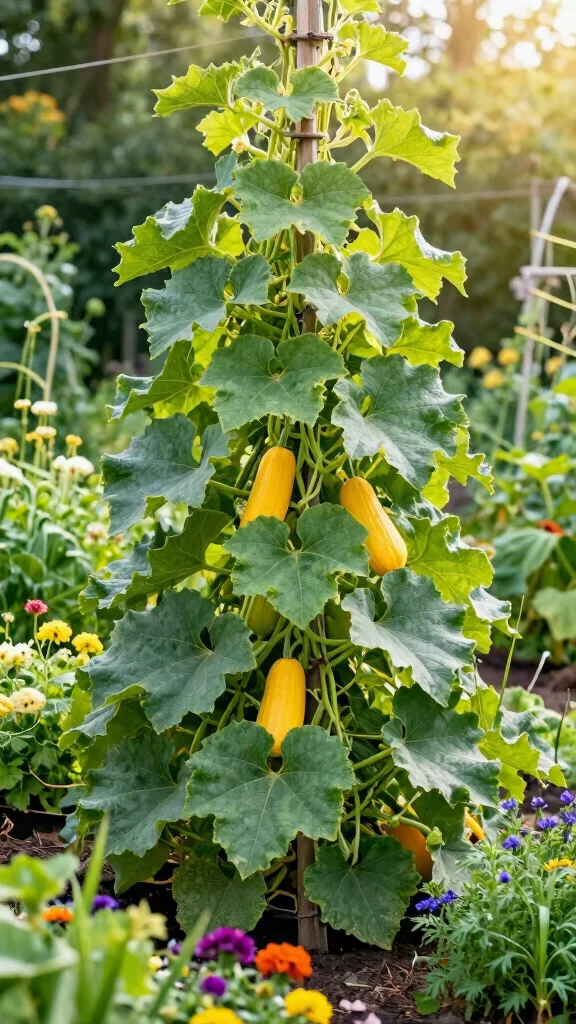
Growing squash and melons vertically offers a unique way to maximize space while enjoying fresh produce. These plants can be trained to climb trellises, saving ground space while still yielding a bountiful harvest. Select varieties known for climbing well, such as butternut squash or certain cantaloupes, and with proper support, they can flourish beautifully in small gardens.
To successfully grow these plants, install sturdy trellises or A-frames to provide support. Ensure consistent watering and fertilization to keep your plants healthy, and stay vigilant for pests and diseases as they grow.
Here are some tips for growing squash and melons:
– Set up strong trellises or frames for climbing support.
– Maintain regular watering and fertilization schedules.
– Monitor plants closely for pests and disease.
By growing upward, you can enjoy the benefits of homegrown produce while maximizing your limited garden space.
16. Create Zones
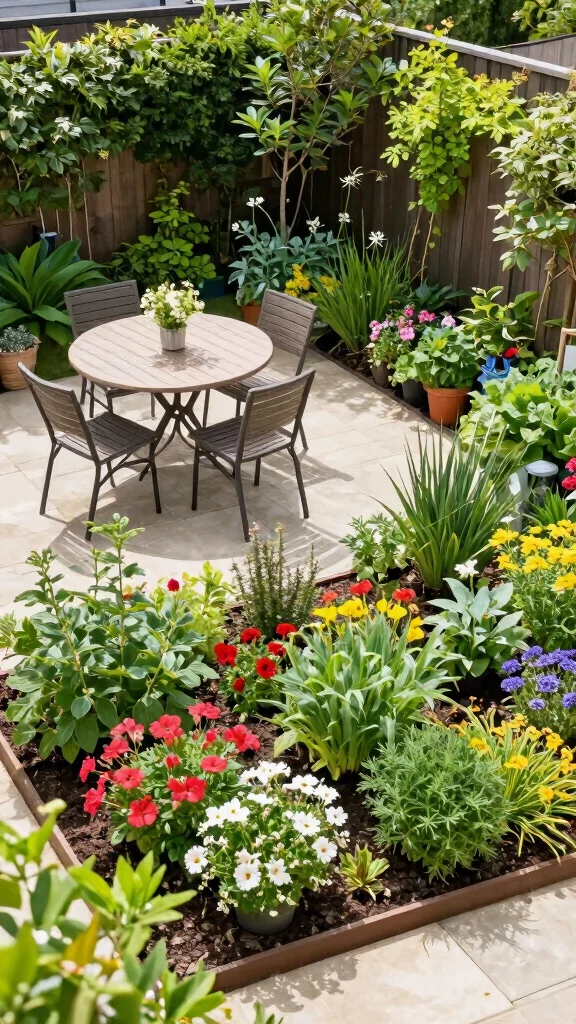
Dividing your small garden into defined zones can enhance its functionality and enjoyment. By creating areas dedicated to dining, relaxing, or planting, you can make the most of your limited space. Use plants, furniture, or decorative features to delineate these zones, fostering a sense of organization that makes navigation easy and enjoyable.
To create effective zones, use taller plants or trellises as visual dividers. Arrange furniture within each zone to designate spaces for different activities, and incorporate decorative elements like stone paths or varied ground cover to mark transitions.
Here are some tips for creating garden zones:
– Use tall plants or trellises to separate areas visually.
– Position furniture to create distinct activity zones.
– Incorporate decorative features to enhance transitions.
By establishing zones, you can improve both the aesthetic and functionality of your small garden, transforming it into a delightful outdoor retreat.
Conclusion
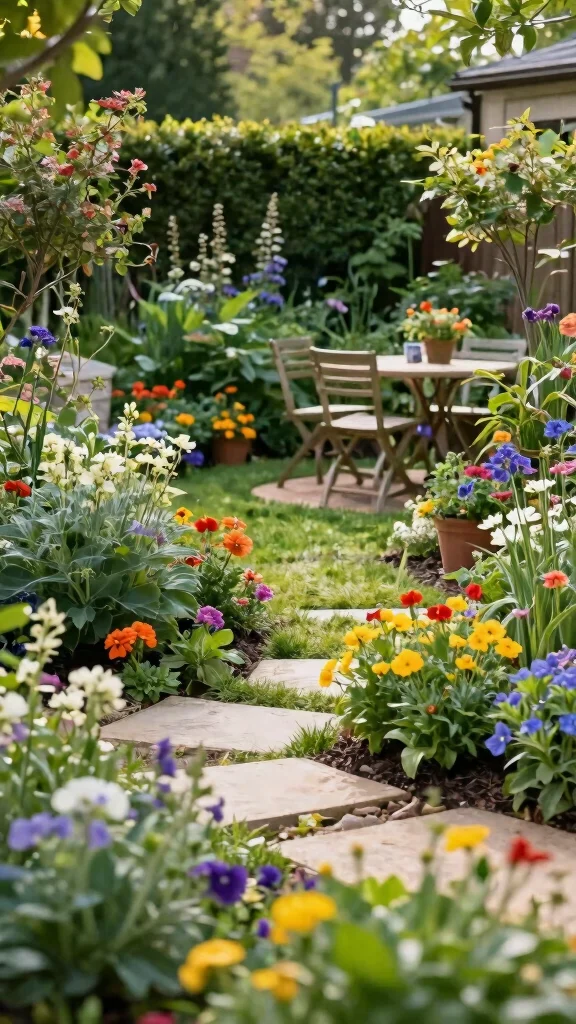
Maximizing a small garden is all about creativity and smart planning. With these 16 square landscaping tips, you can transform even the tiniest space into a lush and functional outdoor haven.
Whether through vertical gardens or clever zoning, every inch can be utilized to create an inviting atmosphere that reflects your personal style and love for nature. Embrace these ideas and watch your garden flourish, one square inch at a time!
Frequently Asked Questions
How do I get started with square landscape design in a small yard?
Getting started with square landscape design in a small yard is easier than you think. First, measure the space and sketch a grid of equal squares to visualize modular planting zones.
Next, pick a focal point and place plants around it so the eye travels through the grid. Choose compact, square-friendly beds and low-profile paths to keep everything neat. Add a couple of raised square beds or a vertical planter on a wall to maximize growing space. Finally, pick a cohesive color palette and repeat textures across modules to create a unified set of garden ideas.
What are the best space-saving tips for small space gardening?
For space-saving tips, start with vertical gardening. Install trellises, wall-mounted planters, and hanging baskets to grow up instead of out. Use modular, square planters that echo the grid and fit tight corners. Choose multi-tiered or stacked containers to multiply your planting area. Group plants with similar sun needs on stand shelves or a narrow bench with built-in planters. Finally, optimize with drip irrigation and smart watering to reduce waste and free up time.
How can I maximize garden ideas in a small garden without overcrowding?
In a small garden, focus on a cohesive theme and repeat elements for harmony. Start with a clear focal point, then map planting into recurring blocks or modules. Use a single scale of leaves and shapes to avoid visual clutter. Incorporate a few standout garden ideas like a sunken square bed, a vertical herb wall, and a narrow border to define space. Keep pathways minimal and maintain tidy edges so every inch feels intentional.
Which containers and vertical solutions work best for limited space?
When space is tight, opt for square or modular containers that align with a square landscape design. Choose lightweight, durable pots with good drainage. Add railing planters and wall-mounted pockets to take advantage of vertical surfaces. Use tiered stands or stackable planters to create multiple levels in the same footprint. Group plants by sun exposure and water needs to simplify care and keep the area uncluttered.
How do I choose plants that fit a square landscape design and a space-saving setup?
Start with sun and soil: note how much sun your spot gets and pick accordingly. For square landscape design, select compact varieties and dwarf cultivars that stay within their modules. Choose dwarf tomatoes, compact peppers, and herbs like thyme, oregano, and chives for easy harvests. Add groundcovers such as creeping thyme or sedum to fill edges without crowding. Use vertical accents like small grasses to add height within each square, and rotate seasonal color to keep the grid lively while maintaining structure.