
Herbs can transform any dish from bland to bursting with flavor. Yet, they often spoil before we can fully enjoy their vibrant taste. That’s why I created this post. I want to help you keep those fresh herbs in perfect condition for longer. Whether you’re growing your own or picking them up at the local market, preserving your herbs is essential.
If you’re passionate about gardening or simply love cooking with fresh ingredients, this article is for you. You’ll find practical tips tailored for everyone—seasoned gardeners and kitchen novices alike. With these natural storage hacks, you can learn how to dry herbs and employ organic solutions to keep them fresh and flavorful. So let’s dive into 17 easy methods that are eco-friendly and perfect for your kitchen.
By the end of this post, you’ll have a treasure trove of ideas to preserve your herbs, ensuring they never go to waste. Say goodbye to spoiled herbs and hello to a world of culinary creativity!
Key Takeaways
– Learn effective ways to dry herbs that maintain their flavor and potency for longer storage.
– Discover creative uses for herbs, such as herb-infused oils and herb butters, to enhance your dishes.
– Explore storage techniques, like freeze fresh herbs in ice cubes, that keep them fresh and ready for use.
– Find out how to make herb pastes and herb jellies that offer delicious, unique flavors.
– Get tips on creating an herb garden at home to ensure a steady supply of fresh herbs for all your cooking needs.
Contents
- 1. Drying Herbs in a Bundle
- 2. Freeze Fresh Herbs in Ice Cubes
- 3. Herb-infused Oils
- 4. Herb Refrigerator Storage
- 5. Use Paper Towels for Moisture Control
- 6. Herb Salts for Flavor Enhancements
- 7. Store in a Water Bath
- 8. Create a Herb Garden at Home
- 9. Make Herb Butters
- 10. Use A Dehydrator
- 11. Create Herb Paste
- 12. Use Vinegar with Herbs
- 13. Use Silica Gel for Long-term Storage
- 14. Make Herb Jellies
- 15. Use Jars for Vertical Storage
- 16. Use Leftover Stems for Broths
- 17. Create Herb-Focused Recipes
1. Drying Herbs in a Bundle
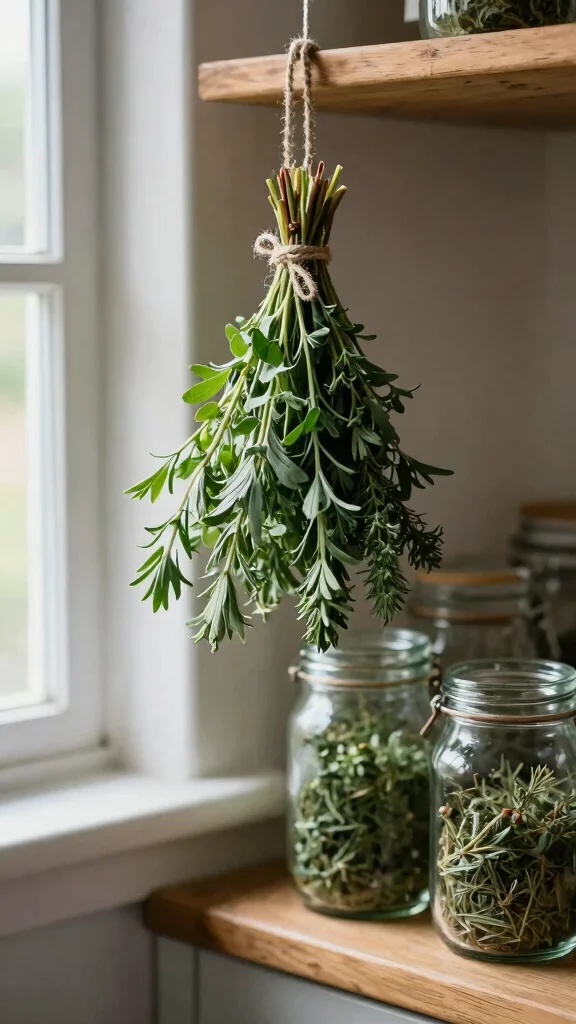
Do you have a bunch of herbs that need preserving? Drying them in bundles is a simple and effective way to keep their flavors intact. Just gather a handful of your favorite herbs, tie them with twine, and hang them upside down in a warm, dry spot.
This method not only preserves the essence of the herbs but also adds a rustic charm to your kitchen. After about a week, you’ll have dried herbs ready for your culinary adventures. Opt for robust herbs like thyme, rosemary, or oregano for the best outcome. Store them in glass jars, away from sunlight to maintain their flavor.
2. Freeze Fresh Herbs in Ice Cubes
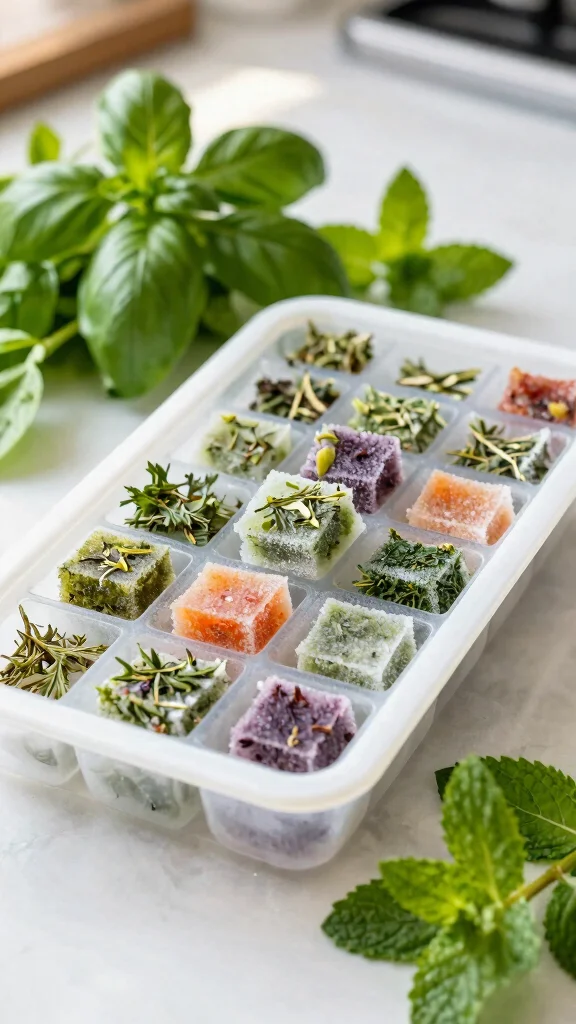
Looking for a fun way to keep your herbs fresh? Freezing them in ice cubes is a creative solution. Chop your herbs finely, mix them with a splash of water or olive oil, and pour the mixture into an ice cube tray.
Once frozen, transfer your cubes into a resealable bag for easy access. These herb cubes are perfect for adding flavor to soups, stews, or sauces anytime you need a burst of freshness. Just remember to label each bag with the herb type and date to stay organized.
Did you know freezing herb cubes can lock in flavor for up to 6 months? Chop your herbs finely, mix with water or olive oil, and freeze in ice trays—just pop cubes into soups or sauces for instant freshness.
3. Herb-infused Oils
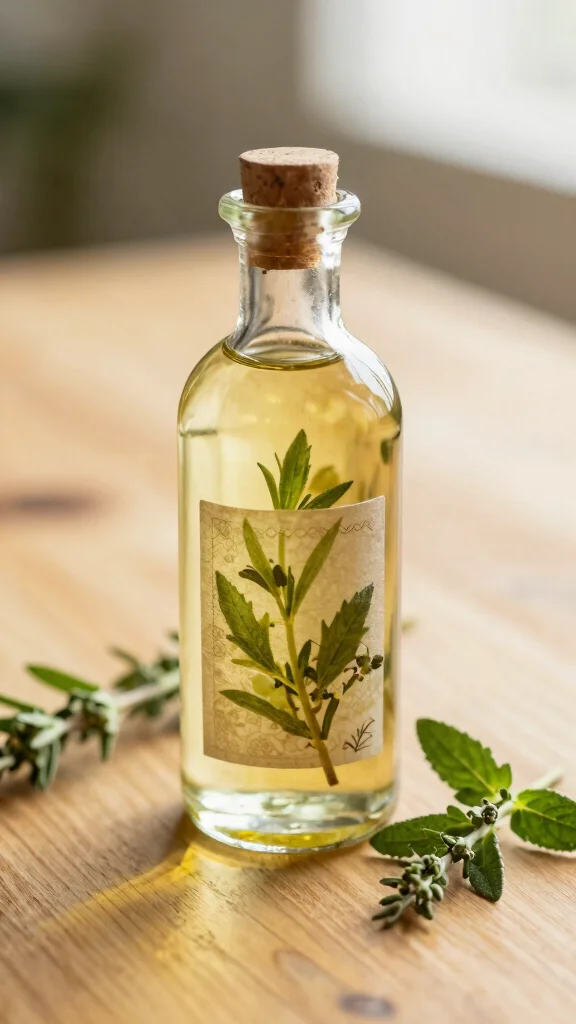
Why not elevate your dishes with herb-infused oils? This delightful method involves soaking fresh herbs in a neutral oil like olive or grapeseed.
Fill a jar with your herbs, pour in the oil, and let it steep for about two weeks in a cool, dark spot. Once done, strain the herbs out, and store the aromatic oil in a decorative bottle. It’s perfect for drizzling on salads, pasta, or even for dipping bread. Just remember to use it within a month for the best flavor.
📹 Related Video: How to Make Herbal Infused Oils with John Gallagher
4. Herb Refrigerator Storage
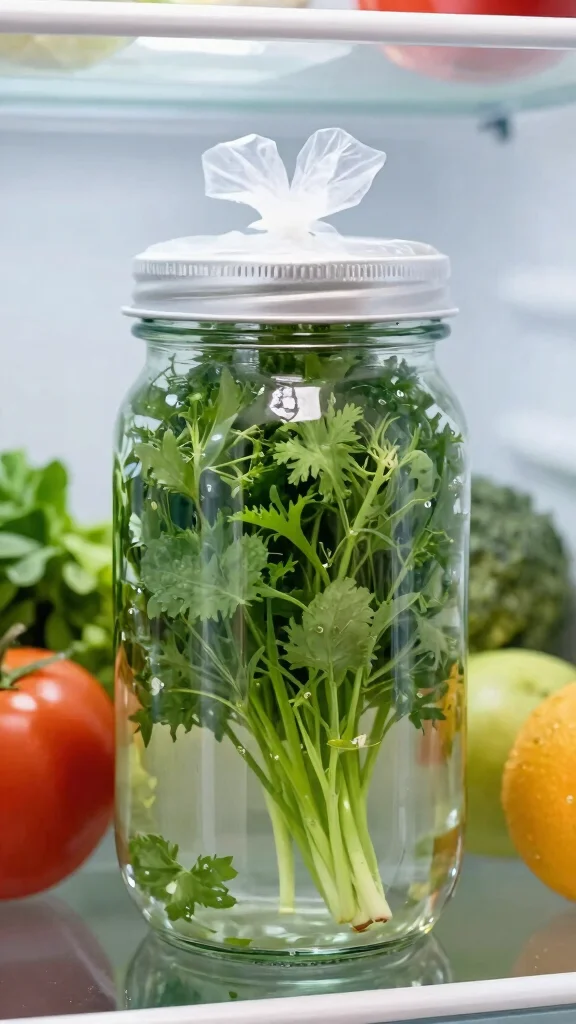
Want to keep your herbs fresh for longer? Storing them in your fridge correctly can make all the difference. Trim the stems of your herbs and place them in a jar filled with water, similar to a bouquet.
To create a humid environment, loosely cover the tops with a plastic bag and stash them in the fridge. This trick works wonders for delicate herbs like cilantro and parsley. Don’t forget to change the water every few days to keep them fresh!
5. Use Paper Towels for Moisture Control
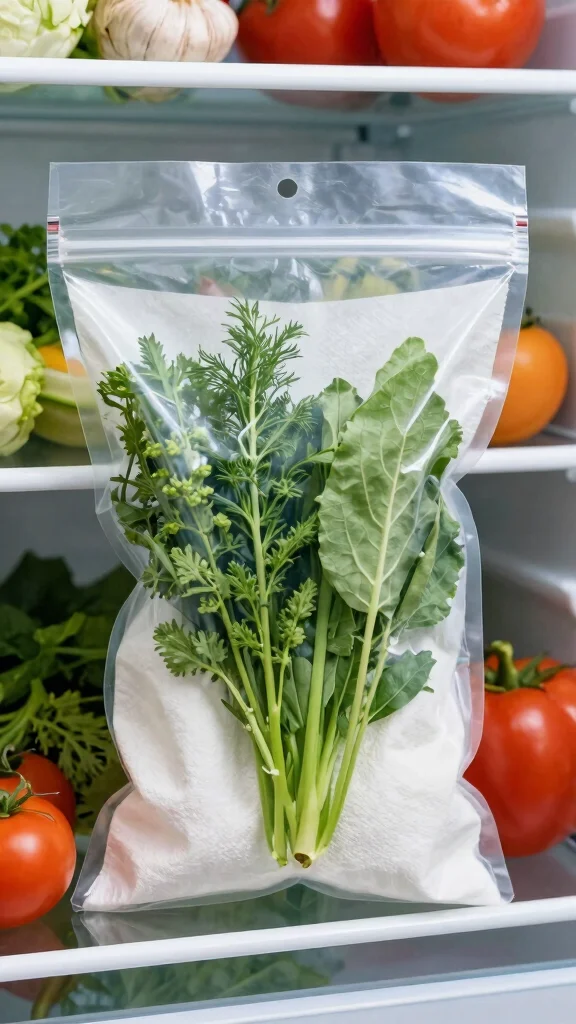
Keeping your herbs fresh can be a challenge due to moisture. A simple trick is to wrap your herbs in a dry paper towel before placing them in a resealable bag.
This will absorb excess moisture and help your herbs stay fresh longer. Make sure not to crush them while wrapping, and store the bag in the crisper drawer for optimal results. This method is particularly effective for leafy greens and soft herbs, so check them regularly and replace the paper towel if it gets damp.
6. Herb Salts for Flavor Enhancements
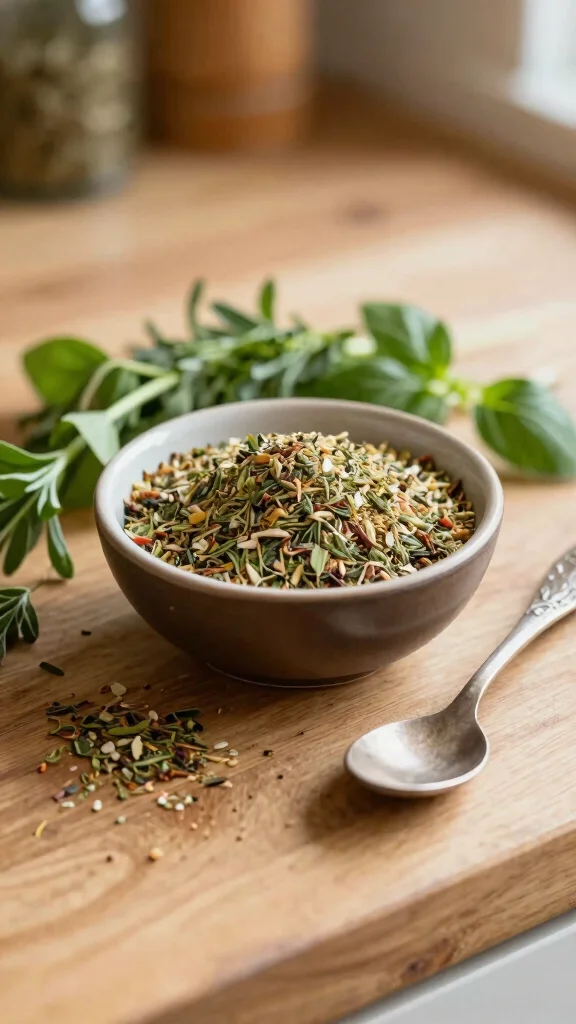
Transform your herbs into a flavorful herb salt that can amp up any dish! Start by chopping fresh herbs and mixing them with coarse salt in a bowl until well combined.
Spread the mixture on a baking sheet and let it dry out for a few days. Once dried, store it in an airtight container for easy seasoning of meats, veggies, or soups. It’s a great way to utilize herbs that are nearing their end, and you can experiment with different combinations for unique flavors.
How To Choose the Right Method for Drying Herbs
When it comes to drying herbs, there are several methods to consider. Each method has its own advantages, and choosing the right one can help you preserve the flavor and potency of your herbs. Here’s a detailed guide to help you select the best drying method for your herbs.
1. Consider Your Space
Before choosing a drying method, think about the space you have available. If you have a small kitchen, options like air drying or using a dehydrator might be best. On the other hand, if you have ample space, using a hanging method or an oven could work well. Make sure you can easily access the herbs during the drying process.
2. Evaluate Your Herb Type
Different herbs may require different drying techniques. Soft herbs like basil or parsley can wilt quickly, making air drying or microwave drying ideal. Sturdy herbs like rosemary or thyme can handle more heat, so using an oven or dehydrator may work better. Understanding the type of herbs you are drying will help you pick the most effective method.
3. Assess Time Constraints
Consider how quickly you need the herbs dried. If you’re in a hurry, using a dehydrator or the oven can dry herbs quickly—usually within a few hours. If you have more time, air drying can take several days but requires less active involvement. Choose a method that fits your timeline.
4. Think About Your Budget
Some drying methods may require special equipment. A dehydrator can be a bit of an investment, whereas air drying is free. If you’re looking to save money, you might want to stick with simple methods like using paper towels or hanging herbs in a cool, dry place. Balance your budget with your herb-drying needs.
5. Evaluate Flavor Retention
Not all drying methods preserve flavor equally. Air drying tends to retain more of the herb’s natural oils and flavors, while microwave and oven drying can sometimes lead to a loss of potency. If flavor is your priority, consider methods that allow for slower drying at lower temperatures.
6. Check for Convenience
Some methods are more hands-on than others. If you lead a busy lifestyle, quick methods like dehydrators or ovens might suit you better. If you prefer a more natural approach, air drying requires minimal intervention but allows you to multitask. Assess your schedule and convenience needs before deciding.
Pro Tip: Always label your dried herbs with the date and method used for drying. This way, you can keep track of freshness and flavor over time. You’ll also know which method works best for your favorite herbs! 🌱
7. Store in a Water Bath
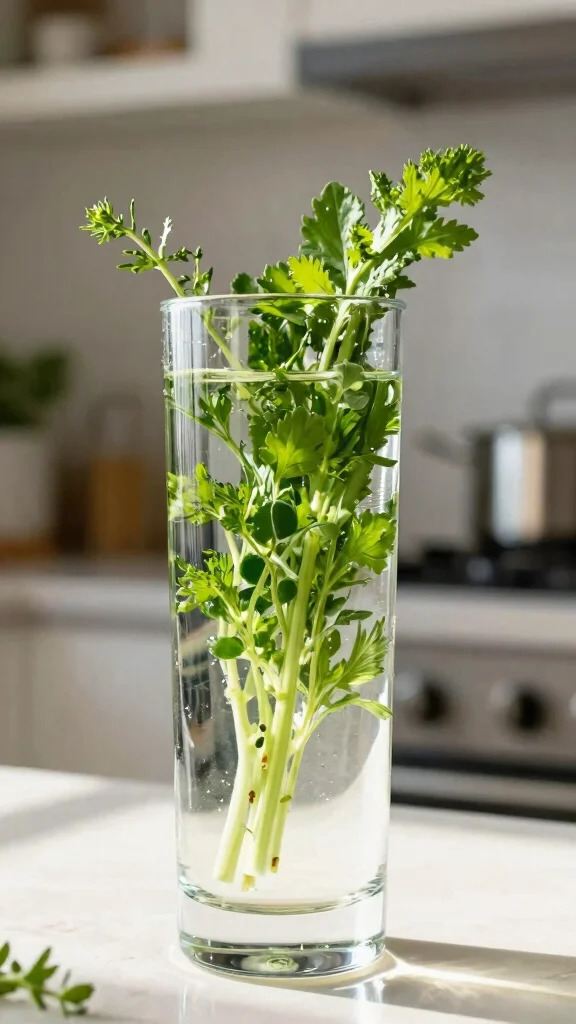
Struggling to keep delicate herbs like basil or mint fresh? Try storing them in a water bath! Fill a tall glass with water and place the herbs upright, mimicking a bouquet.
Cover the top with a plastic bag to retain moisture, and keep it on your kitchen counter instead of the fridge. This method allows the herbs to thrive and stay fresh for days. Plus, it’s a lovely way to display them in your kitchen! Change the water every few days to maintain freshness.
You might also like
8. Create a Herb Garden at Home
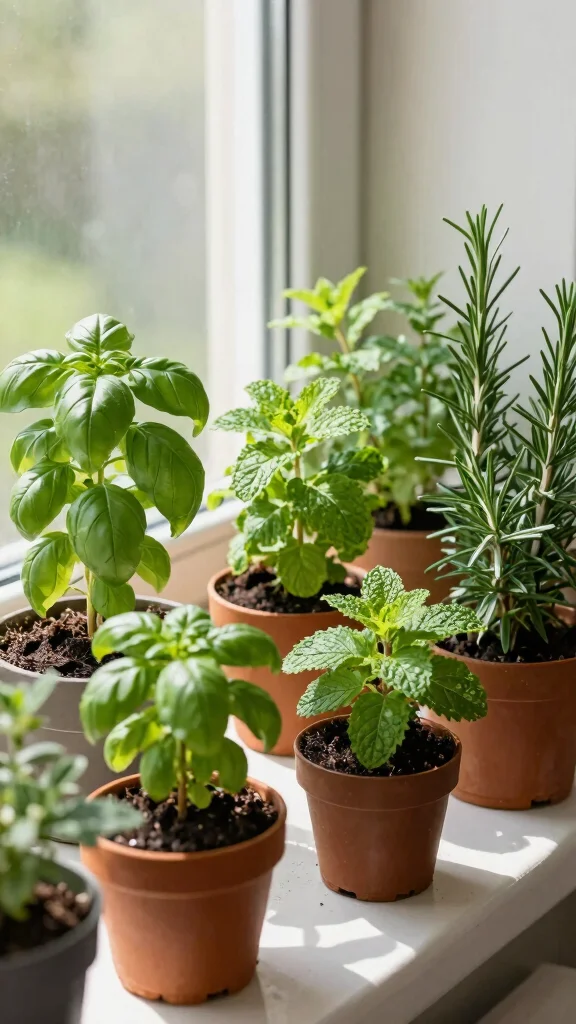
Have you considered growing your own herbs at home? A small herb garden ensures you have fresh herbs at your fingertips.
You can use pots on a sunny windowsill or create a small outdoor garden. Herbs like basil, cilantro, and chives are easy to grow with minimal care. Not only does this save you money, but it’s also rewarding to grow your own food. Make sure to use well-draining soil and provide plenty of sunlight for the best growth.
Fun fact: a small herb garden on a sunny windowsill can yield fresh basil, cilantro, and chives all season, cutting grocery costs by up to 25%. With well-draining soil and daily sun, you’ll taste the savings and pride of growing and drying herbs at home.
9. Make Herb Butters
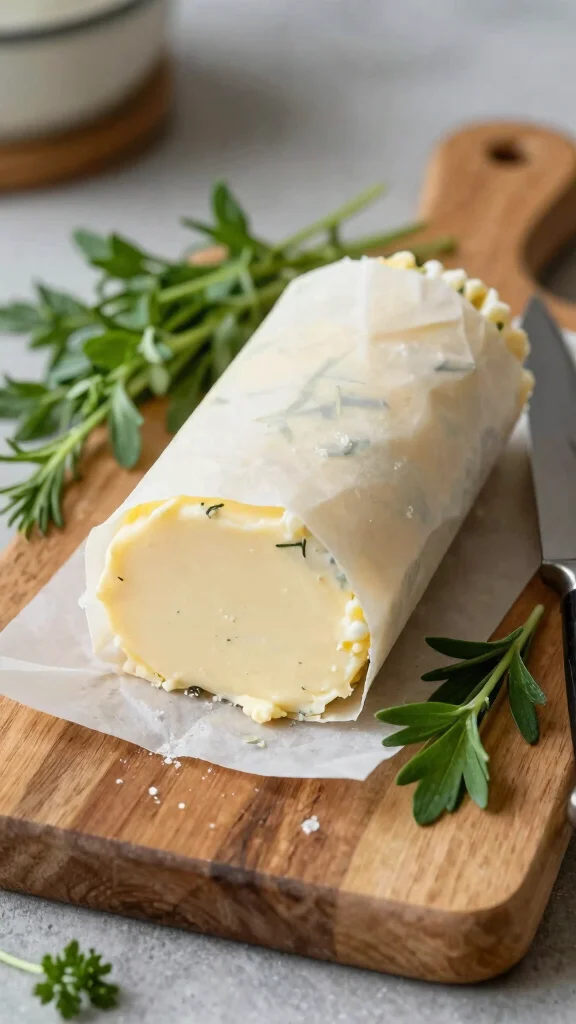
Herb butters are a delicious way to enhance your meals! Start by softening some unsalted butter and mixing in your favorite chopped herbs.
Roll this mixture into a log using parchment paper and refrigerate. You can slice off portions to top grilled veggies, meats, or spread on warm bread. This not only preserves the herb flavors but also adds a gourmet touch to your dishes. Don’t hesitate to add garlic or lemon zest for an extra flavor boost!
10. Use A Dehydrator
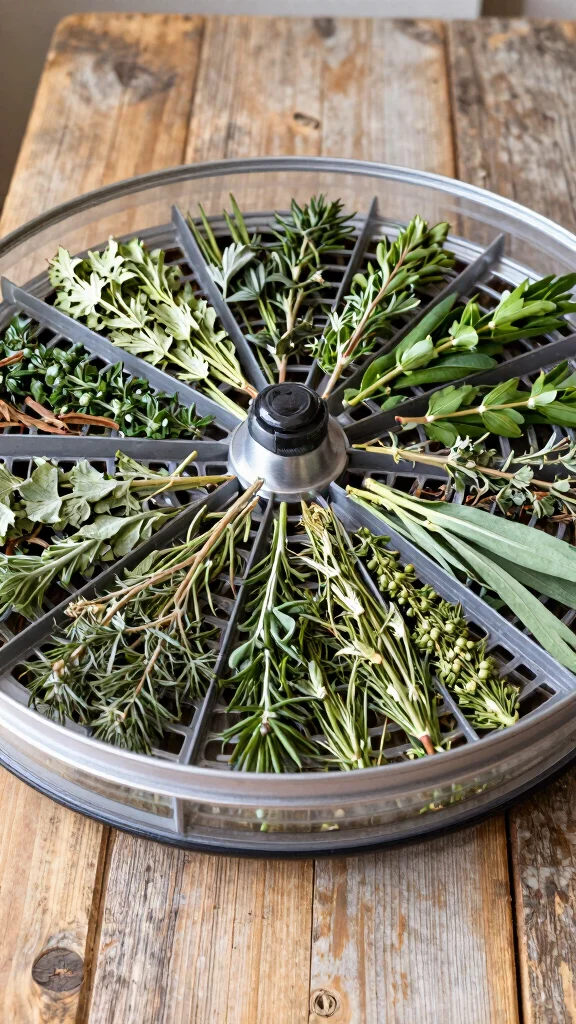
If you own a dehydrator, it’s a great tool for preserving herbs. Wash your herbs, remove excess water, and lay them out on the dehydrator trays.
Set the dehydrator to the appropriate setting for herbs and let it do the work. Once dried, store the herbs in airtight containers, ready for use in cooking or teas. This method efficiently ensures you can enjoy your herbs year-round. Remember to label your containers with the date and type of herb for easy identification.
11. Create Herb Paste
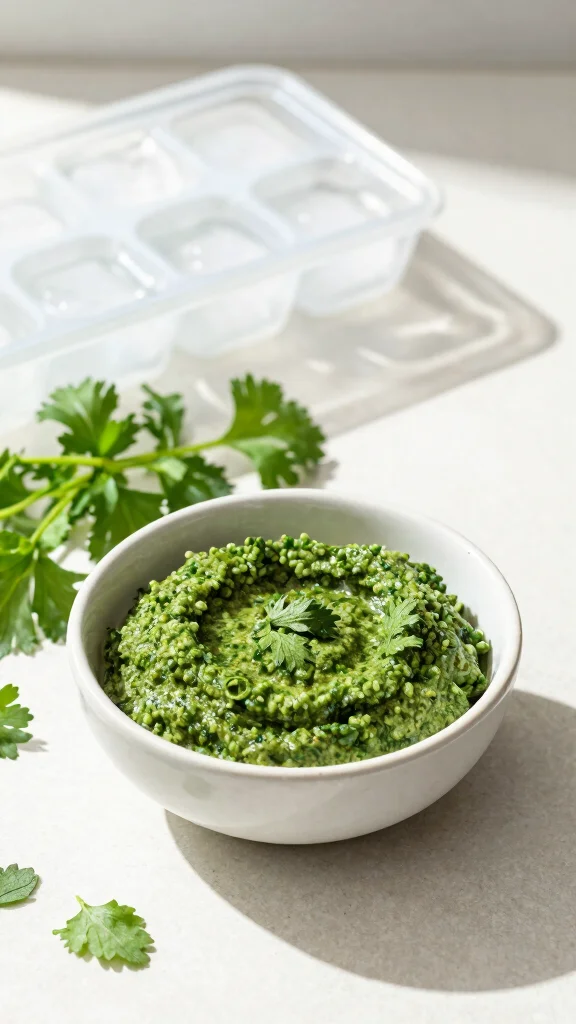
Herb paste is a fantastic way to preserve the vibrant flavors of your herbs! Blend fresh herbs with olive oil, garlic, and a pinch of salt until you reach a smooth paste consistency.
Transfer the paste into an ice cube tray and freeze it for future use. This paste is perfect as a base for sauces, marinades, or as a seasoning for your dishes. It’s an excellent way to save herbs that might otherwise go to waste, so feel free to experiment with different combinations.
12. Use Vinegar with Herbs
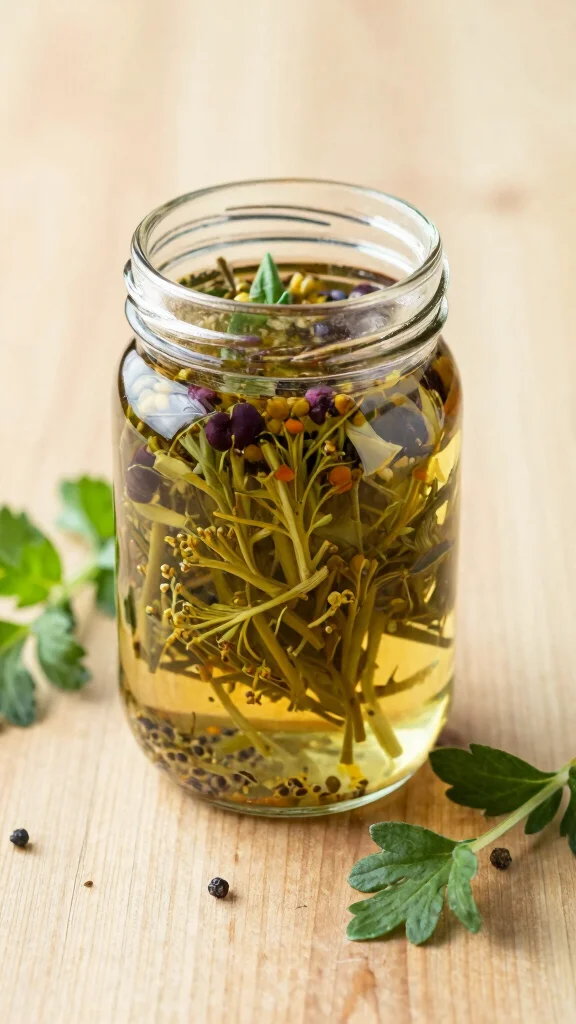
Why not preserve your herbs in vinegar for a tangy twist? Pack fresh herbs into a jar and cover them with your choice of vinegar—white, apple cider, or wine vinegar work well.
Let the mixture sit in a dark place for about two weeks, shaking it occasionally. After steeping, strain out the herbs, and you’ll have a delicious herb-infused vinegar, perfect for salads or marinades. This method not only keeps your herbs but also adds unique flavors to your meals.
13. Use Silica Gel for Long-term Storage
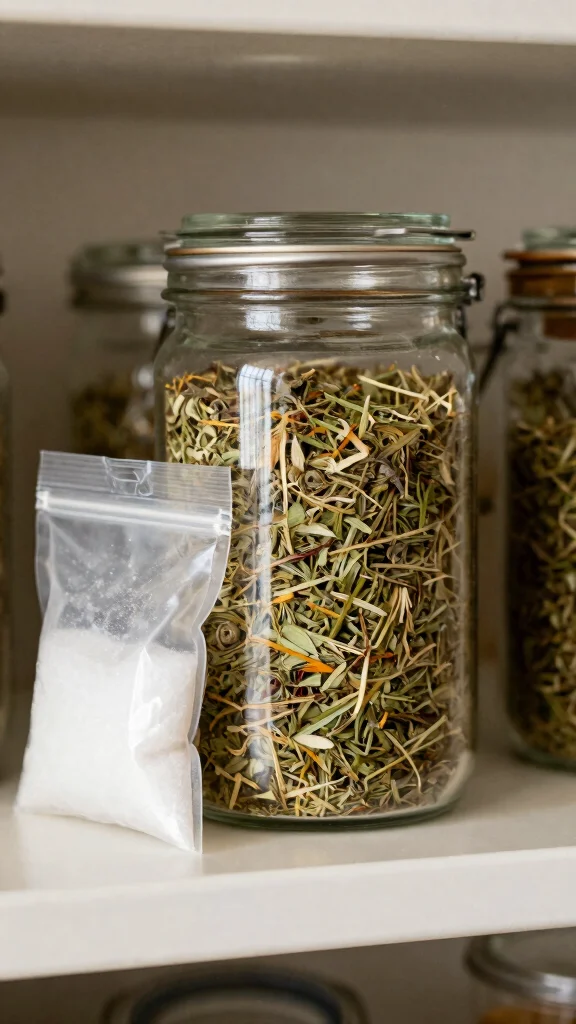
For long-term herb storage, consider using silica gel to absorb moisture and extend freshness. After drying your herbs, place them in an airtight container along with a small pouch of silica gel.
This will keep your herbs dry and flavorful for a longer period. It’s a wonderful way to ensure your herbs last through the off-season, so you can enjoy them in your cooking anytime. Just check the silica gel regularly and replace it if it becomes saturated.
💬 Fun fact: a silica gel pouch can extend the freshness of drying herbs by up to several months when stored airtight. After drying your herbs, tuck in the pouch and seal the container; check it occasionally and replace if saturated. Your meals stay flavorful year-round.
14. Make Herb Jellies
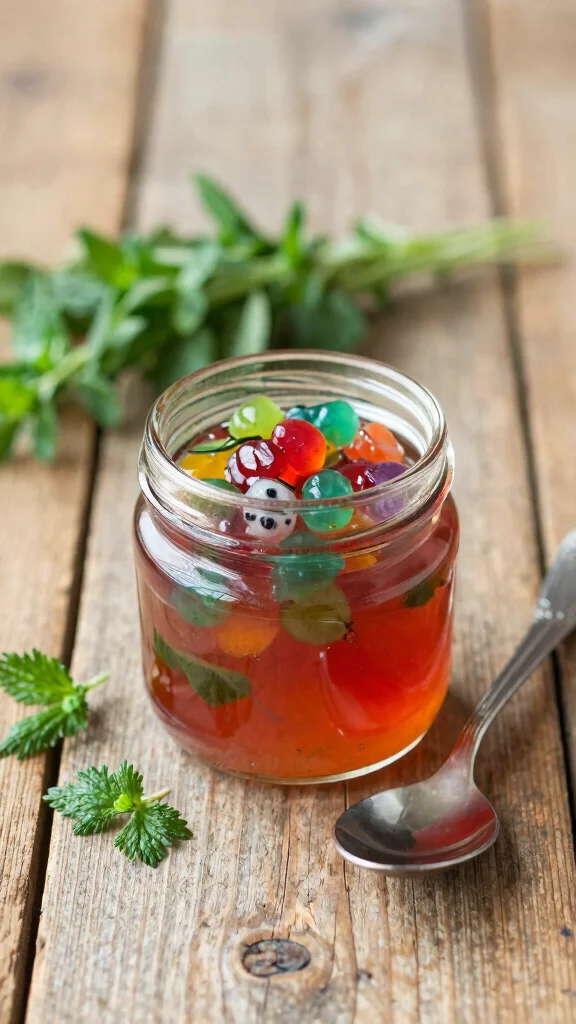
Imagine capturing the essence of your herbs in a sweet or savory jelly! Start by steeping fresh herbs in boiling water, then strain and mix the infused water with sugar and pectin to create a jelly.
Pour the mixture into jars and let it set. This unique jelly can be used on toast, as a glaze for meats, or as a creative addition to cheese boards. It’s a fun way to experiment with flavors and impress your guests, so feel free to try different herb combinations!
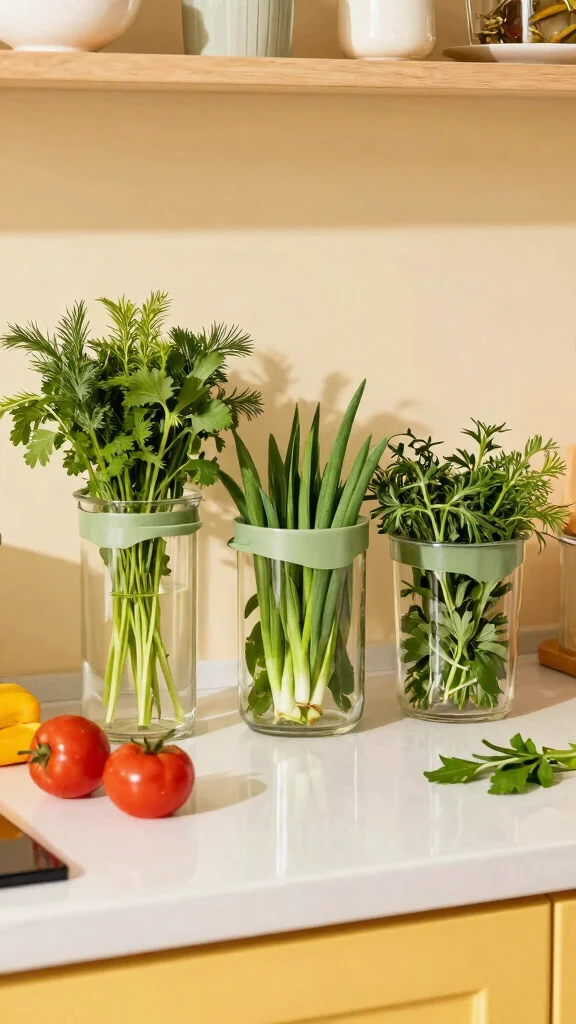
15. Use Jars for Vertical Storage
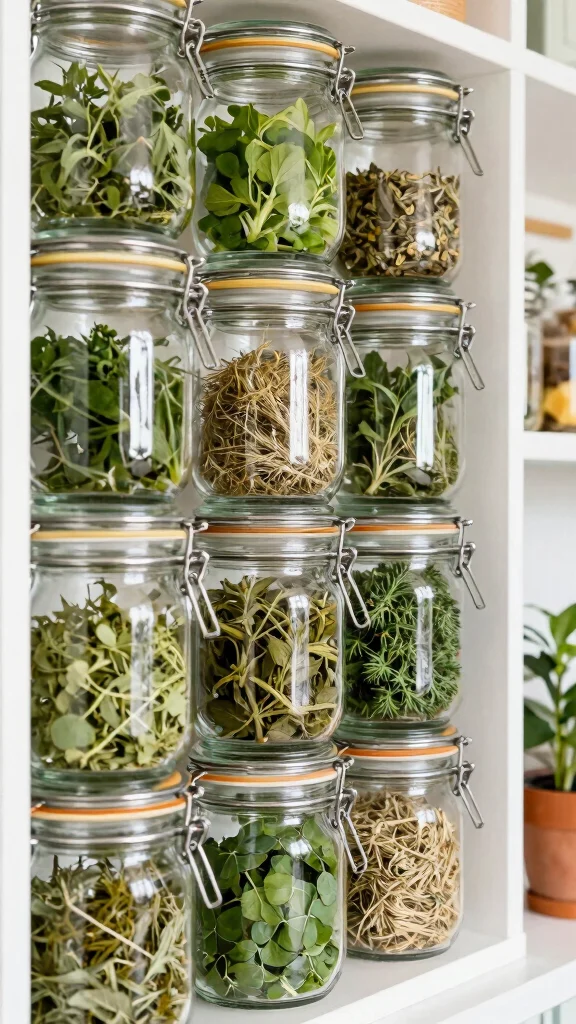
Short on space? Try vertical storage with clear glass jars! This method allows you to store your herbs upright, saving space and showcasing their beauty.
Label each jar with the herb name for easy identification, and place them on shelves or hang them from the wall for a charming display. Not only does it keep your herbs fresh, but it also adds a decorative touch to your kitchen. Just remember to store jars in a cool, dark place to maximize freshness.
16. Use Leftover Stems for Broths
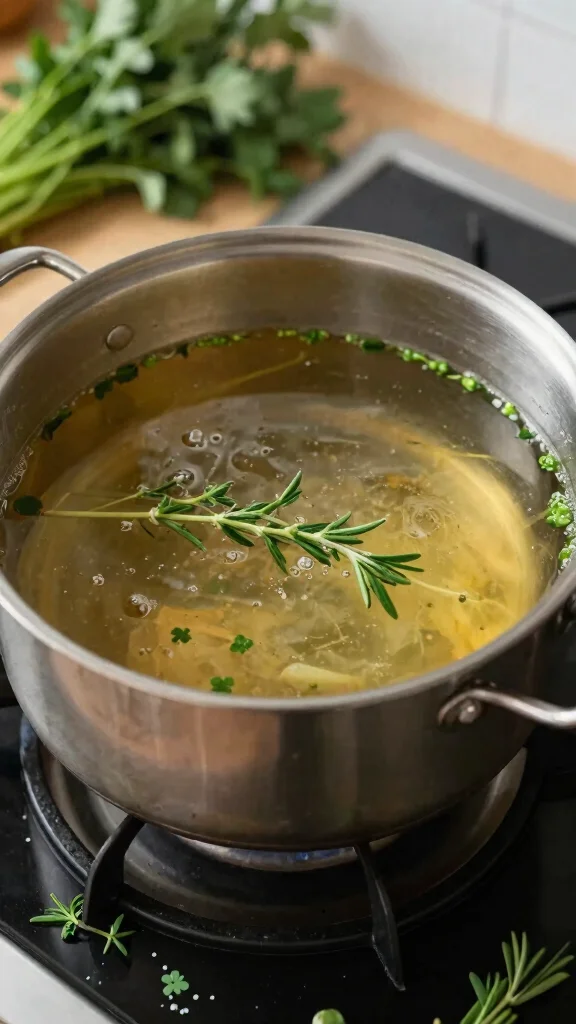
Don’t discard those leftover herb stems! They can add a burst of flavor to your next pot of broth or stock. Simply toss them into the simmering pot, allowing the herbs to infuse their essence into the broth.
This technique is perfect for using up herbs that are slightly past their prime. You can also incorporate herb stems into sauces or marinades for added depth of flavor, reducing waste and enhancing your dishes.
17. Create Herb-Focused Recipes
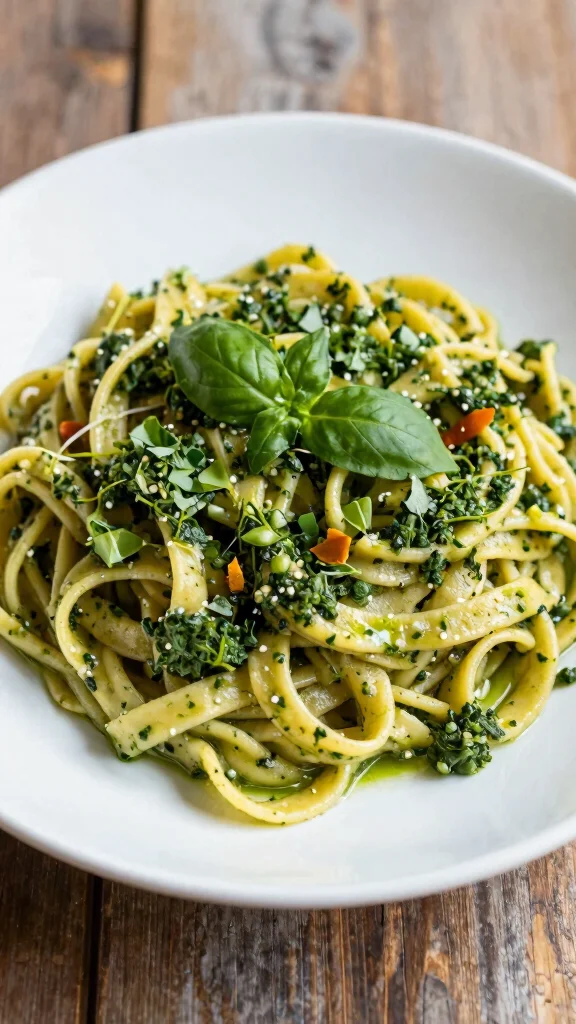
Looking for a creative way to use your herbs? Try crafting herb-focused recipes that make them the star of the dish! Think along the lines of herb pesto, chimichurri, or vibrant herb salads.
This approach encourages you to experiment with flavors and keep your meals fresh and exciting. Pair different herbs together for unique combinations, and enjoy the bounty of your herb garden!
Conclusion
Saying goodbye to spoiled herbs is a journey filled with creativity and sustainability. With these 17 natural storage hacks, you can extend the life of your herbs, reducing waste and enhancing your culinary creations.
Try out some of these tips and let your herbs shine in your kitchen! What’s your favorite way to use or preserve herbs? Share your experiences and join the conversation!
Frequently Asked Questions
What are the most effective natural methods to dry herbs at home to preserve flavor?
The most natural methods to dry herbs at home focus on drying herbs without chemicals. Start with a quick harvest when oils are strongest, rinse lightly, and pat dry. For air-drying, bundle small bunches of stems and hang them in a warm, dry, well-ventilated spot away from direct sunlight. Drying typically takes 1–2 weeks until the leaves crumble easily. If you’re pressed for time, use a low-temperature oven (100–110°C) or a dedicated dehydrator, spread herbs on a tray, and check often so you don’t scorch the oils. When completely dry, strip the leaves, then store in airtight glass jars in a cool, dark spot to lock in flavor—this keeps things organic solutions and eco-friendly.
What organic, eco-friendly storage solutions help prevent spoiled dried herbs?
Opt for small glass jars with tight lids and store them in a cool, dark pantry. Plastic should be avoided to stay eco-friendly; amber or clear glass works well. For extra moisture control, you can add a small food-safe desiccant pack or a parchment divider between different herbs. Always label with name and date, keep jars away from heat, and check monthly for condensation or aroma. This approach uses organic solutions and eco-friendly storage.
How long do dried herbs stay potent and how should I store them for maximum freshness?
Most dried herbs stay potent for about 6–12 months if stored properly; certain herbs like oregano and thyme can last up to 2 years when kept away from light and moisture. Store in airtight glass jars, away from sunlight, in a cool place. Crush or crumble herbs just before using to release essential oils for best flavor. Proper storage helps preserve aroma and potency, keeping your harvest fresh longer.
Which herbs dry best and how can I tell when they’re ready for storage?
Herbs that dry well include thyme, rosemary, oregano, sage, and mint; basil, cilantro, and parsley are trickier and can lose aroma when dried, so freeze them or use in pesto instead. For readiness: the stems crack or snap and the leaves crumble between your fingers, and the aroma stays strong. When you can break leaves by hand and the color remains vibrant, they’re ready to store.
How can I prevent pests and mold when drying and storing herbs?
Make sure herbs are completely dry before storage to prevent mold. Dry in a clean space, and store in clean jars; keep away from moisture. Regularly inspect for condensation or off smells; discard any moldy batches. To deter pests, keep the storage area tidy and use sealed glass jars. If you grow herbs in the garden, choose organic pest-control methods and wash harvests gently, then dry completely before drying.
Related Topics
drying herbs
organic solutions
eco-friendly storage
herb preservation
beginner gardening
natural remedies
sustainable tips
easy hacks
kitchen gardening
herb storage
fresh herbs
gardening tips