
Creating the perfect garden space can feel overwhelming at times. You might be looking to block out a busy street, create a cozy nook, or simply want to add some charm to your backyard. Whatever your reason, a DIY privacy fence on a budget can transform your gardening experience. In this post, I’ve gathered a collection of rustic fence ideas that blend affordability with style. Whether you’re a seasoned gardener or just starting, these projects are approachable and rewarding.
If you’re someone who enjoys getting their hands dirty and loves to personalize their outdoor space, you’re in the right place. These fence ideas cater to anyone who values creativity and functionality in their garden. This blog post will guide you through 15 unique DIY fence projects that can enhance the beauty and privacy of your garden. You’ll find tips and tricks that make these projects not only doable but also enjoyable.
By the end of this post, you’ll have a variety of ideas to inspire your next garden project. Each suggestion is designed to be economical while also elevating the aesthetics of your outdoor area. From reclaimed wood to bamboo screens, there’s something here to suit every taste and budget. Let’s dive into these projects that promise to bring your garden to life!
Key Takeaways
– Affordable Options: Discover various DIY privacy fence ideas that fit within your budget, ensuring you can enhance your garden without breaking the bank.
– Creative Materials: Learn about creative materials like reclaimed wood and pallets that can add rustic charm while being easy to source.
– Functional Designs: Each fence idea serves a purpose—whether it’s for privacy, decoration, or to support climbing plants, making your garden more functional.
– Step-by-Step Guidance: Get practical tips for each project, ensuring you feel confident to tackle these DIY tasks at home.
– Boost Your Space: Understand how these fences can create a more inviting and cozy atmosphere in your outdoor areas, making your gardening experience even more enjoyable.
Contents
- 1. Reclaimed Wood Fence
- 2. Pallet Fence
- 3. Willow Fence
- 4. Bamboo Privacy Screen
- 5. Standard Garden Fence with a Twist
- 6. Upcycled Door Fence
- 7. Split Rail Fence
- 8. Vertical Garden Fence
- 9. Corrugated Metal Fence
- 10. Stone Wall Fence
- 11. Garden Trellis Fence
- 12. Living Fence with Hedges
- 13. Fabric Fence
- 14. Composite Fence
- 15. Mixed Material Fence
1. Reclaimed Wood Fence
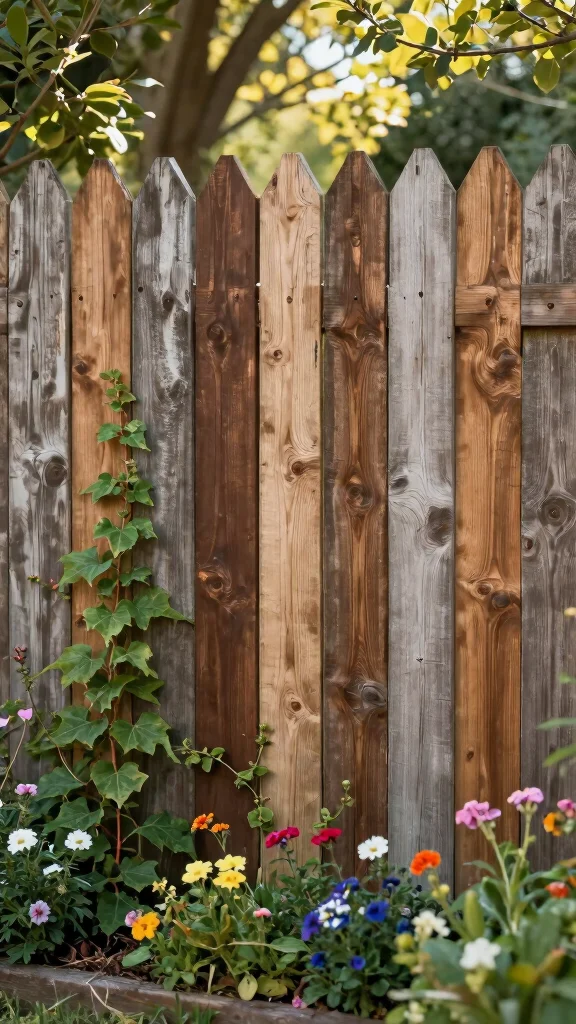
Looking to add charm to your garden while being eco-conscious? A reclaimed wood fence is the perfect choice, offering character and a sense of history to your outdoor space. Each piece of wood has its own story, showcasing unique textures and colors that enhance your garden’s aesthetic. You can easily source wood from old barns, pallets, or discarded furniture for a stunning and sustainable backdrop for your plants.
Start by inspecting the wood for quality and durability. Sand down any rough edges to ensure safety, and choose pieces free from rot or pests for longevity. This method not only beautifies your space but also promotes sustainability.
Key steps to get started:
– Gather reclaimed wood with varying lengths
– Design your layout considering height and space
– Dig post holes or attach to existing structures
– Secure wood with nails or screws
– Optionally treat with wood preservative for durability
With this rustic approach, you’ll create a unique environment that not only enhances your garden but also showcases your commitment to sustainability.
❝ Did you know reclaimed wood can slash fence costs by up to 40%? A diy privacy fence on a budget gains character and sustainability from each board’s history – perfect for charming, eco-conscious gardens you’ll love showing off.
2. Pallet Fence
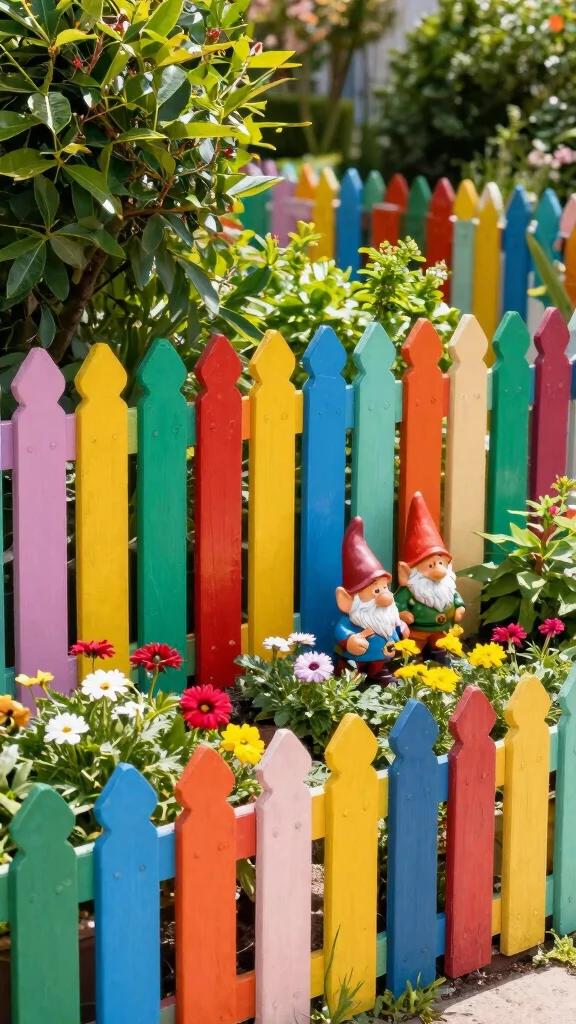
On a budget and eager to dive into DIY? A pallet fence is an affordable and versatile option for your garden. Pallets are easy to find and can be transformed into a simple or decorative fence with minimal effort. Just stack them in creative patterns to bring whimsy to your outdoor space.
Begin by sourcing pallets that are untreated and safe for use. Sand any rough edges for a smooth finish. This project is not only cost-effective but also allows for easy customization to fit your garden’s theme.
Key steps to get started:
– Collect enough pallets for your desired length
– Decide on height and layout for the fence
– Reinforce with extra wood if necessary
– Secure pallets using screws
– Paint or stain to match your garden’s vibe
A pallet fence adds charm and character, easily reflecting your unique style while being a fun weekend project.
3. Willow Fence
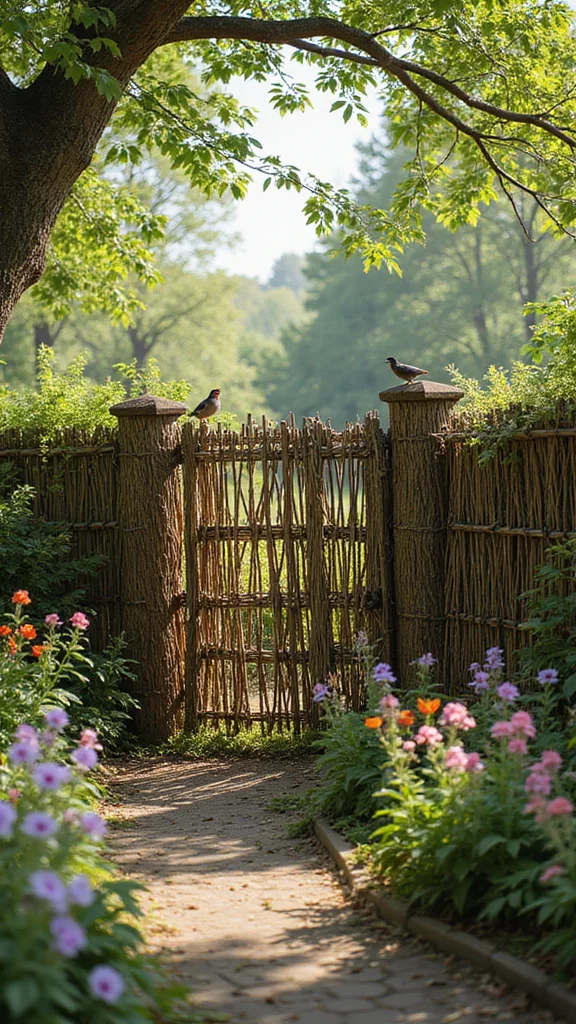
If you’re seeking a natural and beautiful option, consider a willow fence for your garden. The graceful appearance of willow branches creates a lovely privacy screen that also allows light and airflow, making it ideal for intimate spaces.
To get started, use freshly harvested willow for flexibility in weaving. For added stability, you might consider installing a layer of wire mesh behind the willow. This approach not only enhances your garden’s aesthetics but also provides a functional barrier.
Key steps to get started:
– Harvest willow branches of varying thicknesses
– Create a frame with wooden posts placed at intervals
– Weave the branches in and out of the frame
– Trim excess length for a tidy look
– Optionally treat the wood for weather protection
This enchanting fence not only elevates privacy but also transforms your garden into a serene retreat.
4. Bamboo Privacy Screen
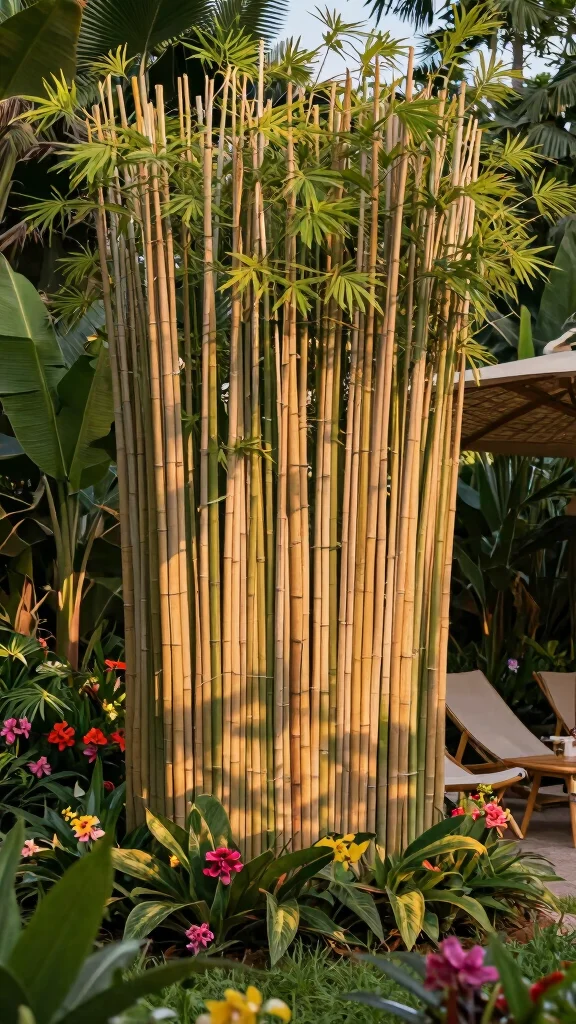
Want to infuse a tropical touch into your garden? A bamboo privacy screen is a sturdy and stylish choice that enhances your outdoor space with a unique flair. Bamboo is naturally resistant to pests and decay, making it a low-maintenance option for creating an inviting atmosphere.
When selecting bamboo, opt for high-quality poles to ensure durability. You can easily customize the height and width to suit your needs, offering a practical yet attractive solution for privacy.
Key steps to get started:
– Measure the area for your bamboo screen
– Purchase enough bamboo poles considering height
– Install supporting posts for elevated setups
– Secure bamboo with wire or nails
– Stain or leave natural for a rustic charm
This elegant solution not only provides privacy but also creates a peaceful sanctuary for relaxation or entertaining guests.
📹 Related Video: DIY BAMBOO PANEL FENCE INSTALLATION GUIDE
5. Standard Garden Fence with a Twist
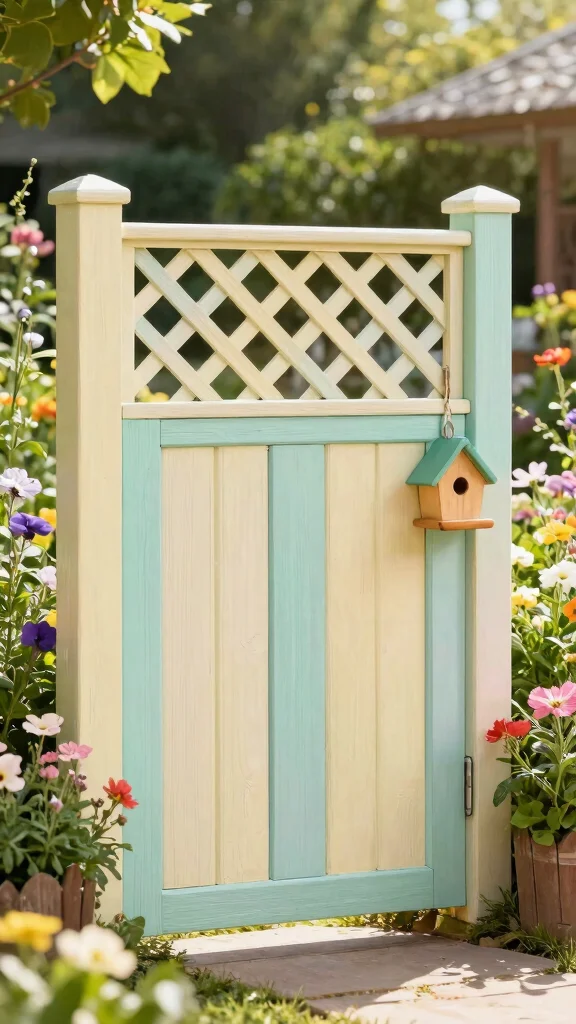
Sometimes, a classic wooden fence is all you need, but adding unique touches can make it truly stand out. Consider incorporating decorative elements like lattice work or a splash of color to your traditional fence for an appealing twist.
Choose a color scheme that complements your garden’s vibe and use decorative brackets or caps for a polished finish. This creative approach enhances the structure while providing essential privacy for your plants.
Key steps to get started:
– Set up fence posts at even intervals
– Attach wooden panels for the main structure
– Add lattice work for extra flair
– Paint or stain to match your garden’s aesthetics
– Finish with decorative hardware for interest
This fence not only creates a solid boundary but also adds visual beauty, making your gardening space even more enchanting.
Did you know that adding lattice tops and a splash of color can boost privacy and curb-appeal by up to 40%? For a diy privacy fence on a budget, pair classic boards with lattice accents and decorative caps, then choose a garden-friendly color scheme.
Key Trade-offs & Our Top Pick
Option 1: Reclaimed Wood Fence
– Pros:
– Eco-friendly and sustainable choice 🌍
– Unique, rustic aesthetic that enhances garden charm 💖
– Durable if well-maintained, can last for years
– Cons:
– Can be expensive depending on wood quality 💰
– May require more upkeep compared to other materials
– Installation can be labor-intensive
– Best for: Gardeners looking for a stylish, eco-conscious fence that blends into a natural setting.
Option 2: Pallet Fence
– Pros:
– Very budget-friendly; often free or low-cost 😄
– Quick and easy to assemble, perfect for DIY novices
– Lightweight and versatile for various garden layouts
– Cons:
– Not as durable against harsh weather conditions 🌧️
– Limited height options for privacy
– May require additional treatment to prevent rot
– Best for: Those who want an affordable, temporary solution without heavy investment.
Option 3: Split Rail Fence
– Pros:
– Provides a classic, timeless look 🏡
– Excellent for defining boundaries without blocking views
– Low maintenance and easy to install
– Cons:
– Offers minimal privacy and security
– Can be expensive if built with high-quality wood
– Limited to less formal garden designs
– Best for: Gardeners desiring to mark property lines while keeping an open feel.
Option 4: Bamboo Privacy Screen
– Pros:
– Naturally beautiful and offers great privacy 🌿
– Fast-growing and can be very affordable
– Flexible and can adapt to various garden styles
– Cons:
– Requires regular trimming to maintain shape
– May need support structures for stability
– Can be invasive if not managed properly
– Best for: People seeking a natural and eco-friendly way to create a private space in their garden.
Option 5: Corrugated Metal Fence
– Pros:
– Very durable and withstands harsh weather 🌪️
– Unique industrial look that can modernize a garden
– Low maintenance, just needs occasional cleaning
– Cons:
– Can be expensive depending on material quality
– Limited design flexibility compared to wood or plants
– May not blend well with traditional garden styles
– Best for: Homeowners wanting a modern, long-lasting fence without extensive upkeep.
Best Overall: Reclaimed Wood Fence
The reclaimed wood fence stands out as the best overall option for many gardeners. Its eco-friendly nature appeals to those who care about sustainability. You gain a unique and rustic look that can transform your garden space. It strikes a good balance between durability and aesthetics, making it a practical choice that many find easy to use. Plus, it can blend well with various styles, from country to contemporary.
Why We Picked This:
While the reclaimed wood fence is our top pick, some might prefer other options based on their needs. If you’re on a strict budget, the pallet fence is perfect. For someone looking for a more traditional look, the split rail fence works well. If privacy is your main concern, the bamboo screen might be your best bet. Each option has its strengths and weaknesses, so consider what fits your gardening style and budget best!
6. Upcycled Door Fence
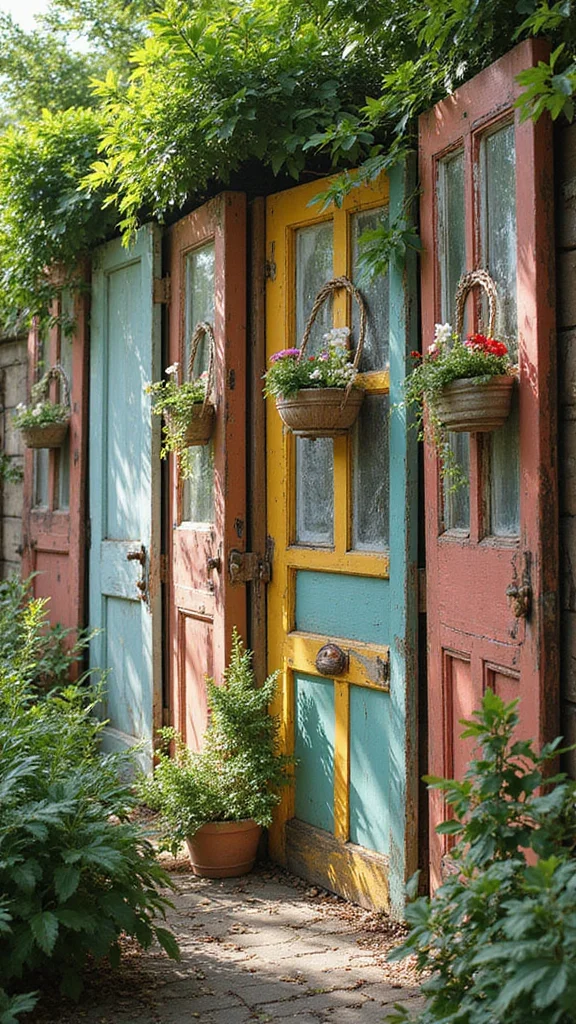
Want a quirky and creative boundary for your garden? An upcycled door fence is a fantastic way to reduce waste while adding unique design elements to your space. Each door tells its own story, making your garden truly one-of-a-kind.
Choose doors with interesting designs or colors to create a vibrant and artistic look. If you have particularly heavy doors, reinforce them for added stability. This approach not only showcases your personality but also promotes a sustainable lifestyle.
Key steps to get started:
– Collect old doors from thrift stores or yard sales
– Plan the layout and height for your fence
– Attach doors securely to posts or hinges
– Paint or distress the doors for extra character
– Optionally add decorative elements like plants on shelves
This whimsical fence design transforms your garden into a playful expression of your style.
7. Split Rail Fence
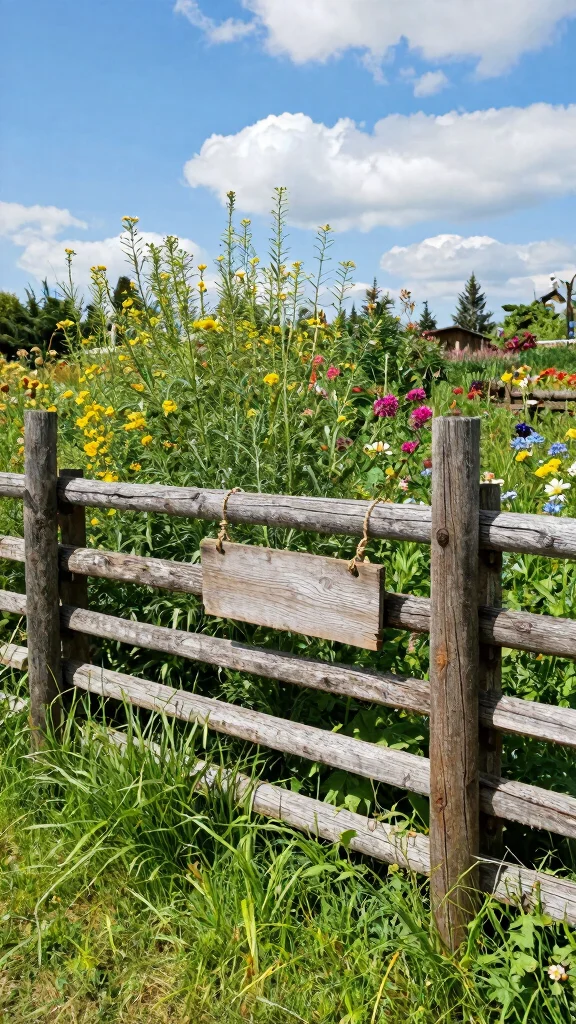
For a classic and rustic feel, a split rail fence is an excellent choice that defines your garden space beautifully. This easy-to-build fence complements various styles, creating a charming and stylish boundary without blocking views.
When constructing, decide how far apart to space the rails to achieve your desired level of openness. You can also add a layer of wire mesh behind it for additional protection against critters. This design enhances the aesthetic of your landscape while being practical.
Key steps to get started:
– Gather split rails and posts from your local hardware store
– Determine the length and layout of your fence
– Dig post holes to secure vertical posts
– Insert and secure rails horizontally between the posts
– Optionally stain or leave natural to blend in
A split rail fence not only delineates your gardening area but also enhances the rustic charm of your property.
You might also like
8. Vertical Garden Fence
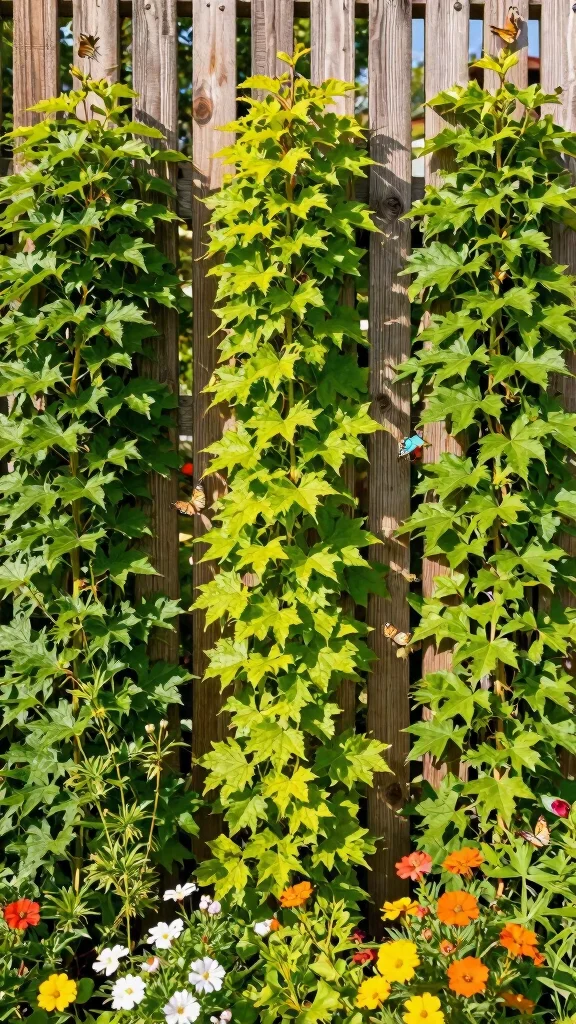
Looking to maximize your gardening space? A vertical garden fence allows you to grow plants upward, making it perfect for smaller areas. This innovative solution not only saves ground space but also creates a stunning green wall in your outdoor environment.
Make sure to use sturdy materials that can support the weight of your plants. Choose climbing plants that thrive well in vertical conditions for the best results. This method transforms your fence into a living art piece.
Key steps to get started:
– Install sturdy posts for support at even intervals
– Attach horizontal slats or wire mesh for plant growth
– Plant climbing varieties at the base
– Train them to grow up the supports
– Regularly maintain and prune for optimal growth
This approach adds greenery while creating a serene and beautiful atmosphere in your garden.
9. Corrugated Metal Fence
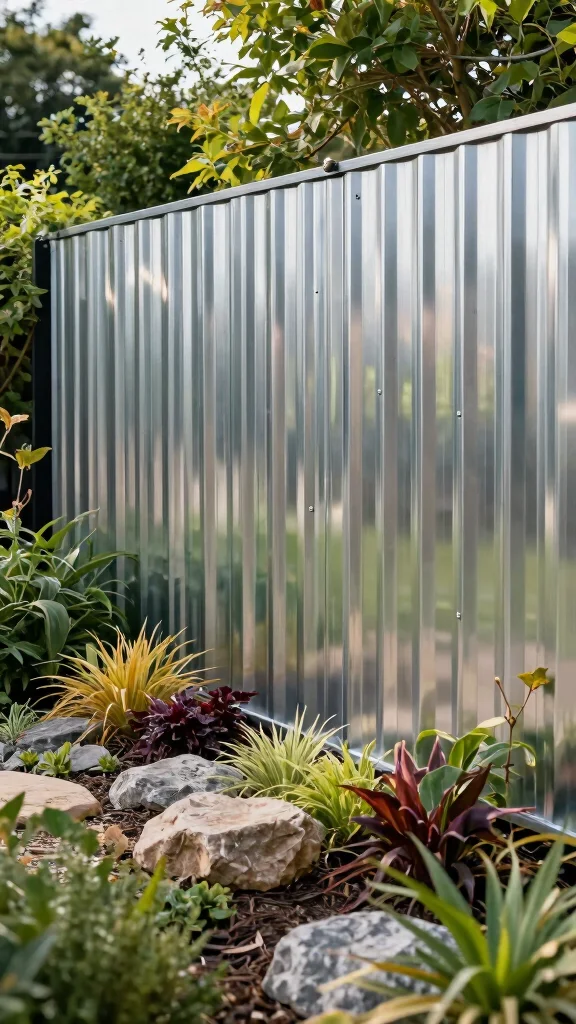
For a modern touch, consider a corrugated metal fence that adds an industrial vibe to your garden. This durable and weather-resistant option serves as a striking backdrop for garden art or climbing plants, creating a unique contrast with natural elements.
When selecting your metal, choose colors that match or complement your home’s exterior. Pairing it with natural wood can create a balanced and attractive look. This design is not only practical but also visually appealing.
Key steps to get started:
– Secure sturdy posts to support the metal sheets
– Attach corrugated metal horizontally or vertically
– Ensure all edges are secured to avoid sharp points
– Optionally plant tall grasses or flowers at the base
– Regularly check for rust and treat as needed
A corrugated metal fence provides a striking and modern solution for your garden while ensuring durability and style.
10. Stone Wall Fence
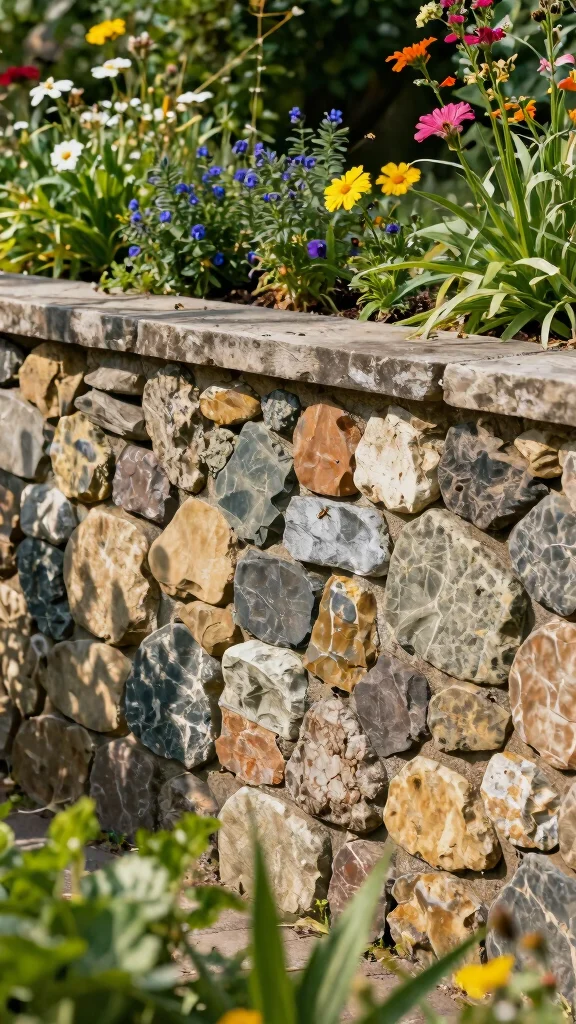
For a timeless and classic choice, a stone wall fence offers durability and rustic charm. While it requires more effort to build, the results are stunning and provide a lasting boundary for your garden.
Source stones locally for a more affordable option and consider using traditional mortar or dry-stack methods. This method not only enhances privacy but also adds aesthetic appeal, potentially increasing your property value.
Key steps to get started:
– Plan the wall layout and gather stones of varying sizes
– Prepare a solid base for stability
– Lay the first row of stones ensuring they’re level
– Continue stacking stones, alternating sizes for support
– Optionally plant creeping vines for added charm
A stone wall fence creates an impressive backdrop for your garden, merging strength with natural beauty.
11. Garden Trellis Fence
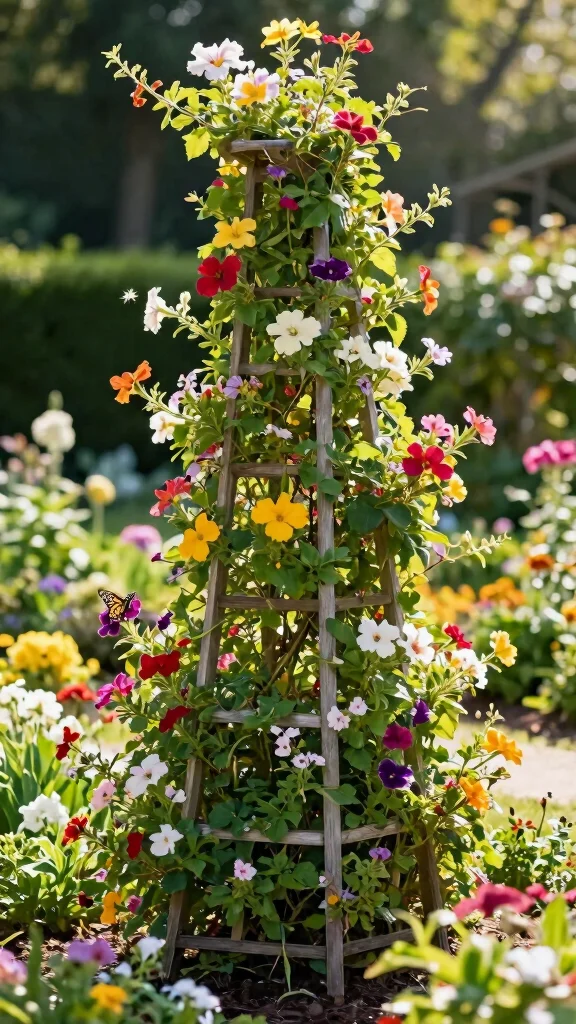
A garden trellis serves dual purposes: it supports climbing plants and acts as a lovely garden divider. This structure allows light and air to flow freely, making it ideal for both vegetable patches and flower beds.
Choose robust materials to ensure it can support the weight of your plants. Position your trellis to maximize sunlight exposure for optimal plant growth. This design adds height and dimension to your garden while encouraging vertical growth.
Key steps to get started:
– Gather materials like wood or metal for the trellis frame
– Determine the size based on your garden layout
– Assemble the frame and secure it with stakes
– Plant climbing plants at the base of the trellis
– Train them to climb as they grow for an enchanting effect
This trellis not only enhances your gardening experience but also adds artistry and charm to your outdoor space.
12. Living Fence with Hedges
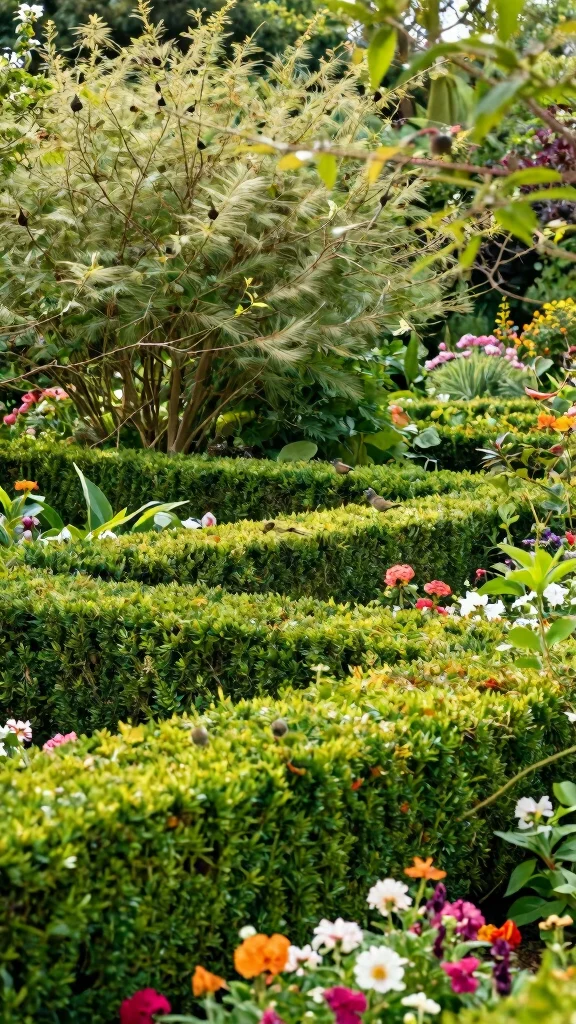
Transform your garden with a living fence made from hedges. This natural boundary provides privacy while serving as a habitat for wildlife, creating a peaceful and vibrant ecosystem.
Choose fast-growing hedge varieties for quicker coverage and consider mixing species for seasonal color changes. This design not only enhances privacy but also contributes to the overall beauty and health of your garden.
Key steps to get started:
– Select hedge plants suitable for your climate
– Plan the layout and spacing for your plants
– Dig holes and plant hedges at equal distances
– Water regularly and maintain with pruning
– Optionally mix different species for a diverse look
A living fence not only beautifies your garden but also fosters a serene environment for relaxing and enjoying nature.
Fast-growing hedges can create privacy in weeks, not years. Mix species for seasonal color and wildlife habitat, turning any yard into a thriving living screen. diy privacy fence on a budget—grow, prune, and enjoy a lush, quiet garden.
You Might Also Like
13. Fabric Fence
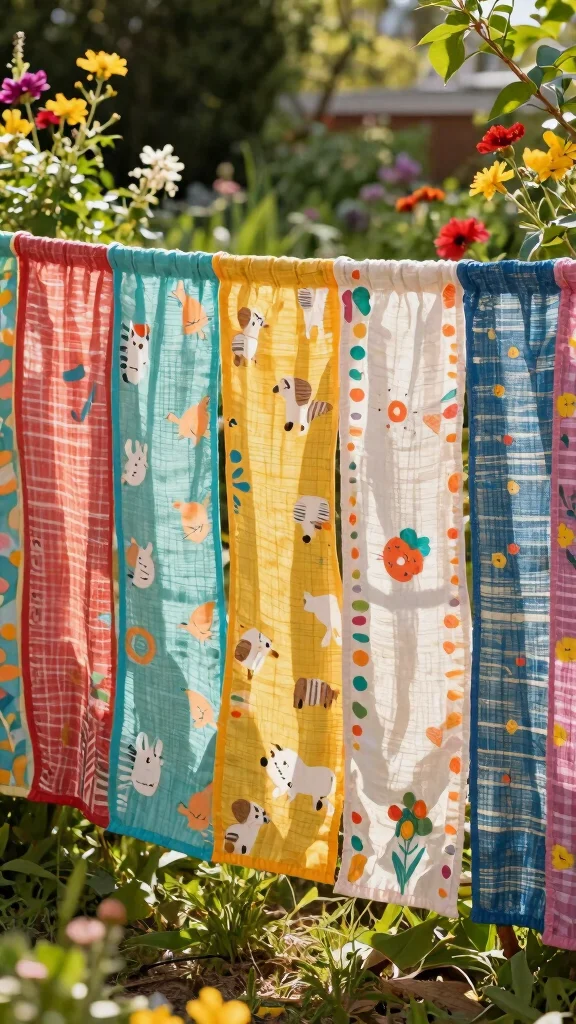
For a temporary or seasonal boundary, consider a fabric fence. This option can be colorful and fun, providing privacy while reflecting your personal style. Think vibrant patterns that brighten your outdoor space!
Opt for weather-resistant fabric to ensure durability, and use sturdy posts or structures to support it. This versatile choice allows you to easily change the look of your garden each season.
Key steps to get started:
– Choose fabric that complements your garden theme
– Cut the fabric to your desired dimensions
– Secure it to posts or along a wire frame
– Tie securely to prevent blowing away
– Change fabric seasonally for a fresh look
This option is perfect for those wanting to add personality without a permanent commitment.
14. Composite Fence
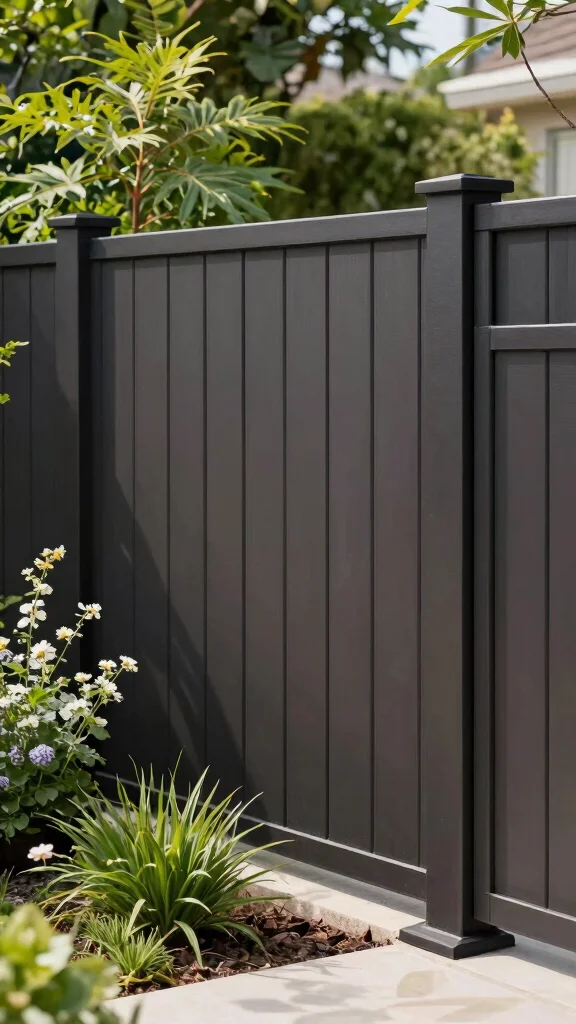
A composite fence blends the durability of wood with the low maintenance of plastic, making it a smart long-term investment for your garden. Available in various colors and styles, this option allows for personal expression without sacrificing quality.
Check local regulations regarding composite materials to ensure compliance. Darker colors may be preferable in hot climates to minimize fading. This practical choice delivers both style and strength.
Key steps to get started:
– Measure the area for the fence installation
– Purchase composite panels and posts accordingly
– Securely set the posts in the ground
– Attach composite panels to the posts
– Ensure all connections are sturdy and secure
A composite fence is ideal for those who seek durability and style, making it a wise addition to any garden.
15. Mixed Material Fence
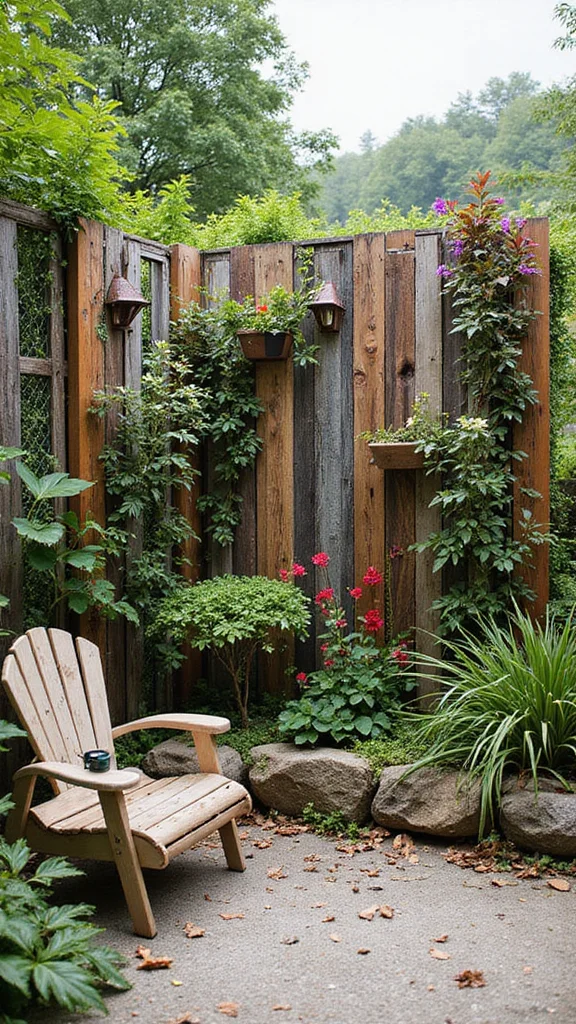
Why limit yourself to just one material? A mixed material fence allows creativity to shine, combining wood, metal, stone, and more to create a unique aesthetic. This approach makes every inch of your fence a personal statement that reflects your style.
Ensure compatibility among materials for durability and plan your design carefully to avoid clashing elements. This flexibility enables functional additions like planters or trellises.
Key steps to get started:
– Sketch your desired fence design, choosing materials
– Gather all necessary materials for durability
– Secure the foundational structure before adding elements
– Carefully construct each section to maintain balance
– Regularly maintain for a cohesive look
This creative approach not only beautifies your garden but also allows for self-expression, making your fence truly your own.
Conclusion
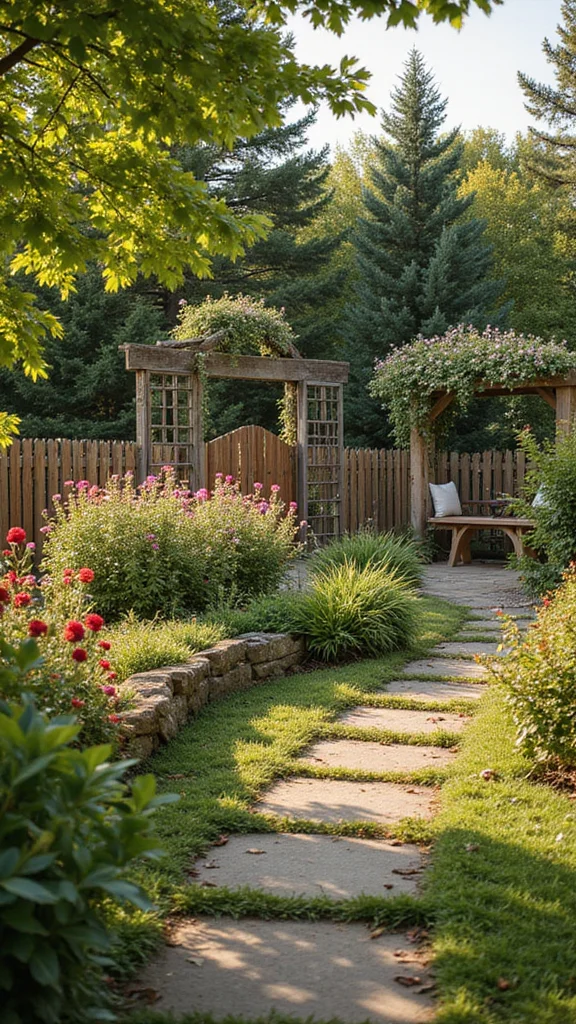
Creating a rustic fence for your garden doesn’t just enhance privacy; it adds a lovely touch of personality and charm to your outdoor space. Whether you opt for reclaimed wood, a lush living fence, or something more eclectic, each design offers unique benefits to suit your gardening needs.
Experiment with these ideas and let your creativity shine. Your garden will not only flourish in health but also in style, making it a delightful place to relax and enjoy nature.
Frequently Asked Questions
What are the best budget-friendly materials and steps for a rustic diy privacy fence on a budget?
Starting a rustic fence project on a budget? Here are budget-friendly materials and steps to get a charming look without breaking the bank. Use reclaimed wood, pallet boards, or weathered boards for a rustic vibe, paired with pressure-treated posts for durability. Estimate costs by measuring your fence line and deciding on height and panel size, then gather basic tools.
Steps: 1) plan layout and mark post locations; 2) dig and set sturdy posts (use concrete); 3) cut rails and panels to size; 4) assemble panels off-site for easier handling; 5) attach panels to posts with corrosion-resistant screws; 6) finish with a protective stain or sealer to extend life.
This approach is a diy privacy fence on a budget that doubles as a stylish home projects win and adds a cozy backdrop for your garden. For added gardening tips, consider leaving some spacing between boards for airflow and plant support.
How can I repurpose pallets or reclaimed wood to create a rustic fence that still feels polished?
Repurposing pallets or reclaimed wood can give you a high-end rustic look without the high price tag. Look for boards with straight grain and minimal rot, and remove nails carefully. Clean and dry boards, then plan your panel pattern—alternating widths or diagonal overlays add character. Treat any exposed ends with wood preservative, then assemble panels off-site and attach to sturdy posts. Finish with weathered stain or seal to protect against moisture. This upcycling approach aligns with practical gardening tips and makes a great home projects project that looks intentional and cohesive. If you’re aiming for budget-conscious vibes, this also makes diy privacy fence on a budget more feasible.
What simple tools and safety tips do I need to install a privacy fence in a weekend?
To install a rustic fence in a weekend, keep this lean toolkit handy: tape measure, level, spirit level, circular saw or handsaw, drill, impact driver, screws, nails, post-hole digger or auger, gravel, and a shovel. Safety first: wear gloves, eye protection, hearing protection, and sturdy boots. Plan a sturdy layout with 2-3 inch deck screws and weatherproof connectors. Steps: 1) mark posts at regular spacing; 2) dig and set posts with quick-setting concrete; 3) attach rails, then panels; 4) check for plumb and square and adjust; 5) apply protective stain. With careful planning, this home projects task becomes a simple weekend project and a nice addition to your garden’s privacy.
How can I maximize privacy and style on a budget while keeping gardening tips in mind?
Maximize privacy and style by combining smart layout with rustic details. Use staggered board placement or add a lattice topper to increase height without extra soil expense. Leave small gaps between boards for airflow and plant support; line the fence with fast-growing climbers like clematis or ivy for extra screening without heavy costs. Choose a durable finish—stain in a natural tone to highlight reclaimed wood. This approach blends gardening tips into your fencing project and makes a charming home projects upgrade that fits a budget.
What maintenance routines keep a rustic fence looking great for years?
Keep a rustic fence looking great with a simple maintenance routine. Inspect annually for loose boards, rot, or rusted hardware. Clean with a gentle soap solution and rinse; re-stain or re-seal every 2-3 years, or as weather dictates. Replace any damaged boards promptly and check posts for stability. Use corrosion-resistant fasteners and proper drainage to prevent water damage. As a gardening tip, trim back vines and avoid soil buildup at the base to reduce rot. Keeping up with this home projects maintenance turns a budget-friendly fence into a lasting garden feature, not a seasonal eyesore.
Related Topics
rustic decor
diy privacy fence
budget gardening
home projects
gardening tips
easy DIY
outdoor projects
fence ideas
beginner friendly
seasonal gardening
landscape design
sustainable practices