
Designing a large garden can be both thrilling and daunting. With so much space to work with, you may find yourself overwhelmed by possibilities. You might be craving that lush, vibrant outdoor area where you can relax, entertain, and enjoy nature. But how do you avoid making it feel empty or sparse? This post was created to help you navigate those challenges, providing you with practical ideas and strategies for a well-designed garden that feels full and inviting.
If you’re someone who loves gardening or outdoor decor, this guide is for you. You may worry about making the most of your garden’s potential while also focusing on sustainability and aesthetics. You want it to be a place that reflects your personal style and meets your family’s needs. This post will arm you with ten valuable tips, from incorporating colorful plants to using outdoor furniture effectively. Together, these ideas will transform your large garden into a space that feels cozy, vibrant, and purposeful.
By the end of this guide, you will have actionable steps to create a garden that doesn’t feel empty but instead brims with life, color, and charm. Let’s dive in and explore how you can make your large garden a delightful extension of your home.
Key Takeaways
– Layering with Plants: Use varying heights and types of plants to create depth and dimension, ensuring your garden feels lush and full.
– Creating Focal Points: Incorporate eye-catching elements like sculptures or water features that draw attention and make the space more engaging.
– Incorporating Garden Structures: Add pergolas, trellises, or arbors to provide vertical interest and define areas in your garden.
– Utilizing Outdoor Furniture: Strategically place furniture to create inviting areas for relaxation and socializing, making your garden feel more lived-in.
– Adding Color with Annuals: Plant colorful annuals to bring vibrancy and seasonal interest to your garden, ensuring it feels lively year-round.
Contents
- 1. Embrace Layering with Plants
- 2. Create Focal Points
- 3. Incorporate Garden Structures
- 4. Define Spaces with Paths
- 5. Use Outdoor Furniture Wisely
- 6. Incorporate Colorful Annuals
- 7. Use Mulch and Ground Cover
- 8. Add Vertical Elements
- 9. Design with Sustainability in Mind
- 10. Personalize with Unique Decor
1. Embrace Layering with Plants
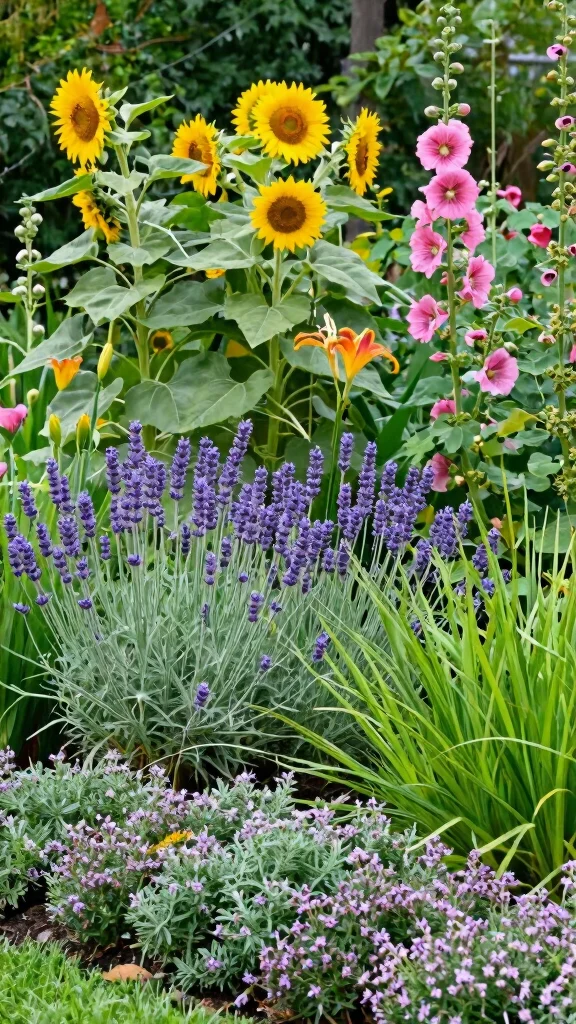
Layering plants is a powerful way to enrich your large garden, adding depth and vibrancy. This technique thrives on the contrast between tall plants at the back, medium-height varieties in the middle, and low-growing ground covers at the front. An example would be pairing sturdy sunflowers with delicate lavender and daylilies, all topped off with a lush carpet of creeping thyme to create a visually dynamic landscape.
To implement this, opt for a variety of evergreen shrubs, seasonal flowers, and perennials for year-round interest. You can easily source budget-friendly plants from local nurseries or online garden shops, ensuring your garden stays lively and colorful throughout the seasons.
Consider these layering tips:
– Pair tall sunflowers with low creeping thyme for contrast
– Use lavender to frame medium-height plants
– Incorporate daylilies for seasonal color bursts
– Mix evergreen shrubs for year-round structure
By thoughtfully layering your plants, you’ll create a garden that feels lush and full, enhancing the overall aesthetic and inviting exploration.
2. Create Focal Points
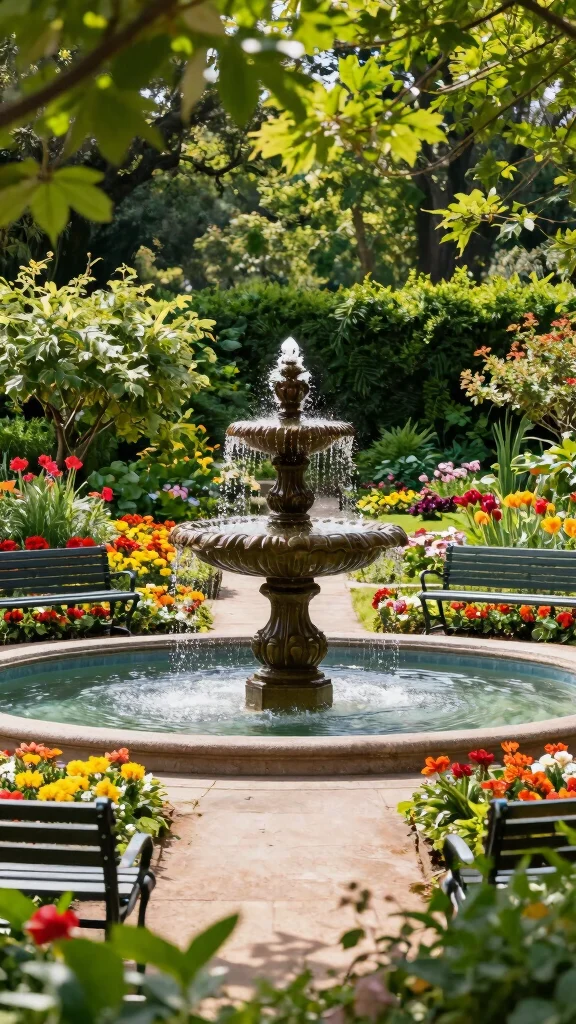
Focal points are key to adding charm and focus in your garden. Integrating a striking sculpture, a serene water feature, or an impressive tree can transform the space, drawing the eye and establishing a sense of purpose. For instance, a beautifully crafted stone fountain surrounded by vibrant flowering plants not only serves as a stunning centerpiece but also attracts birds and provides a gathering spot for loved ones.
Positioning your seating areas to face these focal points enhances the garden experience. Consider using colors and materials that harmonize or contrast with your surrounding flora, ensuring cohesion throughout your landscape.
Here are ways to enhance your garden with focal points:
– Install a sculpture that reflects your style
– Place a water feature for sound and movement
– Position a striking tree as a natural centerpiece
– Arrange seating to create a gathering area around focal points
Carefully chosen focal points not only enhance visual interest but also create spaces that feel inviting and engaging.
3. Incorporate Garden Structures
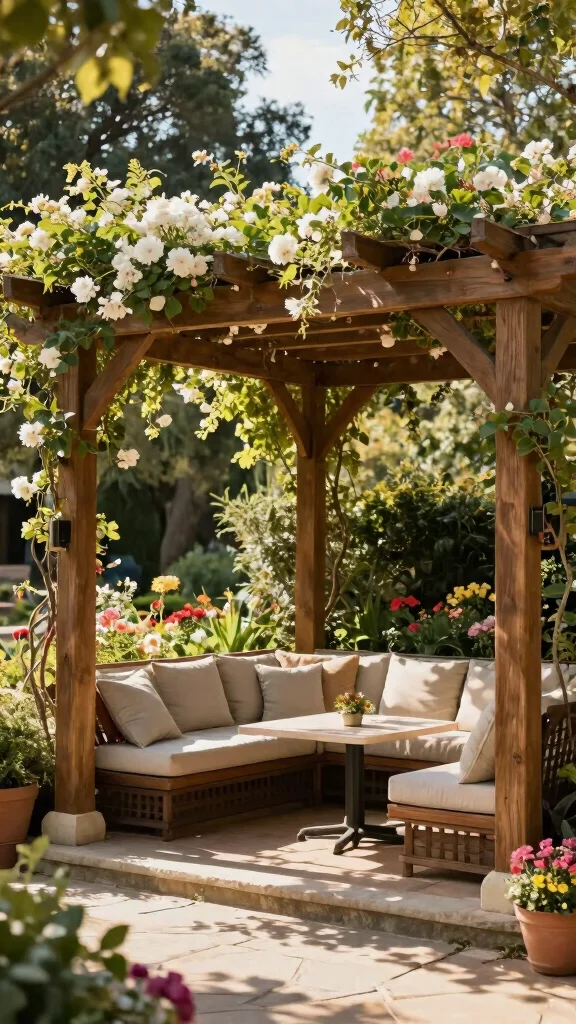
Adding garden structures can significantly enhance the dimension of your space, breaking up flat areas effectively. Consider incorporating pergolas, arbors, or trellises adorned with climbing plants like roses or wisteria, inviting the eye to explore upward. These elements not only create shade but also contribute to an enchanting atmosphere in your garden.
A cozy pergola can serve as the perfect outdoor dining nook, while a trellis can frame a charming walking path. These structures provide a sense of enclosure, making your garden feel more intimate and inviting.
Implement these structures in your garden design:
– Build a pergola for shaded seating
– Install an arbor at the entrance for drama
– Use trellises to frame paths beautifully
– Choose sustainable materials like bamboo or reclaimed wood
Incorporating these elements not only adds visual interest but also enhances the overall experience of your garden.
4. Define Spaces with Paths
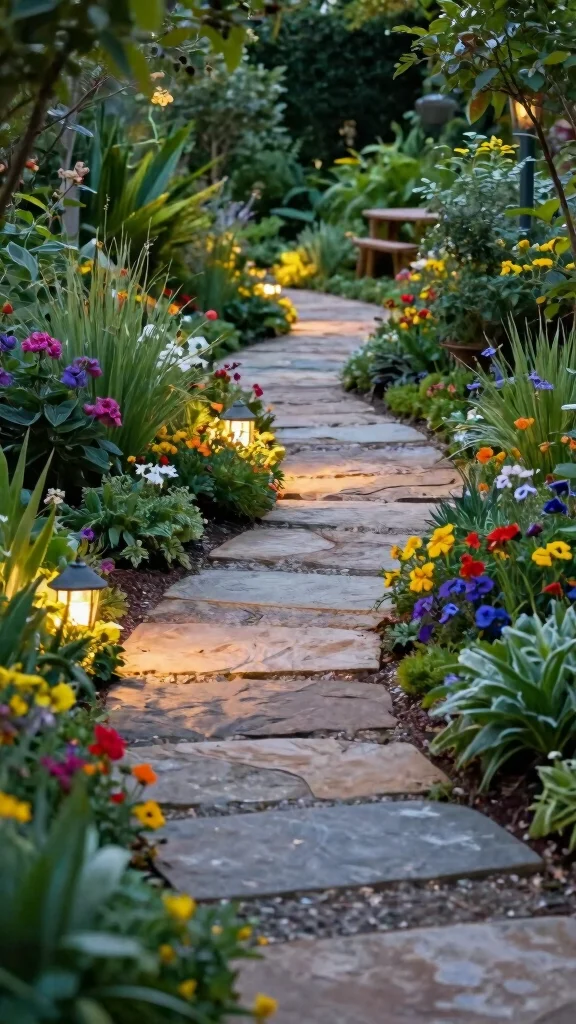
Paths serve as the arteries of your garden, guiding visitors and creating flow throughout the space. Use natural stones, gravel, or wood chips to clearly define these walking areas, allowing guests to explore comfortably. Curved paths can foster a more organic feel compared to straight lines, enhancing the garden’s natural beauty.
Consider lining paths with plants or flowers to soften hard edges, creating a seamless transition between different garden areas. Adding subtle lighting along these paths extends usability into the evening, enhancing both charm and safety.
Here’s how to create inviting paths:
– Lay natural stones for a rustic look
– Use gravel to create a casual feel
– Incorporate plants along path edges
– Install lighting to enhance visibility at night
Well-defined paths invite exploration, making your garden feel more connected and engaging.
5. Use Outdoor Furniture Wisely
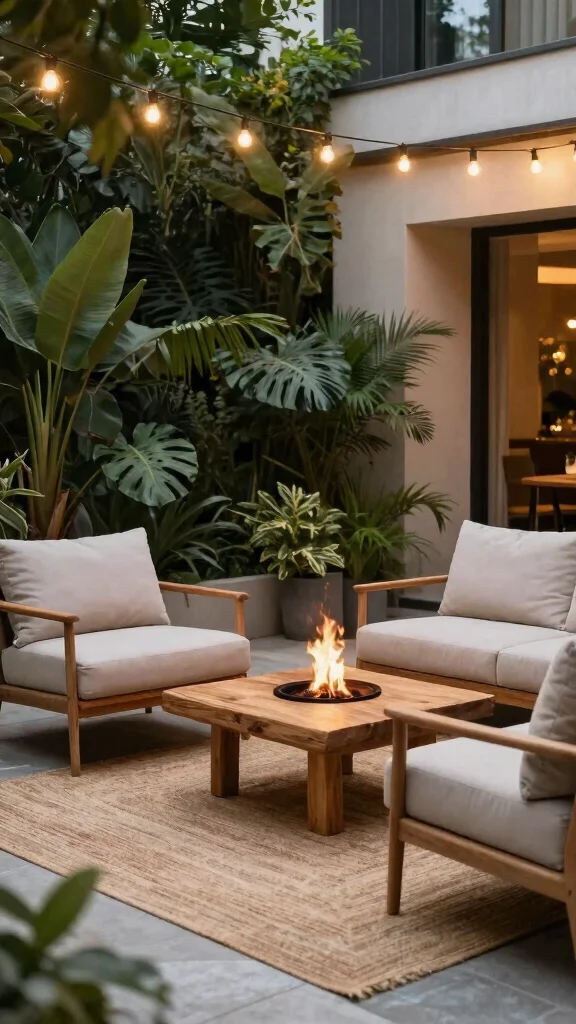
Outdoor furniture can shape how you experience your garden, acting as both functional and aesthetic elements. When selecting furniture, prioritize comfort and style to create inviting spaces. A cozy seating area with plush cushions encourages relaxation, while a well-placed dining set promotes gatherings and shared meals.
Strategically place furniture to establish distinct zones for various activities. For example, designate a corner with a fire pit for cozy evenings and another for dining. Opt for sustainable materials like recycled plastic or responsibly sourced wood to align with eco-friendly living.
Here are suggestions to enhance your outdoor spaces with furniture:
– Arrange a fire pit for evening gatherings
– Set up a cozy seating area with cushions
– Choose a dining set for alfresco meals
– Add outdoor rugs to define spaces
Thoughtfully chosen furniture not only adds comfort but also elevates the overall warmth and inviting nature of your garden.
6. Incorporate Colorful Annuals
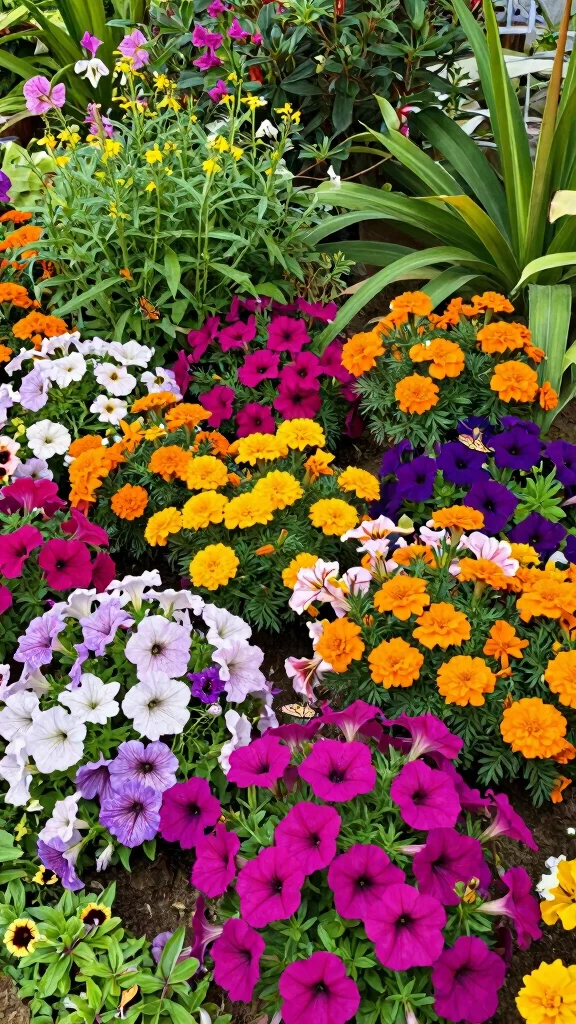
Incorporating annuals into your garden is a fantastic way to inject vibrant color and energy. Unlike perennials, annuals can be swapped out regularly, keeping your garden refreshing and lively. Consider using a mix of seasonal favorites like petunias, marigolds, and impatiens for stunning displays.
Plant them in clusters or intersperse them with perennials to create eye-catching patches of color. Utilizing containers for annuals allows for flexibility and can fill gaps in your layout beautifully.
Here are some tips for using annuals effectively:
– Plant petunias for vibrant color
– Use marigolds to repel pests
– Arrange impatiens for shaded areas
– Incorporate containers for flexibility
This colorful diversity not only fills empty spaces but also attracts pollinators, enriching your garden’s ecosystem.
7. Use Mulch and Ground Cover
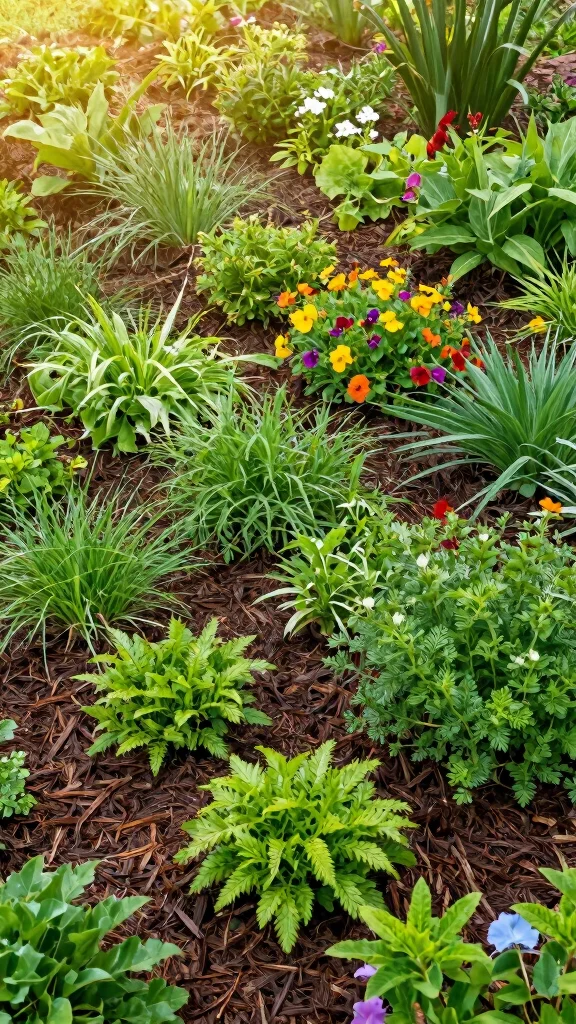
Mulch is essential for moisture retention and weed control, but it can also serve as an attractive element in your garden. Choose organic mulches like wood chips or bark to enhance the beauty of your garden beds. These materials can fill in gaps, making bare areas appear more intentional and polished.
For increased coverage, consider planting ground cover plants that spread easily. Varieties like creeping phlox or sedum not only offer beautiful blooms but also help prevent soil erosion, requiring less maintenance.
Here are some ideas for using mulch and ground cover:
– Apply wood chips for a natural look
– Use creeping phlox for seasonal blooms
– Plant sedum for low-maintenance coverage
– Ensure organic mulches for aesthetics and health
The combination of mulch and ground cover creates a lush, cohesive appearance, enhancing your garden’s overall texture.
8. Add Vertical Elements
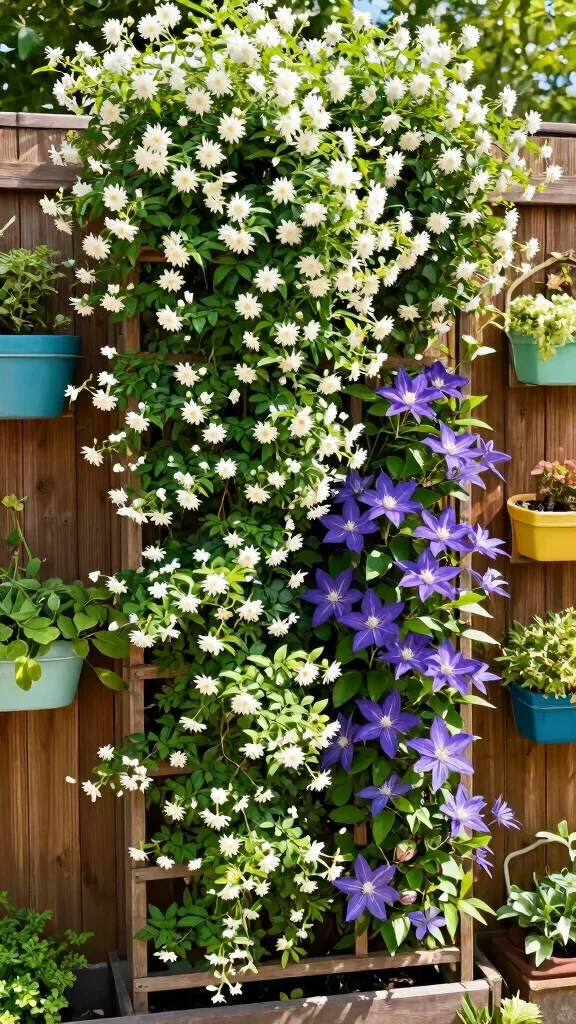
In a large garden, vertical elements can significantly enhance visual interest while conserving ground space. Consider using trellises, wall planters, or vertical gardens to incorporate greenery without occupying too much room. Climbing plants like jasmine or clematis can grow beautifully on these structures, adding height and delightful fragrances.
Even without wall space, freestanding vertical gardens can serve as stunning focal points. These features create living art that can be admired from multiple perspectives, enriching your space.
Explore these vertical gardening options:
– Install a trellis for climbing plants
– Use wall planters to save space
– Create a vertical garden for visual drama
– Incorporate freestanding structures for impact
These elements not only enhance the aesthetic but also maximize planting areas, making your garden feel lush and full.
9. Design with Sustainability in Mind
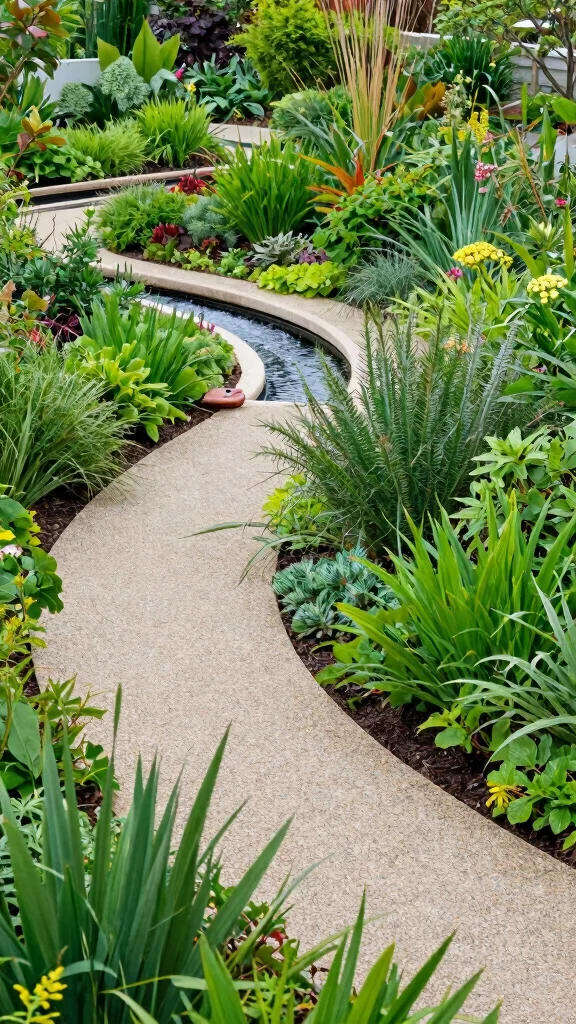
A sustainable approach to garden design not only benefits the planet but also creates a vibrant and inviting space. Utilizing native plants minimizes water needs and maintenance while providing habitats for local wildlife. Rain gardens can manage excess water efficiently, and composting systems recycle garden waste effectively.
Choose eco-friendly pathways made from materials like decomposed granite or mulch, and aim to reduce lawn areas to conserve water. Adding a rainwater collection system further enhances sustainability while making your garden feel well-planned and fuller.
Incorporate these sustainable practices:
– Use native plants for low maintenance
– Create rain gardens for water management
– Install eco-friendly pathways for style
– Add a rainwater collection system for conservation
This mindful approach nurtures the ecological balance of your garden, fostering a lush, textured environment that feels alive.
10. Personalize with Unique Decor
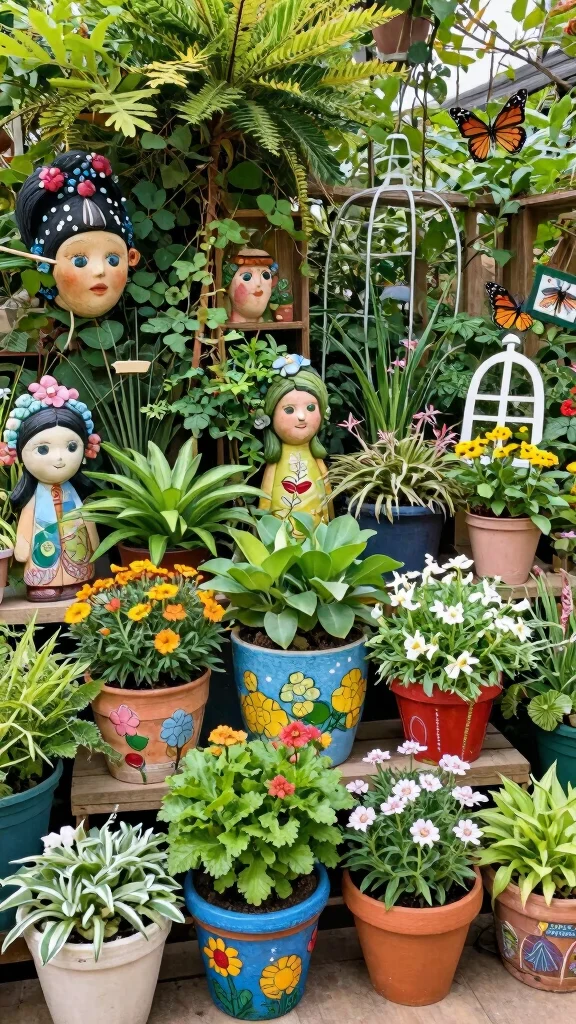
Adding personal touches to your garden can make it feel like an extension of your home. Incorporate elements that reflect your individuality, such as handmade planters, decorative stones, or vintage garden tools. Art pieces like sculptures or whimsical wind chimes can create a charming atmosphere that truly represents you.
Think about integrating hobbies into your garden, like a small herb patch near the kitchen or a butterfly garden filled with specific plants. These unique touches breathe life into your space, making it a welcoming environment for family and friends.
Consider these personalization ideas:
– Add handmade planters for character
– Use decorative stones for visual interest
– Install sculptures for artistic flair
– Create a butterfly garden for beauty and biodiversity
Your garden should not just be a collection of plants but a beautiful reflection of your personality and style.
Conclusion
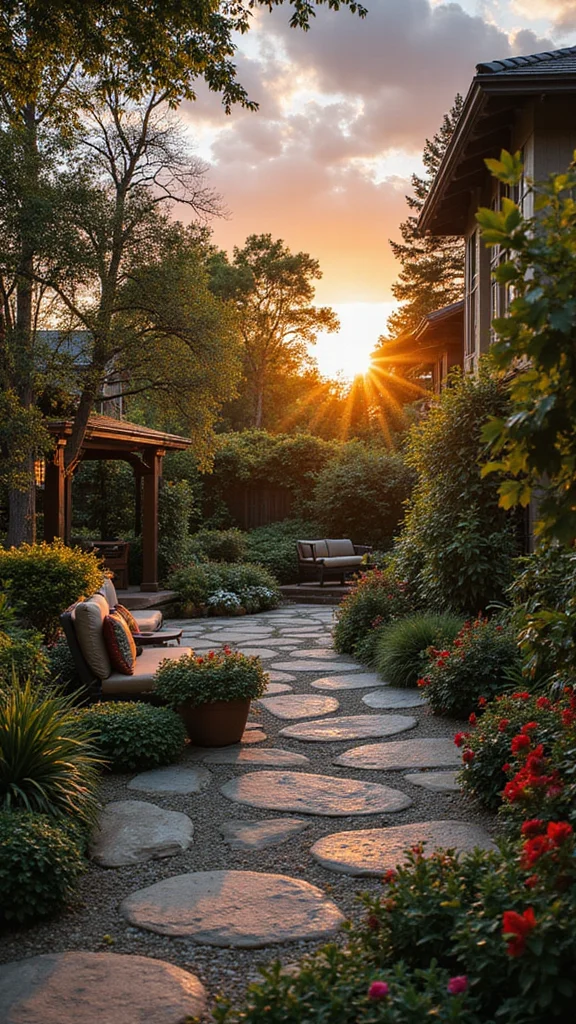
A large garden can be a stunning sanctuary when designed thoughtfully. By incorporating layers, focal points, and sustainable practices, you can transform vast spaces into inviting retreats filled with life and color.
Take your time exploring ideas and personalizing your garden to reflect who you are. After all, every detail contributes to the beauty of your outdoor haven.
Frequently Asked Questions
How can I design a large garden so it doesn’t feel empty?
Start with a plan to break the space into cozy ‘rooms’ and create focal points. Use large garden design techniques like layered planting, vertical interest, and varying textures to add depth. Add seating and subtle lighting with garden landscaping ideas that invite people to linger. For sustainability, choose native, drought-tolerant plants and incorporate space utilization in gardens to keep the area balanced and inviting.
How can I maximize space utilization in a large garden without it feeling cluttered?
Start by defining zones: a dining area, a seating nook, a play or herb area, and more. Use winding paths to reveal new corners and maintain sightlines. Choose modular garden furniture placement that can be rearranged for gatherings, and plant in layers to fill vertical space without crowding. Focus on sustainability by selecting multi-functional features and native plants; use space utilization in gardens to balance openness and coziness.
Which garden landscaping ideas work best for a sustainable large garden?
Native perennials, drought-tolerant species, and water-wise irrigation keep maintenance low and the landscape resilient. Mulch to retain soil moisture, create a rain garden to manage runoff, collect rainwater with barrels, and recycle materials for paths and borders. Pair these with energy-efficient outdoor lighting and garden landscaping ideas that reduce resource use for long-term sustainability.
Where should I place garden furniture placement in a large space to maximize comfort and flow?
Place seating to face focal views (like a water feature or specimen tree) and group pieces into intimate conversations, not in a single long line. Keep clear traffic routes, allow for shade and sun variation, and use weatherproof materials that fit the space’s scale. Start with a central anchor and then build around it with thoughtful garden furniture placement to maintain harmony and easy maintenance.
How can I create focal points in a large garden while keeping it cohesive?
Choose 1–3 strong focal points—such as a sculpture, a water feature, or a striking tree—and repeat colors or textures elsewhere to tie spaces together. Use guiding lines with pathways or plantings to lead the eye between areas, and ensure each focal point is sustainable and manageable. This approach to creating focal points in gardens helps maintain a connected, purposeful feel in large garden design.