
Gardening has me craving that fresh, earthy smell of soil and the joy of watching life bloom. If you’re into eco-friendly practices or just looking to make your garden a little greener, this post is for you. With the growing concern for our planet, many of us want to do our part without sacrificing the joy of gardening. That’s why I pulled together 15 eco-friendly gardening hacks that are sustainable, fun, and perfect for every level of gardener.
Imagine transforming your garden into a haven that not only looks beautiful but also supports Mother Nature. You’ll learn how to make use of kitchen scraps, create your own compost, and even how to choose plants that are friendly to local wildlife. Each tip is designed to help you cultivate a thriving garden while reducing your environmental footprint. Whether you’re a seasoned gardener or just starting out, these green tips will inspire you to embrace the chaos of gardening in an eco-conscious way.
By the end of this post, you’ll have a treasure trove of practical hacks under your belt. These ideas will help you save money, reduce waste, and create a garden that’s not just a haven for plants, but a sanctuary for wildlife as well. Let’s dig in and explore these eco-friendly gardening hacks that will make Mother Nature proud!
Key Takeaways
– Discover how to upcycle kitchen scraps into nutrient-rich compost, reducing waste while feeding your plants.
– Make your own natural fertilizers using simple ingredients, ensuring your plants grow strong without harsh chemicals.
– Learn about companion planting, which can help maximize your garden’s potential by using plants that benefit one another.
– Find out how to install a bee hotel, providing a safe haven for pollinators that are essential for your garden and the environment.
– Create a seed library to share and exchange seeds, promoting biodiversity and community engagement in gardening.
Contents
- 1. Upcycle Your Kitchen Scraps
- 2. Create a Compost Corner
- 3. Ditch the Plastic Pots
- 4. Water Wisely
- 5. Companion Planting
- 6. Make Your Own Natural Fertilizer
- 7. Utilize Old T-Shirts for Garden Ties
- 8. Harness the Power of Mulching
- 9. Use Natural Pest Control
- 10. Choose Native Plants
- 11. Plant a Pollinator Garden
- 12. Grow Vertical Gardens
- 13. Use Coconut Coir for Seed Starting
- 14. Install a Bee Hotel
- 15. Create a Seed Library
1. Upcycle Your Kitchen Scraps
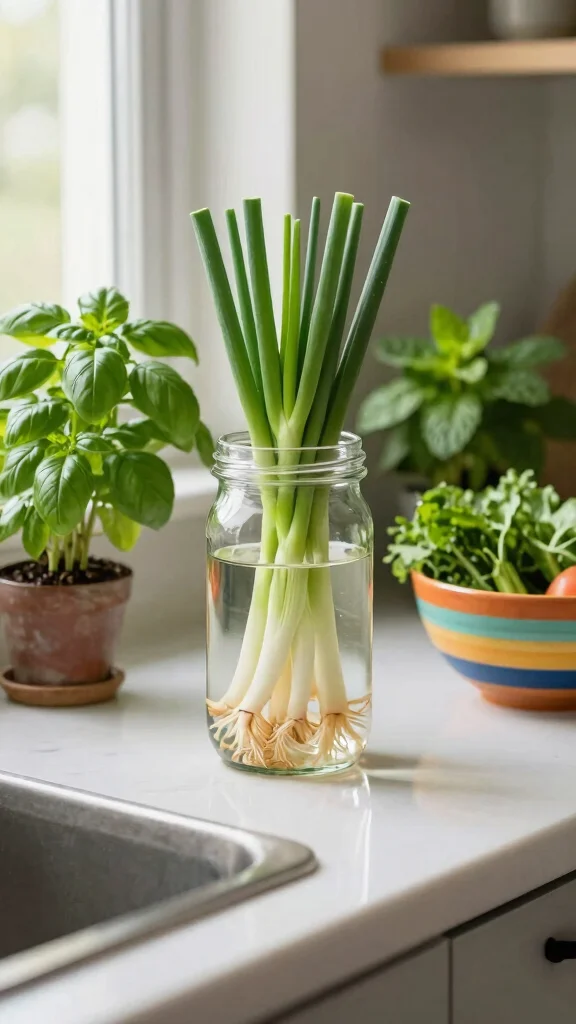
Transforming kitchen scraps into a thriving garden is a brilliant way to practice sustainability. By regrowing green onions, basil, or lettuce from their root ends, you create a cycle of life right on your windowsill. Just place those roots in water, and soon enough, you’ll have fresh herbs and veggies ready for your meals.
To get started, gather a few simple supplies from your kitchen. You can use a glass or small jar, along with the root ends of your chosen herbs or greens. This method is not only eco-friendly but also provides a rewarding connection to your food source.
Consider these steps to make the most of your kitchen scraps:
– Place root ends in a glass filled with water
– Change the water every few days for freshness
– Plant them in soil or continue harvesting from water
Watching your scraps flourish into food adds a joyful element to cooking. This practice enhances your meals while contributing positively to the environment.
2. Create a Compost Corner
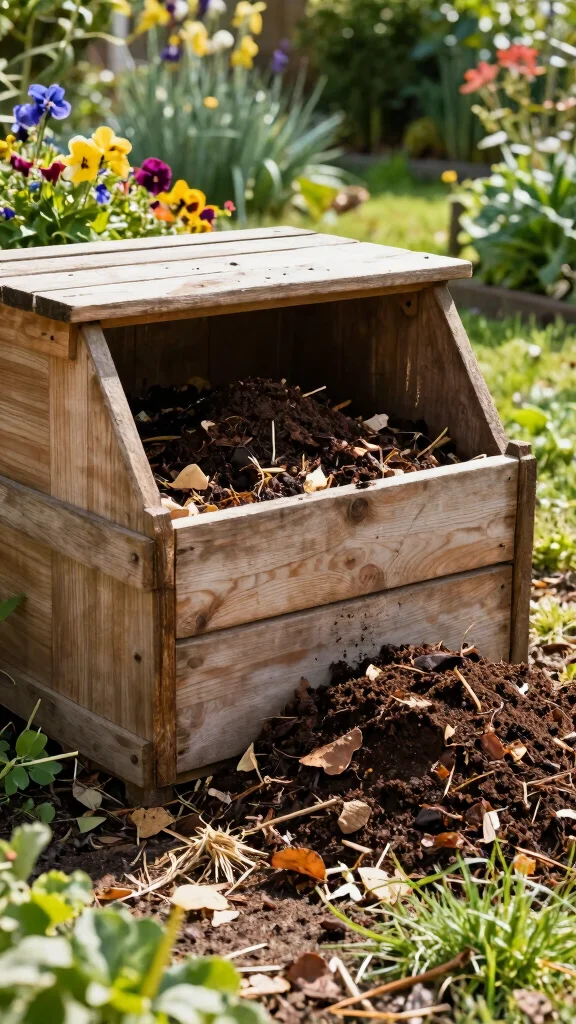
Setting up a compost corner is a fantastic way to turn waste into nourishment for your garden. By collecting kitchen scraps and yard waste, you can create a rich compost that enriches your soil and helps plants thrive. With minimal effort, you’ll reduce landfill waste and boost your garden’s health.
To begin composting, you’ll need a compost bin, which can be made from wooden pallets or bought as a tumbler. Gather kitchen scraps like vegetable peels and coffee grounds, along with yard waste such as grass clippings and leaves. This simple practice not only benefits your plants but also contributes to a sustainable lifestyle.
Here’s how to get your compost going:
– Layer brown materials like dry leaves with green scraps
– Keep the compost moist and turn it regularly
– Use the finished compost in your garden after a few months
This eco-friendly initiative not only reduces waste but also fosters a healthier garden that flourishes without synthetic fertilizers.
3. Ditch the Plastic Pots
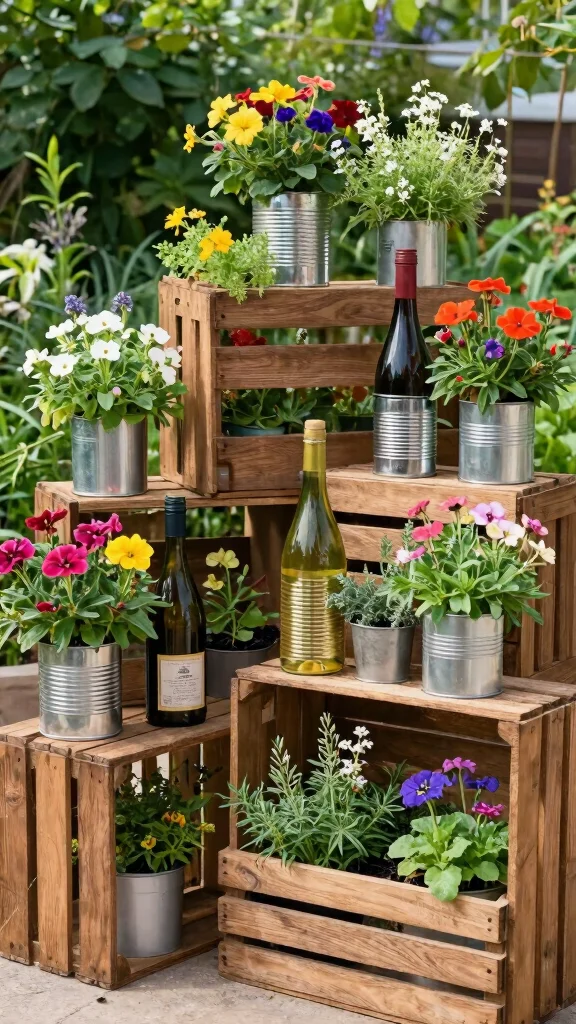
Instead of using plastic pots that clutter your garden and harm the planet, consider creative and stylish alternatives. Old wooden crates, tin cans, or wine bottles can be repurposed into beautiful planters. This approach not only reduces waste but adds character to your garden.
To implement this idea, gather materials you already have at home. Make sure to choose containers that allow for proper drainage. This eco-friendly choice enhances your garden’s appearance while promoting sustainability.
Follow these steps for your eco-friendly planters:
– Clean and prepare your chosen containers
– Fill with quality soil and plant your favorites
– Arrange them for a charming garden display
These unique materials not only reduce plastic waste but also encourage creative gardening. Your plants will flourish in their new homes while you enjoy a visually appealing space.
4. Water Wisely
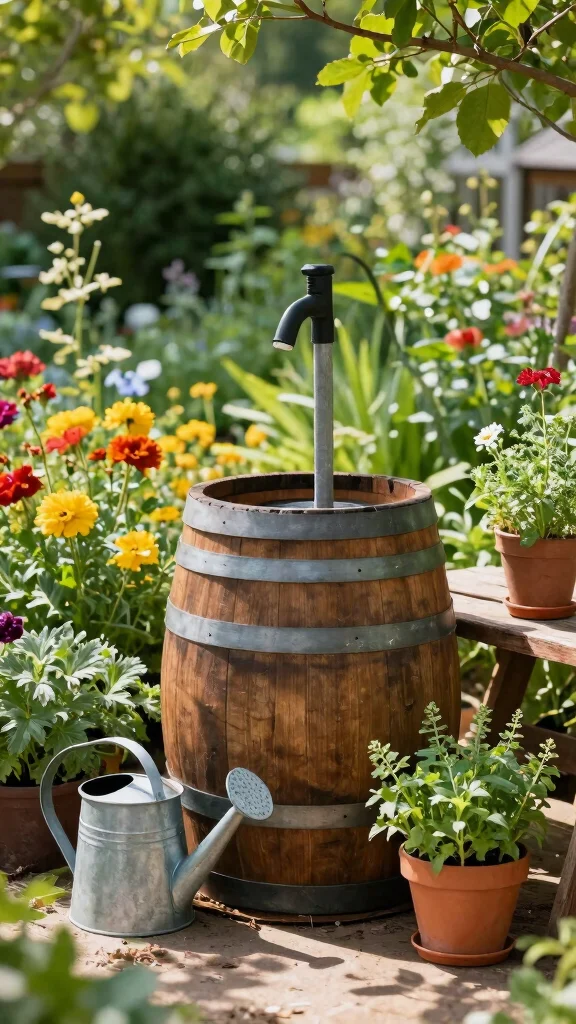
Watering your garden doesn’t need to lead to wastefulness. Collecting rainwater in barrels or repurposing old containers can provide your plants with the hydration they need while conserving resources. This practice not only benefits your garden but also helps the environment by utilizing natural resources.
To set up a rainwater collection system, find a rain barrel or a large container with a lid to keep debris out. This method ensures your plants receive nutrient-rich water, making them healthier and happier through dry spells.
Here’s how to set it up:
– Place the barrel beneath a downspout
– Ensure it has a filtration system
– Use the collected water to nourish your plants
This sustainable practice reduces your water bills and gives your plants the benefit of rainwater, creating a harmonious relationship between your garden and nature.
5. Companion Planting
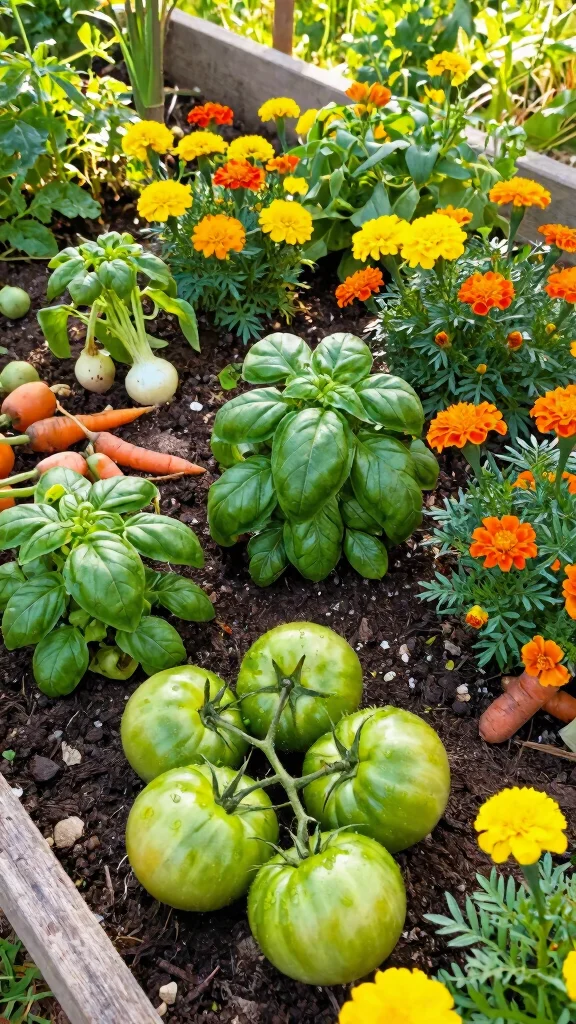
Companion planting is an effective strategy that promotes harmony in your garden. By pairing different plants that benefit each other, you can naturally repel pests, enhance growth, and even improve flavors. For example, planting basil near tomatoes can boost both their growth and taste.
To make the most of companion planting, research which plants thrive together. This approach not only maximizes your garden space but also creates a thriving ecosystem that supports plant health and productivity.
Consider these companion pairings:
– Pair tomatoes with basil for flavor enhancement
– Combine carrots and onions for pest deterrence
– Use marigolds among vegetables to repel harmful insects
By strategically planning your garden layout, you create a symbiotic environment that fosters growth and minimizes pest issues, enhancing your gardening experience.
6. Make Your Own Natural Fertilizer
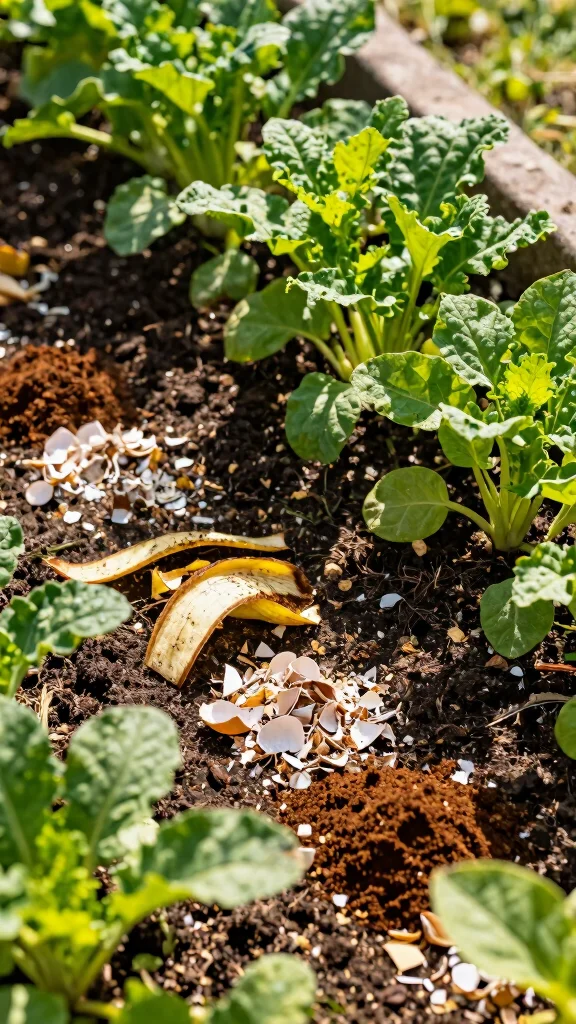
Choosing homemade fertilizers over chemical options is a great way to nurture your plants and the environment. You can create a nutrient-rich fertilizer from common kitchen scraps like banana peels, coffee grounds, and eggshells. This method not only recycles waste but also provides essential nutrients to your garden.
To craft your natural fertilizer, gather these materials: banana peels for potassium, coffee grounds for nitrogen, and crushed eggshells for calcium. This simple approach is effective and promotes healthy plant growth without harmful additives.
Follow these steps to nourish your garden:
– Chop banana peels and mix them into the soil
– Sprinkle coffee grounds around plant bases
– Crumble eggshells and incorporate them into the soil
This eco-conscious choice not only enhances your plants’ health but also reduces waste, allowing you to grow a flourishing garden sustainably.
7. Utilize Old T-Shirts for Garden Ties
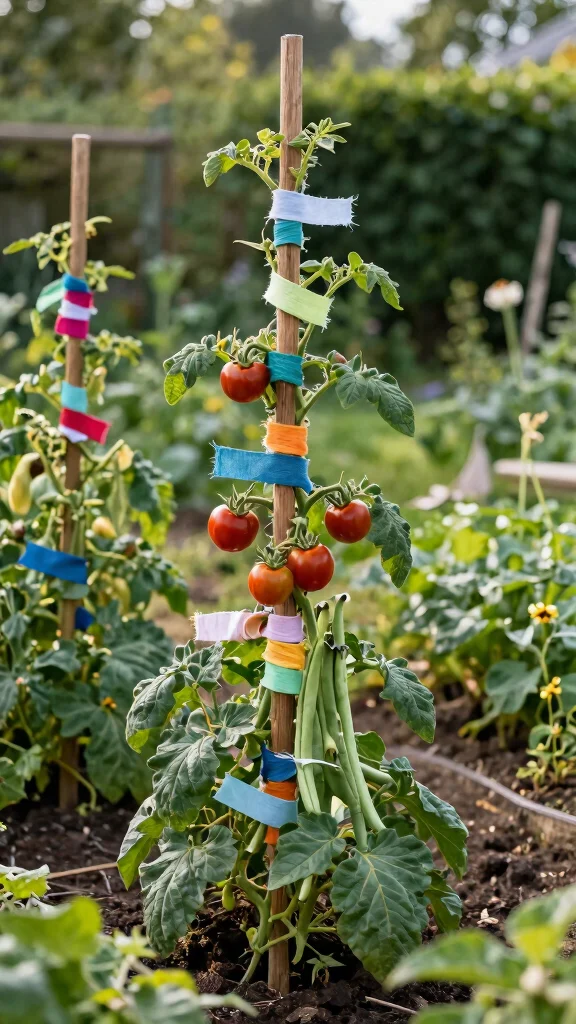
Instead of purchasing garden ties, you can repurpose old t-shirts to support your plants. This eco-friendly solution not only keeps your plants upright but also reduces waste. Simply cut the fabric into strips to create soft and breathable ties for climbing vines or young saplings.
To implement this idea, gather old cotton t-shirts and prepare to cut them into long strips. This simple project is a great way to clean out your closet while providing support to your garden plants.
Follow these steps for your DIY garden ties:
– Cut the t-shirts into strips of desired length
– Tie them securely around the stems of your plants
– Use these ties for climbing plants like tomatoes or beans
This practical hack not only saves money but also gives your plants the gentle support they need, all while contributing to a greener planet.
8. Harness the Power of Mulching
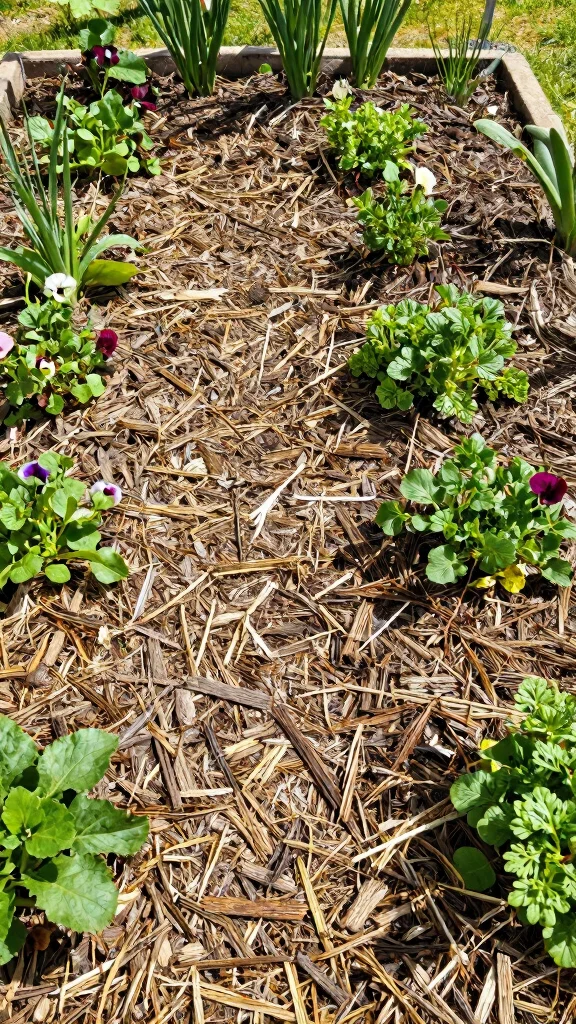
Mulching is an essential practice for any gardener. It helps retain moisture, suppress weeds, and enriches the soil as it breaks down. Utilizing organic materials like straw, wood chips, or shredded leaves as mulch around your plants can significantly boost their health.
To start mulching, gather materials that are easy to source and affordable. Spreading mulch not only improves your garden’s appearance but also offers multiple benefits for plant growth and moisture retention.
Here’s how to effectively apply mulch:
– Spread a 2-3 inch layer around your plants
– Keep mulch away from plant stems to prevent rot
– Refresh the mulch each season for continued benefits
This simple technique enhances your garden’s beauty while promoting a healthy environment for your plants to thrive.
9. Use Natural Pest Control
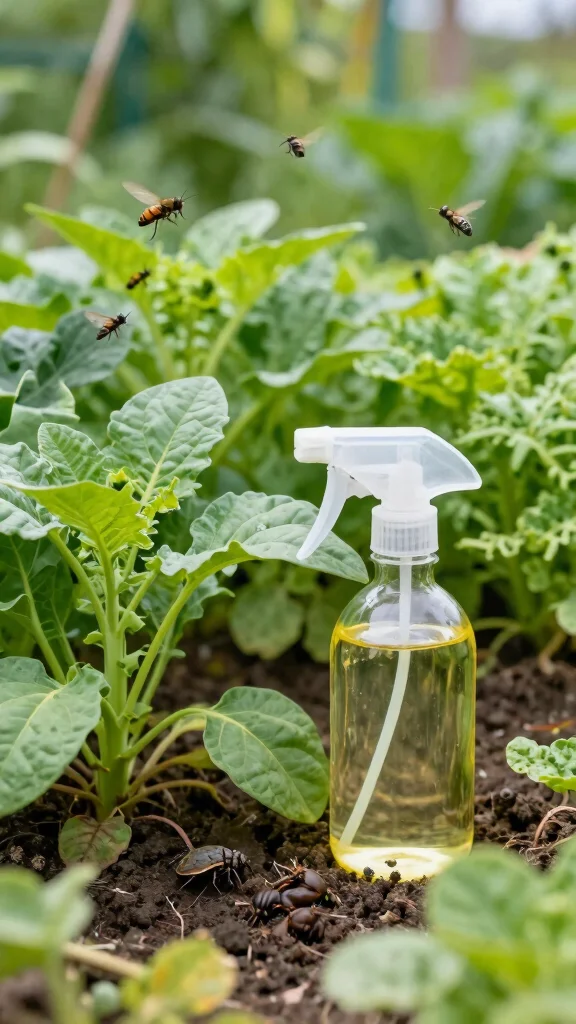
If you’re tired of dealing with pests, consider natural alternatives like neem oil, garlic spray, or insecticidal soap. These eco-friendly solutions are safe for your plants and the environment while effectively keeping unwanted insects at bay. Making your own pest control products is simple and rewarding.
To create your pest control sprays, gather ingredients like neem oil or crushed garlic mixed with water. These natural concoctions protect your garden while preserving beneficial insects and microorganisms.
Follow these steps to create your pest control:
– Mix neem oil with water in a spray bottle
– For garlic spray, steep crushed cloves in water overnight
– Strain and spray directly on affected plants
Using these methods allows you to maintain a healthy garden while feeling good about protecting your plants in the most organic way.
10. Choose Native Plants
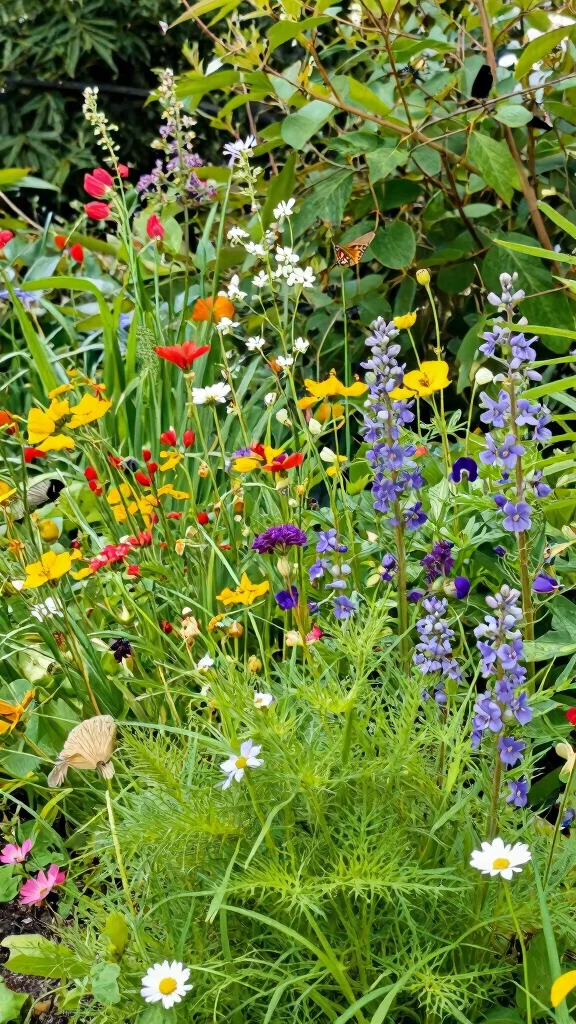
Planting native species is a fantastic way to support local ecosystems. Native plants are well-suited to your area’s climate and soil, requiring less water and maintenance while attracting beneficial wildlife such as pollinators. This approach not only beautifies your garden but also contributes to the health of the local environment.
To implement native planting, research which species thrive in your area and create a garden plan. Incorporating these plants fosters biodiversity and creates a vibrant, low-maintenance space.
Consider these steps for native planting:
– Visit local nurseries for native plants
– Design your layout to include diverse flora
– Enjoy a thriving garden that supports local wildlife
Choosing native plants not only enhances your garden’s beauty but also nurtures the natural landscape, making your outdoor space more harmonious with nature.
11. Plant a Pollinator Garden
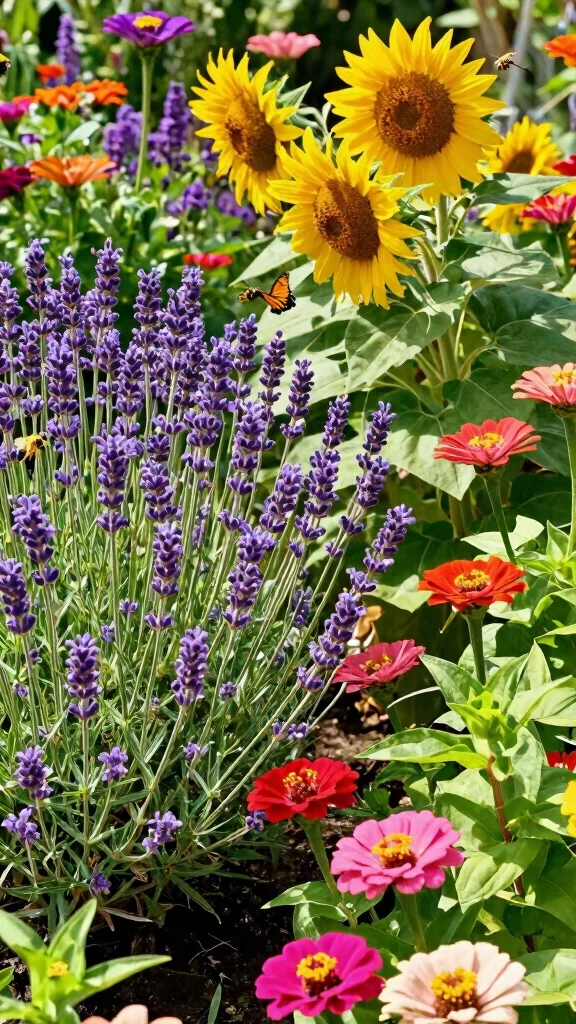
Creating a pollinator garden is a wonderful way to support local ecosystems and attract essential wildlife. Incorporating flowers such as lavender, sunflowers, and zinnias not only beautifies your garden but also provides food for bees and butterflies. This type of garden is vital for maintaining healthy plant populations.
To get started on your pollinator garden, select a variety of flowers that bloom at different times throughout the seasons. Avoid using pesticides to keep your pollinators safe and thriving.
Follow these steps to create your vibrant space:
– Choose a sunny area in your garden
– Plant a mix of flowering plants for year-round food
– Maintain a pesticide-free environment
Creating a pollinator garden not only enhances your outdoor space but also plays an important role in supporting declining pollinator populations, making it a rewarding endeavor.
12. Grow Vertical Gardens
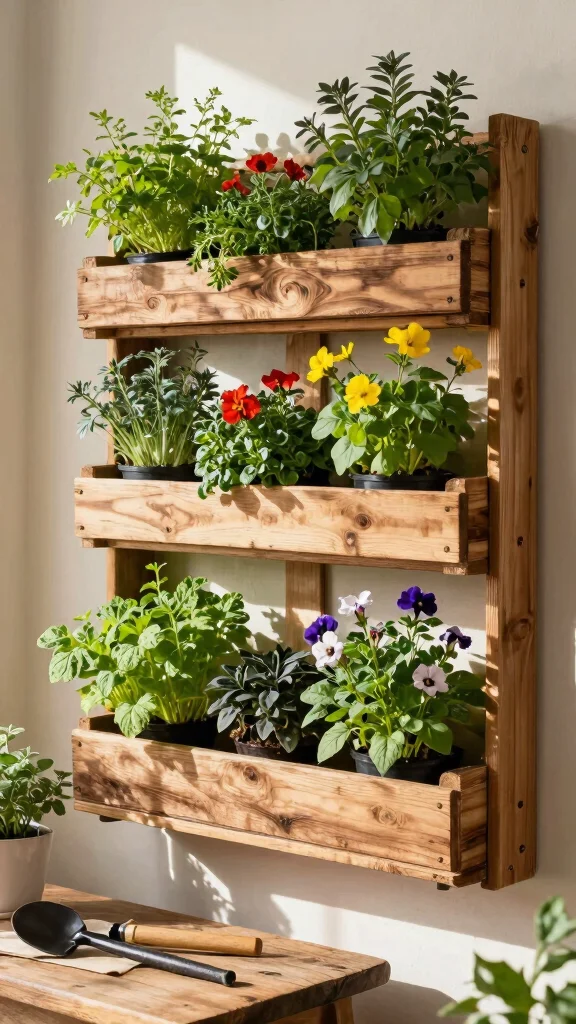
If space is limited, consider vertical gardening as an innovative solution. You can use trellises, wall pockets, or wooden pallets to maximize your gardening area while creating an eye-catching display. Vertical gardens not only save space but also add depth and dimension to your outdoor space.
To create your vertical garden, gather structures that fit your available area. Select your favorite herbs or flowers to plant in these vertical spaces for a stunning and functional display.
Here’s how to set up your vertical garden:
– Choose a vertical structure that suits your space
– Fill pockets or pots with quality potting soil
– Water and maintain regularly for healthy growth
This creative gardening approach allows you to enjoy a lush and beautiful garden, even in small spaces.
13. Use Coconut Coir for Seed Starting
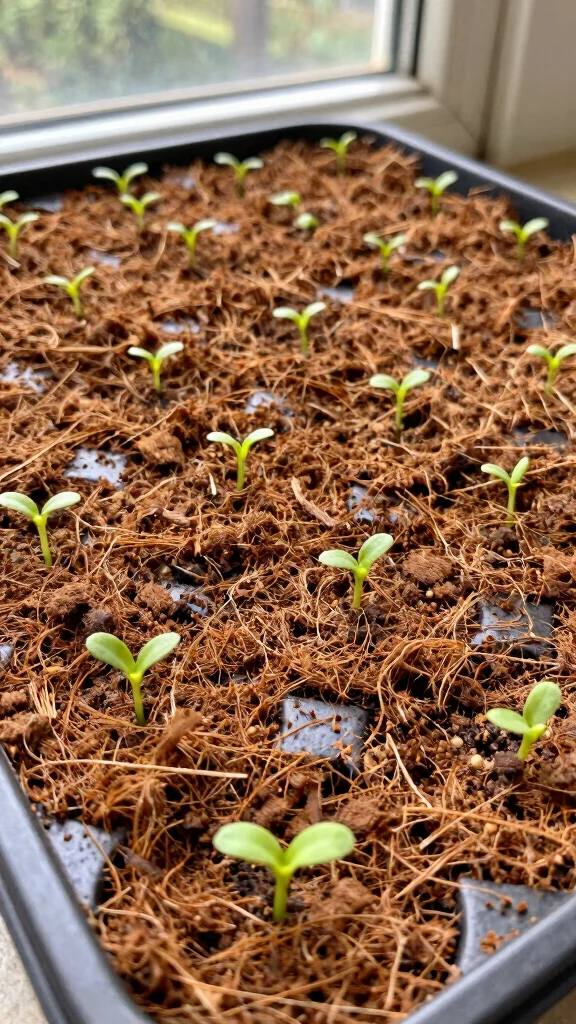
For seed starting, coconut coir is an excellent, eco-friendly alternative to traditional peat pots. This sustainable material retains moisture and provides excellent aeration, giving your seeds the best possible start. By switching to coconut coir, you also support environmentally responsible gardening practices.
To use coconut coir, simply soak the coir blocks or bricks in water until they expand. Fill your seed trays with this moistened coir for a nurturing base that promotes healthy seedling growth.
Follow these steps for successful seed starting:
– Soak coir in water until fully expanded
– Fill seed trays or containers with the coir
– Plant your seeds and keep them moist for germination
This small yet impactful switch contributes to a more sustainable gardening practice, ensuring your seedlings thrive from the very beginning.
14. Install a Bee Hotel
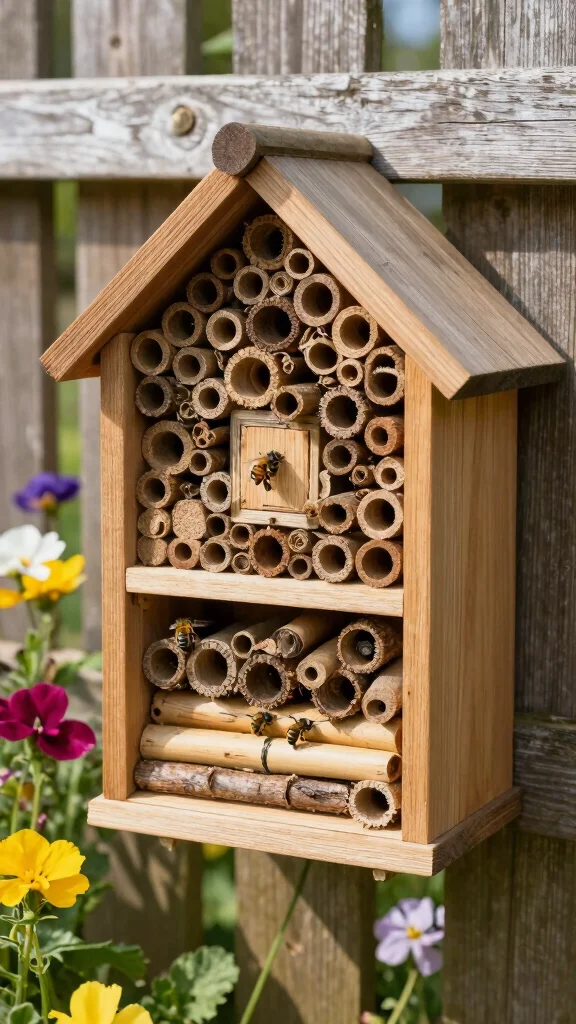
Installing a bee hotel in your garden is a wonderful way to support your local bee population. These simple structures provide shelter for solitary bees, which play a crucial role in pollination for many plants. By creating a bee hotel, you not only help the bees but also enhance your garden’s biodiversity.
To create your own bee hotel, gather materials like hollow sticks, bamboo, or drilled wood. Assemble them inside a small wooden box to create a cozy habitat for these essential pollinators.
Here’s how to set up your bee hotel:
– Collect materials like bamboo or hollow sticks
– Assemble them inside a wooden box
– Place the hotel in a sunny, sheltered area
Adding a bee hotel not only supports pollinators but also adds a unique feature to your garden, making a positive impact on the environment.
15. Create a Seed Library
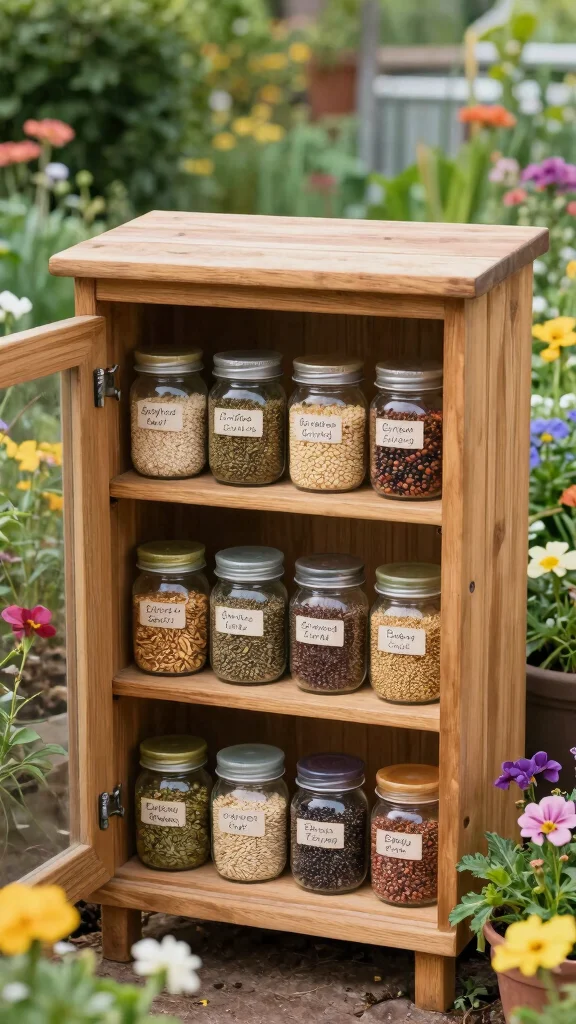
Starting a seed library is a fantastic way to foster community gardening and promote biodiversity. By sharing seeds collected from your own plants, you help others grow their gardens without the cost of purchasing new seeds. This initiative strengthens community ties while encouraging local plant varieties.
To begin your seed library, gather and label seeds from your garden. Create an inviting display or box for local gardeners to access and share seeds. This simple act can promote gardening and enrich your community.
Follow these steps to establish your seed library:
– Collect and label seeds from your own plants
– Set up a display at a community center or your home
– Encourage neighbors to share and return seeds
This initiative not only spreads the joy of gardening but also preserves local biodiversity, making your community garden richer and more diverse.
Conclusion
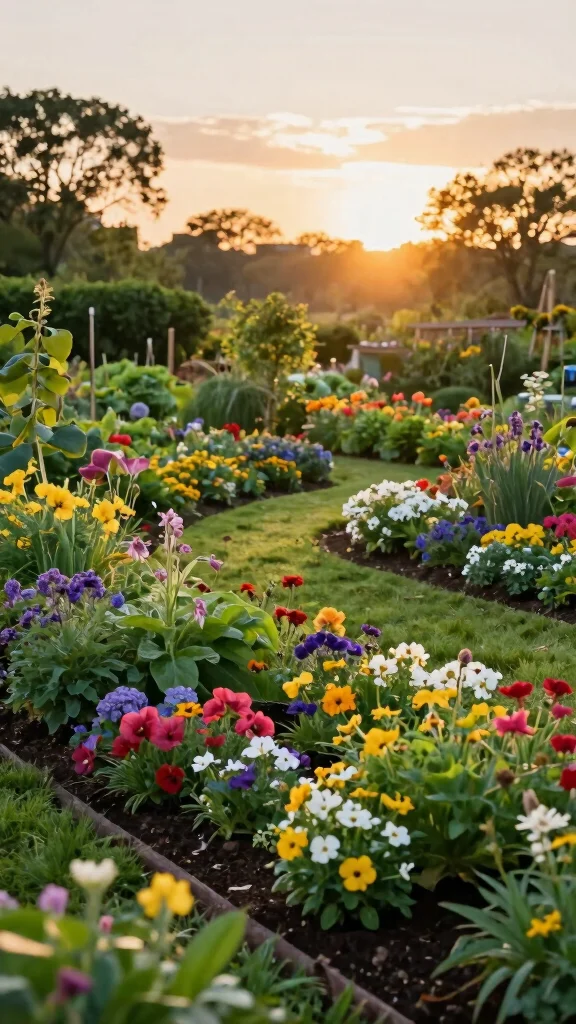
Embracing eco-friendly gardening hacks doesn’t just cultivate a beautiful space; it fosters a deeper connection with nature. By implementing these sustainable practices, you’re not only enhancing your home decor but also ensuring a brighter future for our planet.
Try these tips and see how your garden flourishes, and don’t forget to share your own creative adaptations with others. Happy gardening!
Frequently Asked Questions
What is chaos gardening and how can it fit into eco-friendly gardening with sustainable, green tips?
Chaos gardening is a playful, imperfect approach to growing plants where edibles, ornamentals, and pollinator-friendly varieties mingle in a dynamic, ever-changing layout. It embraces experimentation while staying kind to the planet.
It pairs beautifully with sustainable practices and easy green tips like mulching, rainwater harvesting, and upcycling old containers to reduce waste.
Practical steps: 1) sketch a loose map of sun, shade, and moisture, then place plants in adaptable zones; 2) reuse jars, crates, or buckets as planters; 3) choose native or drought-tolerant species to lower water needs; 4) compost kitchen scraps and yard waste to feed the soil; 5) mulch to cut evaporation and suppress weeds; 6) use natural pest controls and rotate crops to keep soil healthy.
Embrace the spirit of chaos gardening while keeping eco-friendly goals front and center.
What are some easy, actionable green tips to reduce waste and water usage in an eco-friendly garden?
Start with a simple plan that saves resources and looks great.
Capture rainwater in a barrel or tote and use it for irrigation. Install a drip irrigation system or soaker hoses with a timer to deliver water directly to roots, reducing waste.
Mulch generously with shredded leaves, straw, or wood chips to retain soil moisture and suppress weeds. Choose native or drought-tolerant plants that thrive with less water. Reuse kitchen scraps and yard waste to build a ready-to-use compost instead of sending materials to the landfill.
When possible, avoid chemical pesticides; opt for organic, soil-friendly solutions. Keep a close eye on weather and water only when needed.
Which plants and design ideas maximize sustainability in small spaces or balconies?
Small spaces can be lush with the right setup.
Go vertical: install trellises, wall-mounted planters, and hanging baskets to multiply green space without expanding the footprint. Choose compact varieties and herbs that suit your light: sun-loving basil, peppers, or sunflowers in containers; shade-friendly greens like lettuce, spinach, and kale. Use raised beds or deep window boxes to improve drainage and soil depth. Recycle containers from around the house or thrift-store finds to create a cohesive look. Mulch and mix textures with stones or wood for a natural, sustainable aesthetic.
Remember to group plants with similar water needs for efficient care and sustainable upkeep.
How can I start composting at home and use it to nourish my eco-friendly garden?
Composting is the heart of healthy soil.
Choose between a closed-bin system, a tumbler, or worm composting (vermicomposting) for faster results. Layer greens (fruit scraps, coffee grounds, fresh grass) with browns (dry leaves, shredded paper, wood chips) in a balanced mix. Keep it damp like a wrung-out sponge and turn or mix every week to aerate.
What not to compost: meat, dairy, fats, or diseased plants. When your finished compost is rich and earthy, apply a 1-2 inch mulch or till it into garden beds to improve soil structure, moisture retention, and nutrient content.
Use the compost in pots and garden beds to support healthy plant growth and roots.
How can I translate eco-friendly gardening hacks into home decor for a cohesive look?
Turn your garden into a design feature that complements your space.
Choose planters and containers with textures and colors that match your decor palette. Incorporate a focal green wall or a vertical herb garden that doubles as an art piece. Use upcycled containers, reclaimed wood, or stone accents to create natural layers and interest.
For a cohesive look, coordinate your plant choices with your color scheme and lighting: bright flowers for accent, green foliage for calm, and seasonal swaps to keep it fresh. If you’re aiming for chaos gardening, mix heights, shapes, and colors intentionally and balance with a consistent color theme and clean lines to avoid clutter.
By blending eco-friendly hacks with thoughtful decor, your home will feel inviting and naturally connected to Mother Nature.