
Spring is in the air, and it’s hard not to feel inspired to fill your yard with color. You may be looking at your garden and craving a fresh take on flower beds. If you’re someone who loves to bring a pop of cheer into your outdoor spaces, you’re in the right place. I created this post to share some delightful ideas that will transform your yard into a vibrant oasis.
This guide is designed for anyone eager to brighten their yard with easy and colorful flower bed designs. Whether you’re a seasoned gardener or just starting out, you’ll find inspiration and practical advice here. You’ll discover how to create stunning flower beds that not only boost your home’s curb appeal but also invite joy and tranquility into your life.
Prepare to explore 17 ideas that are not just visually appealing but also easy to implement. From charming cottage gardens to bold monochromatic themes, each concept will help you craft the perfect cutting garden. Let’s dive into a world of colors, textures, and blooms that will make your outdoor space truly come alive!
Key Takeaways
– Explore 17 easy and colorful flower bed ideas that will transform your yard and boost its appeal.
– Learn about different styles, such as vibrant perennial flower beds and charming cottage gardens, to find the perfect fit for your space.
– Discover the benefits of pollinator-friendly gardens and how they can enhance your landscape while supporting local wildlife.
– Get tips on maintaining low-maintenance flower beds, including xeriscaping strategies that save water and effort.
– Use seasonal color schemes and themed flower beds to create a dynamic outdoor space that changes with the seasons.
Contents
- 1. Vibrant Perennial Flower Beds
- 2. Charming Cottage Garden Style
- 3. Monochromatic Magic
- 4. Edible Flower Gardens
- 5. Pollinator-Friendly Spaces
- 6. Vertical Flower Gardens
- 7. Themed Flower Beds
- 8. Seasonal Color Schemes
- 9. Flower Bed Borders
- 10. Wildflower Meadows
- 11. Container Gardens
- 12. Low Maintenance Xeriscaping
- 13. Perennial and Annual Mix
- 14. Garden Pathways with Flowers
- 15. Shade Gardens
- 16. Creative Use of Rocks and Stones
- 17. Incorporating Water Features
1. Vibrant Perennial Flower Beds
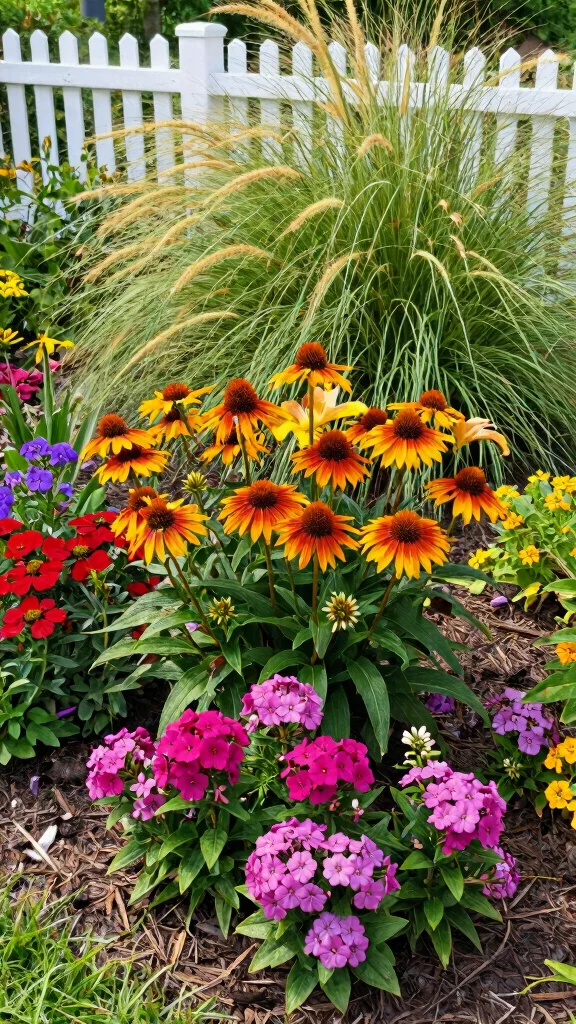
Perennials are the heart and soul of any garden, providing a consistent splash of color year after year. This enduring appeal comes from their ability to thrive with minimal care while offering a stunning array of colors like deep purples from coneflowers, vibrant yellows from daylilies, and soft pinks from garden phlox. Combining these varieties can create a breathtaking backdrop that transforms your yard into a lush oasis.
To make the most of your perennial flower beds, ensure you space your plants based on their mature size, allowing room for them to flourish. Using mulch around these plants will help retain moisture and keep pesky weeds at bay. Adding ornamental grasses can introduce delightful textures, enhancing the visual depth of your garden.
Consider these tips for planting vibrant perennials:
– Pair coneflowers with daylilies for rich color contrast.
– Install garden phlox in clusters for a bold impact.
– Use ornamental grasses to add movement and texture.
With thoughtful care and selection, your perennial flower bed can evolve into a captivating retreat that flourishes beautifully through every season.
2. Charming Cottage Garden Style
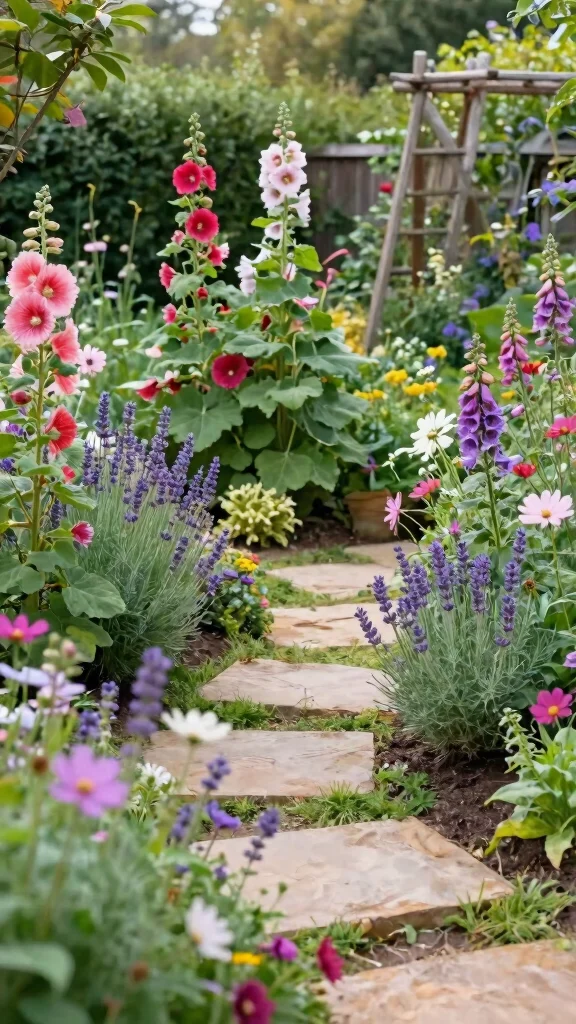
Cottage gardens embody a sense of whimsy and charm, overflowing with a delightful mix of flowering plants and fragrant herbs. This style works wonders by blending various colors and textures, creating a patchwork of blooms that feels both inviting and alive. Consider adding hollyhocks, cosmos, and foxgloves to capture the enchanting spirit of a classic cottage garden.
To achieve this look, layer plants of different heights for added depth and interest. Introducing herbs like lavender or rosemary not only enhances the beauty but also fills the air with lovely scents. Incorporating natural wood elements, such as trellises or rustic fencing, can further enrich the garden’s cozy aesthetic.
Embrace these ideas for your cottage garden:
– Layer hollyhocks with foxgloves for height variation.
– Mix in lavender for fragrance and beauty.
– Use trellises to support climbing plants and add structure.
This approach creates an inviting space that not only captivates the eye but also welcomes pollinators and beneficial insects, enhancing your garden’s ecosystem.
3. Monochromatic Magic
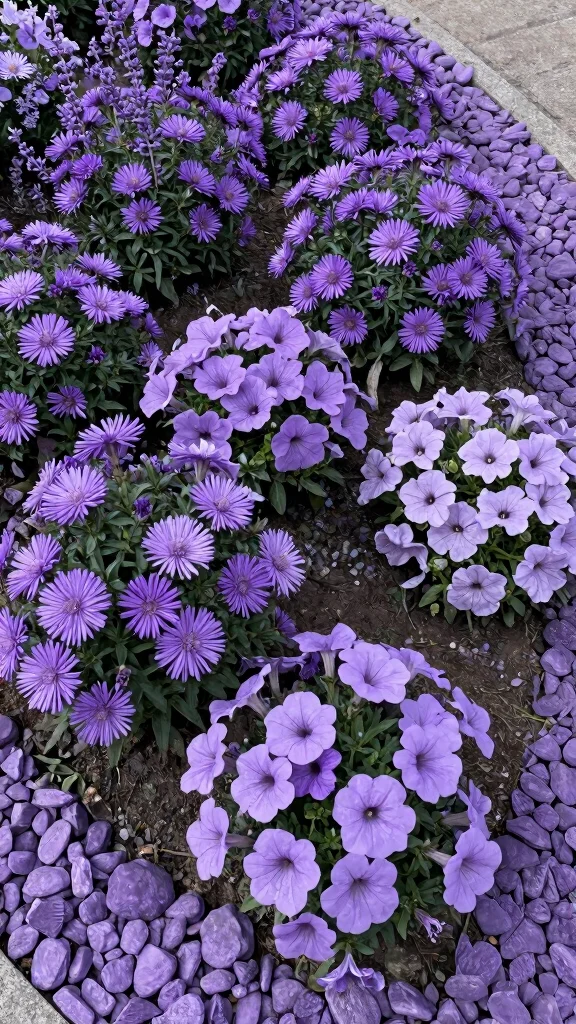
Embracing a monochromatic color scheme in your flower beds can create a visually stunning and serene environment. This design approach allows you to explore various shades and textures of a single color, resulting in a cohesive and elegant look. For example, planting different shades of purple, such as aster, lavender, and petunia, can create a striking visual that draws the eye.
To keep your garden dynamic, mix textures, like fluffy asters paired with smooth petunias, to add depth and interest. Utilizing dark green foliage can enhance the overall contrast, making your blooms pop even more. Decorative stones in complementary shades can also enrich the garden’s aesthetic.
Consider these strategies for a successful monochromatic garden:
– Mix asters with petunias for varied texture.
– Use dark foliage to create contrast.
– Accentuate beds with decorative stones in matching colors.
A monochromatic design not only provides a sense of unity but also highlights the unique beauty of each flower, fostering a tranquil atmosphere in your outdoor space.
4. Edible Flower Gardens
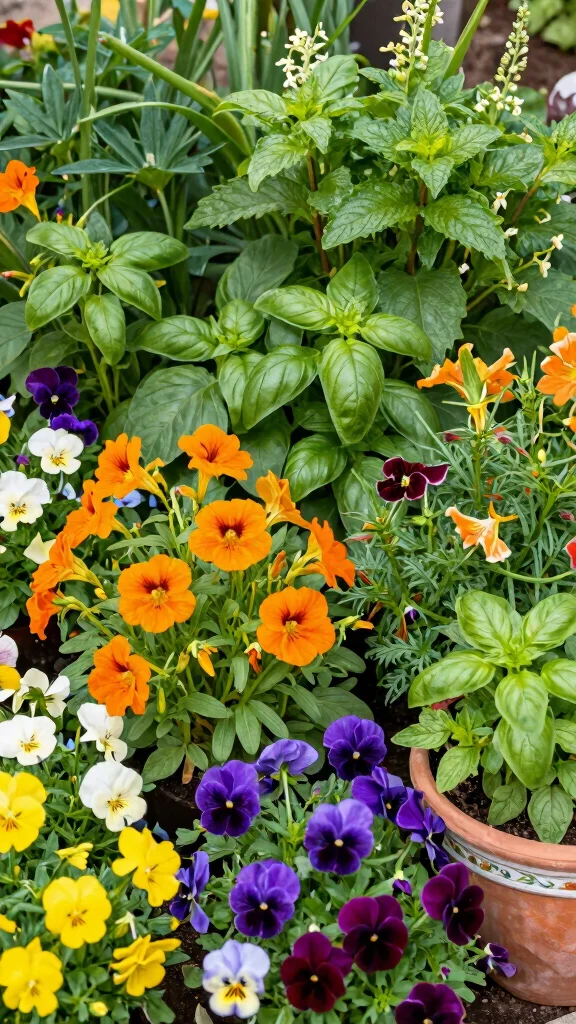
Why not blend beauty with utility in your garden? Edible flowers, such as nasturtiums, pansies, and calendula, add vibrant colors and can enhance your culinary creations. These flowers are easy to grow and can be incorporated into salads or used as stunning garnishes.
For optimal growth and flavor, select a sunny spot for your edible flowers. Practicing crop rotation can keep your soil healthy and thriving. Additionally, consider the companionship of these plants with pollinators to create a flourishing garden ecosystem.
Here are some tips for planting edible flowers:
– Choose sunny spots for best growth.
– Rotate crops seasonally to maintain soil health.
– Include companion plants that attract pollinators.
With a splash of creativity, your edible flower garden can serve as both a beautiful focal point and a source of fresh ingredients for your kitchen.
5. Pollinator-Friendly Spaces
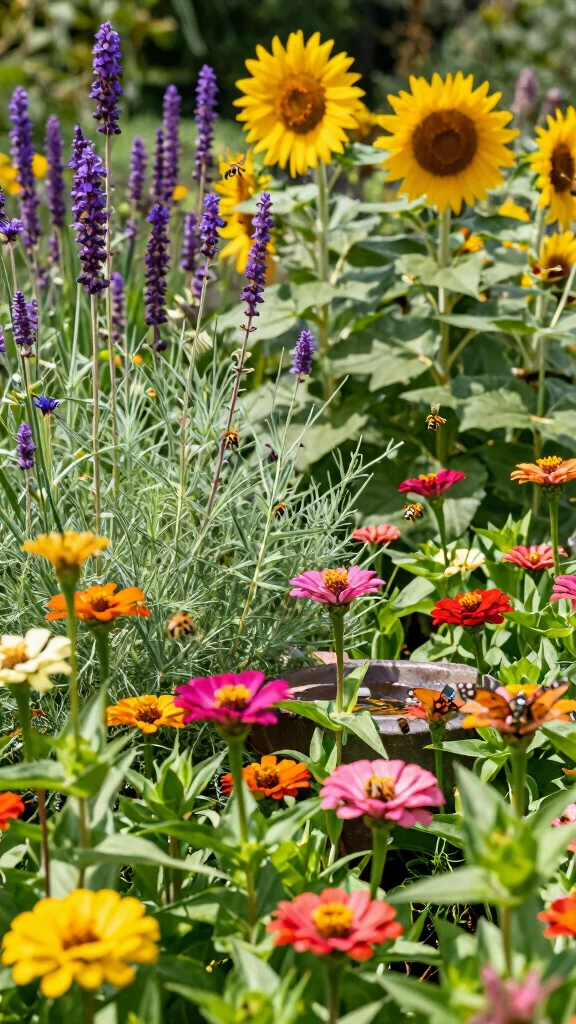
Creating a pollinator-friendly garden not only supports nature but also injects life and vibrancy into your outdoor space! By selecting bright, nectar-rich flowers like zinnias, bee balm, and sunflowers, you can attract bees and butterflies, creating a lively ecosystem.
To enhance visibility for pollinators, group flowers together in clusters. Avoiding pesticides will help create a safe haven for these helpful creatures. Including native plants can further enhance the garden’s appeal to local pollinator species.
Implement these strategies for a pollinator-friendly garden:
– Group flowers for visibility to pollinators.
– Avoid pesticides to ensure safety.
– Include native plants to attract local species.
This not only nurtures the ecosystem but also brings a colorful array of blooms throughout the growing season, enriching your garden experience.
6. Vertical Flower Gardens
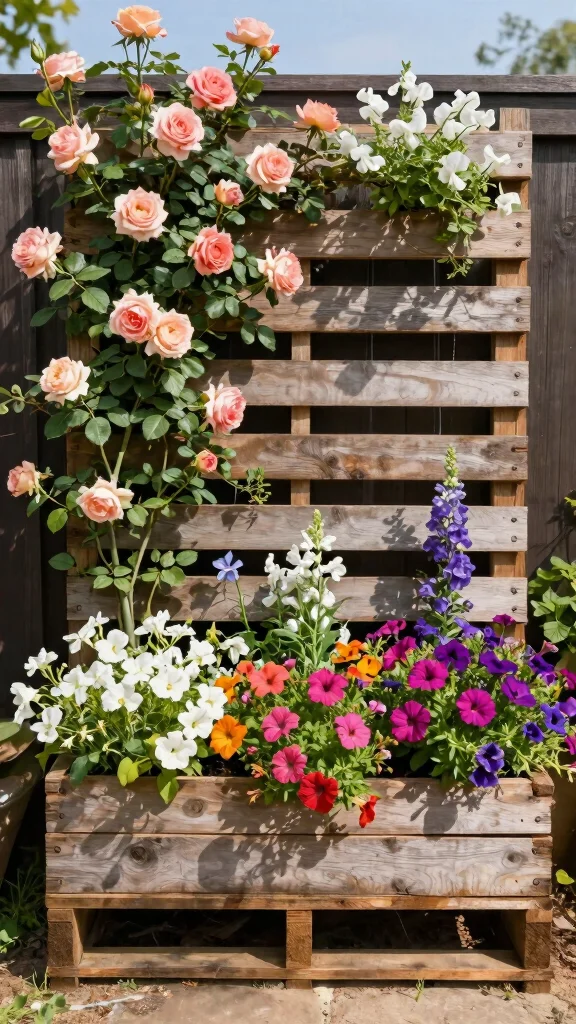
If space is at a premium, consider the beauty of vertical flower gardens! Utilizing trellises, wall planters, or repurposed pallets can create a stunning floral display that draws the eye upward. This approach maximizes your gardening space while adding a layer of interest to your landscape.
Opt for trailing plants, such as sweet peas and climbing roses, which will add height and drama to your vertical garden. Ensure that your structures are sturdy enough to support the growth of the plants as they flourish. Mixing various heights and colors will create a dynamic and captivating look.
Here are some tips for creating vertical gardens:
– Opt for trailing plants for height.
– Ensure structures are sturdy and reliable.
– Incorporate varied heights for visual interest.
This method not only optimizes limited space but also introduces a unique dimension to your gardening experience.
7. Themed Flower Beds
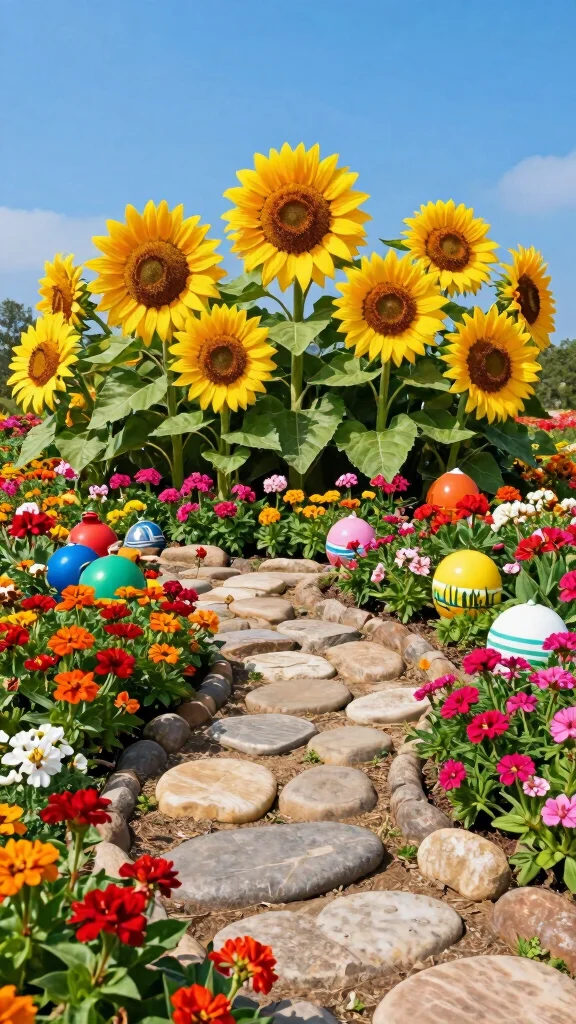
Adding a theme to your garden can infuse it with unique flair and personal expression. Whether you opt for a retro garden bursting with bright colors or a serene zen garden filled with whites and greens, themed flower beds can tell a captivating story.
To maintain cohesiveness, stick to a limited color palette that reflects your chosen theme. Selecting flowers that resonate with your concept—like sunflowers for a cheerful vibe or white daisies for a calming effect—will create harmony. Decorative stones or statues can further enhance the thematic elements of your garden.
Consider these ideas for themed flower beds:
– Stick to a limited color palette for cohesiveness.
– Choose flowers that reflect the theme of your garden.
– Use decorative elements to enhance the theme.
Implementing a theme adds a playful yet sophisticated touch to your garden, inviting conversations and sparking joy.
8. Seasonal Color Schemes
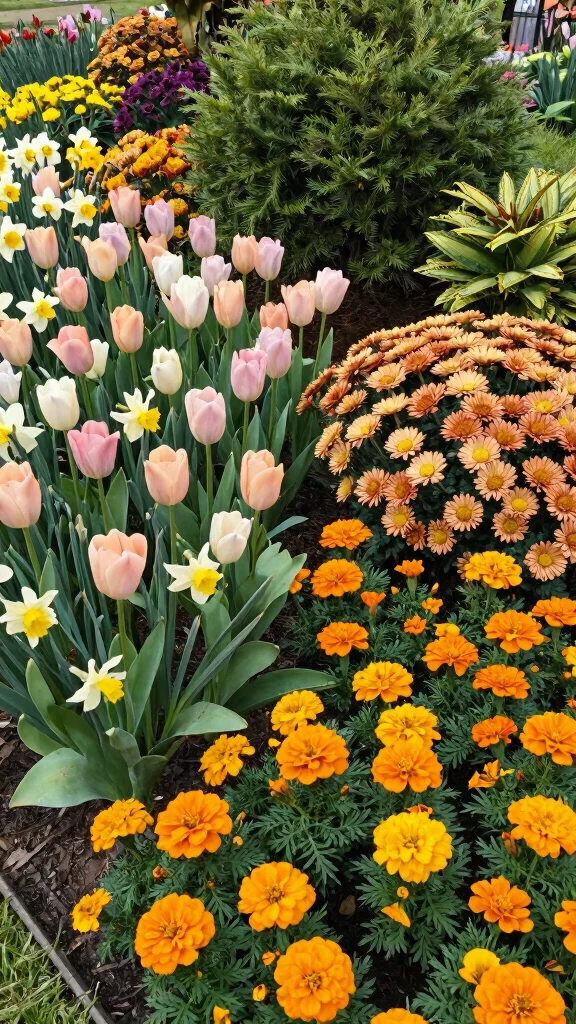
Selecting flowers based on seasonal color schemes can keep your garden vibrant and fresh throughout the year! In spring, think soft pastels; for summer, choose bold hues; autumn showcases warm earth tones; and winter can be highlighted with evergreens.
Planning ahead for seasonal transitions is essential. Incorporate flowers that bloom in succession, utilizing bulbs in spring, annuals in summer, and hardy perennials in the fall. Evergreen shrubs will provide structure and beauty in the winter months.
Embrace these strategies for seasonal color schemes:
– Plan for seasonal transitions with blooming flowers.
– Use bulbs for spring and annuals for summer.
– Incorporate evergreens for winter structure.
With thoughtful planning, your garden can become a stunning showcase that celebrates the beauty of each season and reflects your personal style.
9. Flower Bed Borders
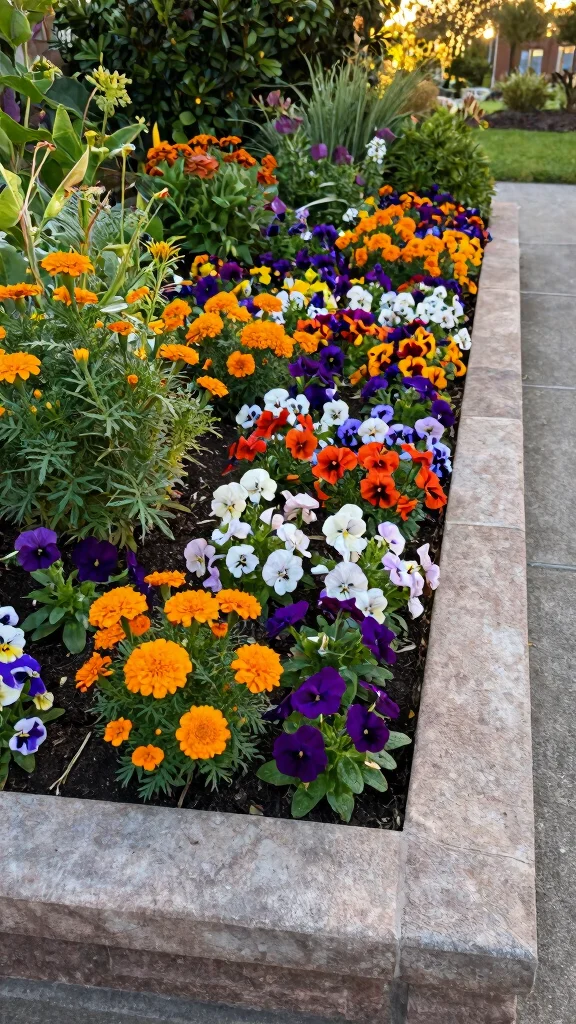
Using borders to define your flower beds can provide both structure and style to your garden. Whether you choose low-maintenance stones or charming wooden edging, borders help keep your flower beds neat and visually appealing.
Select materials that complement your home’s architecture and overall style for a harmonious look. Low-growing plants like dwarf lavender or creeping thyme can create a natural border, while decorative stones or bricks can lend a polished touch.
Explore these ideas for flower bed borders:
– Choose materials that complement your home.
– Use low-growing plants for natural borders.
– Incorporate decorative stones for a polished look.
Well-defined borders enhance the visual appeal of your flower beds, beautifully bringing everything together in your outdoor space.
10. Wildflower Meadows
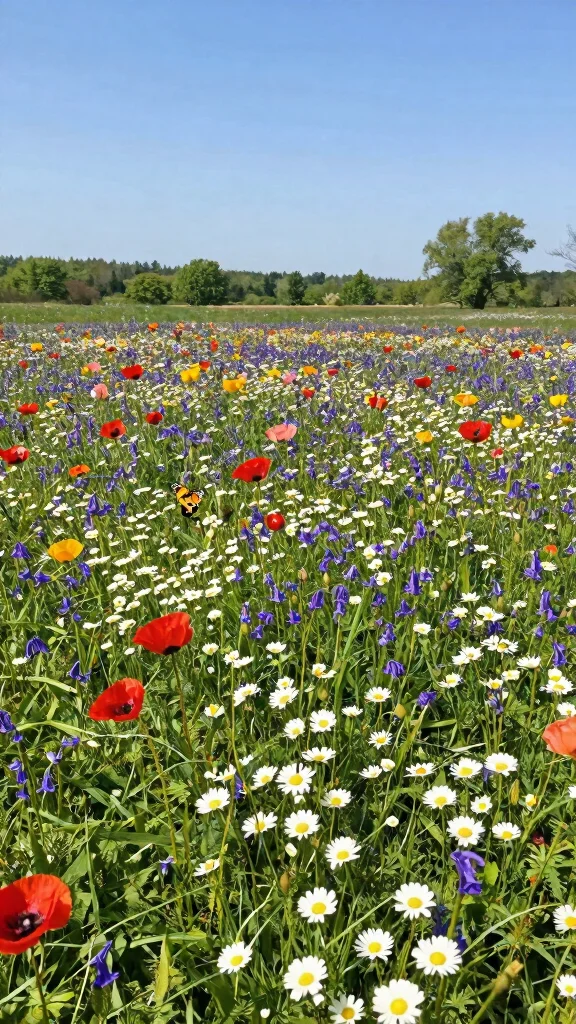
For a low-maintenance solution that bursts with color, wildflower meadows are an ideal choice! Simply scatter seeds and let nature work its magic. You’ll enjoy a stunning array of colors that evolves with the seasons.
To achieve the best results, opt for a mix of native wildflower seeds that thrive in your area. Preparing the soil properly and ensuring good drainage will set the foundation for success. Water regularly until the flowers establish themselves for a flourishing meadow.
Consider these tips for creating a wildflower meadow:
– Choose a mix of native wildflower seeds.
– Prepare well-drained soil for optimal growth.
– Regularly water until established.
Transforming your yard into a wildflower meadow creates a breathtaking natural display while supporting local wildlife and biodiversity.
11. Container Gardens
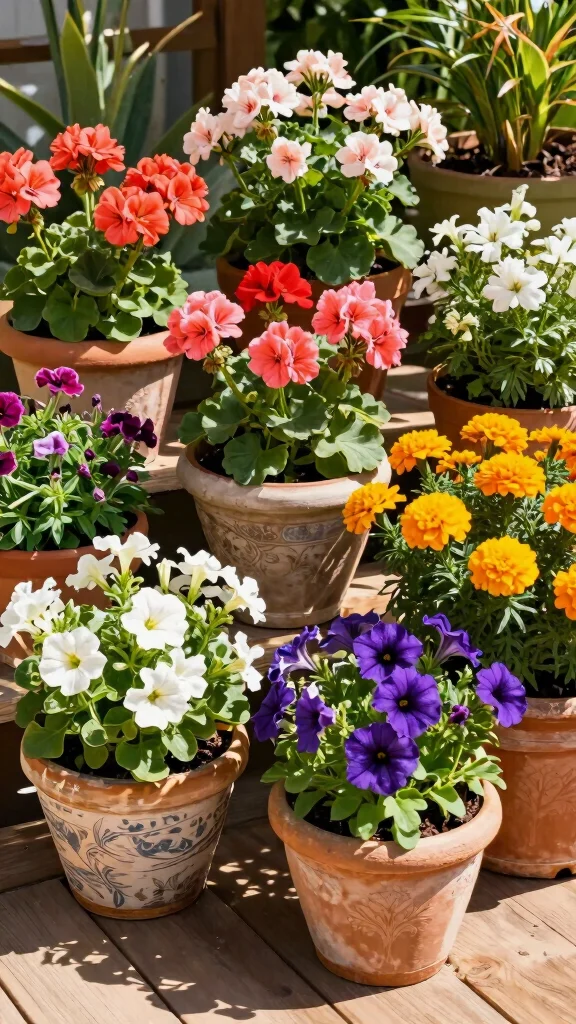
Container gardening is a fantastic way to maximize space while creating a colorful oasis, especially for those with limited yard area. Using pots, barrels, or hanging baskets allows for both flexibility and creativity in your gardening endeavors.
For successful container gardening, choose pots with good drainage to prevent overwatering. A mix of flowers differing in height, color, and texture will keep your displays visually interesting. Be sure to use potting soil specifically designed for container plants to achieve the best results.
Here are some ideas for container gardens:
– Choose containers with good drainage.
– Mix flowers of varying heights and colors.
– Use potting soil designed for container plants.
This method allows you to create cheerful floral displays in any sunny spot, whether it’s on a patio, balcony, or front steps!
12. Low Maintenance Xeriscaping
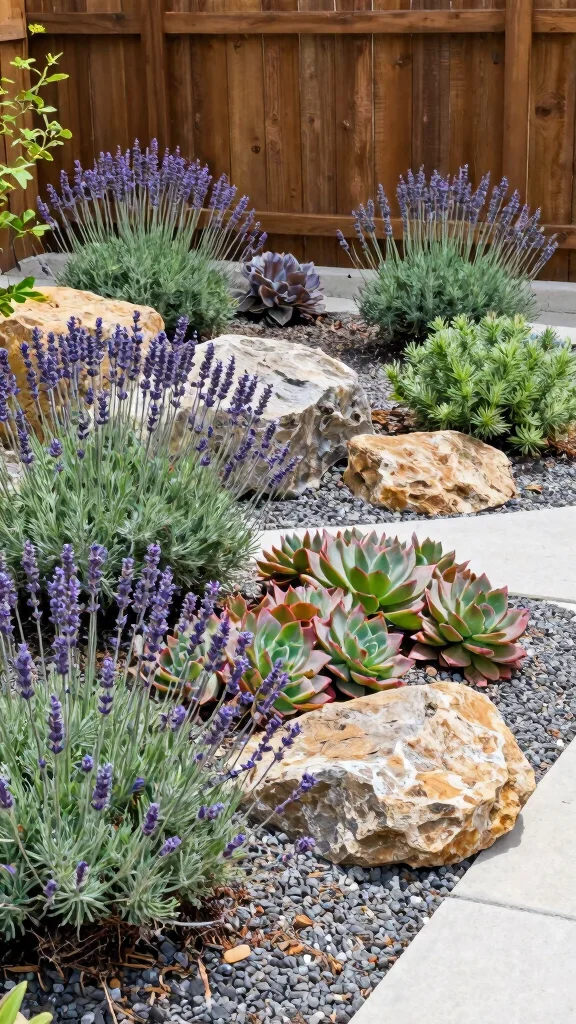
Xeriscaping is an eco-friendly landscaping method that conserves water while showcasing beautiful flower beds. This approach emphasizes the use of drought-resistant plants, creating an attractive aesthetic with minimal upkeep.
To achieve a thriving xeriscape, choose native plants like lavender, sedum, and succulents that are well-suited to your local climate. Decorative rocks and gravel can serve as ground cover, reducing the need for excessive water. Implementing a drip irrigation system will also enhance efficiency in watering.
Consider these tips for successful xeriscaping:
– Opt for native plants that thrive in your climate.
– Use rocks and gravel for decorative ground cover.
– Implement a drip irrigation system for efficient watering.
This approach allows you to enjoy a vibrant outdoor space while contributing to environmental conservation.
13. Perennial and Annual Mix
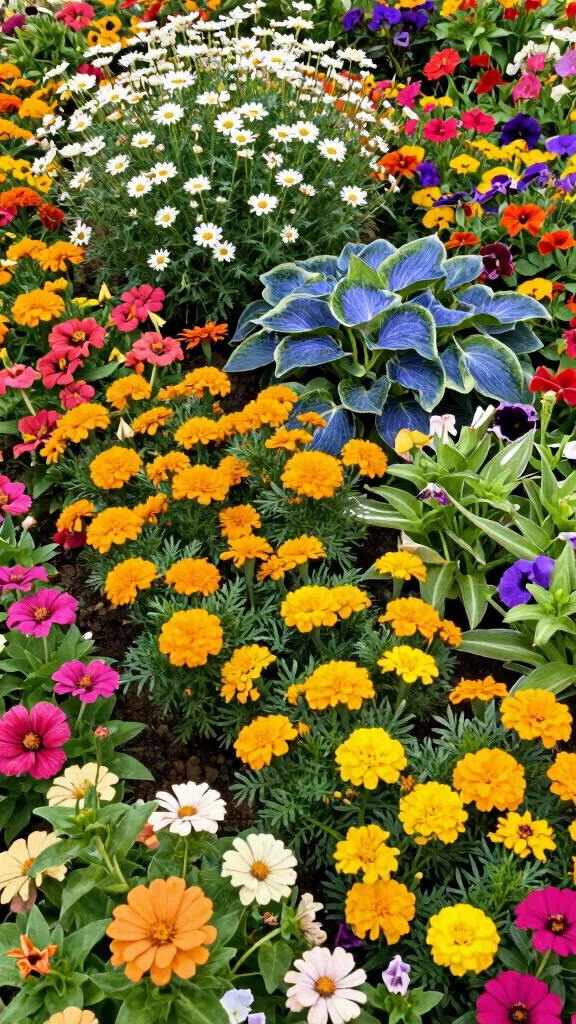
Combining perennial and annual flowers in your beds can create depth and visual interest throughout the growing season. Perennials provide a stable backdrop while annuals offer dynamic bursts of color that can change each year.
For a cohesive look, choose complementary colors that harmonize well together. Use annuals to fill gaps between perennials, ensuring continuous blooms that keep your garden lively. Avoid overcrowding to allow both types to flourish.
Here are some tips for mixing perennials and annuals:
– Choose complementary colors for cohesion.
– Use annuals to fill gaps for continuous blooms.
– Avoid overcrowding to ensure healthy growth.
This blend creates a dynamic landscape that keeps your garden engaging and beautiful year after year.
14. Garden Pathways with Flowers
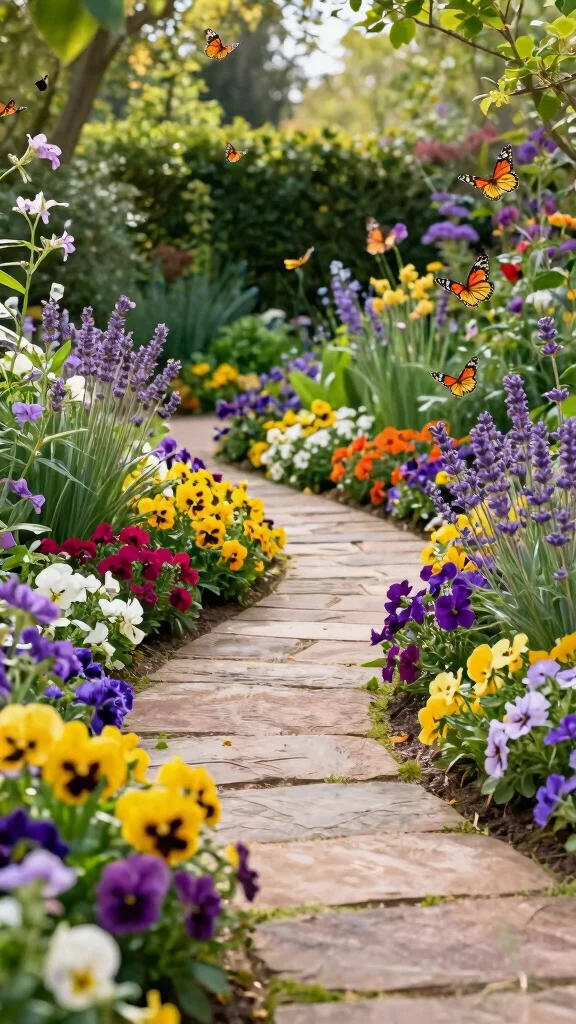
Transform your pathways into beautiful features by planting vibrant flowers along each side. This approach can create an enchanting stroll through your garden, enhancing both function and beauty.
To maintain visual appeal, use low-growing flowers near the path and taller varieties further back. Complementary colors can tie the garden together while aromatic flowers along the walkways can provide a sensory experience.
Explore these ideas for flower-lined pathways:
– Use low-growing flowers near the path.
– Consider complementary colors to unify the space.
– Include aromatic flowers for a sensory delight.
With thoughtful planning, your pathways can become captivating features that invite exploration and joy in your outdoor space.
15. Shade Gardens
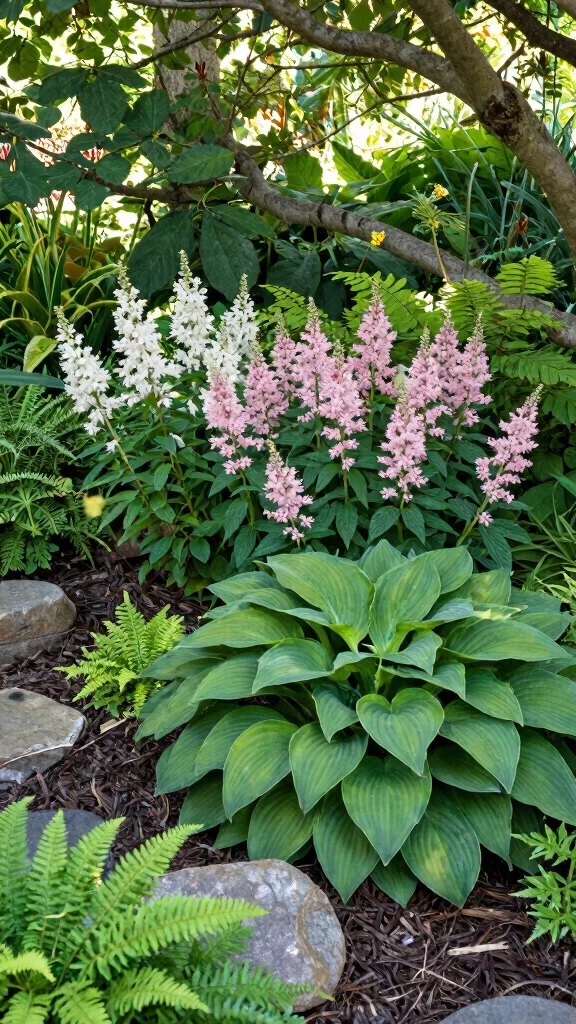
Even the shadiest corners of your yard can be transformed into beautiful flower beds! Many flowers thrive in low-light conditions, so don’t overlook these areas when planning your garden. Consider using ferns, hostas, and astilbes to breathe life into shady spots.
When planting, choose shade-tolerant varieties that bloom at different times to ensure constant interest. Layering plants by height—with taller ones in the back and shorter in front—adds depth. Incorporating decorative stones or mulch can help retain moisture.
Here are some tips for creating a vibrant shade garden:
– Choose shade-tolerant plants that bloom at different times.
– Layer plants by height for visual interest.
– Include decorative stones to maintain moisture.
Your shade garden can be as colorful and vibrant as sunlit areas, infusing charm and life into those often-overlooked spaces.
16. Creative Use of Rocks and Stones
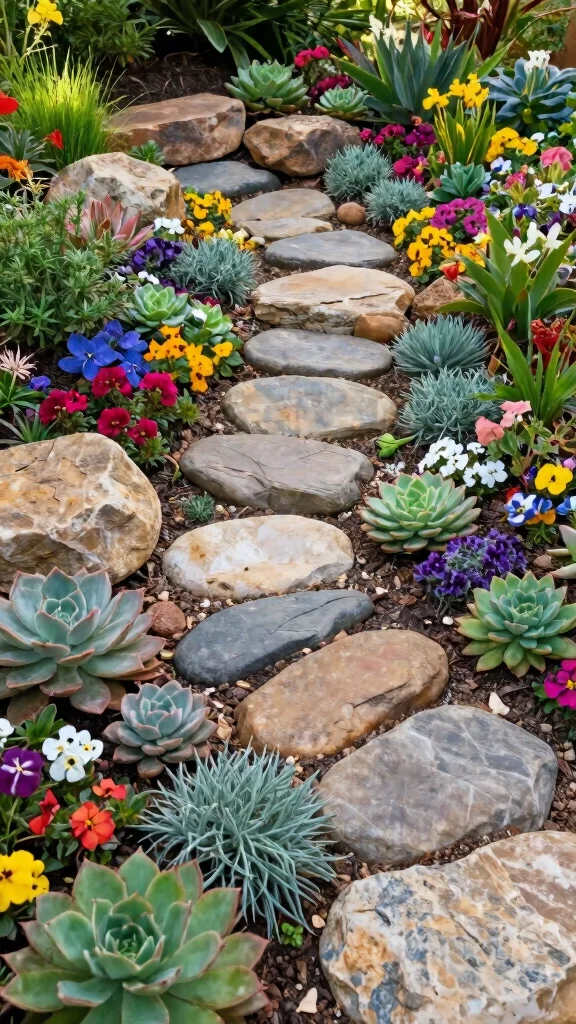
Incorporating rocks and stones into your flower beds can add unique texture and visual interest. They can serve as natural borders, create paths, or simply act as decorative elements among your flowers.
Mixing stones with plants that thrive in rocky areas, like succulents or alpine plants, can create a harmonious look. Larger stones can serve as focal points, while experimenting with different sizes and types of rocks can enhance visual appeal.
Consider these tips for utilizing rocks and stones:
– Mix rocks with plants that thrive in rocky areas.
– Use larger stones as focal points.
– Experiment with different sizes and types for variety.
This strategy not only beautifies your garden but also minimizes maintenance while promoting good drainage.
17. Incorporating Water Features
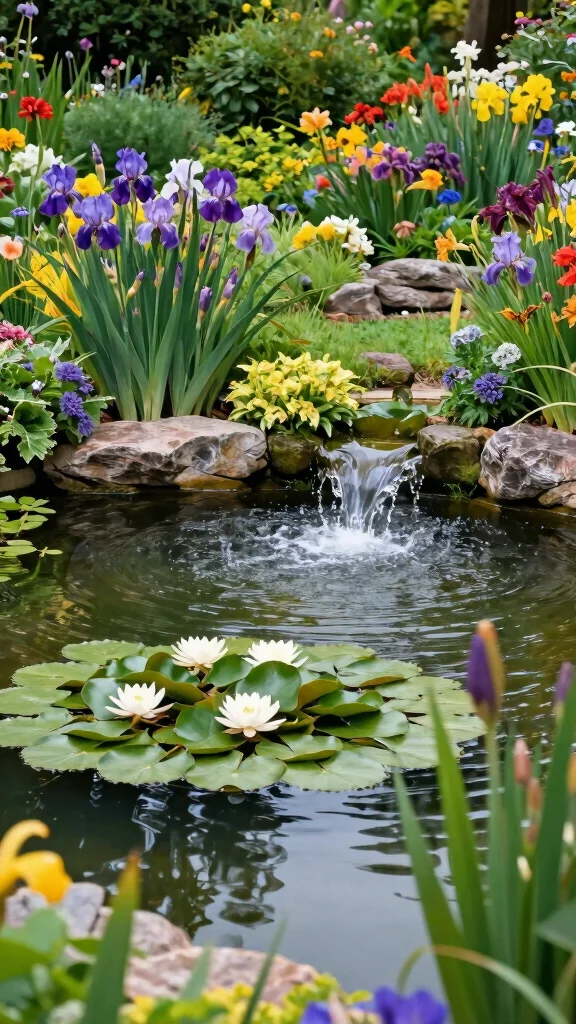
Adding a water feature to your garden can create a beautiful, tranquil atmosphere. Imagine a small pond, fountain, or birdbath surrounded by colorful blooms, attracting both wildlife and visitors alike.
Choose flowers that thrive in the moisture of a water feature, such as water lilies or irises, to enhance the visual appeal. Surrounding your feature with colorful perennials creates a vibrant view while ensuring the area remains easy to maintain for cleaning and upkeep.
Here are some tips for incorporating water features:
– Choose flowers that thrive in moisture.
– Surround features with colorful perennials for vibrancy.
– Ensure the area is easy to maintain for upkeep.
A water feature paired with colorful flowers can serve as a stunning centerpiece, inviting relaxation and joy into your garden space.
Conclusion
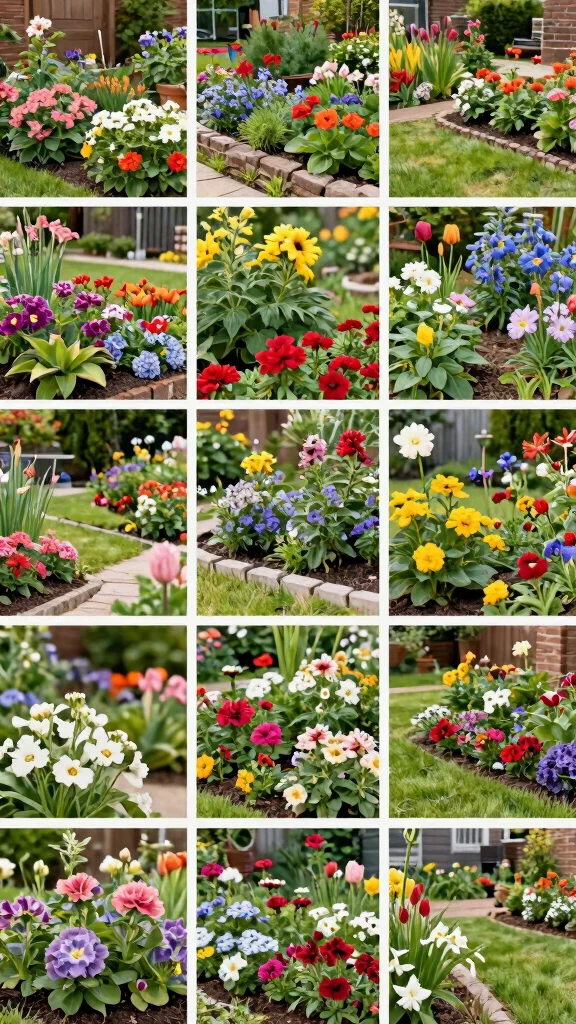
Creating a captivating flower bed doesn’t require advanced gardening skills. Whether you prefer bold colors or serene pastels, the ideas shared can help you design a space that reflects your style and invites nature’s beauty right to your doorstep. Embrace your creativity and experiment with different plants and arrangements. Start your colorful journey today!
Engaging with your garden not only beautifies your yard but can also bring a sense of peace and accomplishment. So why not try out some of these ideas and watch your garden bloom?
Frequently Asked Questions
What is a cutting garden and how can it brighten my yard with easy, colorful blooms?
A cutting garden is a dedicated patch of flowers grown mainly for fresh bouquets you can pick at home. To brighten your yard with easy and colorful blooms, start small: choose 6–8 reliable varieties with strong vase life, pick a sunny, well‑drained spot, and plant in blocks for easy picking.
Starter options include zinnias, cosmos, calendula, bachelor’s button, dahlias, and sunflowers. Stagger sowings every 2–4 weeks so color keeps coming all season.
Water at the base, mulch to conserve moisture, and deadhead regularly to extend bloom. With a cutting garden, you’ll enjoy vibrant bouquets and a cohesive, colorful yard.
What are the best easy and colorful flowers to start a beginner-friendly cutting garden?
For a beginner-friendly cutting garden, pick 6–8 hardy, colorful annuals and a few short perennials that bloom all season. Easy options include zinnias (bright, long-lasting), cosmos (airy petals, forgiving), calendula (orange to yellow bursts), bachelor’s button, sunflowers, and snapdragons (compact varieties). Plant in a sunny, well‑drained bed with 12–18 inches between plants for air circulation. Sow succession crops every 2–3 weeks to keep color coming. Mulch to retain moisture, water deeply, and deadhead regularly to extend blooms. A lively cutting garden will brighten your yard and fill vases all season.
How can I design a small yard with easy, colorful flower beds that still look cohesive?
Start with a simple plan: pick a color palette and create repeating color blocks to knit the space together. Place taller plants toward the back or center and shorter ones in front to build depth, and keep a dedicated cutting garden section for fresh flowers. Use 3–4 focal colors and repeat them in clusters for rhythm. Add a simple path, some mulch, and evergreen foliage to provide year‑round structure. Great easy, colorful options include zinnias, cosmos, calendula, and gaillardia that glow from spring through fall.
What maintenance steps keep a cutting garden blooming all season without a lot of work?
Keep maintenance minimal with a smart plan: water deeply but infrequently, preferably with a drip system, and mulch 2–3 inches thick to conserve moisture and suppress weeds. Deadhead regularly to encourage new blooms, and feed with a balanced fertilizer per label. Plant a mix of perennials and quick‑growing annuals so you always have stems to cut. Rotate crops, and replace tired stems with fresh plantings at season’s end. A well‑planned cutting garden stays colorful with relatively little effort.
How should I arrange flowers in a bed to create a cohesive, colorful look while supporting cutting needs?
Plan bloom time and height first, then group by color to guide the eye. Place tall varieties toward the back, mid‑height in the middle, and low growers in front for easy cutting from any angle. Repeat your chosen color blocks across the bed to create harmony, and reserve a section for your cutting garden picks so bouquets are always within reach. Mix flowering stems with textural foliages to add depth, and edge the bed to keep lines clean. A thoughtful layout makes harvesting a delight and your yard feel deliberately colorful.