
As the days get longer and your plants start reaching for the sun, it’s easy to get excited about your indoor garden. I’ve been there, too—watching a new sprout emerge gives a thrill like no other. But sometimes our eagerness leads to mistakes that can turn that green thumb brown. That’s why I made this post: to help you spot and fix those common indoor gardening errors before they ruin your plants.
If you’re someone who loves nurturing houseplants and creating a cozy indoor oasis, this guide is for you. Whether you’re new to indoor gardening or have years of experience, understanding what you might be doing wrong is crucial for your plants’ health. You deserve to see your little green friends thrive, not wither away due to avoidable errors.
In this post, you’ll find 15 common mistakes that indoor gardeners make, along with practical advice to revive your plants. Each section will give you actionable tips and insights to help you care for your houseplants better. So, let’s dig in and turn that indoor garden dream into a flourishing reality!
Key Takeaways
– Overwatering can drown your plants. Ensure that you let the top inch of soil dry out between waterings for most houseplants.
– Pest problems need immediate attention. Regularly check for pests like spider mites or aphids and treat them promptly to prevent further damage.
– Lighting matters. Understand the light needs of each plant; too much or too little can hinder their growth.
– Soil selection is key. Use the right potting mix for your plants, as not all soil types provide the drainage or nutrients they need.
– Repot when necessary. If you notice roots growing through the drainage holes, it’s time to repot to give your plant more space to thrive.
Contents
- 1. Overwatering Your Plants
- 2. Ignoring Pest Problems
- 3. Too Much or Too Little Light
- 4. Using the Wrong Soil
- 5. Not Fertilizing Appropriately
- 6. Neglecting Humidity Needs
- 7. Forgetting to Repot
- 8. Lack of Airflow
- 9. Planting Too Deeply
- 10. Not Paying Attention to Seasonal Changes
- 11. Overlooking Plant Compatibility
- 12. Hesitating to Prune
- 13. Ignoring Labels and Tags
- 14. Rushing the Gardening Process
- 15. Neglecting Your Own Care
1. Overwatering Your Plants
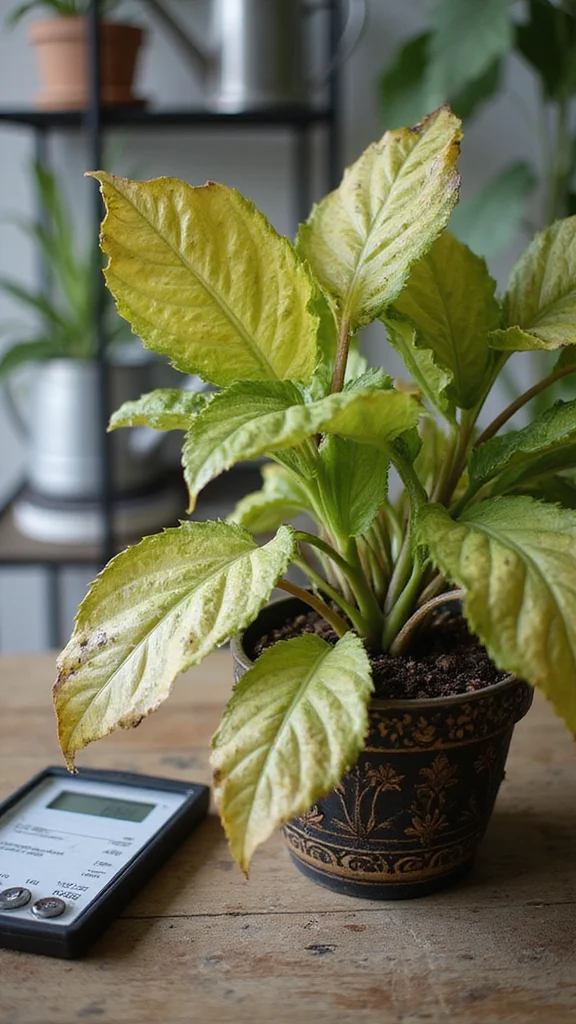
Watering is a delicate dance in indoor gardening, and finding the right balance is crucial. Overwatering is a frequent pitfall that many face, leading to root rot and other serious issues. For instance, when you keep the soil too wet, it can suffocate roots and create a breeding ground for bacteria.
To prevent this, always touch the top inch of soil before watering. If it feels dry, it’s time for a drink! Also, ensure your pots have drainage holes to allow excess moisture to escape.
Consider these tips to avoid overwatering:
– Use a moisture meter to check soil hydration.
– Opt for well-draining potting soil to minimize excess moisture.
– Create a specific watering schedule tailored to each plant’s needs.
By making these simple adjustments, you’ll help your plants thrive without the risk of drowning!
2. Ignoring Pest Problems
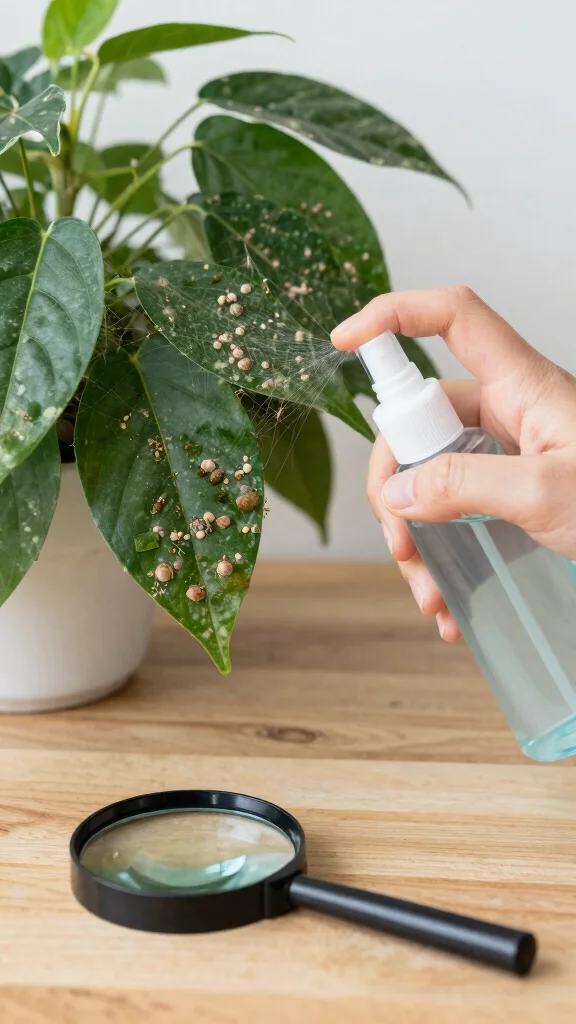
Pests can be a silent enemy in your indoor garden, wreaking havoc if not addressed promptly. Common culprits like aphids and spider mites hide in the crevices of leaves, making regular inspections essential for healthy plants. Look for signs such as sticky residue or discolored foliage to catch infestations early.
If you spot pests, act quickly! A gentle stream of water can wash them away, or you might consider insecticidal soap for tougher invaders. Additionally, introducing natural predators like ladybugs can help maintain a balanced ecosystem.
Try these strategies to keep pests at bay:
– Keep your plants clean by regularly dusting their leaves.
– Quarantine new arrivals for a few weeks to prevent pest spread.
– Always read labels on chemical treatments to protect your plants.
Being vigilant about pest control ensures your plants remain healthy and vibrant!
3. Too Much or Too Little Light
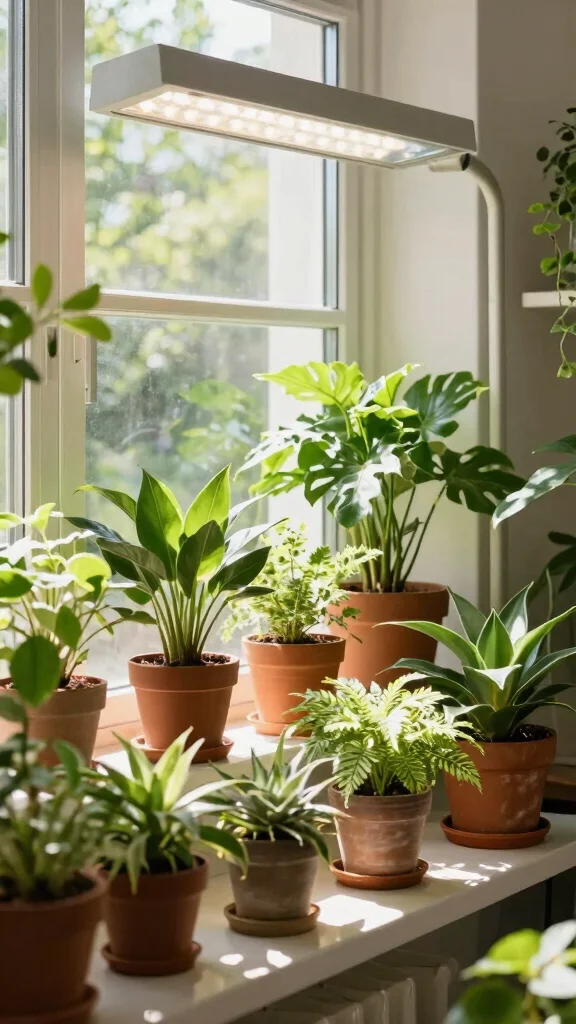
Light is a vital element for your indoor plants’ growth, yet many struggle to find the right amount. Different plants have unique light needs; for example, succulents bask in bright light, while ferns prefer indirect rays. Placing a sun-loving plant in a dark corner can lead to weak growth, while too much sun can scorch a shade-loving variety.
Observe your plants closely—if you notice yellowing leaves, it might be time to adjust their location. Consider rotating plants regularly to ensure even light exposure.
Use these tips for optimal lighting:
– Use sheer curtains to diffuse harsh sunlight for sensitive plants.
– Invest in grow lights during darker months to supplement natural light.
– Monitor temperature near windows to avoid drafts.
By fine-tuning light exposure, you create a thriving environment for your indoor garden!
4. Using the Wrong Soil
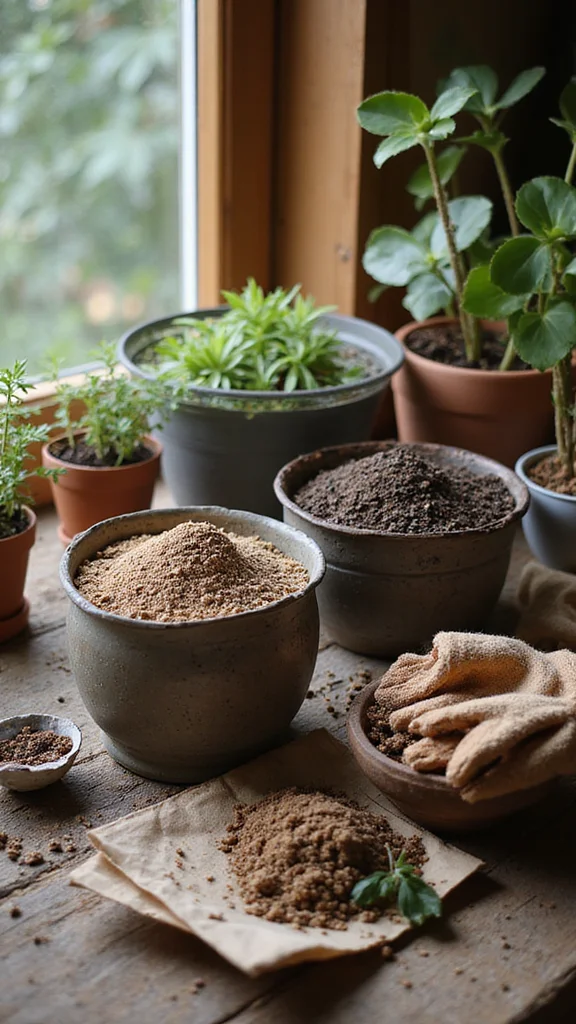
Choosing the right soil is fundamental to the success of your indoor garden. Many gardeners mistakenly use regular garden soil, which can be too dense for indoor plants. Each plant has its own soil preferences; for instance, succulents thrive in gritty, well-draining mixes, while tropical plants prefer rich, moisture-retaining soil.
To ensure your plants flourish, research their specific soil needs. You can even create your own potting mix by combining materials like peat moss and perlite for the best results.
Consider these options for selecting soil:
– Look for potting soil specifically labeled for indoor plants.
– Avoid reusing outdoor soil without proper sterilization to prevent pests.
– Refresh your plant’s soil every year or two to replenish nutrients.
Choosing the right soil will pave the way for your plants’ thriving health!
5. Not Fertilizing Appropriately
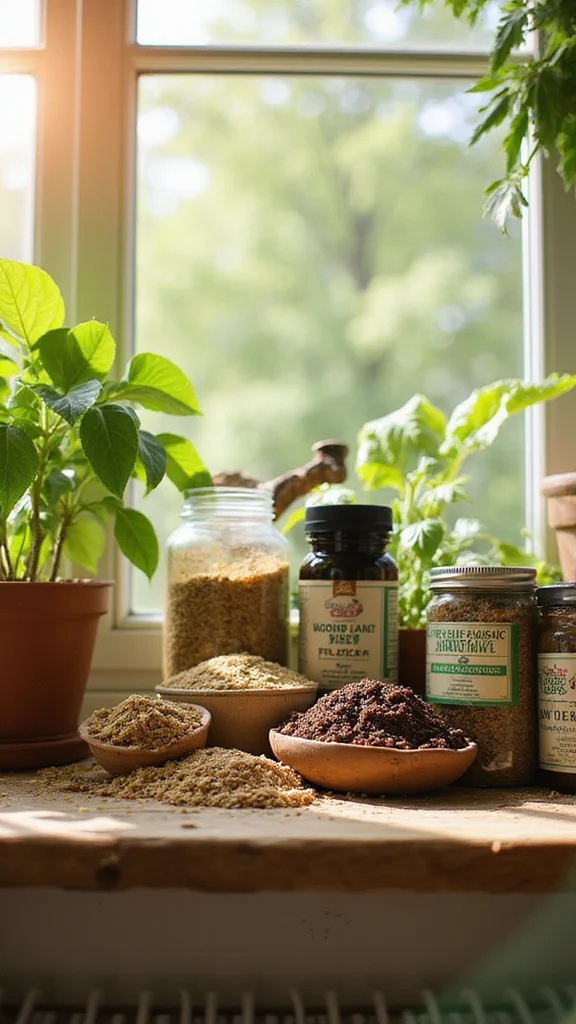
Just like us, plants need nutrients to grow strong and healthy! Neglecting to fertilize can lead to deficiencies, resulting in stunted growth and yellowing leaves. Knowing when and how to fertilize is crucial for your indoor garden’s success.
During the growing season, use a balanced, water-soluble fertilizer, but ease up in winter when growth slows. Remember, over-fertilizing can be harmful, so always follow package instructions. Organic options like compost can provide a gentle nutrient boost.
Here are some fertilizing tips:
– Watch for signs of nutrient deficiency, like pale leaves.
– Dilute fertilizers to prevent burning roots.
– Experiment with different fertilizers to find the best fit.
With proper nutrition, your indoor plants will thrive beautifully!
6. Neglecting Humidity Needs
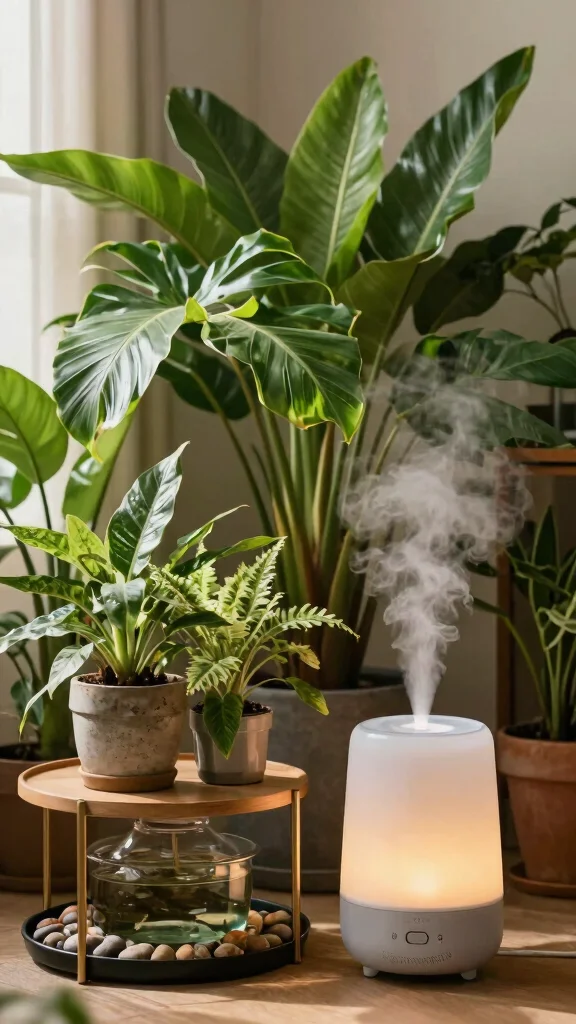
Humidity is a key ingredient for many indoor plants, especially tropical varieties. In dry environments, plants may experience leaf drop and browning tips. To create the right humidity, group plants together, use a humidifier, or place a tray of water and pebbles nearby.
Misting plants can help too, but be cautious not to overdo it to avoid mold growth. Monitor humidity levels regularly to keep your plants happy.
Try these methods to boost humidity:
– Use a hygrometer to check humidity levels.
– Choose humidity-loving plants like ferns if your home is dry.
– Rotate plants to ensure they all receive adequate humidity.
By managing humidity, you’ll create a thriving atmosphere for your indoor greenery!
7. Forgetting to Repot
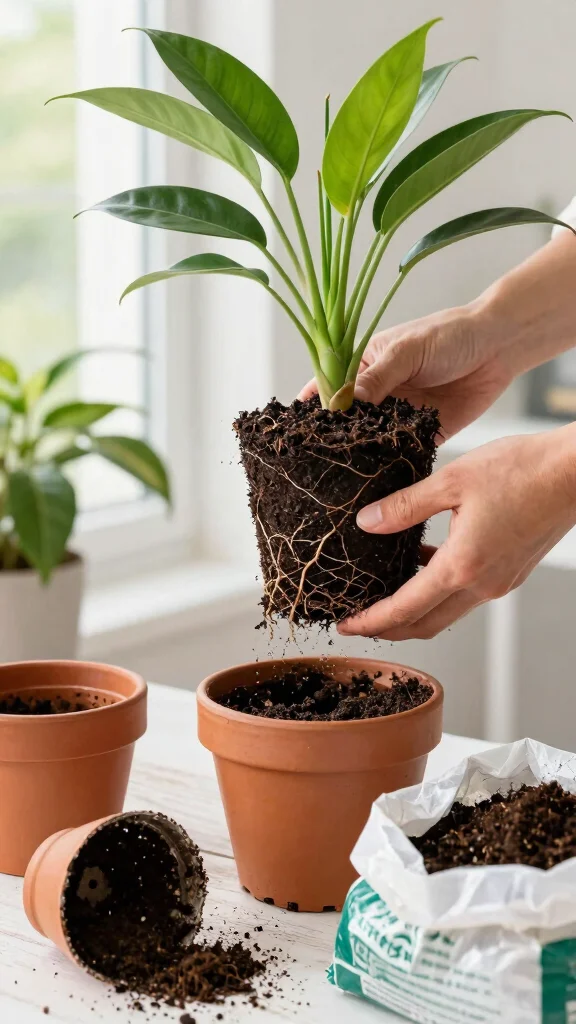
Repotting is a crucial step in indoor gardening that many tend to overlook. When a plant outgrows its pot, it may become root-bound, leading to poor health. Signs your plant needs repotting include roots visible through drainage holes or soil that dries too quickly.
Choose a pot that’s slightly larger and fill it with fresh potting mix. Be gentle with the roots during the transfer and water well afterward to help ease transplant shock.
Consider these tips for repotting:
– Repot every 1-2 years based on growth rate.
– Refresh soil at the same time to provide new nutrients.
– Ensure the new pot has proper drainage to prevent issues.
Repotting allows your plants to thrive in a spacious and nurturing environment!
8. Lack of Airflow
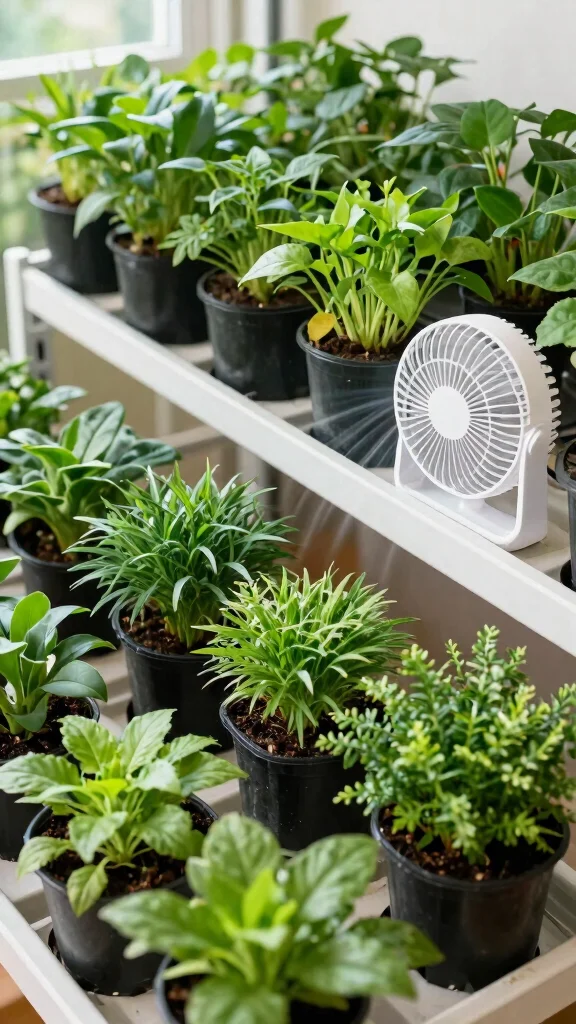
Air circulation is vital for maintaining healthy indoor plants, yet it’s often neglected. Stagnant air can foster mold growth and attract pests. Arrange your plants with enough space between them to promote airflow, and consider using a small fan in crowded areas.
This will not only help prevent mold but also strengthen stems, making your plants more resilient. Keep an eye out for any signs of mold or pest activity that thrive in still conditions.
Implement these strategies for better airflow:
– Prune any overgrown foliage that blocks circulation.
– Rotate plants occasionally for even airflow exposure.
– Regularly check for pests that thrive in stagnant air.
Encouraging airflow creates a healthier environment for your plants to flourish!
9. Planting Too Deeply
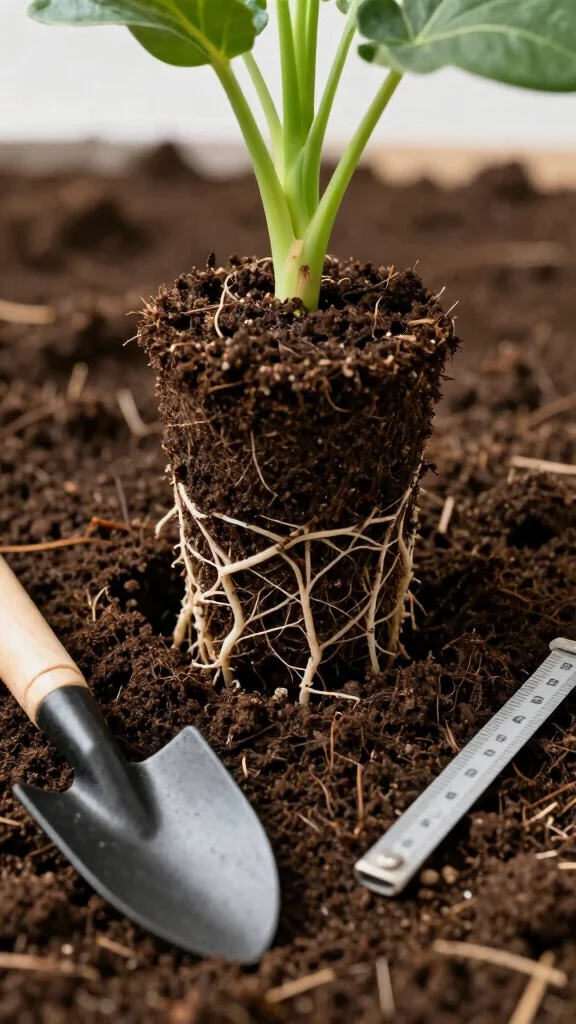
Getting the planting depth right is essential to your indoor plants’ success. Burying plants too deep can cause stem rot and stunt their growth. When repotting, ensure that the top of the root ball is level with the soil surface for optimal access to oxygen and nutrients.
If you notice yellowing lower leaves, it may indicate improper planting depth. Follow specific planting instructions for each plant type to avoid issues.
Keep these tips in mind when planting:
– Research each plant’s ideal planting depth before starting.
– Add a layer of mulch to retain moisture without burying roots.
– If unsure, consult guides for specific plant requirements.
Planting correctly will lay a strong foundation for your plants to thrive!
10. Not Paying Attention to Seasonal Changes
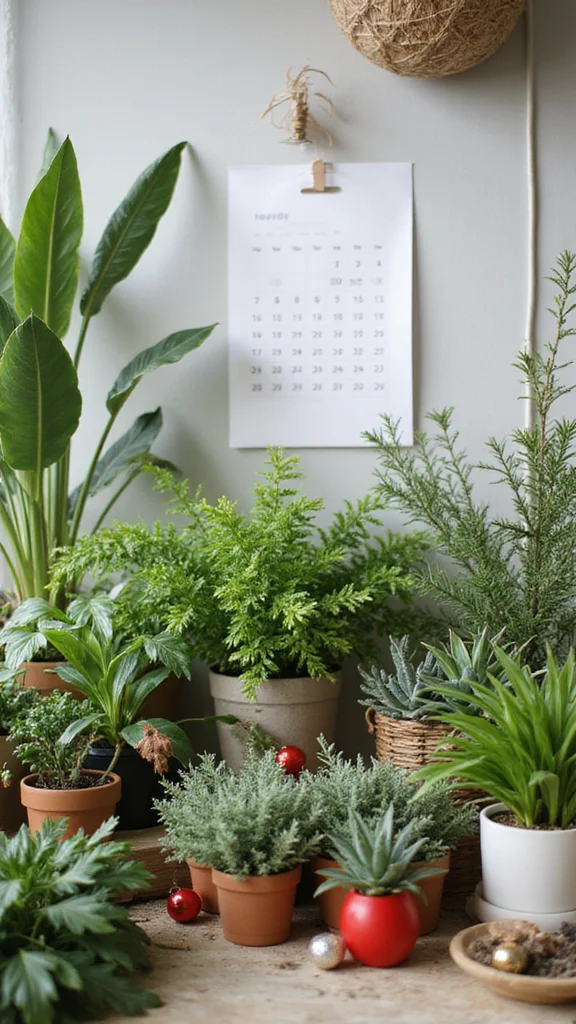
Seasonal changes significantly impact your indoor plants, yet many gardeners forget to adjust their care routines. During the growing season, plants typically need more water and nutrients, while their needs decrease in winter. Be mindful of temperature variations near windows and doors that can stress sensitive plants.
Use this time to clean your plants and watch for pests, which can become more active in warmer months.
Consider these seasonal care adjustments:
– Adjust your watering schedule based on the season; less is often needed in winter.
– Use grow lights in darker months to supplement natural light.
– Keep plants away from drafts to reduce temperature stress.
Understanding seasonal shifts will help your plants thrive throughout the year!
11. Overlooking Plant Compatibility
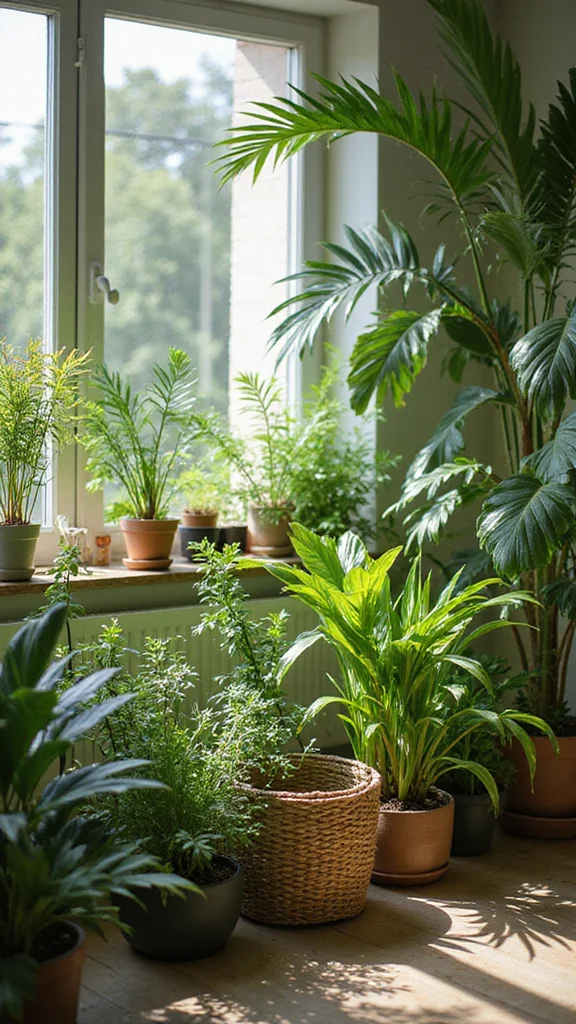
When planning your indoor garden, plant compatibility is crucial for success. Mixing different species can be visually appealing, but incompatible plants may compete for resources, hindering growth. For instance, cacti and tropical ferns have vastly different water and light needs.
To create a balanced environment, group plants with similar requirements together. This will enhance their chances of thriving and create a more harmonious space.
Use these strategies for better plant compatibility:
– Research the needs of each plant before combining.
– Implement companion planting techniques to enhance growth.
– Utilize tiered shelving to accommodate varying light needs.
By choosing compatible plants, your indoor garden will flourish together beautifully!
12. Hesitating to Prune
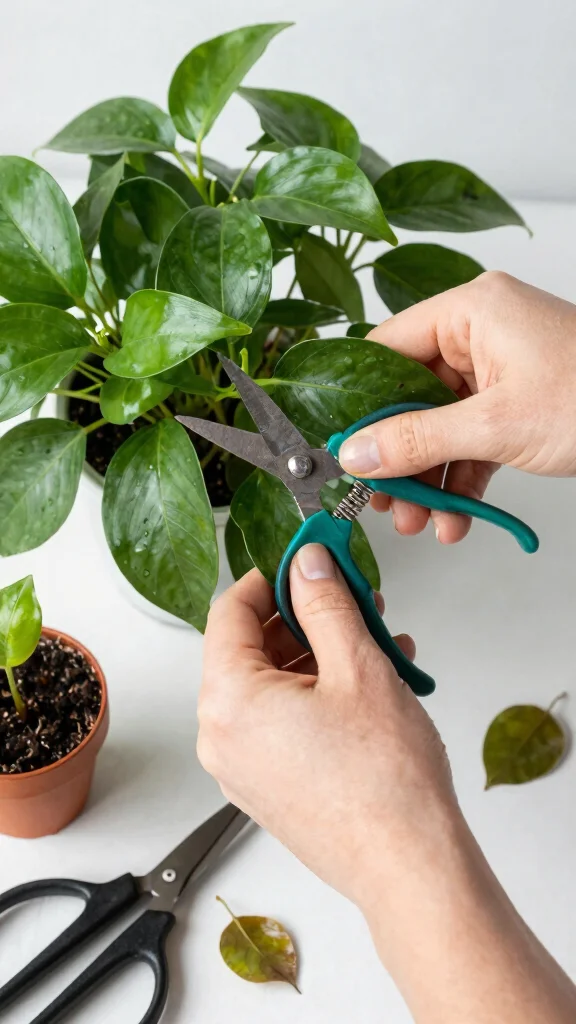
Pruning is an essential part of indoor gardening that many overlook. Regularly trimming dead or overgrown foliage encourages new growth and maintains your plants’ shape. Always use clean, sharp scissors to prevent spreading disease and remove yellow or brown leaves.
Pruning also allows more light to reach healthy parts of the plant, improving overall health. Don’t be afraid to be aggressive; some plants thrive on it!
Incorporate these pruning tips into your routine:
– Schedule pruning based on each plant’s needs.
– Use pruning as an opportunity to propagate new plants.
– Observe growth patterns to determine the best times to prune.
By embracing pruning, your indoor garden will remain vibrant and lush!
13. Ignoring Labels and Tags
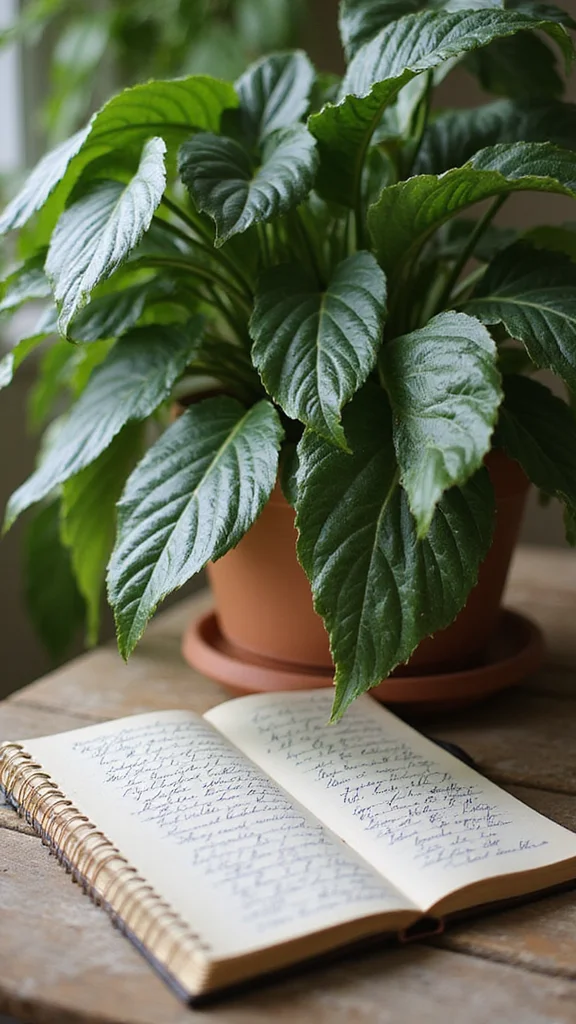
Plant tags and labels are invaluable resources that provide crucial care information. Ignoring these can lead to mistakes in watering, feeding, and lighting, which may harm your plants. Take time to read labels carefully when purchasing new plants, as they often detail light needs and watering frequency.
Keeping a garden journal can also help track growth and adjustments made for each plant, enhancing your gardening experience.
Consider these tips for utilizing labels effectively:
– Use decorative labels to remind you of specific care routines.
– Document changes to care practices for future reference.
– Share care tips with fellow plant lovers to foster community.
By paying attention to your plant labels, you’ll become a more informed and successful indoor gardener!
14. Rushing the Gardening Process
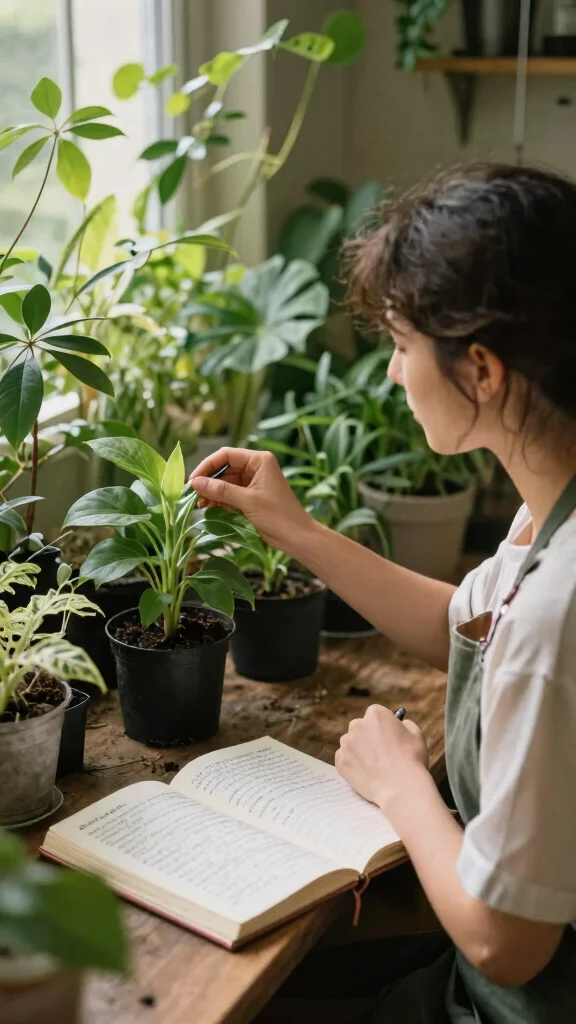
Patience is essential in indoor gardening, as many novice gardeners rush the process. Healthy plants take time to establish roots and adapt to their surroundings. Instead of becoming frustrated, take the time to observe your plants and adjust care as needed.
Celebrate small milestones and understand that setbacks are part of the journey. Cultivating appreciation for each plant’s unique growth will deepen your connection to your garden.
Here are some ways to embrace patience:
– Document growth over time to celebrate achievements.
– Understand that setbacks are learning opportunities.
– Develop a sense of appreciation for the beauty in growth.
By taking your time, you’ll foster a deeper connection with your indoor garden!
15. Neglecting Your Own Care
One often overlooked aspect of indoor gardening is the gardener’s well-being. Gardening can be rewarding yet exhausting, so taking breaks to recharge is essential. Overworking yourself can lead to burnout, affecting your ability to care for your plants.
Set aside time for self-care and enjoy nurturing your indoor garden without stress. A balanced approach will benefit both you and your plants.
Use these strategies to prioritize your well-being:
– Schedule specific times for gardening tasks to manage workload.
– Join a gardening community for support and shared experiences.
– Celebrate your successes and acknowledge your efforts.
By focusing on your own care, you’ll provide the best environment for your plants to flourish alongside you!
Conclusion
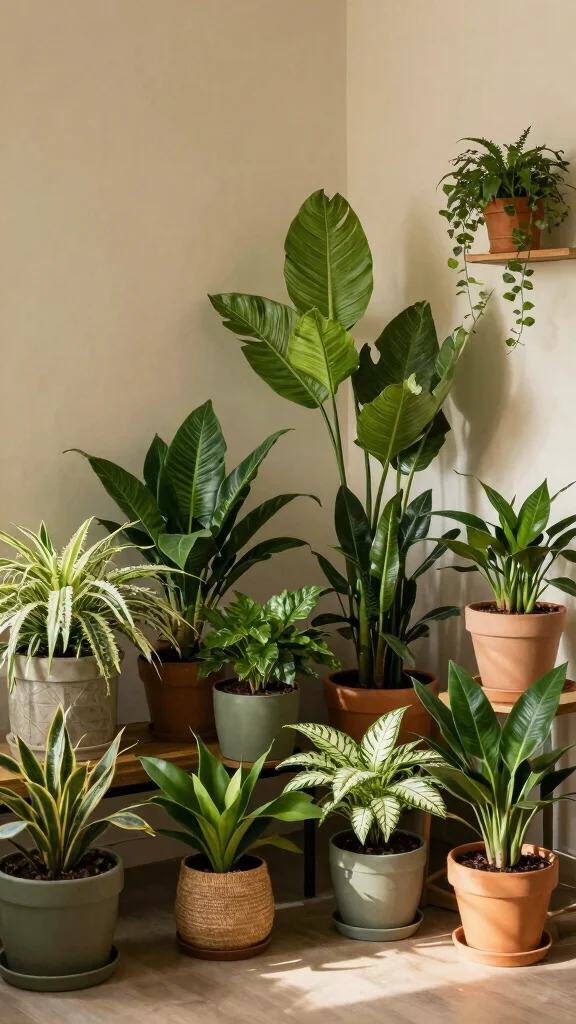
Reviving your indoor garden doesn’t need to be a daunting task. By understanding and addressing these common gardening errors, you can enjoy a flourishing array of houseplants that enhance your home decor.
Embrace the journey of indoor gardening with patience, observation, and love. Take the time to learn from your plants, and they will reward you with their vibrant beauty. Here’s to creating a thriving indoor oasis that you can cherish and admire!
Frequently Asked Questions
What are the most common indoor gardening errors that kill houseplants?
Indoor plants often fall victim to overwatering and poor drainage, plus too little light and the wrong soil for indoor care. To revive them: check moisture before watering, use pots with drainage holes, refresh with a light, well-draining potting mix, and move stressed plants toward brighter spots or add a full-spectrum grow light. Keep temperatures steady and avoid harsh fertilizers to protect the roots and encourage healthy growth.
How can I diagnose and fix watering mistakes for indoor plants?
Start with the finger test and a moisture meter; if the top inch is dry, water deeply until it drains; if it’s still wet, wait. Use pots with drainage holes and empty saucers after watering. Water in the morning with room-temperature water and avoid letting plants sit in water. If roots look mushy, repot into fresh, well-draining mix and trim rot.
What lighting tips help indoor plants thrive and prevent death from low light?
Most houseplants need bright, indirect light. Place them near east or west windows or use a full-spectrum grow light for 12-14 hours daily to support care. Rotate weekly to prevent leaning toward light and monitor leaf color as a cue for adjusting placement or intensity.
Are raised bed garden mistakes relevant to indoor gardening, and how should I choose containers and soil?
While raised bed garden mistakes are usually discussed outdoors, the same care applies indoors: choose containers with enough depth for roots, avoid compacted soil, and use a high-quality potting mix with drainage materials like perlite or vermiculite. Do not use garden soil; ensure drainage and consider self-watering containers for consistent care.
What quick care routine can revive a struggling indoor garden?
Start with a quick triage: check each plant’s light, water, and humidity; wipe dust from leaves to boost photosynthesis; prune dead or yellowing growth to redirect energy. Repot root-bound plants into fresh potting mix, and fertilize lightly with a balanced, diluted fertilizer. Grouping plants can raise humidity, while regular checks help keep pests away.