
Spring is here, and that means it’s time to add some color and life to your garden! If you’ve been daydreaming about a stunning outdoor space that blooms year after year, you’ve landed in the right spot. Flowering shrubs are the perfect way to achieve a vibrant, low-maintenance garden that flourishes with minimal effort. With so many options out there, it can be overwhelming to choose the right ones for your unique space. That’s why I’ve compiled this list of 17 stunning perennial flowering shrubs that will truly transform your garden forever!
This post is for gardening enthusiasts of all skill levels who want to cultivate a beautiful landscape without spending every weekend pulling weeds or fussing over delicate plants. Whether you’re a busy parent, a retired gardener, or someone just starting out, you’ll find options that suit your style and needs. From classic favorites like hydrangeas to lesser-known gems like ninebark, there’s something for everyone.
Get ready to dive in! You’ll learn about each flowering shrub’s unique features, care tips, and how they can enhance your garden design. Plus, you’ll discover how to mix and match these shrubs for a stunning floral display. By the end, you’ll be equipped with all the knowledge you need to create a flourishing, inviting garden that blooms with beauty season after season.
Key Takeaways
– Explore a diverse range of 17 perennial flowering shrubs that bring color and interest to your garden year after year.
– Discover low-maintenance options perfect for busy lifestyles, ensuring you spend less time on upkeep and more time enjoying your space.
– Learn about each plant’s unique characteristics, including their blooming seasons, colors, and growth habits to find the best fit for your garden.
– Get tips on how to incorporate these shrubs into your garden design for maximum visual appeal and seasonal interest.
– Gain confidence in your gardening journey as you cultivate a stunning outdoor space that reflects your personal style.
Contents
- 1. Hydrangea
- 2. Butterfly Bush (Buddleja)
- 3. Spirea
- 4. Rose of Sharon (Hibiscus syriacus)
- 5. Weigela
- 6. Forsythia
- 7. Ninebark (Physocarpus opulifolius)
- 8. Abelia
- 9. Lilac (Syringa)
- 10. Chokeberry (Aronia)
- 11. Potentilla
- 12. Smoke Tree (Cotinus coggygria)
- 13. Fothergilla
- 14. Tatarian Dogwood (Cornus alba)
- 15. Liliana
- 16. Holly (Ilex)
- 17. Barberry (Berberis)
1. Hydrangea
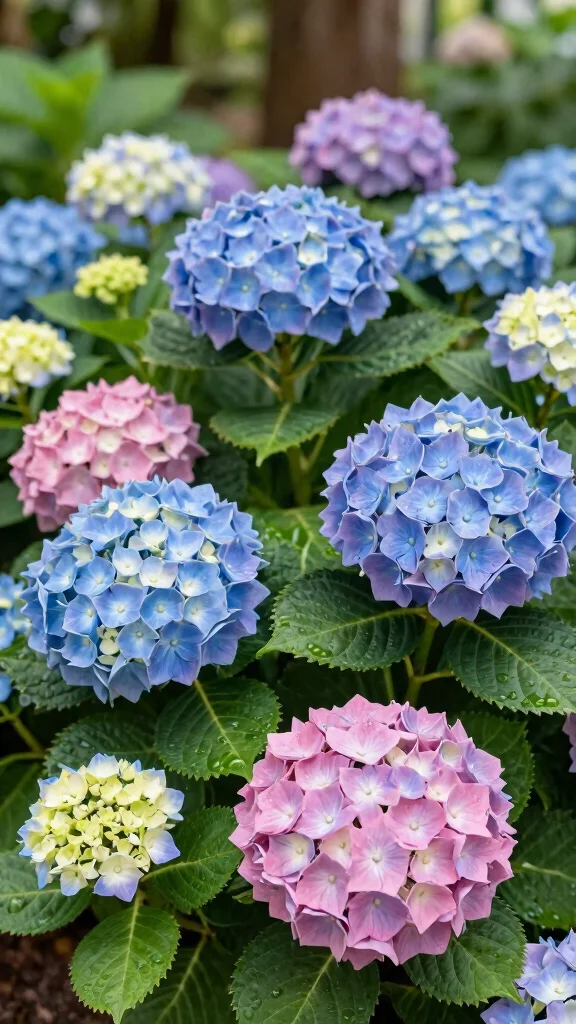
Hydrangeas are a beloved choice for gardeners who crave vibrant blooms. Their large, colorful clusters can range from soft pastels to bold shades, making them perfect for any garden style. These adaptable shrubs flourish in different climates and soil conditions, offering beauty and versatility. Plus, their stunning flowers are ideal for arrangements, adding charm to your home throughout the season.
Start by planting hydrangeas in a spot that gets partial to full shade for optimal growth. Ensure you keep the soil moist, especially during dry periods. Pruning after they bloom helps maintain their shape and encourages new growth for the following year.
Key steps for successful growth:
– Choose a shady spot for better blooms
– Water regularly, especially in dry seasons
– Prune after flowering for healthier plants
With their lush and dramatic presence, hydrangeas can transform your garden into a stunning oasis that blossoms beautifully every year.
2. Butterfly Bush (Buddleja)
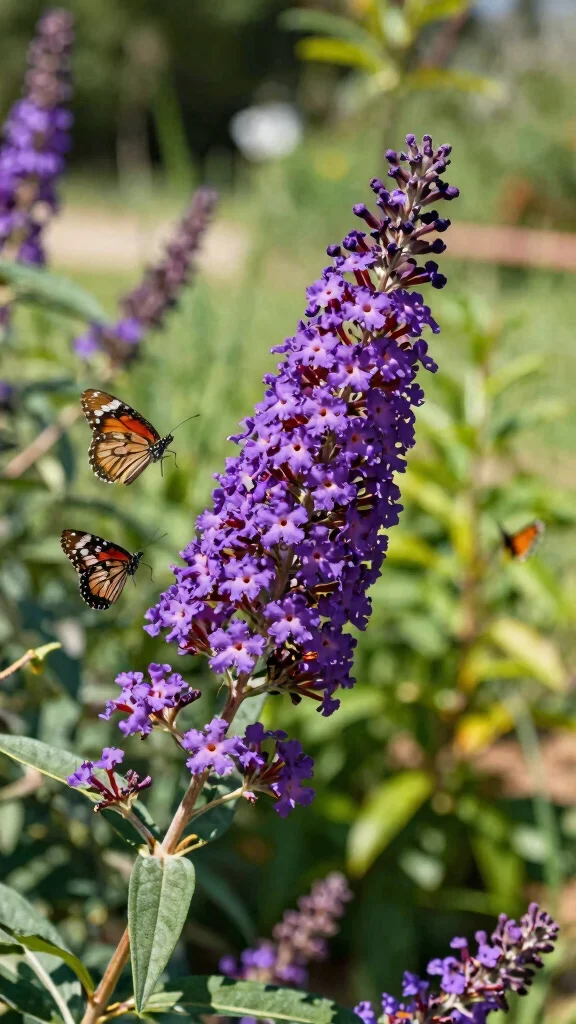
The butterfly bush is a vibrant addition to any garden, attracting butterflies and bees with its delightful, fragrant flowers. This tall shrub serves as a stunning focal point, ensuring your landscape remains lively from spring through fall. Its long-lasting blooms come in various colors, making it a joyful spectacle for all who visit your garden.
For best results, plant your butterfly bush in full sun to encourage profuse flowering. A hard prune in early spring promotes new growth and an abundance of blossoms. Be mindful that this shrub can be invasive in some areas, so check local guidelines before planting.
Getting started is easy:
– Plant in full sun for vibrant colors
– Prune in spring for more blooms
– Deadhead spent flowers to extend blooming
With its beauty and ability to attract pollinators, the butterfly bush enriches your garden while supporting local wildlife.
3. Spirea
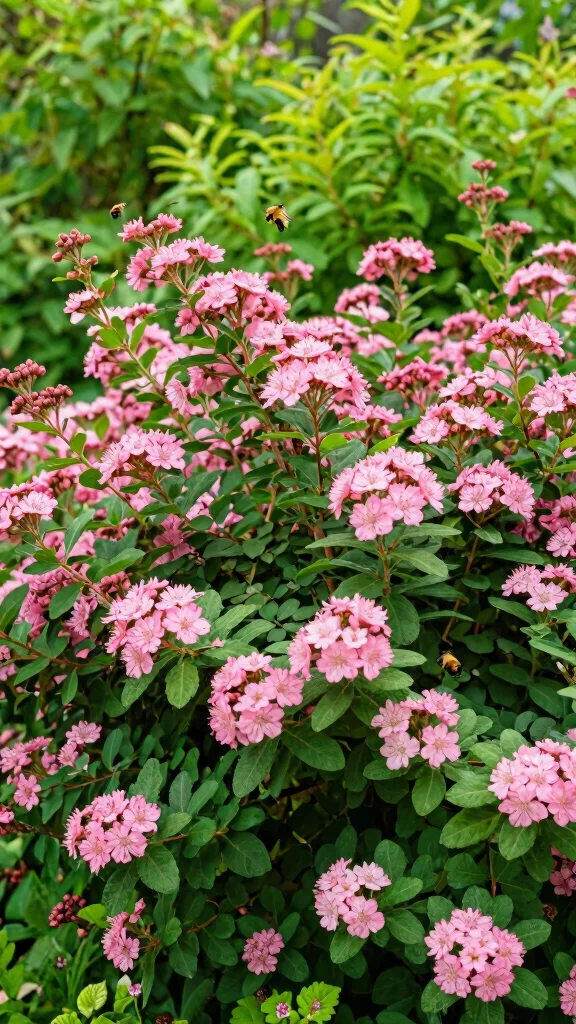
Spireas are compact flowering shrubs that add a delightful burst of color to your garden. With varieties blooming in shades of pink, white, and red, they create a cheerful display from spring through summer. Their delicate foliage remains attractive even when not in bloom, ensuring year-round interest.
These shrubs thrive in full sun but can tolerate partial shade. Make sure to plant them in well-draining soil to avoid root rot. Pruning after flowering encourages denser growth and healthier plants.
Here’s how to cultivate spirea:
– Plant in full sun for best blooms
– Ensure well-draining soil to prevent rot
– Prune after blooming for denser growth
Spireas are perfect for both novice and experienced gardeners, providing beauty and resilience in any landscape.
4. Rose of Sharon (Hibiscus syriacus)
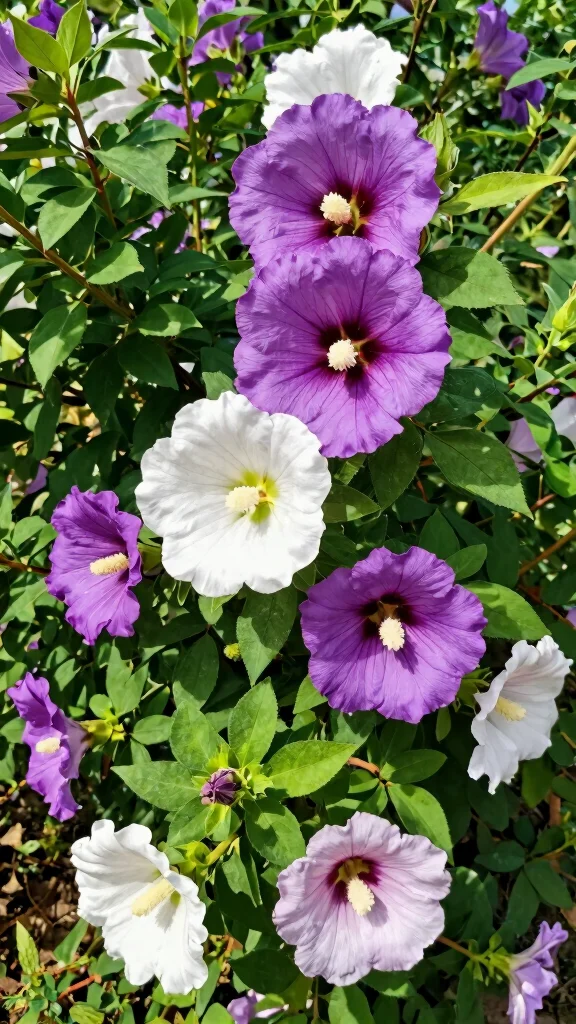
The Rose of Sharon is a striking addition to any garden, celebrated for its large, colorful flowers that bloom from summer to fall. With shades of blue, purple, and white, this hardy shrub adapts well to various soil types, making it a reliable choice for many gardeners.
To thrive, plant in full sun and provide regular watering, especially as it establishes. Pruning in early spring helps maintain its shape and promotes vigorous growth.
Essential tips for success:
– Plant in full sun for vibrant blooms
– Water regularly, especially when young
– Prune in spring for better structure
With its late-blooming flowers and easy care, the Rose of Sharon adds a vibrant touch to your garden when other plants have finished flowering.
5. Weigela
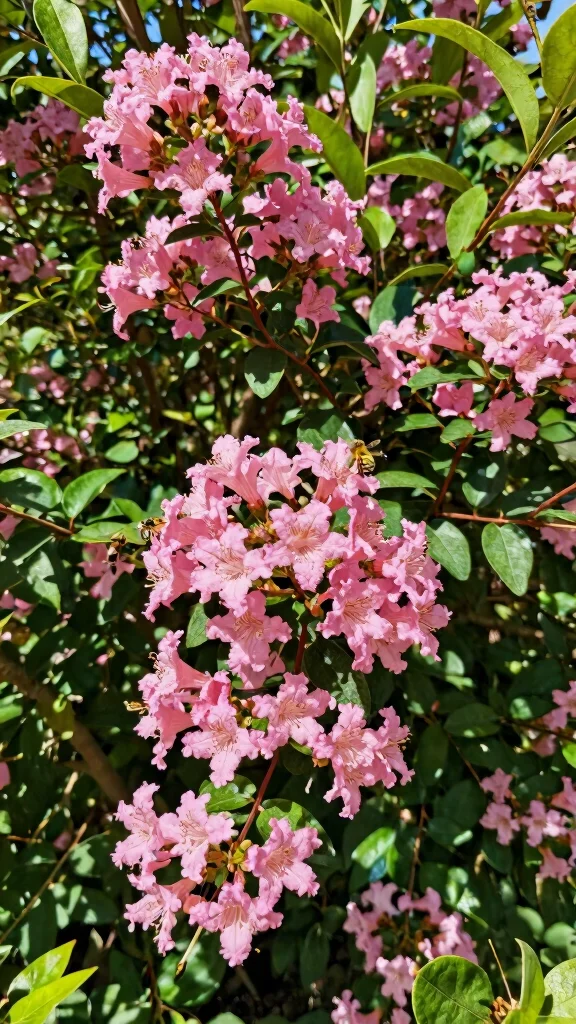
Weigela is cherished for its trumpet-shaped flowers that bloom in late spring and early summer. Available in various sizes, these colorful shrubs fit beautifully into any garden design. Their blossoms attract hummingbirds, enhancing the lively atmosphere of your outdoor space.
For best results, plant in well-drained soil and provide full sun. In hotter climates, a bit of afternoon shade can be beneficial. Pruning immediately after flowering encourages new growth and more blooms.
Steps to grow weigela successfully:
– Choose well-drained soil and full sun
– Provide afternoon shade in hot regions
– Prune after flowering for robust growth
By adding weigela to your garden, you’ll create a vibrant environment that invites pollinators while enhancing your landscape’s visual appeal.
6. Forsythia
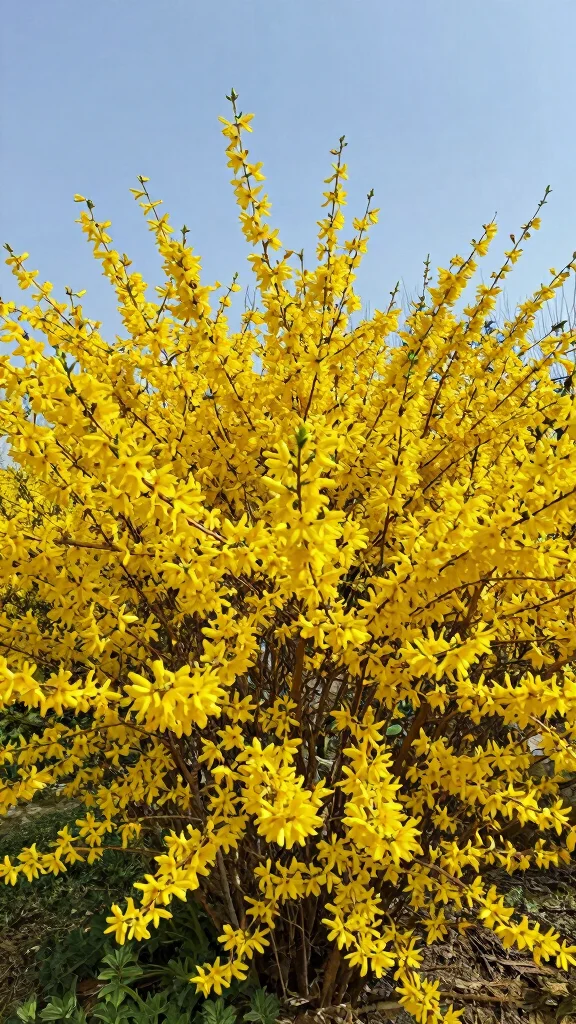
Forsythia is often one of the first shrubs to herald spring with its bright yellow flowers. This fast-growing shrub can easily be shaped, making it perfect for borders or as a standalone feature. Its cheerful blooms brighten up any garden after winter’s chill.
Plant forsythia in full sun to enjoy the best flowering. Although it tolerates various soil types, well-draining conditions are ideal. Pruning after flowering keeps the shape tidy and manageable.
Here’s how to grow forsythia:
– Ensure full sun for maximum blooms
– Choose well-drained soil for healthy growth
– Prune post-bloom to maintain shape
This delightful shrub’s early blossoms and low-maintenance nature make it a favorite for gardeners eager for a splash of color at the start of the season.
7. Ninebark (Physocarpus opulifolius)
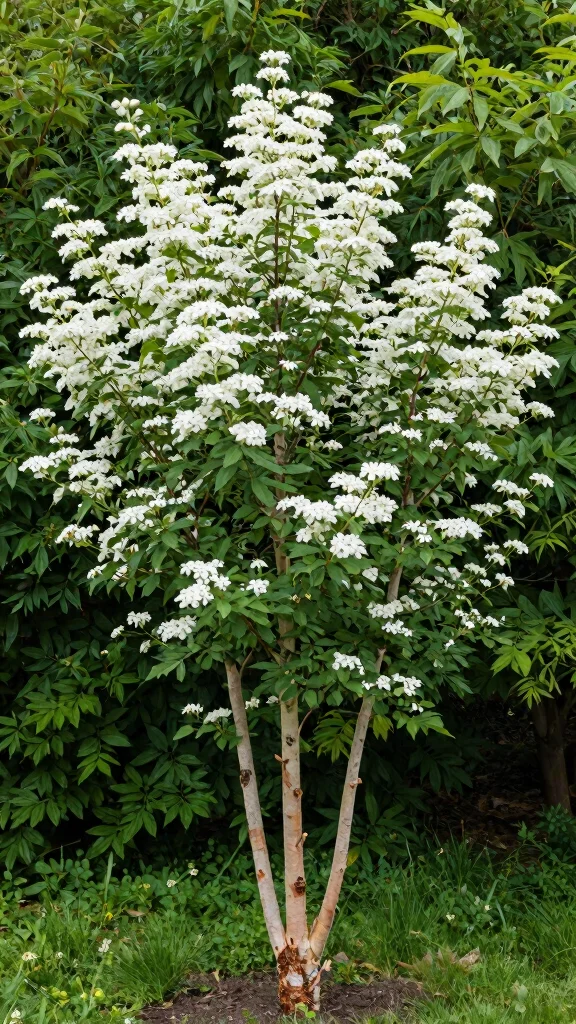
Ninebark is a unique shrub known for its eye-catching peeling bark and seasonal color changes. In late spring, it produces clusters of delicate white or pink flowers, adding charm to your garden. This hardy plant thrives in various soil types, making it versatile and easy to grow.
For best results, plant in full sun to partial shade, ensuring well-draining soil. Prune in late winter to encourage fuller growth and maintain its shape, or allow it to grow naturally for a rustic look.
Key points for growing ninebark:
– Choose full sun to partial shade for optimal growth
– Ensure well-draining soil for healthy roots
– Prune in late winter for fuller growth
With its unique features and seasonal interest, ninebark enhances your garden design while requiring minimal care.
8. Abelia
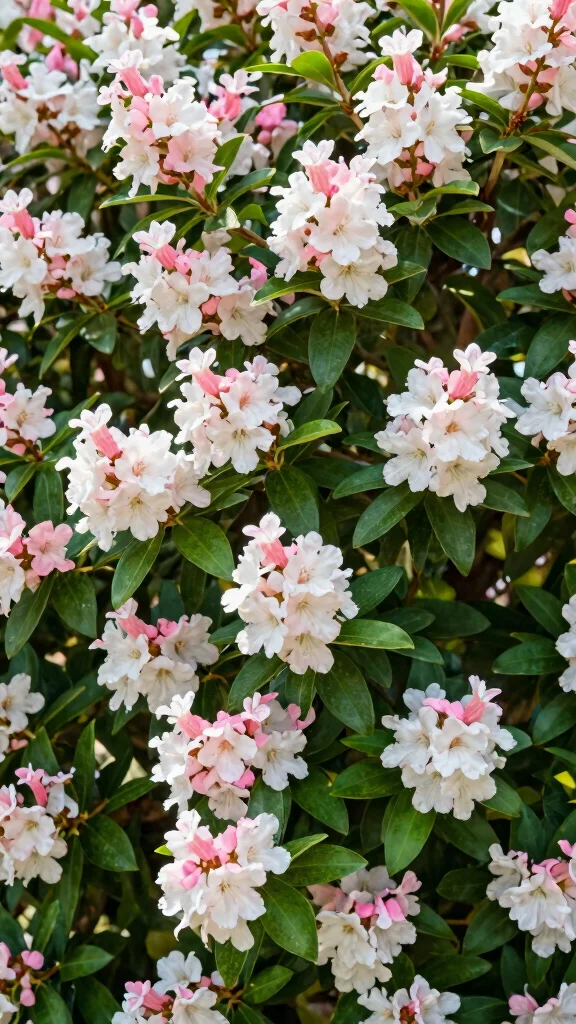
Abelia is a semi-evergreen shrub that delights with fragrant, tubular flowers in shades of white, pink, and lavender. Its graceful arching branches and glossy, dark green leaves make it a charming addition to any garden. This shrub also attracts bees and butterflies, enriching your garden’s biodiversity.
Plant abelia in well-drained soil with full sun for the best flowering. Regular watering during the first growing season helps establish strong roots. Light pruning in late winter keeps its shape neat and encourages new growth.
Steps to cultivate abelia:
– Ensure well-drained soil and full sun exposure
– Water regularly during the establishment phase
– Prune lightly in winter to maintain shape
With its lovely blooms and resilience, abelia adds both beauty and charm, perfect for gardeners seeking low-maintenance options.
9. Lilac (Syringa)
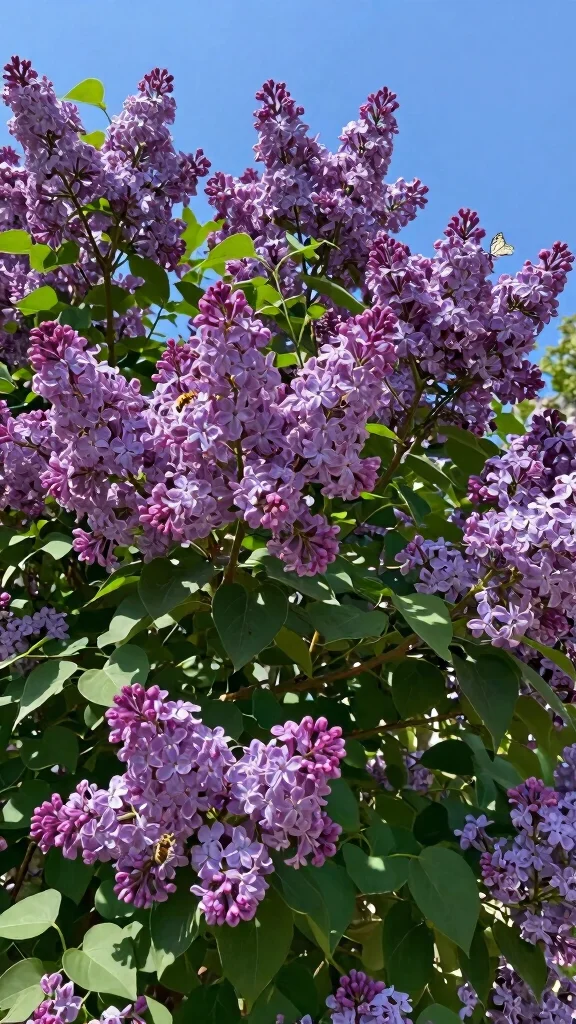
Lilacs are a cherished garden staple, renowned for their intoxicating fragrance and stunning clusters of purple and white blooms. Ideal for creating a romantic atmosphere, they shine brightly when planted in groups. Their delightful scent not only attracts humans but also brings in bees and butterflies.
To thrive, lilacs prefer full sun and well-drained soil. Adequate spacing ensures good air circulation, preventing diseases. Pruning after flowering maintains their shape and boosts new growth.
Essential tips for growing lilacs:
– Plant in full sun for vibrant blooms
– Ensure proper spacing for air circulation
– Prune after flowering for healthier plants
The enchanting beauty and fragrance of lilacs make them a timeless addition to any garden, turning it into a fragrant paradise.
10. Chokeberry (Aronia)
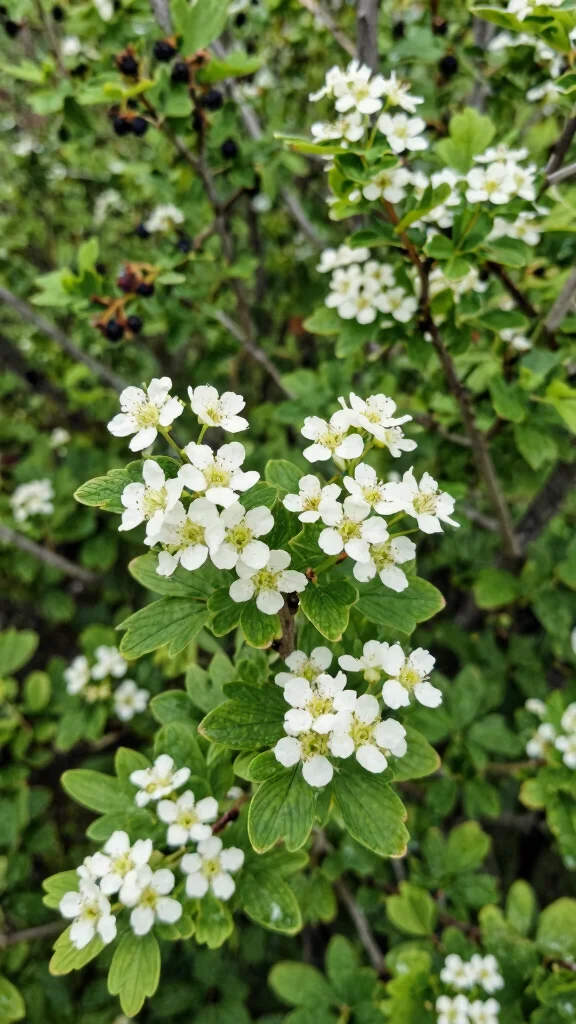
Chokeberries may be overlooked, but they offer lovely white flowers in spring that develop into dark berries in the fall. These shrubs are both ornamental and functional, providing food for wildlife while enhancing your garden’s aesthetics. Their fall foliage displays vibrant red and orange hues, adding to their charm.
For best results, plant chokeberries in full sun to partial shade. They thrive in various soil types, even wet conditions. Pruning promotes new growth and helps with air circulation.
Getting started with chokeberry:
– Plant in full sun to partial shade for best results
– Choose a variety of soil types, including wet soil
– Prune regularly for better air circulation
Chokeberry is a fantastic addition for those seeking to combine beauty and function, enhancing your garden while supporting local wildlife.
11. Potentilla
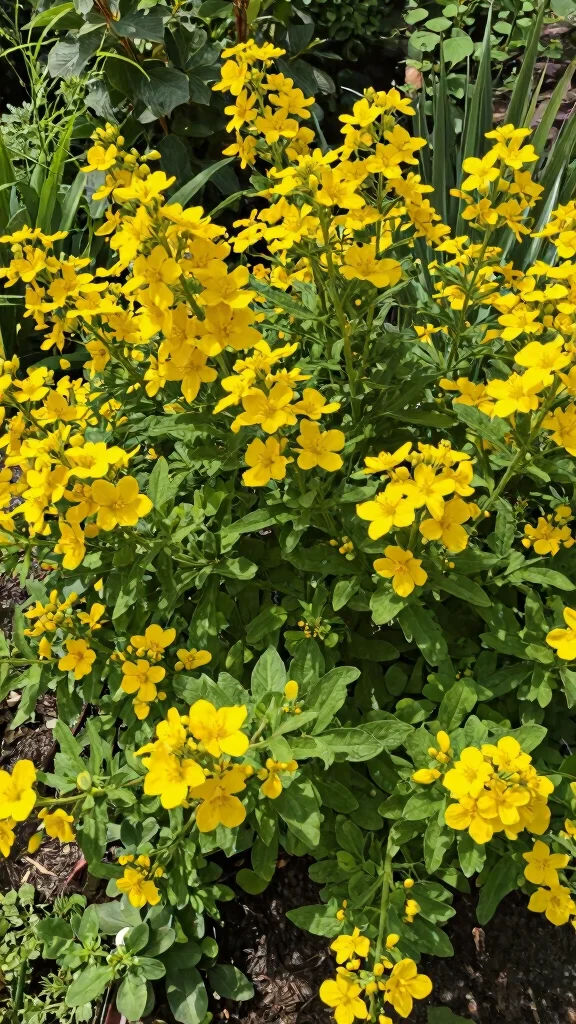
Potentilla is a resilient shrub that produces cheerful yellow flowers throughout the summer. Its compact size and bright blooms make it perfect for borders, containers, or as ground cover. This low-maintenance shrub thrives in various soil conditions, making it a favorite among gardeners.
For optimal growth, plant potentilla in full sun, although it tolerates a variety of soils. Light pruning in spring maintains its shape and encourages new blooms. Fertilizing in early spring boosts growth and flowering potential.
Steps for growing potentilla:
– Plant in full sun for maximum blooms
– Choose well-drained soil for best results
– Prune lightly in spring to promote new growth
With its vibrant flowers and easy care, potentilla adds a sunny touch to any garden while requiring minimal effort.
12. Smoke Tree (Cotinus coggygria)
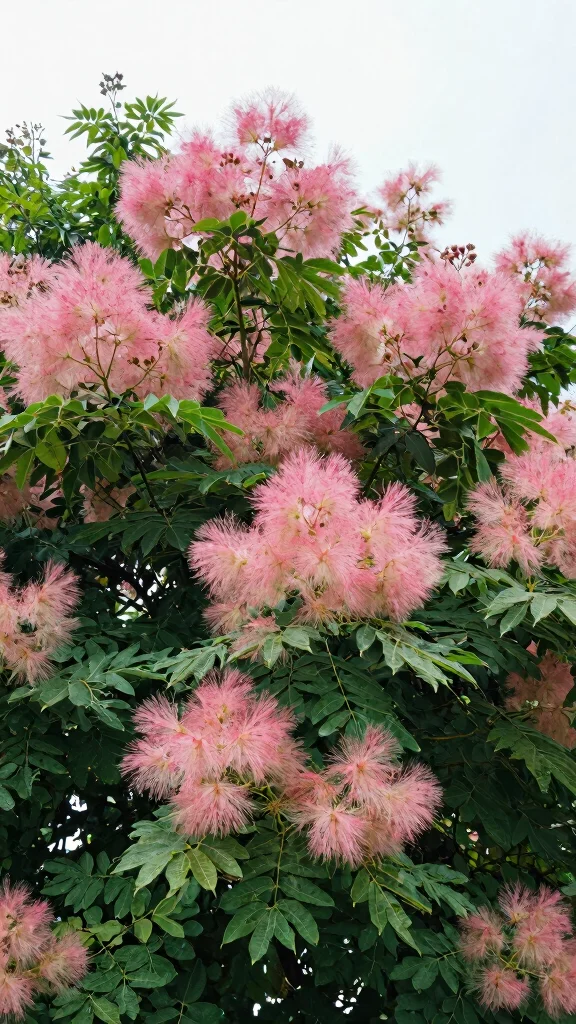
The smoke tree is an eye-catching shrub featuring unique, fluffy flower clusters that resemble smoke. This stunning plant adds texture to your garden and provides a dramatic backdrop with its colorful autumn foliage. Its striking appearance makes it a conversation starter.
For best results, plant your smoke tree in full sun to enhance its color development. Well-drained soil is essential, and it can tolerate drought once established. Pruning in late winter maintains its shape and promotes new growth.
How to cultivate a smoke tree:
– Ensure full sun for optimal color
– Choose well-drained soil for healthy growth
– Prune in late winter for better shape
Adding a smoke tree to your garden creates a unique focal point that enhances your outdoor space with its beauty and charm.
13. Fothergilla
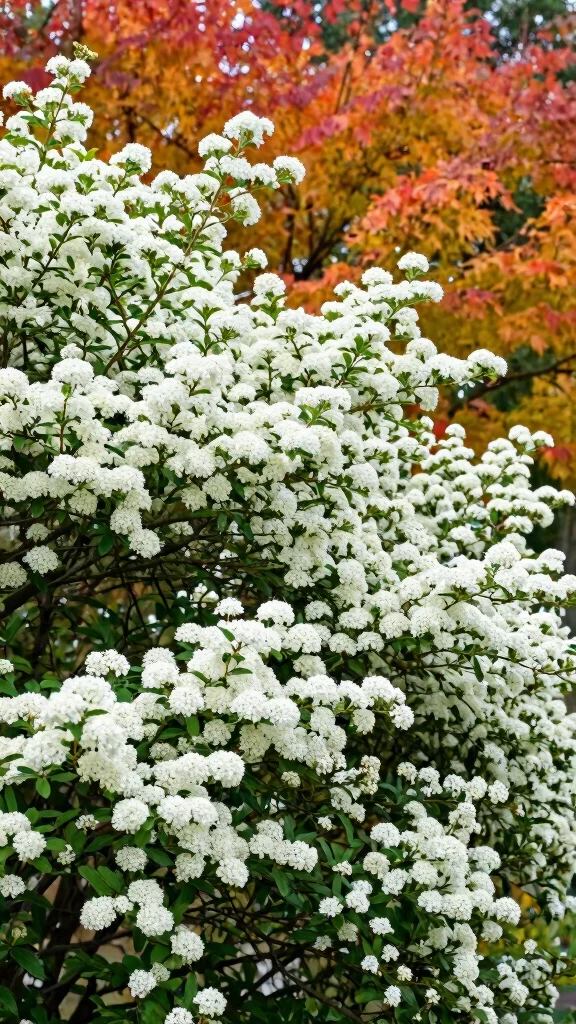
Fothergilla is a garden gem that offers white, bottlebrush-like flowers in spring and spectacular fall color. This shrub brings both fragrance and visual interest to your landscape, making it a standout choice for garden enthusiasts. Its unique blooms and foliage provide year-round appeal.
For optimal growth, plant fothergilla in partial shade to full sun, thriving best in acidic, well-drained soil. Light pruning helps maintain its shape, while watering during dry spells keeps it healthy.
Steps to grow fothergilla successfully:
– Choose partial shade to full sun for best growth
– Ensure acidic, well-drained soil for healthy roots
– Prune lightly to maintain shape
Fothergilla adds beauty to your garden, contributing to a sensory experience with its lovely fragrance and seasonal color changes.
14. Tatarian Dogwood (Cornus alba)
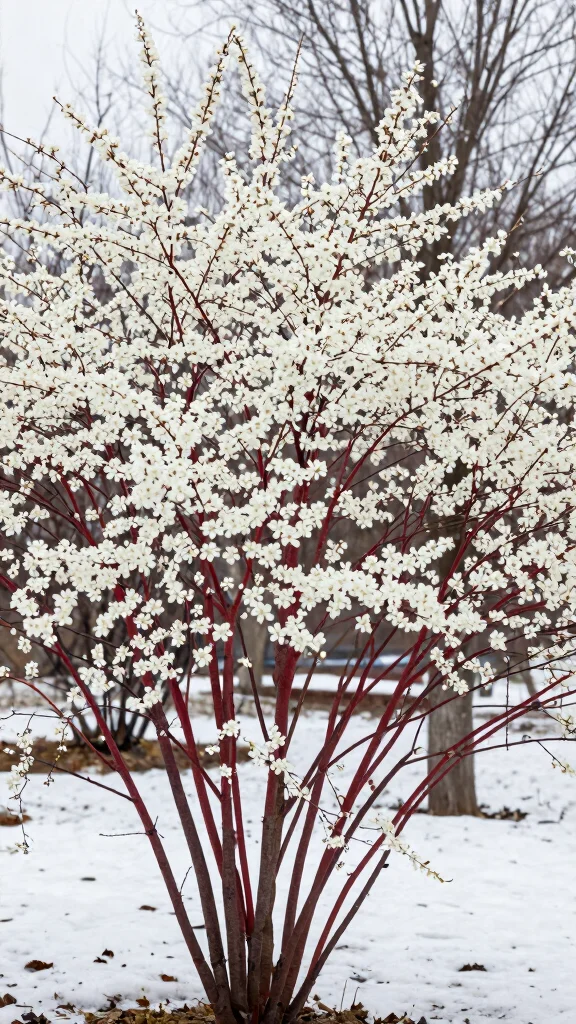
Tatarian dogwood is a striking shrub featuring vivid red stems that stand out beautifully in winter landscapes. In spring, it blooms with clusters of white flowers, followed by berries that attract birds. This shrub enhances your garden with year-round interest and charm.
For best growth, plant tatarian dogwood in full sun to partial shade, thriving in moist, well-drained soils. Pruning in late winter encourages vibrant new growth each spring. Regular watering maintains soil moisture for healthy plants.
Key points to grow tatarian dogwood:
– Plant in full sun to partial shade for optimal growth
– Ensure moist, well-drained soil for healthy roots
– Prune in late winter for better spring growth
Tatarian dogwood is a fantastic garden addition, contributing beauty throughout the seasons while being low-maintenance and easy to grow.
15. Liliana
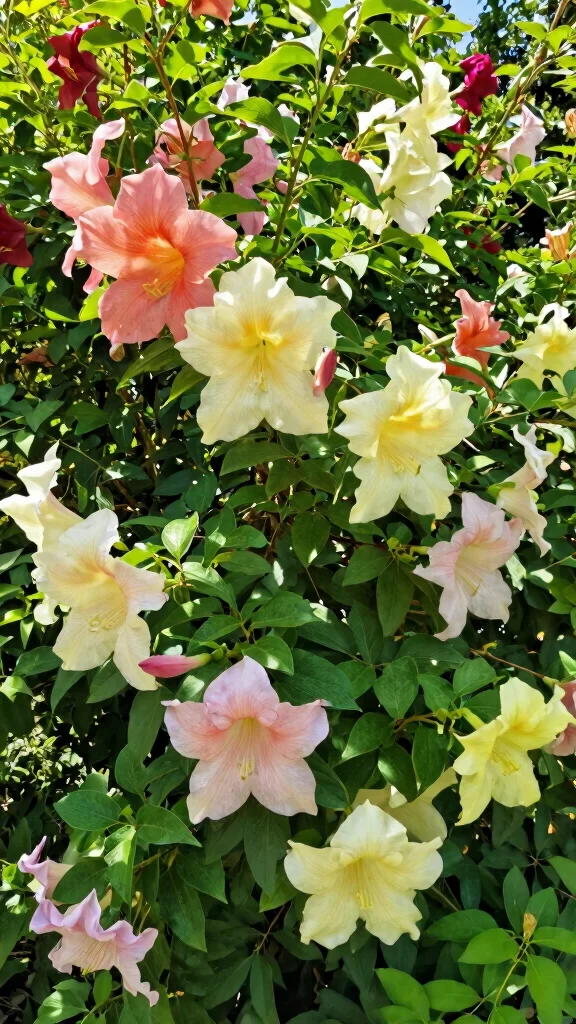
Liliana, or hardy lily, is a perennial favorite for its stunning flowers and robust growth. With large, elegant blooms in various colors, liliana adds sophistication and beauty to any garden setting. Its sweet fragrance draws in both pollinators and garden lovers alike.
For optimal blooming, plant liliana in full sun and ensure well-drained soil to prevent waterlogging. Deadheading spent flowers promotes continued blooming, while fertilizing in early spring boosts growth.
Steps to successfully grow liliana:
– Choose full sun for optimal blooming
– Ensure well-drained soil for healthy roots
– Deadhead flowers to encourage continued blooms
With exquisite blooms and rich fragrance, liliana shrubs elevate any garden design, creating an enchanting retreat.
16. Holly (Ilex)
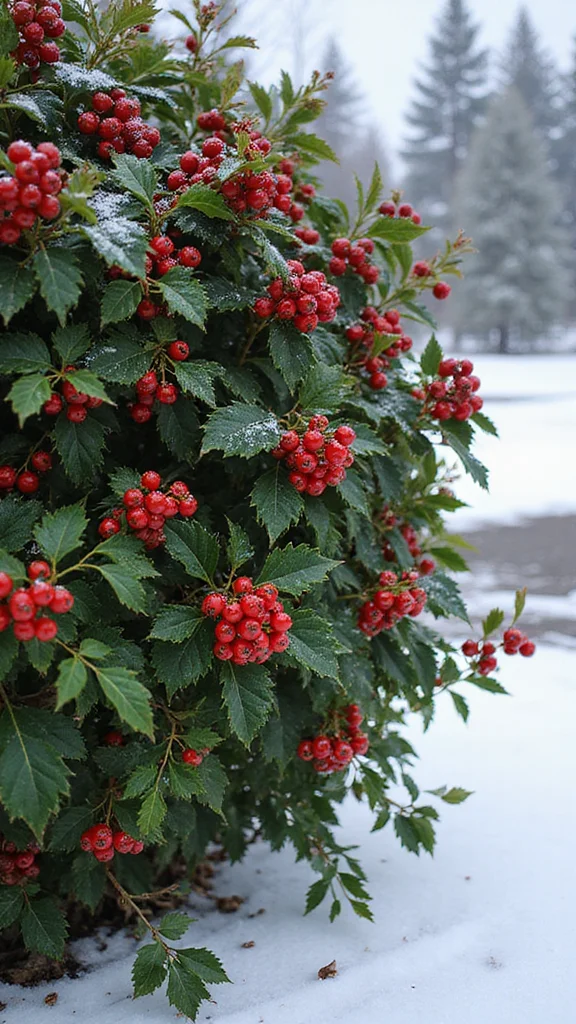
Holly is a classic garden shrub, celebrated for its bright red berries and glossy green leaves. This evergreen shrub provides year-round visual interest, with foliage that offers structure in winter and berries that attract birds during fall and winter. Its charm is undeniable.
For healthy growth, plant holly in full sun to partial shade, ensuring you have well-drained soil. Pruning helps maintain shape and remove any dead branches. Regular watering during dry spells is especially important for newly planted shrubs.
Key tips for growing holly:
– Choose full sun to partial shade for best results
– Ensure well-drained soil for healthy growth
– Prune to maintain shape and remove dead branches
Holly shrubs are a delightful addition to any garden, providing color, structure, and wildlife habitat while being incredibly low-maintenance.
17. Barberry (Berberis)
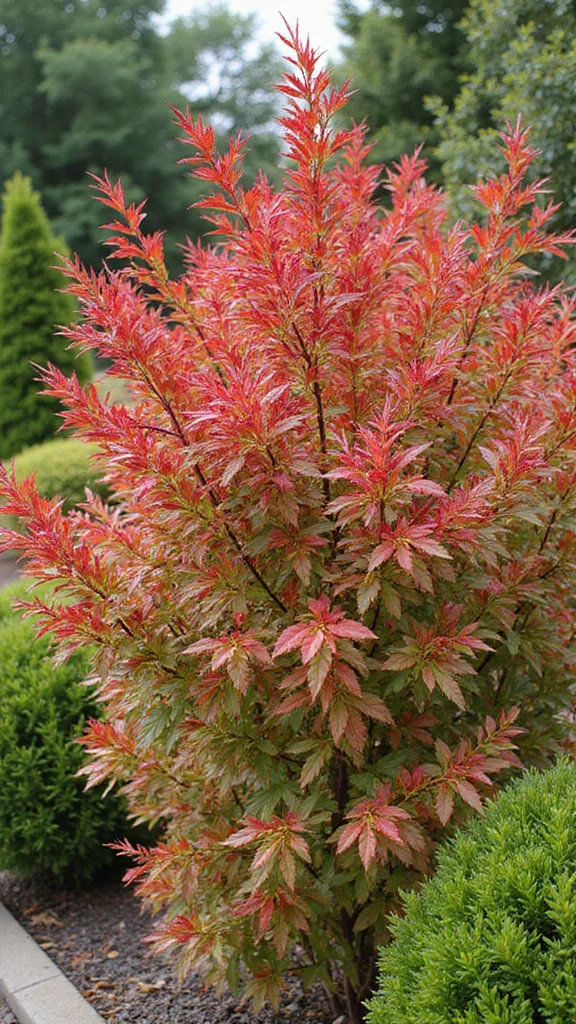
Barberry shrubs are known for their striking foliage and thorny branches, combining beauty with security in your garden. They bloom in early spring with cheerful yellow flowers, which develop into colorful berries by fall. Their vibrant colors and textures enhance various garden designs.
To thrive, plant barberry in well-drained soil with full sun exposure. This shrub is drought-tolerant, making it a low-maintenance choice. Pruning encourages fuller growth and helps maintain its shape.
Essential tips for growing barberry:
– Plant in well-drained soil and full sun for best results
– Tolerate drought, making it easy to care for
– Prune for fuller growth and shape maintenance
With their unique appearance and hardiness, barberries are perfect for creating a layered garden design that offers both visual appeal and functional benefits.
Conclusion
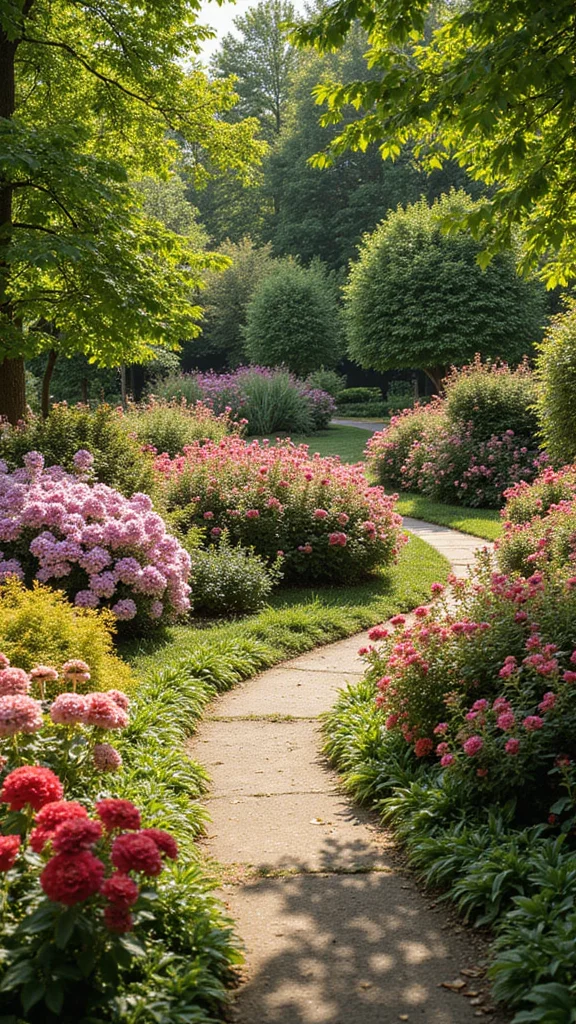
Incorporating perennial flowering shrubs into your garden design is an excellent way to create a stunning landscape that offers beauty and sustainability. With the right selection, you can enjoy vibrant blooms, delightful fragrances, and a habitat for local wildlife without extensive maintenance. Each of these 17 shrubs adds its charm and unique characteristics, ensuring your garden is a lush retreat for years to come. Ready to plant your favorites and transform your garden into a thriving sanctuary?
Frequently Asked Questions
What are the best flowering shrubs for a low-maintenance, pollinator-friendly garden?
For a low maintenance garden that’s friendly to pollinators, pick flowering shrubs that are native or well-adapted to your climate, drought-tolerant, and known for long bloom and easy care. Plant in sunny spots that match their needs, group in odd numbers, and mulch to conserve moisture. Once established, many of these require minimal pruning and fertilizing. Examples include viburnum, abelia, hydrangea, potentilla, and spiraea. Choose varieties with disease resistance and good vigor to keep upkeep simple, and match them to your garden design goals for structure and color.
How can I incorporate flowering shrubs into garden design for year-round color with low upkeep?
Start with a plan that balances bloom times, sun exposure, and mature size. Use solid garden design principles: anchor with evergreen backbone, add flowering shrubs for seasonal color, and create layered plantings for visual interest all year. Group shrubs in odd numbers, space them to their mature spread, and choose cultivars with long flowering periods. Mulch and select disease-resistant varieties to keep maintenance low. With a thoughtful layout, you’ll enjoy dynamic color and structure without extra work.
What routine care do perennial flowering shrubs need to thrive in a home garden?
Begin with a well-prepared site and fertile, well-drained soil, then mulch to conserve moisture. After planting, water deeply and regularly until the roots establish, then let rainfall handle most of the irrigation. In spring, apply a slow-release fertilizer if needed, and prune lightly after flowering to maintain shape. Remove any dead wood and deadhead spent blooms to encourage another flush of color. Every few years, divide crowded clumps to keep the plants vigorous. These simple steps keep flowering shrubs thriving with low maintenance.
Which flowering shrubs are best for sunny vs. shady spots, and are any particularly deer-resistant?
Many flowering shrubs perform best in sun, but there are excellent options for shade too. For sun, try Weigela, Spiraea, Potentilla, Buddleja, and hardy lavender where climates allow. For shade or part shade, consider Viburnum, Camellia, Rhododendron, or Mahonia. Deer resistance varies by region, but commonly preferred low-deer options include Spiraea, Potentilla, and Mahonia; even these aren’t foolproof, so use fencing or repellents if deer pressure is high. Tailor selections to your site conditions while prioritizing garden design goals and low maintenance needs.
How can I choose flowering shrubs to ensure continuous color by blooming season?
Plan for staggered bloom times by selecting shrubs with early, mid, and late-season flowers to deliver continuous color. Pair this with varied foliage textures for winter interest. For example, pair early bloomers like Forsythia or Viburnum with mid-season options like Weigela or Spiraea, and late bloomers such as certain Hydrangea varieties. Space and prune them to maintain vigor, and keep soil healthy with regular mulching. A well-thought-out mix of flowering shrubs will transform your garden’s color palette across seasons with low maintenance effort.