
Creating a beautiful garden feature can be a labor of love, and one of the most enchanting additions is a diy solar fountain. It adds a soothing ambiance, attracting birds and creating a peaceful retreat. Yet, maintaining that sparkling water feature can feel overwhelming. That’s why I compiled this list of essential fountain maintenance tips. Whether you’re a seasoned gardener or just dipping your toes into the world of water features, these tips will help you keep your fountain looking its best.
If you’re someone who adores garden enhancements but struggles to keep things tidy and functional, this guide is perfect for you. You care about creating a serene outdoor space, but sometimes the upkeep can be daunting. That’s where these easy tips come in. They are straightforward, actionable, and designed to help you maintain your fountain with minimal fuss.
By following these 18 fountain maintenance tips, you’ll gain confidence in your gardening skills and ensure that your water feature remains a sparkling centerpiece in your garden. From regular cleaning to seasonal care, you’ll discover practical strategies that not only keep your fountain in top shape but also enhance the overall beauty of your garden. Let’s get started!
Key Takeaways
– Regular cleaning prevents algae and debris buildup, ensuring your fountain stays sparkling and inviting.
– Monitoring water levels is crucial; low levels can damage the pump and affect overall fountain performance.
– Protecting against algae growth improves water quality and keeps your fountain looking fresh and clear.
– Engaging children in fountain care can make maintenance fun and teach them about gardening.
– Seasonal care, including winter preparation, helps extend the life of your fountain and keeps it functioning smoothly year-round.
Contents
- 1. Regular Cleaning is Key
- 2. Check the Water Levels
- 3. Protect Against Algae Growth
- 4. Maintain the Pump
- 5. Use Solar Power Wisely
- 6. Winter Care for Your Fountain
- 7. Monitor for Pests
- 8. Choose the Right Fountain Plants
- 9. Use Water Treatments
- 10. Use a Fountain Cover
- 11. Keep Electrical Components Safe
- 12. Assess Fountain Materials
- 13. Upgrade with LED Lighting
- 14. Create a Natural Habitat
- 15. Set a Maintenance Schedule
- 16. Enjoy Your Fountain
- 17. Consult Professionals When Needed
1. Regular Cleaning is Key
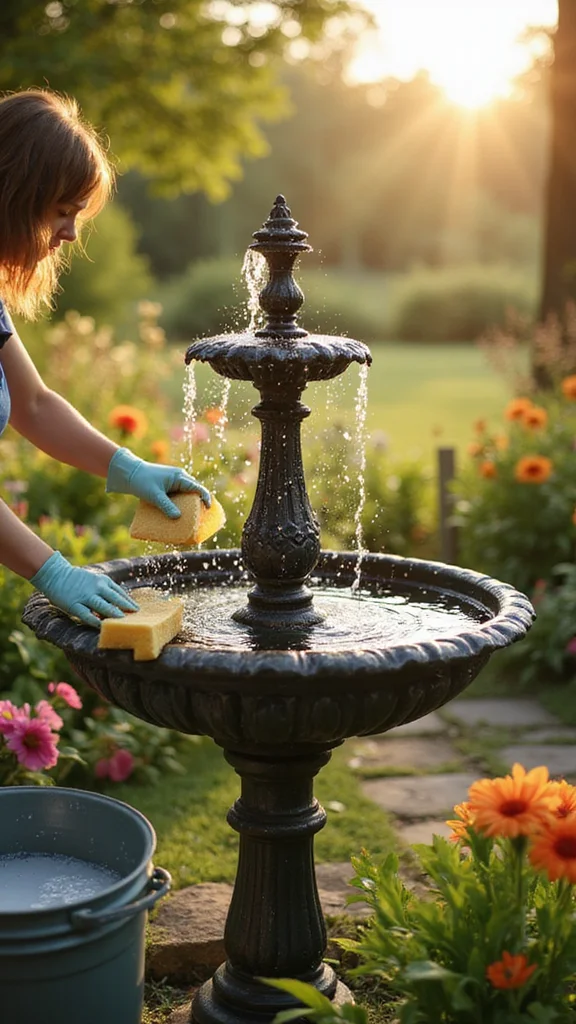
To keep your fountain looking its best, regular cleaning is essential. Over time, dirt and debris can build up, dulling the beauty of your water feature. Make it a point to check your fountain weekly, ensuring it stays sparkling and inviting.
Start by using a fine mesh skimmer net to remove leaves and floating debris. For tougher grime, a soft sponge with a mild soap solution will do the trick. Always rinse thoroughly to avoid any soap residue that might affect the water quality.
Consider a deep clean each month to drain the water, scrub surfaces, and refill with fresh water.
– Use a fountain brush for tight corners.
– Avoid harsh chemicals to protect wildlife.
– Dry the fountain before refilling to prevent bacteria growth.
Regular cleaning not only enhances the appearance but also promotes a healthier environment for any aquatic life present.
2. Check the Water Levels
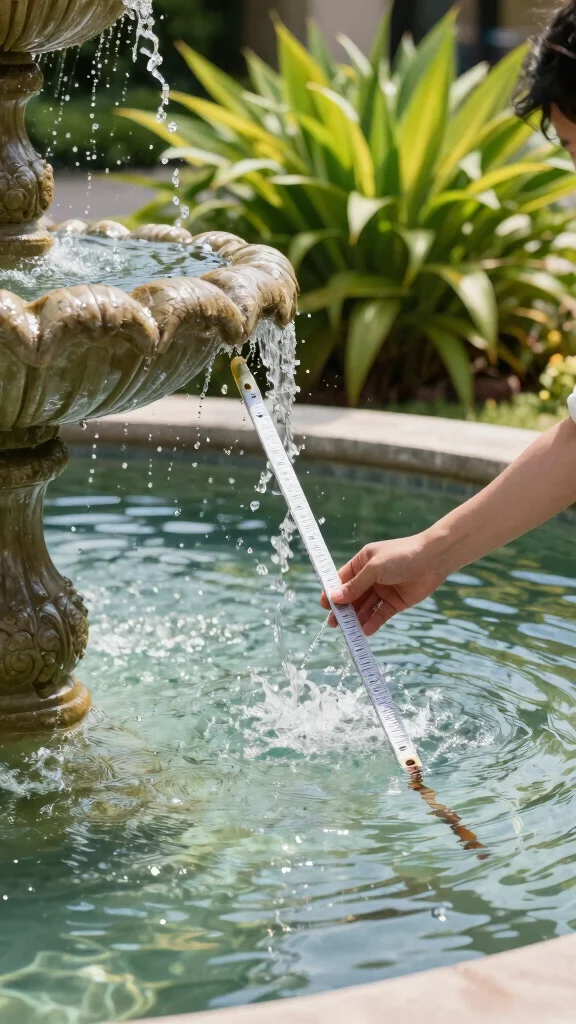
Maintaining the right water level is crucial for your fountain’s health. Water can evaporate quickly, especially under the sun, and running dry can damage the pump. Make it a habit to check the water level frequently and refill as necessary.
Keep the water at least one inch above the pump’s intake to ensure proper function. If you live in a particularly warm area, an automatic refill system can help maintain the desired levels effortlessly.
– Monitor water levels weekly for fluctuations.
– Consider a float valve for automatic refills.
– Use distilled water to minimize mineral buildup.
By keeping an eye on water levels, you can avoid costly repairs and ensure your fountain runs smoothly.
3. Protect Against Algae Growth
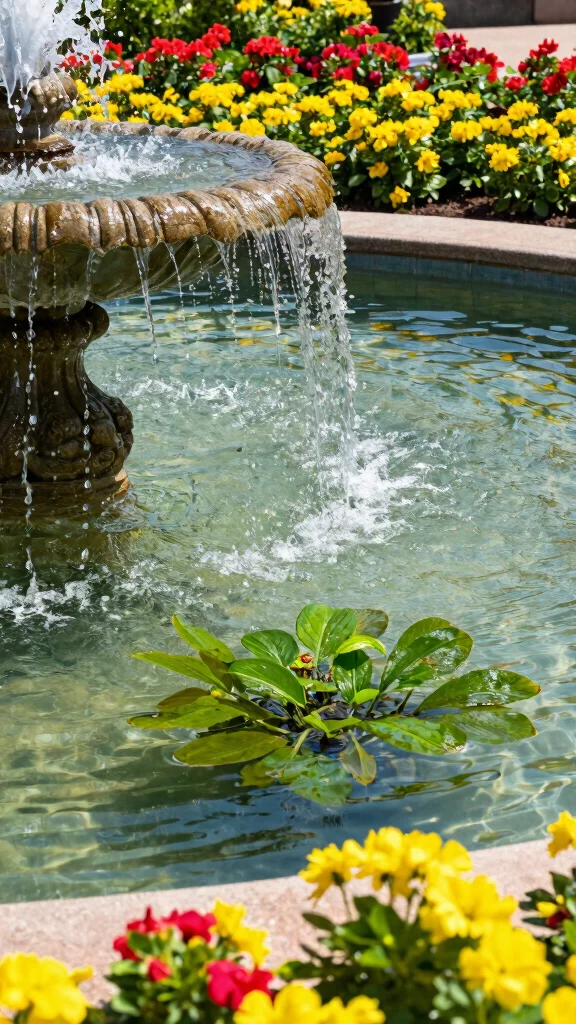
Algae can quickly spoil the aesthetic of your fountain, turning clear water into a green mess. To combat this, ensure your fountain receives ample sunlight, as algae prefer shady spots. You can also use a fountain-safe algaecide to keep algae at bay.
Regular scrubbing and frequent water changes are vital to prevent algae buildup. If you spot any green growth, remove it immediately to stop it from spreading.
– Use a UV sterilizer for larger fountains.
– Add aquatic plants that compete with algae naturally.
– Ensure good water circulation to deter algae growth.
Taking these steps will help maintain crystal-clear water and enhance your fountain’s appeal.
4. Maintain the Pump
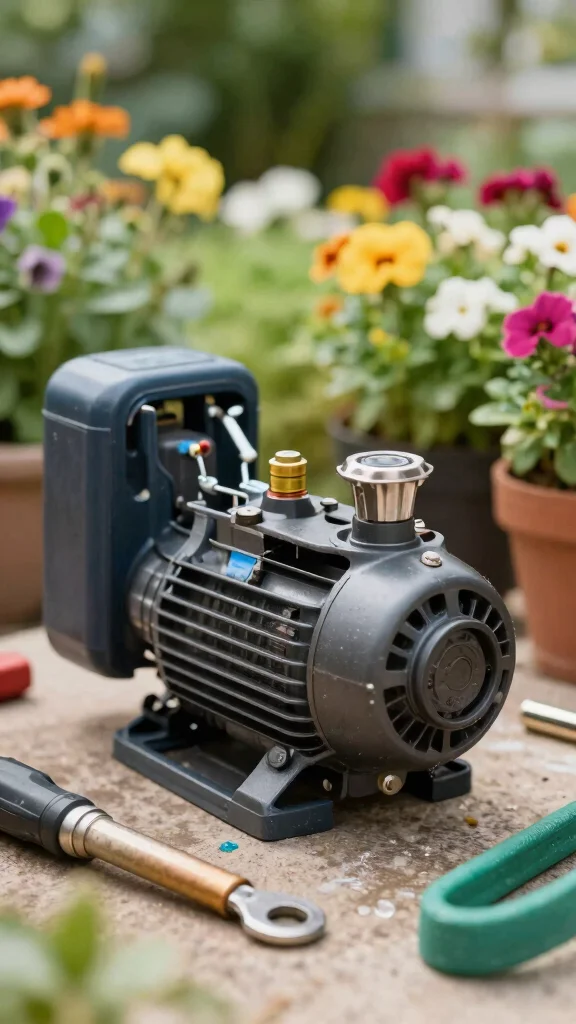
Your fountain’s pump is vital for keeping water flowing smoothly. Regular maintenance can extend its lifespan and enhance overall performance. Every few months, clean the pump to remove any debris that may have accumulated.
Check the intake and impeller for blockages. If you notice a drop in water flow, it may be time for cleaning or replacement. Choosing the right size and type of pump for your fountain is essential for optimal function.
– Rinse the pump in fresh water after cleaning.
– Replace damaged parts promptly.
– Follow the manufacturer’s guidelines for maintenance.
By keeping the pump in good condition, you ensure your fountain operates efficiently and beautifully.
5. Use Solar Power Wisely
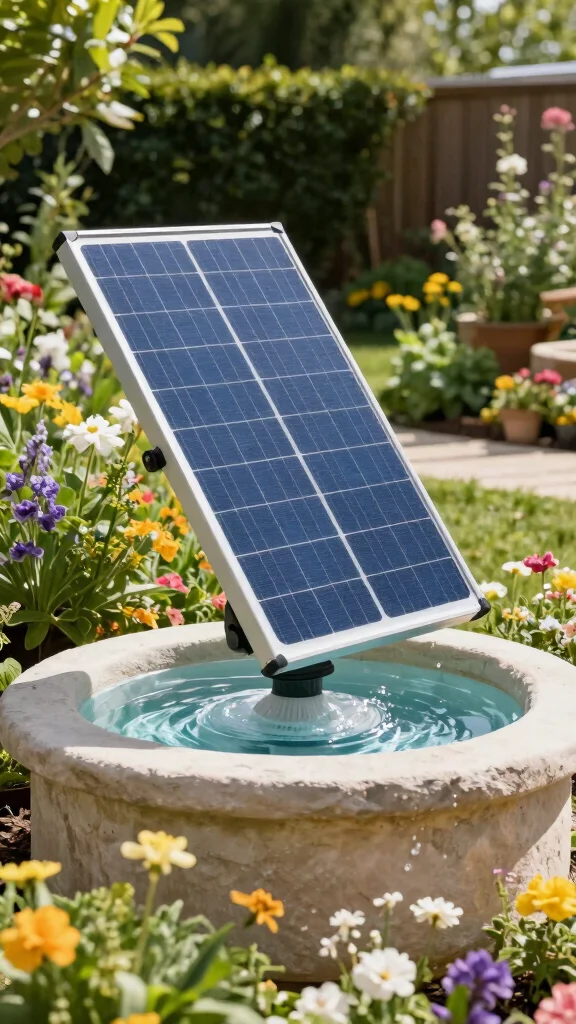
If your fountain runs on solar energy, positioning the solar panel correctly is key to maximizing sunlight capture. Solar energy is eco-friendly and cost-effective, but it depends on adequate sunlight exposure.
Regular cleaning of the solar panel is necessary to maintain efficiency, as dust can hinder performance. During colder months, store the panel indoors or in a safe location to avoid damage.
– Adjust the solar panel angle seasonally for optimal sunlight.
– Check connections to ensure they are secure and rust-free.
– Consider adding a battery backup for cloudy days.
Using solar power smartly not only saves money but also contributes to a greener environment.
6. Winter Care for Your Fountain
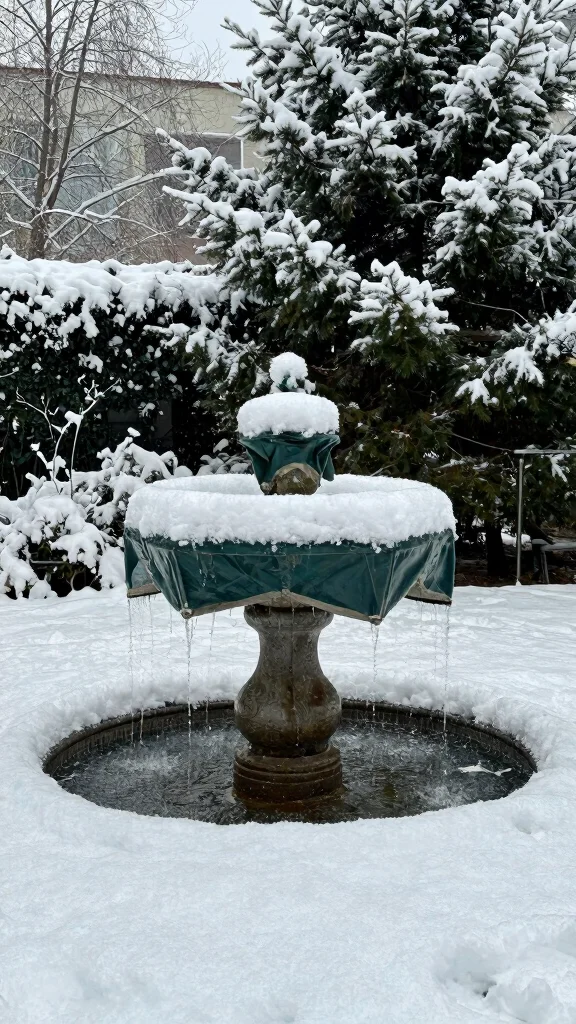
Winter can be harsh on fountains, especially in freezing temperatures. To protect your fountain, consider draining the water and either covering it with a tarp or bringing it inside if feasible.
Alternatively, installing a heater can prevent water from freezing. If your fountain houses fish or plants, ensure they are suitable for winter conditions to keep them safe.
– Drain and clean the fountain before winter arrives.
– Use insulated covers for added protection.
– Keep the area clear of snow and debris.
Taking these precautions will help your fountain survive the winter months in excellent condition.
7. Monitor for Pests
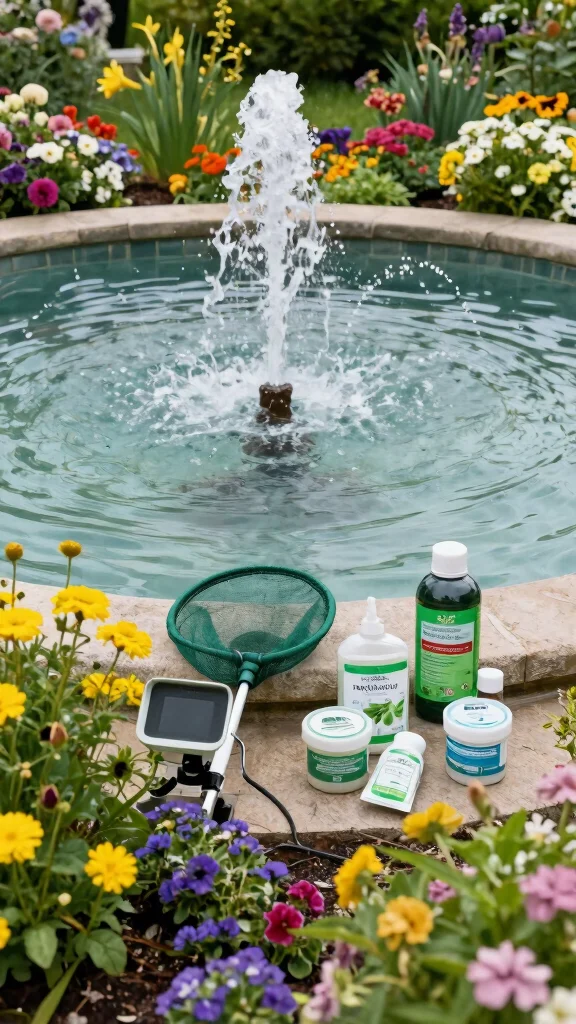
Pests can easily invade your fountain, especially with nearby plants. Regular checks for unwanted guests, like mosquitoes, are essential since they can breed in stagnant water. Keeping your fountain clean can deter these nuisances.
Consider using a higher flow-rate pump to keep the water moving, which helps prevent pest breeding. For larger fountains, introducing mosquito-eating fish can be an effective natural control method.
– Regularly skim for larvae and pests.
– Use natural repellents to avoid chemicals.
– Ensure proper drainage to prevent stagnant water.
By monitoring for pests, you create a healthier environment for both your fountain and surrounding wildlife.
8. Choose the Right Fountain Plants
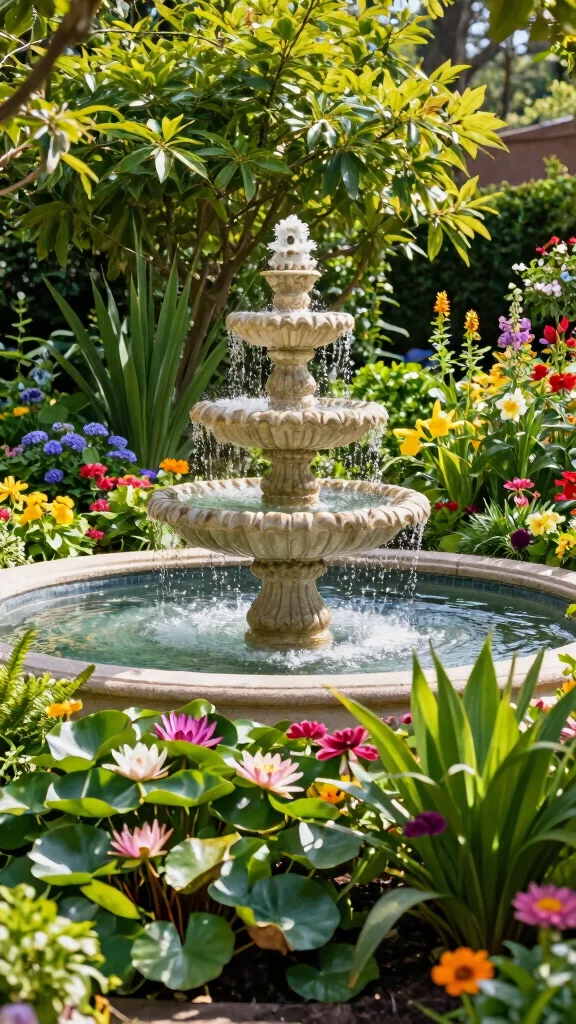
Adding plants around your fountain can enhance its beauty and support water quality. Opt for native species that flourish in your climate and harmonize with your fountain’s design.
Plants like water lilies or floating hearts provide shade, reducing algae growth and offering habitats for beneficial insects. Regular pruning helps maintain a tidy appearance and supports healthy plant growth.
– Avoid invasive species that may disrupt your garden.
– Mix tall and short plants for visual appeal.
– Consider seasonal flowers for year-round interest.
Choosing the right plants not only beautifies your fountain but also contributes positively to your garden’s ecosystem.
9. Use Water Treatments
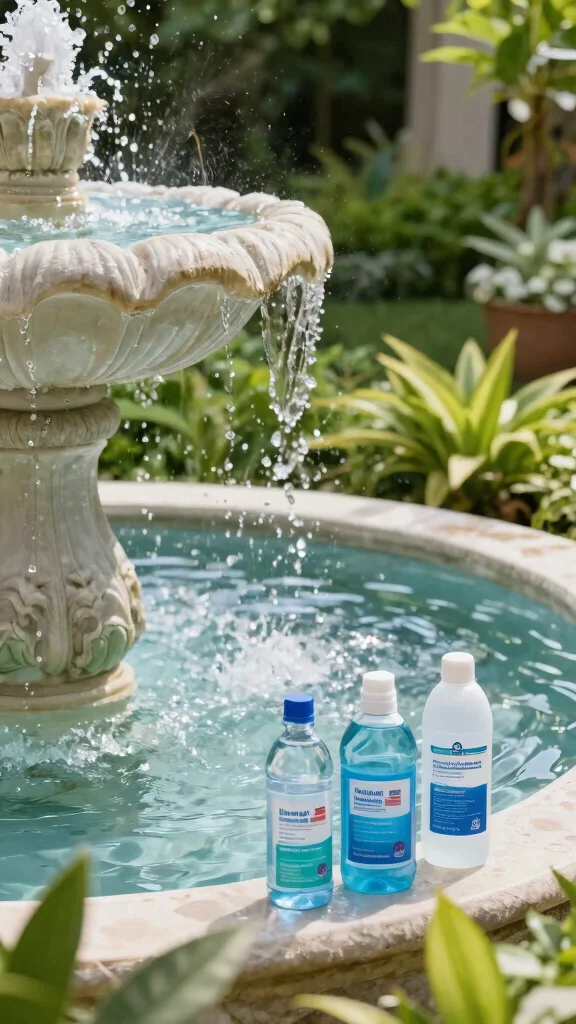
To keep your fountain’s water clear and inviting, consider water treatments designed specifically for fountains. These treatments can help manage algae growth and maintain clean, crisp water.
Always follow the product instructions to ensure safety for any fish or plants in your fountain. Regular use can reduce cloudiness and minimize the need for deep cleaning, but they shouldn’t replace routine care.
– Opt for natural products whenever possible.
– Use treatments according to manufacturer guidelines.
– Combine treatments with regular water changes for optimal results.
Using the right treatments keeps your fountain looking pristine and healthy.
10. Use a Fountain Cover
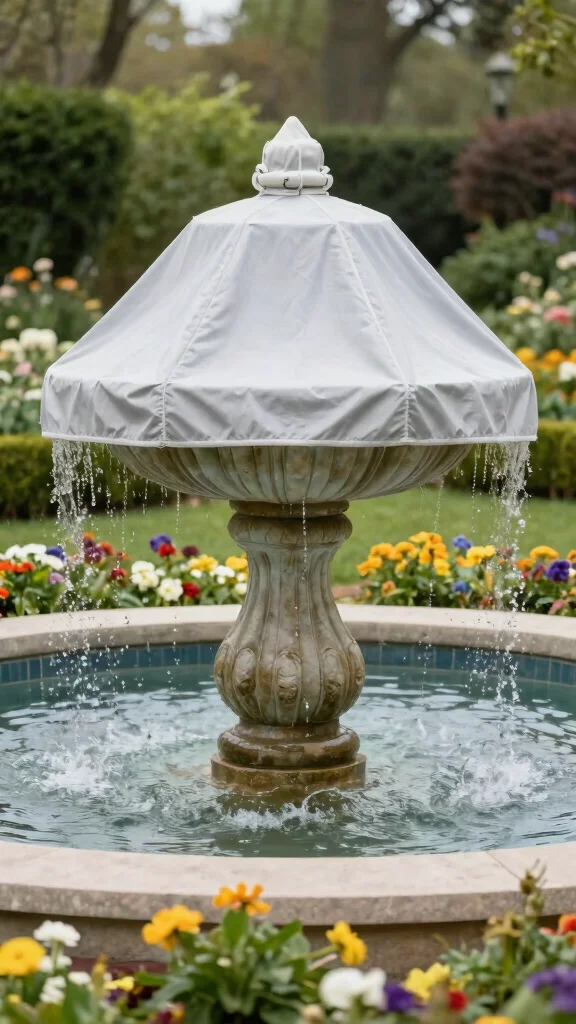
A fountain cover can protect your water feature from the elements when it’s not in use. This is especially helpful during windy seasons when leaves and debris can quickly gather.
When choosing a cover, look for durable, UV-resistant materials to ensure longevity. A good cover can also help retain heat in cooler months, benefiting any aquatic life if present.
– Invest in a cover that fits your fountain snugly.
– Clean the cover regularly to prevent mold buildup.
– Store the cover properly when not in use.
Using a cover can significantly reduce maintenance time and keep your fountain in great shape.
11. Keep Electrical Components Safe
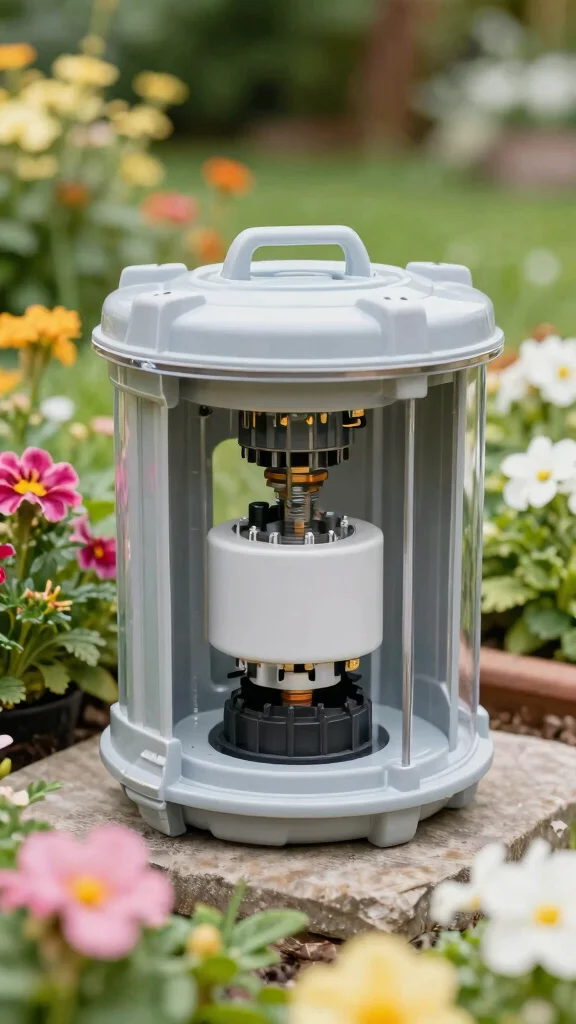
If your fountain has electrical components, keeping them safe from water exposure is crucial. Regularly inspect wires and connections for wear or damage to avoid hazards.
Ensure all electrical parts are rated for outdoor use and installed properly. During bad weather, consider using a GFCI outlet for extra protection against shock.
– Check for frayed wires and replace them.
– Use waterproof connectors for security.
– Store electrical components indoors during winter.
Taking these precautions helps ensure the safety and longevity of your fountain’s electrical setup.
12. Assess Fountain Materials
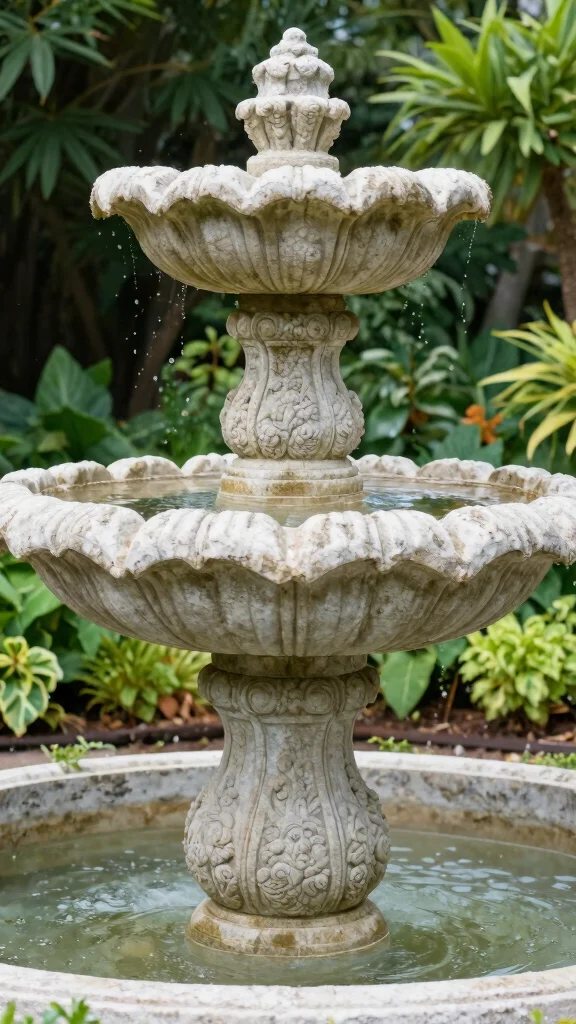
The material of your fountain impacts its maintenance requirements. Stone and concrete fountains are durable but may need sealing to prevent water absorption and cracking, while fiberglass models are lighter but can fade over time.
Inspect the material regularly for signs of wear and use appropriate treatments. For stone fountains, consider a stone cleaner or sealant to maintain their look.
– Choose a material that matches your garden style and climate.
– Regularly clean and seal to prolong lifespan.
– Research specific maintenance needs for your fountain type.
Understanding your fountain’s material helps you provide the best care and keeps it looking its best.
13. Upgrade with LED Lighting

Adding LED lighting to your fountain creates a stunning visual effect, allowing you to enjoy it even at night. These energy-efficient lights come in various colors, enhancing the water’s beauty.
Install lights around the fountain or submerged for a magical glow. Solar-powered LED options are available, making them eco-friendly and easy to set up. Remember to keep fixtures clean and check for wear.
– Choose waterproof lights for outdoor use.
– Experiment with different colors to set the mood.
– Always follow installation guidelines for safety.
Upgrading to LED lighting not only beautifies your fountain but also enhances the overall ambiance of your garden.
14. Create a Natural Habitat
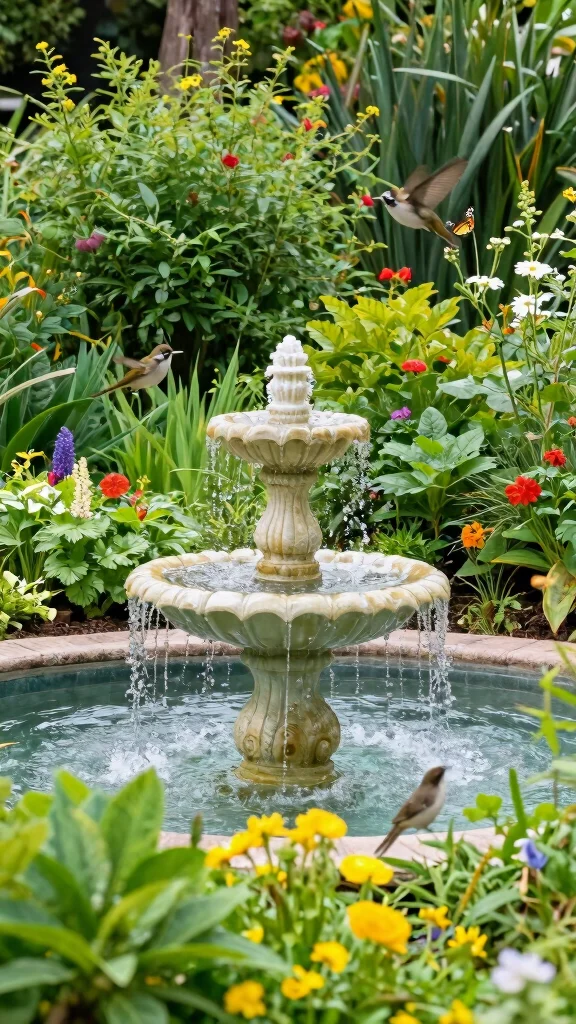
Transforming your fountain area into a natural habitat can attract birds and beneficial wildlife. Planting native flowers and grasses around your fountain can provide shelter and food, adding vibrancy to your garden.
Incorporate small rocks or pebbles for perching spots and include plants that draw butterflies and bees. This effort not only beautifies your garden but also supports local ecosystems.
– Choose plants that thrive in your region.
– Keep the habitat clean and free from debris.
– Avoid using pesticides that could harm wildlife.
Creating a natural habitat enriches your garden’s ecosystem and enhances its beauty.
15. Set a Maintenance Schedule
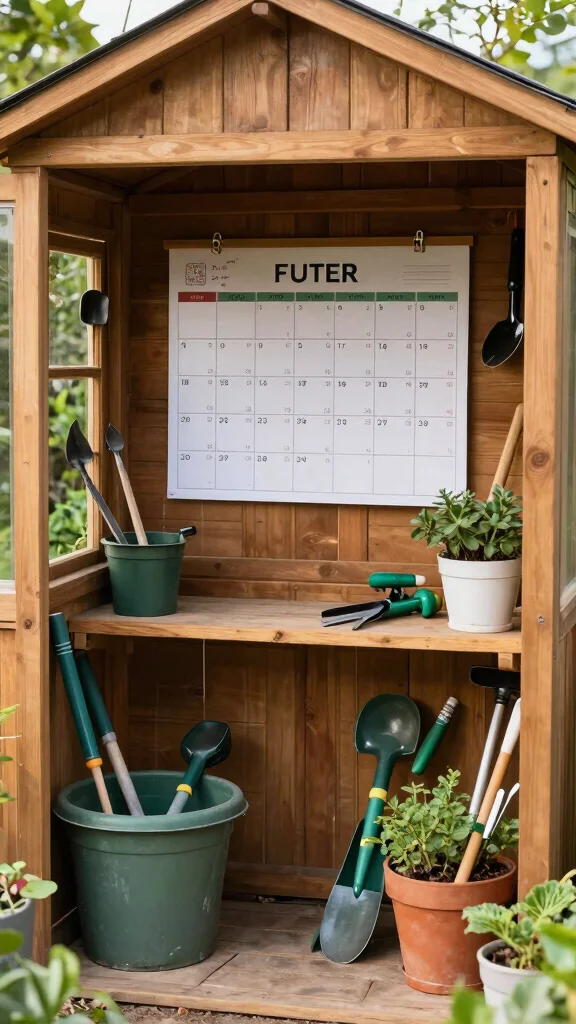
Establishing a maintenance schedule keeps your fountain in top shape with minimal effort. Create a checklist of tasks, such as weekly water checks and monthly deep cleans, to help you stay organized.
Using a calendar app for reminders makes it easy to keep track of your tasks. This proactive approach saves time and ensures your fountain remains beautiful year-round.
– Break tasks into manageable chunks to avoid overwhelm.
– Share the schedule with family members for shared responsibility.
– Adjust the frequency based on seasonal needs.
With a clear schedule, you’ll enjoy a well-maintained fountain without feeling burdened.
16. Enjoy Your Fountain

After all the hard work maintaining your fountain, take time to enjoy it! Appreciate the serene beauty it brings to your garden. Create a cozy seating area nearby with comfortable chairs and perhaps a small table for refreshments.
Make this spot a place for relaxation or entertaining friends, letting the soothing sounds of water enhance your outdoor experience.
– Use comfy outdoor furniture that matches your garden decor.
– Add small lanterns or candles for evening charm.
– Set up a small water feature for extra ambiance.
Taking the time to enjoy your fountain allows you to savor the beauty of your efforts.
17. Consult Professionals When Needed
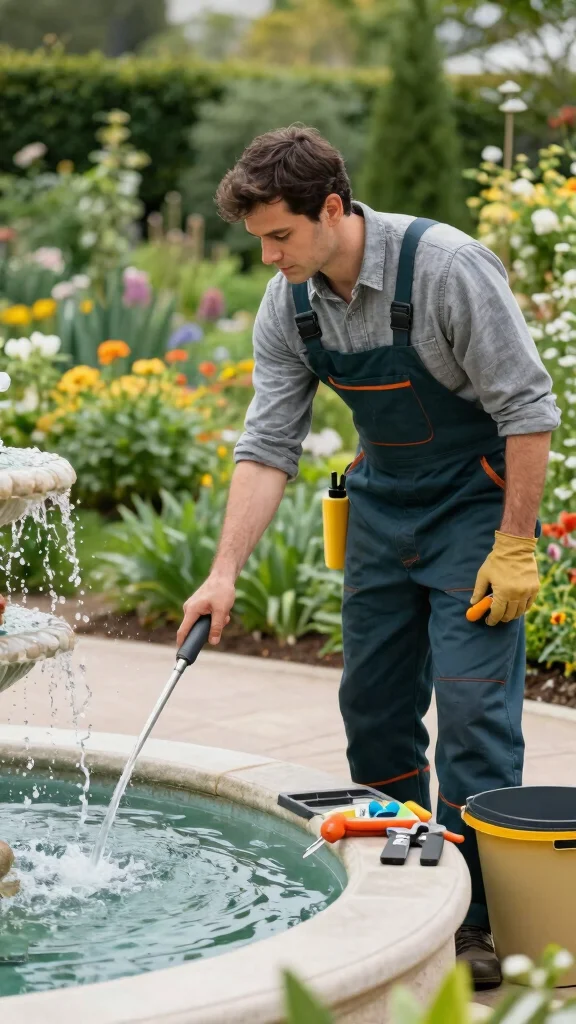
If your fountain encounters issues that go beyond simple upkeep, don’t hesitate to reach out to professionals. Experts can provide valuable insights and technical skills that can save you time and frustration.
Hiring specialists for complex repairs or upgrades ensures the job is done safely and correctly. It’s always wise to seek help rather than risk damaging your cherished fountain.
– Look for local gardeners or fountain specialists.
– Read reviews and ask for recommendations.
– Get quotes before committing to stay within budget.
Consulting professionals when necessary helps maintain the integrity and beauty of your fountain.
Conclusion

Your garden fountain deserves all the love and care it can get to remain a stunning centerpiece in your outdoor space. By following these 18 maintenance tips, you’ll create a captivating environment that enhances your relaxation and enjoyment.
Remember, a little effort goes a long way in ensuring your fountain sparkles for years to come. So roll up your sleeves and get started on maintaining that beautiful water feature you’ve created!
Frequently Asked Questions
What Are the Benefits of a diy solar fountain for Your Garden Feature?
A diy solar fountain lets you power your garden water feature with sunlight, so you skip cords and electricity costs.
It’s eco-friendly, quiet, and perfect for water features that blend into natural garden scenes. Place the solar panel where it gets full sun for best performance, choose a pump sized for your fountain, and keep the nozzle clear for a steady spray. With the right setup, maintenance is simple and you can move the unit around as your garden changes.
What Are Some Easy Tips to Maintain a Water Feature and Keep It Sparkling?
Here are easy tips you can use week to week: check the water level to keep the pump primed; remove leaves and debris with a net or skimmer; clean the pump and filter monthly to prevent clogs; refresh a portion of the water to reduce mineral buildup; use non-toxic treatments if needed and avoid harsh chemicals that can harm wildlife; and if you have a diy solar fountain, regularly wipe the solar panel to keep it efficient. This keeps your water features sparkling and reduces algae growth.
How Often Should I Clean and Service My Fountain to Prevent Clogs and Algae?
Plan for a light cleaning each week and a deeper clean every month. Weekly: remove debris, check water level, and run the pump to confirm it’s drawing water smoothly. Monthly: unplug if needed, disassemble the pump for a thorough clean, flush the reservoir, and scrub mineral buildup from the nozzle. Before extreme weather changes, perform a quick check to ensure seals stay intact. These easy tips help preserve your garden feature and keep the spray looking bright.
What Should I Consider When Choosing Between a diy Solar Fountain and a Plug-In Model for Your Garden?
When choosing between a diy solar fountain and a plug-in model, consider sun exposure, budget, and climate. If your garden has strong sun most of the day, a diy solar fountain can save on energy and simplify setup. In shaded areas or cloudy climates, a plug-in option with a battery backup might be more reliable. Also weigh maintenance needs, equipment cost, and the size of your water features to ensure you get the sparkle you want without breaking the bank.
How Can I Troubleshoot Common Fountain Problems Like No Water Flow or No Sparkle?
Try these quick troubleshooting steps:
1) Make sure the water level is high enough to keep the pump primed.
2) Check the pump for debris or a clogged impeller and clean as needed.
3) Prime the pump by removing and reattaching it to restore flow.
4) Inspect tubing and nozzles for kinks or blockages.
5) For diy solar fountain, ensure the solar panel is in direct sun and not shaded.
6) Look for algae or mineral buildup and clean with a mild basin-cleaning solution.
7) If you’re using a plug-in system, check the power source and circuit breaker. Following these steps can bring back the sparkle quickly.