
Hydrangeas are among the most beloved flowers for outdoor spaces, often bringing a burst of color and charm to gardens, patios, or balconies. As the weather warms, you might find yourself craving a lush, blooming container garden filled with these stunning plants. I created this post because container gardening with hydrangeas can be incredibly rewarding, even for beginners. Whether you’re short on space or simply prefer the versatility of pots, there’s something special about cultivating these beauties in a way that suits your style and environment.
If you’re someone who loves a flourishing outdoor space but feels overwhelmed by the idea of gardening, this guide is for you. You don’t need to be an expert to enjoy the beauty of hydrangeas. Maybe you’re a busy urban dweller, a seasoned gardener looking to experiment with containers, or just someone who wants to add a pop of color to your space. Whatever your situation, you’ll find practical tips here to help you master hydrangea care in a straightforward way.
In this guide, you’ll discover 18 easy container gardening tips that are not just practical but also fun. From choosing the right container to understanding the perfect watering schedule, these tips will help you cultivate stunning hydrangeas that will impress your friends and brighten your outdoor space. Get ready to transform your garden decor with vibrant blooms that thrive in your own little corner of the world.
Key Takeaways
– Choose the Right Container: Select pots that provide adequate space and drainage for healthy growth. The right size and material can greatly influence your hydrangea’s health.
– Use Quality Potting Mix: Invest in high-quality potting soil enriched with nutrients. This will provide your hydrangeas with the best foundation for growth and bloom.
– Water Wisely: Hydrangeas need consistent moisture but can suffer from overwatering. Learn to gauge when they need water to keep them thriving without drowning them.
– Prune Wisely: Proper pruning encourages new growth and abundant blooms. Understanding the right time and technique for pruning can enhance your hydrangeas’ beauty.
– Create a Hydrangea Display: Arrange your containers creatively to maximize visual appeal. Mixing different varieties and colors can turn any space into a stunning hydrangea showcase.
Contents
- 1. Choose the Right Container
- 2. Use Quality Potting Mix
- 3. Ensure Proper Drainage
- 4. Position for Optimal Sunlight
- 5. Water Wisely
- 6. Fertilize for Blooms
- 7. Prune Wisely
- 8. Protect from Pests
- 9. Choose the Right Hydrangea Variety
- 10. Consider Color Changes
- 11. Mulch for Moisture
- 12. Rotate Your Containers
- 13. Embrace Seasonal Changes
- 14. Create a Hydrangea Display
- 15. Personalize Your Containers
- 16. Document Your Journey
1. Choose the Right Container
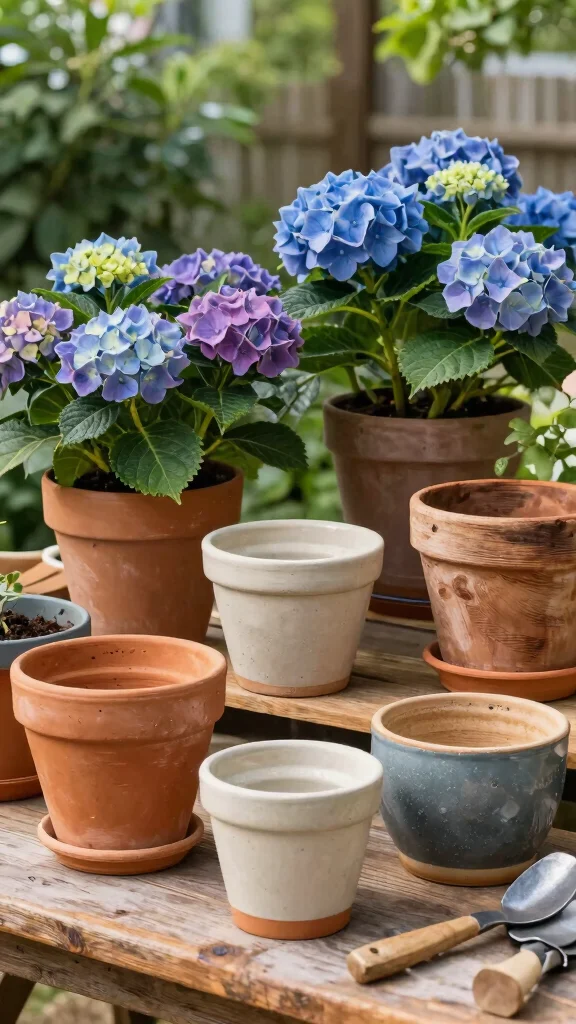
Selecting the perfect container is vital for healthy hydrangeas. Opt for pots with excellent drainage to keep roots thriving. Terracotta or ceramic pots work wonderfully, as they help maintain moisture balance. Aim for containers that are at least 18 inches wide, providing plenty of room for root growth.
Consider the visual impact of your container too. A classic white pot can accentuate the vibrant blooms, while a rustic wooden planter adds warmth. The right container not only supports your hydrangeas but also enhances the beauty of your outdoor space.
2. Use Quality Potting Mix
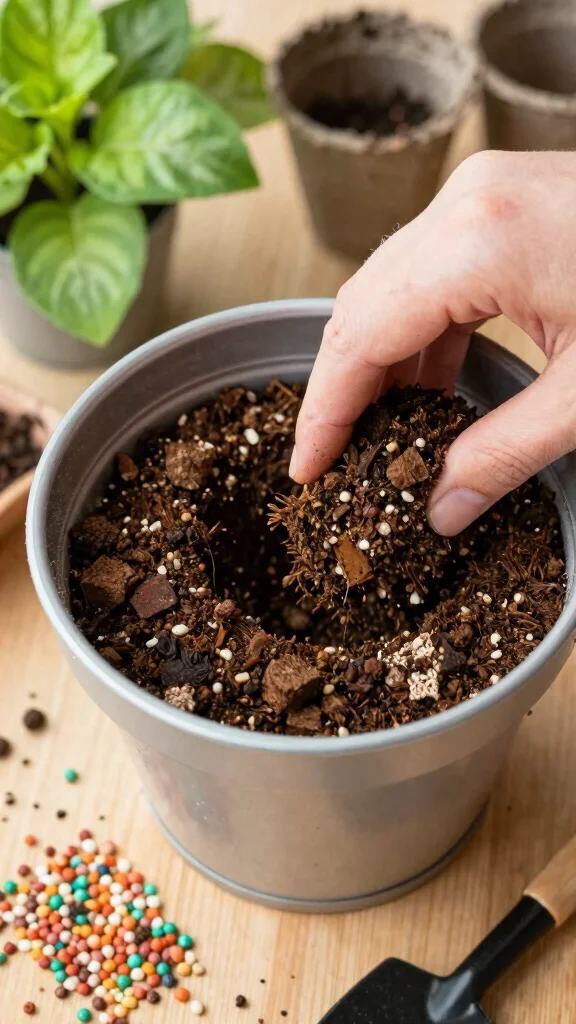
The right potting mix is essential for your hydrangeas’ success. Choose a high-quality mix rich in organic matter that drains well. A combination of peat moss, perlite, and compost supports healthy root development and moisture retention.
To give your hydrangeas an extra boost, add slow-release fertilizer to the mix. This will promote vibrant blooms and overall plant health. When repotting, gently blend new soil with the existing mix to create a nourishing environment for your plants.
3. Ensure Proper Drainage
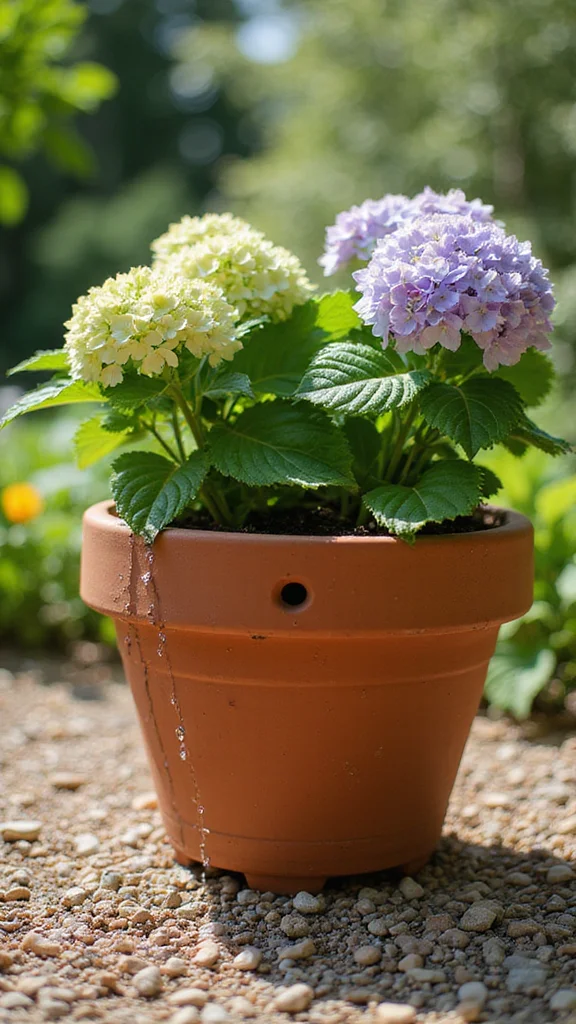
Hydrangeas thrive in moisture but hate being waterlogged. Proper drainage is crucial to protect against root rot. Make sure your container has ample drainage holes, and add gravel or clay balls at the bottom for added support.
If your pot lacks drainage, consider drilling holes or switching to a new container. Always monitor soil moisture; if it feels too wet, adjust your watering habits. Following these tips will keep your hydrangeas happy and healthy.
You Might Also Like
4. Position for Optimal Sunlight
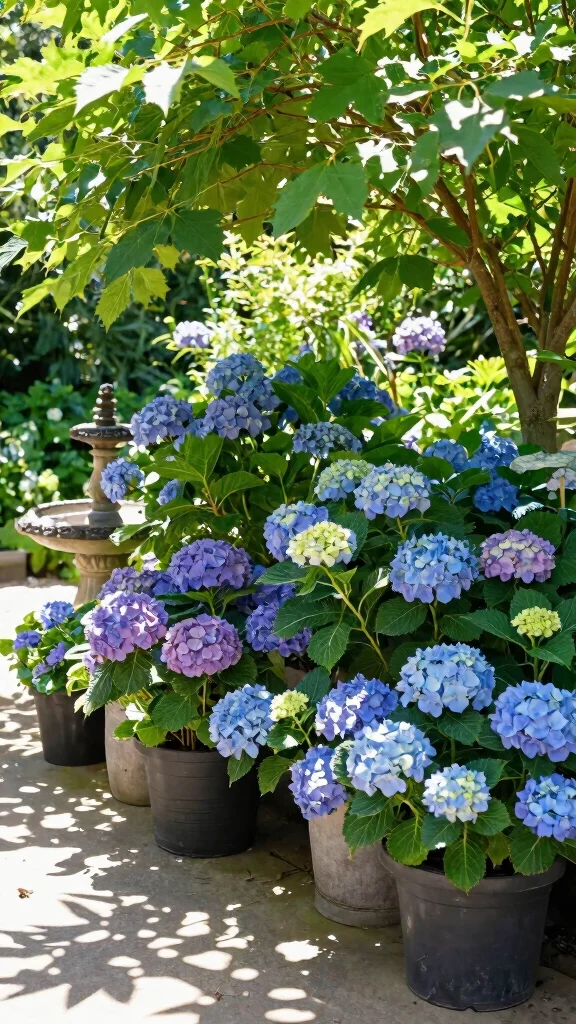
Hydrangeas prefer a mix of sun and shade. Place your container where it can enjoy morning sun and afternoon shade for optimal blooming. This setup helps prevent leaf sunburn.
If your garden is particularly sunny, use taller plants to provide shade. You can also rotate your containers throughout the seasons to match changing sunlight conditions. Keep an eye on your hydrangeas and move them if you notice signs of stress.
5. Water Wisely
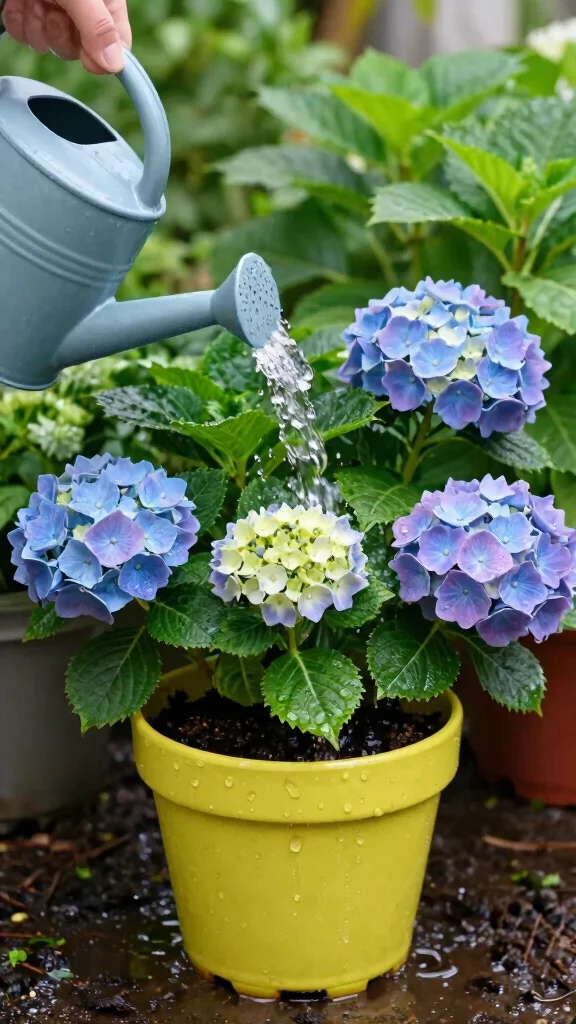
Correct watering is crucial for hydrangea health. Aim for consistent moisture, providing about 1 to 2 inches of water weekly. Check the top inch of soil; if it’s dry, it’s time to water.
When watering, ensure the pot drains well, allowing roots to absorb moisture effectively. Using a moisture meter can help you gauge the soil’s needs accurately. Adjust your watering routine according to the seasons, especially during hot months when more frequent watering may be necessary.
6. Fertilize for Blooms
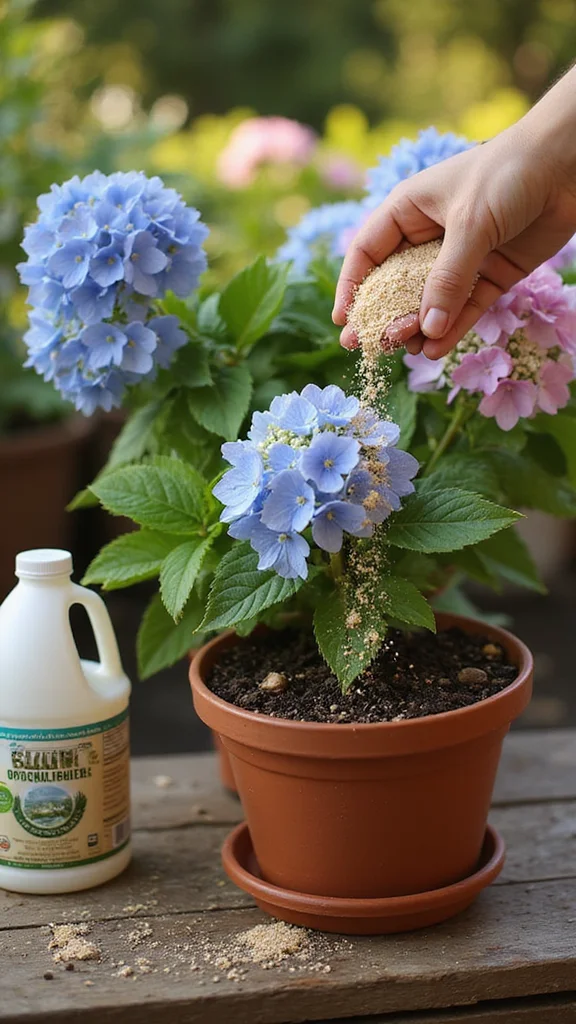
Feeding your hydrangeas is key to vibrant blooms. A balanced, slow-release fertilizer will help enhance growth and flower quality. Look for a formula designed for flowering plants to achieve the best results.
Apply fertilizer in spring as new growth starts, and follow package instructions for best practices. Organic options like fish emulsion can also provide rich nutrients. Regular fertilization keeps your hydrangeas blooming beautifully throughout the season.
7. Prune Wisely
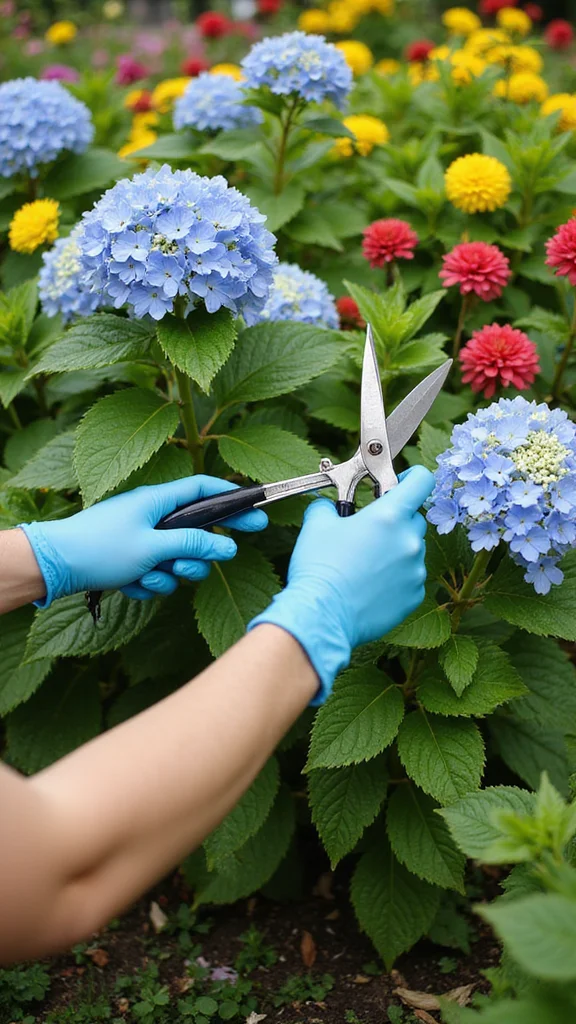
Pruning hydrangeas may seem daunting, but it’s essential for growth and blooms. The timing depends on the type of hydrangea; prune those that bloom on old wood right after flowering, while those on new wood should be pruned in late winter or early spring.
Focus on removing dead or weak stems to encourage healthy growth. Remember, less is more; start slow and observe how your plants respond to your pruning efforts.
8. Protect from Pests
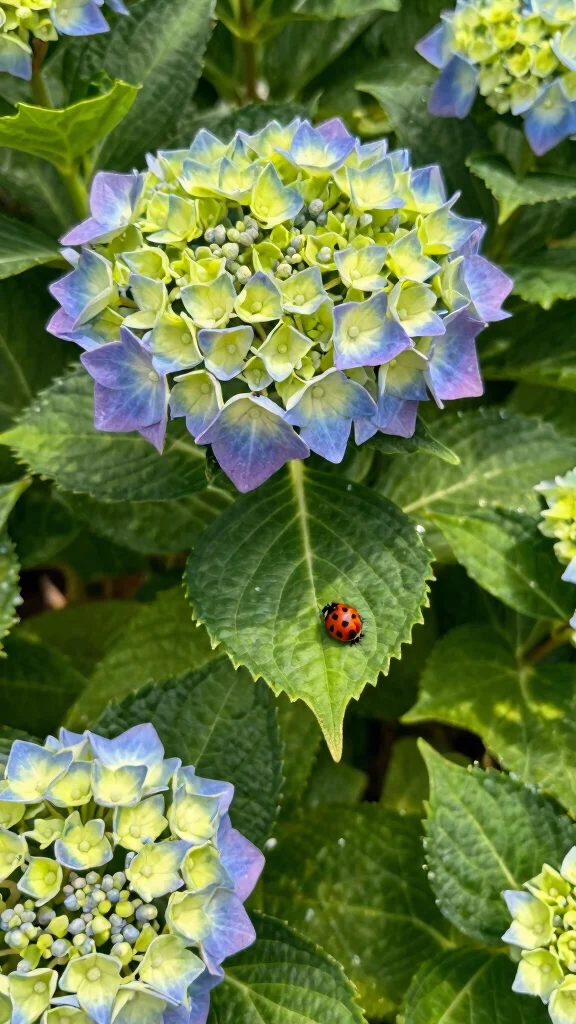
Hydrangeas can attract pests like aphids and spider mites. Regularly inspect your plants to catch infestations early. If you see small insects or damaged leaves, treat them with insecticidal soap or neem oil.
Introduce beneficial insects like ladybugs to help manage pests naturally. By maintaining the health of your hydrangeas, you can reduce their vulnerability to infestations. A proactive approach to care will save you headaches in the long run.
9. Choose the Right Hydrangea Variety
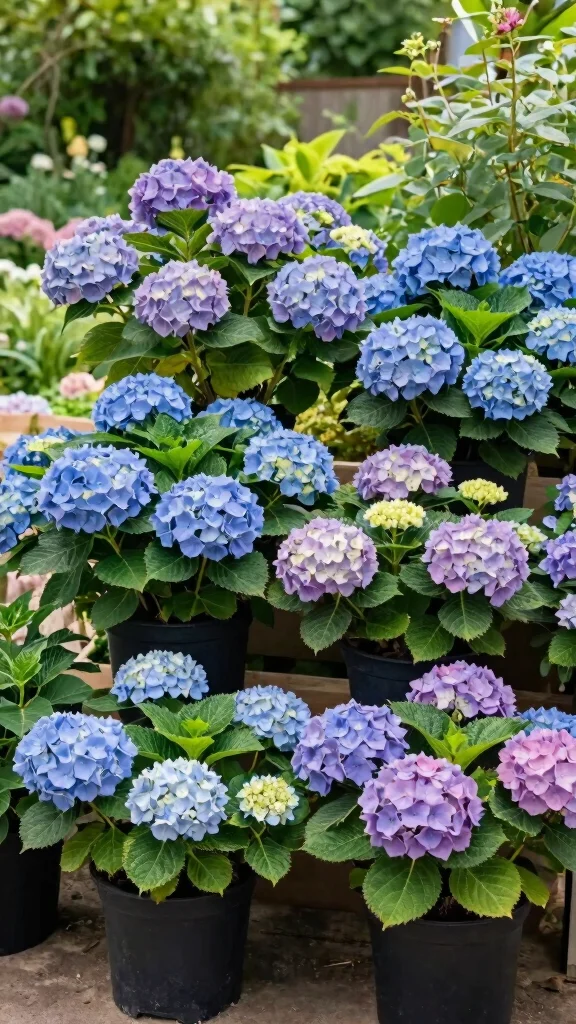
Hydrangeas come in various types, each with unique care needs. Popular choices for containers include Endless Summer and PeeGee. Research which variety suits your climate and sunlight conditions best.
Selecting the right hydrangea variety ensures gardening success. If space is limited, consider dwarf varieties that still produce stunning blooms. The right choice will help your hydrangeas not just survive but truly thrive!
10. Consider Color Changes
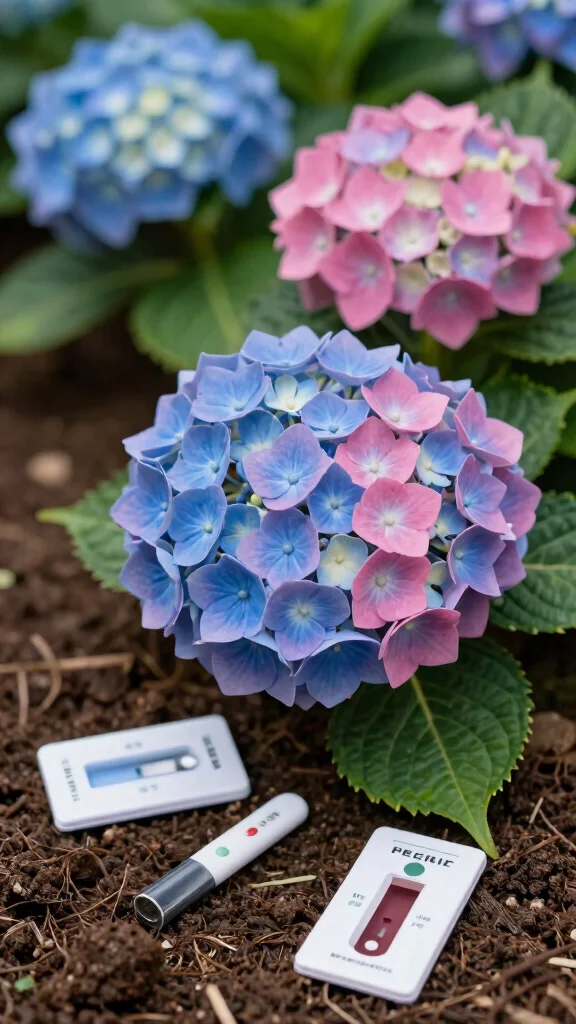
One of the most fascinating features of hydrangeas is their ability to change color based on soil pH. For blue flowers, aim for acidic soil by adding sulfur; for pink, make the soil more alkaline with lime.
Experimenting with soil adjustments can yield delightful surprises. Regularly test your soil to maintain desired pH levels, allowing you to customize your garden’s appearance to match your style.
11. Mulch for Moisture
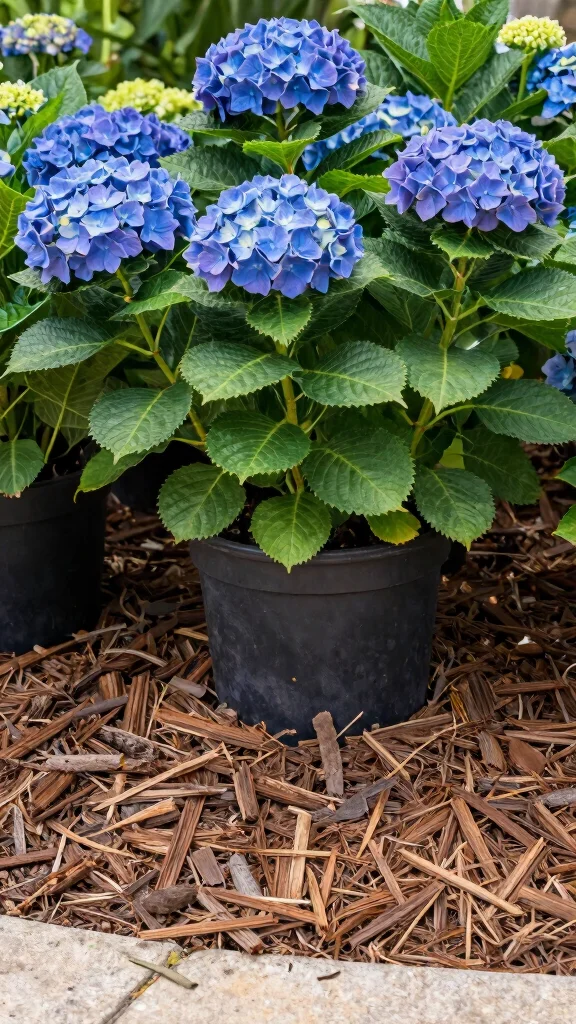
Adding mulch to your hydrangea containers helps retain moisture and suppress weeds. Organic mulches like wood chips break down over time, enriching your soil.
Apply a 2-3 inch layer around your plants, avoiding direct contact with stems. This not only improves the look of your containers but also protects against temperature fluctuations, ensuring your hydrangeas stay cozy and thriving.
12. Rotate Your Containers
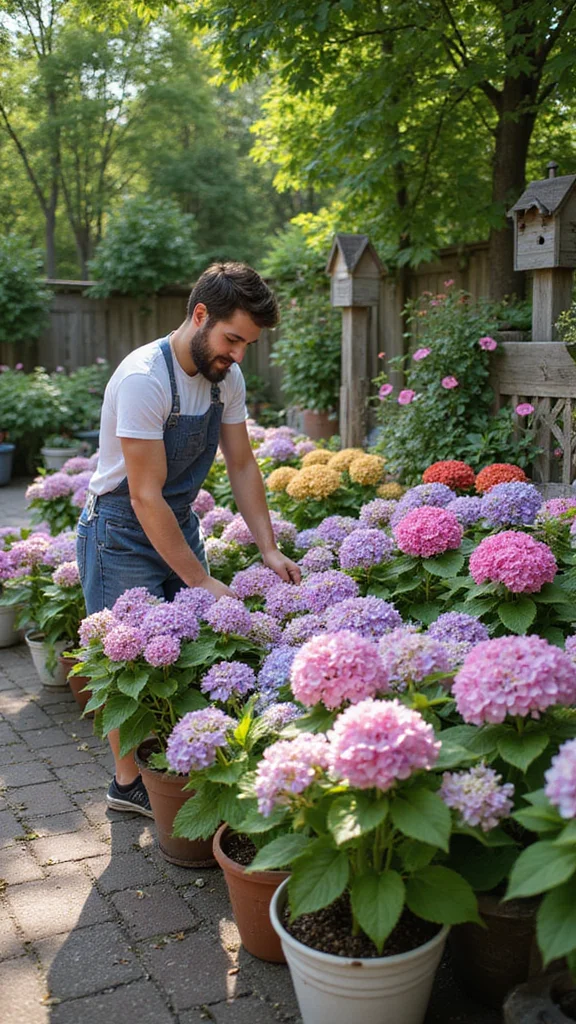
Rotating your hydrangea containers encourages even growth. Plants tend to lean toward the sun, so turning them helps ensure all sides get equal light.
You don’t need to do this daily; a rotation every few weeks can make a significant difference. It’s a simple way to refresh your garden’s look without needing new plants. Adjust placements to showcase seasonal blooms or color shifts.
13. Embrace Seasonal Changes
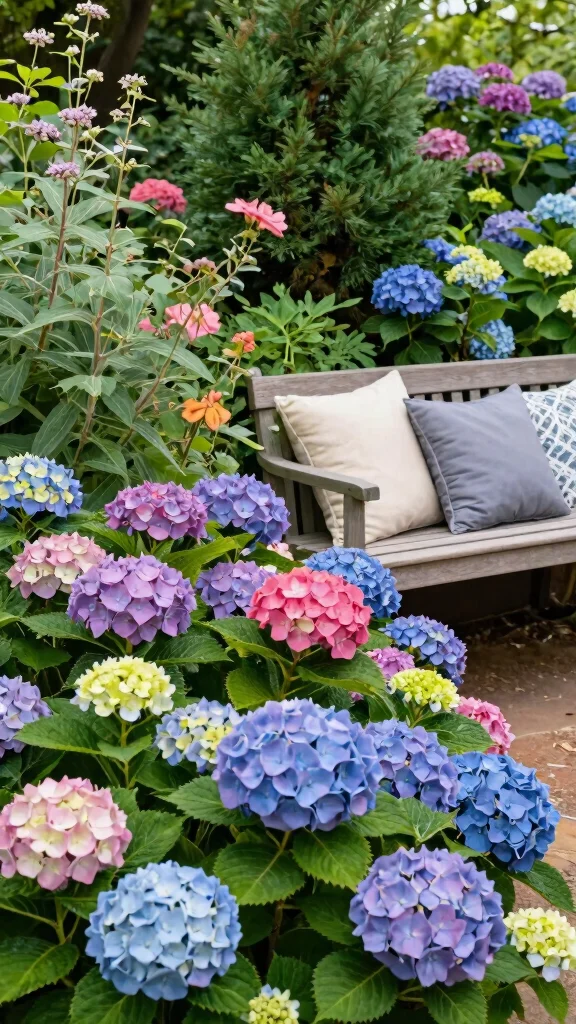
Container gardening offers a fantastic opportunity to celebrate each season. Swap out hydrangeas based on the time of year; consider planting seasonal flowers during their dormant phases.
In winter, evergreen plants can add structure, while spring and summer are perfect for colorful annuals. This practice keeps your garden looking fresh and gives you a chance to play with different color combinations.
14. Create a Hydrangea Display
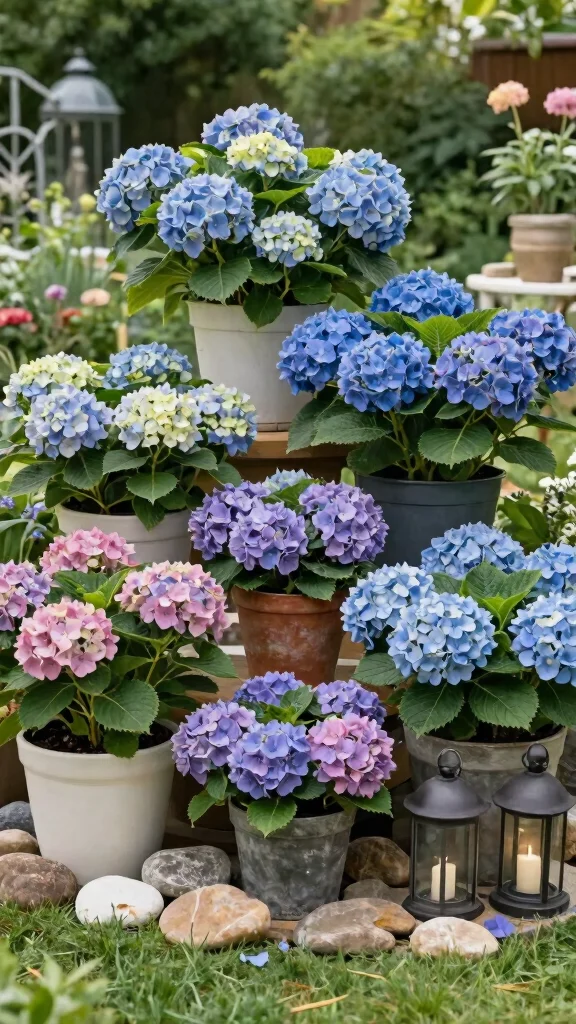
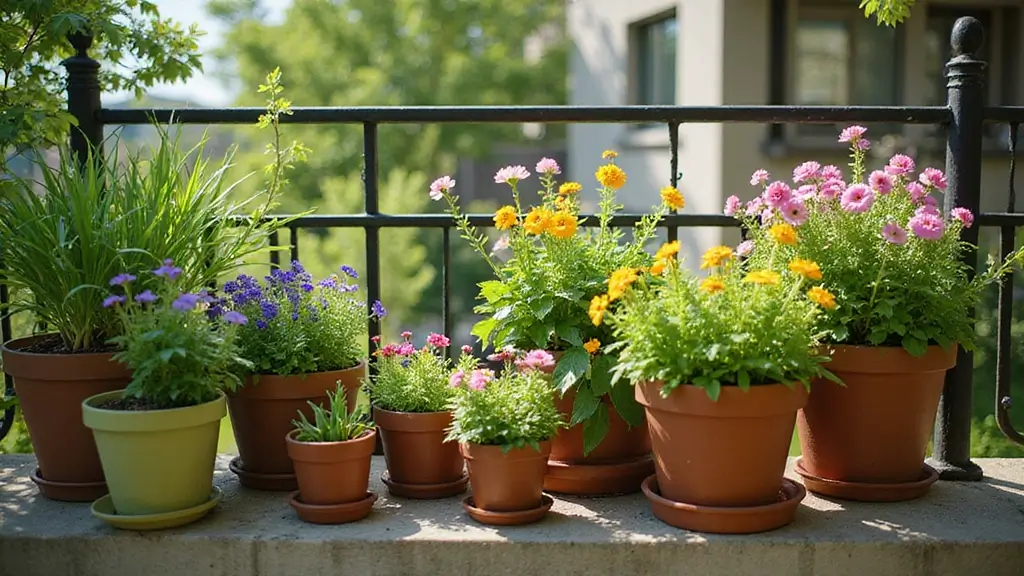
Design an eye-catching hydrangea display as a focal point for your garden. Group different varieties in various-sized containers for a dynamic arrangement.
Mix colors and shapes, and pair them with decorative elements like stones or lanterns. Elevating heights adds interest and allows each hydrangea to shine, creating a delightful gathering spot for family and friends.
15. Personalize Your Containers
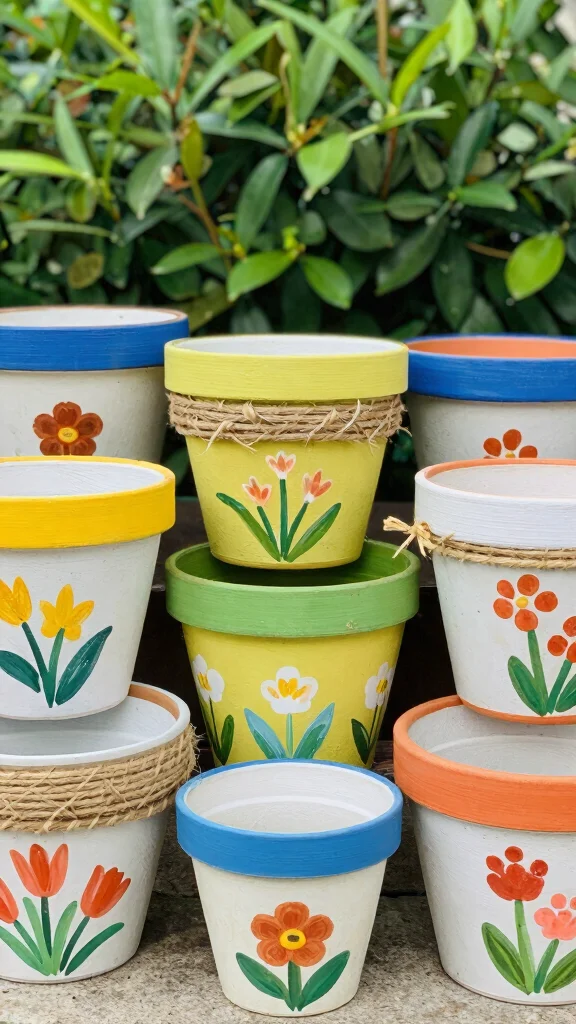
Get creative and personalize your containers to reflect your style! Paint, stencil designs, or add embellishments like ribbons for a unique touch.
Using a consistent color scheme can create a cohesive look throughout your garden. Customized containers also make thoughtful gifts for gardening friends. By adding your personal flair, you can turn ordinary pots into extraordinary pieces.
16. Document Your Journey
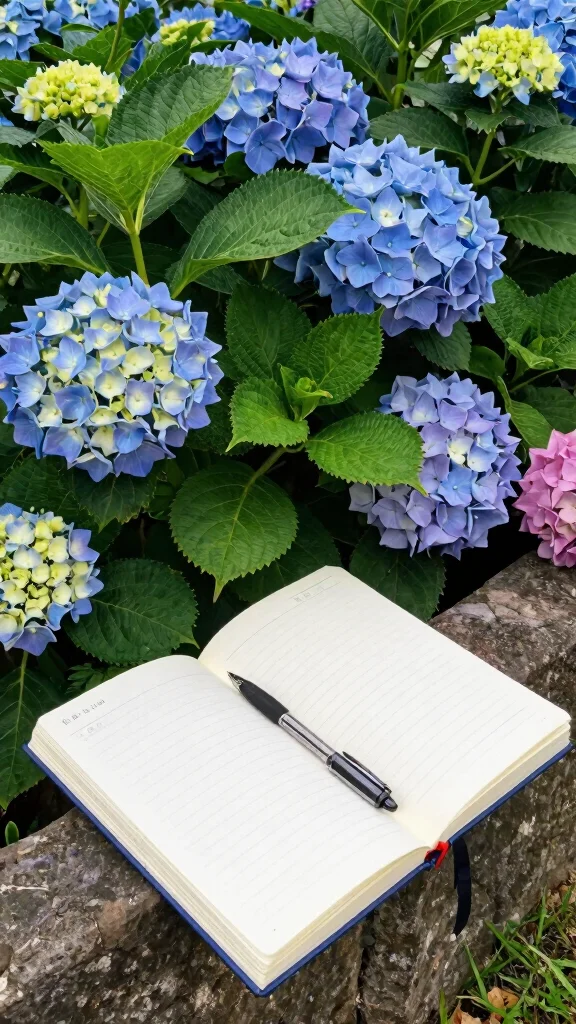
Track your hydrangea journey by documenting their growth and care! Take regular photos and jot down notes on your gardening practices.
This visual diary helps you remember what worked and what didn’t in future seasons. Plus, sharing your journey on social media can inspire others to start their own hydrangea adventures!
Conclusion
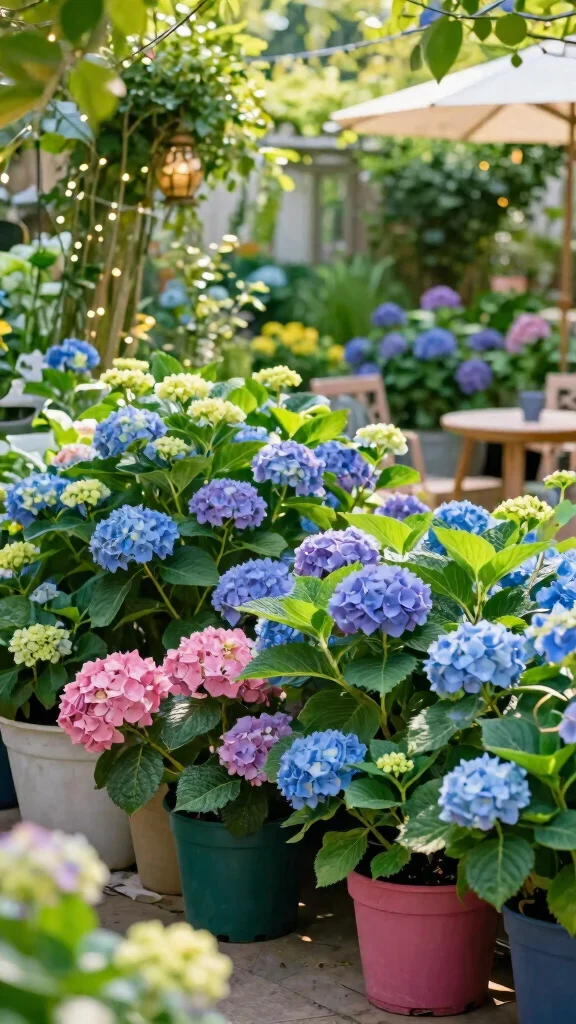
Embracing the art of container gardening with hydrangeas can transform your outdoor space into a floral paradise. With these easy tips, you can ensure your hydrangeas thrive, making your garden the envy of the neighborhood. From choosing the right pots to caring for your plants and sharing your love for gardening, every step you take contributes to a rich, colorful, and inviting atmosphere.
So gather your supplies, unleash your creativity, and get started on your hydrangea garden today!
Frequently Asked Questions
What Are the Best Hydrangea Varieties for Container Gardening?
For container hydrangea care, pick compact, blooming-friendly varieties that perform well in pots. Try Endless Summer, ‘Bloomstruck’, Little Lime Hydrangea, and Nikko Blue — they stay manageable in containers and give reliable color.
Use a pot at least 12–14 inches across with drainage holes. Fill with a high-quality potting mix that drains well. Water deeply so the root ball stays evenly moist, but never soggy.
Feed with a balanced, slow-release fertilizer in spring and again in early summer, following label directions for hydrangea care in containers. Prune lightly after flowering to keep the plant compact.
How Much Sunlight Do Hydrangeas in Containers Need, and How Should I Water Them?
Hydrangeas in containers love bright light but may need protection from harsh afternoon sun in hot climates. Aim for about 4–6 hours of sun per day, with afternoon shade if leaves scorch. For watering, check the top inch of soil daily in hot weather; water deeply until water runs from drainage holes, ensuring even moisture without soggy soil. Use a drip tray or saucer to prevent leaks. In hydrangea care, consistent moisture is key to big blooms. In hot summers, consider a moisture-wicking container or self-watering planter to simplify easy tips.
What Soil Mix and Feeding Plan Work Best for Potted Hydrangeas?
Choose a light, well-draining potting mix with some organic matter. For color and vigor, use a slightly acidic mix; if you want blue tones in some hydrangeas, add acidic amendments like pine needles or peat. In containers, avoid heavy clays. Apply a slow-release balanced fertilizer in spring, then again in early summer, following label directions for hydrangea care. Water regularly and mulch to retain moisture. Do not over-fertilize late in the season to prevent floppy growth.
How Can I Protect Hydrangeas in Containers During Extreme Weather and Extend Bloom Time?
Move pots to sheltered spots during severe winds or freezing nights. Use mulch around the root zone to protect roots and maintain moisture. In winter zones, wrap with burlap or move indoors if possible. Deadhead spent blooms to encourage new ones and prune after flowering to shape hydrangea care. Watch for pests like aphids and scale, treat promptly. In terms of garden decor, pair with stable decorative containers and ensure drainage.
What Are Easy Container Decorating Ideas to Enhance Garden Decor with Hydrangeas?
Group hydrangea containers at varying heights and color schemes to create a cohesive display. Use pots that complement bloom colors, or change pots seasonally for garden decor impact. Pair hydrangeas with ornamental grasses, trailing ivy, or herbs for texture. Use lightweight, weather-resistant containers with good drainage; place some in sun, some in shade for year-round interest. For ease, use a simple watering system or self-watering planters to keep easy tips simple.