
Creating a beautiful garden often comes with challenges, especially when dealing with erosion. After all, nobody wants their hard work washed away by heavy rains or poor drainage. This topic has been on my mind lately, as I’ve noticed more people seeking ways to combine aesthetics with functionality in their yards. That’s why I put together this list of 25 Erosion Control Garden Designs that feature smart drainage solutions. If you’re looking to elevate your garden while making it more resilient, you’re in the right place.
This post is for garden enthusiasts who appreciate the art of landscaping but also want to ensure their designs stand the test of time. Whether you’re a seasoned gardener or just starting, these ideas will inspire you to think creatively about how to control erosion and improve drainage in your space. You’ll discover a range of tiered garden ideas that are stunning and practical. Each design comes with tips on plant selection and drainage solutions that can help your garden thrive in any weather.
Get ready to explore unique designs, from charming stone terraces to lush green swales. You’ll find that these gardens not only enhance your outdoor space but also provide the perfect environment for your chosen plants. Let’s dive into these inspiring designs that you’ll want to replicate, especially #19—you won’t want to miss it!
Key Takeaways
– Discover 25 unique garden designs that tackle erosion while being visually appealing.
– Learn about practical drainage solutions that keep your garden healthy and vibrant.
– Explore various plant selections suited for each garden design, enhancing both beauty and function.
– Find inspiration to create tiered gardens that maximize space while controlling erosion effectively.
– Get actionable tips on implementing these ideas in your own garden, ensuring functionality and beauty go hand in hand.
Contents
- 1. Serene Stone Terraces
- 2. Wooden Raised Beds for a Rustic Touch
- 3. Lush Green Swales
- 4. Terraced Flower Gardens
- 5. Gravel Gardens for Drainage Efficiency
- 6. Green Roofs for Urban Erosion Control
- 7. Sloped Rock Gardens
- 8. Perennial Gardens with Smart Plant Selection
- 9. Beautifully Designed Drainage Basins
- 10. Cozy Shade Gardens
- 11. Vibrant Herb Spirals
- 12. Multi-Level Succulent Gardens
- 13. Charming Container Gardens
- 14. Drought-Tolerant Prairie Gardens
- 15. Elegant Rain Gardens
- 16. Vertical Gardens
- 17. Artistic Pond Gardens
- 18. Charming Beach-Inspired Gardens
- 19. Interactive Children’s Gardens
- 20. Eco-Friendly Bamboo Gardens
- 21. Artistic Mosaic Gardens
- 22. Charming Fairy Tale Gardens
- 23. Minimalist Zen Gardens
- 24. Modern Edible Landscapes
- 25. Rustic Country Gardens
1. Serene Stone Terraces
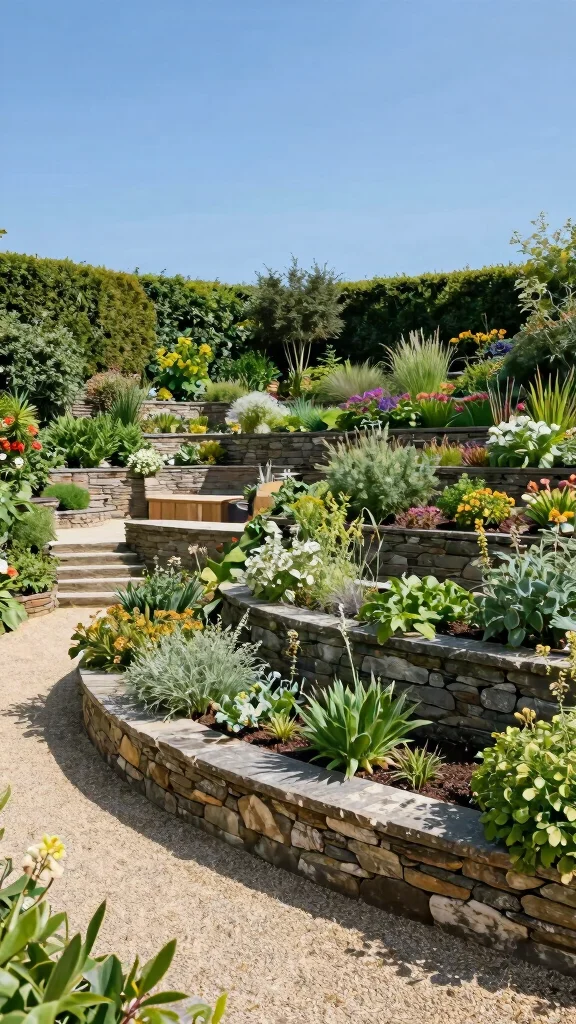
Stone terraces offer a harmonious blend of beauty and functionality in your garden. Their tiered design not only creates captivating visual depth but also effectively controls erosion by directing water flow. Using natural stone allows these terraces to integrate seamlessly with the landscape, creating a timeless appeal that enhances any outdoor space. Consider incorporating gravel pathways or native plants to further enhance the aesthetic while encouraging local biodiversity.
To make the most of your stone terraces, focus on practical implementation. Opt for a range of stone sizes to create a more organic look, and use plants that thrive in your climate for easy maintenance. This design trend aligns beautifully with the desire for sustainable gardening and can evoke a sense of calm and connection to nature.
Here are some tips for designing stone terraces:
– Pair larger stones at the base for stability.
– Choose native plants to enhance the landscape.
– Install gravel paths to facilitate drainage.
– Create seating areas on terraces for relaxation.
By thoughtfully incorporating textures and materials, you not only achieve visual interest but also ensure the structural integrity of your garden.
2. Wooden Raised Beds for a Rustic Touch
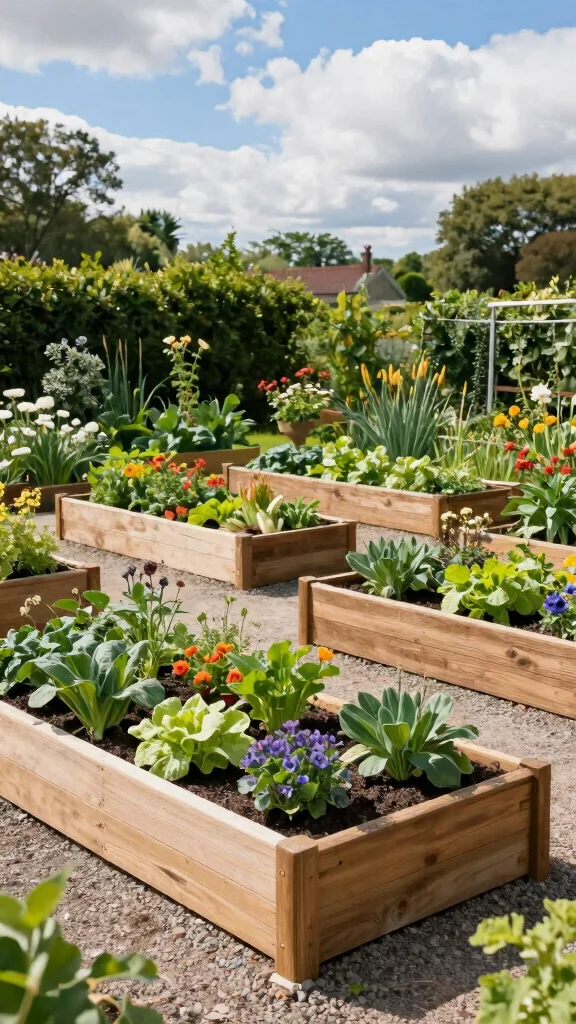
Wooden raised beds bring a rustic charm to your garden while providing practical erosion control. These structures lift your plants above ground level, ensuring they stay healthy and well-drained. Opting for untreated, locally sourced wood enhances the natural look, allowing the beds to blend beautifully into your landscape while promoting effective drainage.
To implement wooden raised beds successfully, think about varying heights for visual appeal and better plant access. Incorporating pathways between beds not only improves maintenance but also contributes to the overall aesthetic. This design connects with the growing trend of sustainable gardening, inviting a sense of purpose and engagement with nature.
Consider these elements when building your raised beds:
– Use decay-resistant wood like cedar or redwood.
– Layer gravel at the bottom for improved drainage.
– Fill with nutrient-rich soil for healthy growth.
– Plant vertically growing crops to maximize space.
This approach not only provides a beautiful structure but also enhances soil health and stability.
3. Lush Green Swales
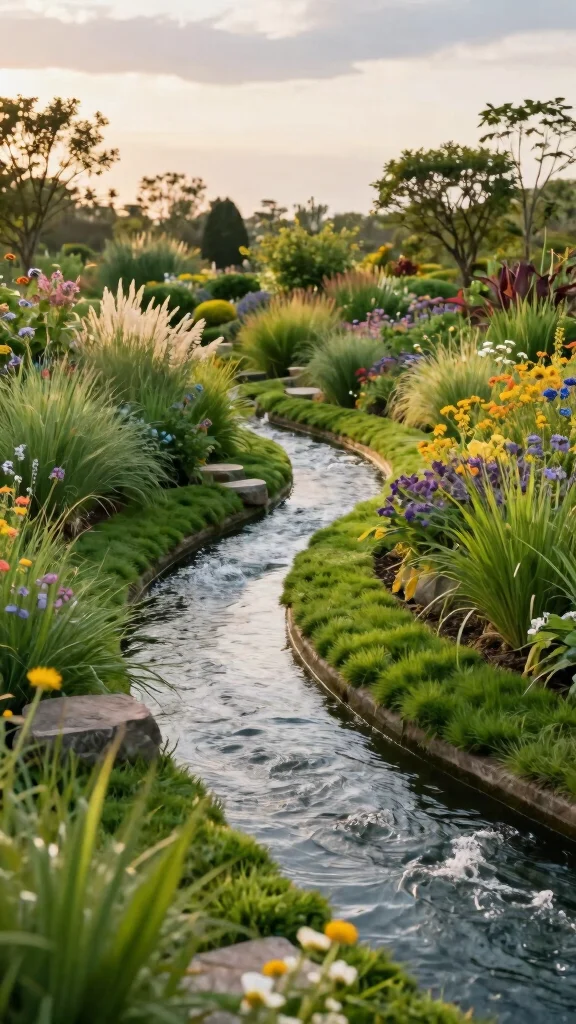
Swales are an innovative way to manage water runoff while adding a stunning feature to your garden. These shallow channels direct stormwater, helping to prevent erosion and create beautiful landscaping. By planting native grasses and flowers within the swale, you establish a thriving ecosystem that captures moisture and stabilizes soil.
To implement swales effectively, design them to follow the natural contours of your land, allowing for efficient drainage. Using a mix of plants that tolerate varying moisture levels will enhance both beauty and functionality. This eco-friendly approach not only beautifies your space but also contributes to local biodiversity.
Key points for incorporating swales:
– Design swales to mimic your land’s natural slope.
– Plant a variety of native grasses and flowering plants.
– Add mulch to retain moisture and suppress weeds.
– Integrate stepping stones for easy access.
This design not only manages runoff beautifully but also creates a lush, vibrant atmosphere in your garden.
4. Terraced Flower Gardens
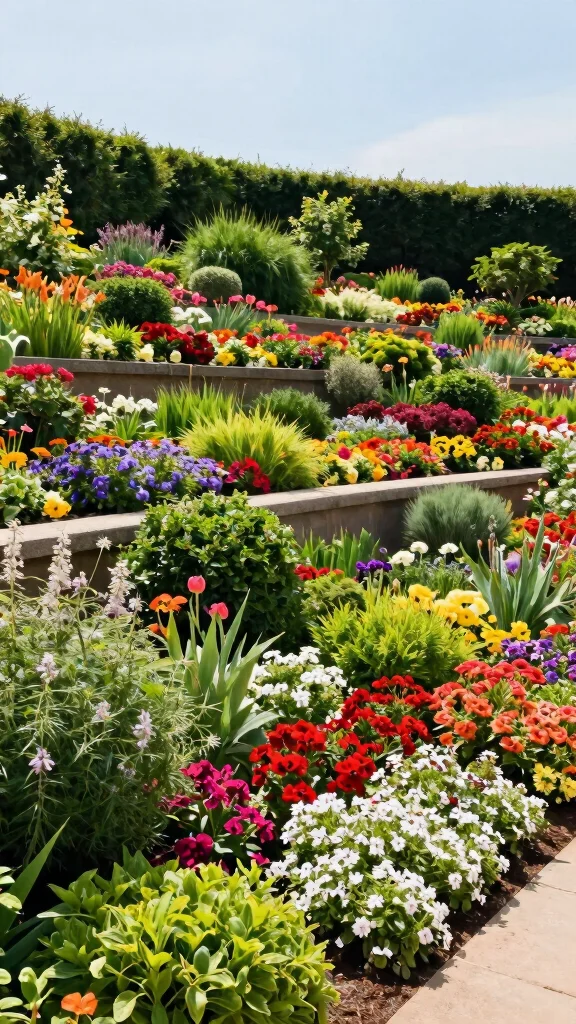
A terraced flower garden can become a breathtaking focal point in your landscape. By creating multi-level flower beds, you introduce a dynamic visual element while effectively combating erosion. Choosing the right flowers that suit each level’s moisture and sunlight will help anchor the soil and promote healthy growth.
To create an effective terraced flower garden, use retaining walls to define each level and incorporate drainage solutions to manage water flow. Selecting perennials not only ensures long-lasting beauty but also reduces maintenance needs, aligning with modern gardening trends that favor sustainability.
Here’s how to create the perfect terraced flower garden:
– Use retaining walls to separate flower bed levels.
– Incorporate drainage tiles for effective water management.
– Opt for low-maintenance perennials for lasting color.
– Mix various textures and colors for vibrancy.
This design enhances your outdoor space while providing essential erosion control.
5. Gravel Gardens for Drainage Efficiency
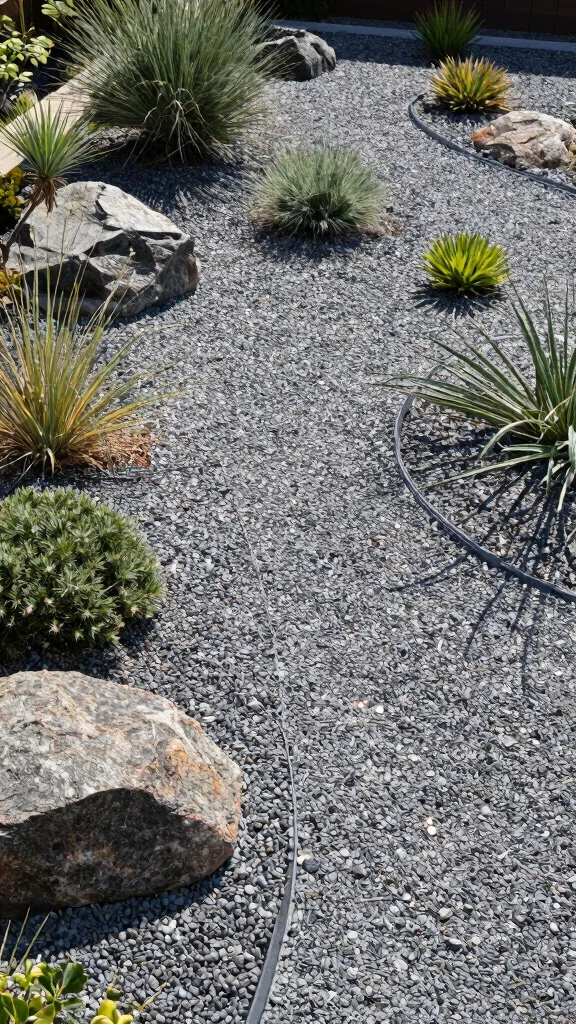
Gravel gardens are a stylish solution for low-maintenance landscaping and effective erosion control. Their design allows water to pass through easily, reducing runoff while creating a chic aesthetic. Combining gravel with strategically placed drought-tolerant plants offers a modern look that is both practical and visually appealing.
To build a gravel garden, start with landscape fabric to prevent weeds, then layer gravel for drainage. Selecting plants that thrive in well-drained soil ensures a garden that not only looks good but requires minimal upkeep. This trend aligns with the growing interest in sustainable gardening practices.
Building a gravel garden is simple:
– Start with landscape fabric to control weeds.
– Add gravel layers for excellent drainage.
– Choose drought-tolerant plants for easy care.
– Incorporate boulders for added texture.
This design not only enhances your garden’s appearance but also effectively manages erosion challenges.
6. Green Roofs for Urban Erosion Control
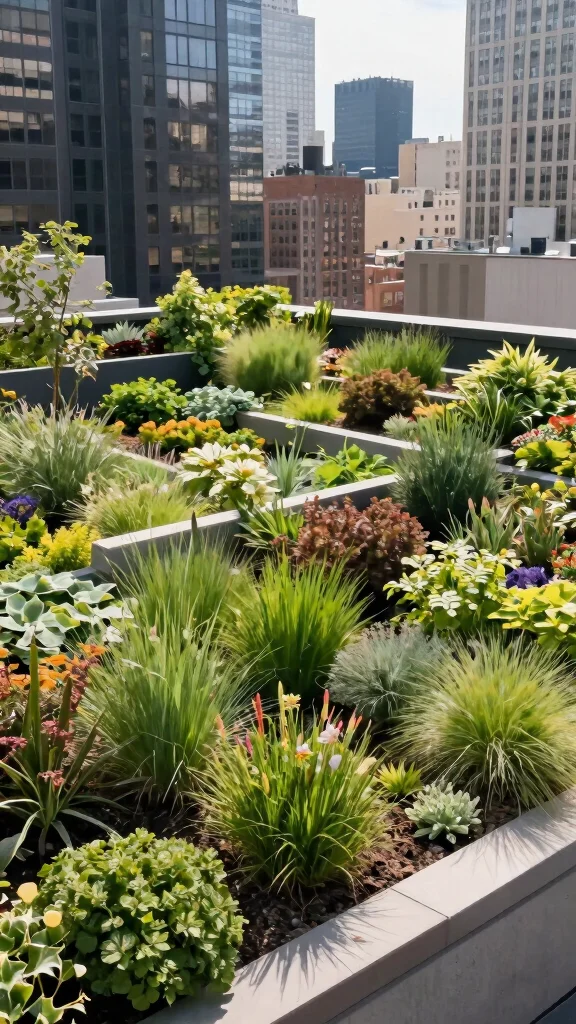
Green roofs are a brilliant solution for urban dwellers looking to combat erosion while enhancing their environment. These living roofs not only manage stormwater effectively but also improve air quality and energy efficiency. By planting a variety of lightweight, drought-resistant plants, you create a stunning visual impact while ensuring the roof’s structural integrity.
To create a successful green roof, consult with professionals to ensure weight limits are not exceeded. Incorporating drainage mats will help direct water runoff effectively, while a diverse plant selection promotes biodiversity and visual interest. This approach connects you to nature in an urban setting.
Here’s how to create a successful green roof:
– Consult a professional for structural safety.
– Choose specialized lightweight soil for planting.
– Mix diverse plant types to encourage biodiversity.
– Incorporate drainage mats for effective runoff management.
Green roofs provide a serene oasis amidst the concrete, enhancing both aesthetics and ecological health.
7. Sloped Rock Gardens
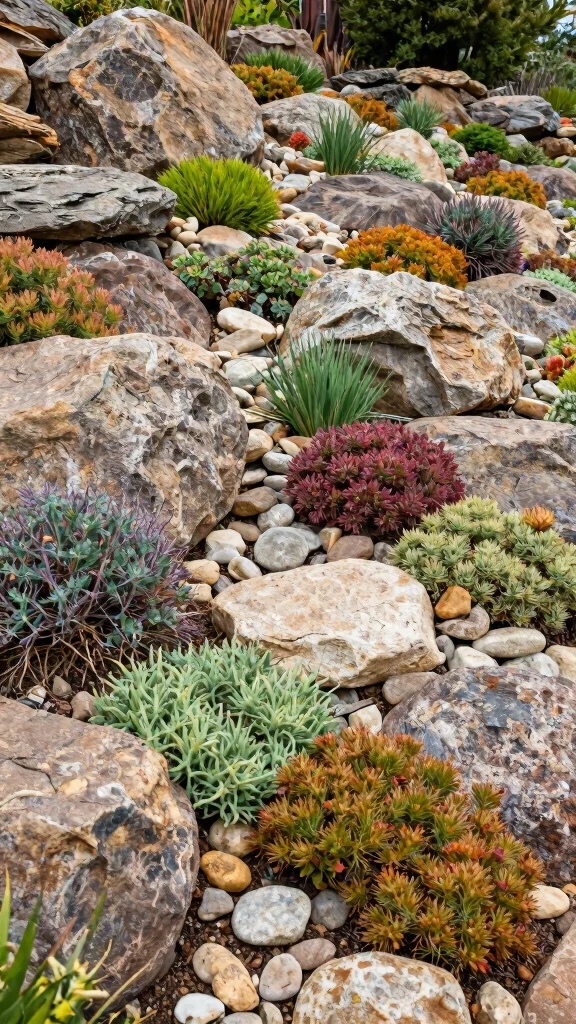
Rock gardens are perfect for sloped landscapes, offering a rugged beauty while managing erosion effectively. By combining stones with drought-resistant plants, you create a stunning visual display that also stabilizes the soil. The rocks anchor the soil in place, creating pockets for moisture retention that support thriving plant life.
To create a sloped rock garden, begin with large boulders at the base for stability, then fill gaps with smaller stones for texture. Choosing plants that thrive in rocky conditions ensures a vibrant landscape that requires minimal maintenance. This design is both environmentally friendly and visually captivating.
Tips for creating a sloped rock garden:
– Use large boulders at the base for support.
– Fill spaces with smaller stones for detail.
– Select plants suited for rocky environments.
– Create pathways for easy access and whimsy.
This design not only enhances the beauty of your yard but also supports soil health and erosion control.
8. Perennial Gardens with Smart Plant Selection
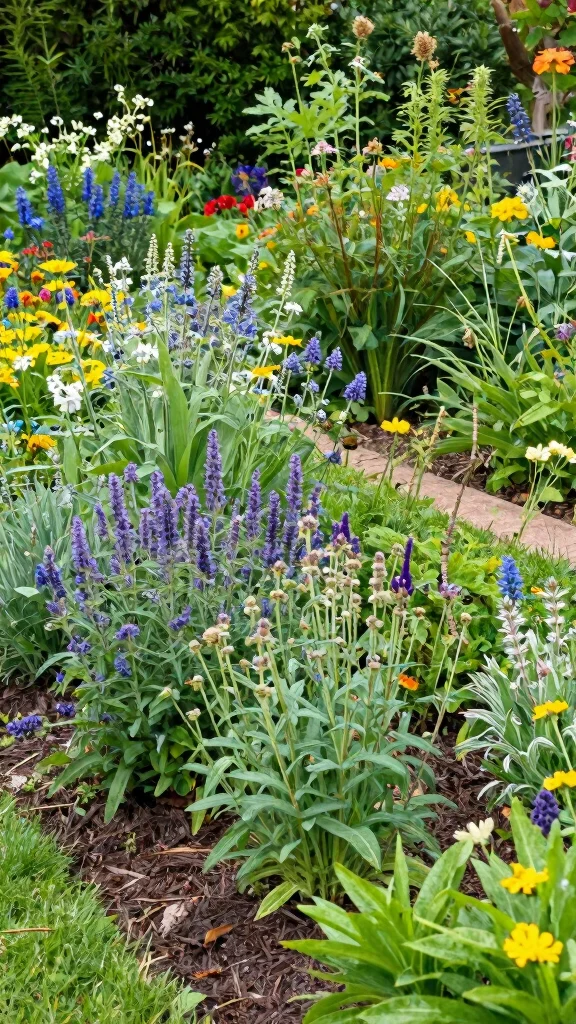
Perennial gardens are a fantastic solution for erosion control, providing stability and vibrancy year after year. By choosing plants with deep root systems, you create a resilient environment that holds soil in place while adding color and attracting pollinators. This design approach fosters a lush landscape that supports local wildlife.
To design an effective perennial garden, select native plants that thrive in your local climate. Grouping plants by their water needs simplifies maintenance while enhancing the overall aesthetic. This thoughtful design connects you to nature and promotes sustainability.
To design an effective perennial garden:
– Choose native perennials for best results.
– Group plants according to their water requirements.
– Mix heights and textures for visual interest.
– Apply mulch to retain moisture and suppress weeds.
This approach results in a beautiful garden that is both stunning and resilient against erosion.
9. Beautifully Designed Drainage Basins
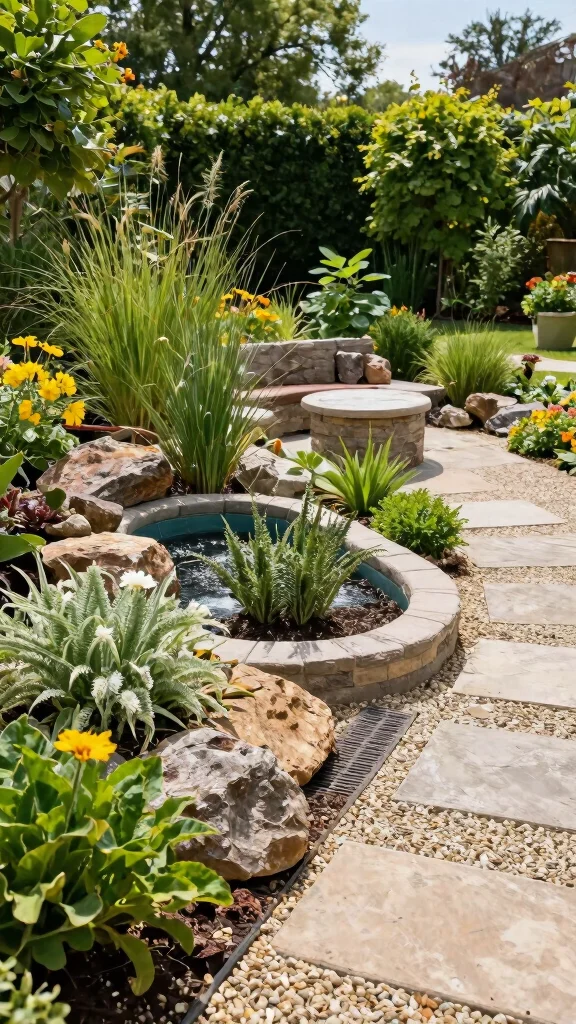
Incorporating a drainage basin into your garden design is an excellent way to manage stormwater runoff while enhancing beauty. These basins collect excess water, reducing erosion and allowing for gradual infiltration back into the soil. With creative landscaping, drainage basins can also serve as attractive features within your garden.
To enhance your drainage basin, integrate native plants, rocks, and gravel. This not only improves aesthetics but also promotes biodiversity, creating a thriving ecosystem. This design aligns with the increasing focus on sustainable gardening practices.
Some ideas for designing a drainage basin include:
– Use larger rocks to define the edges naturally.
– Select plants that flourish in wet conditions.
– Create pathways leading to the basin for easy access.
– Add seating nearby for enjoying the beauty.
A well-designed drainage basin serves a dual purpose, enhancing your garden’s appeal while effectively managing water runoff.
10. Cozy Shade Gardens
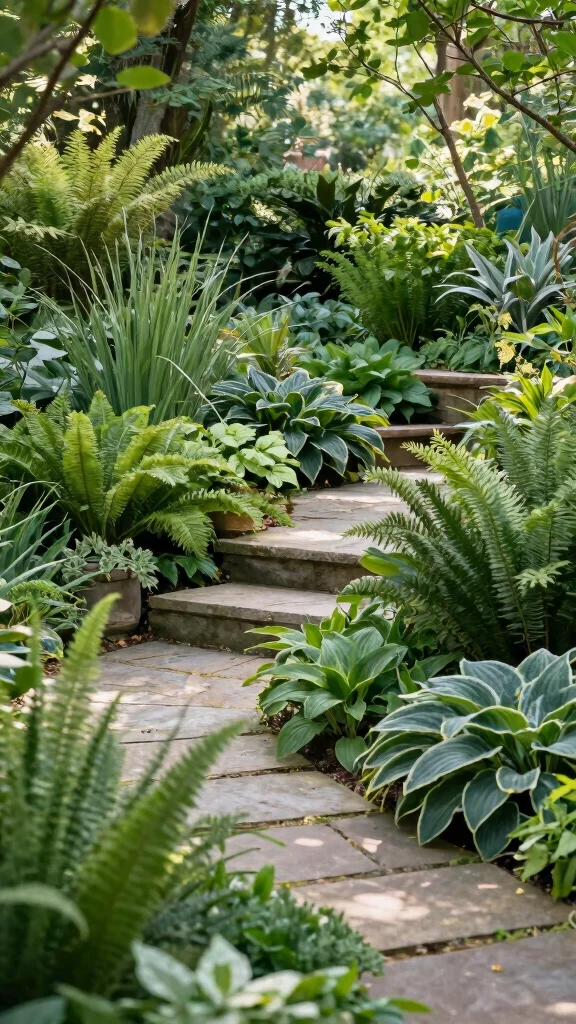
Shade gardens often face challenges with erosion, but with careful planning, they can thrive beautifully. Creating tiered shade gardens maximizes space and provides diverse microenvironments for various plants. By selecting shade-tolerant species with deep root systems, you stabilize the soil while ensuring your garden remains lush and vibrant.
To create a cozy shade garden, focus on pathways to guide visitors through the space and layer plants to add visual interest. This design not only combats erosion but also transforms challenging areas into serene retreats.
To create a cozy shade garden, keep these tips in mind:
– Choose shade-loving plants like ferns and hostas.
– Incorporate natural stone pathways for beauty.
– Vary plant heights for visual appeal.
– Add seating areas to enjoy the tranquil environment.
This design approach allows your shaded areas to flourish while effectively managing erosion.
11. Vibrant Herb Spirals
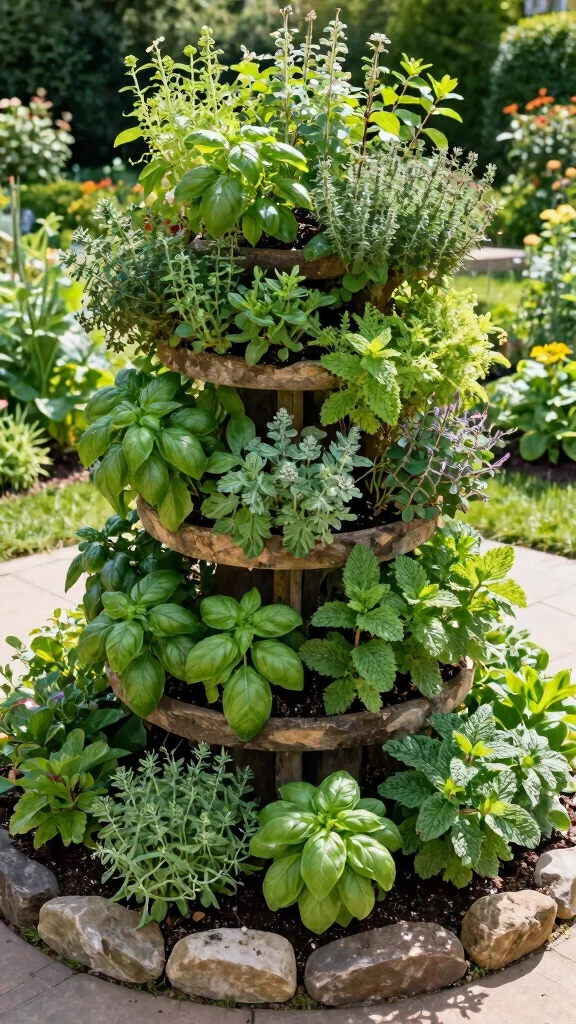
Herb spirals represent an innovative way to integrate herbs into your garden. These spiral designs save space and promote effective drainage while creating microclimates for diverse plantings. The cascading herbs not only enhance the garden’s beauty but also provide fresh ingredients for cooking.
To start with herb spirals, construct a spiral structure using stones or bricks and fill it with nutrient-rich soil. Plant herbs that thrive in varying conditions to maximize your harvest. This design adds both practicality and visual interest to your garden.
Here’s how to get started with an herb spiral:
– Create the spiral using stones or bricks.
– Fill with nutrient-rich soil for healthy growth.
– Plant herbs suited for different moisture levels.
– Incorporate a watering system for easy maintenance.
This unique design not only makes herb gardening easier but also creates a stunning focal point in your landscape.
12. Multi-Level Succulent Gardens
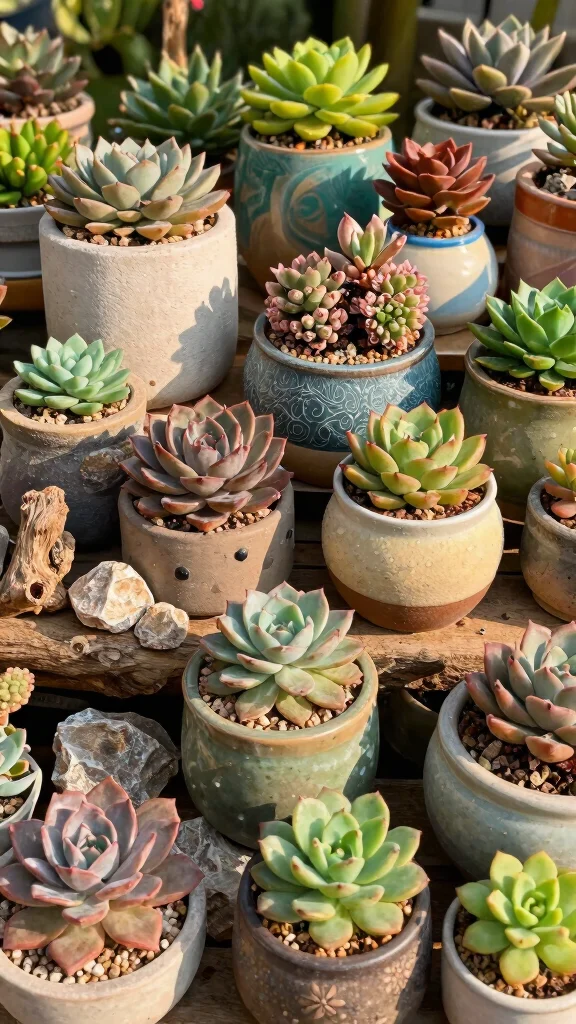
Succulents are ideal for low-maintenance gardens, particularly in erosion-prone areas. By creating multi-level succulent gardens, you introduce visual variety while ensuring soil stability. Using various container heights allows for stunning arrangements that are easy to care for and drought-resistant.
To build your multi-level succulent garden, use a mix of pots at different heights to create a dynamic display. Incorporating gravel or sand in the pots aids in drainage, promoting healthy plant growth. This design is both practical and visually appealing.
Building your multi-level succulent garden is simple:
– Use pots of varying heights for visual interest.
– Select succulents with diverse colors and shapes.
– Add gravel or sand for improved drainage.
– Include decorative rocks for added texture.
This setup not only prevents erosion but also brings joy to your gardening experience.
13. Charming Container Gardens
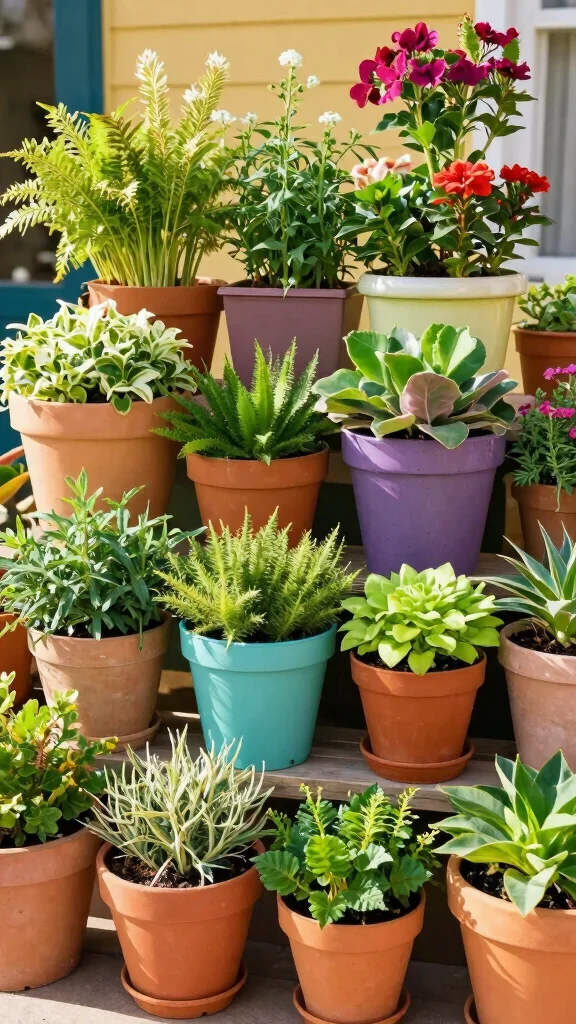
Container gardens are a versatile solution for those with limited space or challenging terrain. They allow you to grow a variety of plants without the concern of erosion. By mixing container styles and sizes, you can create an attractive, tiered display that is easy to manage.
Container gardens offer excellent drainage as the plants are elevated, allowing for specialized soil mixes that promote growth. This flexibility enables you to rearrange your layout as needed, aligning with contemporary gardening trends.
Tips for designing your container garden:
– Mix container heights and materials for visual appeal.
– Choose plants with similar water needs for simplicity.
– Incorporate drip irrigation for consistent moisture.
– Use colorful pots to add personality to your garden.
This design creatively combats erosion while enhancing the beauty of your outdoor space.
14. Drought-Tolerant Prairie Gardens
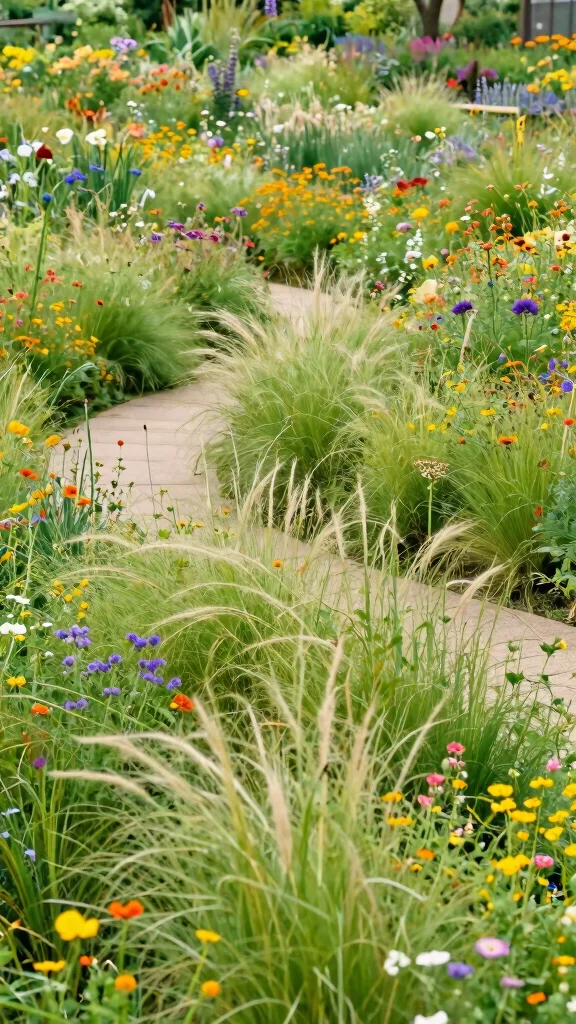
Drought-tolerant prairie gardens are a wonderful choice for low-maintenance landscapes that effectively manage erosion. By selecting native grasses and wildflowers, you can create a vibrant habitat that thrives with minimal water. These gardens emulate natural prairie ecosystems, promoting biodiversity and seasonal changes in texture and color.
To create your prairie garden, use a mix of native species, arranging them in clusters for a natural look. Avoid tilling the soil to protect native plant roots, and include pathways for easy access. This design supports local wildlife while enhancing your garden’s resilience.
Here are some key tips to create your prairie garden:
– Use a variety of native grasses and wildflowers.
– Arrange plants in natural-looking drifts.
– Refrain from tilling to protect roots.
– Add pathways for accessibility.
This design not only looks stunning but also strengthens your garden’s ecological health.
15. Elegant Rain Gardens
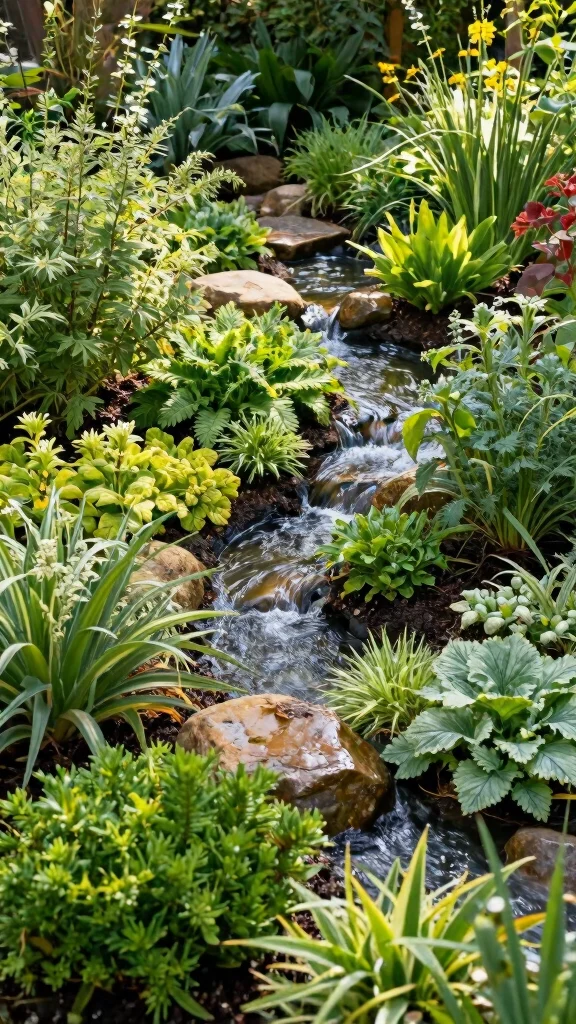
Rain gardens are specifically designed to manage rainwater runoff while enhancing beauty and functionality. These gardens are typically situated in low-lying areas, allowing for the collection of stormwater and preventing erosion. With thoughtful planning, a rain garden can feature a mix of native plants that thrive in wet conditions while also supporting local wildlife.
To design your rain garden effectively, select a variety of native plants that can withstand both wet and dry conditions. Shaping the garden to direct water flow will help manage runoff, while incorporating mulch suppresses weeds and retains moisture. This method combines ecological benefits with stunning aesthetics.
To design your rain garden:
– Choose native plants for varying wetness tolerance.
– Shape the garden to guide water flow.
– Use mulch to control weeds and hold moisture.
– Add decorative stones for visual interest.
This approach not only beautifies your garden but also plays a crucial role in managing water runoff and erosion.
16. Vertical Gardens
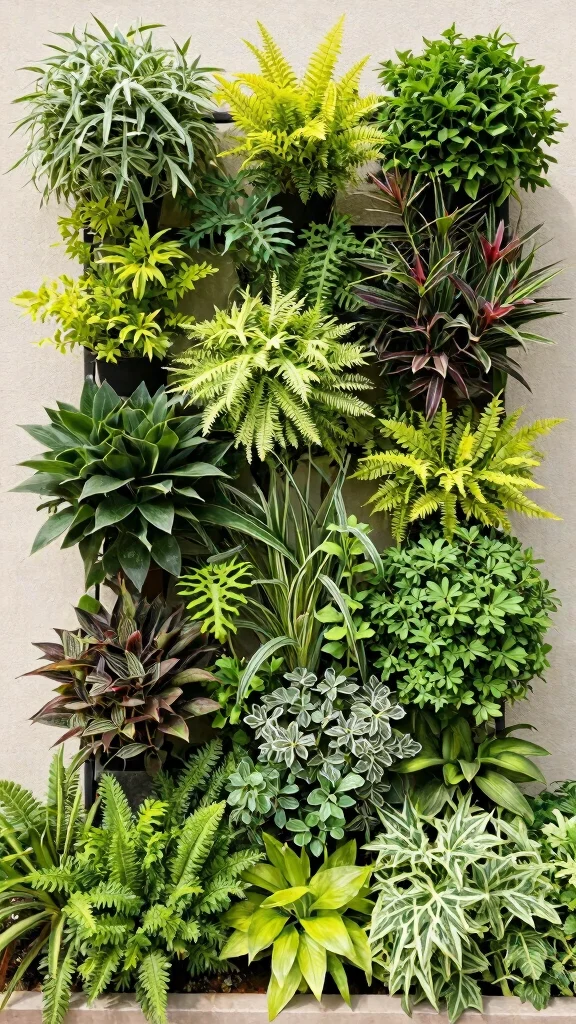
Vertical gardens offer an innovative solution for constrained spaces while addressing erosion challenges. These structures allow you to grow an array of plants upward, creating a living wall that is both functional and visually striking. Utilizing pots or pockets for planting enhances water absorption and introduces unique design elements to your outdoor area.
To create a vertical garden, choose lightweight containers to minimize weight and select plants that naturally grow upward, such as climbing vines. Incorporating a drip irrigation system will keep your plants hydrated and thriving. This design adds a dramatic flair to any landscape while promoting sustainability.
Tips for creating your vertical garden:
– Opt for lightweight containers or vertical systems.
– Select upward-growing plants for added height.
– Include a drip irrigation system for hydration.
– Use trellises for enhanced support and variety.
This design not only saves space but also adds a striking visual element to your garden.
17. Artistic Pond Gardens
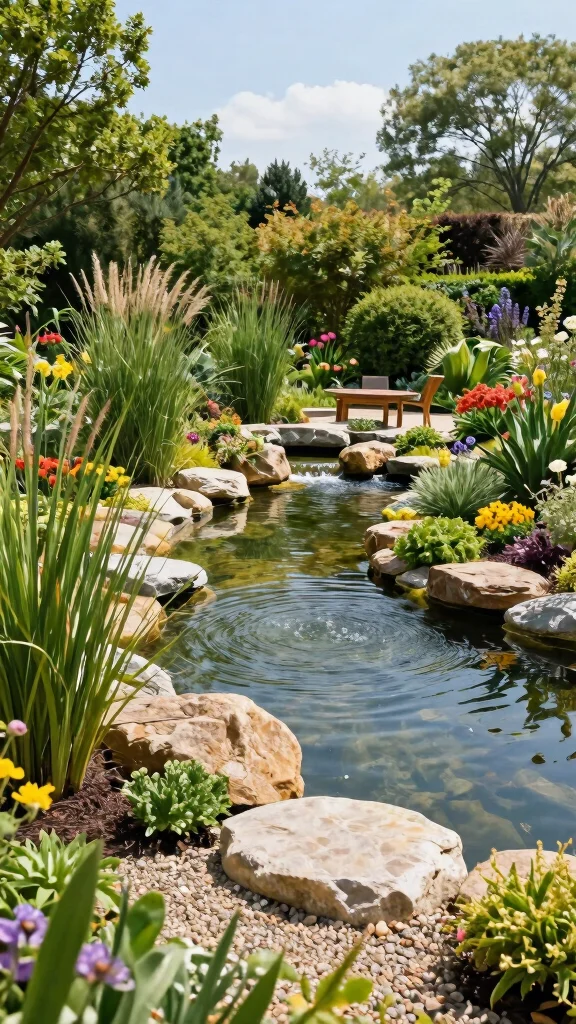
Integrating a pond into your garden is a wonderful way to manage erosion while creating a peaceful retreat. Ponds help to control runoff by allowing water to slowly soak into the ground, while also attracting wildlife. Surrounding the pond with tiered plantings enhances the visual appeal and stabilizes the soil.
When designing a pond garden, consider including native wetland plants that thrive in moist settings. These plants not only beautify the space but also assist in filtering water, promoting a healthy ecosystem. This harmonious design connects you to nature and encourages relaxation.
Here are some design tips for your pond garden:
– Vary depths to encourage biodiversity.
– Add rocks and gravel for a natural look.
– Use a mix of tall and short plants for texture.
– Create a seating area for enjoyment.
Pond gardens provide tranquility while effectively managing water and controlling erosion.
18. Charming Beach-Inspired Gardens
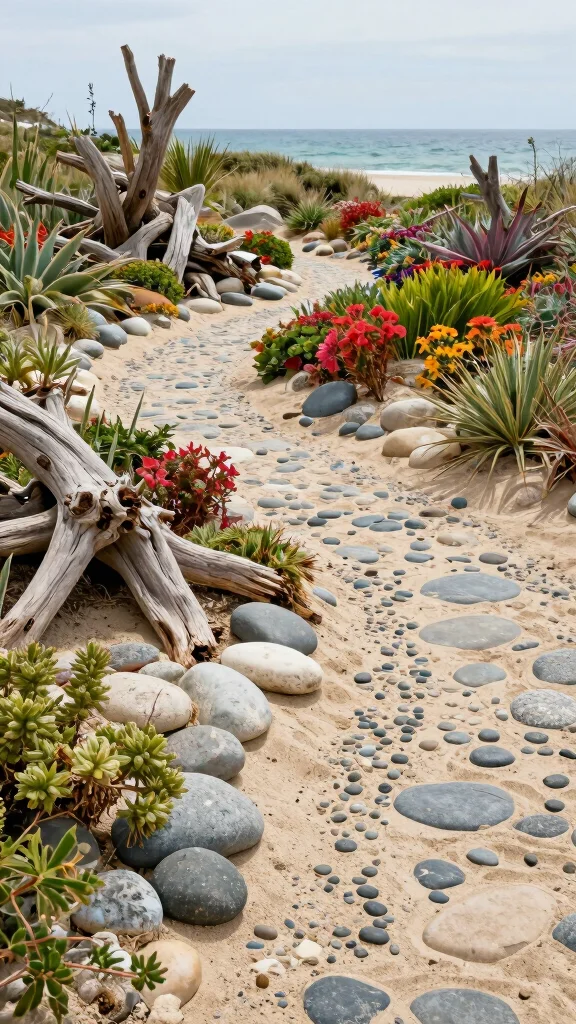
If you’re near the coast, a beach-inspired garden can beautifully control erosion while creating a stunning landscape. These gardens often feature sand, beach stones, and coastal plants that thrive in sandy soils. They provide not only visual appeal but also functionality by stabilizing sandy soils against wind and water erosion.
To create a beach-inspired garden, select native coastal plants that tolerate salt and sandy conditions. Incorporating driftwood and beach stones adds texture and visual interest, while pathways made of sand or pebbles enhance the coastal vibe. This unique design style not only looks beautiful but also offers practical erosion control solutions.
Tips for creating a beach-inspired garden:
– Use native plants suited for coastal conditions.
– Incorporate driftwood and beach stones for texture.
– Design pathways with sand or pebbles.
– Include seating areas to relax and enjoy.
This design offers both beauty and functionality, ensuring your garden thrives in harmony with its coastal environment.
19. Interactive Children’s Gardens
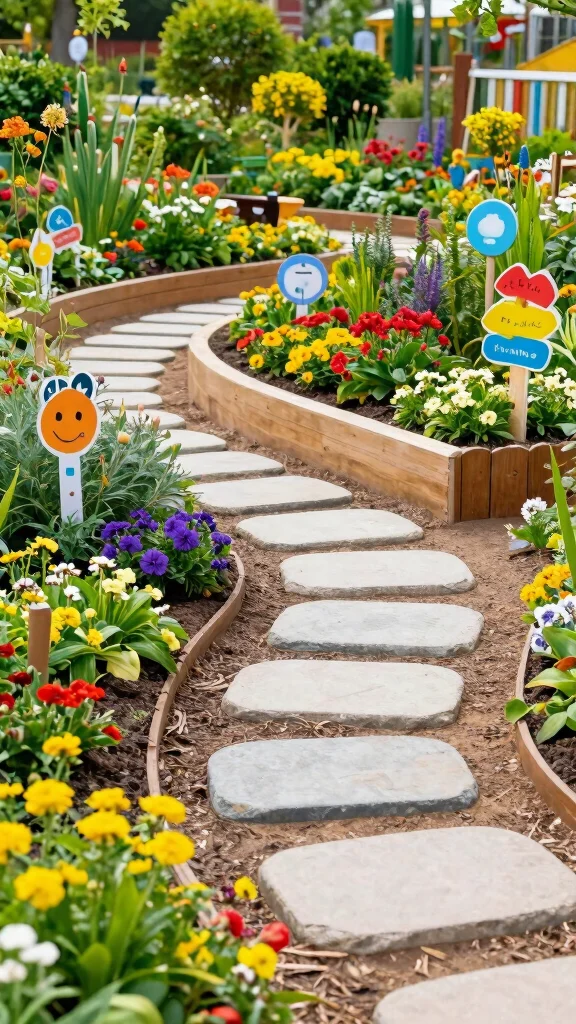
Designing a children’s garden can be an engaging way to teach the younger generation about nature while addressing erosion. This interactive space can feature tiered planting areas, sensory pathways, and educational elements that inspire curiosity. By creating a hands-on garden, children learn the importance of planting while positively impacting soil stability.
Incorporating various textures and colors makes the space visually appealing, while simple drainage solutions keep the area functional. This design approach fosters a love for gardening in children while providing valuable lessons.
Here are some ideas for your children’s garden:
– Use raised beds at kid-friendly heights.
– Add fun features like stepping stones and tunnels.
– Choose colorful, easy-to-grow plants.
– Integrate educational signage about plants and ecosystems.
This approach creates a fun, educational environment that combats erosion while instilling a passion for gardening.
20. Eco-Friendly Bamboo Gardens
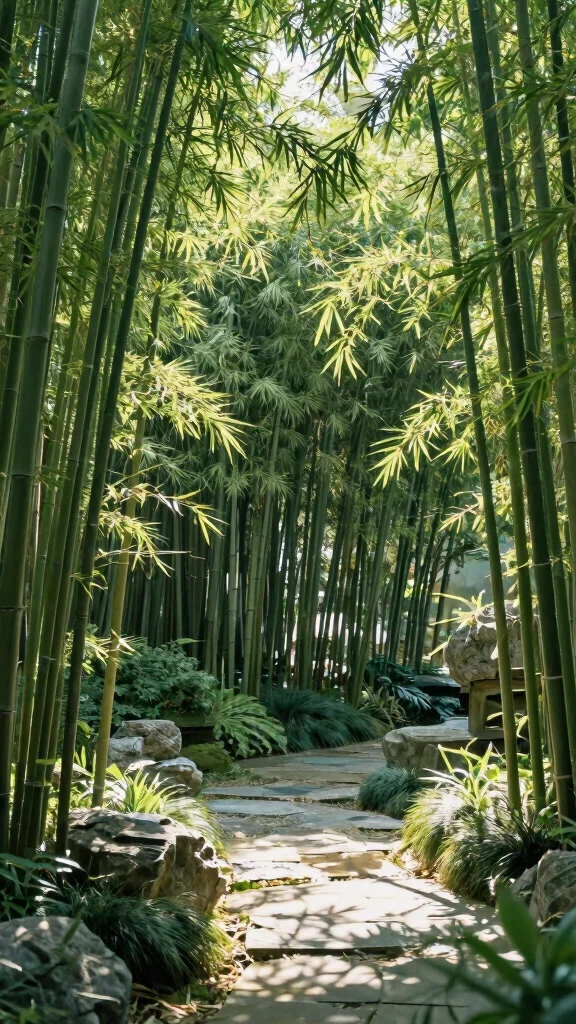
Bamboo gardens are an eco-friendly option that adds a unique aesthetic while effectively controlling erosion. With a dense root system, bamboo stabilizes soil and thrives in various conditions. Incorporating bamboo into your garden offers a serene, Asian-inspired design that promotes tranquility and balance.
Use bamboo to create natural fences or screens, while also pairing it with companion plants that enhance biodiversity. This design not only offers beauty but also supports sustainable gardening practices, creating a peaceful retreat in your backyard.
Here’s what to consider for your bamboo garden:
– Choose clumping bamboo varieties for manageable growth.
– Mix in shade-tolerant plants for harmony.
– Maintain spacing for airflow and growth.
– Incorporate decorative elements like stones or water features.
This design promotes sustainability while providing a calming atmosphere in your outdoor space.
21. Artistic Mosaic Gardens
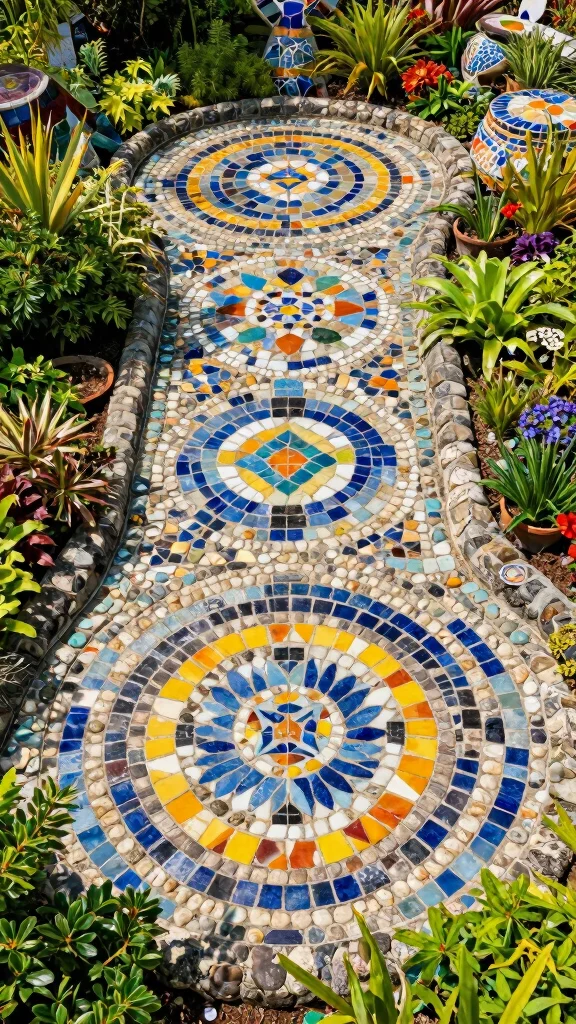
Mosaic gardens are a creative fusion of art and gardening, making them a striking focal point in any landscape. By incorporating tiles, glass, or stones, you can create vibrant patterns that enhance visual appeal and assist with erosion control. These artistic elements can serve as paths or borders, directing water runoff while stabilizing the soil.
Mixing various plant selections within the mosaic design adds even more beauty to this unique garden style. This approach not only beautifies your space but also encourages a connection with nature through art.
Tips for creating a mosaic garden include:
– Use diverse materials for texture and color.
– Plan your design for effective drainage.
– Choose plants that thrive in your climate.
– Create a cohesive theme to tie the garden together.
This design enhances your outdoor space while effectively managing erosion.
22. Charming Fairy Tale Gardens
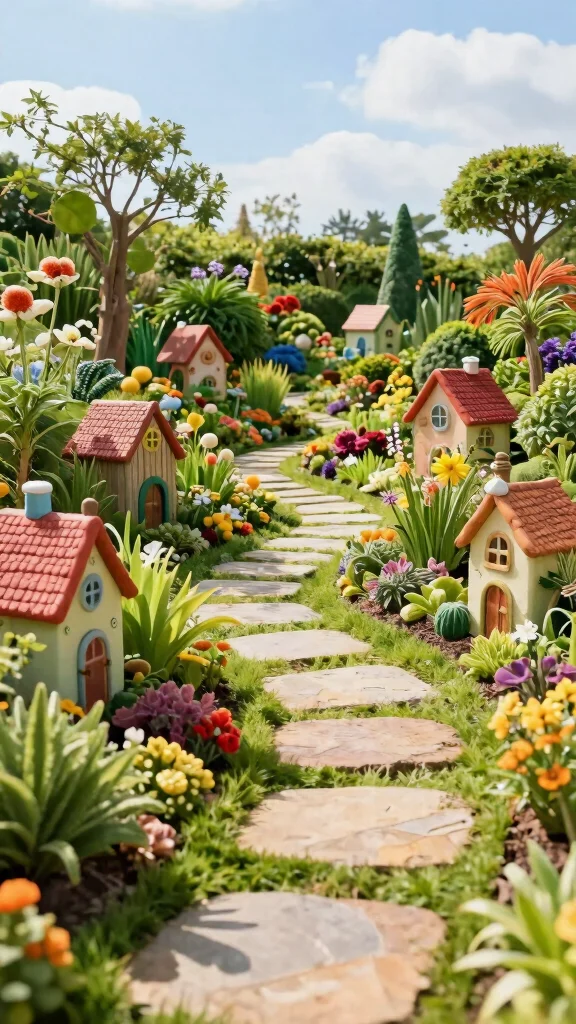
Fairy tale gardens capture the magic of nature while incorporating clever drainage and erosion control methods. These enchanting landscapes can feature tiered plantings, whimsical pathways, and decorative elements that spark the imagination. By selecting a variety of plants with different heights and colors, you create captivating scenes that also promote healthy drainage.
This design approach engages both children and adults, fostering creativity and interaction with the garden. With thoughtful planning, you can create a magical environment that combats erosion effectively.
Here’s how to create a charming fairy tale garden:
– Use winding paths to create a sense of adventure.
– Incorporate miniature structures or fairy houses for whimsy.
– Choose bright, unique plants for intrigue.
– Create varied textures and heights for visual appeal.
This design not only sparks the imagination but also helps manage erosion in a captivating way.
23. Minimalist Zen Gardens
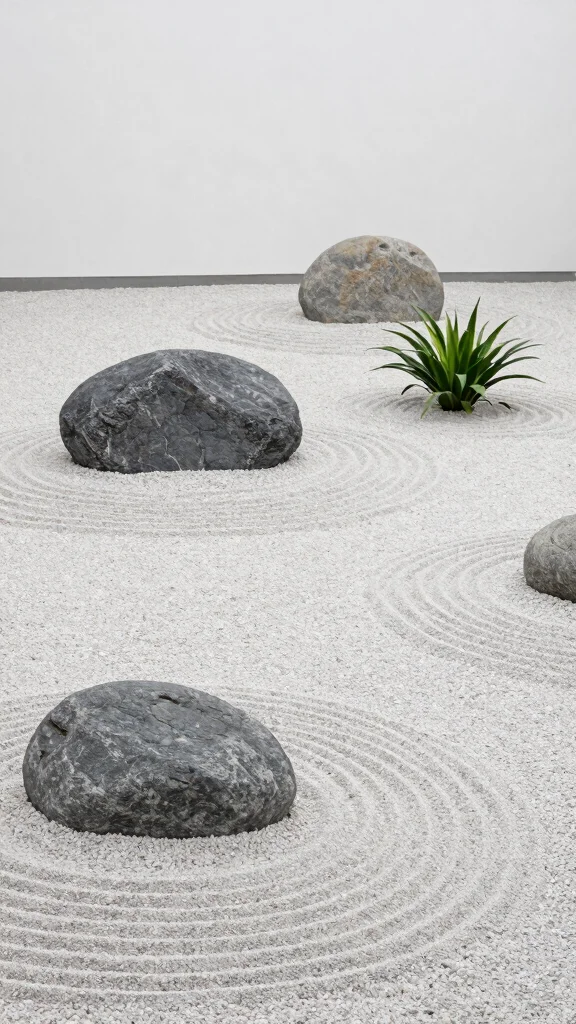
Minimalist Zen gardens provide a tranquil retreat that emphasizes simplicity and serenity. These gardens can be designed with tiered levels to enhance visual interest while effectively managing drainage. Featuring sand, gravel, and carefully placed stones, a Zen garden helps control runoff and requires minimal maintenance.
Incorporating a few well-chosen plants will create a serene atmosphere that stabilizes soil while inviting reflection. This design approach connects you to nature and promotes mindfulness in your space.
To create your minimalist Zen garden:
– Use gravel or sand for easy drainage.
– Include larger stones as focal points.
– Incorporate one or two plants for texture.
– Create clean lines for a calming arrangement.
This design fosters a peaceful environment while effectively addressing erosion.
24. Modern Edible Landscapes
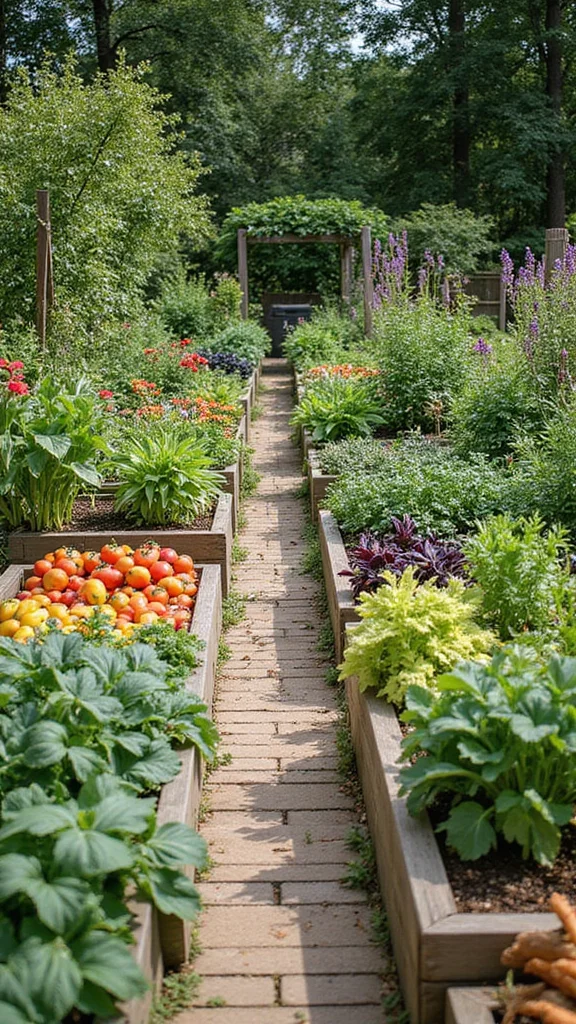
Edible landscapes blend beauty with practicality, allowing you to enjoy fresh produce while managing erosion. Designing tiered gardens that feature fruits, vegetables, and herbs creates a visually appealing and functional space. This approach encourages biodiversity and helps maintain soil structure, preventing erosion while providing delicious rewards.
Planting various edible species in levels ensures optimal sunlight exposure and easier harvesting. This design aligns with modern gardening trends that emphasize sustainability and reconnecting with food sources.
Here’s how to create a modern edible landscape:
– Design raised beds or terraces for organization.
– Select companion plants to enhance growth and deter pests.
– Incorporate pathways for easy access.
– Use decorative elements to boost visual appeal.
This design not only supports sustainable gardening but also offers the joy of growing your own food.
25. Rustic Country Gardens
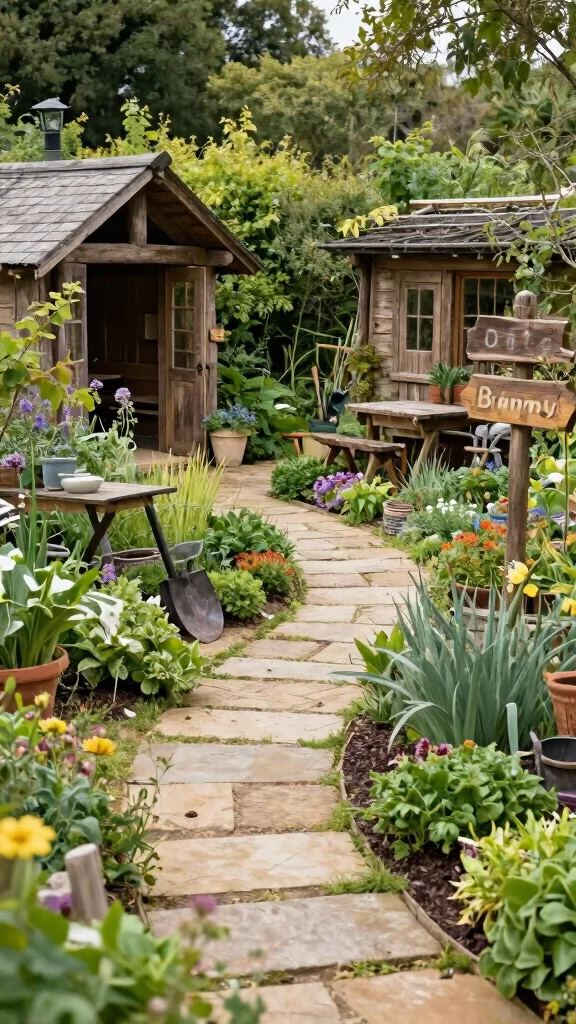
Rustic country gardens present a charming, laid-back approach to gardening while effectively managing erosion. Incorporating open spaces, native plants, and rustic elements creates an inviting environment. These gardens often feature tiered designs using natural materials that blend harmoniously with the landscape.
Rustic gardens promote biodiversity and help stabilize soil, making them a practical choice while providing a warm aesthetic. This design connects with the desire for sustainable living and a return to nature.
To create your rustic country garden:
– Use local stone or wood for paths and borders.
– Choose native plants for low maintenance.
– Create open spaces for gatherings.
– Include decorative elements like vintage tools.
This design creates a cozy, welcoming space that effectively manages erosion and feels like home.
Conclusion
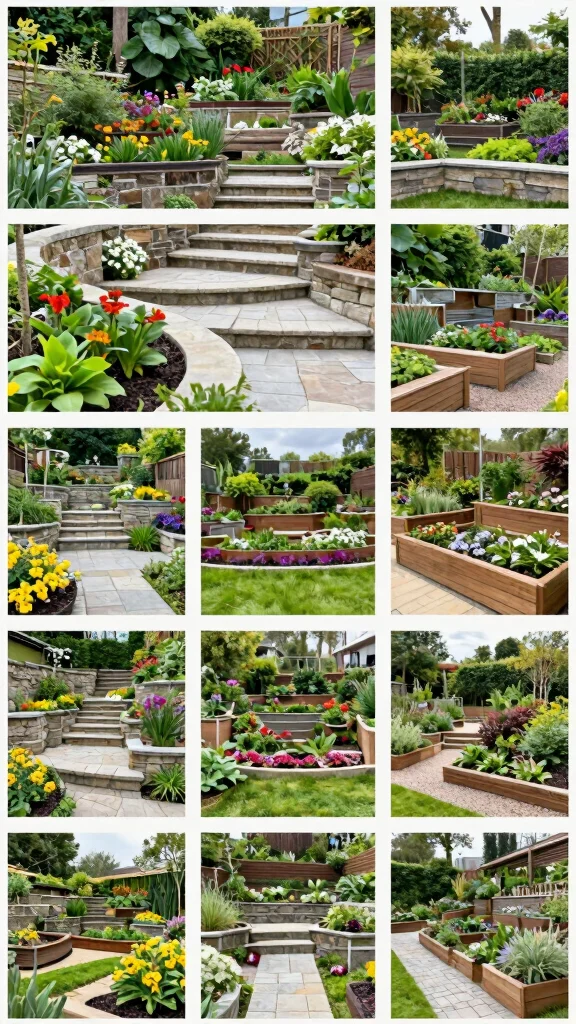
Embracing these erosion control garden designs with smart drainage solutions can truly transform your outdoor space. From tiered flower gardens to innovative vertical setups, there’s an idea here for every gardening enthusiast.
By combining aesthetics with practical drainage methods, you can create a beautiful landscape that fights erosion effectively. Each of these concepts not only elevates the visual appeal of your garden but also contributes to a healthier environment, encouraging a thriving ecosystem. Which design idea do you see yourself trying in your garden?
Frequently Asked Questions
What are the best tiered garden ideas for erosion control and smart drainage in a small yard?
Tiered garden ideas help you tame a slope while expanding growing space and adding style.
Start with shallow retaining walls to create micro-levels, then pair each tier with a smart drainage solution like a French drain or a shallow swale to guide runoff away from foundations.
For plant selection, choose a mix of deep-rooted perennials, native grasses, and groundcovers that hold soil and tolerate both wet and dry spells. Finish with a thick mulch layer and decorative edging that complements your home decor.
How can I integrate drainage solutions into erosion-control garden designs without sacrificing aesthetics?
Start by evaluating your slope and water flow, then map where water pools.
Use drainage solutions like French drains or perforated piping beneath the soil to capture and move water, and disguise the trench with stone or timber to keep the look cohesive.
Add micro-swales or a rain garden to capture runoff on the downhill side. Choose plants around these features with good root systems to reinforce drainage and maintain aesthetics.
What plants should I choose for tiered erosion-control gardens and how should I place them on each level?
Focus on plant selection that stabilizes soil and looks good across tiers.
Place deep-rooted grasses and shrubs on the lower tiers to anchor soil, mid-height perennials on middle levels for color and texture, and drought-tolerant groundcovers on the top tier to spill over the edge. Native species often establish fastest and require less care. Examples include switchgrass, blue fescue, creeping thyme, sedum, vinca, and other companions.
How do I maintain erosion-control tiered designs to keep drainage working year-round?
Maintenance is key: after heavy rain, inspect swales and drains for clogs and sediment.
Replenish mulch to protect soil and keep moisture even. Prune plants to prevent overgrowth that can block channels, and check for shifting terraces.
Document seasonal adjustments to watering and fertilizing to keep drainage working year-round.
What budget-friendly tips help implement tiered erosion-control designs without sacrificing drainage and plant selection?
Budget-friendly tips: start with a simple slope assessment and plan.
Use reclaimed timber or local stone for terraces, and prioritize drainage first with a DIY French drain or shallow swale.
Choose native, hardy plants for plant selection and drainage solutions that require less water and maintenance. Mulch heavily, compost, and consider drip irrigation to reduce waste. This approach aligns with practical tiered garden ideas that still look polished.