
Unlocking the magic of keyhole garden design can completely transform your outdoor space. I’ve created this post because I know many of you are eager to cultivate a garden that is both functional and beautiful. With the growing interest in sustainable gardening, especially in smaller spaces, keyhole gardens present a perfect solution. These unique garden layouts not only save space but also create an efficient ecosystem that nurtures your plants while being visually appealing.
If you love gardening and are looking to enhance your backyard or patio, this guide is tailored just for you. Even if you’re a beginner, you can dive into the world of keyhole gardens and reap their benefits. You’ll discover brilliant ideas that are easy to implement and can make a big difference in your gardening experience. From creating layers to selecting the right plants, I’ve compiled a list of genius ideas that will breathe new life into your green space.
Get ready to explore how you can embrace the circular design of a keyhole garden, incorporate sustainable practices, and much more. You’ll learn practical tips that will help you create a vibrant, productive garden that reflects your style and meets your gardening needs.
Key Takeaways
– Embrace the Circular Design: Keyhole gardens are circular, making them space-efficient and easy to manage, ensuring you maximize your yield in limited areas.
– Create Layers for Maximum Yield: Layering different plant types not only optimizes space but also enhances biodiversity, allowing for a more resilient garden.
– Incorporate Sustainable Practices: Focus on composting and rainwater collection to create an eco-friendly garden that minimizes waste and resource use.
– Select the Right Plants: Choose plants that thrive in your climate and complement each other, boosting your garden’s productivity and beauty.
– Add Vertical Elements: Use trellises or vertical planters to save space and create visual interest, making your garden not only functional but also aesthetically pleasing.
Contents
- 1. Embrace the Circular Design
- 2. Create Layers for Maximum Yield
- 3. Incorporate Sustainable Practices
- 4. Select the Right Plants
- 5. Add Vertical Elements
- 6. Create Focal Points
- 7. Consider Seasonal Interest
- 8. Incorporate Decorative Elements
- 9. Optimize Watering Techniques
- 10. Engage with Your Garden
1. Embrace the Circular Design
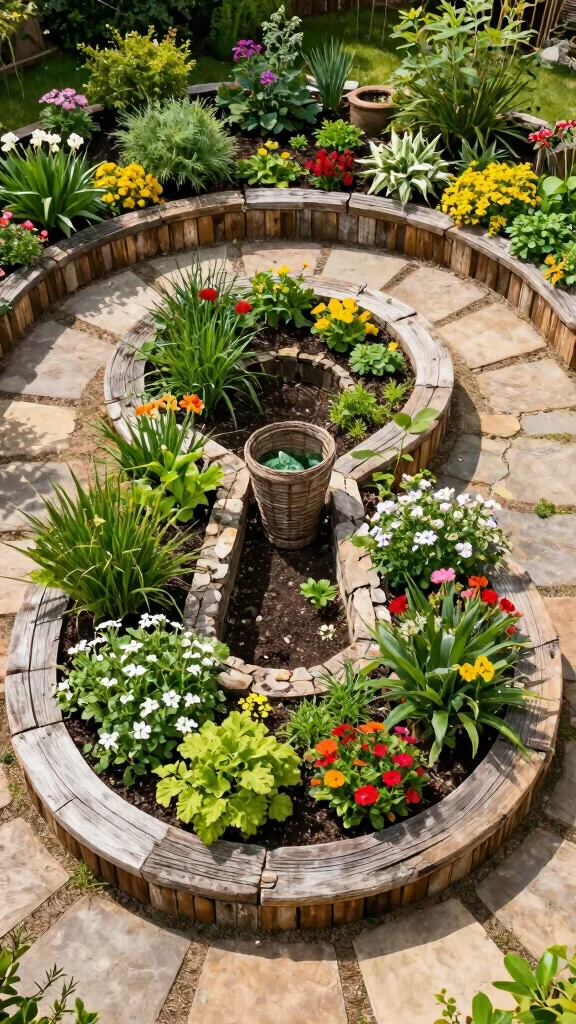
A circular design is the essence of keyhole gardens, offering both beauty and practicality. This shape allows you to access all your plants easily, ensuring that every bit of space is used wisely. Imagine a garden where raised edges help manage soil while creating an inviting visual appeal. You can elevate your design by mixing layers of plants, from vibrant flowers to lush greens, enhancing both functionality and aesthetics.
To bring your circular garden to life, opt for colorful blooms paired with diverse textures. Incorporate materials like local stones or reclaimed wood for borders, creating a sustainable and charming look.
Tips:
– Use a compass to position your keyhole garden for optimal sunlight.
– Add stepping stones for better accessibility around the garden.
– Incorporate trellises or hanging pots for climbing plants.
This circular approach not only beautifies your space but also maximizes your gardening potential, ensuring a flourishing environment.
2. Create Layers for Maximum Yield
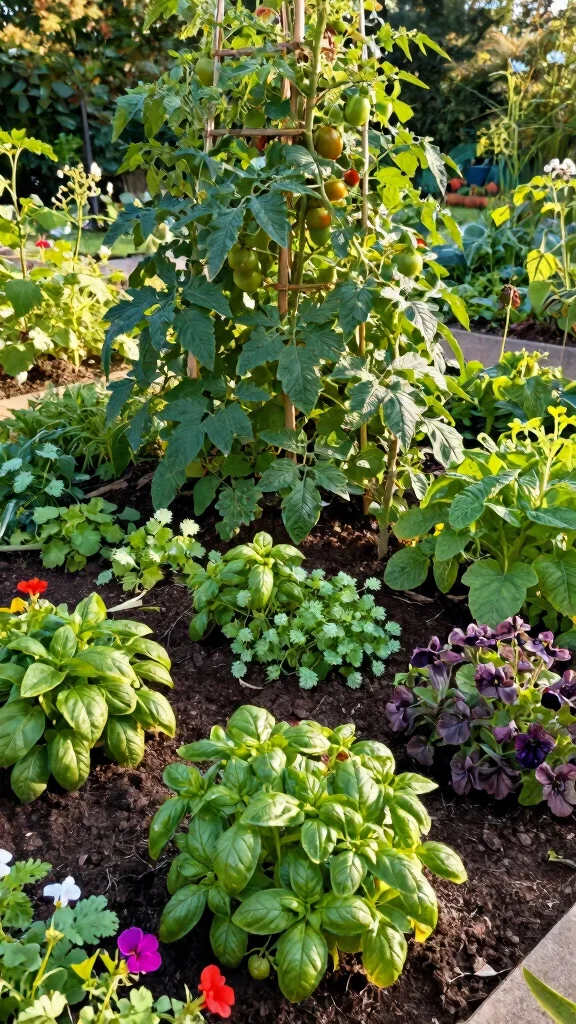
Layering is a fantastic feature of keyhole gardens that boosts both yield and visual interest. By placing taller plants in the back and shorter ones at the front, you ensure each plant receives adequate sunlight while maximizing your garden’s productivity. This layered strategy not only enhances the look of your garden but also creates a lively atmosphere throughout the growing season.
Think about planting vining crops like tomatoes on trellises at the back, with herbs and greens in front. This setup can also help deter pests naturally, creating a healthier garden.
Tips for Layering:
– Use companion planting to foster growth and reduce pests.
– Select plants with different root depths for effective space use.
– Rotate your crops regularly to keep the soil vibrant.
By implementing layers, you create a garden that is not only beautiful but also highly productive, ensuring a bountiful harvest.
3. Incorporate Sustainable Practices
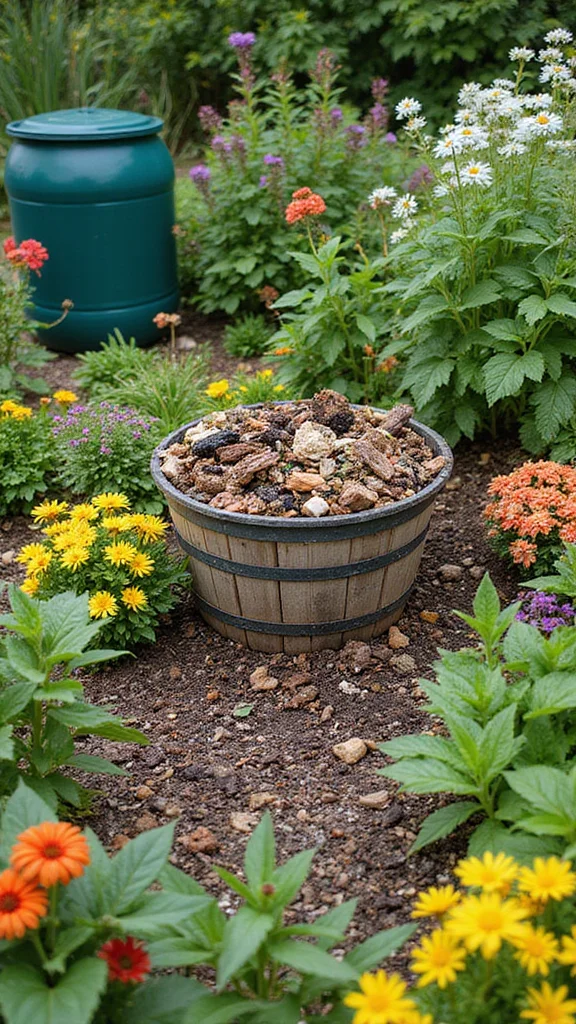
Sustainability plays a pivotal role in keyhole garden design. By integrating composting, you enrich your soil while minimizing waste. This eco-friendly practice is not only kind to the planet but also saves you money in the long run!
Establishing a compost basket in the center of your garden provides easy access for adding kitchen scraps and yard waste. Over time, these materials break down, delivering essential nutrients to your plants.
Key Sustainable Practices:
– Use locally sourced materials to reduce your carbon footprint.
– Collect rainwater for irrigation to conserve resources.
– Embrace organic gardening by avoiding synthetic chemicals.
These sustainable methods will boost your garden’s health while positively impacting the environment, making your gardening journey part of a green revolution.
4. Select the Right Plants
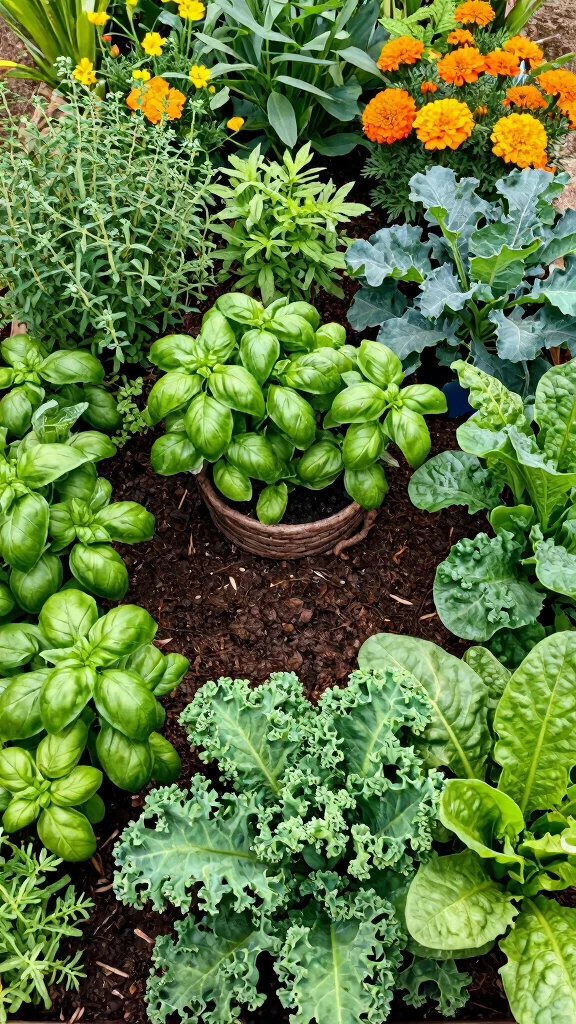
Choosing the right plants is essential for a thriving keyhole garden. Opt for varieties that flourish in your specific climate and soil conditions. A diverse mix of herbs, vegetables, and flowers not only enhances the visual appeal but also attracts beneficial pollinators and insects to your garden.
Consider these excellent plant options:
– Herbs: Basil, thyme, and mint for culinary use and pest control.
– Vegetables: Leafy greens like kale and sturdy options like carrots.
– Flowers: Marigolds and zinnias to add beauty and repel pests.
Planting Tips:
– Group plants with similar light and water needs for easier care.
– Use companion planting techniques to encourage growth and limit pests.
– Rotate crops regularly to maintain soil fertility.
Selecting the right plants fosters a vibrant ecosystem, ensuring your garden flourishes beautifully.
5. Add Vertical Elements
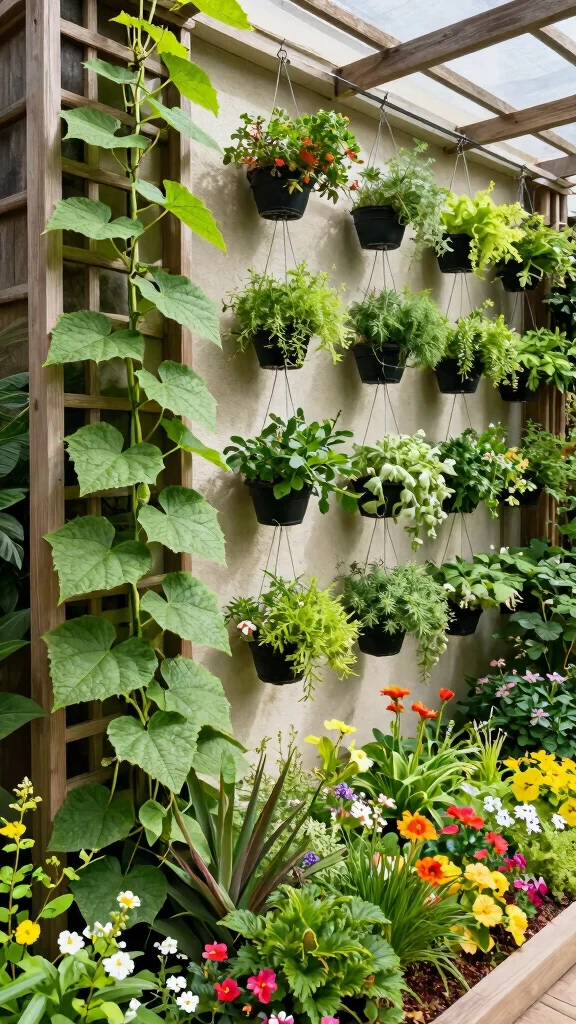
Elevate your keyhole garden by incorporating vertical elements. This design choice not only saves space but also adds an attractive dimension to your garden. Structures like trellises, arches, or wall planters can support climbing plants such as cucumbers and beans.
Vertical gardening enhances air circulation and keeps plants elevated, which helps minimize pest risks. This technique introduces layers and creates a stunning focal point within your garden.
Vertical Gardening Ideas:
– Use wooden pallets to craft a rustic vertical display.
– Install trellises for climbing vegetables for added height.
– Hang planters on vertical spaces to maximize your growing area.
Incorporating vertical elements optimizes your space while creating a visually appealing garden that draws the eye.
6. Create Focal Points
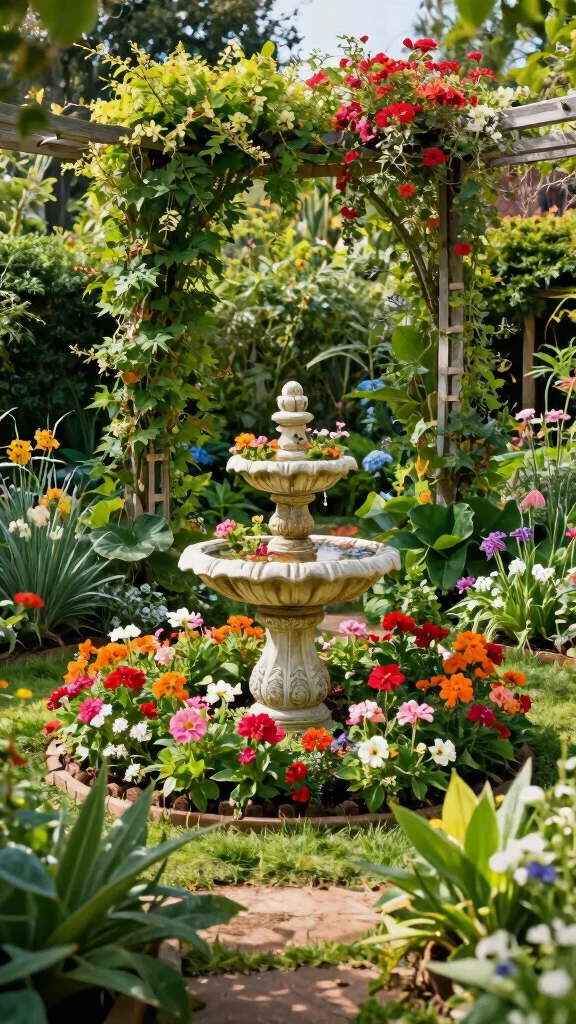
Focal points are essential for transforming your keyhole garden into a visual masterpiece. By placing eye-catching features strategically, you create interest and guide the viewer’s gaze. Consider adding a striking sculpture, an ornamental birdbath, or a vibrant flowering plant to serve as a focal point.
These elements help to orchestrate your garden’s design, ensuring it feels thoughtfully arranged. Use a mix of heights, colors, and textures to keep the visual experience exciting.
Ideas for Focal Points:
– Feature a trellis adorned with climbing flowers for vertical interest.
– Incorporate an artistic garden sculpture for a unique touch.
– Use a bright flowering plant to stand out against greenery.
These focal points enhance your garden’s overall design, inviting exploration and admiration.
7. Consider Seasonal Interest
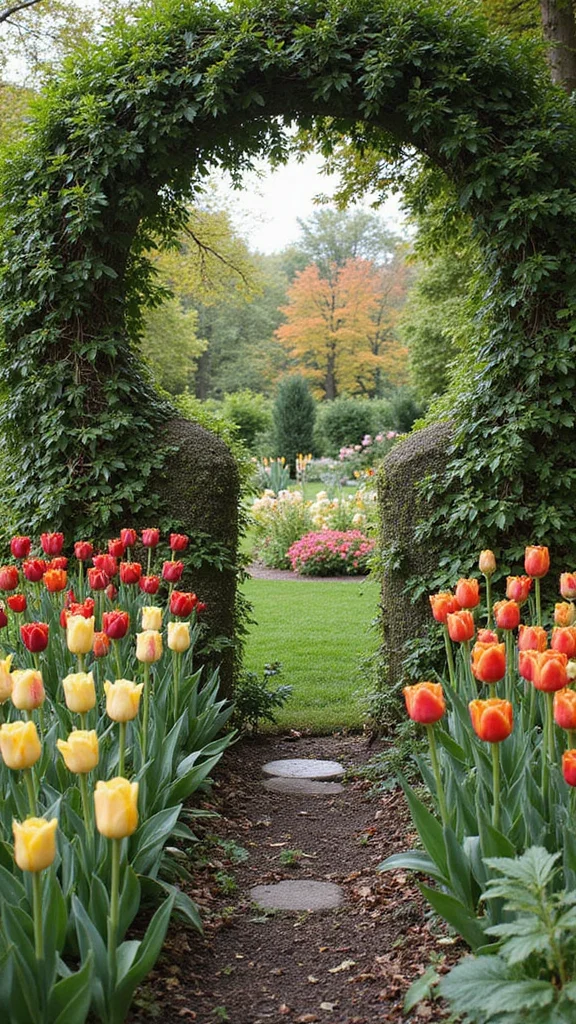
To keep your keyhole garden vibrant throughout the year, choose plants that offer seasonal interest. This strategy allows your garden to evolve, ensuring there’s always something beautiful to enjoy. For example, spring bulbs like tulips bloom early, while summer vegetables and late-blooming asters provide color well into fall.
Thoughtful planning ensures a dynamic garden that remains captivating across the seasons.
Tips for Seasonal Planting:
– Mix annuals and perennials for continuous blooms.
– Plan for fall and winter interest with hardy plants.
– Rotate seasonal crops to maximize yield and soil health.
By incorporating seasonal elements, you create a garden that delights and inspires all year long.
8. Incorporate Decorative Elements
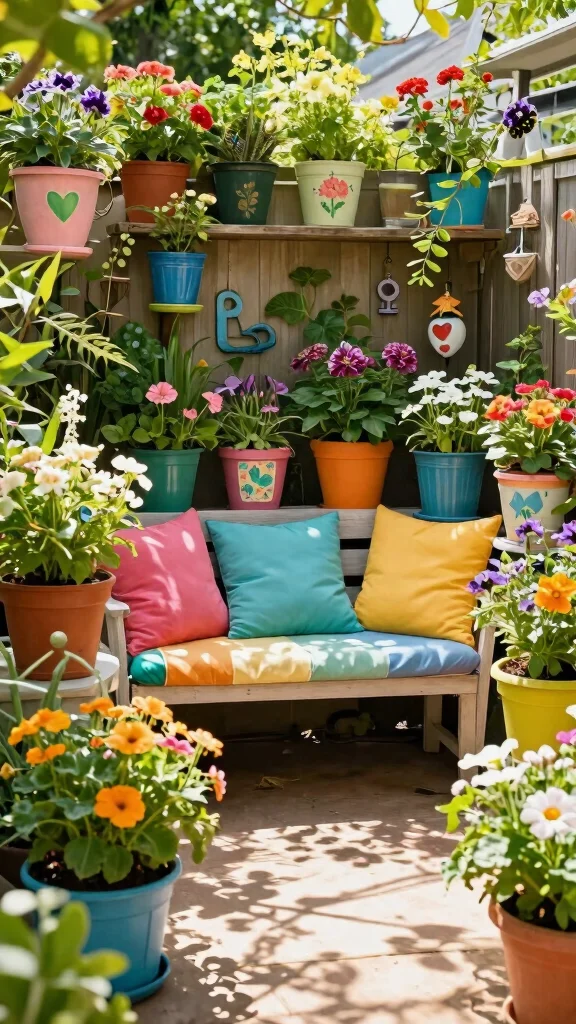
Add charm to your keyhole garden with delightful decorative elements. Whether it’s whimsical garden art, colorful pots, or charming signs, these accents bring personality and flair to your space. Incorporating such details makes your garden feel inviting and unique.
You can find affordable decor at thrift stores or craft fairs, or even create your own! DIY projects like painted rocks or custom trellises add an eco-friendly personal touch.
Decorative Ideas:
– Use vibrant pots for herbs or flowers to brighten your garden.
– Hang wind chimes for added auditory and visual appeal.
– Create a cozy seating nook with outdoor furniture for relaxation.
These decorative touches transform your keyhole garden from a functional area into a delightful retreat, enhancing your enjoyment of your outdoor haven.
9. Optimize Watering Techniques
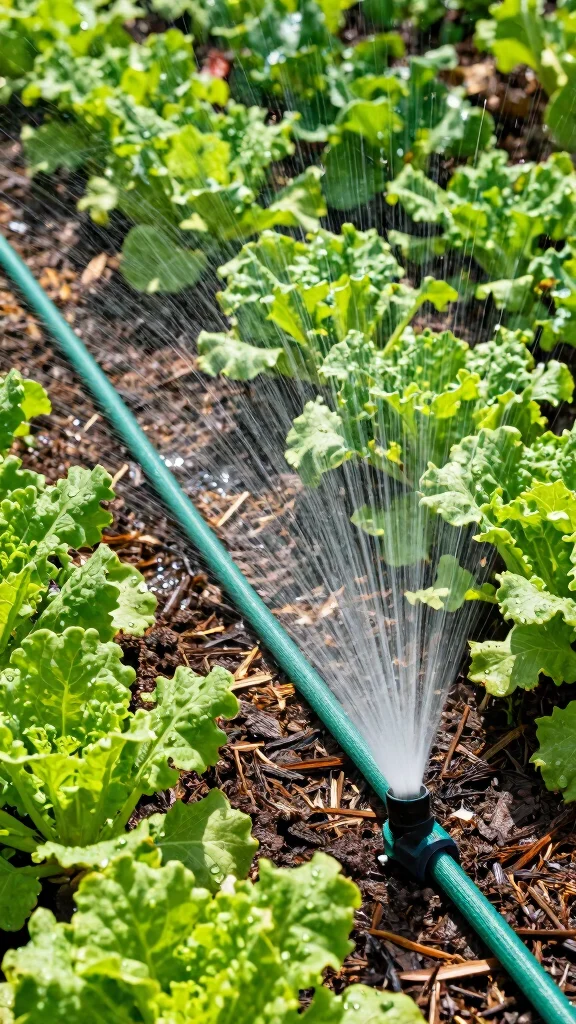
Watering is vital for the success of any garden, especially a keyhole garden. The central compost basket aids in moisture retention, but you can enhance this with smart techniques. Consider utilizing drip irrigation or soaker hoses to ensure even watering, delivering moisture directly to plant roots for healthier growth.
Watering Strategies:
– Water during cooler parts of the day to reduce evaporation.
– Mulch around plants to retain moisture and suppress weeds.
– Monitor soil moisture levels to prevent under or over-watering.
By refining your watering practices, you can significantly improve plant health, ensuring your garden remains lush and vibrant.
10. Engage with Your Garden
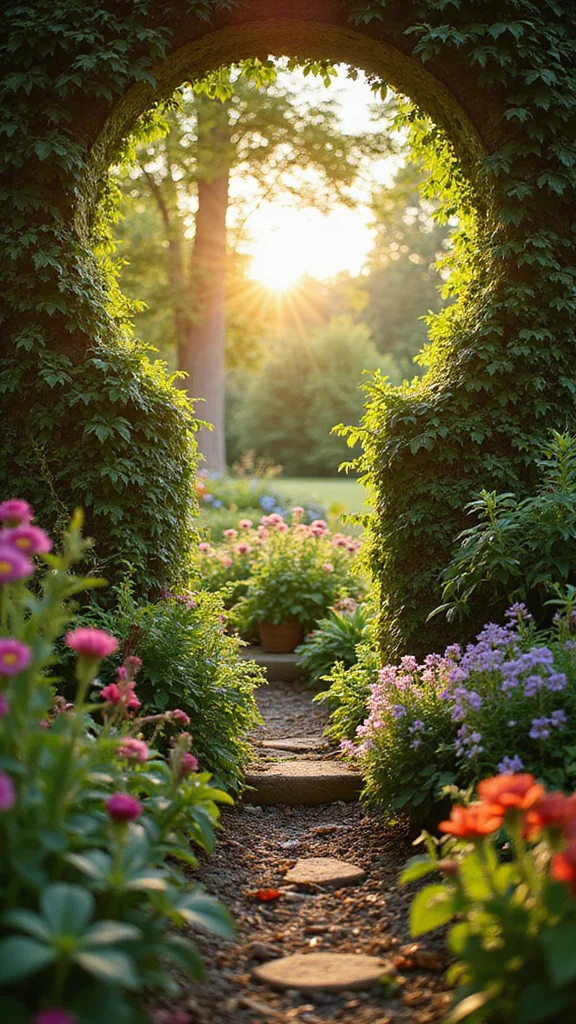
The heart of any garden lies in the joy it brings. Regularly engaging with your keyhole garden, whether through planting, harvesting, or simply enjoying the space, is essential. Take time to understand your garden’s needs while appreciating its beauty.
Consider hosting small gatherings or inviting friends to share in your gardening journey. This not only fosters community but also inspires others to connect with nature.
Engagement Tips:
– Keep a gardening journal to track growth and changes.
– Share photos on social media to inspire others.
– Host workshops or gardening days with friends for shared experiences.
By actively engaging with your garden, you transform it into a living space that connects you with nature and those you cherish.
Conclusion
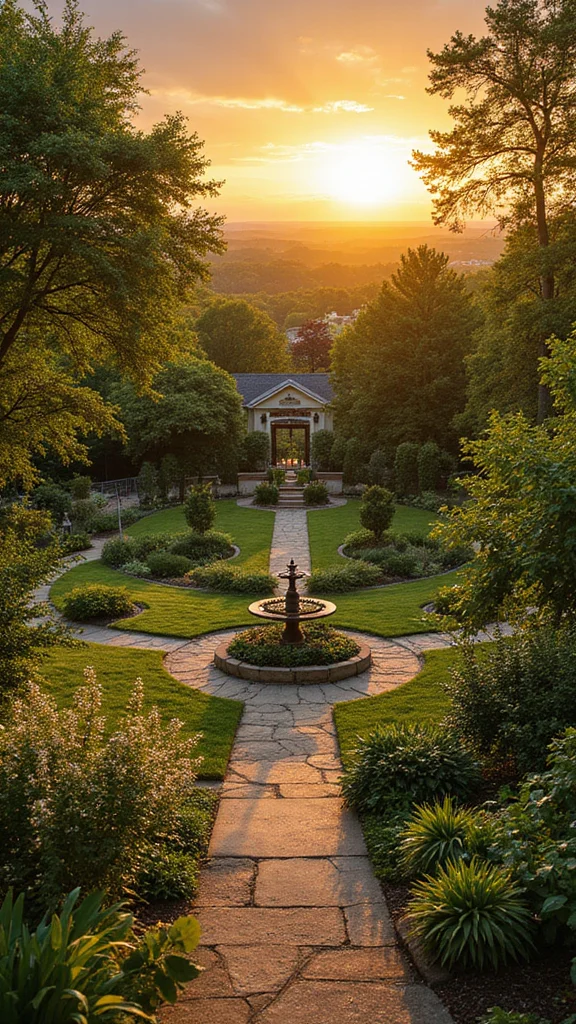
Keyhole garden design is more than just a practical gardening method; it’s an artistic expression that connects us to nature while promoting sustainability. With these genius ideas, you can transform your space into a vibrant oasis that not only provides fresh produce but also uplifts your spirits. Start small, embrace the process, and enjoy the journey of creating your very own keyhole garden!
It’s time to dig in and unlock the magic of gardening!
Frequently Asked Questions
What is Keyhole Garden Design and why is it popular for small spaces?
Keyhole garden design is a circular raised bed with a central composting basket that feeds the surrounding soil, making it incredibly efficient for water and nutrients in tight spaces.
Its space-saving footprint, accessible height, and built-in composting make sustainable gardening easier while still producing fresh produce. To get started, place it in a sunny spot, frame it with sturdy edging, and install a simple irrigation line along the outer rim for efficient watering.
How can I apply sustainable gardening practices in a Keyhole Garden Design?
For sustainable gardening in a Keyhole Garden Design, feed the soil with a central composting basket and kitchen scraps, then use rainwater harvesting and mulch to conserve moisture.
Reuse materials for the bed and edging, choose native or drought-tolerant plants, and keep pests away with beneficial insects and organic methods. Regularly top up the compost and avoid synthetic pesticides to maintain healthy soil and a thriving ecosystem.
What are space-saving tips to maximize yield in a Keyhole GardenLayout?
Turn the circle into a high-yield powerhouse with smart spacing and verticals. Add a lightweight trellis or espalier along the outer rim for vertical growth, use compact varieties, and practice succession planting for continuous harvests.
Install a drip irrigation line and mulch well to reduce evaporation. With thoughtful space-saving planning, you’ll squeeze more produce into a smaller footprint.
How should I plan the garden layout to be accessible and beautiful in a keyhole garden design?
Start with a clear circular layout that centers around the compost basket. Leave a comfortable walking ring, add seating or stepping-stones, and edge with decorative but durable materials.
Choose a cohesive color palette and plant grouping that supports garden layout flow, while keeping accessibility in mind—raised height, knee-friendly paths, and easy access to the central compost bin for quick maintenance.
What plants thrive in keyhole garden design, and how do I maintain soil health?
Great plants include herbs, leafy greens, compact peppers, and compact tomatoes that tolerate container-like soil conditions around the rim. Plant in layered zones around the circle to maximize sun exposure and airflow, then rotate crops each season.
To keep soil healthy, regularly add finished compost, use mulch to retain moisture, avoid soil compaction, and monitor soil pH. A well-balanced garden layout and routine soil care will sustain productivity year after year.