
Are you ready to bring some serious flair to your garden? Each season, when the flowers bloom, it’s like nature is whispering to us, inviting us to create beautiful outdoor spaces. This post is here because I know that gardening can sometimes feel overwhelming, especially when it comes to picking the right plants. If you’re looking to spark your garden creativity with stunning combinations of perennial flowers, you’re in the right place!
This guide is for anyone passionate about gardening, whether you’re a seasoned pro or just starting out. If you love the idea of mixing colors, textures, and heights to create a vibrant floral display, then you’ll find this collection of pairings truly inspiring. I’ve pulled together 27 unique pairings that are not only visually appealing but also practical for your garden. Get ready to discover floral design ideas that will have you itching to dig in the dirt!
With this guide, you’ll gain insights into how to pair perennial flowers effectively. You’ll learn about combinations that thrive together and create stunning results. From classic favorites like lavender and white salvia to the bold touches of sunflowers and zinnias, this post aims to help you visualize and implement beautiful designs. By the end, you’ll feel equipped to enhance your garden and express your unique style.
Key Takeaways
– Discover 27 unique combinations of perennial flowers that will elevate your garden’s aesthetic and inspire creativity.
– Learn about the specific characteristics of each flower pairing, ensuring they complement each other’s growing conditions and visual appeal.
– Gain insights into color schemes and textures that work harmoniously together, making your garden design more cohesive and eye-catching.
– Get practical tips for planting and caring for these pairings, ensuring they thrive in your garden year after year.
– Find inspiration to express your personality through your garden, creating a lasting impact with your floral designs.
Contents
- 1. Lavender & White Salvia
- 2. Black Eyed Susan & Blue Aster
- 3. Peonies & Catmint
- 4. Coreopsis & Echinacea
- 5. Hellebores & Ferns
- 6. Astilbe & Japanese Anemone
- 7. Daylilies & Phlox
- 8. Sweet William & Delphinium
- 9. Foxglove & Bleeding Heart
- 10. Sedum & Ornamental Grasses
- 11. Sunflowers & Zinnias
- 12. Iris & Lamb’s Ear
- 13. Columbine & Creeping Thyme
- 14. Butterfly Bush & Phlox
- 15. Yarrow & Coneflower
- 16. Anemone & Sedum
- 17. Gladiolus & Amaranth
- 18. Oxeye Daisy & Black-eyed Susan
- 19. Heliopsis & Monarda
- 20. Sweet Alyssum & Verbena
- 21. Scabiosa & Cosmos
- 22. Alstroemeria & Daisies
- 23. Toad Lily & Hostas
- 24. Spiderwort & Daylilies
- 25. Lobelia & Pentas
- 26. Marigold & Nasturtium
- 27. Gloriosa Daisy & Bee Balm
1. Lavender & White Salvia
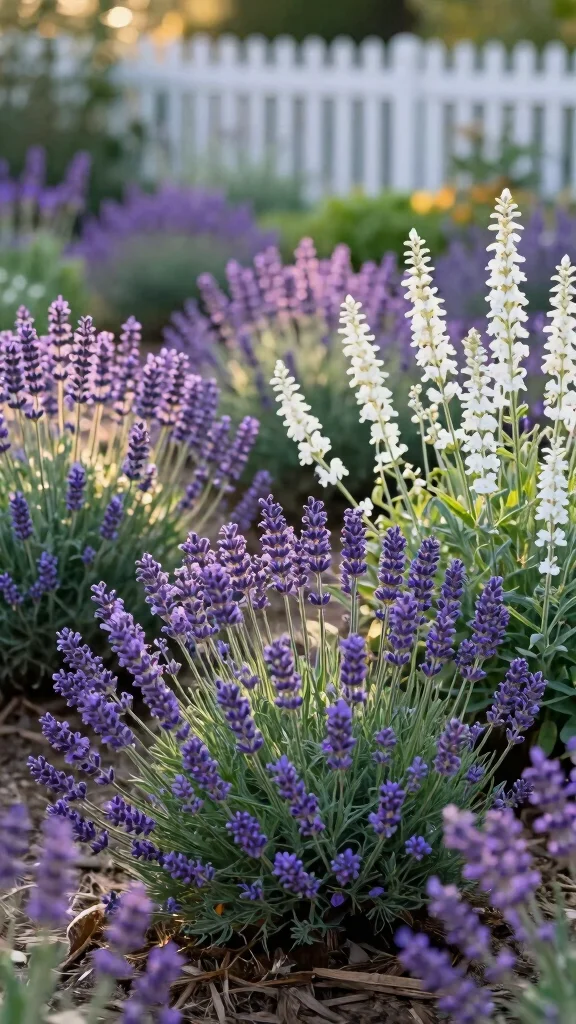
Transform your garden into a serene retreat with the soothing combination of lavender and white salvia. Lavender’s enchanting purple flowers not only fill the air with a calming fragrance but also attract helpful pollinators. When paired with the graceful white spikes of salvia, this duo creates a visually stunning contrast that soothes the senses.
To achieve the best results, plant these beauties in sunny, well-drained areas. Both thrive in similar conditions, making them easy to maintain. Consider using them to line pathways or as a border to enhance the overall charm of your garden.
Key planting tips:
– Group lavender and salvia in clusters for a bold look.
– Use sandy or gravelly soil for optimal drainage.
– Trim lavender after blooming to encourage robust growth for future seasons.
This pairing not only beautifies your space but also fosters a peaceful atmosphere, perfect for relaxation.
2. Black Eyed Susan & Blue Aster
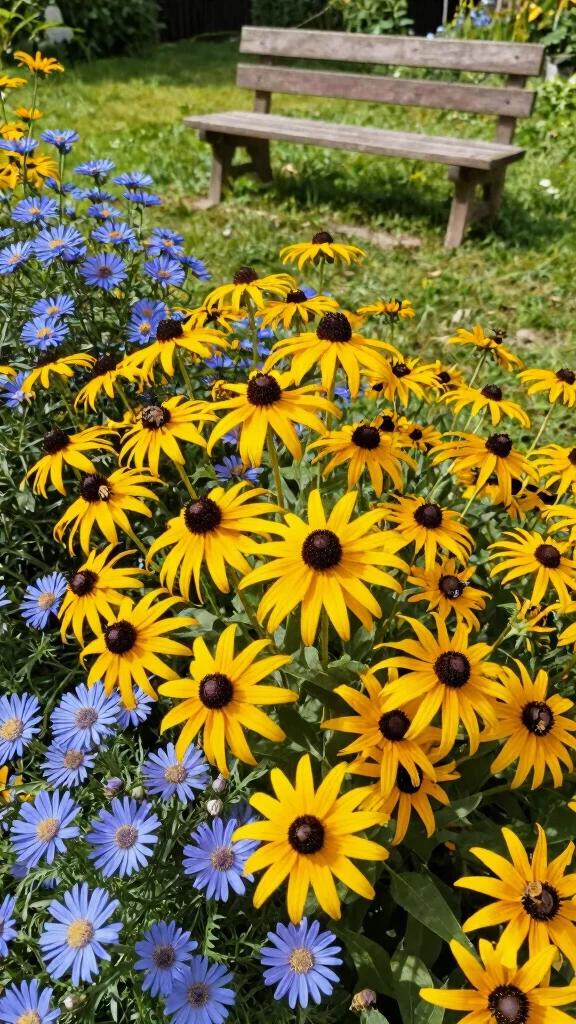
Brighten your landscape with the joyful combination of black-eyed Susans and blue asters. The vivid yellow petals of black-eyed Susans contrast beautifully with the soft blues of asters, creating an eye-catching display that’s hard to resist. This pairing not only dazzles the eyes but also stands resilient against various soil conditions.
As black-eyed Susans bloom from summer into autumn, asters follow suit, ensuring ongoing color in your garden. Plant them in groups for a bold statement or scatter them for a more natural feel.
Essential tips for success:
– Deadhead spent blooms to encourage new flowers.
– Ensure they receive plenty of sunlight for optimal growth.
– This duo is also great for attracting butterflies and bees to your garden!
By combining these two flowers, your garden will not only be vibrant but also alive with activity from pollinators.
3. Peonies & Catmint
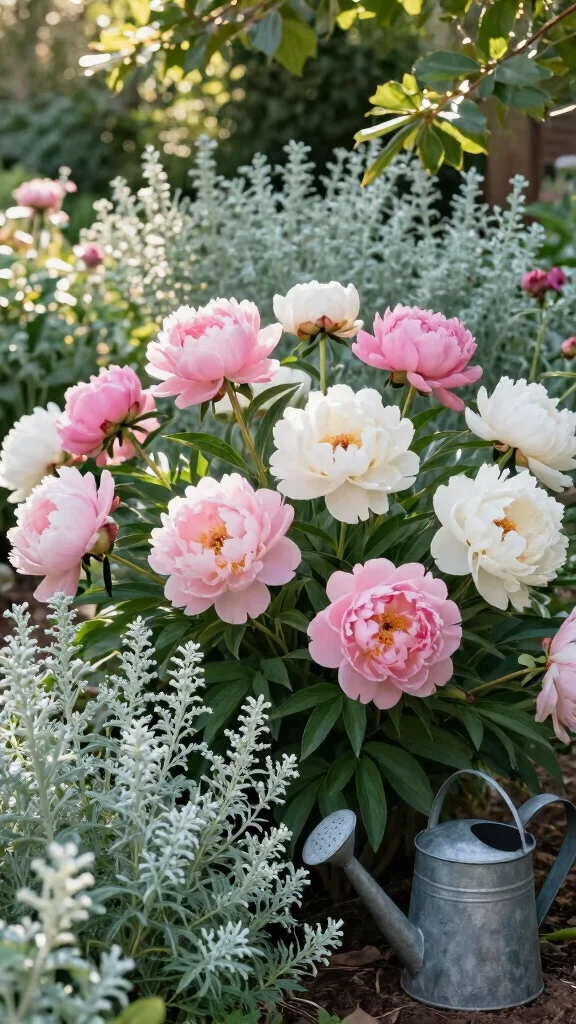
Add a touch of romance to your garden with the lush pairing of peonies and catmint. Peonies, with their lavish blooms, radiate elegance, while catmint’s delicate flowers and silvery leaves provide a lovely contrast. Together, they create a stunning visual landscape that captivates the eye.
This duo flourishes in sunny, well-drained areas, making them ideal for borders or as focal points in your garden. Peonies bloom in late spring, while catmint continues to flower through the summer, ensuring a prolonged display of beauty.
Here are some planting tips:
– Plant peonies in the fall for best results.
– Trim back catmint after the first bloom for a second round of flowers.
– This combination is fantastic for attracting pollinators and can easily be used in cut flower arrangements.
With this pairing, not only will your garden bloom beautifully, but you’ll also create an inviting habitat for beneficial insects.
4. Coreopsis & Echinacea
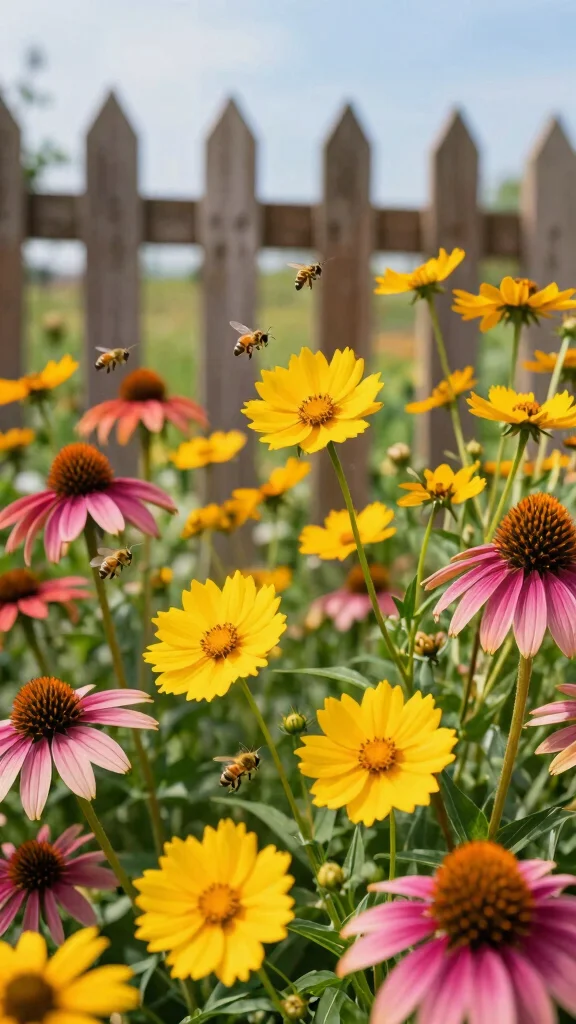
Infuse your garden with the cheerful pairing of coreopsis and echinacea. Coreopsis features bright yellow blooms that bring sunshine to your garden, while the vibrant colors of echinacea, ranging from purple to pink, add depth and texture. This duo is both visually striking and low-maintenance, perfect for busy gardeners.
They thrive in sunny, well-drained soil, making them ideal for wildflower gardens or sunny borders. Their nectar-rich flowers attract butterflies and bees, enhancing your garden’s biodiversity.
Here’s how to get started:
– These flowers flourish in poorer soils, so no need for heavy fertilization.
– Regular deadheading will encourage ongoing blooms throughout the summer.
– Perfect for cut flower arrangements, bringing a touch of summer indoors.
This vibrant pairing not only beautifies your space but also creates a lively environment for pollinators.
5. Hellebores & Ferns
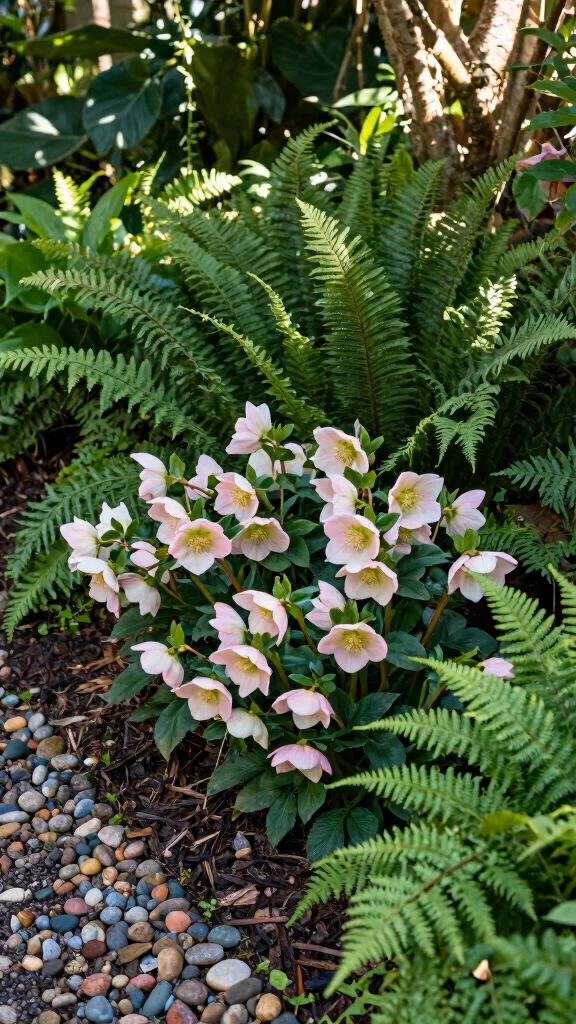
Create a shaded haven in your garden with the enchanting pairing of hellebores and ferns. Hellebores, also known as Lenten roses, showcase delicate blooms in shades of white, pink, and purple, while ferns provide lush greenery that adds texture and movement. Together, they create a tranquil and inviting atmosphere.
Thriving in partial to full shade, this duo is perfect for those challenging spots where other flowers might struggle. Plant hellebores at the base of larger trees or alongside ferns for a woodland-inspired feel.
Here are some tips for planting:
– Hellebores prefer rich, well-drained soil; adding compost can enhance growth.
– Keep ferns moist during dry spells for best results.
– This serene combination remains beautiful even after blooms fade.
With these plants, you’ll have a captivating garden corner that invites relaxation and enjoyment.
6. Astilbe & Japanese Anemone
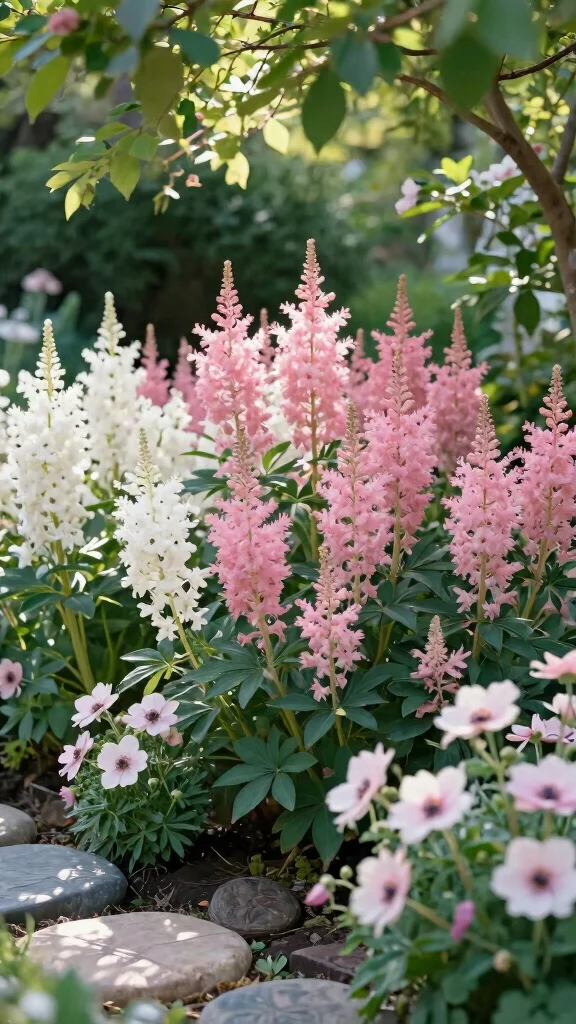
Celebrate late summer beauty with the stunning pairing of astilbe and Japanese anemone. Astilbe features feathery plumes in shades of pink, red, white, or purple, while Japanese anemones bloom gracefully with soft white or pink flowers as summer gives way to fall. This combination brings elegance and charm to your garden.
Thriving in moist, shady areas, this duo is ideal for gardens near water features or shaded patios. The height of astilbe beautifully complements the delicate anemones, creating a layered effect.
Essential tips for success:
– Keep astilbe well-watered; adding mulch helps retain moisture.
– Prune anemones in early spring to promote healthy growth.
– Use them in cut arrangements for a stunning display.
This pairing adds a touch of grace to any garden, making late summer a truly beautiful time.
7. Daylilies & Phlox
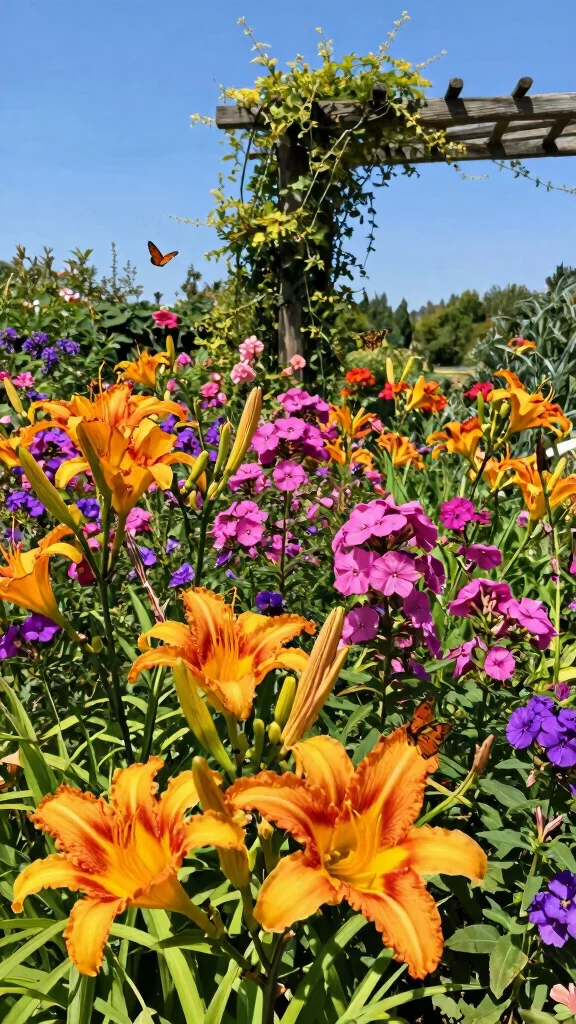
Bring vibrant colors to your garden by pairing daylilies with phlox. Known for their bright trumpet-shaped blooms, daylilies come in various hues, while phlox features clusters of star-shaped flowers blooming from late spring to late summer. This lively combination ensures a colorful and fragrant display.
Daylilies are adaptable and thrive in diverse soil types, while phlox loves the sunshine and can tolerate some drought. Together, they create a dynamic garden that evolves with the seasons.
Here are some planting tips:
– Plant daylilies in groups for maximum visual impact.
– Divide daylilies every few years to prevent overcrowding.
– Deadhead phlox to encourage more blooms.
This vibrant pairing guarantees an ever-changing display that keeps your garden lively and beautiful.
8. Sweet William & Delphinium
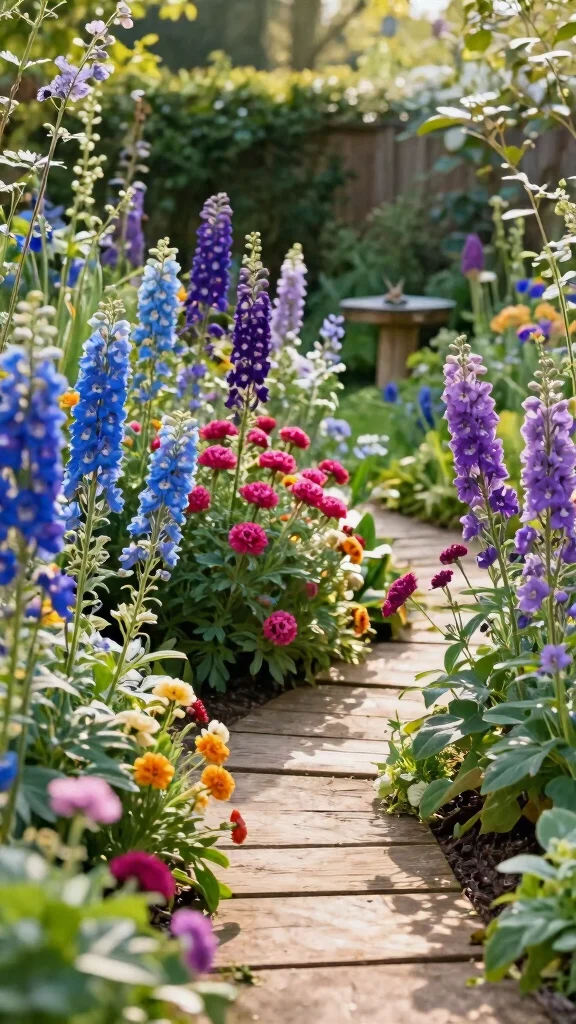
Add a charming cottage garden feel with the delightful combination of sweet William and delphinium. Sweet William offers an enchanting fragrance in a mix of colors, while delphinium features tall, dramatic spikes in striking blues and purples. Together, they create a romantic and whimsical garden display.
Plant them in sunny spots with good drainage; both flowers thrive in similar conditions, ensuring they flourish side by side. Use them in stunning floral arrangements or let them bloom freely to draw in pollinators.
Here are some key tips:
– Sweet William thrives in well-drained soil with occasional deadheading.
– Delphinium may require support stakes if they grow tall.
– Mixing colors can create a more dramatic visual impact.
This pairing will add timeless charm and beauty to your garden.
9. Foxglove & Bleeding Heart
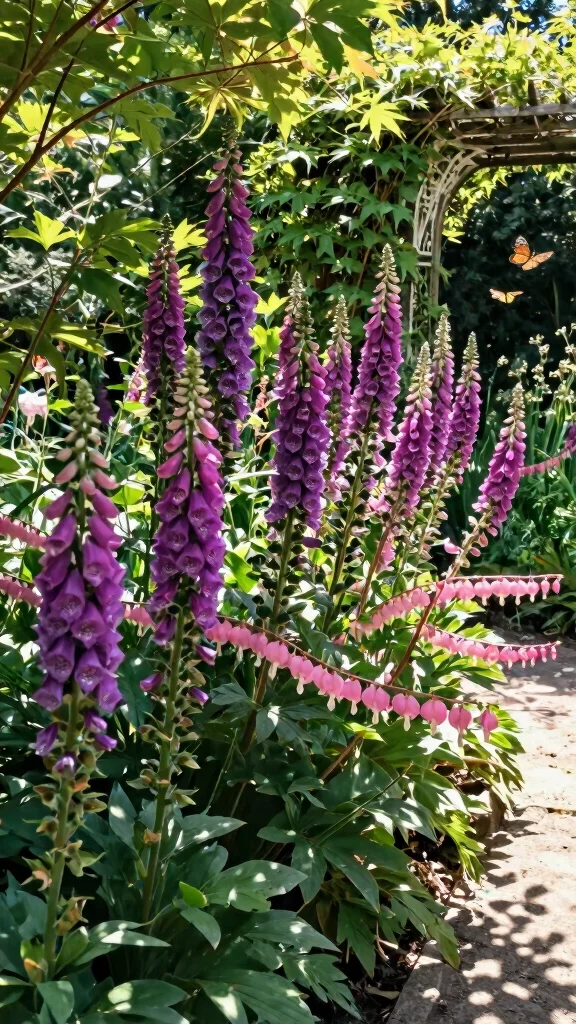
Create a dramatic and romantic garden with the striking pairing of foxglove and bleeding heart. Foxglove towers with tall, tubular flower spikes, while bleeding heart offers exquisite heart-shaped blooms that dangle from arching stems. This stunning combination adds vertical interest and unique shapes to your flower bed.
Both flowers prefer partial shade and moist conditions, making them perfect for spots with less direct sunlight. The contrast between the tall foxglove and the graceful bleeding heart creates a captivating and eye-catching display.
Consider these tips:
– Foxglove can be toxic; ensure safety if you have pets or children.
– Ensure good drainage to prevent root rot for both plants.
– This pairing attracts hummingbirds and pollinators, enhancing biodiversity in your garden.
With this duo, your garden will be both beautiful and vibrant, drawing in nature’s wonders.
10. Sedum & Ornamental Grasses
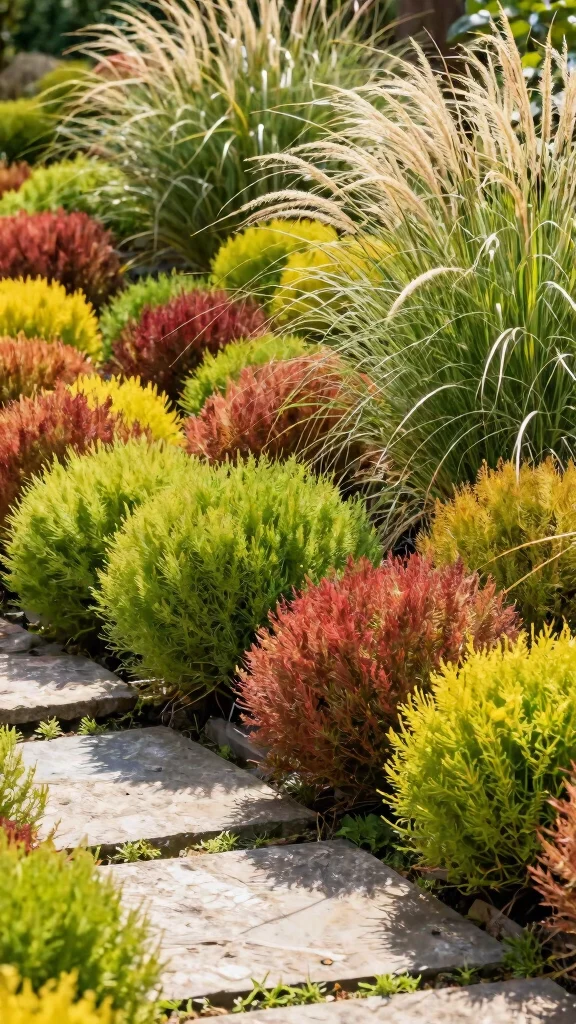
Enhance your garden with the delightful pairing of sedum and ornamental grasses. Sedum, a versatile succulent, comes in various shapes and colors, while ornamental grasses like feather reed grass add movement and height. This combination creates dynamic interest in your garden throughout the seasons.
Both thrive in well-drained soil and full sun, making them perfect for rock gardens or borders. As the seasons change, the sedum colors shift and the grasses sway gracefully, adding depth to your landscape.
Here are some tips for success:
– Sedum is drought-tolerant, needing minimal watering once established.
– Ornamental grasses can be cut back in early spring for fresh growth.
– Mix different sedum varieties for an even more vibrant display.
This pairing adds texture and visual intrigue to your garden, creating a lively and inviting environment.
11. Sunflowers & Zinnias
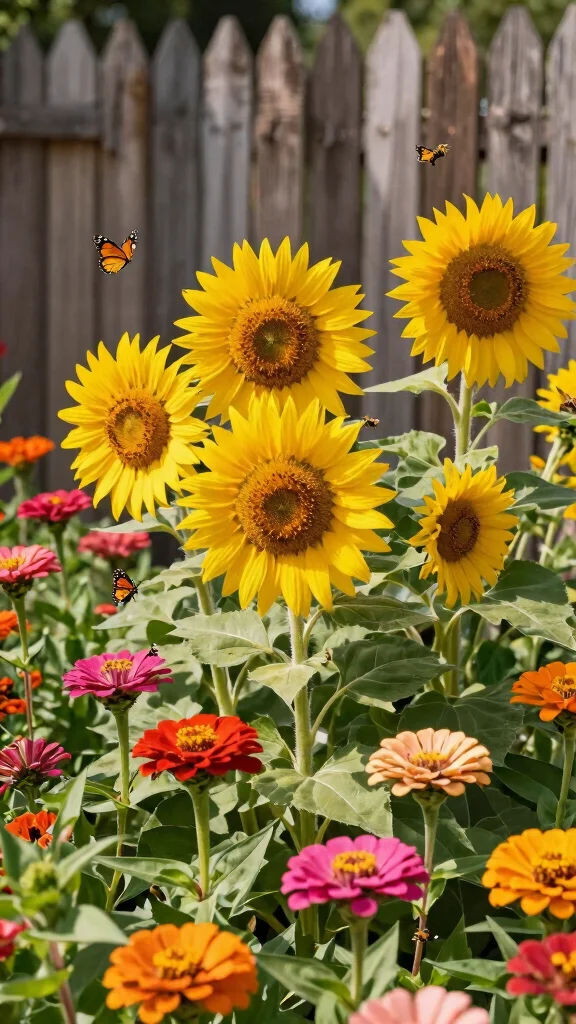
Create a lively and cheerful garden by pairing sunflowers with zinnias. Sunflowers stand tall with their vibrant yellow heads turning to follow the sun, while zinnias add a burst of color with their daisy-like shapes. This vibrant duo not only brightens your garden but also attracts buzzing pollinators like bees and butterflies.
Plant sunflowers in the back or against a fence, with zinnias filling in the foreground for a stunning visual effect. Both thrive in full sun and well-drained soil, making them easy to grow together.
Here are some planting tips:
– Sow sunflowers after the last frost for optimal growth.
– Regular watering and deadheading zinnias will encourage continuous blooms.
– This combination is perfect for sunny borders or a vibrant cutting garden!
With this pairing, your garden will become a delightful haven for both you and your local pollinators.
12. Iris & Lamb’s Ear
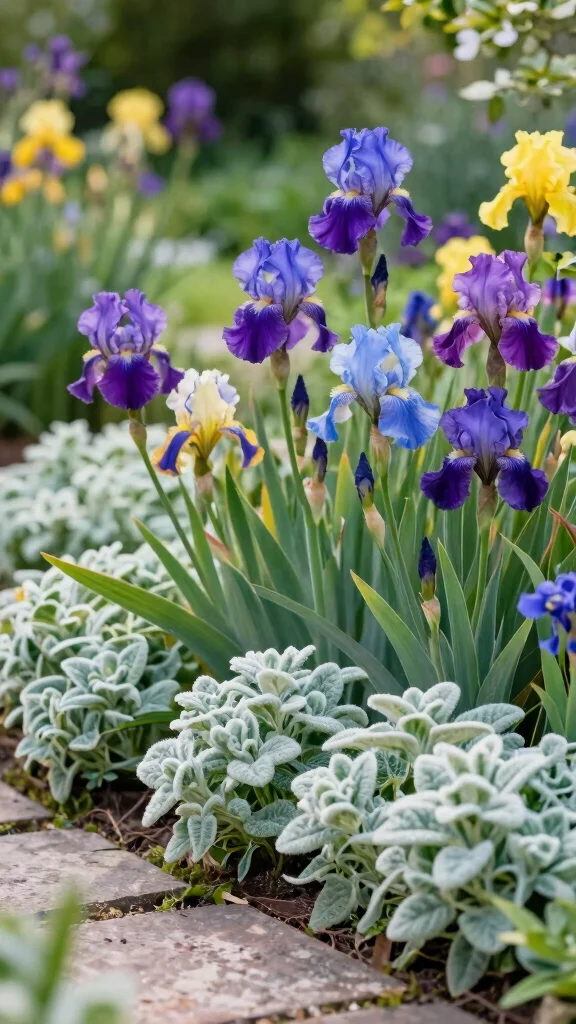
Add a whimsical touch to your garden with the beautiful pairing of irises and lamb’s ear. Irises showcase dramatic, colorful blooms that stand proud, while the soft, fuzzy leaves of lamb’s ear offer a lovely contrast. Together, they create an enchanting and tactile display that invites touch.
Plant irises in sunny locations with well-drained soil, using lamb’s ear to create borders or fill in spaces around the taller irises. This duo provides color and texture throughout the blooming season, with lamb’s ear offering a fresh green backdrop.
Consider these tips:
– Divide irises every few years to prevent overcrowding.
– Lamb’s ear is drought-tolerant and requires minimal care.
– This pairing attracts butterflies and adds visual interest to any garden bed.
With irises and lamb’s ear, your garden will be both vibrant and full of life, tempting visitors to stop and enjoy.
13. Columbine & Creeping Thyme
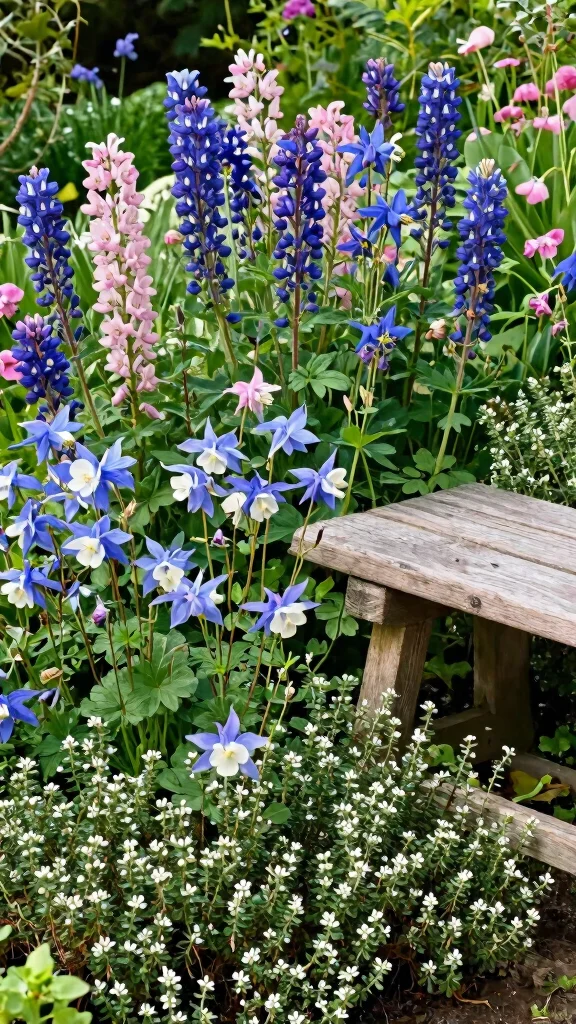
Introduce a splash of color to your garden with the delightful pairing of columbine and creeping thyme. Columbine features unique, bell-shaped flowers in a variety of colors, while creeping thyme offers lush green foliage and tiny, fragrant blooms. This duo is perfect for creating a romantic, cottage-style garden.
Columbine thrives in partial shade, while creeping thyme can handle full sun and poor soil, making them versatile for various garden spots. Use columbine to add vertical interest alongside the low-growing thyme for a captivating landscape.
Key tips for success:
– Deadhead columbines after blooming to encourage new flowers.
– Creeping thyme serves as a ground cover, helping to prevent weeds.
– Both plants attract pollinators, enhancing biodiversity in your garden.
This pairing will create a charming and colorful space, drawing both beauty and wildlife into your garden.
14. Butterfly Bush & Phlox
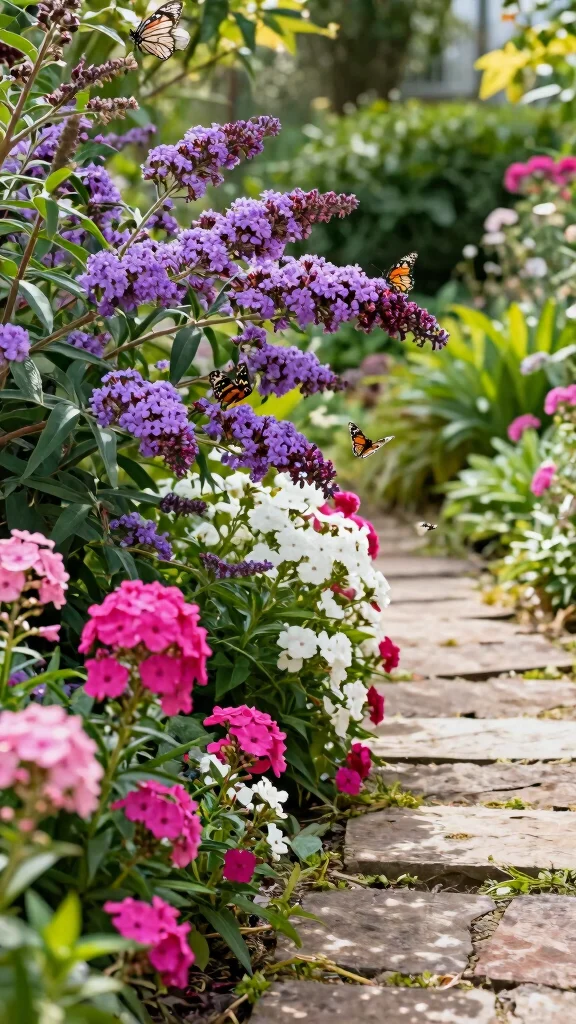
Create a pollinator paradise with the vibrant pairing of butterfly bush and phlox. The butterfly bush features long, fragrant clusters of blooms that attract butterflies and hummingbirds, while phlox brings bold, colorful flower clusters that bloom throughout the summer. This lively combination not only delights the eyes but also nourishes the garden’s ecosystem.
Plant these flowers together in a sunny spot with well-drained soil, and watch your garden come alive with movement and color. This combination is perfect for creating a lively border or focal point.
Here are some tips for planting:
– Regular deadheading of phlox encourages new blooms throughout the season.
– Prune butterfly bushes in early spring for healthy growth.
– Varying the heights of these flowers will add visual appeal.
This pairing not only beautifies your garden but also supports essential pollinators.
15. Yarrow & Coneflower
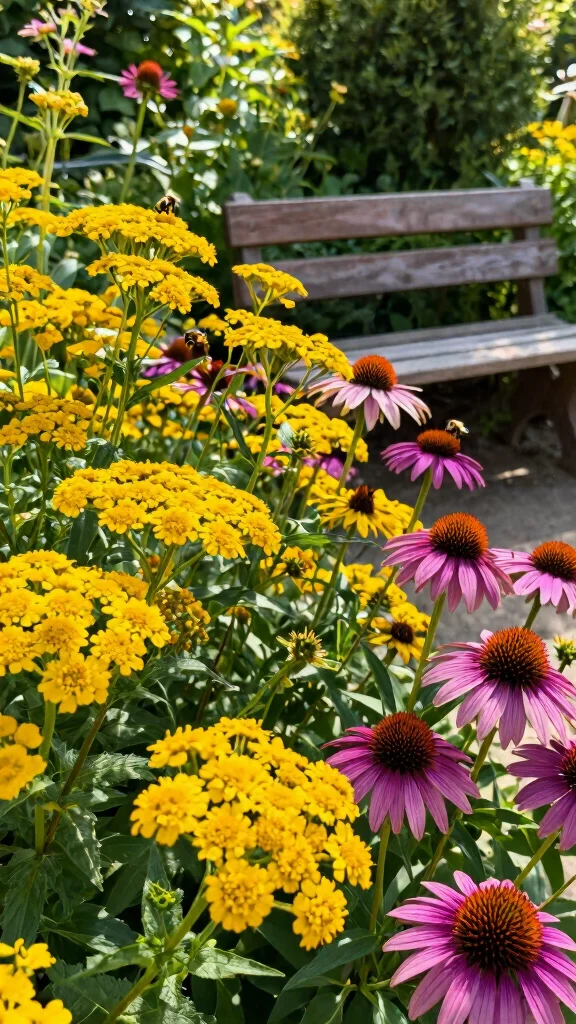
For a sunny and resilient garden, consider pairing yarrow with coneflowers. Yarrow showcases flat-topped clusters of yellow, white, or pink blooms that are drought-tolerant and attract beneficial insects, while coneflowers display large, vibrant blooms in shades of purple, pink, and white. Together, they create a stunning, low-maintenance combination that thrives in sunny spots.
Both flowers flourish in well-drained soil, making them ideal for those dry areas of your garden. Use them in wildflower gardens or mixed borders for a relaxed, natural look.
Here are some tips:
– Yarrow can spread quickly; check its growth annually.
– Deadhead coneflowers to prolong their bloom time.
– This pairing is perfect for attracting birds and butterflies to your garden.
This combination not only provides beauty but also fosters a vibrant ecosystem.
16. Anemone & Sedum
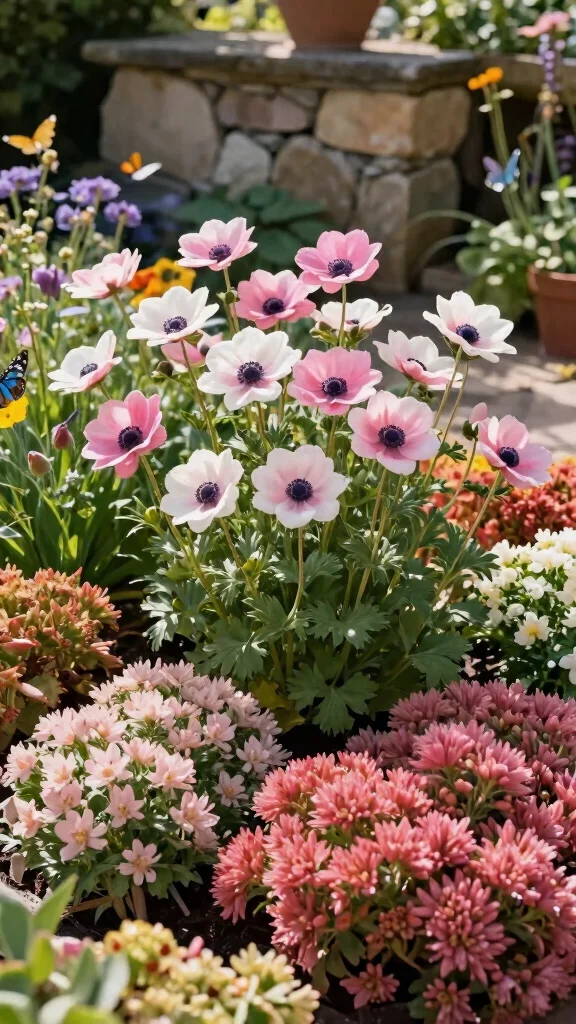
Combine beauty and resilience by pairing anemones with sedum. Anemones lend delicate, soft blooms in shades of white and pink, brightening any garden, while sedum, a tough succulent, features fleshy leaves in various colors and shapes, providing contrast.
This combination works beautifully in sunny borders or rock gardens, with anemones adding height and elegance while sedum grounds the display. Both thrive in well-drained soil, ensuring they flourish together.
Here are some essential tips:
– Sedum is drought-tolerant, needing minimal care once established.
– Anemones benefit from mulch in winter to protect their roots.
– This pairing attracts butterflies and bees, contributing to a biodiverse garden.
With this duo, your garden will be both stunning and welcoming to wildlife.
17. Gladiolus & Amaranth
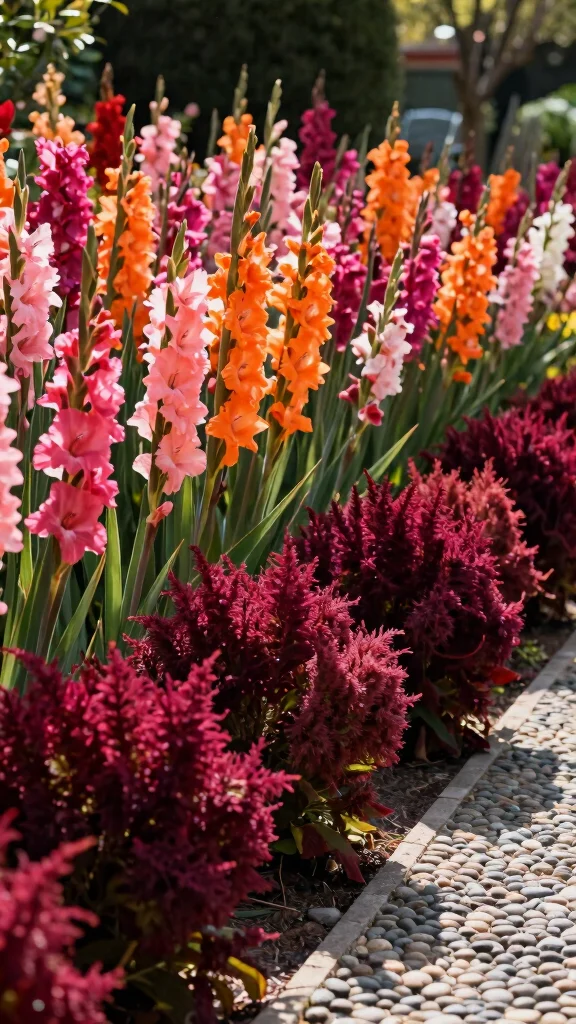
Elevate your garden’s elegance with the stunning pairing of gladiolus and amaranth. Gladiolus features tall spikes of colorful blooms that create a dramatic vertical statement, while amaranth adds rich hues and unique textures to complement the gladiolus. This dynamic duo is perfect for making a bold impact.
Plant gladiolus in sunny spots with well-drained soil, using amaranth in the foreground for a layered look. Both flowers complement each other beautifully, with gladiolus blooming in summer and amaranth offering mixed colors throughout the growing season.
Here are some planting tips:
– Gladiolus should be planted in spring after the last frost.
– Amaranth prefers full sun and can tolerate various soil types.
– Use these flowers in cut arrangements for stunning indoor displays.
This pairing will create a striking focal point in your garden that is sure to impress.
18. Oxeye Daisy & Black-eyed Susan
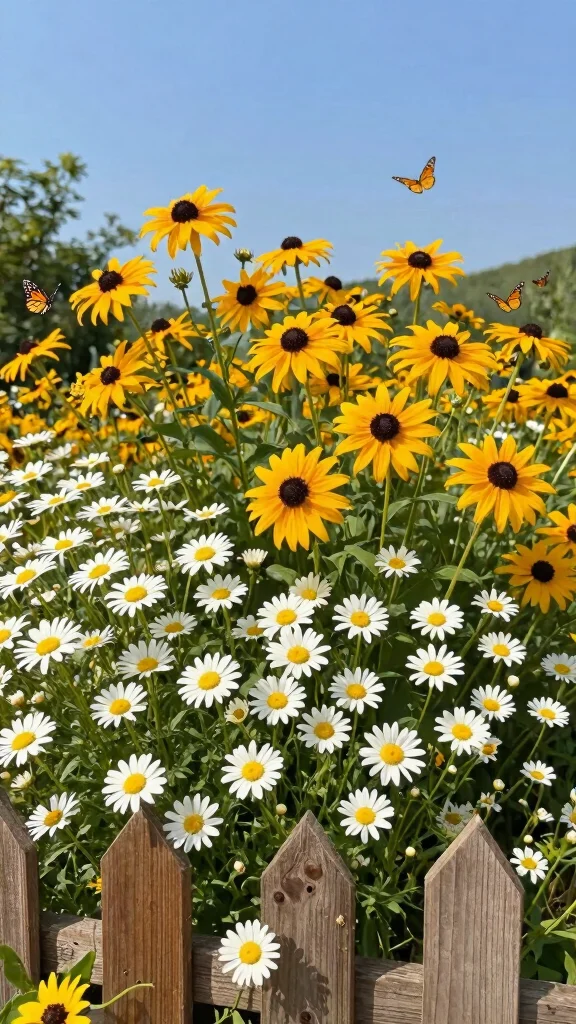
For a classic wildflower look, pair oxeye daisies with black-eyed Susans. The bright white petals of oxeye daisies and the sunny yellow of black-eyed Susans create a cheerful, welcoming atmosphere in your garden. This duo thrives in sunny locations with well-drained soil, making them easy to cultivate together.
Both flowers bloom in mid-summer and attract a variety of pollinators, benefiting your garden’s ecosystem. Use them in mixed borders or scatter them throughout for a natural, informal appearance.
Here are some planting tips:
– Regular deadheading encourages more blooms throughout the season.
– These flowers adapt to various soil types, preferring good drainage.
– Planting them in groups creates a striking visual impact.
This pairing will not only beautify your garden but also support local wildlife.
19. Heliopsis & Monarda
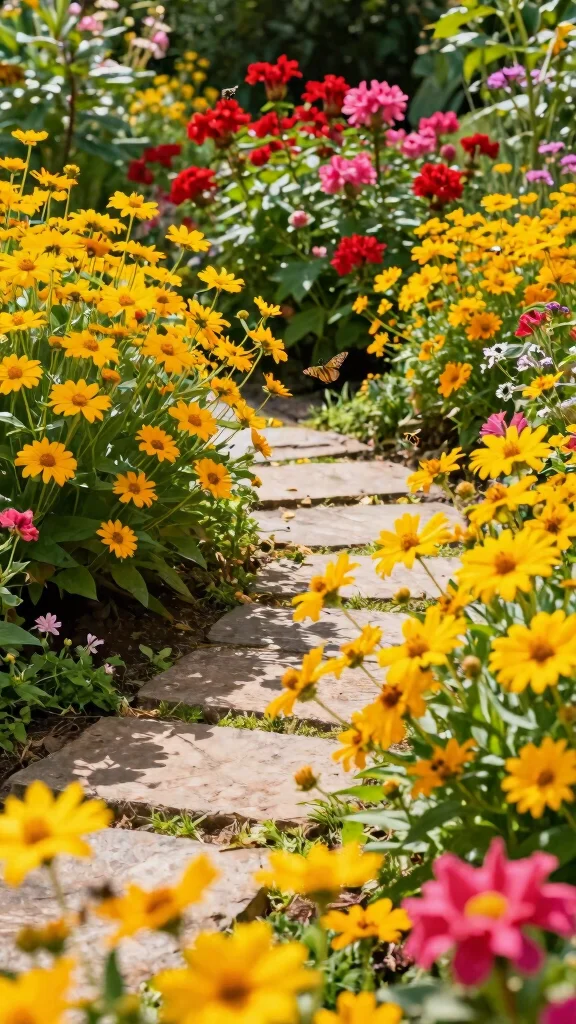
Brighten your garden with the radiant pairing of heliopsis and monarda. Heliopsis, or false sunflower, features cheerful yellow blooms that complement the vibrant colors of monarda, known as bee balm, which offers shades of red and pink. This combination not only adds color but also attracts pollinators like bees and butterflies.
Both plants thrive in sunny areas with well-drained soil, making them ideal for mixed borders or cottage gardens. Use them to create striking focal points or to add bursts of color to your landscape.
Here are some tips for planting:
– Heliopsis can tolerate drought once established, but regular watering promotes blooms.
– Monarda should be divided every few years to prevent overcrowding.
– This duo can create beautiful cut flower arrangements.
This pairing will enhance your garden’s visual appeal while supporting essential pollinators.
20. Sweet Alyssum & Verbena
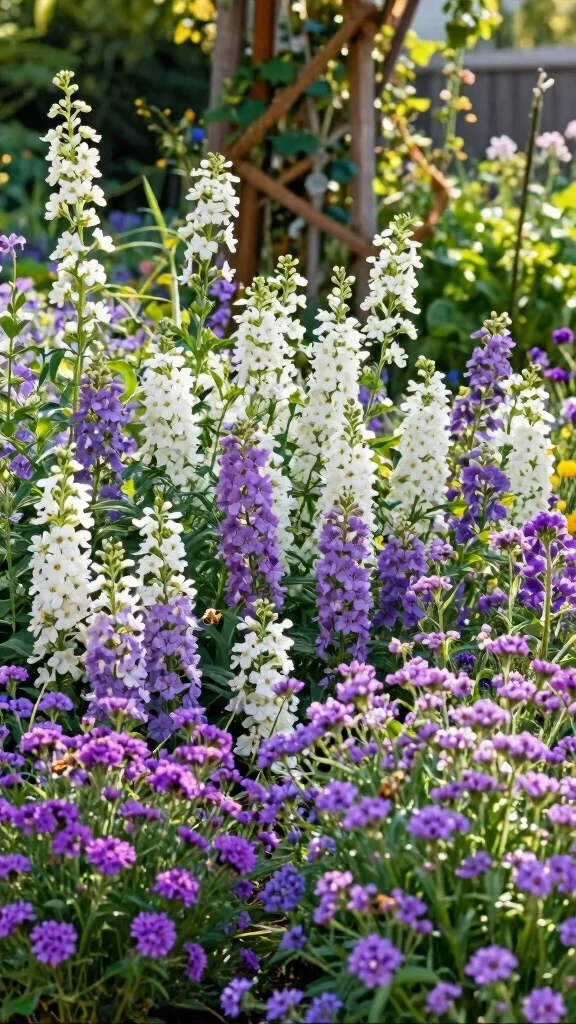
Create a sweet and fragrant garden with the lovely pairing of sweet alyssum and verbena. Sweet alyssum features small, delicate flowers that cascade beautifully, while verbena provides vibrant clusters in various colors. This duo not only looks stunning but also fills the air with a delightful fragrance, attracting bees and butterflies.
Both thrive in sunny spots with well-drained soil, making them perfect for containers, hanging baskets, or ground cover. They bloom profusely throughout summer, creating a colorful and aromatic display.
Here are some key tips:
– Regular deadheading encourages continuous blooms.
– Sweet alyssum is excellent for filling gaps or creating borders.
– Verbena can be grown as a perennial in warmer climates, adding beauty year after year.
This combination will ensure your garden is not only beautiful but also a fragrant haven for pollinators.
21. Scabiosa & Cosmos
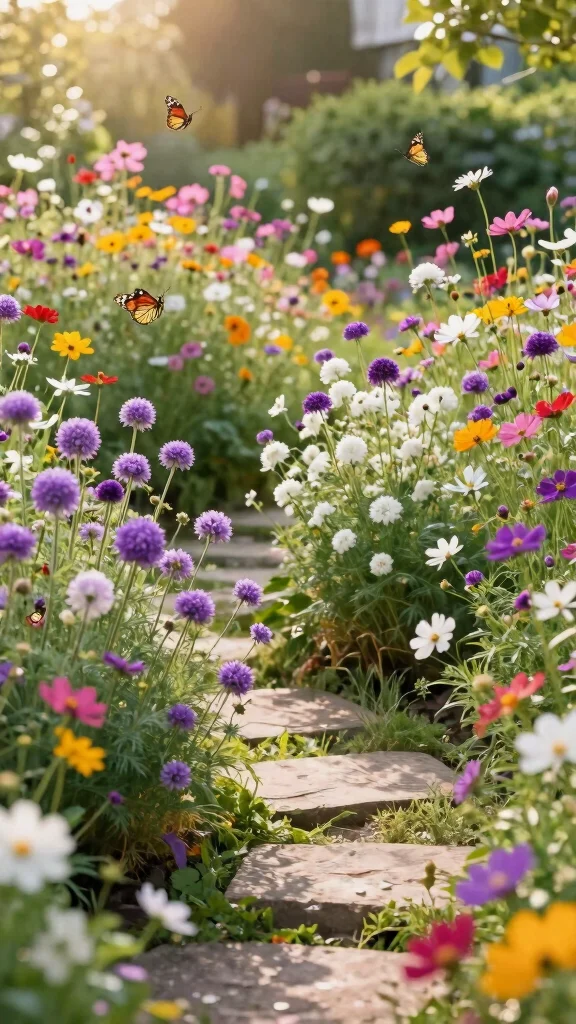
Add charm and whimsy to your garden with the delightful pairing of scabiosa and cosmos. Scabiosa, known as pincushion flower, features unique rounded blooms in purple, blue, or white, while cosmos brings carefree daisy-like flowers in vibrant shades of pink, red, and white. This combination offers a playful mix of colors and textures that attract butterflies and bees.
Plant them together in sunny spots for a cheerful display. Both flowers are easy to grow and thrive in well-drained soil, making them perfect for both novice and experienced gardeners.
Key planting tips:
– Cosmos can reseed themselves, providing colors year after year.
– Deadheading scabiosa prolongs blooming.
– These flowers are perfect for cut arrangements, adding rustic charm to any indoor space.
This pairing will create a lively and inviting garden that delights both you and visiting pollinators.
22. Alstroemeria & Daisies
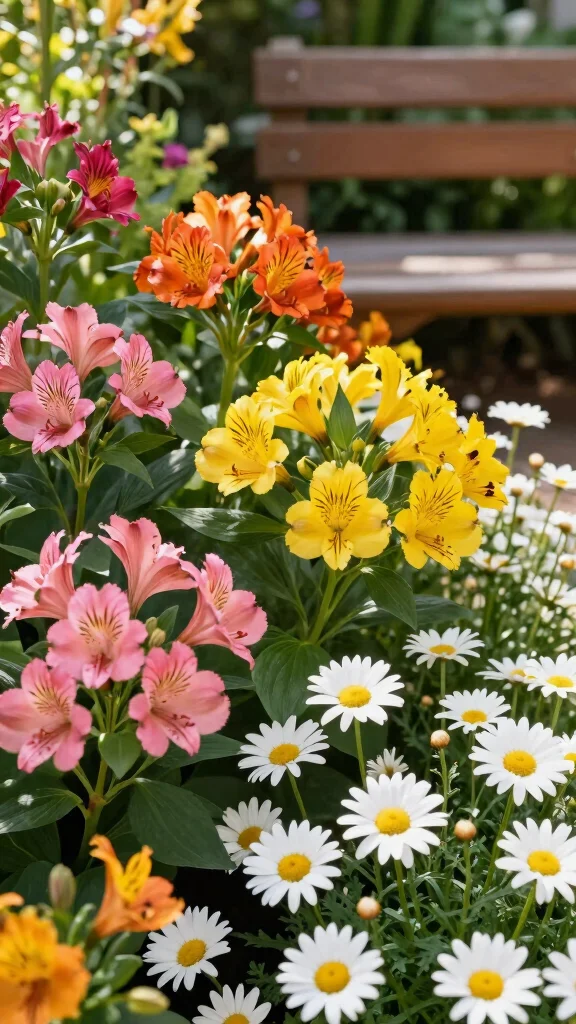
For a cheerful and colorful garden, consider pairing alstroemeria with daisies. Alstroemeria, or Peruvian lily, brings a variety of vibrant hues and unique shapes, while daisies provide a classic, timeless look with their simple white petals and sunny centers. This combination offers a lively and engaging display that brightens any garden spot.
Both flowers thrive in well-drained soil and full sun, making them perfect for borders or mixed beds. Use them to create beautiful cut flower arrangements or let them bloom together for a stunning visual impact.
Here are some essential tips:
– Alstroemeria can bloom for several weeks; remove spent blooms to encourage more flowers.
– Daisies benefit from regular deadheading for continuous blooms throughout the season.
– This pairing will attract pollinators, enhancing biodiversity in your garden.
This duo will create a vibrant and inviting atmosphere in your garden, drawing in both admiration and wildlife.
23. Toad Lily & Hostas
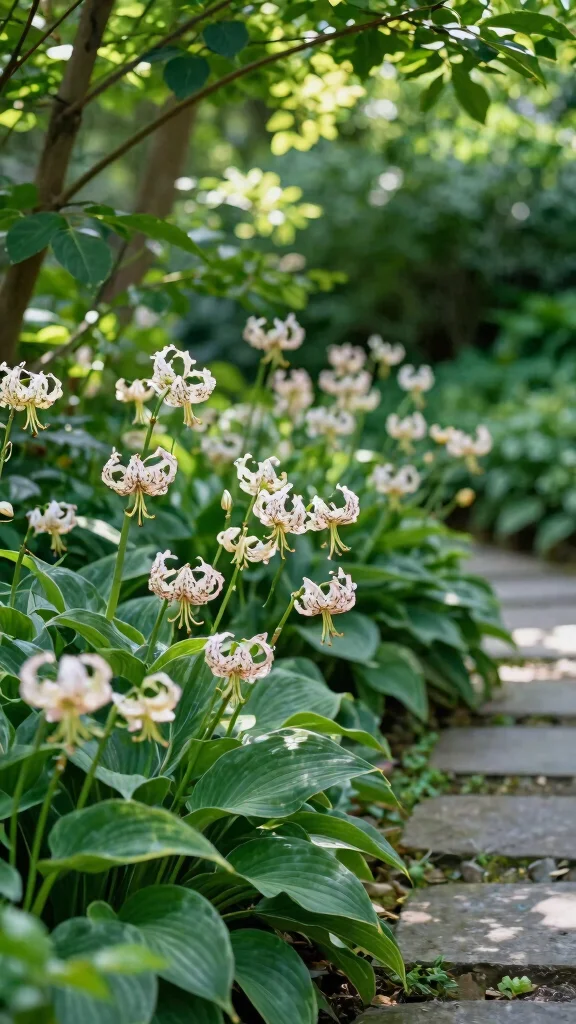
For a unique and tranquil garden setting, consider the enchanting pairing of toad lily and hostas. Toad lilies feature delicate, exotic flowers blooming in late summer, while hostas provide lush foliage in shades of green, blue, and gold. This combination offers a beautiful contrast of colors and textures, with hostas acting as a lovely backdrop for the delicate flowers.
Both plants thrive in shady areas, making them perfect for woodland gardens or shaded spots. Use them to create a serene corner in your yard where you can relax and enjoy nature.
Here are some tips for planting:
– Toad lilies prefer rich, moist soil; adding compost can improve drainage.
– Hostas can be divided every few years to prevent overcrowding.
– This pairing is great for attracting hummingbirds and butterflies.
This combination will create a peaceful garden retreat, inviting both beauty and wildlife into your space.
24. Spiderwort & Daylilies
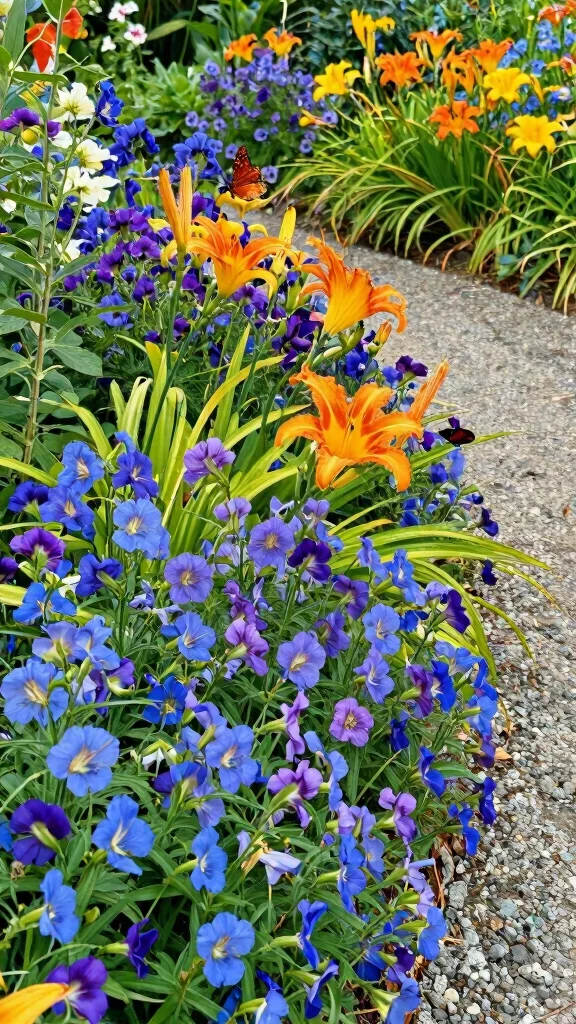
Create a colorful and diverse garden with the delightful pairing of spiderwort and daylilies. Spiderwort features beautiful three-petaled flowers in shades of blue and purple, while daylilies add a vibrant splash of yellow or orange. This combination offers a playful mix of colors that enhances your garden’s visual appeal.
Both plants thrive in full sun to partial shade, making them versatile for various garden locations. Use spiderwort as a filler plant, allowing daylilies to stand tall for a striking display. They bloom at different times, ensuring your garden remains lively throughout the growing season.
Here are some planting tips:
– Spiderwort prefers moist, well-drained soil; regular watering during dry spells is beneficial.
– Daylilies should be divided every few years for healthy growth.
– This duo is also ideal for attracting butterflies and other pollinators.
This pairing will create a vibrant and diverse garden that pleases the eye and supports local wildlife.
25. Lobelia & Pentas
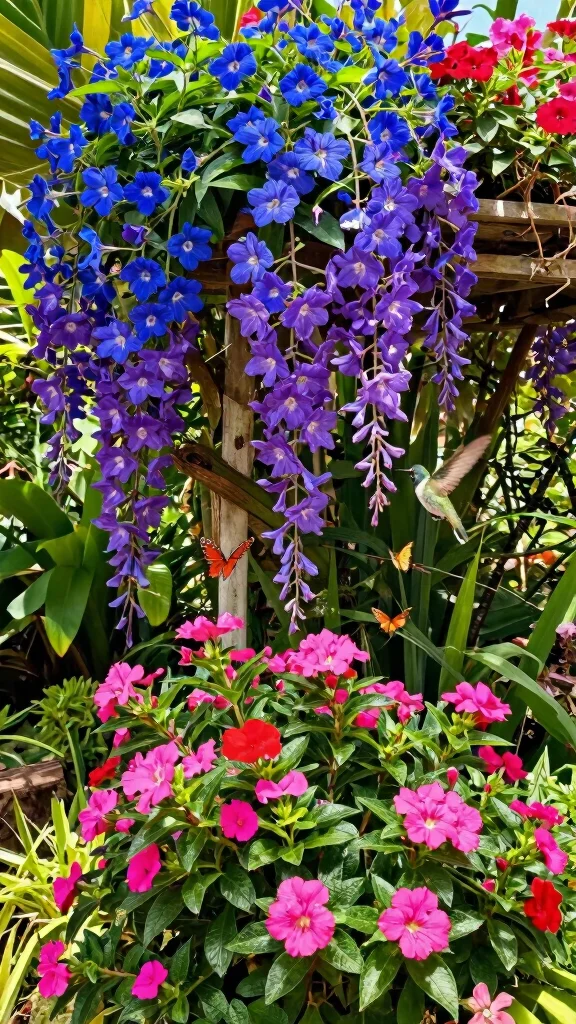
For a tropical and vibrant garden, consider the stunning pairing of lobelia and pentas. Lobelia features delicate blue or purple flowers that cascade beautifully, while pentas provides a burst of pink, red, or white star-shaped blooms. This combination creates a lively and colorful atmosphere, perfect for attracting pollinators like butterflies and hummingbirds.
Both plants thrive in sunny locations with well-drained soil, making them suitable for containers, hanging baskets, or borders. Their contrasting colors and forms add visual interest to any garden setting.
Here are some planting tips:
– Lobelia appreciates regular watering; adding mulch can help retain moisture.
– Pentas tolerates some drought once established but thrives with consistent moisture.
– This pairing is ideal for creating stunning floral arrangements for gatherings.
This combination will brighten your garden, inviting both beauty and wildlife into your outdoor space.
26. Marigold & Nasturtium
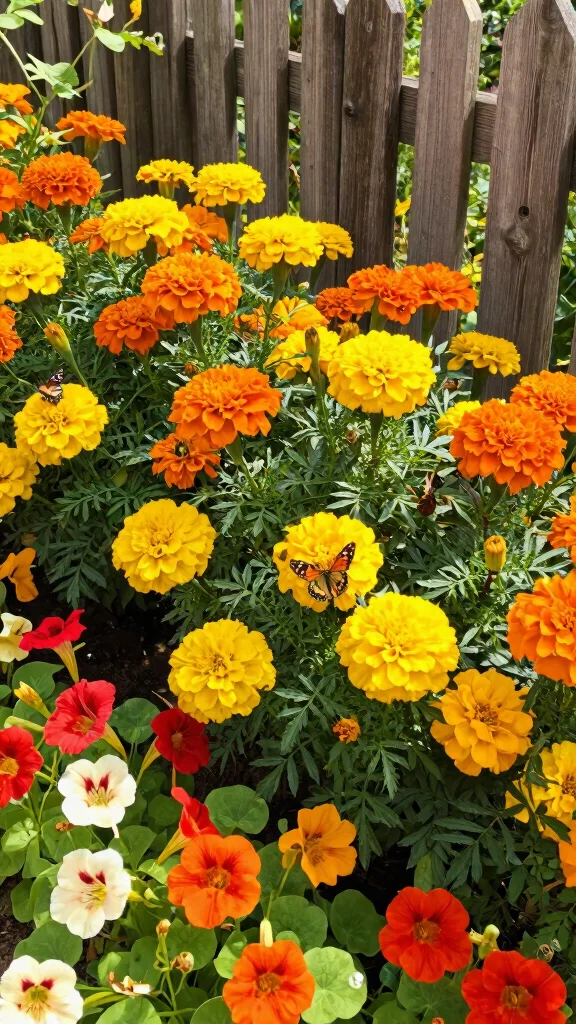
Create a colorful and cheerful garden with the lively pairing of marigolds and nasturtiums. Marigolds boast bright yellow, orange, and red blooms that add a vibrant pop of color, while nasturtiums provide vibrant, edible flowers in shades of orange, red, and yellow. This combination not only looks stunning but also attracts beneficial insects to your garden.
Both plants thrive in sunny spots with well-drained soil, making them easy to grow together. Use marigolds as a border or in mixed beds, allowing nasturtiums to trail or spill over edges for a whimsical look.
Here are some essential tips:
– Marigolds help repel pests, making them great companion plants.
– Nasturtiums are edible, adding beauty and flavor to salads or garnishes.
– Be sure to water regularly; both prefer consistent moisture.
This pairing will create a lively and fruitful garden that delights both the eye and the palate.
27. Gloriosa Daisy & Bee Balm
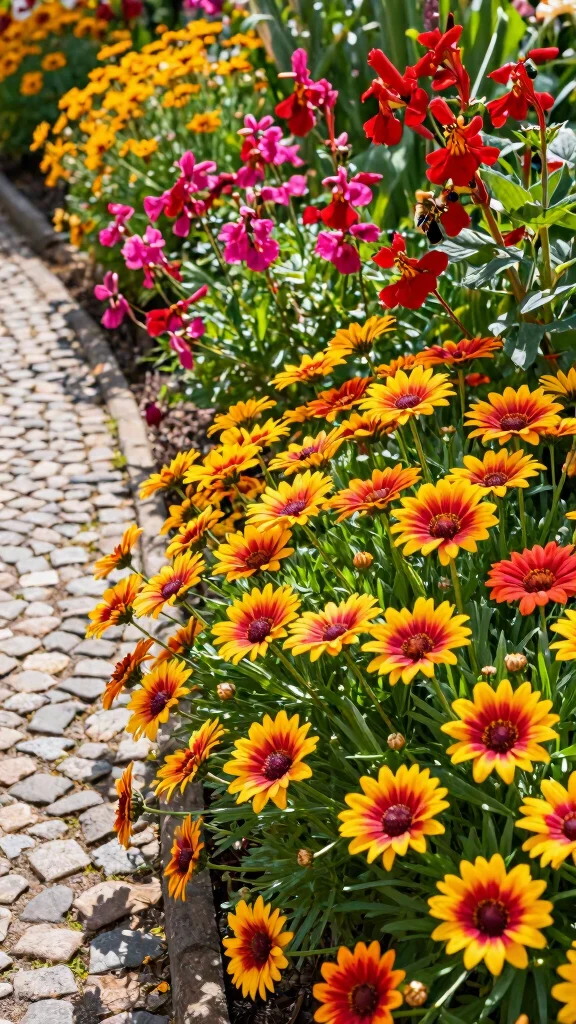
End your garden journey with the bold pairing of gloriosa daisies and bee balm. Gloriosa daisies, with their fiery yellow and red petals, add a vibrant pop of color, while bee balm contributes shaggy clusters of blooms in red, pink, and purple. This combination creates a stunning focal point that attracts both pollinators and admirers.
Both flowers thrive in full sun and well-drained soil, making them resilient and easy to care for. Use them to create a striking display in flower beds or as part of a sunny border.
Here are some planting tips:
– Gloriosa daisies are drought-tolerant once established; remember to water during dry spells.
– Bee balm can spread quickly; check its growth yearly.
– This pairing is perfect for attracting bees, butterflies, and other beneficial insects.
This dynamic duo will ensure your garden is both beautiful and buzzing with life.
Conclusion
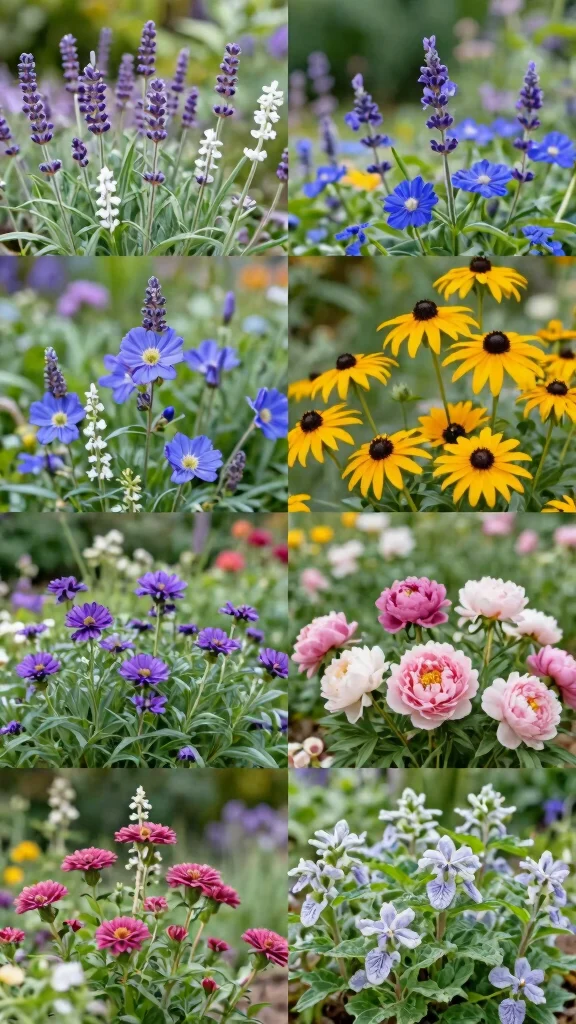
From the serene hues of lavender and white salvia to the vibrant explosion of gloriosa daisies and bee balm, these unique perennial flower pairings offer endless possibilities for your garden. Each duo brings its own charm, texture, and color, transforming your outdoor space into a breathtaking display of nature’s beauty.
Experiment with these combinations or mix and match to create your own delightful pairings. Your garden deserves to be a reflection of your creativity and passion for floral design.
Frequently Asked Questions
How can I start pairing perennial flowers to spark garden creativity in my borders?
Start with a quick plan: map sun exposure, soil drainage, and your desired bloom times.
Choose a focal perennial flowers and add two companions that offer contrast in height or color for strong floral design.
Keep the initial setup simple—one or two pairings per bed—and sketch it out before planting.
As you watch blooms unfold, tweak spacing and color to boost garden creativity and texture throughout the seasons.
What practical steps help ensure the pairings bloom at different times to maintain year‑round floral design and garden creativity?
Build a bloom timeline by selecting early, mid, and late-season perennial flowers.
Group them in clusters so each bed has ongoing color while avoiding crowding.
Practice regular deadheading and light feeding to extend life, then stagger plantings so one group finishes as another begins.
This keeps your garden looking fresh and thoughtfully arranged for lasting garden creativity and floral design.
How do I ensure my perennial flowers with similar care needs grow well together for a cohesive floral design?
Start by matching plants with the same sun, water, and soil needs.
Place drought-tolerant natives with moisture-loving types only if your site supports both; otherwise group by microclimate (sunny, shaded, windy).
Use mulch and slow irrigation to stabilize moisture and reduce maintenance, so the bed stays tidy and cohesive—perfect for a polished floral design and garden creativity.
How can I use color and texture to create striking garden creativity with perennial flowers pairings?
Think in layers: with perennial flowers choose a color story (cool, warm, or contrasting) and mix bold blooms with delicate foliage for texture.
Pair tall bloomers with low, variegated grasses or sage for movement and year‑round interest.
Repeat a signature color in small drifts to reinforce floral design and keep your garden visually cohesive while fueling garden creativity.
What maintenance routine helps preserve the beauty of perennial flowers pairings and keep a durable floral design?
Maintain your beds with regular deadheading, dividing crowded clumps every few years, and applying a nutrient-rich mulch each spring.
Water deeply but infrequently to encourage deep roots and reduce disease; tidy old stems in late winter or early spring to refresh the look while preserving structure.
With consistent care, your perennial flowers will stay vibrant, supporting a durable floral design and ongoing garden creativity.