
Urban gardening has me dreaming of lush greenery in the bustling concrete jungle. If you’re craving a slice of nature in your small space, you’re in the right spot. This post is all about giving city dwellers, balcony enthusiasts, and anyone with a patch of soil the chance to cultivate their own thriving garden oasis, no matter how much space they have.
Whether you’re a seasoned gardener or just starting to dabble in dirt, this guide is tailored for you. I’ve gathered 25 urban gardening ideas that will not only beautify your home but also transform it into a green sanctuary. You’ll discover creative ways to utilize every inch of your space, from vertical gardens to rooftop retreats. Let’s explore how you can mix practical garden crafts with DIY inspiration to make your urban environment a little more vibrant and healthy.
Get ready for some fun, actionable ideas that are perfect for small spaces! You’ll find solutions that are easy to implement, enjoyable to create, and packed with the potential to yield fresh herbs, veggies, and stunning flowers. So, grab your gardening gloves, and let’s dig into the world of urban gardening!
Key Takeaways
– Explore Vertical Gardens: They are a fantastic way to add greenery without taking up much space. You can use wall-mounted planters or trellises to create a stunning display.
– Utilize Containers: Container gardening offers flexibility and is perfect for small areas. Choose pots that fit your style, and grow everything from flowers to vegetables.
– Create a Rooftop Retreat: If you have roof access, consider turning it into a garden sanctuary. Rooftop gardens can provide a peaceful escape and even improve the building’s insulation.
– Incorporate DIY Projects: Get hands-on with your gardening! Projects like pallet gardens or herb spirals are not only creative but also practical ways to utilize your space effectively.
– Plan for Seasonal Planting: Maximize your garden’s productivity throughout the year by implementing seasonal planting strategies. This approach ensures you have fresh produce and blooms regardless of the season.
Contents
- 1. Vertical Gardens
- 2. Container Gardening
- 3. Hanging Gardens
- 4. Rooftop Gardens
- 5. Herb Spiral Gardens
- 6. DIY Pallet Gardens
- 7. Window Gardens
- 8. Green Roofs
- 9. Straw Bale Gardens
- 11. Roof Decks with Planters
- 12. Edible Landscaping
- 13. Indoor Gardening
- 14. Succulent Gardens
- 15. Native Plant Gardens
- 16. Portable Gardens
- 17. Garden Art Installations
- 18. Aquaponics Systems
- 19. Green Walls
- 20. Terrarium Gardens
- 21. Hydroponic Gardening
- 22. Composting in Small Spaces
- 23. Sunlight Maximation
- 24. Pest Management Solutions
- 25. Seasonal Planting Strategies
1. Vertical Gardens
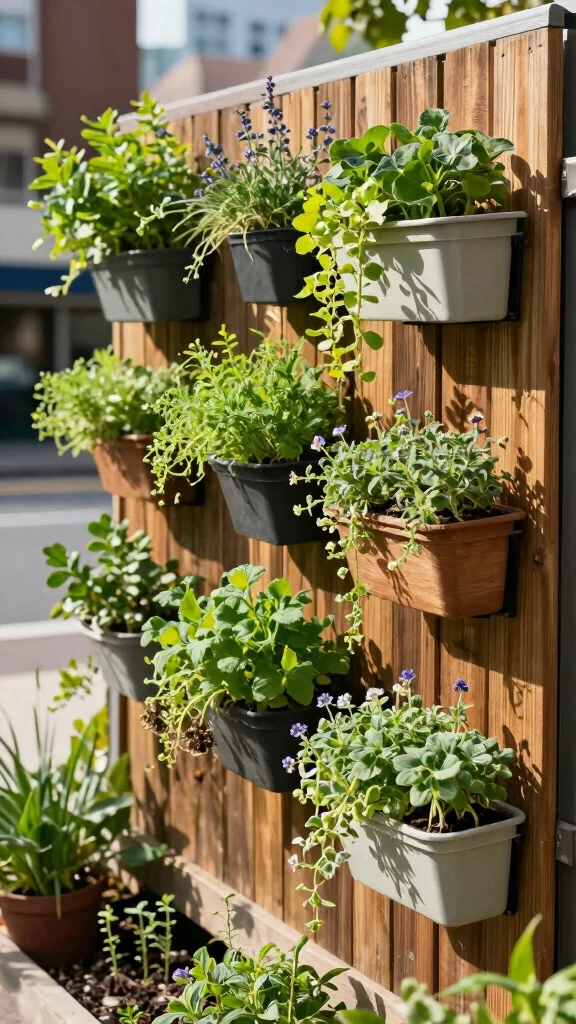
Vertical gardens are a fantastic way to transform limited space into a lush green paradise. By growing plants upwards, you can maximize your garden area on balconies or small patios. These gardens can be creatively constructed using reclaimed pallets, hanging pots, or wall-mounted systems that not only save room but also add visual appeal to your urban environment.
Begin with a wall or fence that gets plenty of sunlight for your plants. Select vertical-friendly options like herbs, strawberries, or decorative succulents. Consider incorporating a self-watering system; it can be a game-changer for maintenance. With the right design, your vertical garden can become a vibrant focal point, breathing life into your living area.
Key benefits of vertical gardens:
– Enhance privacy with green barriers.
– Rotate plants regularly for freshness.
– Ensure proper soil and drainage to prevent water buildup.
This approach not only optimizes your gardening area but also creates a stunning visual display, proving that even small spaces can flourish beautifully.
📹 Related Video: Grow THESE 3 Veggies in Your Vertical Garden
2. Container Gardening
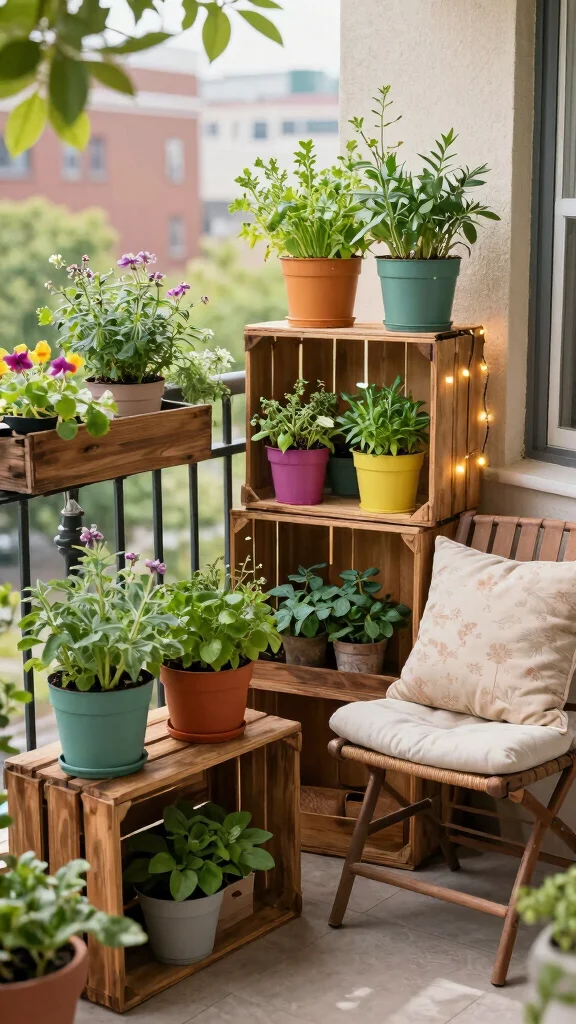
Container gardening is a flexible solution for anyone looking to grow plants in tight spaces. You can use anything from stylish garden pots to recycled containers like old buckets or wooden crates. This method allows you to arrange your plants in any configuration that suits your taste and available space.
Choose containers that fit your personal style and the types of plants you wish to cultivate. Brightly painted pots can add a cheerful touch, while textured ceramic options offer elegance. Many plants, including herbs, tomatoes, and small fruit trees, thrive in containers, so you can enjoy a diverse garden right on your patio.
To get started:
– Ensure containers have drainage holes and use quality potting soil.
– Vary heights of containers for visual interest.
– Monitor plants for pests and adjust watering as needed.
With the right container setups, you can create a vibrant outdoor space that showcases your personality while making the most of your available area.
Container gardening proves that urban gardening dreams fit in small spaces. Mix colorful pots, get creative with recycled containers, and turn every balcony into a garden crafts diy haven you can actually maintain and enjoy on a busy weeknight.
How To Choose The Right Container for Urban Gardening
Tools You’ll Need:
– Measuring tape
– Potting soil
– Plants or seeds
– Drill (for drainage holes)
– Watering can or hose
1. Step 1: Determine Size Requirements
Think about what plants you want to grow and how much space you have. Measure the area where you’ll place the container. For herbs, a pot with a diameter of at least 12 inches is ideal. For larger plants, like tomatoes, go for containers with a diameter of 18 to 24 inches. ✔ Make sure to leave enough room for the plants to grow and spread.
2. Step 2: Choose the Right Material
Containers come in various materials, such as plastic, clay, and metal. Clay pots are great for breathability but can crack in cold weather. Plastic pots are lightweight and retain moisture well, making them perfect for urban environments. ✔ Consider your climate when choosing the container material.
3. Step 3: Ensure Proper Drainage
Good drainage is crucial to prevent waterlogged soil. Check if the container has drainage holes. If not, drill a few holes at the bottom. ✔ A layer of gravel at the bottom can also help with drainage.
4. Step 4: Assess Weight and Mobility
Urban gardening often involves moving pots around. Choose a container that is easy to lift if you need to change its location. Lightweight materials like plastic or fabric pots are excellent for this. ✔ Consider using wheeled plant stands for larger containers to make them more mobile.
5. Step 5: Set Your Budget
Container prices can vary widely. Set a budget before you shop. You can find affordable options at garden centers or even repurpose items like buckets or old wooden crates. ✔ Remember, you don’t have to spend a fortune to create a beautiful garden!
6. Step 6: Consider Aesthetics
Choose containers that match your style or the theme of your space. Neutral colors blend well in any setting, while vibrant pots can add a pop of color to a dull area. ✔ Think about how your chosen containers will fit into your overall garden design.
Pro Tip: Be creative! You can use anything as a container, from old shoes to tin cans. Just make sure they have drainage holes! This not only saves money but also adds a unique touch to your urban garden. 🌱
3. Hanging Gardens
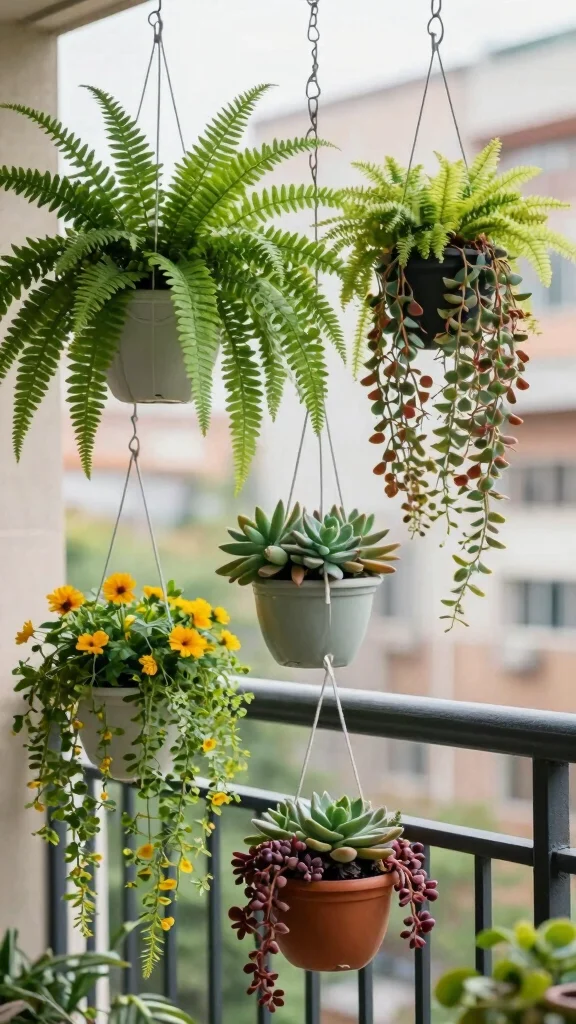
Hanging gardens are an elegant solution for urban gardeners with limited space on the ground. By using hooks or railings, you can suspend beautiful plants above eye level, creating a stunning display that draws the eye.
Consider using macrame holders or lightweight planters filled with lush ferns or colorful flowers. Ensure that your containers are light enough to hang securely and are properly anchored.
To create your hanging garden:
– Gather materials like macrame cords, sturdy hooks, and lightweight pots.
– Opt for trailing plants such as ivy or pothos for a cascading effect.
– Keep an eye on moisture, as hanging plants may dry out quicker than those in pots.
This design not only adds charm to your space but also allows you to showcase your favorite plants in a unique and creative way.
Did you know hanging gardens can free up 2x more space on a tiny balcony? Start with lightweight planters and sturdy hooks, then loop macrame holders for a chic, garden crafts diy look. Your balcony becomes an eye-level oasis.
4. Rooftop Gardens
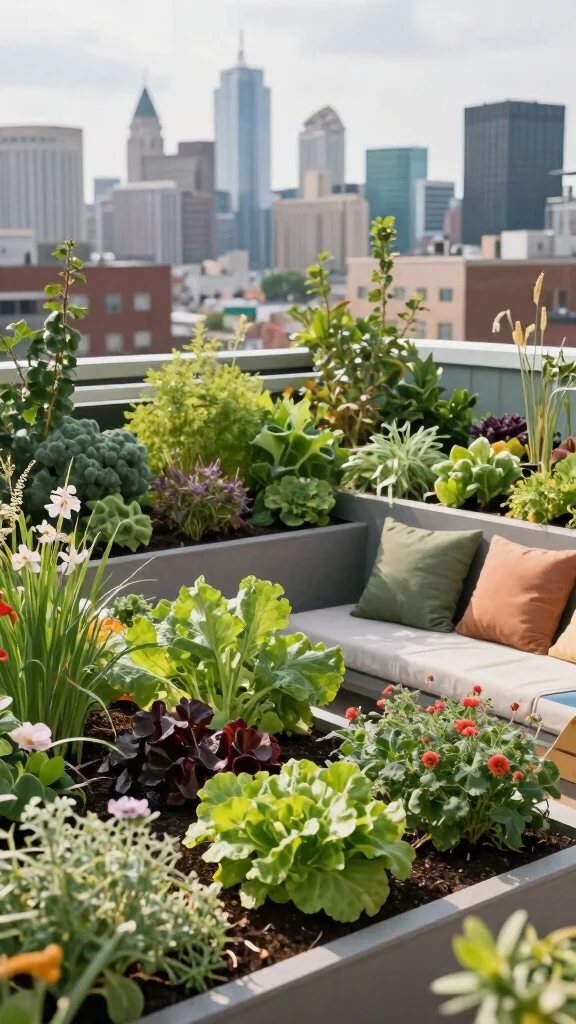
Rooftop gardens elevate urban gardening by transforming unused rooftop spaces into vibrant green retreats. If you have access to a rooftop, you can cultivate a variety of vegetables, herbs, and flowers, turning the area into a peaceful escape.
Start by evaluating your rooftop for sunlight, wind exposure, and structural weight capacity. Use raised beds or large pots to plant your favorites. Adding comfortable seating can make the space inviting and relaxing.
To maximize your rooftop garden:
– Plan your layout by dividing sections for different types of plants.
– Protect your plants from strong winds with screens or taller vegetation.
– Set up a drip irrigation system for efficient watering.
Rooftop gardens not only provide fresh produce but also enhance your urban environment, making it a greener and more enjoyable place to live.
5. Herb Spiral Gardens
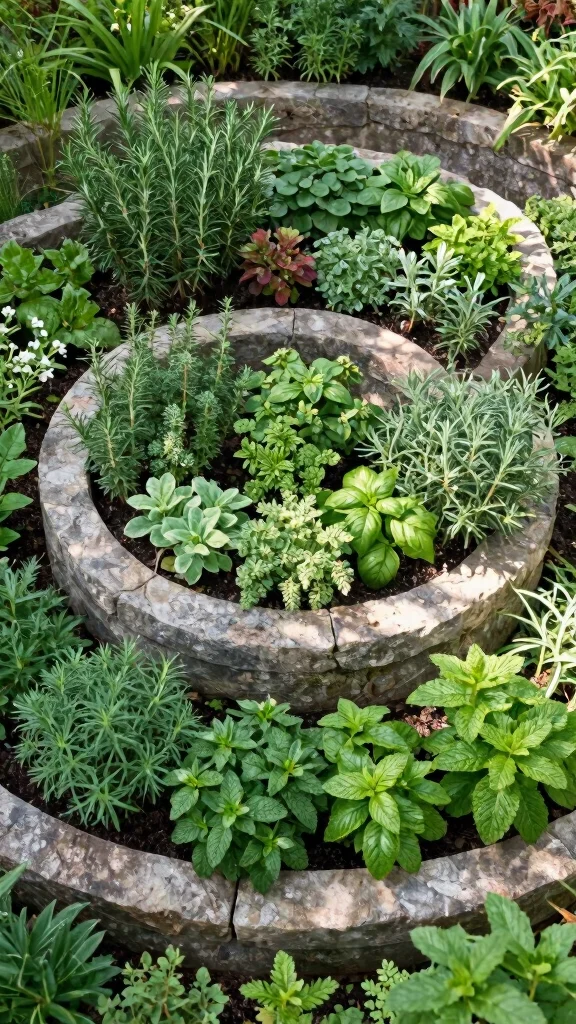
Herb spiral gardens offer a creative and efficient way to cultivate various herbs in a compact area. Designed as spirals, they utilize vertical space while providing microclimates that cater to different plant needs.
To create your herb spiral, stack stones or bricks in a spiral shape, leaving the center open for planting. The top section will be drier and sunnier, suitable for herbs like rosemary and thyme, while the lower part retains moisture, perfect for basil and mint.
Get started with these tips:
– Use stones that match your garden’s theme for a cohesive look.
– Mix your culinary favorites to maintain a fragrant and functional garden.
– Regularly prune your herbs to keep them healthy and thriving.
With an herb spiral, you’ll enjoy easy access to fresh herbs while creating a stunning centerpiece in your garden.
6. DIY Pallet Gardens
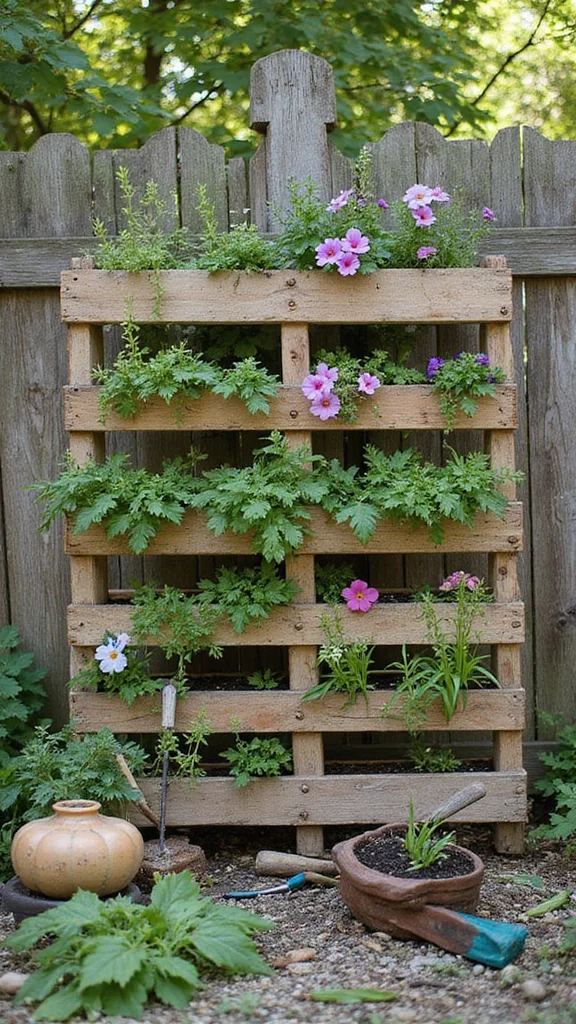
Building a garden from repurposed pallets is a brilliant way to embrace sustainability and optimize your gardening space. Pallet gardens are suitable for growing flowers, herbs, and even small vegetables in a chic and eco-friendly manner.
Simply take a wooden pallet, sand it down, and paint it if you like. Fill the gaps with soil and plant your chosen selections. You can lay the pallets flat for a raised bed or lean them against a wall for a vertical garden effect.
Here’s how to get started:
– Look for pallets at no cost or minimal expense.
– Choose shallow-rooted plants like lettuce or strawberries that thrive in limited soil.
– Treat the pallet for outdoor use to prevent decay.
This DIY project not only adds character to your garden but also showcases your creativity while being environmentally friendly.
7. Window Gardens
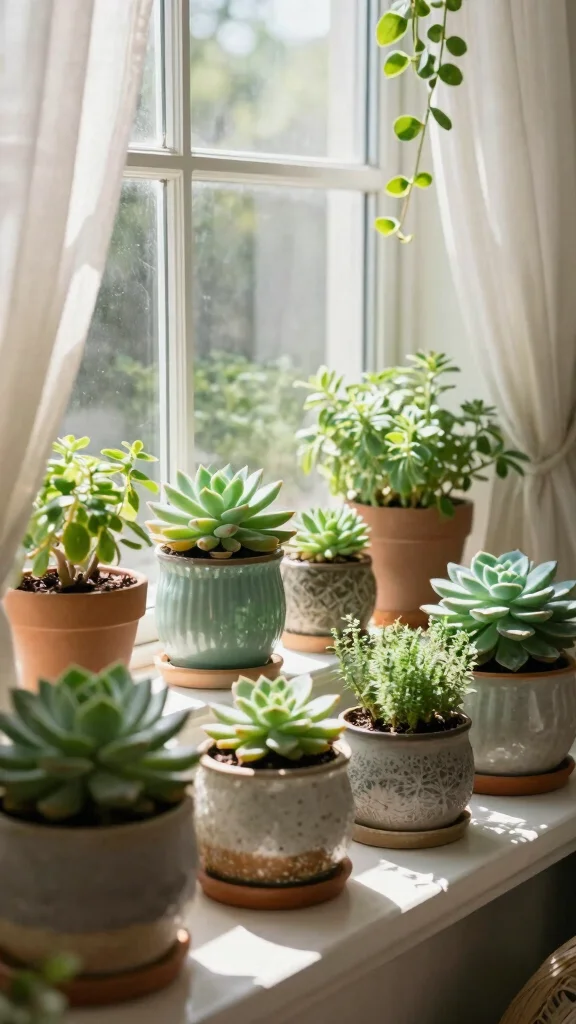
Window gardens are a clever way to bring greenery indoors, especially if outdoor space is limited. You can create these gardens using window boxes or hanging planters attached to your sills.
Opt for plants that thrive indoors with minimal care, such as succulents, small herbs, or trailing vines. Selecting plants that share similar light and water needs can make maintenance easier.
To set up your window garden:
– Choose decorative pots that complement your home decor.
– Rotate your plants regularly for even sunlight exposure.
– Ensure your windows can open to allow for fresh air circulation.
Window gardens not only beautify your living space but also improve air quality, making your home feel more welcoming and alive.
A window garden proves that small space can bloom with big joy. With sun-loving herbs and trailing vines, you bring nature inside and cut clutter outside—no fancy tools required. These garden crafts diy tips keep maintenance simple: rotate, water, and enjoy.
8. Green Roofs
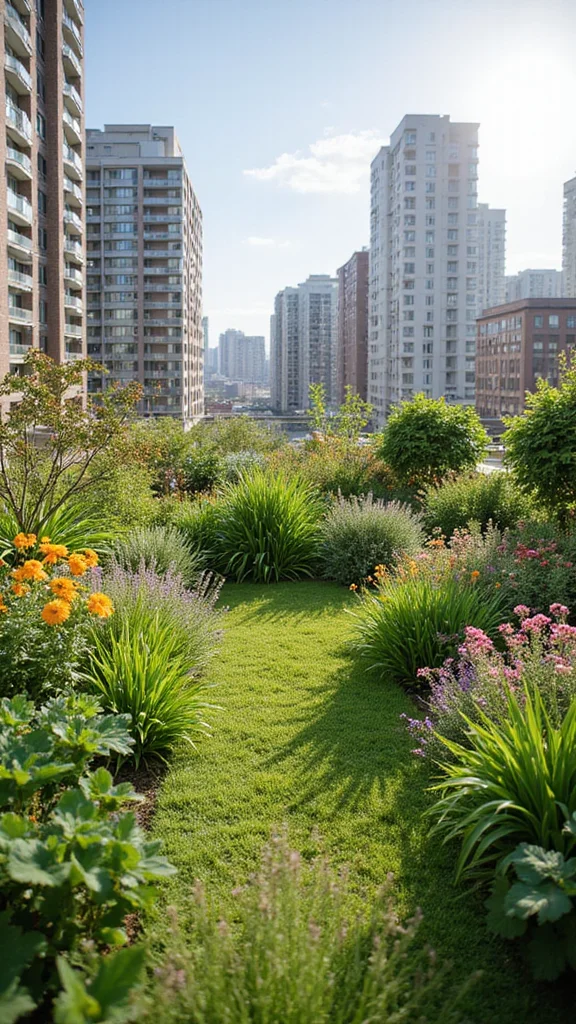
Green roofs are an innovative approach to urban gardening, transforming conventional rooftops into thriving ecosystems. They help insulate buildings, lower energy costs, and improve the environment.
To install a green roof, you’ll need to incorporate layers of soil and vegetation into the roof structure, allowing various plants to flourish, such as grasses, sedums, and wildflowers.
Key advantages of green roofs include:
– Mitigating stormwater runoff and reducing urban heat.
– Consulting a professional for proper drainage and structural integrity.
– Regular maintenance to prevent weeds and ensure plant health.
Green roofs contribute to urban biodiversity while providing a serene escape from the hustle and bustle of city life.
9. Straw Bale Gardens
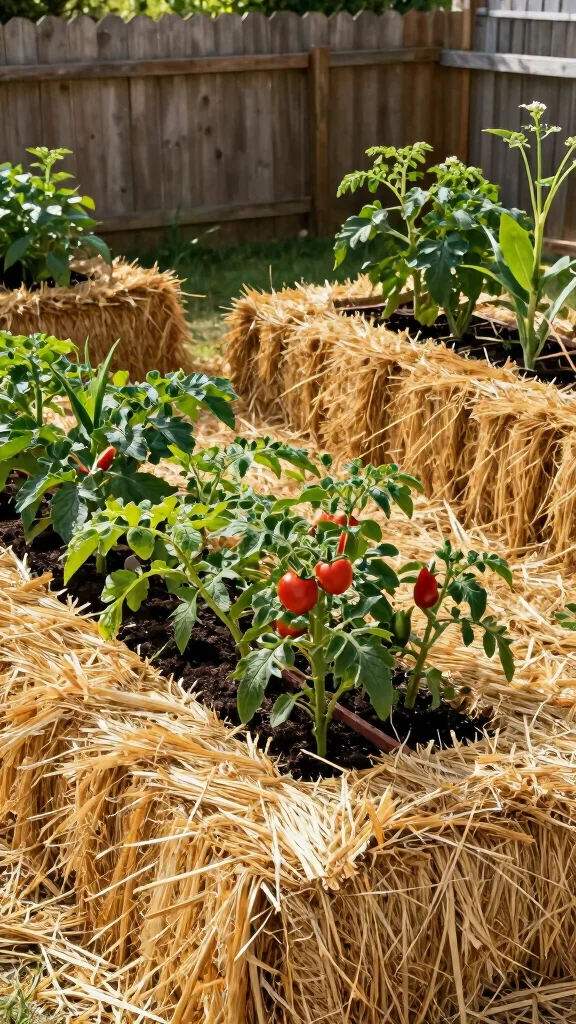
Straw bale gardening is an eco-friendly and innovative method for urban gardening. By using straw bales as raised beds, you can cultivate a productive garden without traditional soil.
Straw bales retain moisture well and release nutrients as they decompose. Begin by conditioning the bales with water and fertilizer before planting your seeds or seedlings directly into the bales.
To make the most of straw bale gardening:
– Allow bales time to break down for optimal growth before planting.
– Consider planting tomatoes, peppers, or cucumbers for best results.
– Keep the bales moist, especially during dry spells.
This unique approach not only makes gardening accessible but also creates a visually appealing space, showcasing your creativity in urban environments.
11. Roof Decks with Planters
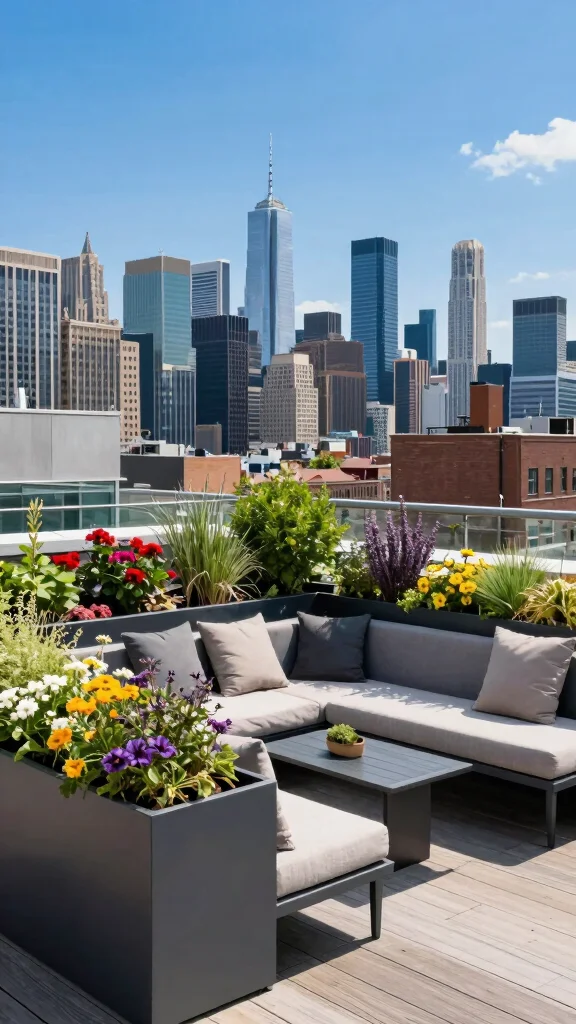
If you have a roof deck, adding planters can turn the area into a charming escape. Planters come in various styles, from modern rectangular boxes to classic urns, allowing you to create a cohesive look.
Combine flowers and edible plants to build a colorful yet functional garden. Mixing perennials with annuals ensures your space remains attractive throughout the year.
To enhance your roof deck garden:
– Use planters to create privacy screens with taller plants.
– Group plants with similar watering and light needs for easier care.
– Rotate seasonal annuals for continuous blooms.
With a bit of creativity, your roof deck can become a lush sanctuary that invites relaxation and enjoyment.
12. Edible Landscaping
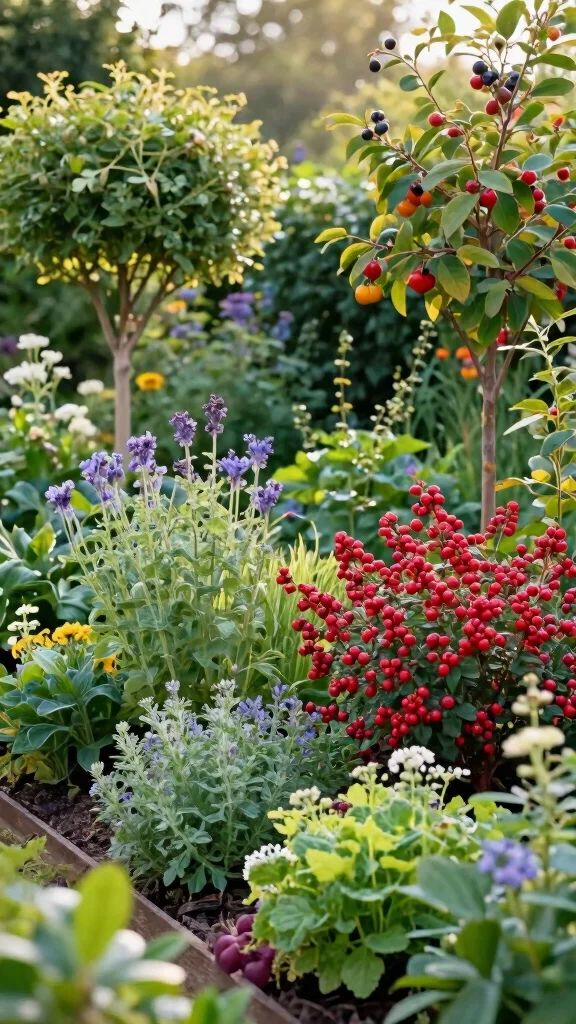
Edible landscaping merges beauty with functionality, allowing you to create an attractive garden filled with fruits, vegetables, and herbs. Imagine vibrant berry bushes and decorative kale coexisting harmoniously in your yard.
Start by planning your garden layout, integrating a mix of edible plants that also provide visual appeal. Consider incorporating fruit trees and perennial herbs for a sustainable and beautiful landscape.
To maximize your edible landscape:
– Use color and texture to keep your garden visually interesting through the seasons.
– Choose perennial herbs for a consistent source of fresh flavors.
– Regularly prune to maintain health and aesthetics.
Transforming your landscape into an edible paradise enhances both beauty and accessibility, providing fresh ingredients right outside your door.
13. Indoor Gardening
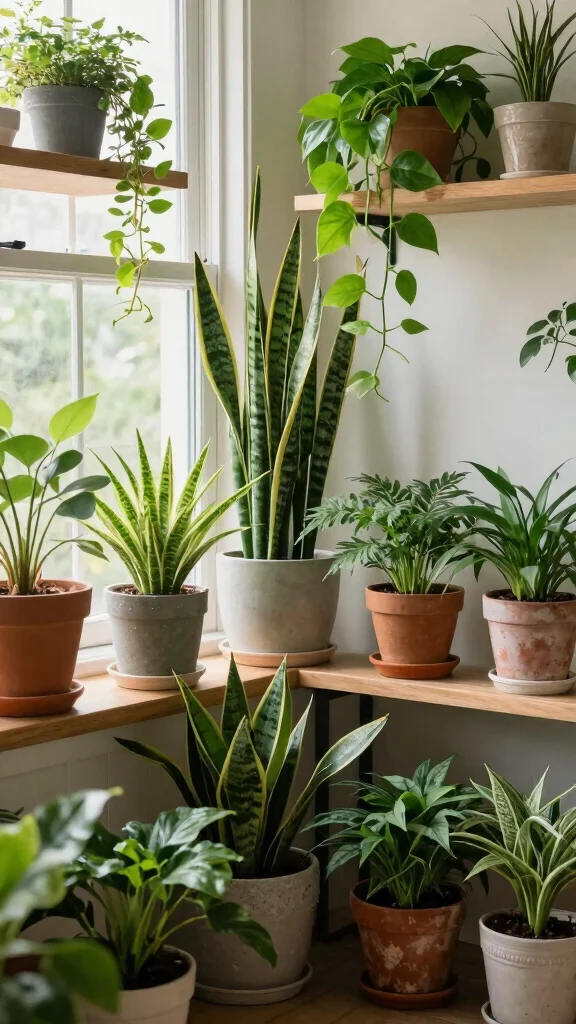
Indoor gardening is a fantastic way for urban dwellers to enjoy greenery without outdoor space. By utilizing shelves, window sills, and hanging planters, you can create a lively indoor garden.
Select plants that thrive well indoors, like pothos, snake plants, or small herbs. Using decorative pots or repurposed items can add character to your indoor setup.
To create a thriving indoor garden:
– Position plants where they can receive adequate natural light or invest in grow lights.
– Water less frequently than outdoor plants, checking moisture levels before watering.
– Diversify your plant selection to create a lush indoor jungle.
Indoor gardening improves air quality and uplifts your mood, making your home feel vibrant and inviting.
14. Succulent Gardens
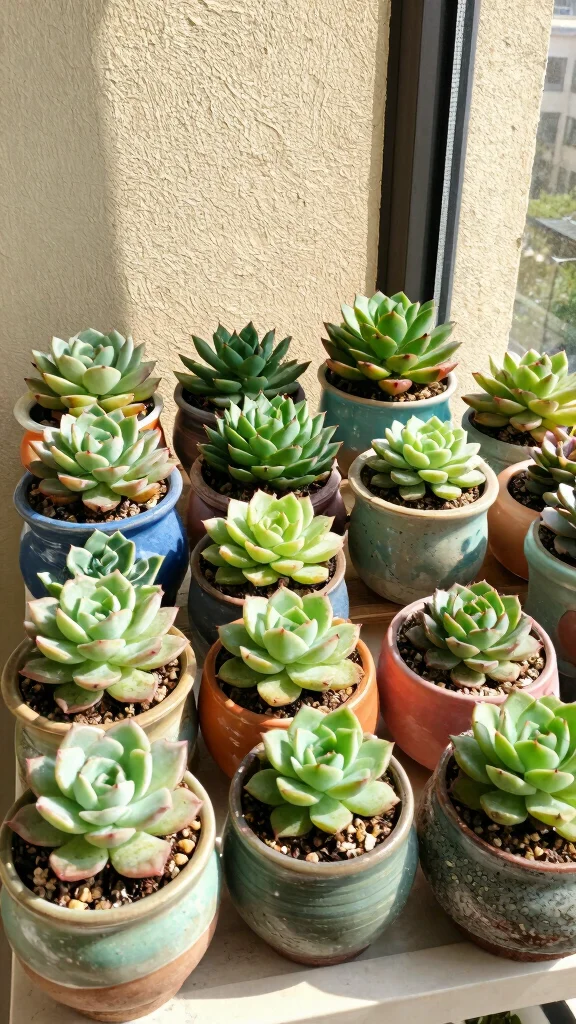
Succulent gardens are trending and ideal for busy urban gardeners. These low-maintenance plants come in a variety of colors, shapes, and sizes, making them visually appealing in any setting.
You can create stunning arrangements in containers, on shelves, or even in terrariums. Since they require minimal water, they fit perfectly into urban lifestyles where time and space are limited.
To design your succulent garden:
– Mix different succulent types for a captivating display.
– Use shallow dishes or hanging planters to showcase your collection.
– Ensure proper drainage and avoid overwatering for healthy plants.
With their unique beauty and resilience, succulent gardens bring charm and ease to your urban gardening journey.
15. Native Plant Gardens
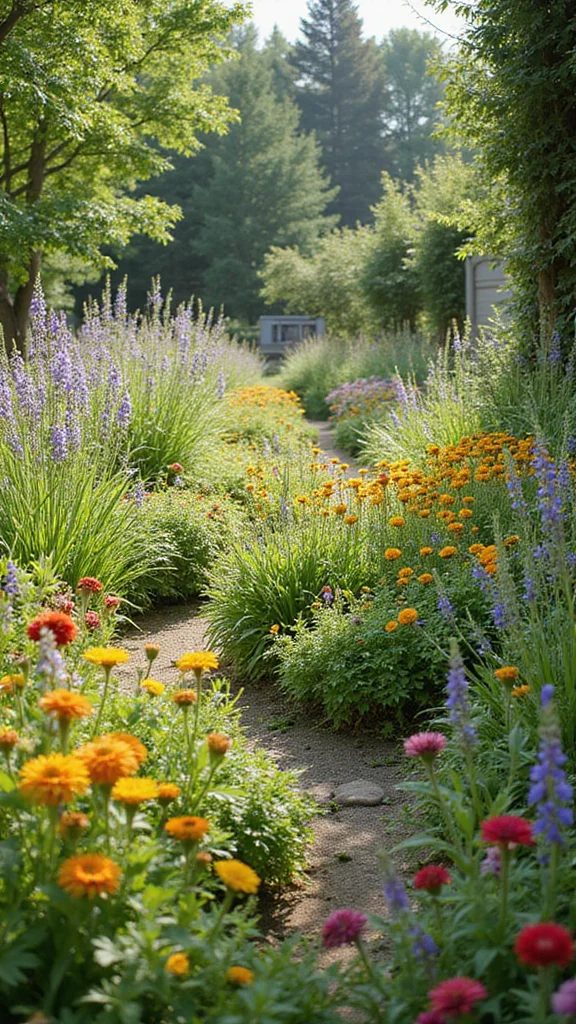
Incorporating native plants into your urban garden creates a sustainable habitat that supports local wildlife. These plants are adapted to your area, requiring less water and maintenance than non-native species.
Design your garden with a blend of native perennials, shrubs, and grasses to foster a diverse ecosystem. Native plants also attract beneficial insects and birds, enriching your urban landscape.
To successfully plant native gardens:
– Research suitable species for your region and their specific needs.
– Native plants typically require less fertilizer and are resilient against local pests.
– Use a variety of shapes and colors to create a natural and appealing look.
Integrating native plants not only enhances your space but also positively impacts the local environment.
16. Portable Gardens
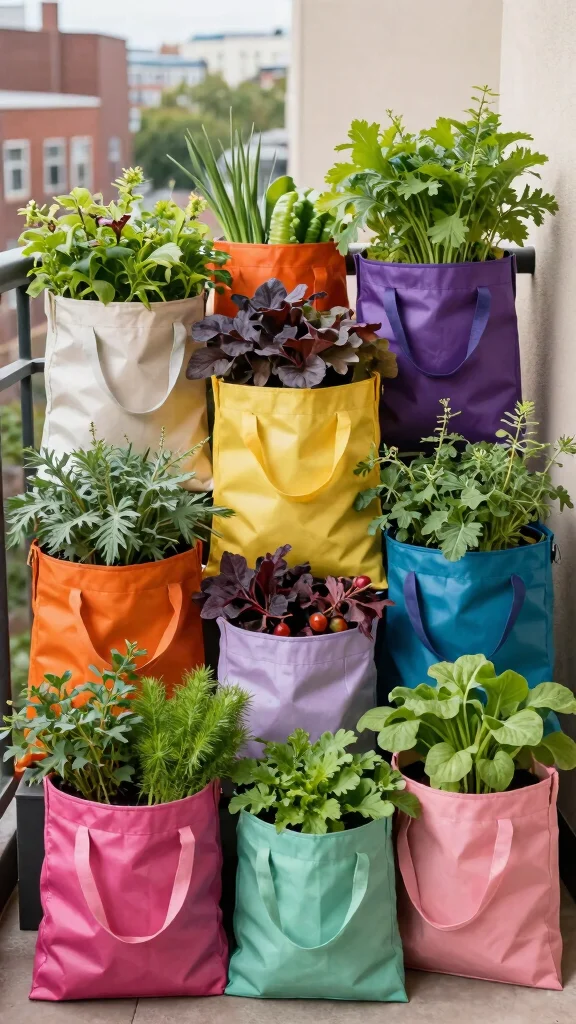
For those who move frequently or have limited space, portable gardens offer a flexible and fun solution. Utilize lightweight containers or bags to create a garden that can easily be moved and rearranged.
Plant your selections in large, portable pots that can be transported as needed. This setup allows you to take your garden with you, adapting your outdoor area whenever you want.
To create a portable garden:
– Use durable cloth bags or lightweight pots for easy handling.
– Choose herbs and small vegetables for convenient harvesting.
– Regularly check moisture levels, as portable containers may dry out faster.
A portable garden provides the freedom to enjoy your favorite plants no matter where life takes you.
17. Garden Art Installations
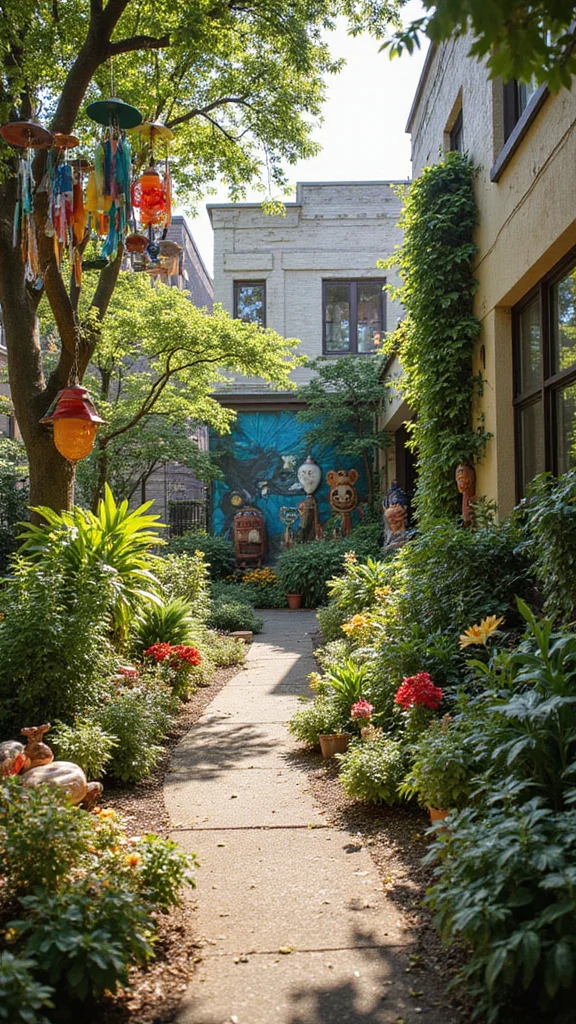
Incorporating art into your garden can enhance its beauty and create a unique atmosphere. From sculptures and wind chimes to vibrant murals, art installations can infuse personality into your urban garden.
Consider using repurposed materials for one-of-a-kind pieces or commissioning local artists to enrich your space. This not only supports creativity but also fosters community spirit.
To effectively add art:
– Select pieces that harmonize with your plants and garden’s overall vibe.
– Position art strategically to create focal points or enhance paths.
– Try making your own garden crafts to personalize your space.
Artistic elements bring vibrancy to your garden, reflecting your creativity and love for gardening.
18. Aquaponics Systems
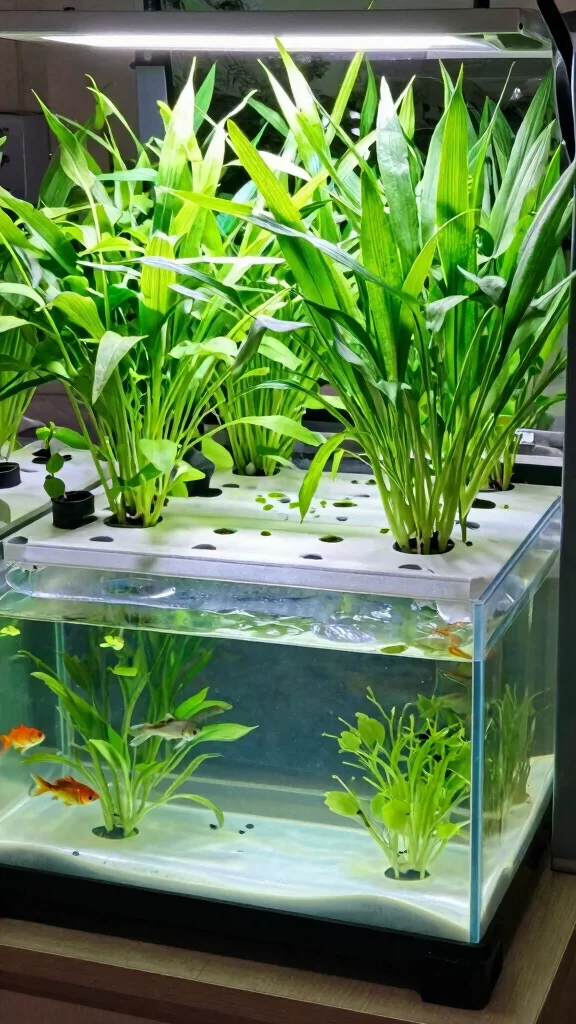
Aquaponics is a revolutionary method that combines aquaculture with hydroponics, creating a sustainable mini-ecosystem right in your home. This system allows you to grow plants while raising fish, using fish waste as nourishment for your plants.
To establish an aquaponics system, you’ll need a fish tank and a growing bed for your plants, which can be placed above the tank. Ensure adequate circulation and filtration for a healthy environment.
To get started:
– Choose beginner-friendly fish like goldfish or tilapia.
– Grow fast-growing plants such as leafy greens or herbs.
– Regularly monitor water quality and levels for healthy fish and plants.
This innovative gardening approach promotes sustainable food production, even in limited spaces.
19. Green Walls
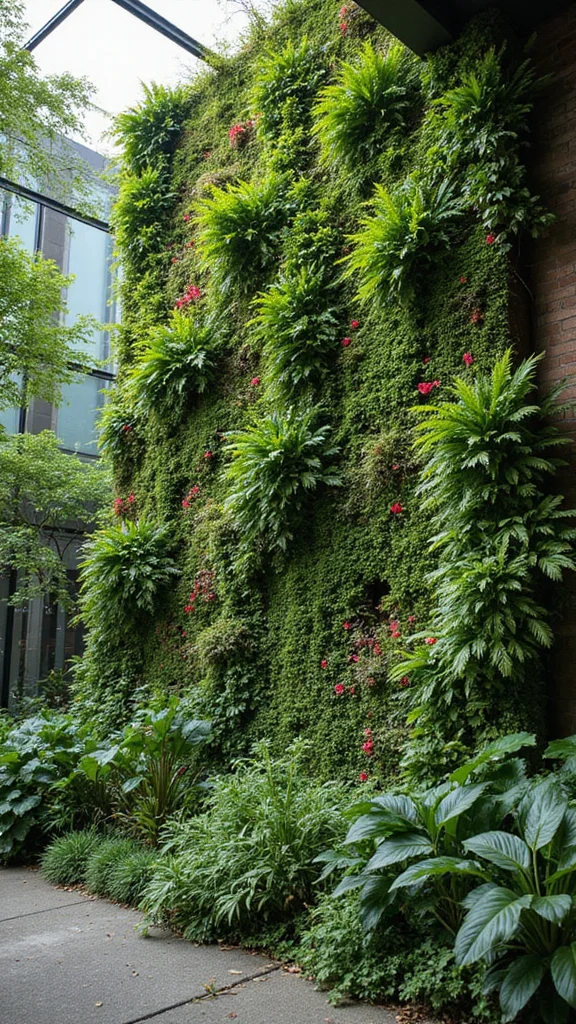
Green walls integrate nature into urban settings, providing aesthetic and environmental benefits. Ideal for small areas, these living walls can be installed indoors and outdoors, creating a dramatic visual impact.
To build a green wall, install a frame with planters that hold soil and plants vertically. Choose a mix of plants, including ferns, moss, and flowering species for added visual interest.
To create your own green wall:
– Use lightweight materials for the frame to avoid straining the wall.
– Select plants that adapt well to vertical growth and share similar care requirements.
– Implement an irrigation system to ensure proper watering.
Green walls beautify your surroundings while offering numerous environmental advantages, making them a worthwhile investment for urban gardening.
20. Terrarium Gardens
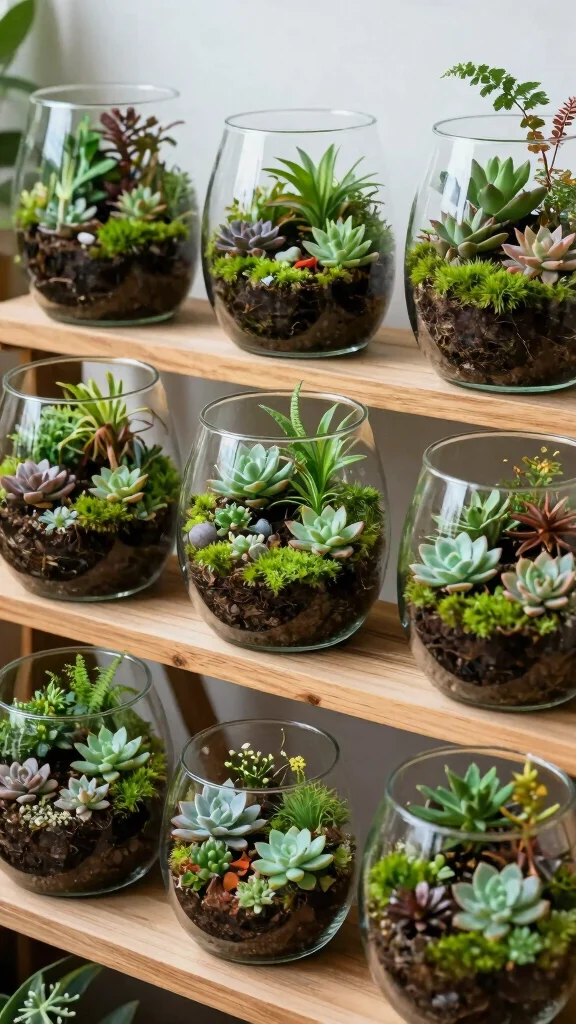
Terrariums are miniature gardens encased in glass, making them perfect for small spaces. They allow you to create a mini-ecosystem indoors, bringing a touch of nature into your home.
Choose a glass container that fits your style, then layer soil, charcoal, and pebbles before adding your plants. Succulents and air plants are excellent choices, requiring minimal upkeep.
To design your terrarium:
– Use unique containers like jars or bowls for variety.
– Mix different sizes and textures for a dynamic appearance.
– Keep your terrarium in indirect sunlight and monitor moisture levels regularly.
Terrariums offer a fun way to incorporate gardening indoors, providing a low-maintenance yet stunning visual centerpiece.
21. Hydroponic Gardening
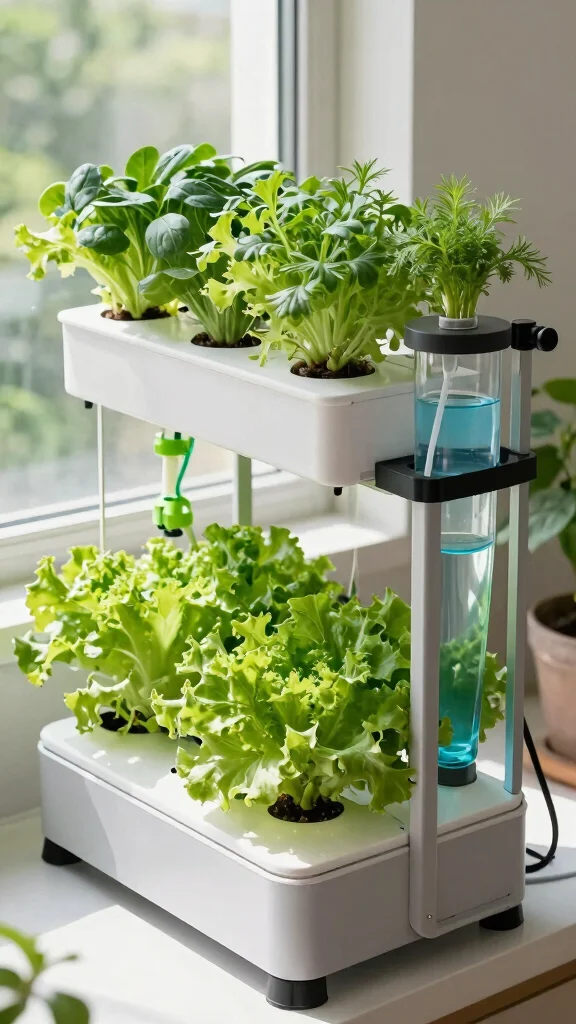
Hydroponic gardening is a cutting-edge method that allows plants to grow without soil, relying on nutrient-rich water instead. This approach is ideal for small spaces, enabling you to cultivate various plants indoors or on patios.
You can set up a straightforward hydroponic system at home using containers, a water pump, and tubing. Lettuce, herbs, and strawberries thrive in this environment, providing fresh produce year-round.
To begin your hydroponic journey:
– Start with a basic system to grasp the process before expanding.
– Research nutrient solutions tailored to hydroponics.
– Regularly check water levels and pH for optimal plant health.
Hydroponics presents a modern solution for urban gardening, enabling you to grow fresh food even in confined spaces.
22. Composting in Small Spaces
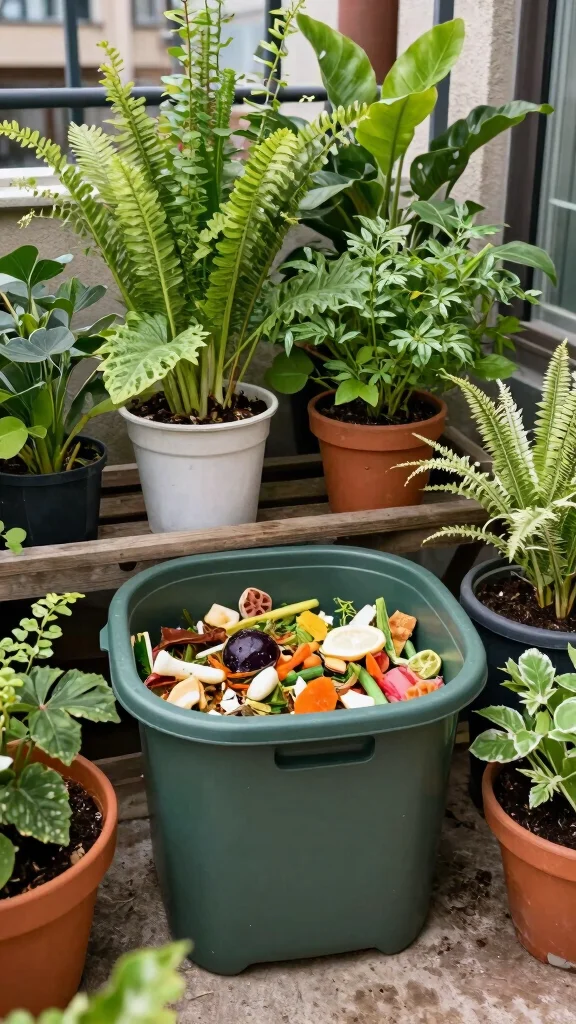
Composting is vital for sustainable gardening, even in compact urban areas. You can recycle food scraps and yard waste into nutrient-rich soil for your plants.
Utilize a compact compost bin designed for small spaces or try vermicomposting, which employs worms to break down organic material. Maintain proper aeration and moisture for effective composting.
Composting essentials:
– Add suitable materials like vegetable scraps, coffee grounds, and shredded paper.
– Turn the compost regularly to speed up decomposition.
– Use your compost to enrich garden soil for healthier plants.
Incorporating composting into your gardening routine reduces waste while boosting productivity in your urban garden.
23. Sunlight Maximation
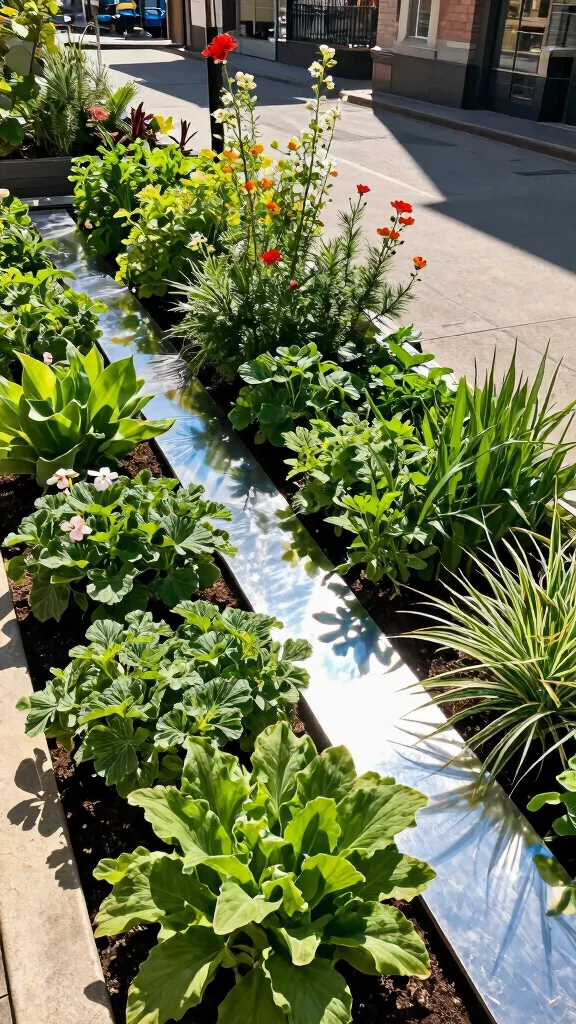
Maximizing sunlight exposure is crucial for thriving plants in urban gardening. Take the time to assess light patterns in your space and strategically position your plants to capture the most sun.
Consider reflective surfaces to enhance sunlight reach, or choose plant varieties that flourish in lower light if your area is shaded.
To optimize sunlight for your garden:
– Use a light meter app to measure sunlight levels throughout the day.
– Group plants with similar light requirements to enhance growth.
– Install temporary shade cloths to protect delicate plants from harsh summer sun.
By maximizing sunlight, you’ll significantly boost your gardening success, ensuring your plants grow strong and healthy.
24. Pest Management Solutions
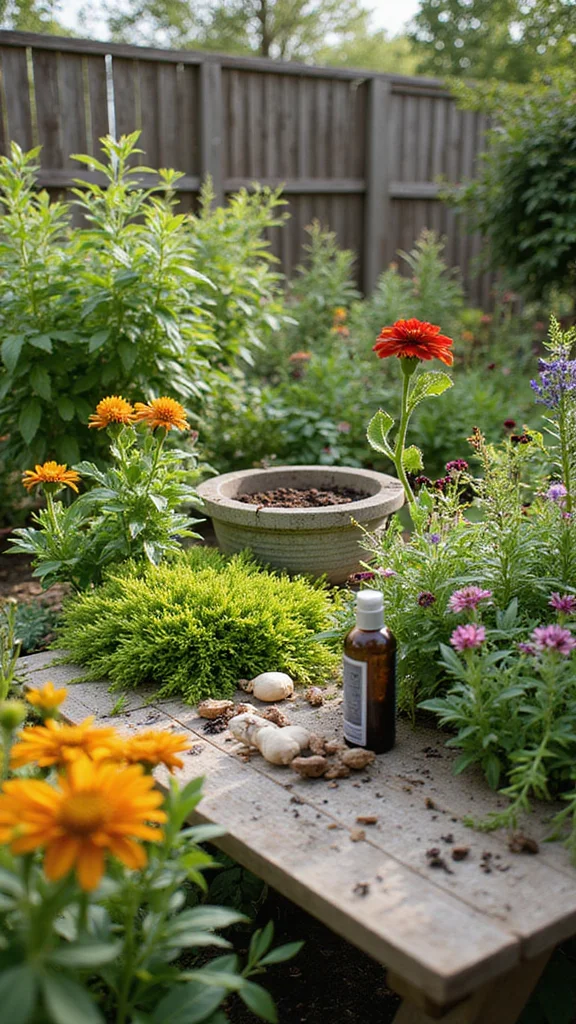
Urban gardening can attract pests, making effective pest management essential. Using natural remedies helps maintain a thriving garden without harmful chemicals.
Consider companion planting, where certain plants deter pests or attract beneficial insects. For example, marigolds can help keep nematodes and aphids at bay when planted alongside vegetables.
To manage pests effectively:
– Create homemade sprays using soap, garlic, or neem oil for natural control.
– Regularly inspect your plants for signs of infestation and act swiftly to prevent spreading.
– Attract beneficial insects like ladybugs or lacewings to help manage pests naturally.
Effective pest management keeps your urban garden healthy, utilizing nature’s own solutions.
25. Seasonal Planting Strategies
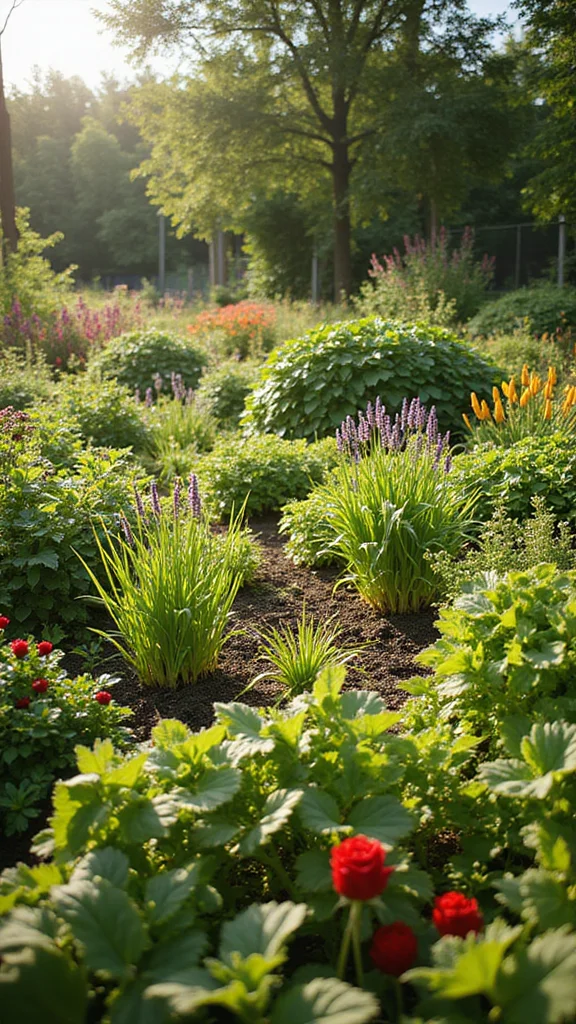
Implementing seasonal planting strategies can greatly enhance your urban garden’s productivity. By aligning your planting with the seasons, you can maximize growth and enjoy a continuous supply of fresh produce.
Research which plants thrive in specific seasons and plan your planting schedule accordingly. For instance, spring is ideal for cool-weather crops like peas and radishes, while summer is perfect for tomatoes and peppers.
To optimize your seasonal planting:
– Rotate crops each season to maintain soil health and minimize pest issues.
– Create a planting calendar to track sowing and harvesting times.
– Learn preservation techniques like canning, freezing, or drying for excess harvests.
By employing seasonal planting, you can maximize the potential of your urban garden and enjoy a diverse array of fresh produce all year long.
Conclusion
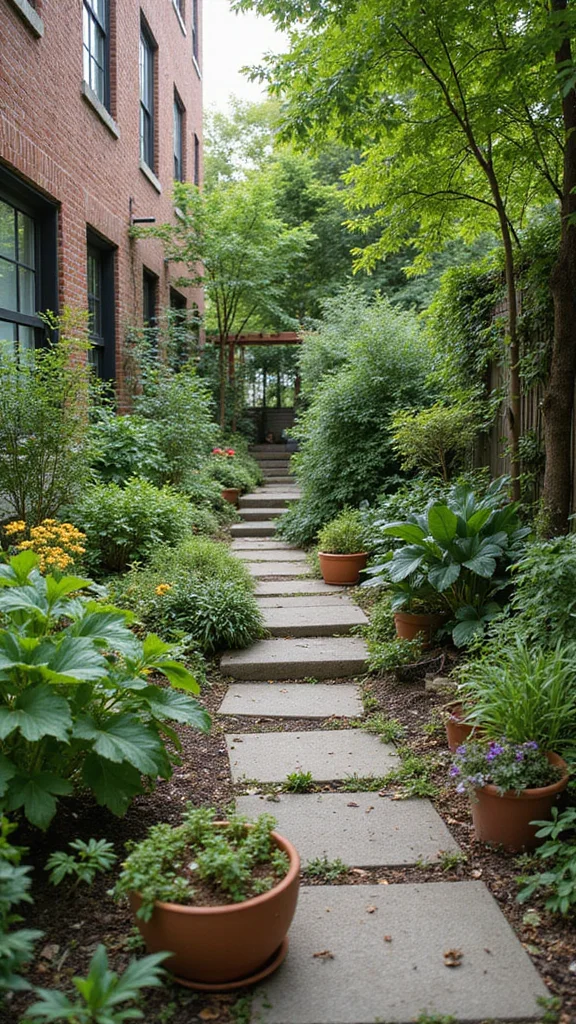
Urban gardening is not just a practical solution for space limitations; it’s a creative outlet that enhances your living environment. From DIY projects to sustainable practices, there are countless ways to make the most of your urban oasis. Embrace these ideas to cultivate a greener lifestyle, connect with your community, and enjoy the beauty of nature, all while maximizing your available space.
So, whether you’re an experienced gardener or just starting, let these ideas inspire you to turn your urban space into a thriving garden.
Frequently Asked Questions
What are the best space-saving ideas for urban gardening in small spaces?
Urban gardening in small spaces thrives when you work vertically and with containers. Try vertical planters, rail gardens, hanging baskets, and stackable pots to multiply growing area without widening your footprint.
If you love garden crafts diy, upcycle pallets into a trellis, repurpose shoe organizers into pocket planters, or craft a simple hanging herb rack—these ideas save floor space and look great in city gardening setups.
Choose compact varieties and plan for year-round harvests with succession planting to maximize yields in city gardening and small spaces.
How can I use garden crafts diy to enhance urban gardening in small spaces?
Even with tiny balconies, you can add personality and productivity by turning thrift-store finds into garden fixtures.
Build modular vertical panels from recycled materials, attach pot racks to railings, or create a simple drip system—these garden crafts diy projects save water and space in city gardening.
Plan a cohesive look to keep maintenance easy and to make daily watering a breeze.
What makes Idea #4 in the article especially effective for small spaces?
Idea #4 centers on vertical gardening with modular planters that climb walls, fences, or balcony rails.
By stacking containers and layering sun-loving spots, you dramatically increase growing area without stealing floor space.
It’s perfect for renters and urban dwellers who can’t widen their footprint because you grow upward.
What are beginner-friendly tips for city gardening on a balcony or windowsill?
Start with sun-loving herbs and compact greens in lightweight containers with drainage trays.
Use self-watering pots, good potting mix, and plan for easy access so you actually tend the plants daily.
Choose space-saving setups like railing planters, window boxes, and hanging baskets to make every inch count in small spaces and city gardening.
How can I grow food in urban spaces with limited light?
Pick crops that tolerate shade and partial sun, like lettuce, spinach, cilantro, and herbs.
Maximize light by placing reflective surfaces nearby, rotating plants weekly, and using compact varieties or microgreens.
If needed, consider a small grow light to supplement a few hours of lighting each day so you can keep harvesting fresh produce in city gardening even with limited light.
Related Topics
urban gardening
small space gardening
DIY garden crafts
container gardening
vertical gardens
beginner friendly
budget friendly
seasonal planting
edible gardens
space-saving techniques
sustainable gardening
city gardening