
Creating a beautiful garden doesn’t have to be a full-time job. In fact, with the right low-maintenance designs, your front yard can be a source of joy without the stress of constant upkeep. I made this post because I believe everyone deserves a lovely outdoor space that makes them smile. Whether you’re a busy professional, a parent juggling a million tasks, or just someone who wants to enjoy their garden without the burden of labor, this guide is for you.
If you’re passionate about gardening but feel overwhelmed by the time and effort it often requires, you’ve found the right place. This collection of 25 simple yet beautiful low-maintenance garden designs will inspire you to create a space that reflects your style and personality. Each design showcases how you can achieve beauty and functionality without spending countless hours on upkeep. Get ready to discover gardens that are as easy on the eyes as they are on your schedule!
In the following sections, you’ll find diverse gardening ideas that blend aesthetics with practicality. From rock gardens to edible landscapes, there’s something for every taste and every front yard. You’ll not only find tips for designing these gardens but also the benefits they offer, allowing you to enjoy nature with minimal effort.
Key Takeaways
– Embrace low-maintenance designs to enjoy a beautiful garden without excessive effort.
– Discover simple yet stunning styles like rock gardens and container gardens that fit any front yard.
– Learn how to incorporate edible plants into your landscape for a garden that’s both functional and beautiful.
– Find out about the benefits of using native plants that thrive in your area, reducing the need for extra care.
– Explore practical insights on how to create a garden that appeals to your senses while keeping upkeep to a minimum.
Contents
- 1. Rock Garden Delight
- 2. Perennial Border Bliss
- 3. Edible Landscaping
- 4. Minimalist Zen Garden
- 5. Container Garden Charm
- 6. Native Plant Garden
- 7. Tropical Oasis
- 8. Gravel Pathway Gardens
- 9. Drought-Tolerant Beauty
- 10. Cottage Garden Charm
- 11. Vertical Gardening
- 12. Focal Point Flora
- 13. Colorful Wildflower Meadows
- 14. Privacy Planting
- 15. Artistic Garden Borders
- 16. Raised Bed Gardens
- 17. Artistic Patio Gardens
- 18. Modern Industrial Gardens
- 19. Seasonal Color Gardens
- 20. Shade Garden Serenity
- 21. Seasonal Container Swaps
- 22. Pollinator-Friendly Gardens
- 23. Soft and Subtle Hues
- 24. Rustic Farmhouse Garden
- 25. Modern Elegance
1. Rock Garden Delight
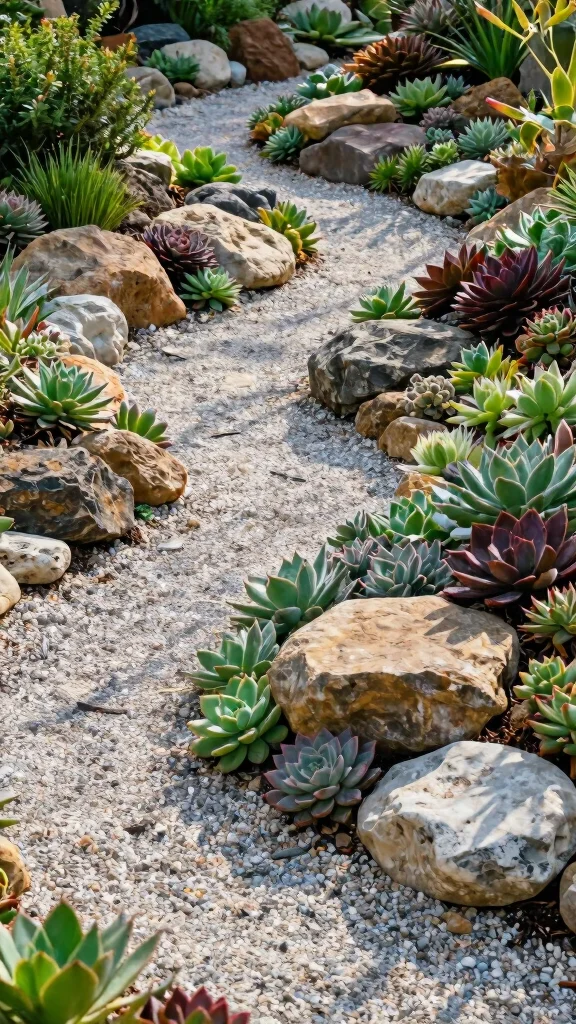
Are you looking for a unique way to enhance your landscape while minimizing lawn care? Rock gardens blend beautiful stones with drought-resistant plants, creating a stunning and low-maintenance feature. With an array of stones, gravel, and hardy plants like succulents and alpine flowers, these gardens offer visual interest without the need for constant upkeep.
Start by selecting a sunny spot with well-drained soil to set the perfect foundation. Arrange larger rocks as focal points and fill in with smaller stones, using colorful ground covers to fill gaps and suppress weeds. This method not only saves time but also adds charm to your outdoor space.
Key elements to create your rock garden:
– Choose a variety of stone sizes for texture.
– Select drought-tolerant plants like creeping thyme and sedum.
– Maintain with occasional weeding and minimal watering.
This approach to gardening reduces maintenance while allowing nature’s beauty to shine through, making your outdoor space a delightful retreat.
2. Perennial Border Bliss
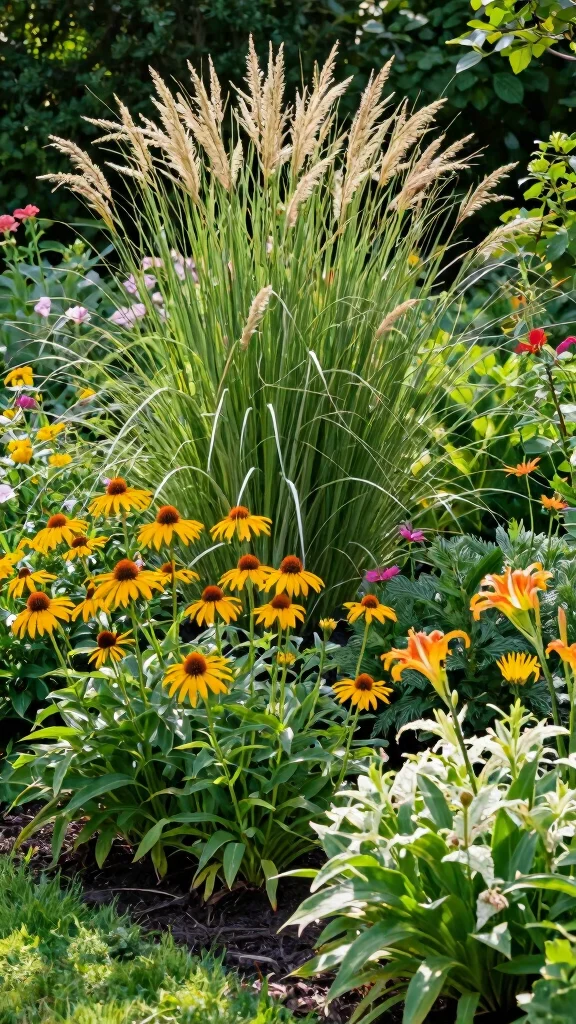
Do you want to add enduring beauty to your garden with minimal effort? Perennial borders are an excellent solution, providing vibrant colors year after year without the hassle of replanting. With a selection of hardy flowers such as coneflowers, daylilies, and black-eyed Susans, you can create a stunning visual display that also attracts pollinators.
Arrange your perennials in staggered layers for a natural, inviting look. Mixing in ornamental grasses will not only add height but also introduce interesting textures. This design principle not only enhances aesthetics but also supports local wildlife.
Tips for your perennial border:
– Combine a variety of flowering perennials for continuous blooms.
– Regularly deadhead to promote further flowering.
– Vary plant heights for added depth and interest.
This strategy ensures your garden remains beautiful and vibrant with little ongoing effort, creating a captivating space for you and your visitors.
3. Edible Landscaping
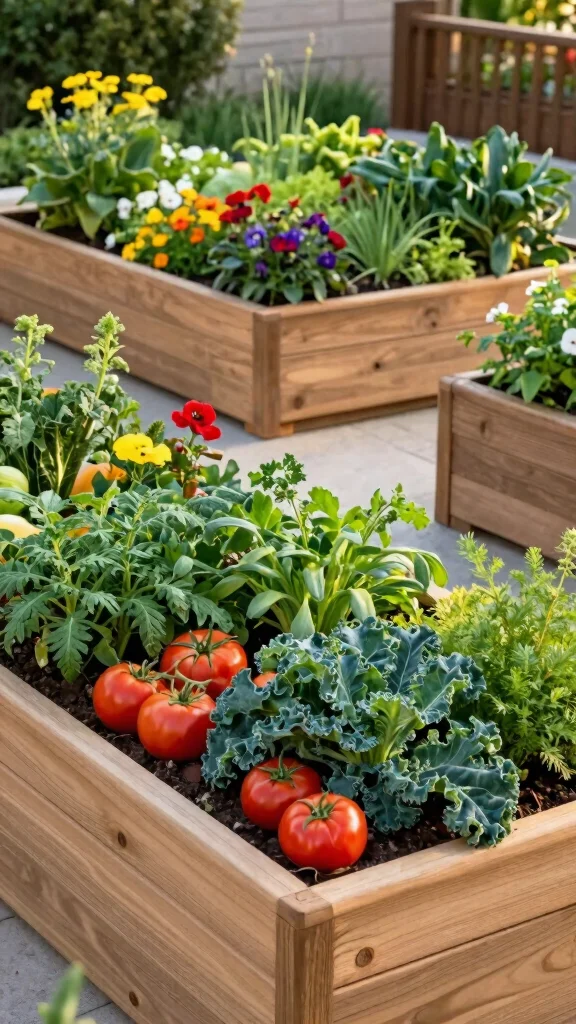
Why not blend functionality with beauty by incorporating edible plants into your garden? Edible landscaping transforms your outdoor space into a feast for the eyes and the palate. Imagine colorful peppers and vibrant tomatoes nestled among ornamental flowers, creating a lush, productive landscape.
Incorporate herbs like rosemary and thyme that serve both as culinary delights and attractive accents. Using raised beds or containers helps organize your plants and keeps maintenance manageable. This approach allows you to enjoy fresh produce right at your doorstep.
Ideas to enhance your edible garden:
– Grow cherry tomatoes, kale, and aromatic herbs.
– Use decorative containers or vertical gardens to save space.
– Stay consistent with watering and occasional pruning to keep plants healthy.
With this method, you’ll have a garden that not only looks great but also provides fresh ingredients for your meals, merging beauty and utility seamlessly.
4. Minimalist Zen Garden
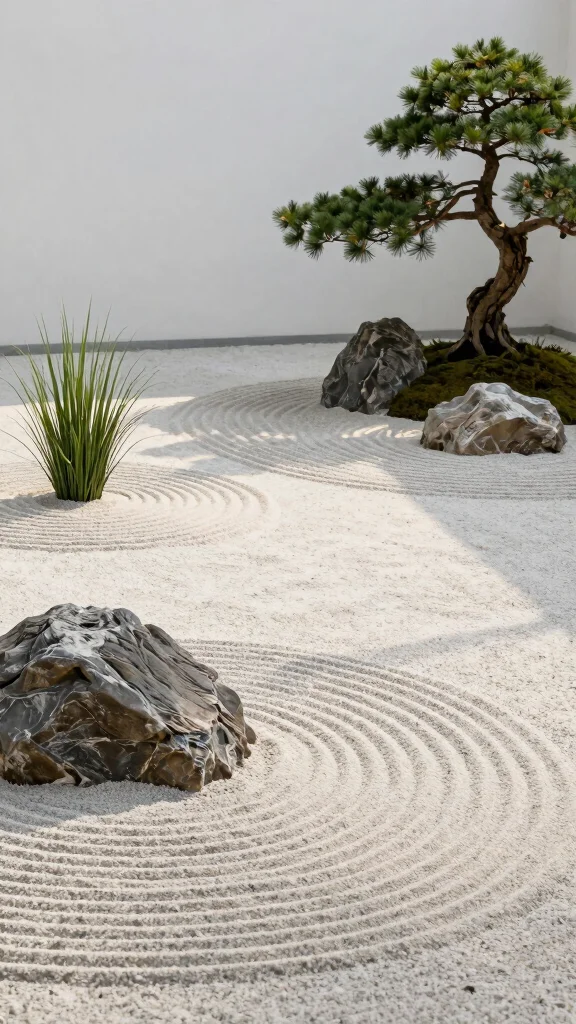
Seeking tranquility in your outdoor space? A minimalist zen garden offers a peaceful retreat with its simplicity and natural beauty. Featuring sand, stones, and a select few plants like bonsais or ornamental grasses, this design creates a serene atmosphere.
The allure of a zen garden lies in its clean lines and meditative qualities, allowing you to engage in calming activities like raking sand. Position larger stones to symbolize mountains while smaller plants provide focal points around them. This low-maintenance design only requires occasional raking and weeding.
Essential components for your zen garden:
– Use sand, gravel, and rocks for an organic feel.
– Limit plant selection to maintain simplicity.
– Rake regularly to keep the sand looking fresh.
This minimalist approach fosters a calming environment, allowing you to unwind and reflect in your own peaceful escape.
5. Container Garden Charm
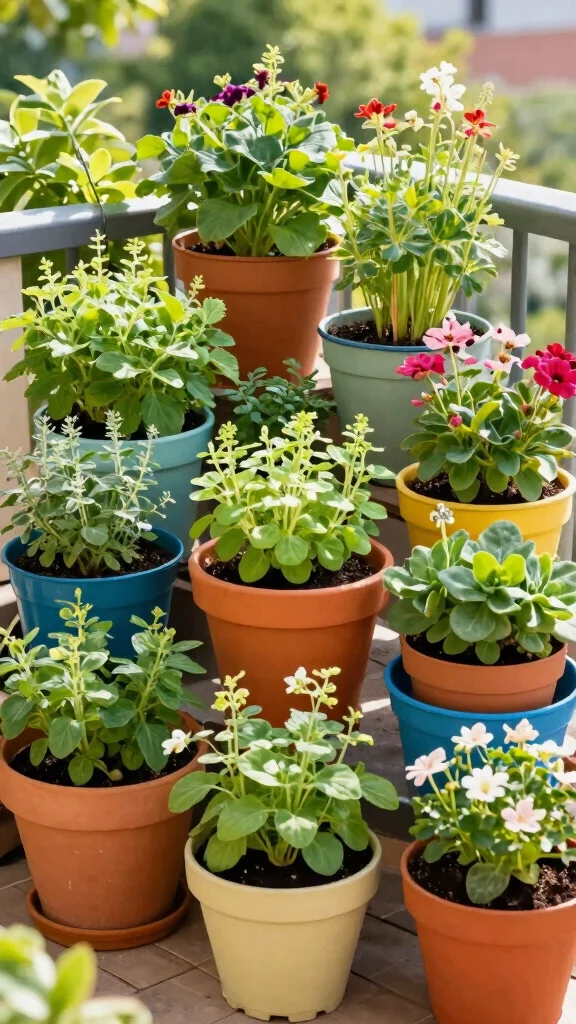
Are you short on space but still want a beautiful garden? Container gardening is a perfect solution, allowing you to create stunning displays on patios or balconies. With a variety of pots and planters, you can cultivate herbs, flowers, or even small trees, adding color and life to your outdoor area.
Opt for colorful and textured containers to enhance visual appeal, and consider using drip irrigation to simplify your watering routine. This versatility means your garden can adapt to sunlight and your changing preferences with ease.
Tips for a thriving container garden:
– Use a mix of sizes and materials for added interest.
– Select herbs like mint and basil or vibrant flowers like geraniums.
– Regularly check soil moisture and rotate pots for even growth.
This approach allows you to enjoy a vibrant garden with minimal maintenance, brightening your outdoor space effortlessly.
6. Native Plant Garden
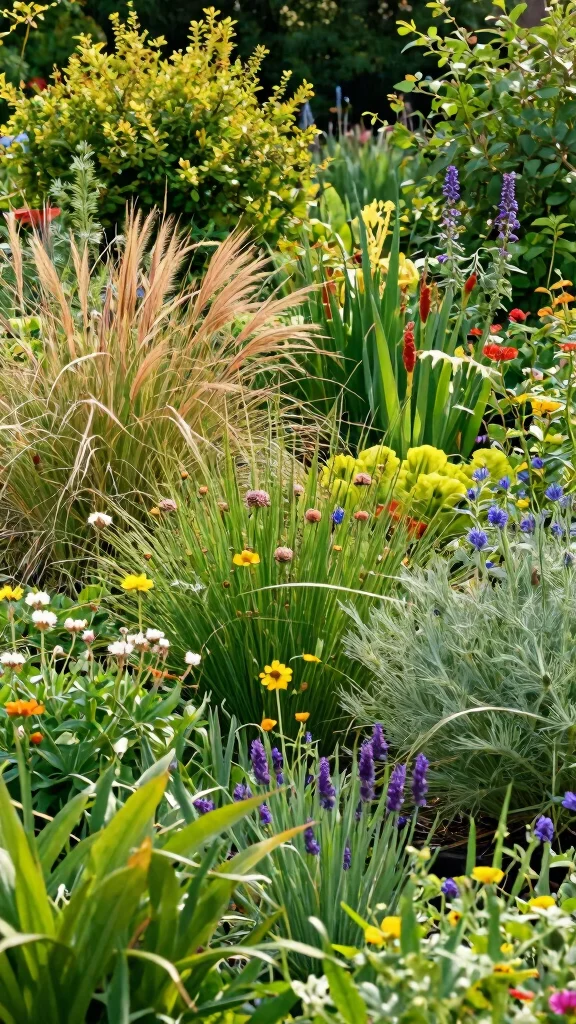
Want a garden that’s easy to maintain and good for the environment? Native plants are the ideal choice, as they adapt well to local climates and require less water. By selecting flora that naturally thrives in your area, you can create a beautiful landscape that supports local wildlife and conserves resources.
Design a vibrant garden by grouping grasses, wildflowers, and shrubs that blend seamlessly with your surroundings. This not only minimizes water usage but also enhances biodiversity, creating a welcoming environment for pollinators.
Key elements to include in your native plant garden:
– Research local native plants for optimal results.
– Group plants with similar water and sunlight needs together.
– Keep maintenance minimal with occasional pruning and watering after establishment.
Embracing native plants transforms your garden into a thriving ecosystem, enriching both your space and the environment around you.
7. Tropical Oasis
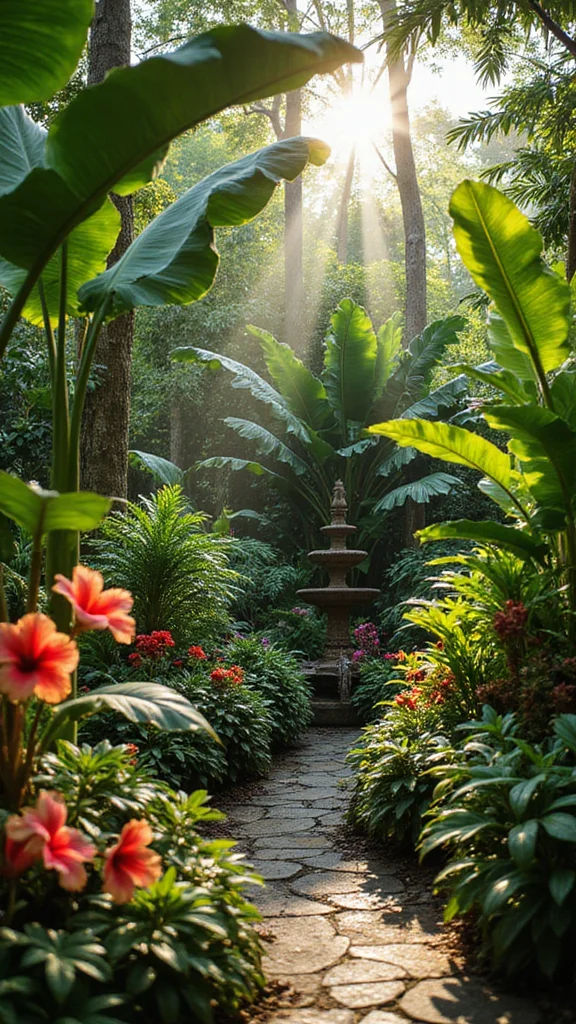
Do you dream of a lush garden filled with vibrant colors and exotic plants? A tropical oasis can turn that dream into reality, featuring bold foliage and stunning blooms. Plants like hibiscus, elephant ears, and ferns can create a vibrant atmosphere while requiring relatively low maintenance.
Arrange your plants in groups, placing larger leaves at the back and smaller blooms in front to enhance the tropical feel. Adding mulch helps retain soil moisture while minimizing weed growth. This design can thrive in warm climates or be adapted for cooler areas with container gardening.
Essentials for your tropical garden:
– Choose colorful blooms like orchids or bromeliads for year-round interest.
– Incorporate garden ornaments or water features to enhance the vibe.
– Regular watering and minimal pruning will keep plants flourishing.
This vibrant design transforms your garden into a serene escape, offering a taste of paradise right at home.
8. Gravel Pathway Gardens
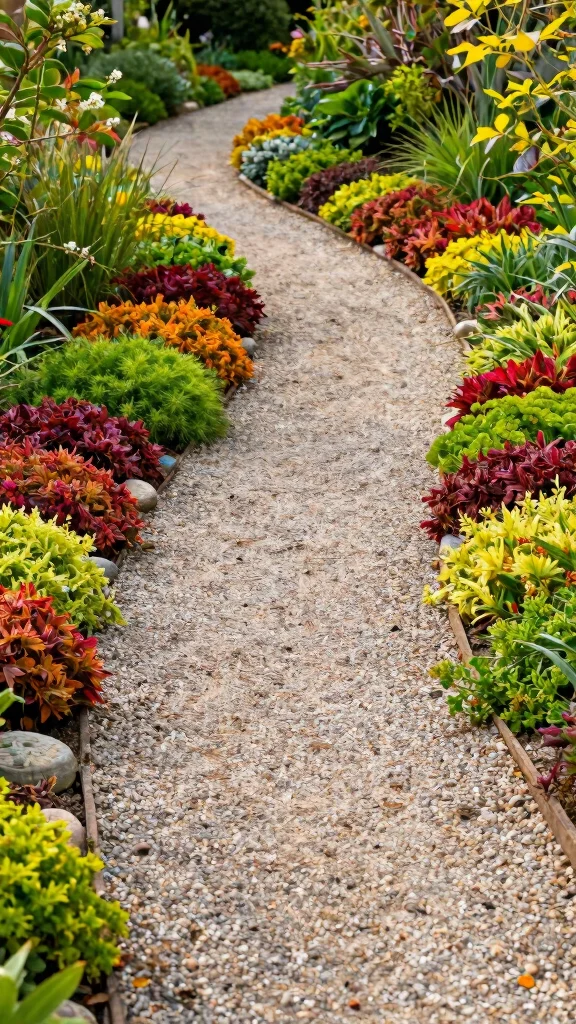
Looking for a functional yet stylish way to navigate your garden? Gravel pathways not only serve as practical routes but also enhance the overall design of your space. By surrounding these paths with low-growing plants and ground covers like creeping thyme or sedum, you create an easy-to-maintain and visually appealing landscape.
This design minimizes weed growth while allowing you easy access to various garden areas. Consider incorporating larger stones or decorative pavers along the edges to add another layer of visual interest.
Design features to consider:
– Add decorative stones or stepping stones for style.
– Use low-maintenance ground covers for vibrant colors and textures.
– Regularly rake gravel to keep it tidy and monitor for weeds.
This approach combines practicality and beauty, making navigation through your garden enjoyable and effortless.
9. Drought-Tolerant Beauty
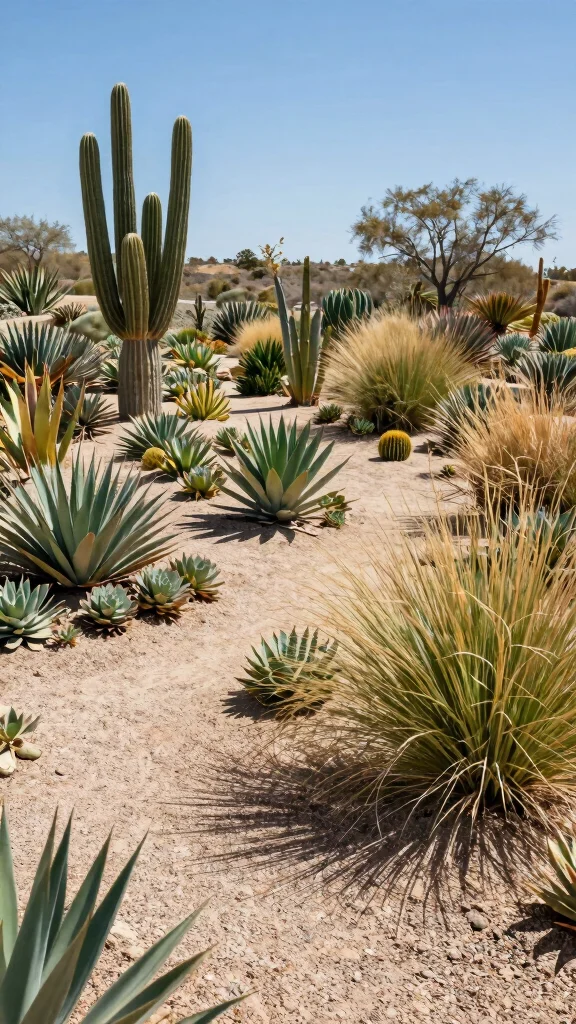
In regions with limited water, creating a drought-tolerant garden can be both stunning and practical. By selecting plants that thrive in dry conditions, you can design a beautiful landscape while conserving water. Succulents, agaves, and ornamental grasses make excellent choices, adding texture and color without demanding excessive watering.
Arrange plants in clusters to create depth and visual interest, while incorporating materials like gravel or bark mulch to retain moisture. This low-maintenance design flourishes with minimal input once established.
Plant suggestions for your drought-tolerant garden:
– Incorporate succulents, lavender, and desert wildflowers.
– Design with varied heights for a dynamic landscape.
– Water deeply but infrequently to encourage strong root systems.
This approach not only enhances your garden’s beauty but also ensures sustainability in water usage, making it a smart choice for eco-conscious gardeners.
10. Cottage Garden Charm
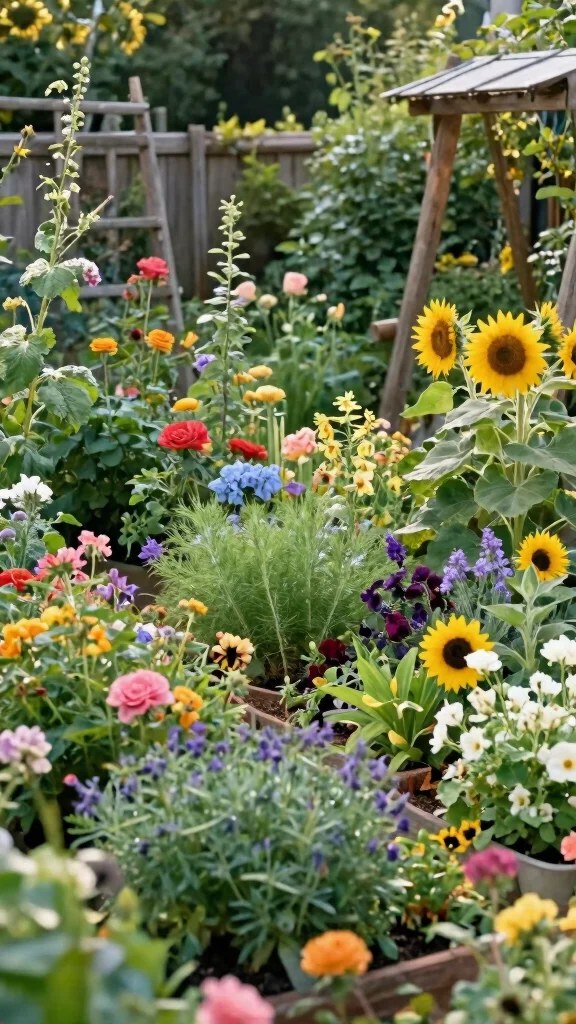
Want a garden that feels cozy and inviting? A cottage garden embraces a whimsical design filled with a variety of flowers, herbs, and vegetables. By mixing tall sunflowers, blooming roses, and fragrant herbs, you can create a nostalgic atmosphere that feels like stepping back in time.
Allowing plants to grow freely fosters a charming, overflowing look that invites exploration. Incorporate rustic elements like wooden trellises or vintage garden tools to enhance the authentic feel. This style encourages biodiversity while requiring relatively low maintenance with thoughtful plant selection.
Ideas for your cottage garden:
– Combine perennial flowers with herbs and vegetables for variety.
– Use stone or mulch pathways for a natural appearance.
– Regular deadheading and occasional pruning will keep plants healthy.
This approach creates a delightful and vibrant garden that brings joy with minimal effort, making it a perfect retreat.
11. Vertical Gardening
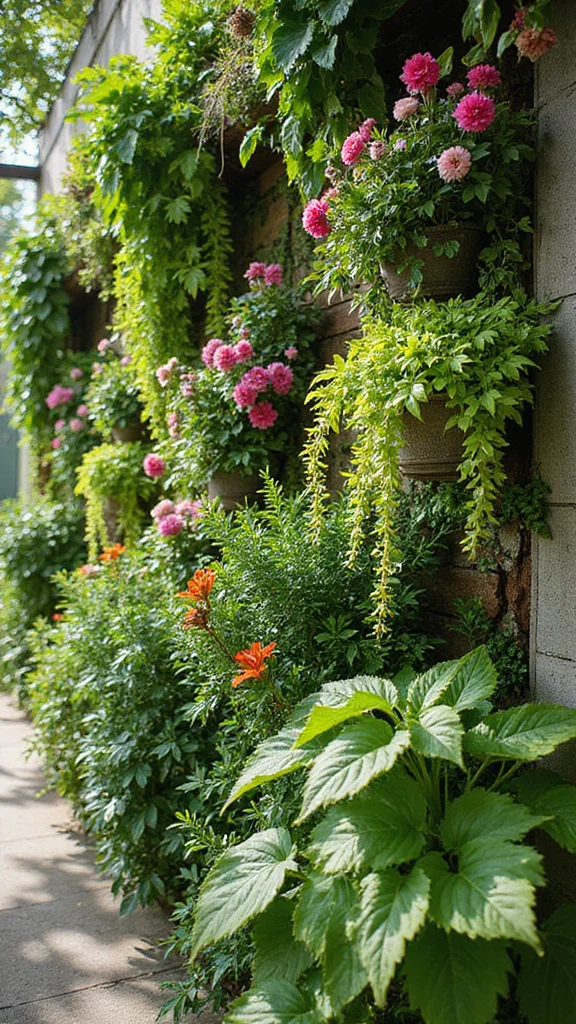
Short on space but eager to grow a garden? Vertical gardening is a creative way to maximize your area by utilizing wall planters or trellises. Ideal for small yards or balconies, this style allows you to cultivate everything from herbs to colorful flowers in a compact space.
Select plants that trail or climb to create a lush, green wall that adds beauty and interest. This design offers easy access for harvesting or pruning, making gardening enjoyable and less labor-intensive.
Effective strategies for your vertical garden:
– Choose trailing plants like ivy or herbs such as oregano.
– Mix colors and textures for visual appeal.
– Maintain with regular watering and pruning to encourage growth.
This innovative approach transforms limited spaces into vibrant gardens, allowing you to enjoy greenery in any environment.
12. Focal Point Flora
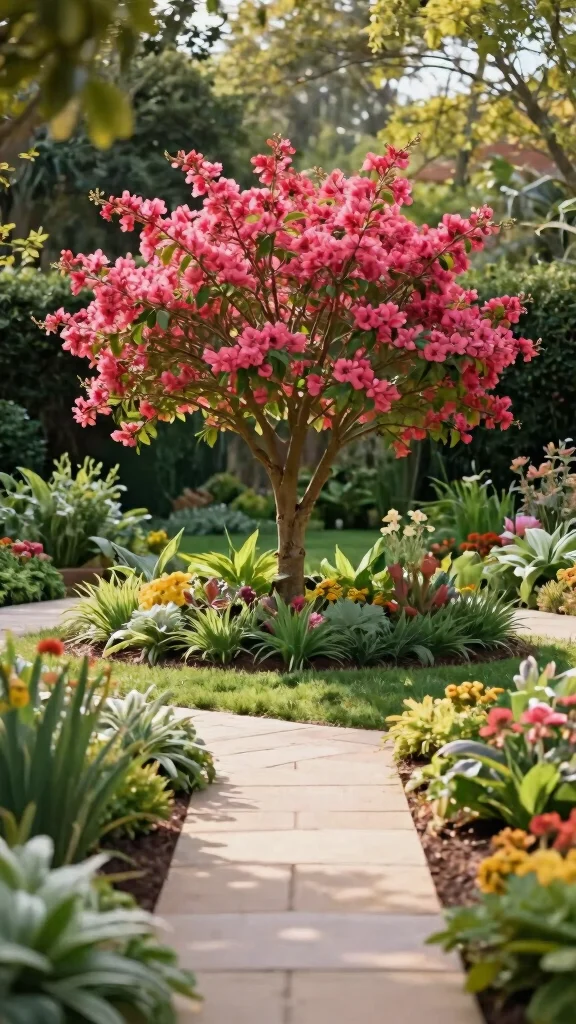
Every garden can benefit from a focal point that draws the eye and creates interest. Whether it’s a striking sculpture, a vibrant flowering tree, or an elegant water feature, a well-placed focal point can enhance your garden’s overall design.
Consider planting a stunning tree like a Japanese maple surrounded by lower plants for balance. Incorporating paths or seating areas nearby invites visitors to pause and appreciate the view.
Ideas for your focal point:
– Choose garden sculptures, birdbaths, or eye-catching plants.
– Position focal points at the end of paths or in clearings for visibility.
– Regularly check for damage and clean decorative elements to maintain their appeal.
This thoughtful design choice adds depth and charm to your garden, ensuring it remains a captivating space.
13. Colorful Wildflower Meadows
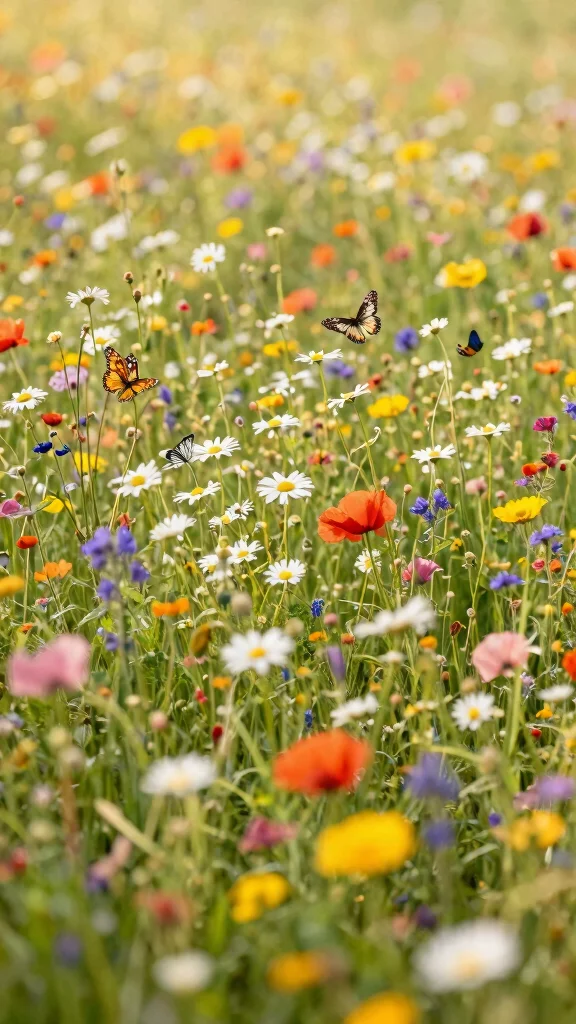
Imagine stepping into a vibrant wildflower meadow that bursts with color while attracting beneficial pollinators. By sowing a mix of native wildflower seeds, you can establish a low-maintenance garden that flourishes naturally.
Wildflower meadows enhance your outdoor space, offering a beautiful view all summer long. Opt for a diverse selection of seeds that bloom at various times to ensure continuous color and interest. This design supports local wildlife and provides an eco-friendly option for any garden.
Considerations for your wildflower meadow:
– Select a mix of annuals and perennials for diverse blooms.
– Allow areas to remain undisturbed for natural seeding and growth.
– Maintenance is minimal; mainly watch for invasive species.
This approach creates a lively and colorful landscape that brings joy and supports nature with little effort.
14. Privacy Planting
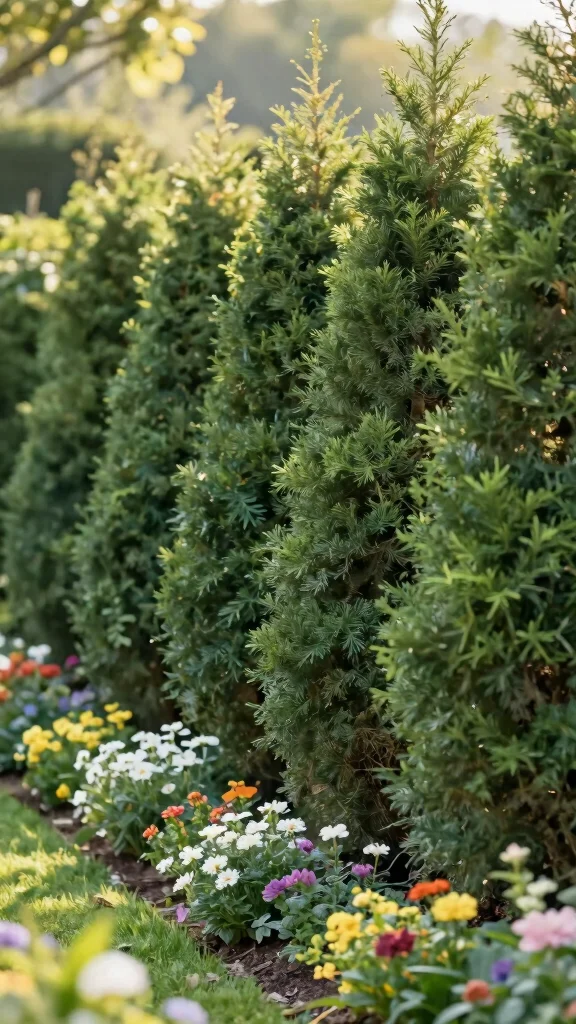
Looking for a bit of privacy in your garden? Planting a row of evergreen trees or shrubs creates a natural barrier while adding beauty to your landscape. Evergreens like arborvitae or holly provide year-round privacy and require minimal maintenance once established.
Arrange them in a staggered pattern for a more natural look, and consider incorporating flowering plants at the base to soften the appearance and add color. This design not only provides seclusion but also enhances the overall aesthetic of your garden.
Suggestions for your privacy planting:
– Combine evergreens with flowering shrubs for variety.
– Create tiers with different heights for visual appeal.
– Maintenance includes minimal pruning and occasional watering during dry spells.
This strategic planting choice offers both beauty and seclusion, making your garden a serene escape.
15. Artistic Garden Borders
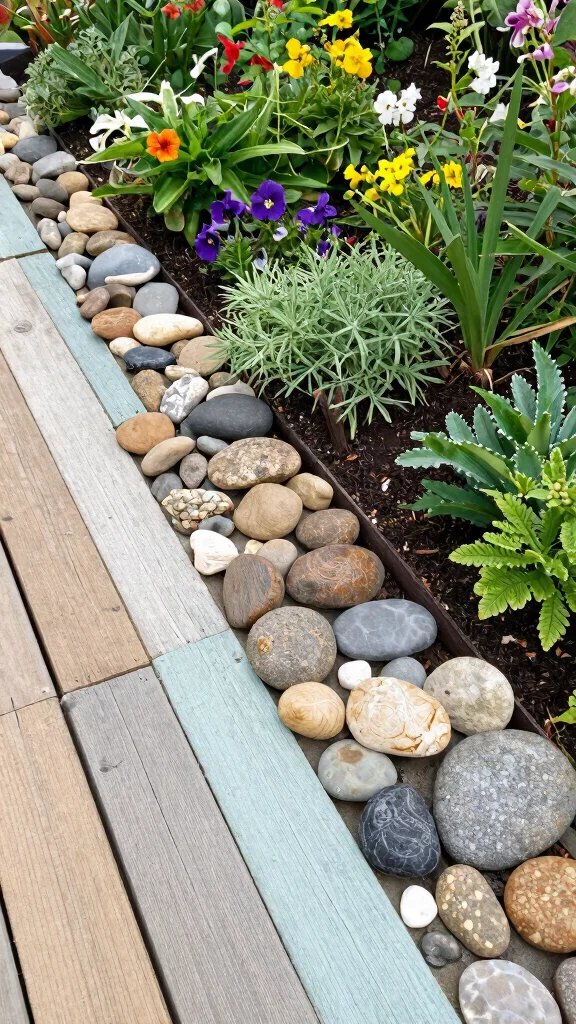
Want to add personality to your garden? Artistic borders can dramatically change its look by using various materials like painted wooden planks, decorative stones, or bricks. These borders define garden beds, pathways, or containers, creating a cohesive and charming design.
Incorporating a mix of materials enhances visual interest and makes your garden stand out. Choose colors that complement your plants and overall theme for a polished finish.
Ideas for your artistic borders:
– Use wooden planks, bricks, or decorative stones for variety.
– Consider curved borders for a more organic feel.
– Regularly check for erosion and replace any damaged elements.
This creative touch adds flair to your garden while maintaining a clear structure, making it an inviting space to enjoy.
16. Raised Bed Gardens
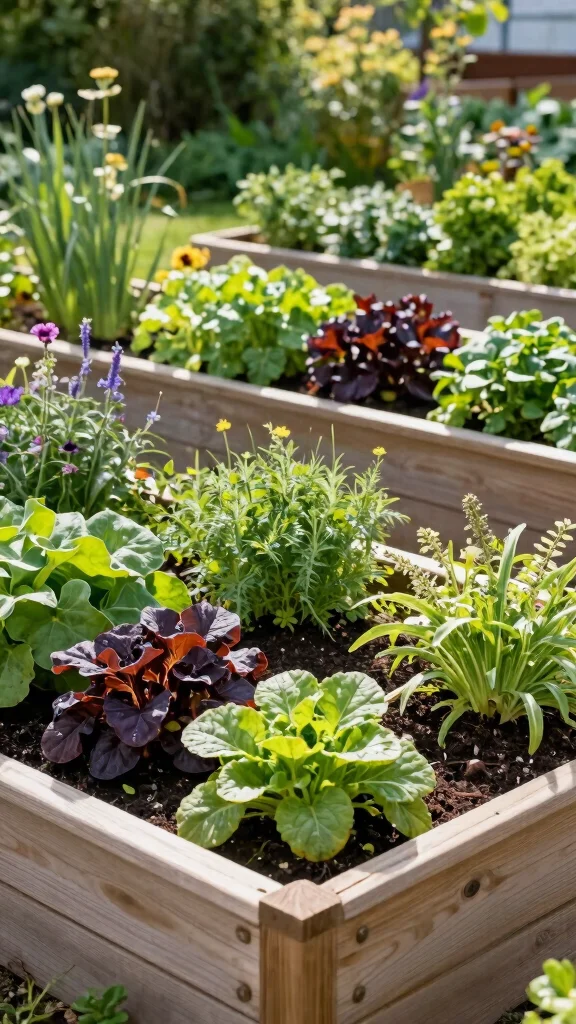
Looking for a stylish and practical gardening solution? Raised bed gardens offer improved drainage and easier access for planting and maintenance. Constructed from various materials like wood, brick, or stone, these beds can be filled with nutrient-rich soil for optimal growth.
Design your raised beds in shapes that fit your yard layout, and mix a variety of plants, from vegetables to flowers. Adding built-in benches can make these beds functional as well as beautiful.
Ideas for your raised bed garden:
– Vary heights for visual interest.
– Mix annual vegetables, perennials, and herbs for diversity.
– Regular watering and seasonal soil amendments keep plants thriving.
This method combines style and practicality, making gardening easier and more enjoyable.
17. Artistic Patio Gardens
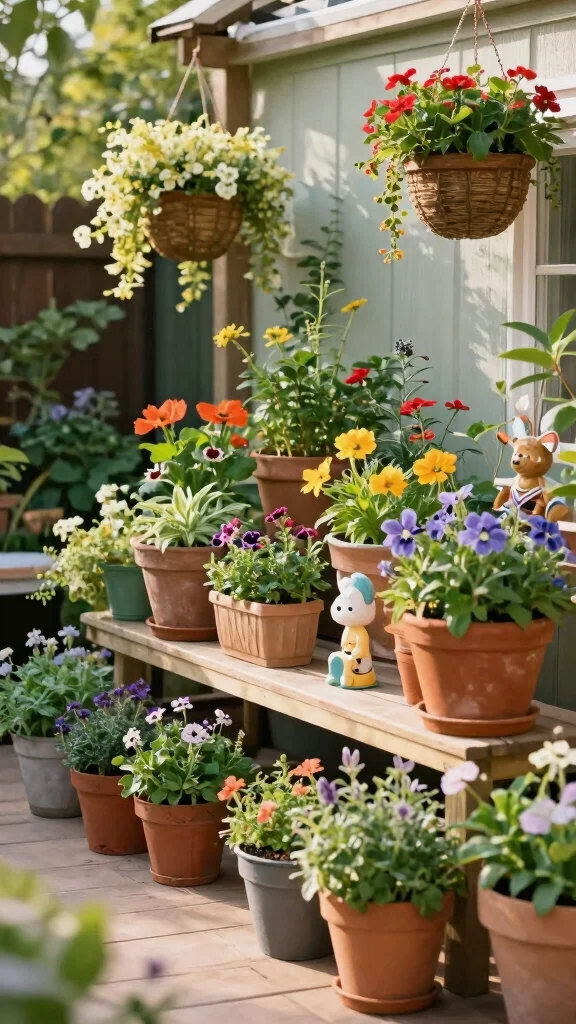
Do you want to transform your patio into a garden oasis? Artistic patio gardens can be crafted with containers, hanging plants, and vertical displays, creating a vibrant atmosphere. Use colorful pots to plant a mix of herbs, flowers, and trailing plants that enhance the beauty of your outdoor space.
Incorporating small sculptures or decorative elements adds character to your design. This approach allows you to enjoy gardening even in limited spaces while creating an inviting area to relax.
Suggestions for your patio garden:
– Use colorful pots, hanging baskets, and wall planters.
– Choose herbs, flowering plants, and trailing vines for lushness.
– Regular watering and deadheading spent blooms keep everything tidy.
This design brings beauty and elegance to your patio, making it a delightful retreat for relaxation and enjoyment.
18. Modern Industrial Gardens
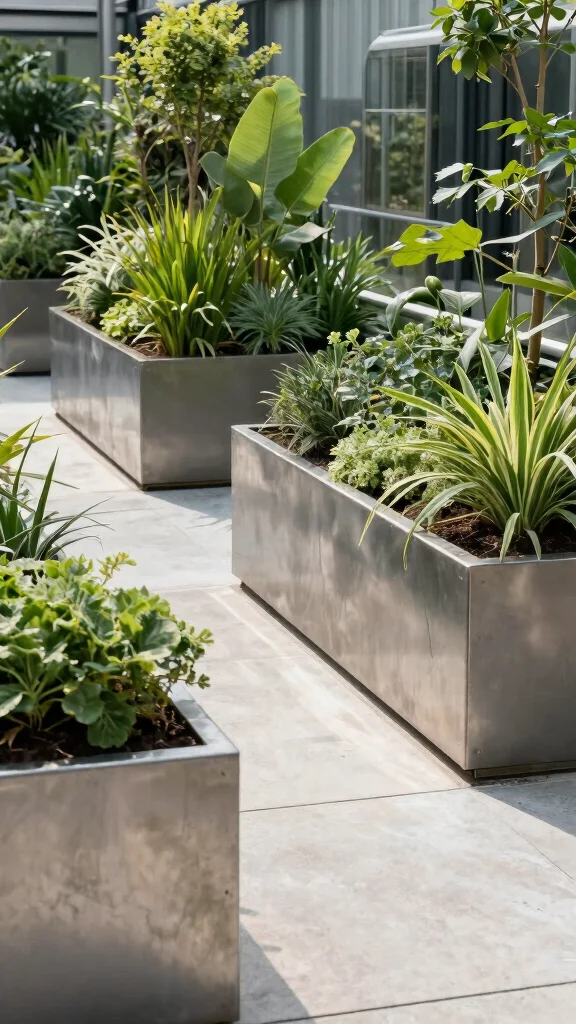
For a contemporary twist, consider a modern industrial garden that blends metal and concrete with natural elements. This style combines sleek materials with lush greenery, creating a striking contrast that captivates the eye.
Use metal planters and concrete pathways to complement vibrant foliage and colorful blooms. Incorporating geometric shapes in your layout adds an artistic touch while keeping maintenance low. Choose hardy plants that thrive in urban environments for a stylish yet practical solution.
Ideas for your modern industrial garden:
– Use metal planters, concrete benches, and gravel paths.
– Select a mix of succulents, ornamental grasses, and hardy perennials.
– Maintain with minimal watering and occasional pruning for shape.
This innovative approach creates a sophisticated garden that harmonizes with modern architecture, enhancing your outdoor living space.
19. Seasonal Color Gardens
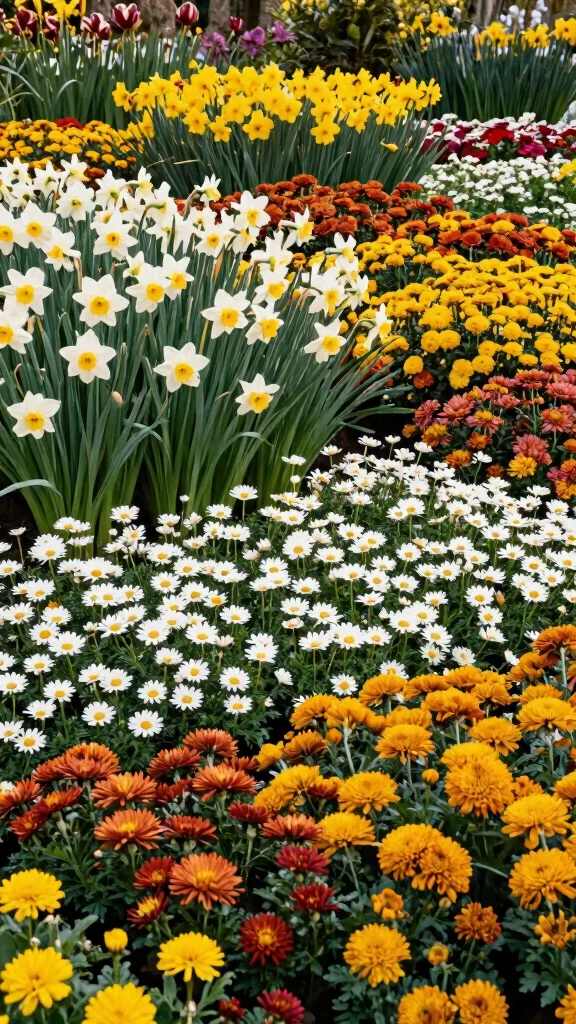
Imagine stepping into your garden and being greeted by a vibrant array of colors that change with the seasons. Seasonal color gardens are created by selecting a mix of perennials and annuals that bloom at different times, ensuring there’s always something in flower.
Group your plants by their blooming periods to create a flowing transition of colors throughout the year. For example, early spring bulbs like daffodils can lead into summer perennials like daisies and autumn blooms like chrysanthemums. This design approach keeps your garden looking fresh and vibrant with minimal effort.
Ideas for your seasonal color garden:
– Use a mix of early, mid, and late bloomers for continuous displays.
– Layer plants for visual depth and interest.
– Regularly deadhead flowers and remove spent plants as needed.
This method ensures your garden remains lively and eye-catching throughout the year, providing ongoing enjoyment.
20. Shade Garden Serenity
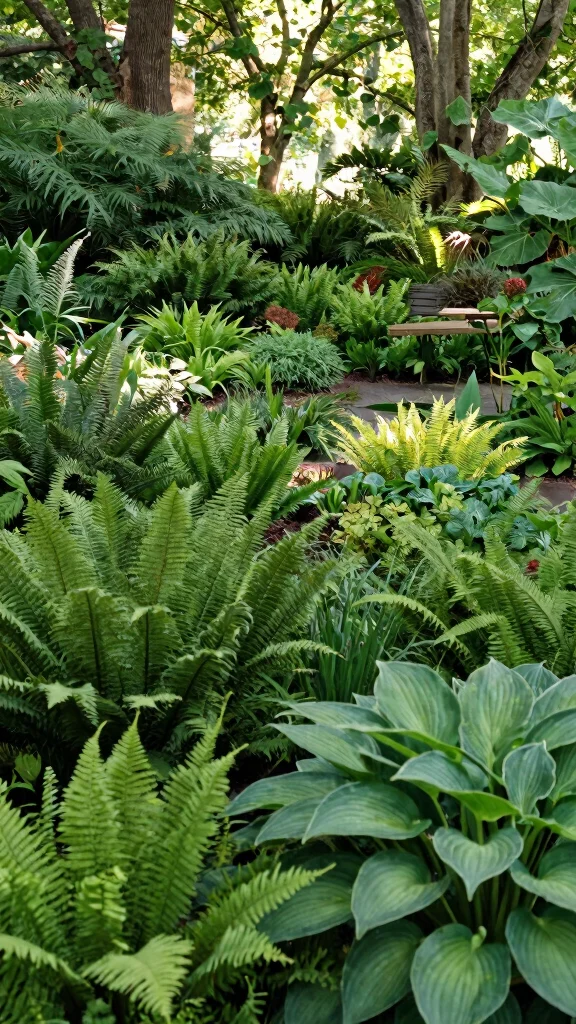
Shade gardens can be just as stunning as sunlit spaces, offering a cool retreat on hot days. This design focuses on plants that thrive in low-light conditions, making it perfect for areas shaded by trees or buildings.
Use a mix of ferns, hostas, and astilbes arranged in layered formations to create depth and texture. Incorporating stones or mulch helps retain moisture and suppress weeds, enhancing your garden’s health. A bench or small seating area can further enhance the tranquility of your space, providing a serene escape filled with lush greenery.
Considerations for your shade garden:
– Include ferns, hostas, and shade-tolerant flowers.
– Create levels with different plant heights for added interest.
– Keep the area clear of debris and check for pests occasionally.
This approach creates a calming oasis that invites relaxation and enjoyment in your shaded areas.
21. Seasonal Container Swaps
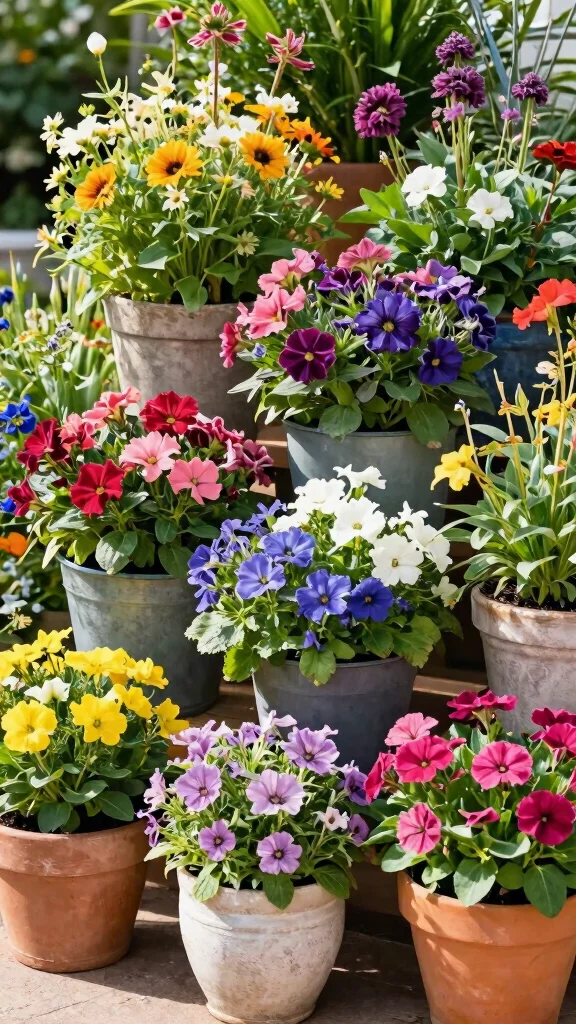
Want to keep your garden looking fresh throughout the year? Seasonal container swaps are a fun way to change your garden’s look effortlessly. By planting seasonal flowers and herbs in pots, you can easily refresh your outdoor space with each new season.
Opt for vibrant annuals in summer and hearty perennials for the fall, swapping them out as the seasons change. This flexible design allows for creativity and variety, keeping your garden dynamic and engaging. Consider using cohesive pots in color or material to maintain a unified look while changing the plants.
Tips for your seasonal swaps:
– Use terracotta, ceramic, or metallic pots for added interest.
– Mix annuals and perennials for seasonal variety.
– Regularly water and deadhead blooms to keep pots looking fresh.
This approach provides an exciting way to enjoy gardening, creating a lively atmosphere that changes with the seasons.
22. Pollinator-Friendly Gardens
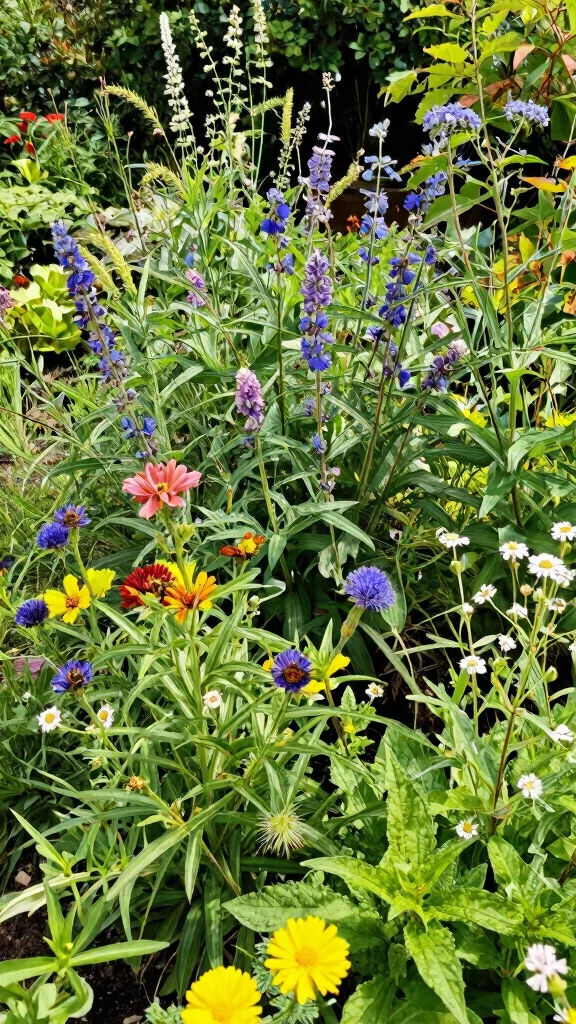
Do you want to attract beautiful pollinators while enhancing your garden’s beauty? A pollinator-friendly garden emphasizes the use of native flowering plants, providing essential food sources for bees, butterflies, and hummingbirds.
Choose a variety of blooms that flower at different times throughout the season to offer continuous support for these vital species. Incorporating diverse heights and textures creates an engaging landscape that is visually captivating. This not only benefits pollinators but also enhances the aesthetics of your garden.
Ideas for your pollinator-friendly garden:
– Opt for a mix of native wildflowers and herbs to attract pollinators.
– Include bare patches for nesting and shelter.
– Avoid chemicals that could harm pollinators.
This approach not only supports local wildlife but also creates a vibrant and lively garden, enriching your outdoor space and the ecosystem.
23. Soft and Subtle Hues
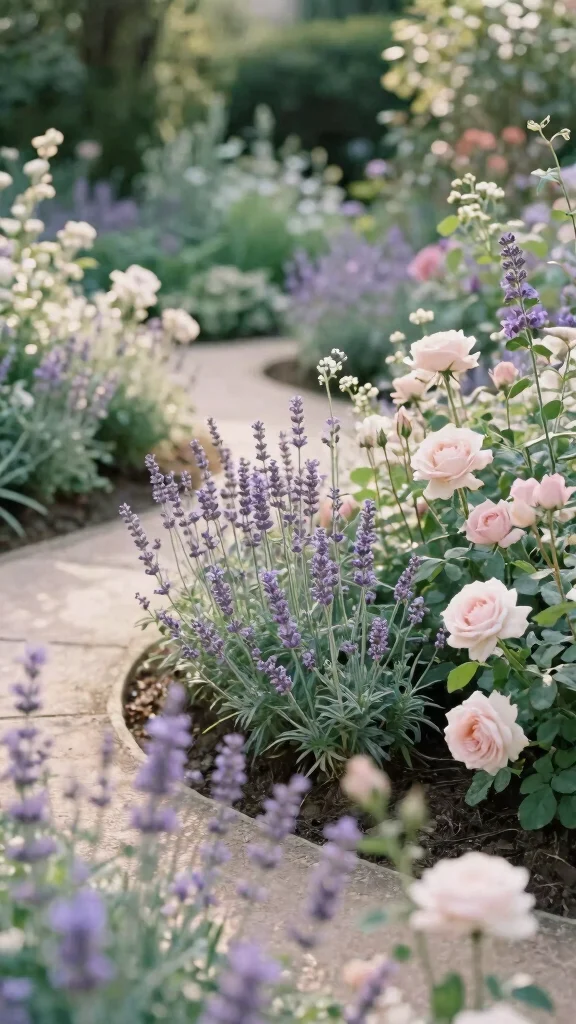
A garden showcasing soft and subtle hues creates a calming atmosphere perfect for relaxation. This design focuses on pastel colors and gentle textures, using plants like lavender, pale roses, and white hydrangeas to evoke tranquility.
By selecting plants with similar color palettes, you create a cohesive look that is both elegant and soothing. Incorporating curves in pathways and gentle shapes adds to the soft aesthetic, enhancing the overall feel of serenity.
Ideas for your soft-hued garden:
– Include pastel blooms and textured foliage for softness.
– Mix sizes and shapes for a natural appearance.
– Regular deadheading and occasional pruning keep plants healthy.
This method fosters a peaceful environment, turning your garden into a serene retreat for quiet moments.
24. Rustic Farmhouse Garden
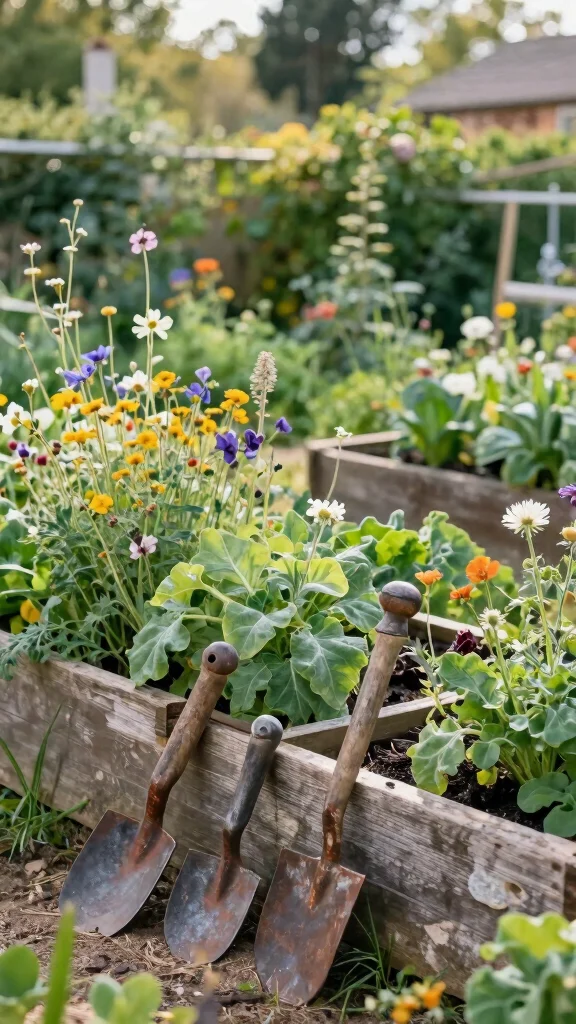
Embrace the charm of countryside living with a rustic farmhouse garden design. This style features an assortment of wildflowers, heirloom vegetables, and traditional herbs, evoking a sense of nostalgia and warmth.
Use vintage garden tools, wooden planters, and natural materials like stone and straw to create a welcoming feel. This low-maintenance approach often enhances biodiversity, contributing to a harmonious ecosystem.
Suggestions for your rustic farmhouse garden:
– Grow heirloom vegetables, traditional herbs, and wildflowers for variety.
– Incorporate rustic elements like fences or trellises for climbing plants.
– Keep maintenance low with occasional weeding and harvesting.
This approach captures the essence of rural beauty, creating a relaxing garden that connects you with nature.
25. Modern Elegance
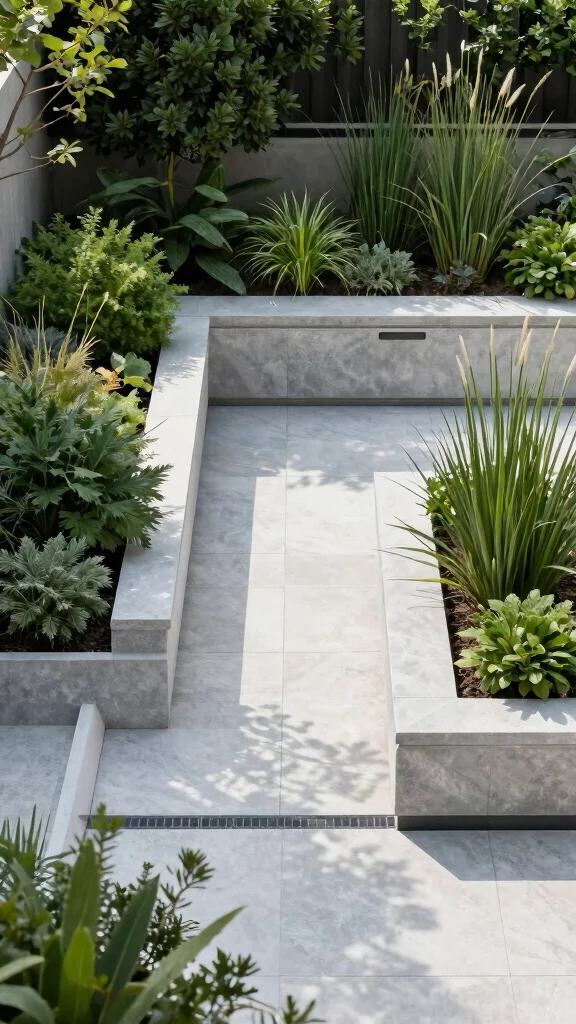
For a sleek and contemporary garden, consider a modern elegant design that emphasizes clean lines and minimalism. This style often features a limited color palette, using geometric shapes and symmetry to create a polished appearance.
Incorporate a mix of evergreen plants, ornamental grasses, and sleek stone features to complete the look. This design requires minimal maintenance, as many modern plants are hardy and drought-tolerant.
Ideas for your modern elegant garden:
– Use a mix of evergreens, succulents, and ornamental grasses.
– Keep the layout symmetrical for a clean look.
– Regular pruning and occasional watering will maintain plant health.
This approach gives your garden a sophisticated edge, enhancing your outdoor space with a touch of modernity.
Conclusion
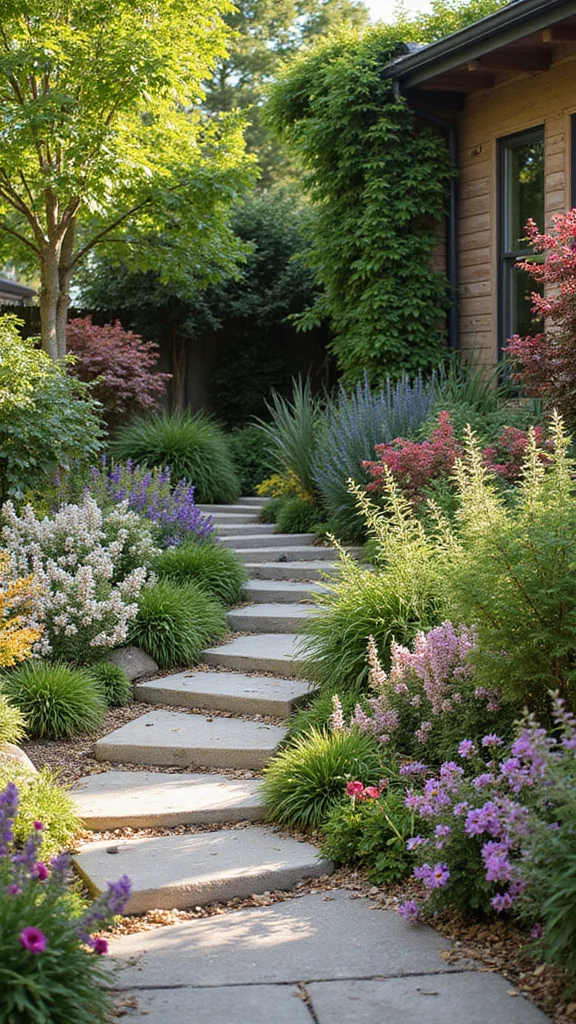
Creating a low-maintenance garden doesn’t mean sacrificing beauty or enjoyment. These designs offer a range of options that can transform any outdoor space into a stunning oasis with minimal effort.
By choosing the right plants and incorporating thoughtful design elements, you can cultivate a garden that not only captivates but also provides joy for years to come. Embrace the simplicity and beauty of low-maintenance gardening, and start planning your tranquil retreat today!
Frequently Asked Questions
What makes a front yard garden design simple, beautiful, and low-maintenance?
Creating a front yard garden design that’s simple, beautiful, and low-maintenance starts with a clear plan.
Choose native, drought-tolerant perennials and limit your color palette to 3–5 harmonious shades to keep maintenance manageable.
Use durable hardscaping and a light layer of mulch to suppress weeds, and install a drip irrigation system for efficient watering.
Then commit to a simple routine: quick pruning after bloom, regular weeding, and annual re-mulching to keep everything tidy.
Which plants and shrubs are best for a low-maintenance garden that still looks stunning in the front yard?
Look for low-maintenance plants that handle your climate, such as native grasses, evergreen shrubs, and drought-tolerant perennials.
Plant in cohesive drifts rather than singles to create impact with less care. Group by sun exposure and water needs, mulch generously, and set up a simple watering plan (drip or a soaker hose) to minimize daily chores.
Choose a few complementary textures and colors to keep the front yard garden design cohesive and beautiful without overwhelming upkeep.
How can I plan a low-maintenance front yard so it stays neat with minimal effort year-round?
Start with zoning: sun-loving, shade-tolerant, and evergreen elements create year-round structure that requires little work.
Pick a simple plant palette, a small number of hardscape materials, and a defined mowing/hedging schedule. Install mulch to a 2–3 inch depth to cut weeds and moisture loss, and include a drip irrigation timer to cut watering tasks.
Maintain with two quick seasonal tasks: prune after flowering and refresh mulch once a year. Your front yard garden design will stay neat with less effort.
What are practical steps to schedule and manage watering, mulching, and weeding for a simple, beautiful front yard design?
Create a simple maintenance calendar: weekly quick checks for irrigation leaks, monthly weeding, and seasonal mulching.
Start with a smart irrigation plan: install a programmable timer and a drip network to reduce water waste.
Mulch to a 2–3 inch depth and replenish annually, and keep weeding minimal with a light hand-weeding every month. This keeps your simple, beautiful front yard design low-maintenance.
Can I achieve a front yard design that is wildlife-friendly and drought-tolerant without sacrificing aesthetics?
Absolutely. Native, nectar-rich plants attract pollinators while staying drought-tolerant, and shrubs or grasses provide year-round cover.
Use mulch and proper spacing to reduce water needs, and group plants with similar water requirements for easy care.
Incorporate a mix of textures and seasonal blooms to keep the yard looking intentional and beautiful throughout the year. A thoughtful combination of natives and smart maintenance gives you a curb that supports wildlife and stays easy to care for.