
As the warmer months approach, many of us start dreaming about our outdoor spaces. The thought of lush greenery, vibrant colors, and serene corners can get anyone excited about gardening. I created this post because I want to help you transform your outdoor areas into stunning gardens that reflect modern aesthetics. Garden design has evolved tremendously, and the trends we’ll explore will inspire you to rethink how you engage with your backyard or balcony.
This guide is for anyone who loves home decor, appreciates nature, or simply wants to create a beautiful outdoor retreat. Whether you’re a seasoned gardener or just starting out, you’ll find ideas that resonate with you. From tiered gardens that maximize your planting space to cozy nooks perfect for summer evenings, this list brings together 20 trends that can redefine your outdoor living experience.
Get ready to discover practical tips and stylish ideas that can elevate your garden game. You’ll learn how to create seamless indoor-outdoor transitions, incorporate edible gardens, and embrace minimalist designs, among many other exciting trends. With these insights, you can craft a garden that not only looks good but also feels like an extension of your home.
Key Takeaways
– Tiered Gardens: Elevate your planting game with tiered designs that maximize space and create visual interest.
– Indoor-Outdoor Flow: Enhance your home’s aesthetic by blending indoor and outdoor spaces for a seamless transition.
– Edible Gardens: Discover the joy of growing your own food, making your garden both beautiful and functional.
– Sustainable Practices: Learn how to adopt eco-friendly gardening techniques that benefit the environment and your garden.
– Outdoor Living Rooms: Create inviting outdoor spaces with comfortable seating and stylish decor, perfect for relaxation or entertaining.
Contents
- 1. Tiered Gardens: Elevating Your Plant Game
- 2. Indoor-Outdoor Flow: Seamless Transitions
- 3. Edible Gardens: Grow Your Own Food
- 4. Minimalist Design: Less is More
- 5. Vertical Gardens: Growing Upwards
- 6. Natural Stone Pathways: Earthy Elegance
- 7. Sustainable Gardening: Eco-Friendly Practices
- 8. Smart Gardening: Leveraging Technology
- 9. Decorative Planters: Adding Style
- 10. Textured Gardens: A Feast for the Senses
- 11. Outdoor Living Rooms: Comfort Under the Sky
- 12. Feng Shui Gardens: Harmonizing Energy
- 13. Colorful Garden Shrubs: A Burst of Color
- 14. Fire Pits: Cozy Outdoor Gatherings
- 15. Garden Art: Personal Expression
- 16. Garden Zones: Define Your Space
- 17. Garden Lighting: Illuminate Your Space
- 18. Water Features: Tranquility and Beauty
- 19. Wildflower Gardens: Embracing Nature
- 20. Cozy Nooks: Intimate Spaces
1. Tiered Gardens: Elevating Your Plant Game
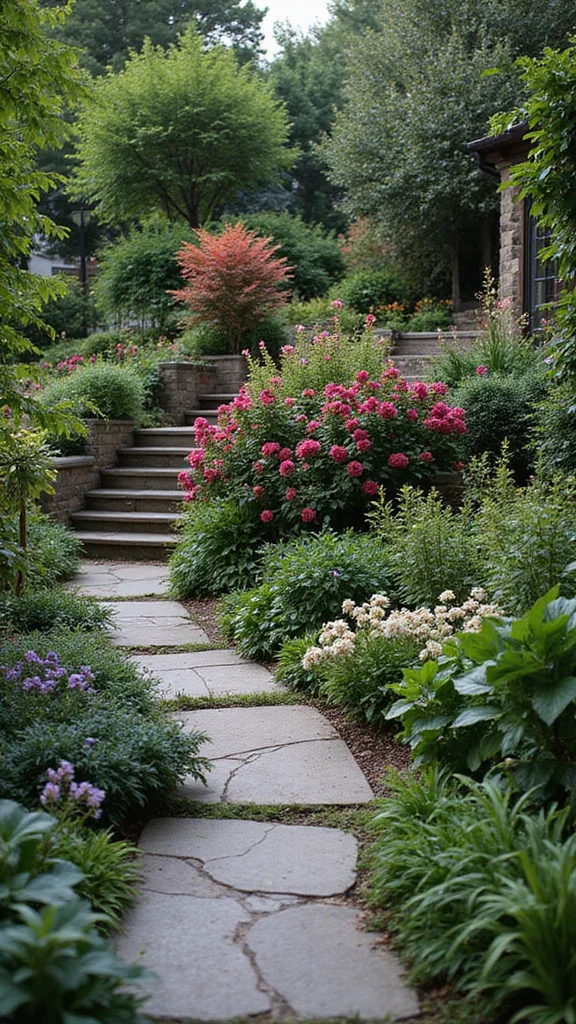
Tiered gardens exemplify modern gardening trends by introducing both depth and visual appeal to your outdoor area. By arranging plants at varying heights, these gardens not only maximize your growing space but also create a captivating view filled with herbs, flowers, and vegetables. Imagine a delightful cascade of greenery that invites you to explore its beauty.
To make the most of a tiered garden, consider using raised beds or retaining walls to define each level. Incorporate a variety of plant species to create a colorful tapestry, and add pathways for easy access and maintenance. This design not only enhances aesthetics but also fits into the larger trend of natural gardening.
Consider these practical tips for your tiered garden:
– Pair vibrant flowers with lush herbs for a colorful display.
– Install raised beds using reclaimed wood or stone for eco-friendliness.
– Use stepping stones to create easy access between tiers.
Designing a tiered garden allows you to blend color, height, and texture effortlessly. The interplay of materials and plants enriches your outdoor space, creating an inviting and dynamic environment.
2. Indoor-Outdoor Flow: Seamless Transitions
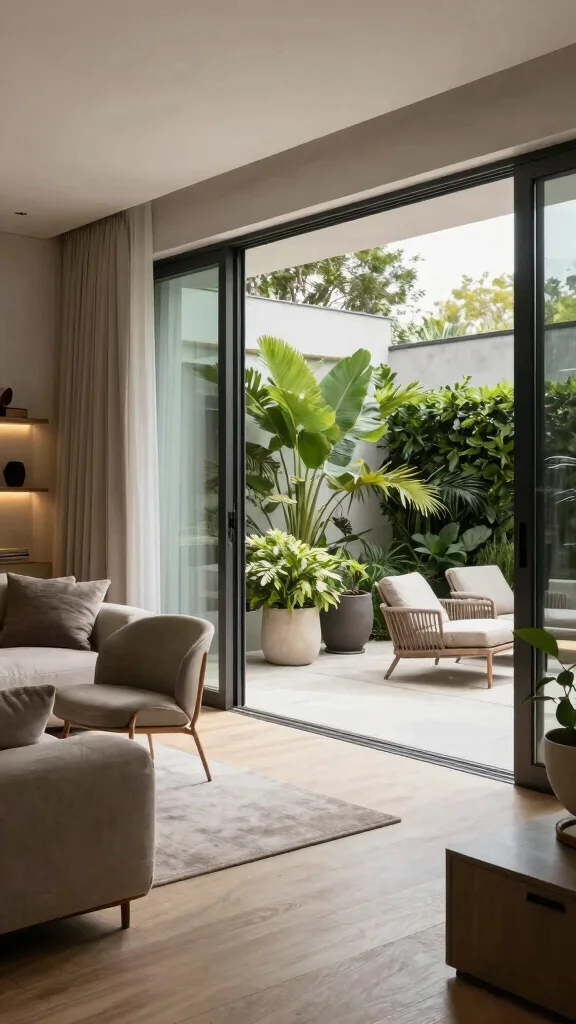
The indoor-outdoor flow is a captivating trend that seamlessly integrates your living areas with the beauty of the outdoors. This design principle promotes spaciousness, allowing natural light and fresh air to fill your home while creating a harmonious connection with your garden.
To achieve this inviting look, consider using large sliding glass doors that open to your patio. Consistent flooring materials between indoor and outdoor spaces create a fluid transition, enhancing the overall design. Incorporating lush planters or vibrant flowers near entrances further enhances the welcoming atmosphere.
Explore these ideas to enhance your indoor-outdoor flow:
– Incorporate large glass doors to create an inviting entry point.
– Use similar flooring for a cohesive aesthetic throughout.
– Match your outdoor furniture with indoor decor for seamless harmony.
With thoughtful design, your home can become a sanctuary that celebrates both indoor comfort and outdoor beauty, allowing you to enjoy nature year-round.
3. Edible Gardens: Grow Your Own Food
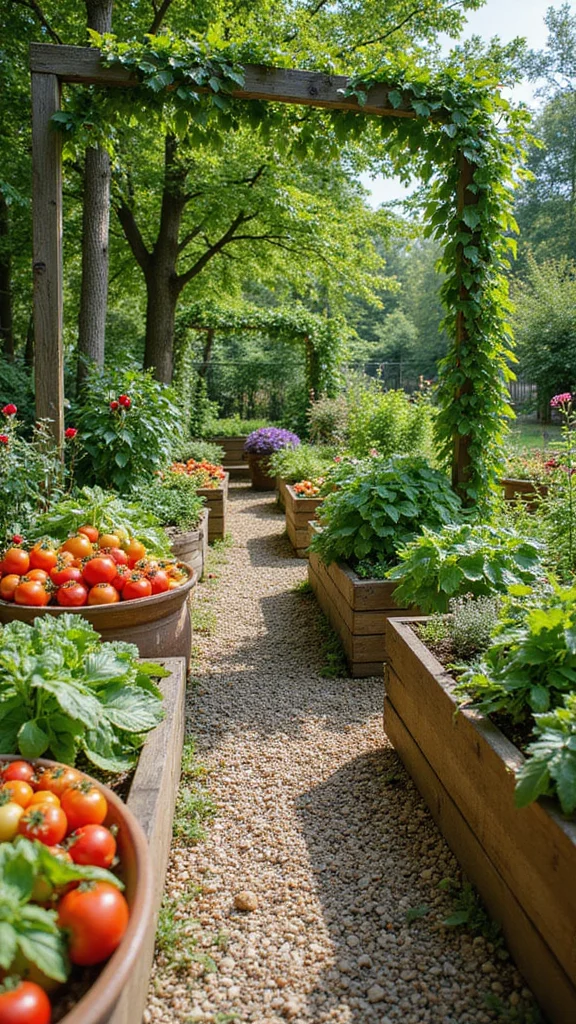
Edible gardens are gaining popularity as more people embrace sustainable living and the joys of growing their own food. This trend allows you to cultivate everything from herbs to vegetables, providing a rewarding and fulfilling gardening experience.
Starting your own edible garden can be as simple as using raised beds or containers if you’re short on space. Opt for vertical gardening techniques to enhance your yields and aesthetics. Choose plants that suit your climate, ranging from easy-to-grow herbs to more complex vegetables like tomatoes.
Here are some tips to create a thriving edible garden:
– Plan companion planting to enhance growth and deter pests.
– Use organic compost to nourish your soil naturally.
– Regularly inspect for pests to maintain healthy plants.
As your edible garden flourishes, you’ll enjoy the satisfaction of fresh produce right from your backyard, creating a deeper connection to the earth and your food.
4. Minimalist Design: Less is More
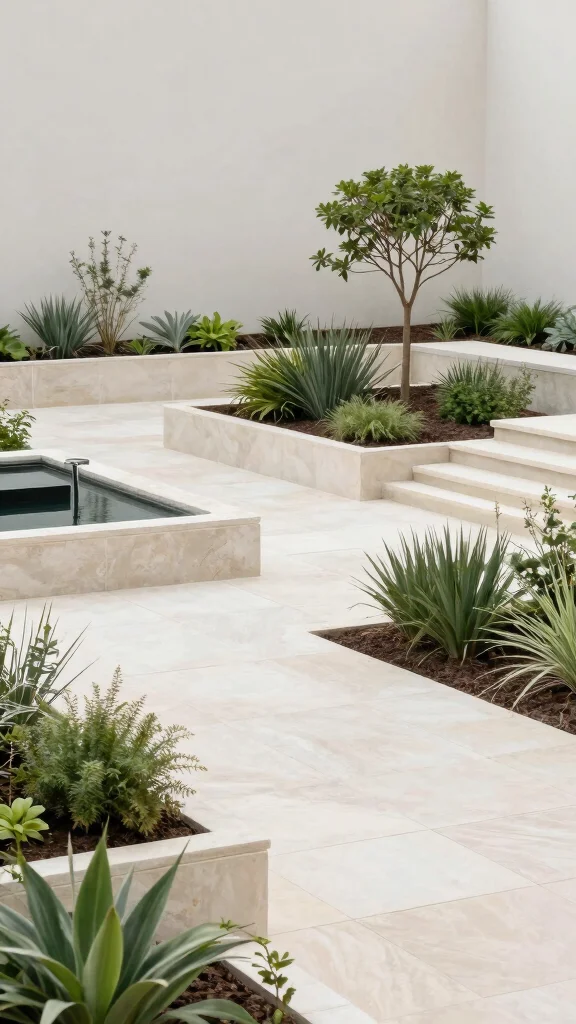
Adopting a minimalist garden design centers on simplicity, allowing nature to shine without distractions. This trend emphasizes clean lines, a limited color palette, and a curated selection of plants, creating a serene outdoor environment.
To create a minimalist garden, start with a straightforward layout. Choose a few striking plants that offer interesting shapes or textures, keeping clutter to a minimum. Large planters can add elegance while maintaining a clean appearance.
Consider these essential elements for minimalist gardening:
– Use geometric shapes for pathways and garden beds.
– Select a few focal plants or sculptures to draw attention.
– Stick to a neutral color palette for calming effects.
A minimalist garden fosters tranquility and highlights the natural beauty of your surroundings, making it a perfect retreat from the hectic pace of life.
5. Vertical Gardens: Growing Upwards
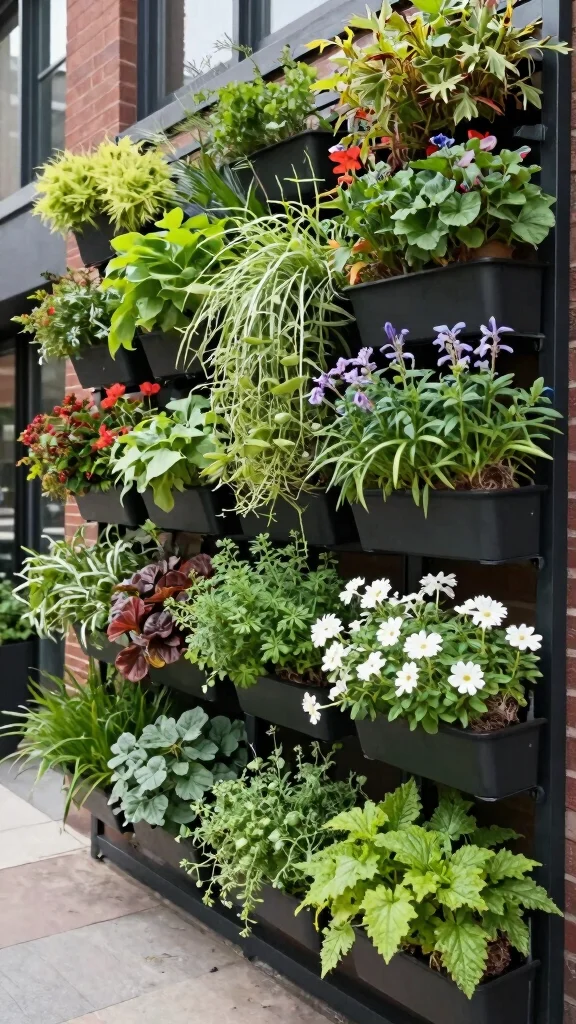
Vertical gardening is a brilliant approach to maximize limited spaces, especially in urban settings. This trend focuses on growing plants upwards, utilizing structures like wall planters and trellises to create stunning green displays.
To start your vertical garden, select the right structure to suit your needs and space. Mix various plants, including herbs, flowers, and even vegetables, to create a lush, vertical oasis. Ensure that the plants you choose have similar light and water needs for optimal growth.
Here are some tips for successful vertical gardening:
– Use sturdy materials to support plant weight effectively.
– Ensure proper drainage to prevent water buildup.
– Incorporate a drip irrigation system for low-maintenance care.
Creating a vertical garden not only beautifies your space but also allows for innovative design opportunities, making it a fantastic choice for urban gardeners.
6. Natural Stone Pathways: Earthy Elegance
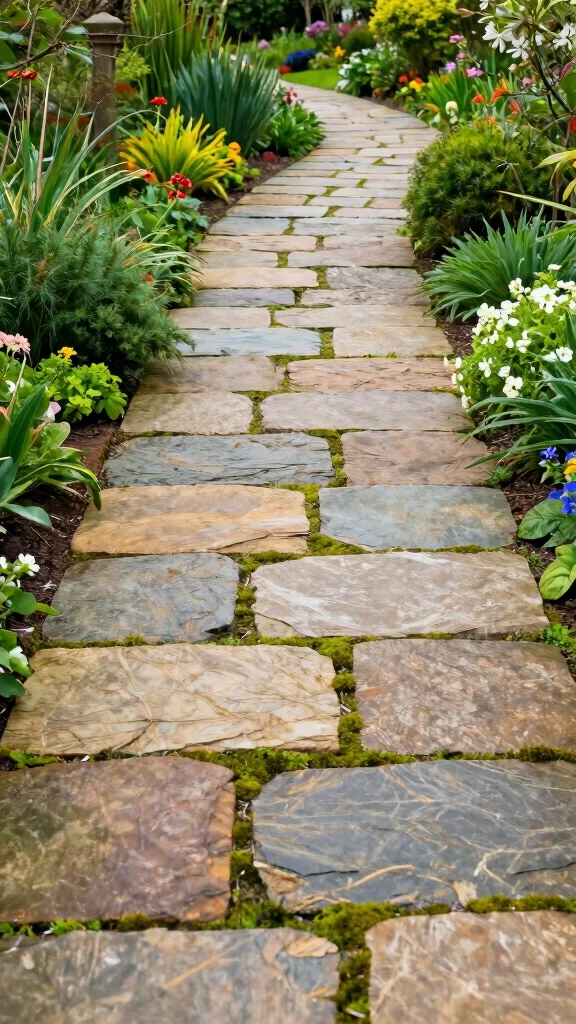
Natural stone pathways are a classic choice that adds timeless elegance to your garden. These pathways create durable routes through your outdoor space, encouraging exploration while blending beautifully with nature.
When designing stone pathways, think about the layout. Curved paths can create a whimsical atmosphere, while straight lines lend a modern look. Fill gaps between stones with moss or gravel to enhance texture and visual interest.
Consider these tips for creating stunning stone pathways:
– Choose larger stones for stability and impact.
– Maintain consistent spacing for a neat appearance.
– Incorporate lighting along the path to enhance safety and ambiance.
Natural stone pathways not only enhance functionality but also act as a canvas for your plant selections, enriching the overall garden experience.
7. Sustainable Gardening: Eco-Friendly Practices
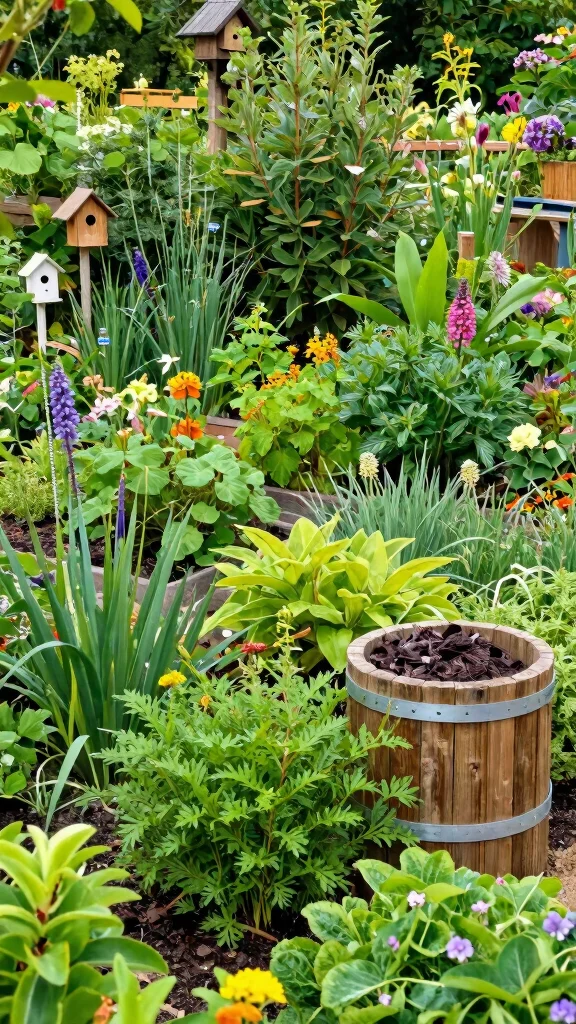
Sustainable gardening focuses on eco-friendly practices that promote health, biodiversity, and conservation. This growing trend is ideal for those looking to create beautiful spaces while respecting the environment.
To build a sustainable garden, start by selecting native plants that thrive in your area. Implement organic practices, such as composting, to enrich your soil naturally. Encourage biodiversity by adding features like birdhouses and insect hotels to support local wildlife.
Explore these key elements of sustainable gardening:
– Choose native plants to support local ecosystems.
– Implement companion planting to reduce pests naturally.
– Incorporate water-saving techniques like rain gardens.
By embracing sustainable gardening, you can create a vibrant outdoor space that benefits both you and the planet, promoting a healthier environment for all.
8. Smart Gardening: Leveraging Technology
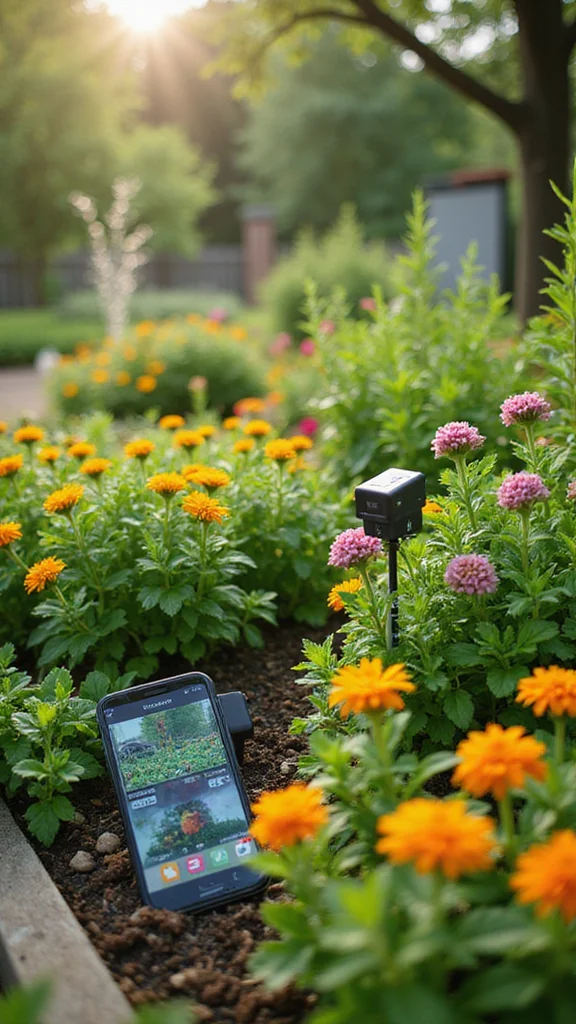
In the digital age, smart gardening is becoming increasingly popular, making garden maintenance easier and more efficient. This trend utilizes technology, including apps and sensors, to help you care for your plants effectively.
To embrace smart gardening, consider investing in moisture sensors or smart irrigation systems. These tools can help automate tasks like watering and plant care, allowing you to enjoy a lush garden without constant attention.
Here are some tips for implementing smart gardening:
– Choose a smart irrigation system that adapts to weather changes.
– Use plant health apps to monitor growth and care needs.
– Incorporate smart lighting for indoor plants to simulate natural sunlight.
With smart gardening, you can enjoy a thriving garden while minimizing the time and effort needed for maintenance, allowing technology to support your green thumb.
9. Decorative Planters: Adding Style
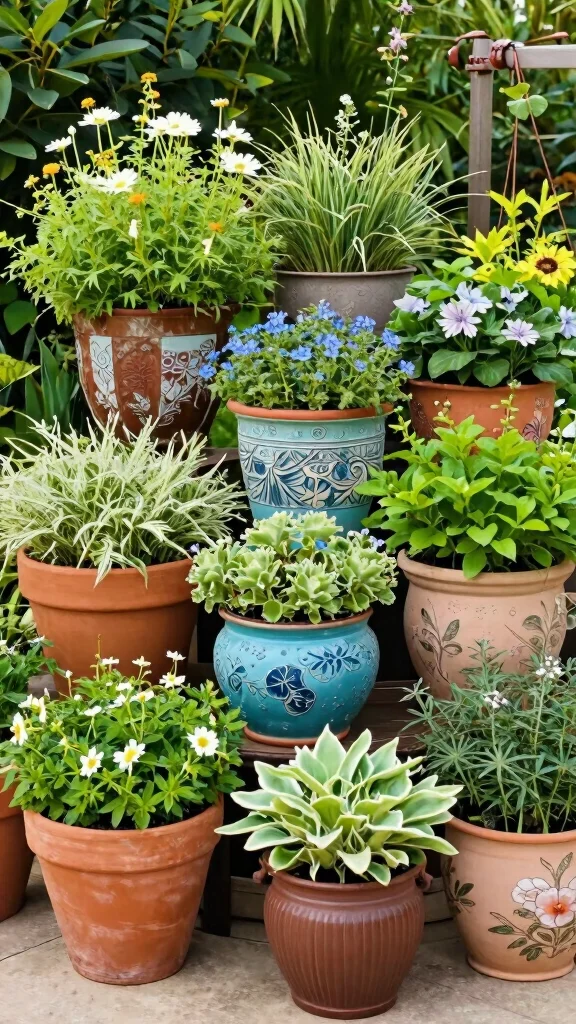
Decorative planters are an excellent way to enhance your garden’s aesthetic without extensive landscaping. These planters come in various shapes, colors, and materials, allowing you to express your style while housing your plants.
When selecting decorative planters, consider the needs of the plants alongside the design. For instance, terracotta pots are great for drainage with herbs, while sleek ceramic pots add a modern touch for succulents.
Here are some tips for choosing decorative planters:
– Match planter colors with your garden’s palette for cohesion.
– Utilize varying heights for dynamic planting arrangements.
– Incorporate self-watering planters for low-maintenance care.
Decorative planters not only provide functionality but also allow you to showcase your personality in your outdoor space, elevating the overall experience of your garden.
10. Textured Gardens: A Feast for the Senses
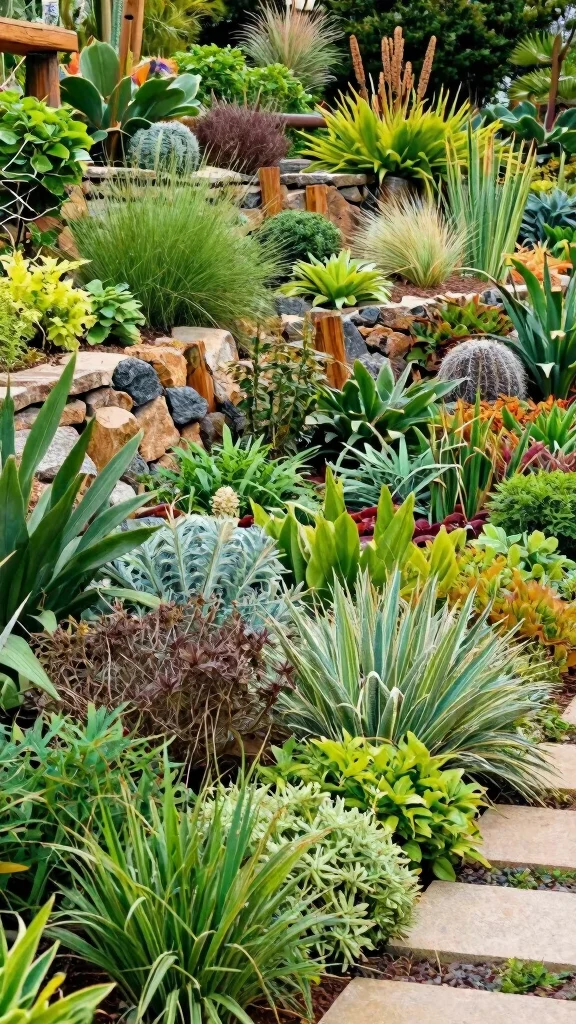
Textured gardens offer a rich sensory experience by combining diverse plant materials and decorative elements. This trend focuses on adding variety and dimension, making your garden a delightful feast for the senses.
To create a textured garden, mix plants with different leaf sizes, shapes, and colors. Incorporate hardscapes like stone walls or gravel pathways to break up greenery and add contrast.
Consider these tips for enhancing texture in your garden:
– Layer plants with varying heights for depth.
– Select plants with diverse foliage types, like succulents and ferns.
– Use ornamental grasses to introduce movement and softness.
As you design your textured garden, keep in mind the harmony of colors and shapes, creating a captivating outdoor experience that engages all your senses.
11. Outdoor Living Rooms: Comfort Under the Sky
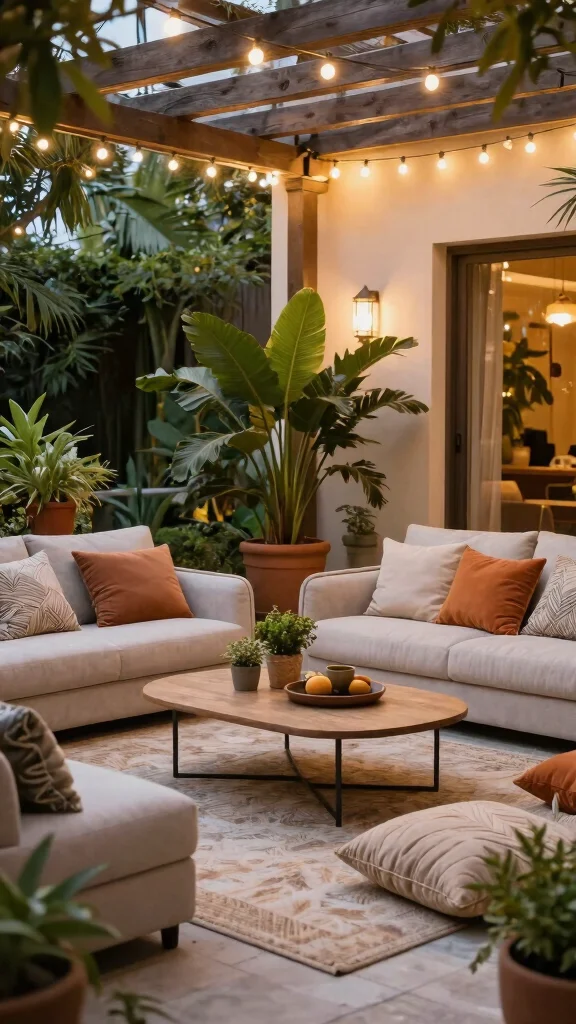
Transforming your garden into an outdoor living room emphasizes comfort and style in outdoor spaces. This trend combines cozy furniture with thoughtful amenities, creating a welcoming area that feels like an extension of your home.
To design your outdoor living room, choose durable, weather-resistant furniture that complements your style. Consider adding a coffee table or ottoman for functionality, making it perfect for entertaining guests.
Explore these tips for creating an inviting outdoor living room:
– Define spaces with rugs to enhance comfort and style.
– Incorporate greenery with potted plants for a lively atmosphere.
– Arrange seating to promote conversation and relaxation.
With a well-designed outdoor living room, you can enjoy the beauty of nature without sacrificing comfort, making it an ideal spot for unwinding or socializing.
12. Feng Shui Gardens: Harmonizing Energy
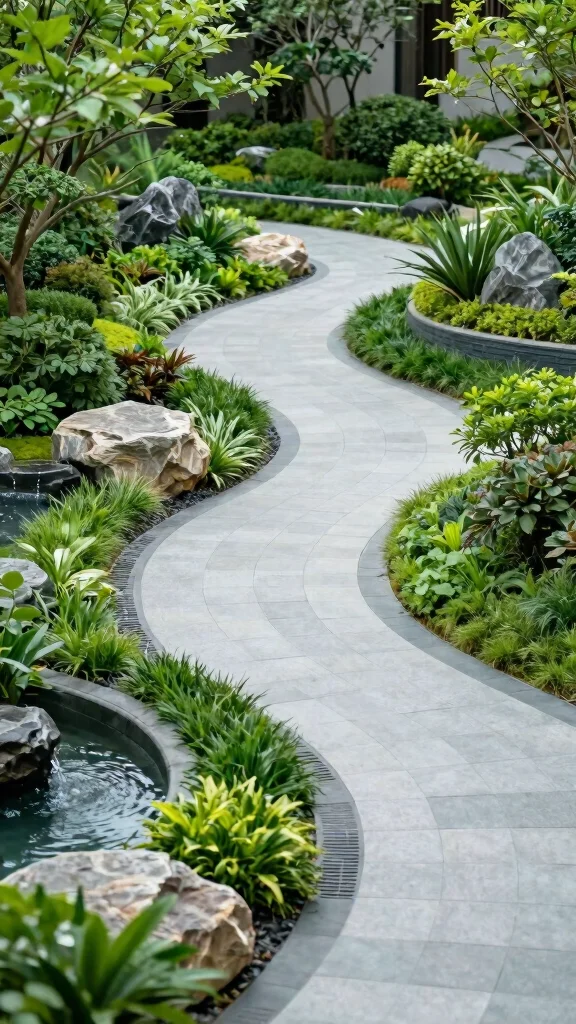
Feng Shui gardens incorporate principles of balance and harmony, creating spaces that promote positive energy. This trend emphasizes careful placement, material selection, and plant choices to cultivate a nurturing environment.
To create a Feng Shui garden, start with a layout that encourages flow and circulation. Include elements like water features or reflective pools to enhance the energy of the space, and choose plants that symbolize growth and vitality.
Here are some tips for integrating Feng Shui principles:
– Use rounded paths to promote gentle energy flow.
– Position seating areas to face entrances or lovely views.
– Keep the garden tidy to maintain a sense of peace.
By applying these principles, a Feng Shui garden can become a serene retreat, fostering tranquility and harmony for all who visit.
13. Colorful Garden Shrubs: A Burst of Color
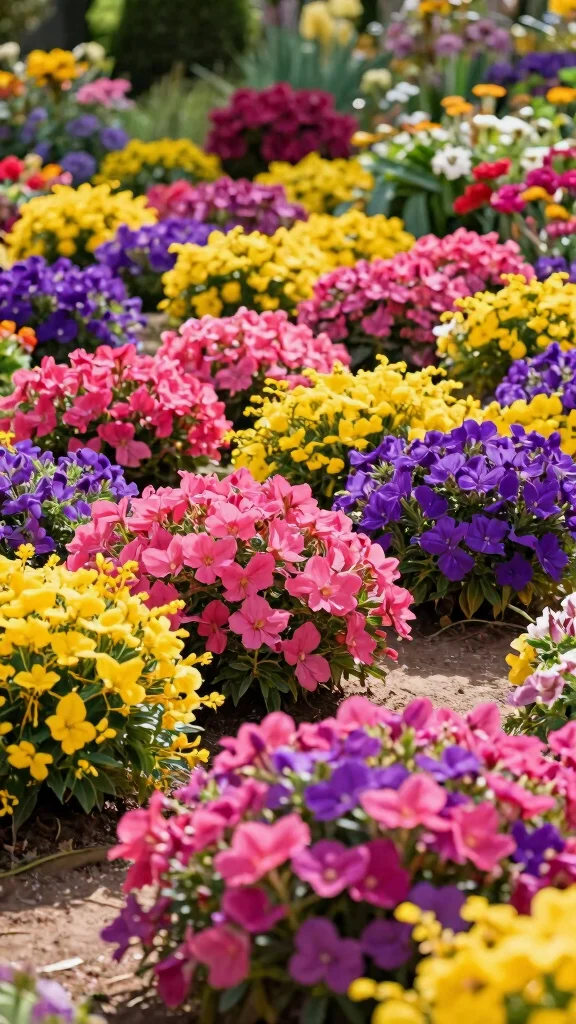
Incorporating colorful shrubs into your garden can create instant focal points and add vibrancy to your outdoor space. These versatile plants offer texture, shape, and a rich spectrum of colors, enhancing the overall aesthetic.
When selecting colorful shrubs, pay attention to their seasonal blooms. For example, azaleas and rhododendrons provide stunning spring flowers, while Japanese maples add vibrant autumn foliage.
Consider these tips for integrating colorful shrubs into your garden:
– Mix heights and varieties for a layered effect.
– Position flowering shrubs near pathways to create welcoming visuals.
– Combine with perennials for a dynamic and lively landscape.
Colorful shrubs can add depth and interest to your garden, making them an excellent choice for enhancing your outdoor space effortlessly.
14. Fire Pits: Cozy Outdoor Gatherings
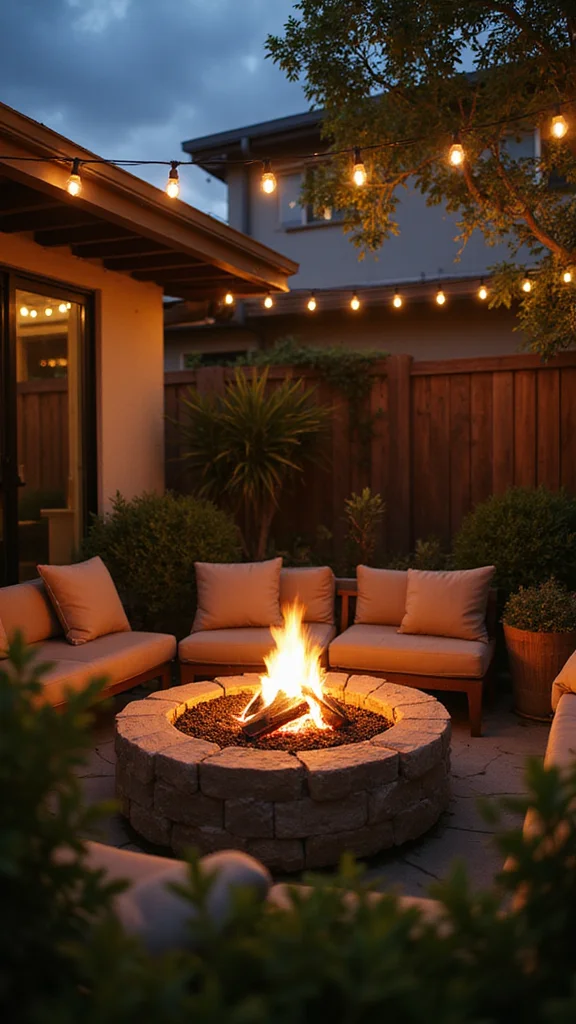
Fire pits have become essential elements in modern gardens, creating inviting spaces for socializing and relaxation. This trend emphasizes warmth and connection, perfect for enjoying evenings outdoors with family and friends.
When choosing a fire pit, consider its size, style, and materials to ensure it complements your garden aesthetic. Whether opting for a built-in stone structure or a portable fire pit, prioritize safety and local regulations.
Explore these tips for designing around a fire pit:
– Arrange seating in a circular layout to foster conversation.
– Use soft lighting to create a cozy, inviting atmosphere.
– Keep flammable materials safely distanced.
A fire pit transforms your garden into a welcoming retreat, enhancing your outdoor living experience and creating lasting memories with loved ones.
15. Garden Art: Personal Expression
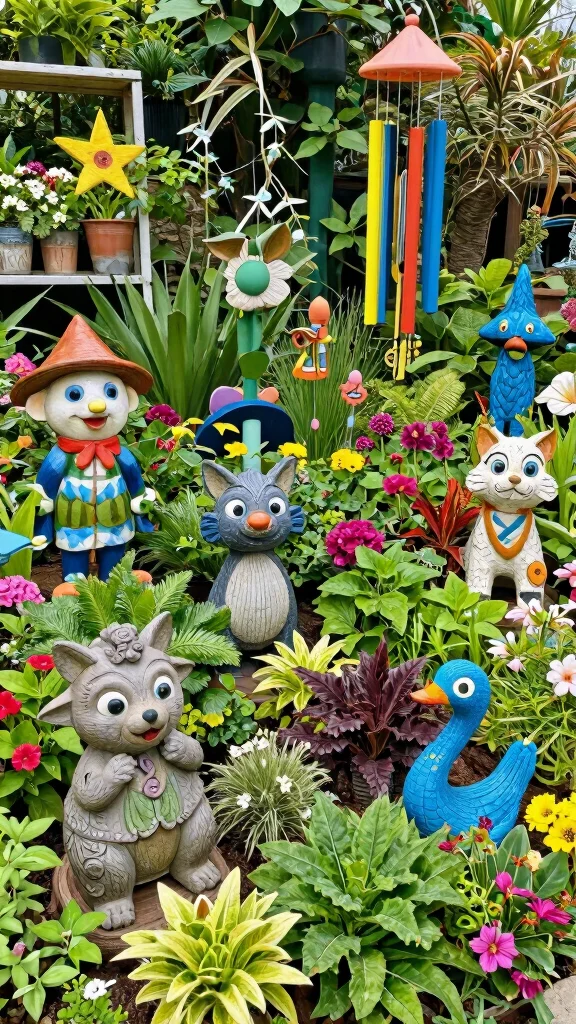
Incorporating garden art is a delightful way to showcase your personality and elevate your outdoor aesthetic. From sculptures to murals, these creative elements can add whimsy or sophistication to your garden space.
When selecting garden art, think about how pieces will complement your landscape. Highlight specific areas by placing a sculpture near seating or hanging colorful wind chimes along pathways.
Here are some tips for choosing garden art:
– Opt for weather-resistant materials for durability.
– Coordinate colors and themes with your plants for a cohesive design.
– Curate a collection that tells a story or reflects your interests.
With the right garden art, you can create a vibrant and dynamic atmosphere that resonates with your personal style.
16. Garden Zones: Define Your Space
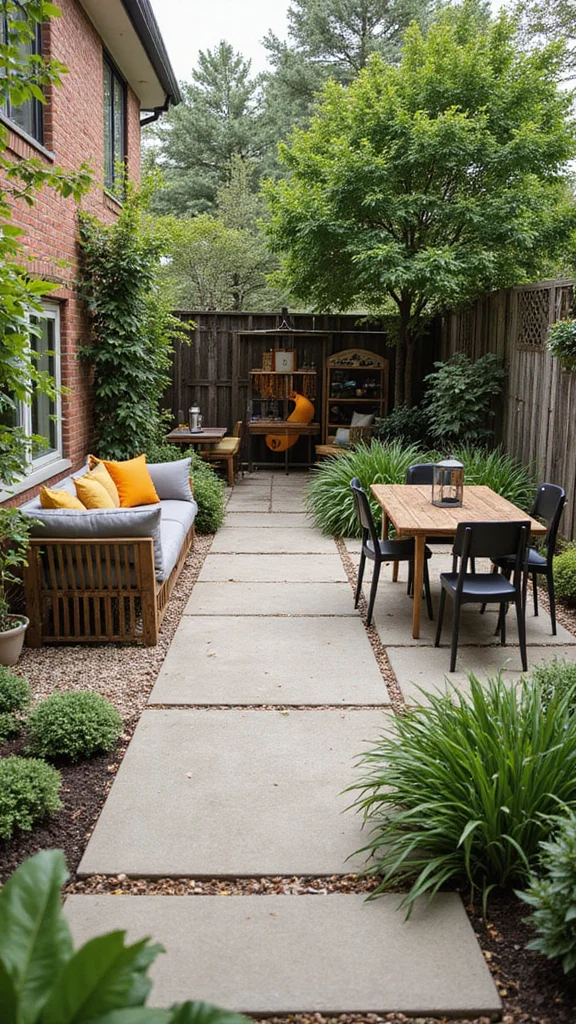
Creating distinct zones within your garden is a growing trend that allows for diverse experiences and activities. This approach organizes your space while providing areas dedicated to relaxation, dining, gardening, or play.
When designing garden zones, consider your favorite activities. Designate a seating area for relaxation, a dining space for entertaining, and a play area for children or pets. Use pathways or planting to delineate these spaces.
Check out these tips for creating effective garden zones:
– Use varying materials or colors for pathways to visually separate areas.
– Incorporate features like trellises or hedges for added privacy.
– Ensure the layout promotes a natural flow between zones.
Defining garden zones allows you to enjoy a multifaceted outdoor space, creating an environment that caters to various needs and activities.
17. Garden Lighting: Illuminate Your Space
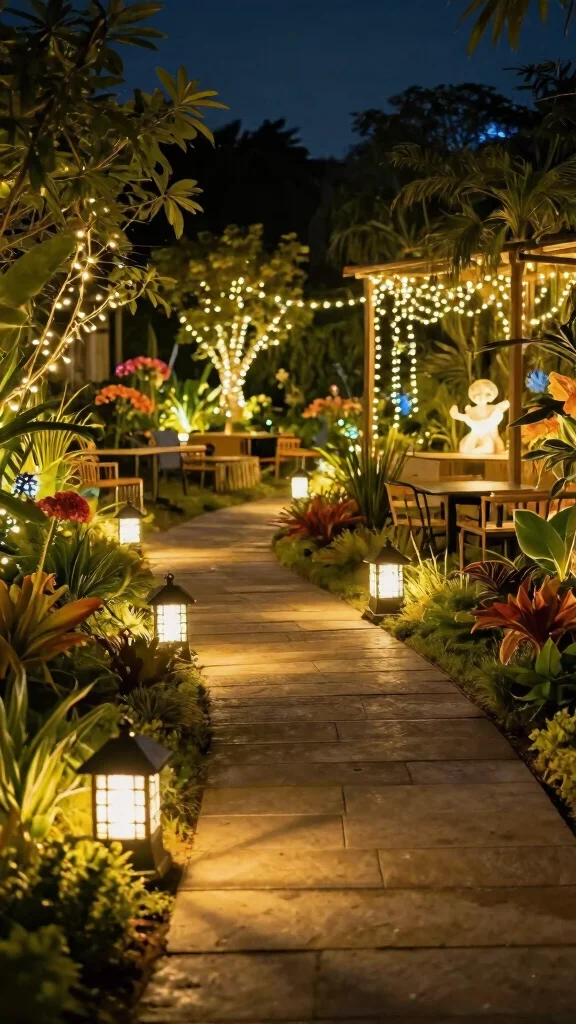
Garden lighting is essential for enhancing outdoor aesthetics, transforming your garden into a magical space at night. This trend highlights the importance of strategically placed lights to showcase features, create ambiance, and ensure safety.
To implement effective garden lighting, consider various types such as string lights, solar lanterns, or spotlights. A mix of lighting styles can create depth and interest throughout your garden.
Explore these tips for effective garden lighting:
– Focus on pathways, seating areas, and focal points for optimal results.
– Use dimmers or timers for adjustable brightness and energy efficiency.
– Think about bulb color temperature; warmer tones create a cozier feel.
With well-planned garden lighting, your outdoor space can become a delightful retreat at night, inviting you to enjoy the beauty and tranquility long after sunset.
18. Water Features: Tranquility and Beauty
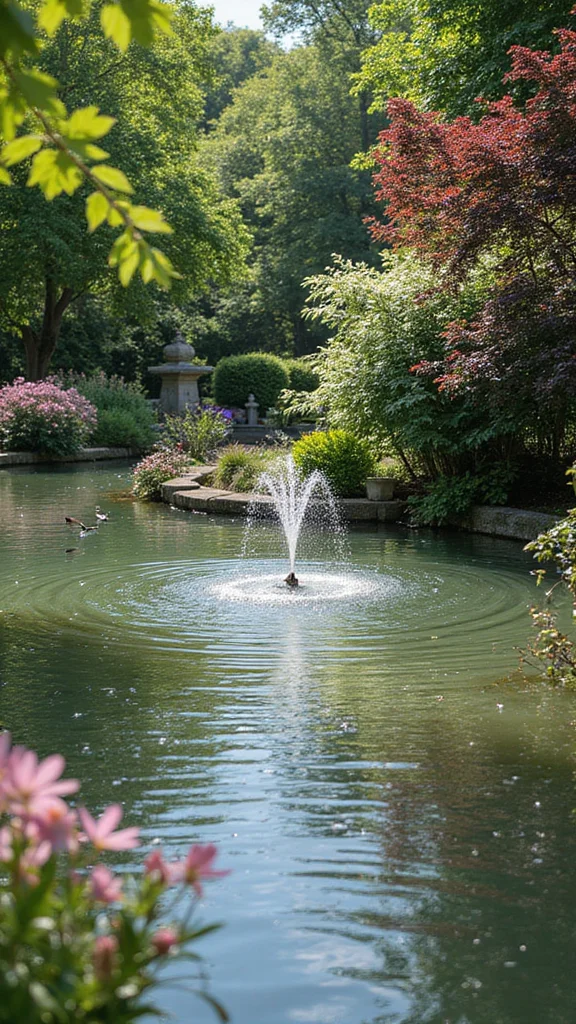
Integrating water features into your garden elevates its aesthetic while providing a sense of tranquility. From small fountains to larger ponds, these elements create soothing backdrops that attract wildlife.
When adding a water feature, consider its size and style to match your garden’s overall aesthetic. Small fountains can fit charmingly in compact spaces, while ponds offer expansive design opportunities.
Here are some tips for incorporating water features:
– Ensure proper maintenance for clean, clear water.
– Consider plant placement around the feature to enhance its appeal.
– Use native plants to create a natural look in and around the water.
Water features not only beautify your garden but also foster an inviting atmosphere, encouraging relaxation and connection with nature.
19. Wildflower Gardens: Embracing Nature
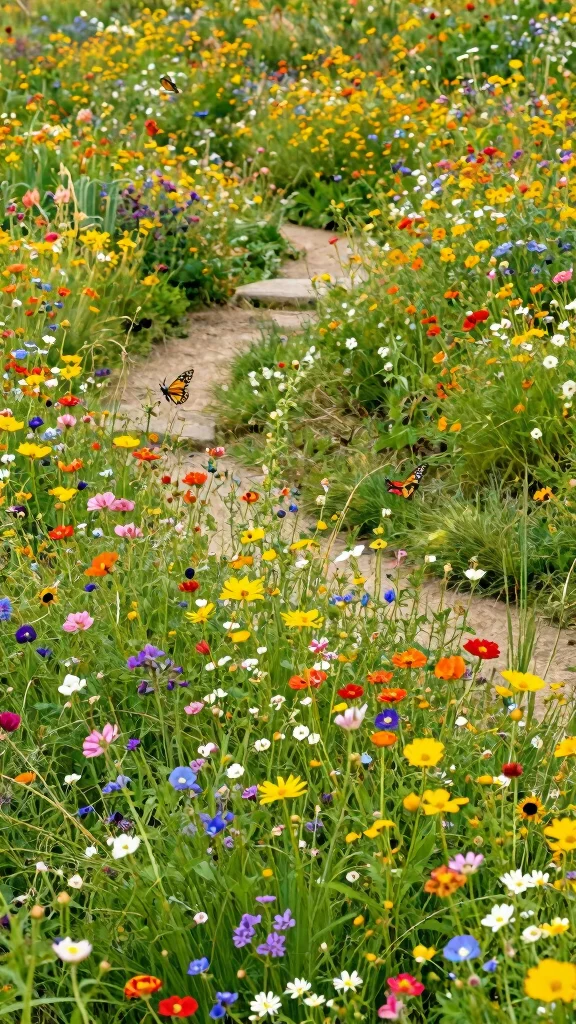
Wildflower gardens celebrate natural beauty and biodiversity, creating vibrant, low-maintenance landscapes that attract pollinators and wildlife. This trend emphasizes native plants and a more organic approach, moving away from traditional lawns.
To create a wildflower garden, select native species that thrive in your area. Use a mix of annuals and perennials to maximize bloom time and allow for natural growth for a more relaxed look.
Consider these tips for wildflower gardening:
– Prepare the soil and choose a sunny location for best results.
– Avoid pesticides to maintain a healthy ecosystem.
– Include pathways or benches to encourage enjoyment of the space.
By embracing wildflowers, you enhance your garden’s beauty and contribute to environmental sustainability, supporting local wildlife while enjoying a colorful outdoor space.
20. Cozy Nooks: Intimate Spaces
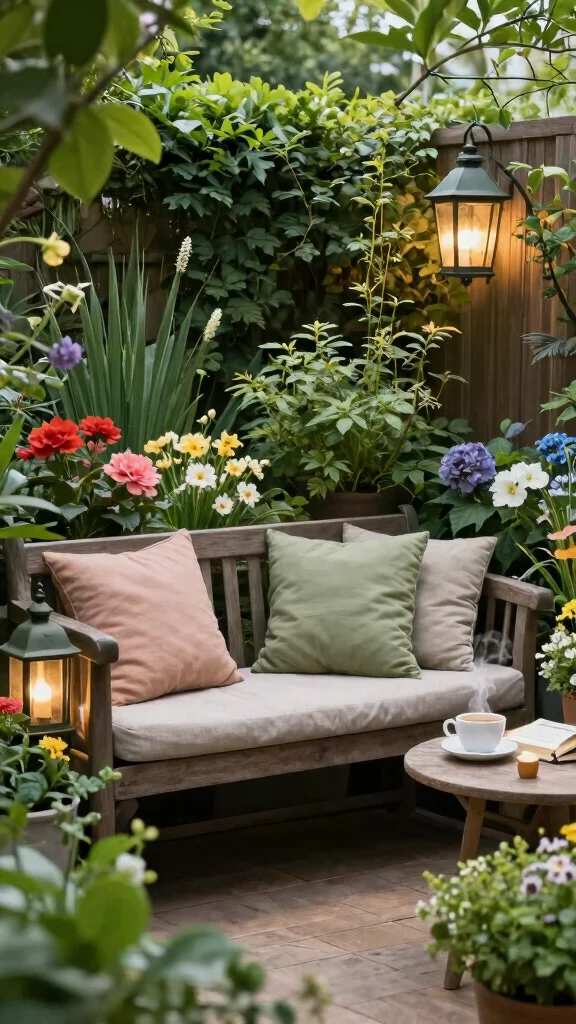
Creating cozy nooks in your garden provides intimate spaces for relaxation, reading, or enjoying a cup of coffee. These small, designated areas can transform your garden into a retreat where you can unwind and appreciate nature.
To design a cozy nook, choose a quiet corner of your garden with natural shade or a lovely view. Incorporate comfortable seating, like a hammock or a small bench, surrounded by plants for added privacy.
Here are some tips for designing cozy nooks:
– Add a small table for drinks or books.
– Use soft lighting or lanterns to enhance the atmosphere.
– Include personal touches like decorative pillows or artwork for a unique feel.
Your garden nook can become a cherished escape, a peaceful spot to immerse yourself in nature and recharge your spirit.
Conclusion
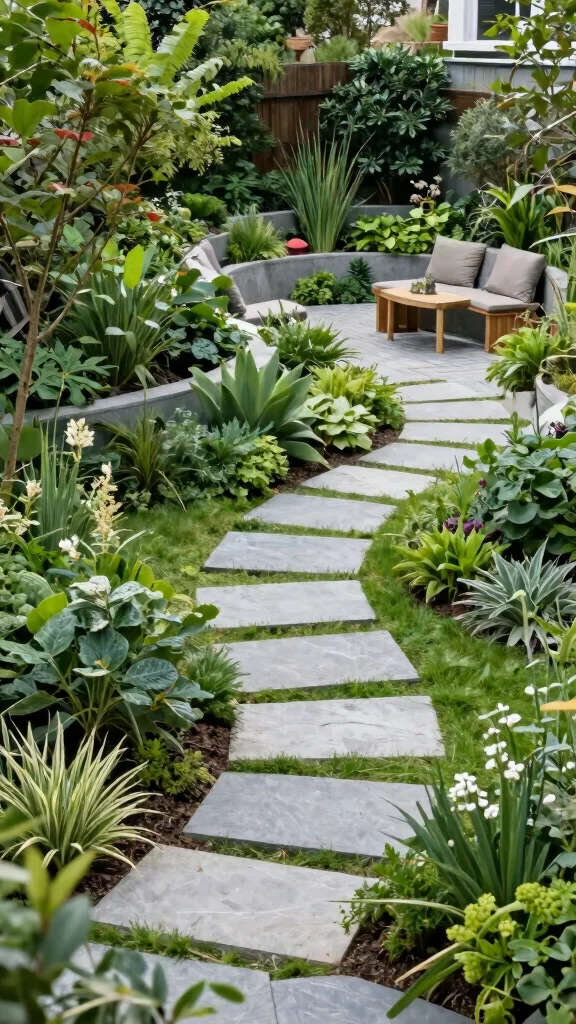
The world of modern garden aesthetics is rich with diverse trends that can transform your outdoor space into a personal sanctuary. From tiered gardens to cozy nooks, each trend offers unique opportunities to express your style while enhancing the beauty and functionality of your garden. As you explore these ideas, consider how they can harmonize with your existing space and lifestyle.
By embracing these modern concepts, you can create an outdoor living area that reflects your personality and provides a serene retreat for relaxation and connection with nature.
Frequently Asked Questions
What exactly is a tiered garden and how does it redefine modern garden aesthetic?
A tiered garden stacks plants in elevated levels using raised beds, steps, or retaining walls to create multiple planes that visually expand space.
This approach is a cornerstone of the contemporary aesthetic because it adds structure, texture, and depth while improving drainage and giving you microclimates for different plants. Practical steps: map your space, choose materials that fit your home design style (wood, stone, metal), and decide how many levels you need. Keep things cohesive by repeating materials and a thoughtful color palette, then add lighting and seating to turn the levels into inviting outdoor living zones.
In short, a well-planned tiered garden redefines outdoor living with form, function, and a striking aesthetic appeal.
What are the best plants for a tiered garden to achieve a cohesive modern aesthetic?
Choose plants by level to suit sun, shade, and moisture on each tier while keeping a unified look. Top levels love sun-loving perennials and grasses for height and movement; middle tiers can host flowering shrubs and compact perennials for color; lower shelves are great for trailing plants and shade-friendly options.
Opt for a restrained color palette (greens with pops of a few bloom colors) and mix textures—evergreen backbone with soft, billowy foliage for year-round aesthetic. Consider drought-tolerant species for low maintenance, and include a few evergreen anchors so the garden stays attractive through seasons. This design approach keeps your tiered garden cohesive and visually engaging.
How can I maximize small outdoor spaces with a tiered garden design?
Start with a space map: mark sun exposure, drainage, and sightlines to your house. Use narrow, modular raised beds or compact planters that stack neatly into vertical levels, saving precious ground space. Add a slim trellis or lattice behind tiers to extend vertical interest without crowding the area. Choose a simple seating arrangement that hugs the edge of the structure and use subtle path lighting to guide the eye. By treating each level as a mini-stage, you create a dynamic aesthetic that makes a small yard feel expansive and inviting. Tiered garden designs excel at turning vertical space into real living space.
What are budget-friendly ways to create a tiered garden that looks high-end?
You can achieve a polished look without breaking the bank with smart, DIY-friendly choices. Build affordable raised beds from reclaimed timber, pallets, or concrete blocks, and keep a consistent material and color palette for a cohesive design. Use a single plant palette across levels for unity, and mix in one or two statement plants for focal points. Mulch liberally, which helps with moisture and weed control while giving an upscale finish. Add inexpensive solar lighting and simple seating to elevate the aesthetic without overspending. Small changes can deliver a big, high-end feel in a tiered garden.
How do I maintain a tiered garden to keep up with modern garden trends?
Maintenance is about consistency and seasonal refreshes. Keep soil healthy with regular compost and a light top-dress of mulch to preserve moisture and prevent erosion on slopes. Prune to maintain clean lines between levels and ensure proper irrigation—drip lines or soaker hoses work well across tiers. Swap in seasonal color each year, but keep a stable structural backbone with evergreen shrubs or perennials to preserve the design and aesthetic year-round. Schedule a simple annual update to keep the tiered garden feeling fresh and aligned with current trends.