
Gardening is more than just a hobby; it’s a rewarding escape that helps you connect with nature. If you’ve ever found yourself wishing you knew some nifty tricks to make your plants thrive, you’re not alone. Every gardener, seasoned or novice, has encountered challenges that leave them scratching their heads. This is exactly why I decided to gather these 18 gardening hacks you wish you knew sooner. With these tips, you can nurture your garden more effortlessly, and believe me, your plants will thank you!
If you love spending time outdoors, tending to your garden, or simply want to spruce up your space, this post is tailored for you. Whether you’re looking for easy, DIY solutions or clever tricks to maximize your garden’s potential, you’ll find something valuable here. From boosting soil nutrients to creating stunning vertical gardens, these hacks will help you cultivate a flourishing garden with less hassle and more joy.
Get ready to uncover simple yet effective strategies that will transform the way you garden. You’ll discover how to make the most of common household items and learn eco-friendly practices that give your plants the best chance to thrive. Let’s dive into these remarkable gardening hacks that will not only make your life easier but also bring your garden to the next level!
Key Takeaways
– You can use coffee grounds to enrich your soil and provide essential nutrients to your plants. This common kitchen waste is a fantastic natural fertilizer.
– Create a DIY pest spray using essential oils, which can protect your plants without harmful chemicals. It’s simple, effective, and safe for your garden.
– Eggshells can be an excellent calcium-rich fertilizer. Just crush them up and sprinkle them in your garden for stronger, healthier plants.
– Tracking growth with a garden journal can help you notice patterns and make informed decisions about your gardening practices. This simple habit can lead to better outcomes over time.
– Embracing vertical gardening is perfect for small spaces, allowing you to grow a variety of plants in less area. This not only maximizes your space but also adds visual interest to your garden.
Contents
- 1. Use Coffee Grounds to Boost Soil Nutrients
- 2. Create a DIY Pest Spray with Essential Oils
- 3. Use Eggshells for Calcium-Rich Fertilizer
- 4. Use a Garden Journal to Track Growth
- 5. Use Mulch to Retain Moisture
- 6. Make Trellises with Household Items
- 7. Use a Hose with a Soaker Attachment
- 8. Reuse Plastic Bottles for Self-Watering
- 9. Cut Flower Stems at an Angle
- 10. Save Seeds from Your Favorite Plants
- 11. Upcycle Old Furniture into Planters
- 12. Start Seeds Indoors with Toilet Paper Rolls
- 13. Use Vinegar to Clean Your Garden Tools
- 14. Use Diapers in Potted Plants
- 15. Use Cinnamon to Prevent Root Rot
- 16. Use a Paint Stirrer for Spacing Seedlings
- 17. Try Companion Planting for Better Yields
- 18. Embrace Vertical Gardening for Small Spaces
1. Use Coffee Grounds to Boost Soil Nutrients
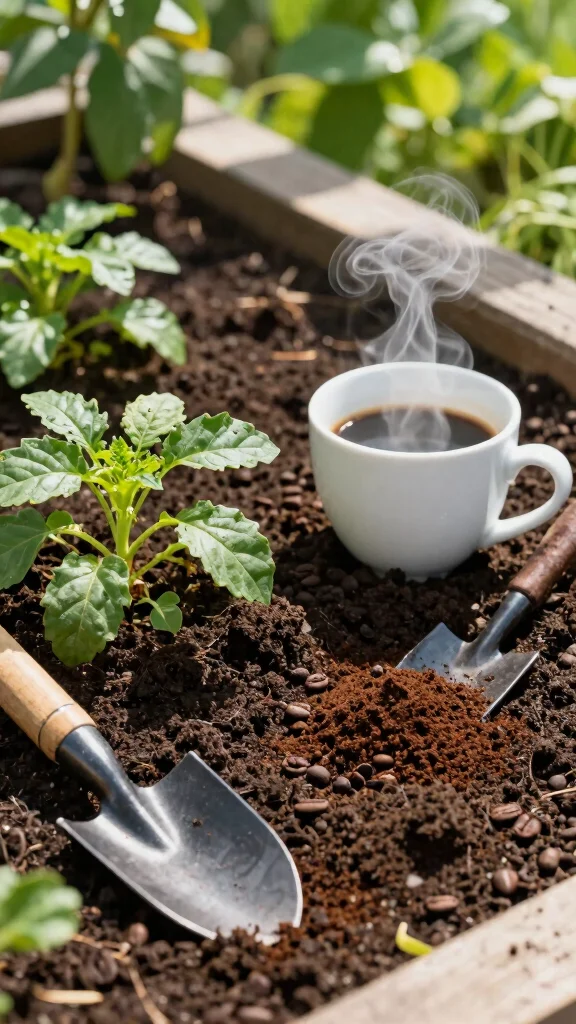
Are you looking for a simple way to enhance your garden? Don’t throw away those used coffee grounds! They’re packed with nitrogen and can significantly enrich your soil. Just sprinkle them around your plants or mix them into your compost to give your garden a nutrient boost that will make your plants thrive.
Start by using dried coffee grounds for the best results. You can mix them with your compost or apply them directly to the soil. This technique not only improves soil quality but also attracts earthworms, which further aerate the soil for healthier plant growth.
Key benefits of using coffee grounds:
– Enhances soil structure and drainage.
– Attracts beneficial earthworms.
– Acts as a natural pest repellent.
Give your plants a fighting chance with this easy addition to your gardening routine! You’ll notice a difference in their health and growth over time.
❝ Coffee grounds are garden gold—rich in nitrogen and ready to boost your soil. Apply dried grounds around plant bases or mix them into compost for a quick nutrient lift; your plants will thank you with greener leaves and stronger roots. ❞
2. Create a DIY Pest Spray with Essential Oils
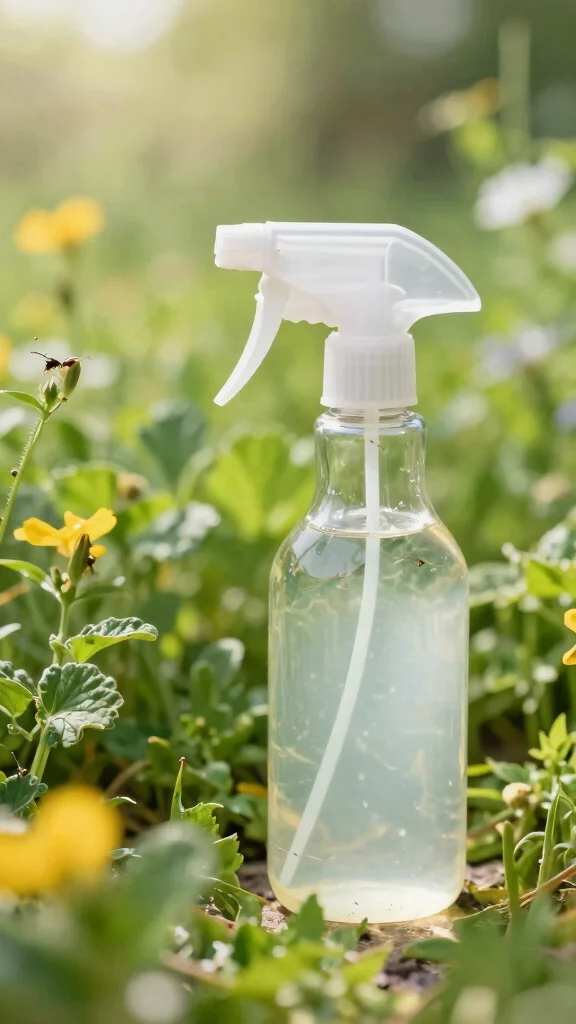
Looking for a natural way to keep pests at bay? Essential oils could be your solution! Oils like peppermint and neem are effective in deterring unwanted insects without harming beneficial ones. Just mix a few drops with water in a spray bottle and spritz it around your plants for an eco-friendly pest control method.
To create your spray, just combine two cups of water with ten drops of your chosen essential oil. Always shake well before using, and target the affected areas to maximize impact. This method is not only easy to implement but also reduces the need for harsh chemicals in your garden.
Here’s how to make it work:
– Combine water and essential oil in a spray bottle.
– Shake well before each use.
– Apply weekly for the best results.
By adopting this simple technique, you’ll create a healthier environment for your plants while keeping pests away!
3. Use Eggshells for Calcium-Rich Fertilizer
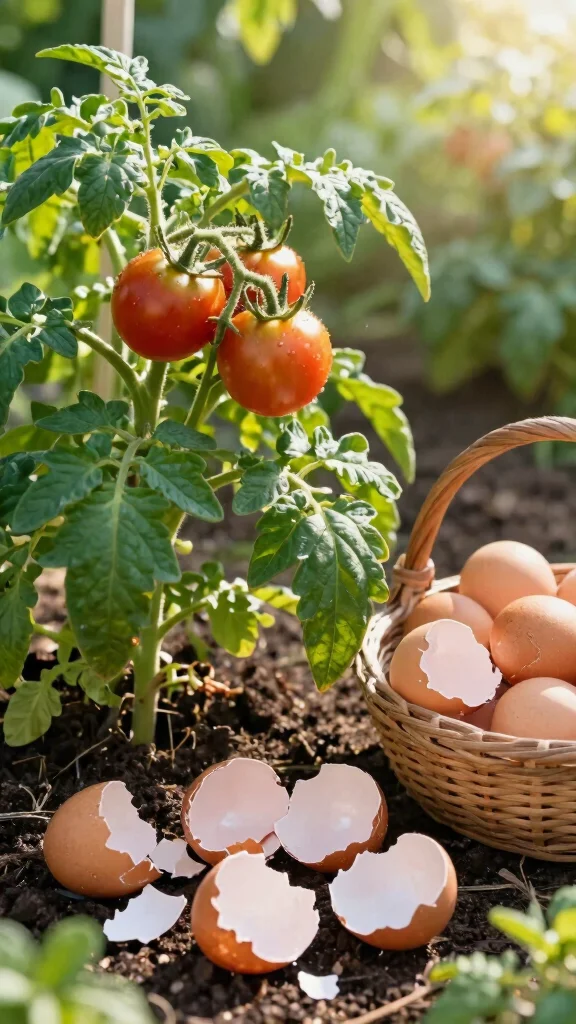
Did you know that eggshells can be a gardener’s best ally? Rich in calcium, they make an excellent natural fertilizer. Crushed eggshells help prevent blossom end rot in tomatoes and peppers. Just rinse, dry, and crush them, then sprinkle around your plants for a calcium boost.
To get started, crush the shells and add them to your compost or directly into planting holes. Mixing them with potting soil for container plants also gives a nutrient boost. This simple hack not only enriches the soil but also deters pests like slugs and snails.
Benefits of using eggshells:
– Supplies calcium to the soil.
– Improves drainage and aeration.
– Helps deter slugs and snails.
Your plants will thank you for this easy enhancement, leading to healthier growth and better yields!
You Might Also Like

4. Use a Garden Journal to Track Growth
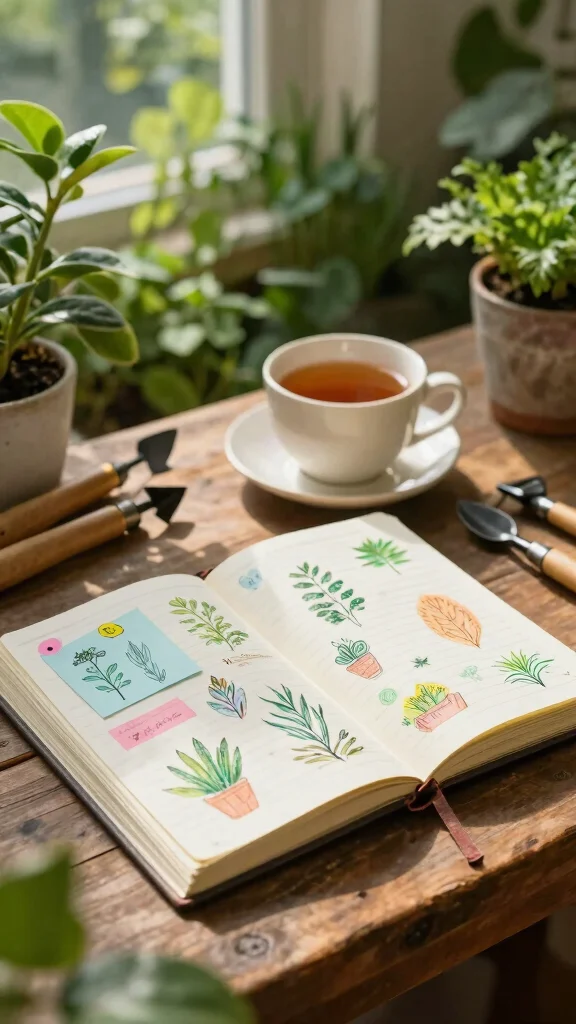
Have you ever thought about keeping a garden journal? It’s a wonderful way to record your plants’ progress, what works, and what doesn’t. By noting planting dates and weather conditions, you’ll become a more knowledgeable gardener over time.
Start your journal in a notebook or with a digital app. Include sections for sketches, photos, and reflections on your gardening experiences. This practice not only helps track your successes but also fuels creativity for future gardens.
Here are some tips to begin:
– Choose a notebook or go digital.
– Include space for photos and sketches.
– Make entries colorful and engaging.
With a garden journal, you’ll gain insights that lead to better gardening decisions and greater satisfaction in your growing endeavors!
How To Choose the Right Gardening Hacks for Your Needs
Choosing the right gardening hacks can elevate your gardening game. With so many options available, it’s essential to pick the ones that fit your garden style, space, and plant types. Here are some key criteria to consider:
1. Assess Your Gardening Space
Evaluate the size and layout of your garden. If you have a small space, consider hacks like vertical gardening or using window boxes. For larger areas, techniques like mulching or companion planting can optimize your garden’s productivity. Measure your planting area to see how much room you have for various hacks.
2. Identify Your Plant Needs
Different plants have specific needs. Research the types of plants you’re growing and their nutrient or water requirements. For example, if you’re growing tomatoes, using coffee grounds can boost soil nutrients. Pick hacks that cater to the specific plants in your garden for the best results.
3. Consider Your Gardening Skills
Your experience level is crucial when choosing hacks. If you’re a beginner, opt for easy-to-implement hacks like reusing plastic bottles for self-watering or using eggshells as fertilizer. For experienced gardeners, consider more complex strategies like creating DIY pest sprays or starting seeds indoors.
4. Evaluate Your Budget
Gardening can range from budget-friendly to costly, depending on the hacks you choose. Some hacks require minimal investment, like using vinegar to clean your garden tools or upcycling old furniture into planters. Others might need a bit more cash for materials. Set a budget that works for you and choose hacks accordingly.
5. Assess Time Commitment
Think about how much time you can dedicate to gardening. Some hacks require more effort, such as making trellises with household items, while others are quick fixes like using mulch to retain moisture. Find hacks that fit your schedule so you enjoy gardening without feeling overwhelmed.
6. Research Sustainability
Sustainable gardening practices are becoming increasingly popular. Look for hacks that support eco-friendly gardening. Examples include using coffee grounds as fertilizer or employing companion planting, which encourages natural pest control. Choosing sustainable methods can benefit both your garden and the environment.
Pro Tip: Start with a few simple hacks that align with your gardening space and plants. As you become comfortable, gradually incorporate more complex strategies to enhance your gardening skills. This way, you can create a thriving garden without feeling overwhelmed.
5. Use Mulch to Retain Moisture
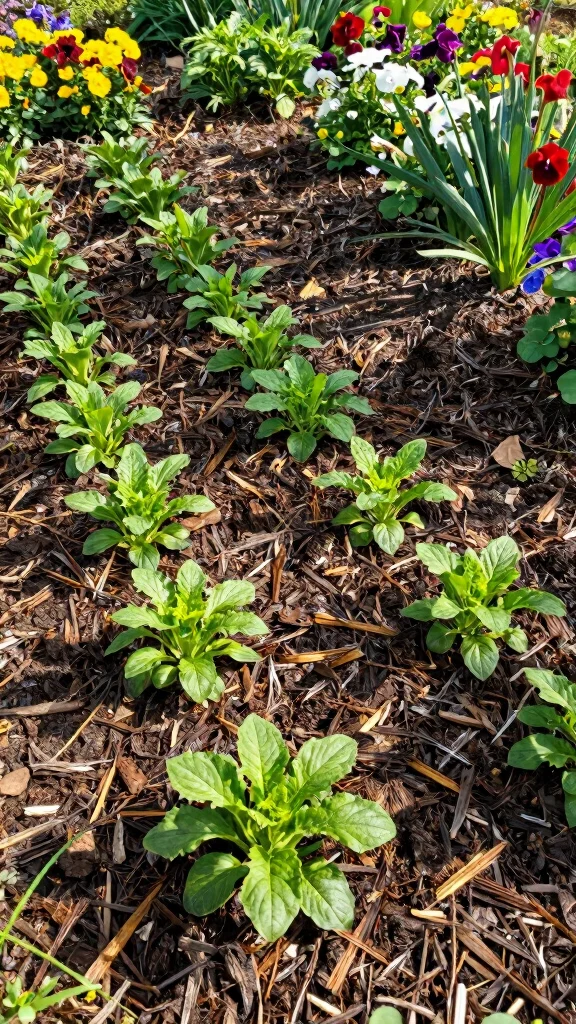
Is your garden struggling to stay hydrated? Mulch might be the answer! By spreading organic materials like straw or wood chips around your plants, you can help retain moisture, suppress weeds, and improve soil quality as it breaks down.
Apply a layer of 2-3 inches of mulch around your plants, making sure it doesn’t touch the stems to prevent rot. This simple action not only conserves water but also regulates soil temperature, creating a healthier environment for your plants.
Benefits of mulching include:
– Reduces evaporation from the soil.
– Regulates soil temperature.
– Provides nutrients as it decomposes.
By incorporating mulch, you’ll notice more vibrant plants and less time spent worrying about watering!
📹 Related Video: Mulching Your Vegetable Garden – The Definitive Guide
6. Make Trellises with Household Items
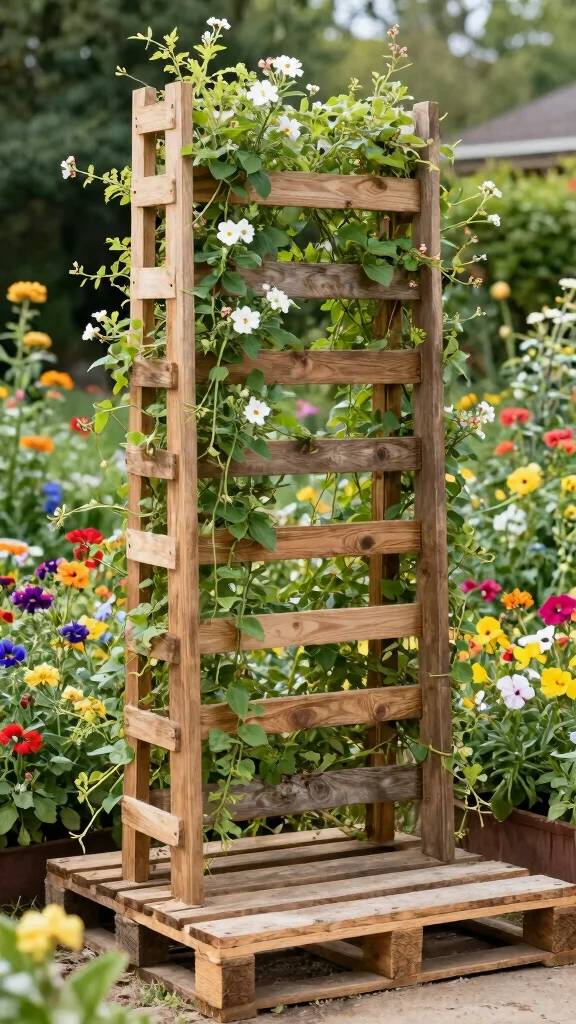
Want to support your climbing plants creatively? You can craft a DIY trellis using materials you already have at home! Old wooden pallets, bamboo sticks, or even discarded furniture can be transformed into eye-catching trellises that elevate your garden’s aesthetics.
To make a simple trellis, gather your materials and create a frame with the pallets or stakes. Bind them together with twine or wire to form a support grid for your climbing plants. This not only supports growth but adds character to your garden space.
Here’s how to create it:
– Use old pallets or bamboo stakes.
– Bind with twine or wire.
– Secure it near climbing plants.
Get creative and enjoy the process! You’ll have a unique trellis that reflects your personal style while benefiting your plants.
7. Use a Hose with a Soaker Attachment
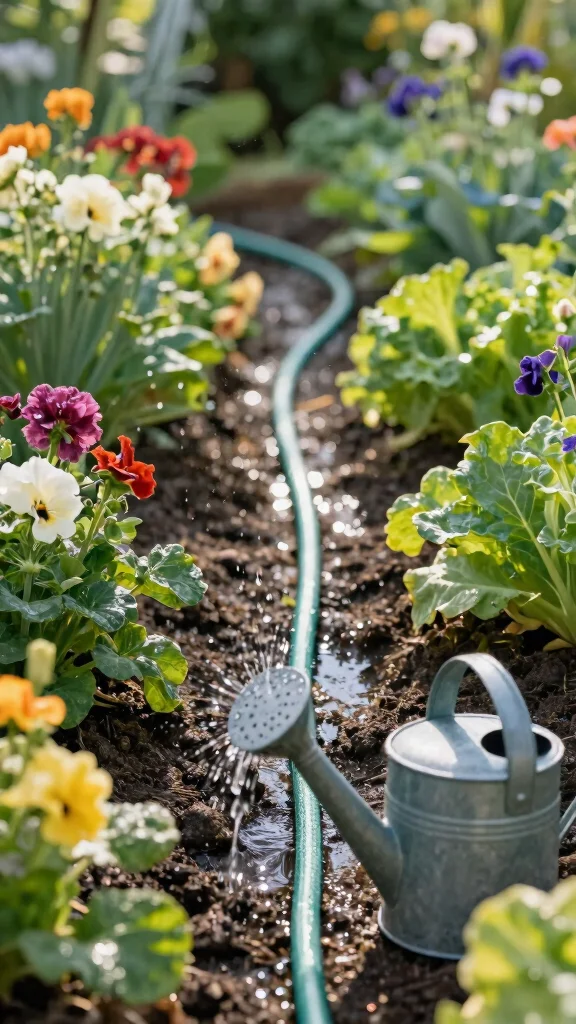
Tired of the watering chore? A soaker hose could be your new best friend! These hoses allow water to seep slowly through, delivering moisture directly to your plants’ roots without the hassle of manual watering.
Lay the hose along your garden beds and cover it with mulch to optimize water retention. Turn on the water and let it work its magic! This method saves you time and minimizes water waste, keeping your plants hydrated efficiently.
Benefits of using soaker hoses:
– Directly waters plant roots.
– Prevents fungal diseases by keeping foliage dry.
– Saves time and water!
By incorporating a soaker hose, you’ll simplify your watering routine and keep your garden thriving!
8. Reuse Plastic Bottles for Self-Watering
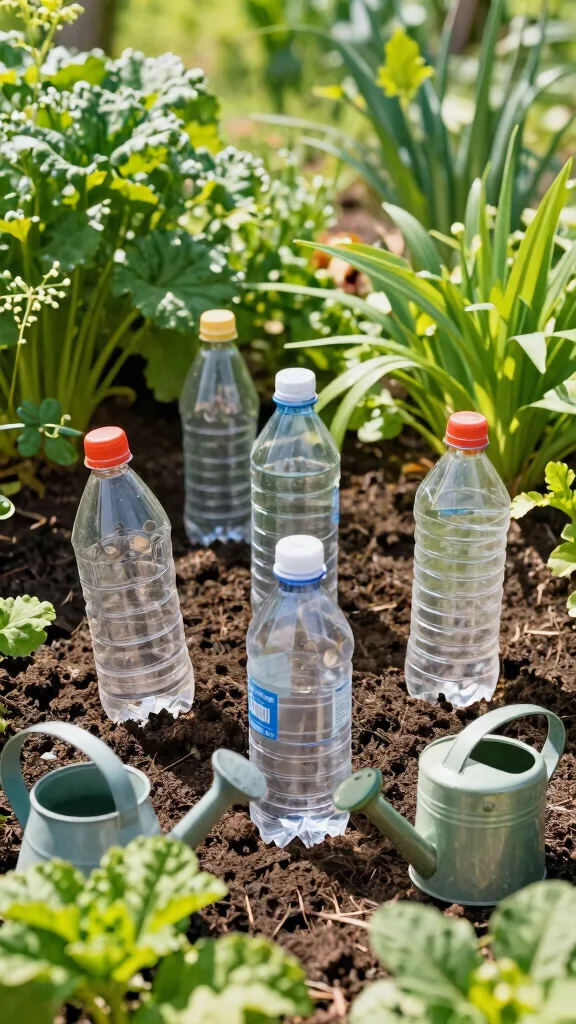
Want to make watering easier? Try repurposing plastic bottles into self-watering devices! Cut off the bottom of a bottle, fill it with water, and bury it upside down near your plants for a slow, steady water supply.
This method reduces how often you need to water while keeping the soil consistently moist. Just ensure the bottle’s opening is buried deep enough to avoid tipping over.
Steps to create your self-watering device:
– Cut the bottom off a large plastic bottle.
– Fill it with water and invert it into the soil.
– Ensure it’s securely buried.
This easy hack helps maintain moisture levels, especially during hot spells!
You might also like

9. Cut Flower Stems at an Angle
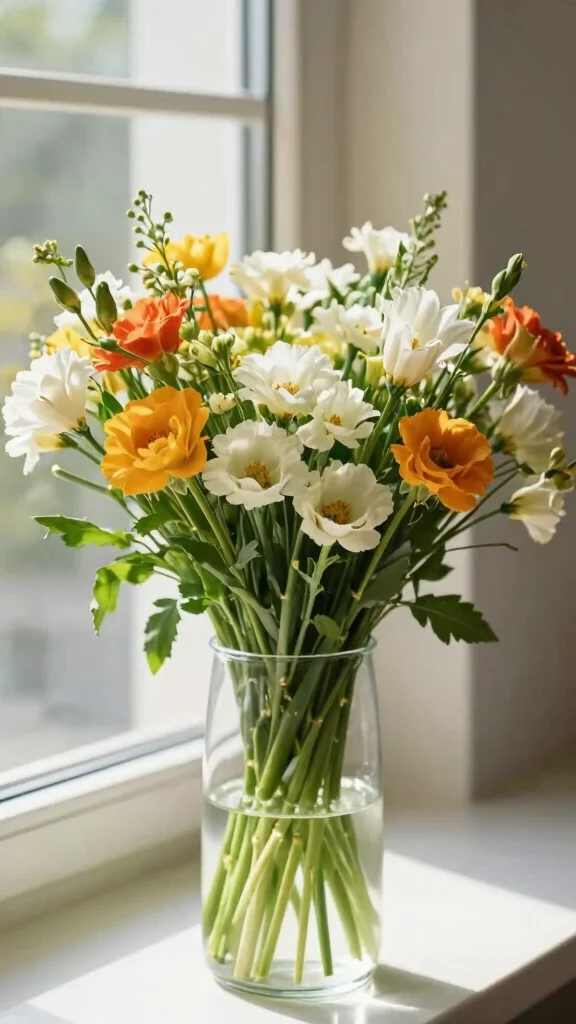
Want your cut flowers to have a longer life? Always trim the stems at an angle before placing them in water! This technique increases water absorption, keeping your blooms fresh and vibrant for days.
Use sharp scissors or shears to make a clean cut, trimming about an inch off the bottom at a 45-degree angle. Remove any leaves that would sit below the water line to prevent decay.
Here’s how to ensure they last:
– Use sharp tools for a clean cut.
– Trim at a 45-degree angle.
– Change the water every few days.
Implement this simple trick to enjoy beautiful, long-lasting arrangements!
10. Save Seeds from Your Favorite Plants
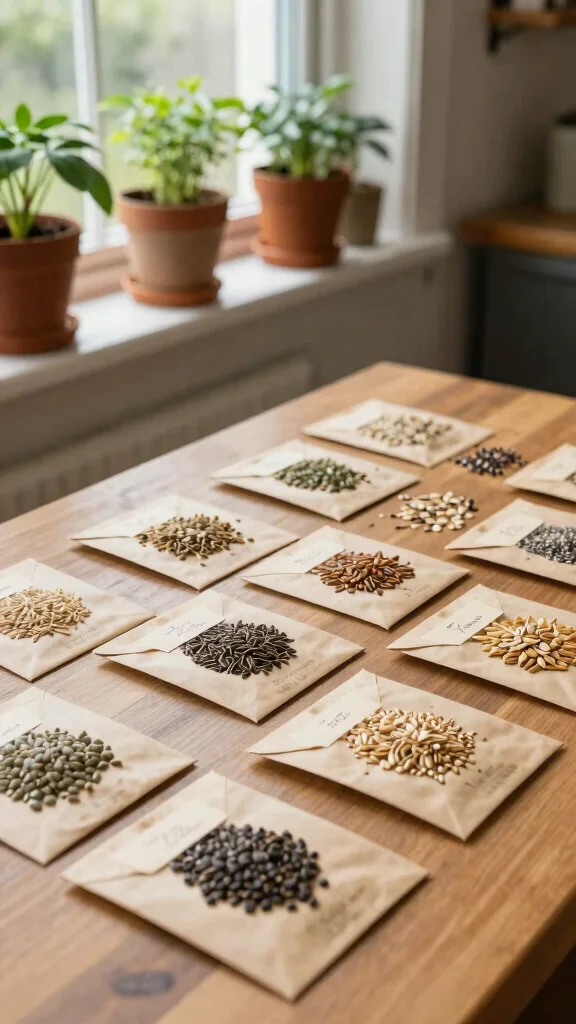
Have you considered saving seeds from your favorite plants? It’s a rewarding and sustainable way to grow your garden year after year. By harvesting seeds, you not only save money but also enhance your connection to your plants.
To save seeds, choose mature plants with good crops and let the seeds dry on the plant or collect them when fully matured. Store the seeds in labeled envelopes in a cool, dry place for easy access next season.
Follow these steps for success:
– Choose mature plants for seed collection.
– Allow seeds to dry properly.
– Store in labeled containers.
This practice promotes sustainability and gives you a sense of accomplishment!
11. Upcycle Old Furniture into Planters
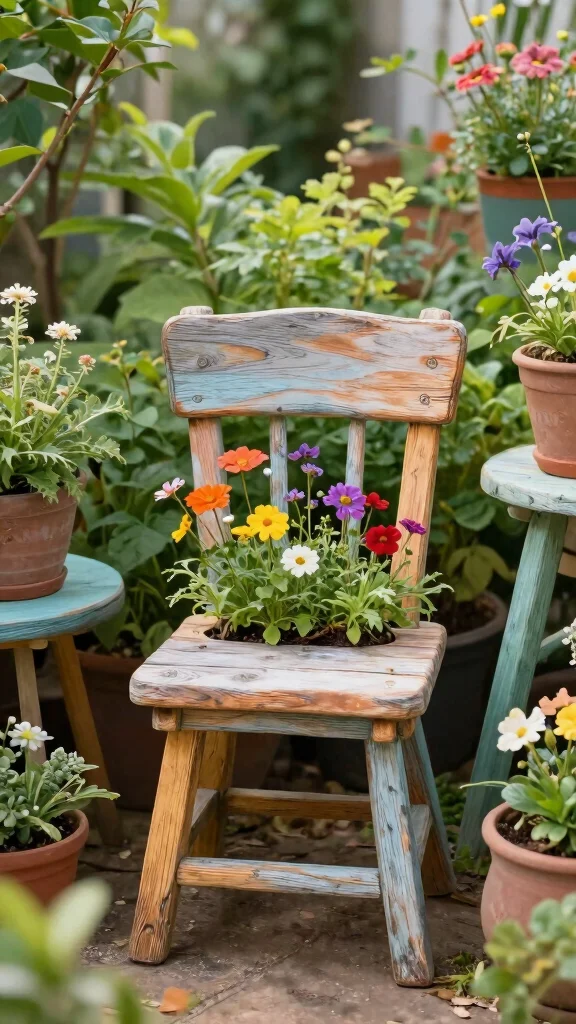
Got old furniture lying around? Turn it into unique planters! An old chair, dresser drawer, or table can add charm to your garden while being eco-friendly. With a bit of creativity, you can breathe new life into these items.
Start by cleaning the furniture thoroughly and drilling holes for drainage if needed. Fill it with potting soil and add your favorite flowers or herbs to create a stunning focal point.
Here are the steps to upcycle:
– Clean and prepare your furniture.
– Drill drainage holes as necessary.
– Fill with soil and plant.
This fun project not only recycles old items but also beautifies your garden space!
12. Start Seeds Indoors with Toilet Paper Rolls
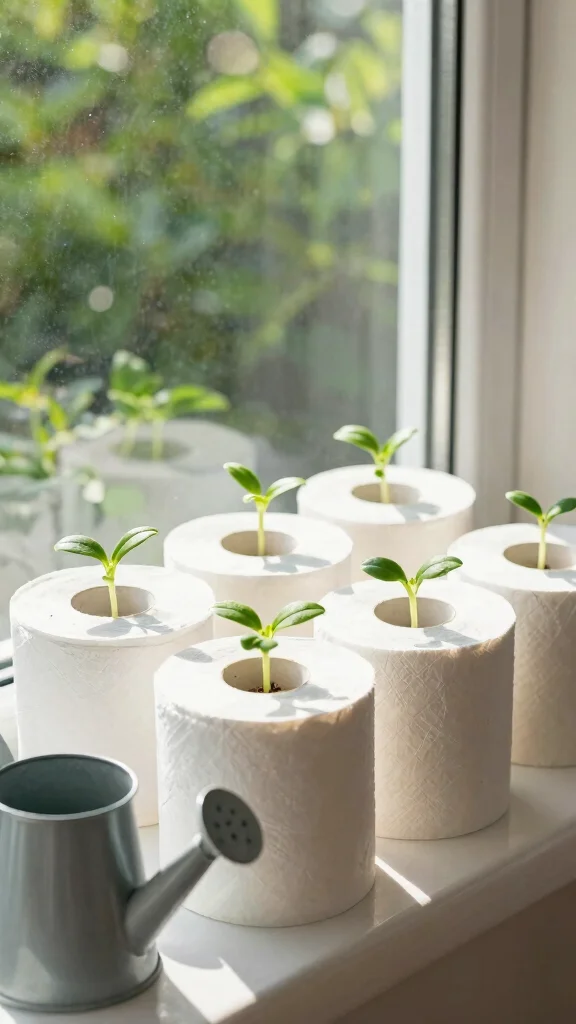
Want to get a jumpstart on your garden? Use toilet paper rolls as biodegradable seed starters! They’re perfect for planting directly in the ground once your seedlings are ready, making them an eco-friendly option.
To start, cut toilet paper rolls into sections about 3 inches long. Fill each section with potting soil and plant your seeds. Water gently and place them in a sunny spot indoors for optimal growth.
Here’s how to start your seeds:
– Cut the rolls into small sections.
– Fill with soil and plant seeds.
– Keep in a sunny area indoors.
This method simplifies transplanting and reduces plastic waste!
13. Use Vinegar to Clean Your Garden Tools
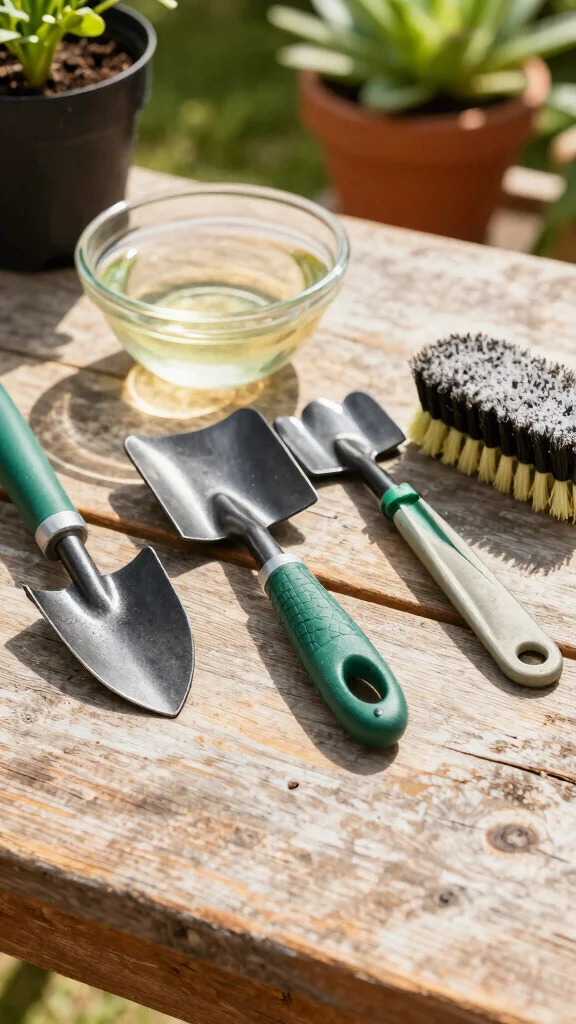
Keeping your gardening tools clean is vital for preventing plant diseases. Instead of harsh chemicals, use vinegar! It’s a natural cleaner that effectively removes dirt and rust from your tools.
To clean, soak your tools in a mixture of vinegar and water for an hour. Scrub with a brush to remove any remaining grime, then rinse and dry thoroughly before storing.
Here’s how to clean your tools effectively:
– Soak in vinegar and water mixture.
– Scrub with a brush to remove rust.
– Rinse and dry completely.
This simple hack keeps your tools in top shape and prolongs their lifespan!
Ever grab a rusty tool and lose momentum? Vinegar cleans rust fast, no harsh chemicals needed. Soak, scrub, rinse, and dry—your garden tools stay sharp, germ-free, and ready for the next intex pool ideas project.
14. Use Diapers in Potted Plants
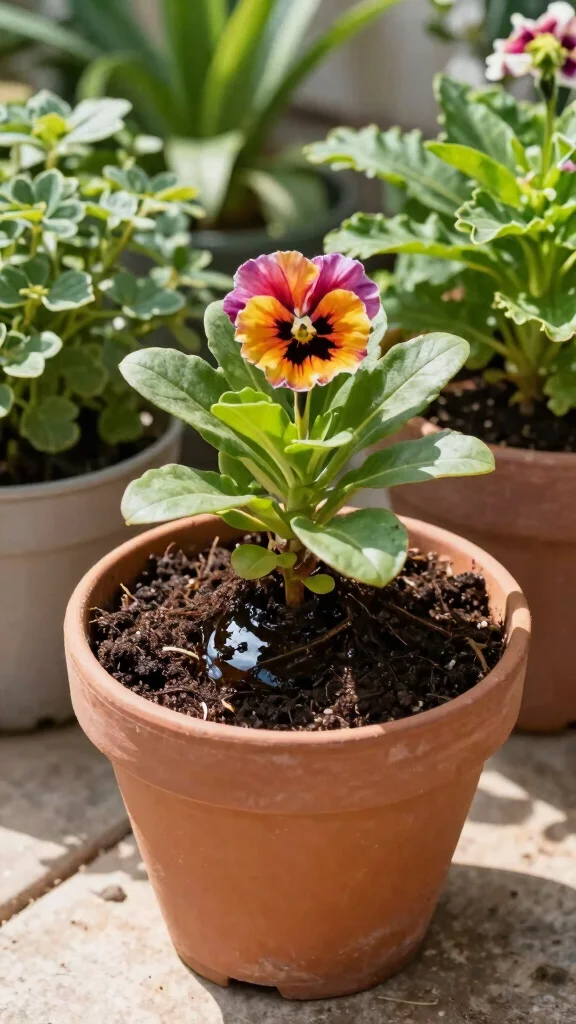
This may sound unusual, but clean diapers can help retain moisture in your potted plants! By placing a diaper at the bottom of the pot, you can keep the soil consistently moist, cutting down on frequent watering.
To use, cut a diaper and remove the absorbent padding. Place the padding at the bottom of your pot before adding soil, then plant as usual. This surprising method can be particularly helpful during hot weather.
Here’s how to implement this idea:
– Cut the diaper and remove padding.
– Place padding at the bottom of the pot.
– Fill with soil and plant.
It’s a quirky yet effective way to ensure your plants stay hydrated!
Diapers in potted plants might sound odd, but they lock in moisture when heat hits. Cut the padding, place it at the pot’s bottom, and your soil stays evenly moist—saving you time and keeping your plants happier.
You Might Also Like
15. Use Cinnamon to Prevent Root Rot
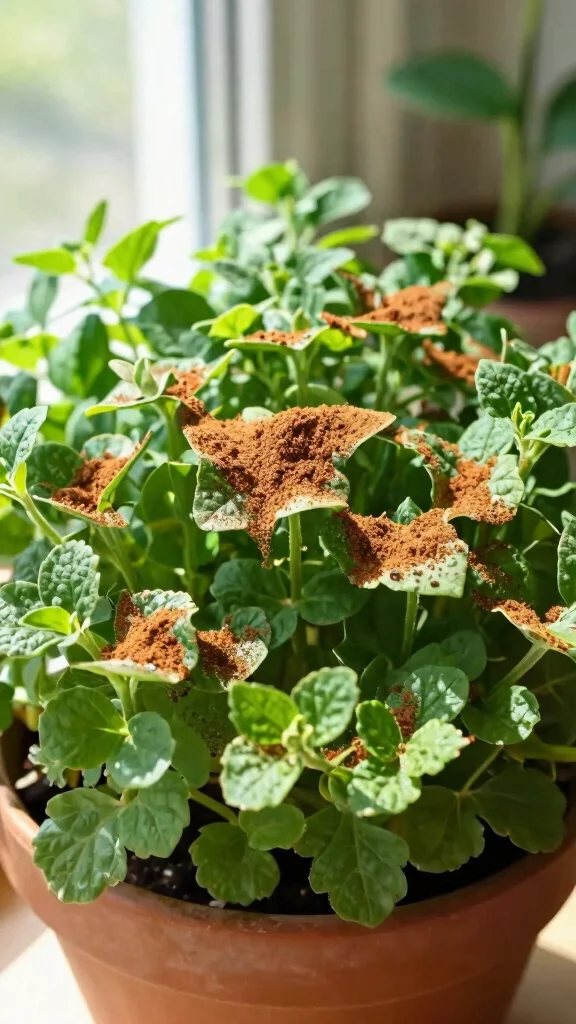
Cinnamon isn’t just for baking—it’s also a fantastic natural fungicide! Sprinkling ground cinnamon on the soil of your potted plants can help prevent root rot and encourage healthy growth.
After repotting, simply sprinkle a thin layer of cinnamon on top of the soil and water lightly to help it settle in. This method not only promotes root health but also acts as a natural pest deterrent.
Here’s how to apply cinnamon:
– Sprinkle a thin layer on the soil surface.
– Water lightly to settle the cinnamon.
Use cinnamon wisely to keep your plants thriving and healthy!
16. Use a Paint Stirrer for Spacing Seedlings
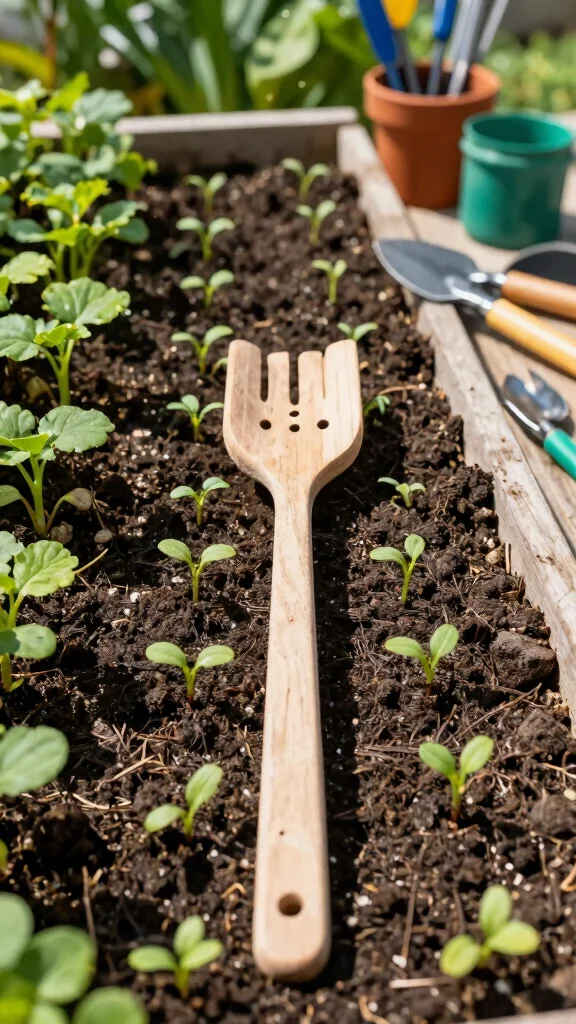
Looking for perfectly spaced seedlings? A simple paint stirrer can help! Mark measurements on the stirrer to guide your planting, ensuring seeds are evenly spaced for optimal growth.
To use, mark your desired spacing on the stirrer with a permanent marker. Create holes in the soil at the appropriate distances, then drop in your seeds.
Here’s how to make the most of this tool:
– Mark spacing increments on the stirrer.
– Create holes in the soil using the stirrer.
This straightforward approach promotes healthy growth and makes planting easier!
17. Try Companion Planting for Better Yields
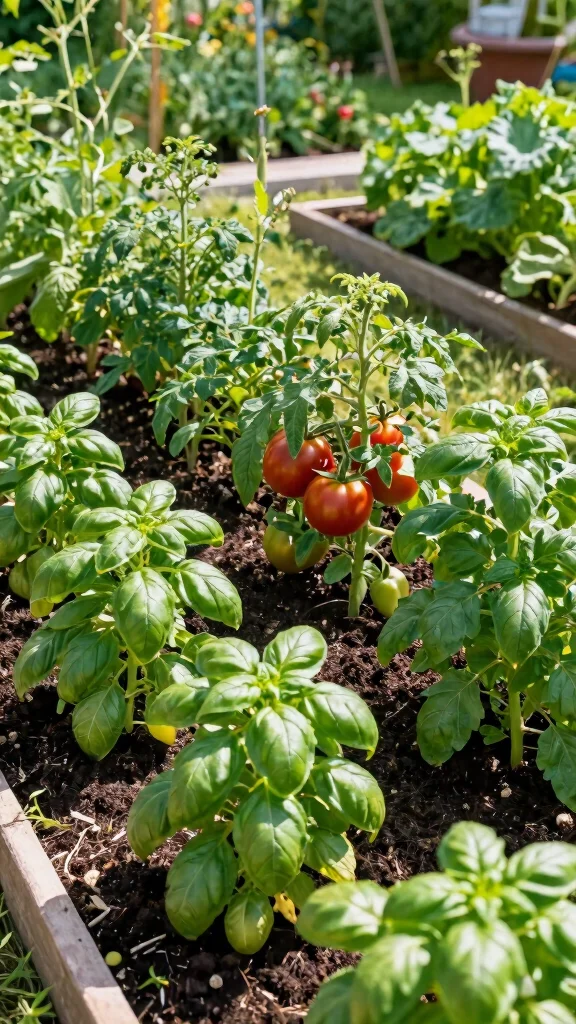
Want to maximize your garden’s potential? Companion planting is a smart strategy that involves growing different species together to enhance yields and deter pests. For instance, tomatoes and basil thrive together, boosting flavor while keeping pests away.
Researching compatible plants is essential for successful companion planting. Keep notes on what combinations work best in your garden for future reference.
Here are some tips to start:
– Research compatible plants before planting.
– Keep notes on successful combinations.
This technique not only improves your harvest but also reduces the need for chemical inputs!
18. Embrace Vertical Gardening for Small Spaces
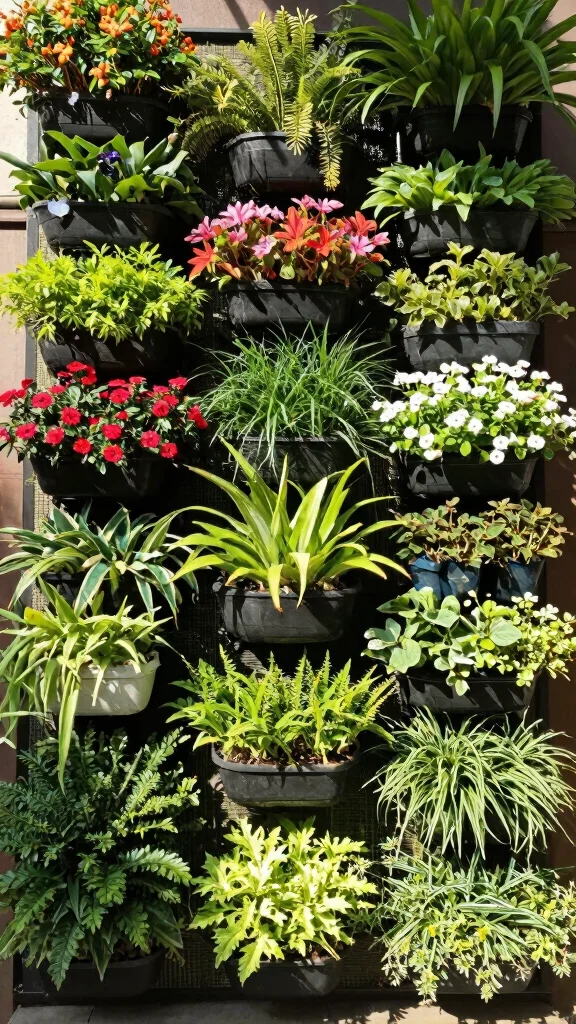
Do you have limited gardening space? Vertical gardening is the perfect solution! This method allows you to grow plants upwards on walls, fences, or hanging pots, saving space while adding beauty to your outdoor area.
Start by using wall planters, trellises, or hanging pots. Opt for climbing plants like peas, beans, or cucumbers that thrive in vertical setups.
Benefits of vertical gardening include:
– Maximizes space for growing.
– Creates visually appealing green walls.
By adopting vertical gardening, you can enjoy a lush garden even in the tightest spaces!
Conclusion
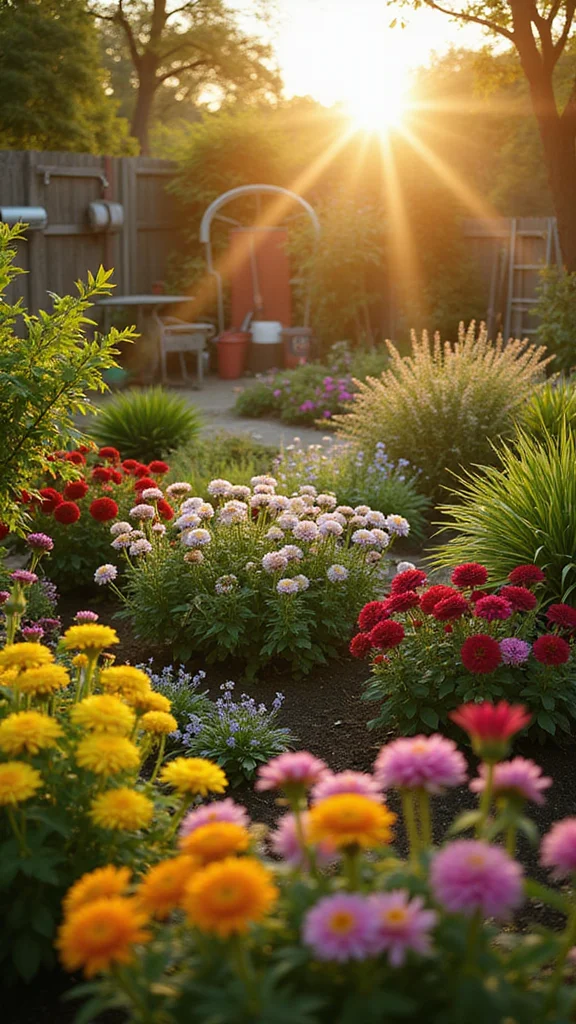
These 18 gardening hacks are just the tip of the iceberg when it comes to nurturing your green thumb. Each tip is designed to make your gardening journey smoother and more enjoyable, so you can focus on what you love: the plants!
Now it’s time to put these hacks to use and watch as your garden flourishes like never before. Happy gardening!
Frequently Asked Questions
Question: What are the easiest gardening hacks to help my plants grow healthier and repel pests?
These hacks are easy and DIY-friendly. Start with a 2–3 inch layer of organic mulch around beds to lock in moisture and smother weeds. Next, brew a simple DIY compost tea: steep well-rotted compost in water for 24–48 hours, strain, and spray on soil and foliage for a nutrient boost. Water at the base of plants early in the morning to reduce leaf disease. Pair crops with beneficial companions (like marigolds with tomatoes) to deter pests and attract pollinators. Finally, set up budget-friendly traps and barriers—beer traps for slugs, citrus peels for nematodes—so you can protect young plants without harsh chemicals. With these practical, easy steps, your garden will thrive and your plants will thank you!
Question: How can I create a DIY irrigation system using everyday items?
Turn a rain barrel into a simple gravity-fed irrigation system. Attach a perforated soaker hose or drip tubing along your beds and let gravity do the work. Cover bare soil with mulch to minimize evaporation and keep roots cool. Install a basic timer or inexpensive valve so you water in the early morning or at dusk for consistent moisture with minimal effort. This DIY approach saves water, reduces weeds, and makes garden care easy.
Question: What are some intex pool ideas to turn an unused space into a garden oasis?
Let that old above-ground pool become a feature that benefits your garden. First, make sure the pool is clean and chlorine-free before planting nearby. Option A: line the pool with a pond liner and install a small solar pump and aquatic plants to create a charming backyard pond—great for wildlife.
Option B: use the pool as a shallow rainwater reservoir for irrigation; connect a simple overflow to your garden beds.
Option C: create a shaded microclimate by surrounding the pool with containers of herbs and leafy greens. These intex pool ideas keep costs down and add a focal point, while staying practical and safe for plants.
Question: What are practical hacks to extend the growing season without expensive gear?
Build a warm microclimate with DIY row covers, cloches from old plastic or window frames, and a small cold frame using a salvaged window and a cardboard or wooden base. Move containers to a sunny wall during chilly nights. Plant earlier in spring and extend into fall by using mulch and windbreaks. These DIY hacks are easy to implement and help you keep harvesting longer; your plants will thank you.
Question: How can I maximize a small garden space with clever hacks?
Go vertical and modular: trellises for beans and cucumbers, hanging baskets, and wall-mounted planters to free valuable ground space. Try pallet planters or stacked containers to create layered color and texture. Use self-watering containers with simple wick systems to reduce daily watering chores. Label everything with chalkboard markers for quick care reminders. These easy, DIY ideas let you grow more in less space and give your garden a high-impact, tidy look.
Related Topics
gardening hacks
DIY gardening
easy gardening
plant care tips
beginner gardening
sustainable gardening
quick gardening
seasonal gardening
container gardening
organic gardening
garden maintenance
home gardening