
Creating a beautiful flower garden can feel like a dream come true. If you love being surrounded by nature and want to transform your outdoor space into a stunning floral wonderland, this post is just for you. I put this together because I know many of you are searching for inspiration and practical ideas to elevate your flower beds. Whether you’re a seasoned gardener or just dipping your toes into the world of plants, these 18 breathtaking garden layout ideas will spark your creativity and help you craft the garden of your dreams.
In this guide, you’ll discover a variety of garden styles that cater to flower lovers. Each layout brings its own charm and unique beauty. You’ll learn about classic designs like the English garden, whimsical options like the cottage garden, and even modern interpretations like the minimalist garden. Whether your goal is to attract butterflies, grow edible flowers, or create a serene Zen space, there’s something here for everyone. Get ready to dive into colorful blooms, fragrant flowers, and lush greenery that will elevate your gardening experience.
As you explore these ideas, you’ll also find helpful tips on companion planting, ensuring that your flowers thrive alongside each other. This post is all about making your gardening journey enjoyable and fulfilling. So grab your gardening gloves and let’s get started on creating your own floral paradise!
Key Takeaways
– Discover 18 diverse garden layouts that range from classic to contemporary, ensuring you find a style that suits your taste.
– Learn how to incorporate companion planting strategies to promote healthier flower beds and enhance blooming.
– Explore unique themes such as the butterfly garden and the edible flower garden that not only beautify your space but also encourage wildlife and provide food.
– Get actionable tips on how to create seasonal bloom gardens that showcase different flowers throughout the year, bringing color and life to your outdoor area.
– Find practical advice tailored for various environments, from urban gardens to community plots, making it easier to realize your vision no matter your space constraints.
Contents
- 1. The Classic English Garden
- 2. The Whimsical Cottage Garden
- 3. The Zen Garden
- 4. The Vertical Garden
- 5. The Butterfly Garden
- 6. The Edible Flower Garden
- 7. The Perennial Paradise
- 8. The Seasonal Bloom Garden
- 9. The Rustic Farmhouse Garden
- 10. The Mediterranean Garden
- 11. The Modern Minimalist Garden
- 12. The Rain Garden
- 13. The Color-Themed Garden
- 14. The Wildlife Garden
- 15. The Container Garden
- 16. The Community Garden
- 17. The Urban Garden
- 18. The Tropical Garden
1. The Classic English Garden
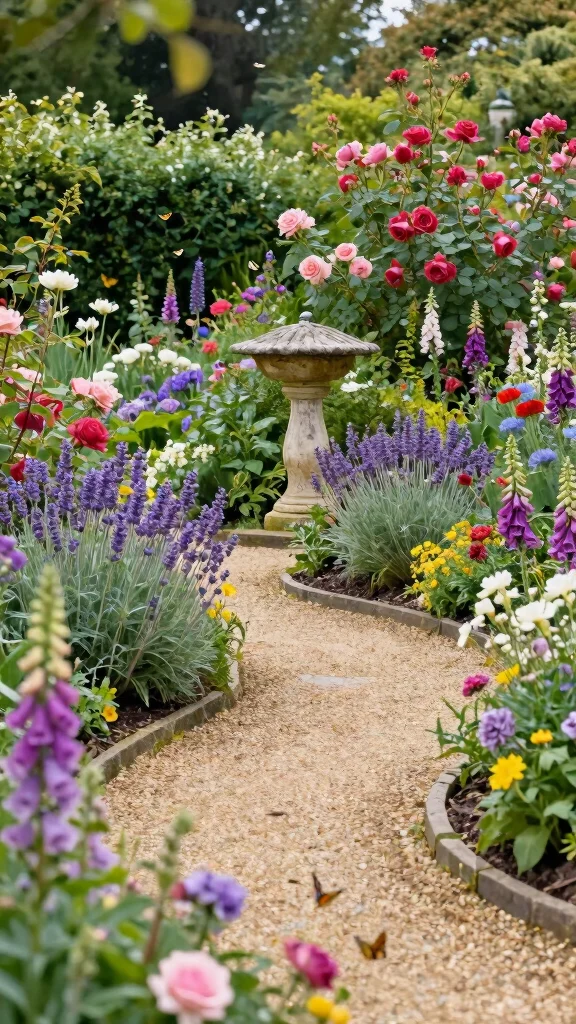
Imagine stepping into a serene haven filled with lush blooms and delightful fragrances. The classic English garden design captivates flower lovers with its rich variety, featuring roses, lavender, and foxgloves arranged in harmonious beds. This enchanting layout invites you to wander along stone paths, surrounded by a vibrant tapestry of colors and scents that transforms any outdoor space into a romantic escape.
To create your own classic garden, begin by selecting a mix of perennials and annuals for year-round beauty. Incorporate stone or gravel walkways to guide your guests through the floral wonderland while fostering a welcoming environment for butterflies and bees.
Key features to enhance your garden:
– Implement companion planting to maximize growth and deter pests.
– Add a trellis for climbing plants like roses, providing vertical charm.
– Regularly deadhead blooms to maintain freshness and encourage new growth.
A focal point, such as a charming birdbath, can draw the eye and enhance your garden’s elegance. Be sure to ensure proper drainage for the health of your blooms.
2. The Whimsical Cottage Garden
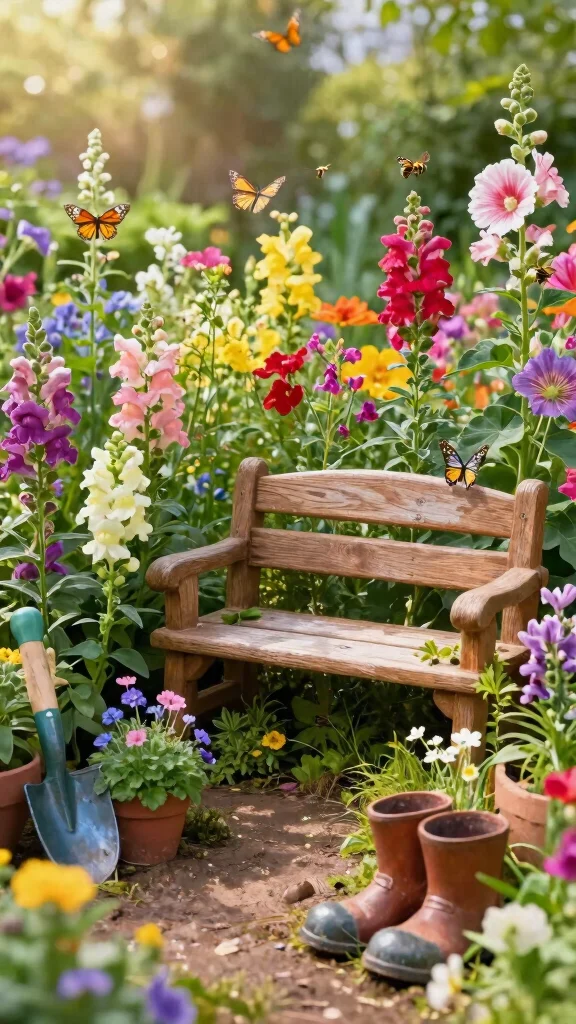
Let your imagination run wild in a whimsical cottage garden, where every corner bursts with color and charm. This layout features an informal mix of flowers, herbs, and vegetables, creating a joyful atmosphere filled with snapdragons and hollyhocks. The delightful chaos of this garden style invites you to explore its vibrant pathways and discover hidden treasures among the blooms.
To achieve this enchanting look, embrace the natural mingling of plants and attract beneficial wildlife. Add quirky elements, like repurposed teacups as planters, to enhance the garden’s charm and intrigue.
Key ideas for your garden:
– Use repurposed items as unique plant pots.
– Mix edible herbs throughout your flowers for added utility.
– Create cozy seating areas surrounded by blooming beauty.
Design your layout with taller plants at the back and shorter ones in the front, ensuring a tiered visual effect. Don’t forget to add pathways of mulch for easy access and a touch of rustic charm.
3. The Zen Garden
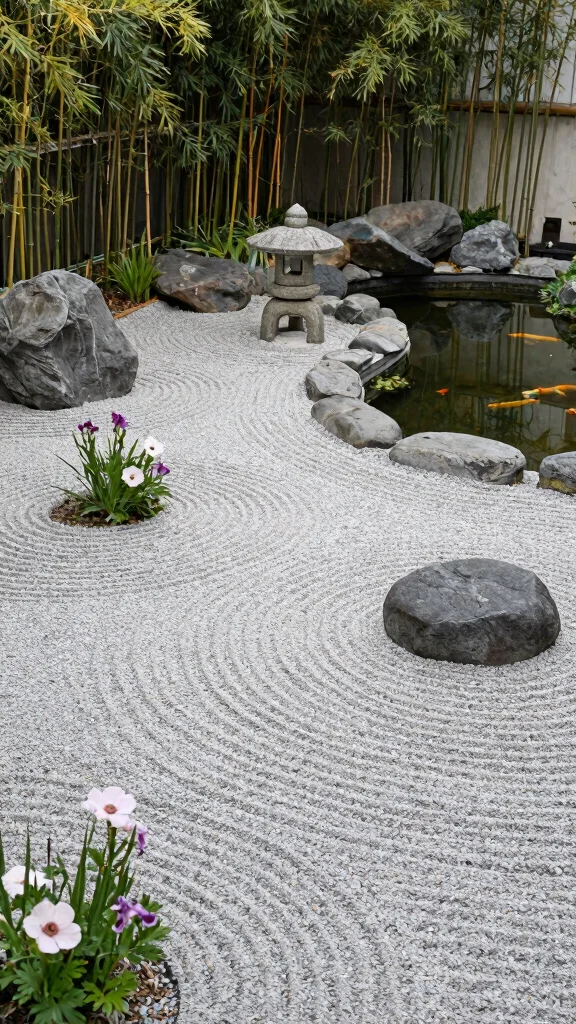
For those seeking peace and tranquility, a Zen garden offers a serene retreat filled with simplicity and calm. This layout features carefully arranged stones, sand, and select plants, such as Japanese anemones and irises, bringing subtle color to the serene landscape. The minimalistic design promotes mindfulness, encouraging you to relax and reflect in nature’s embrace.
To enhance the calming atmosphere, integrate water features like koi ponds or tranquil fountains that provide soothing sounds. Use climbing plants like bamboo to create privacy and a sense of enclosure, enhancing the overall experience.
Key components for your Zen garden:
– Design pathways with stepping stones for guided exploration.
– Utilize a limited color palette for a cohesive look.
– Strategically place large rocks to create focal points.
Maintain sharp edges in your gravel for a clean, polished appearance, and select low-maintenance plants that contribute to the Zen experience.
4. The Vertical Garden
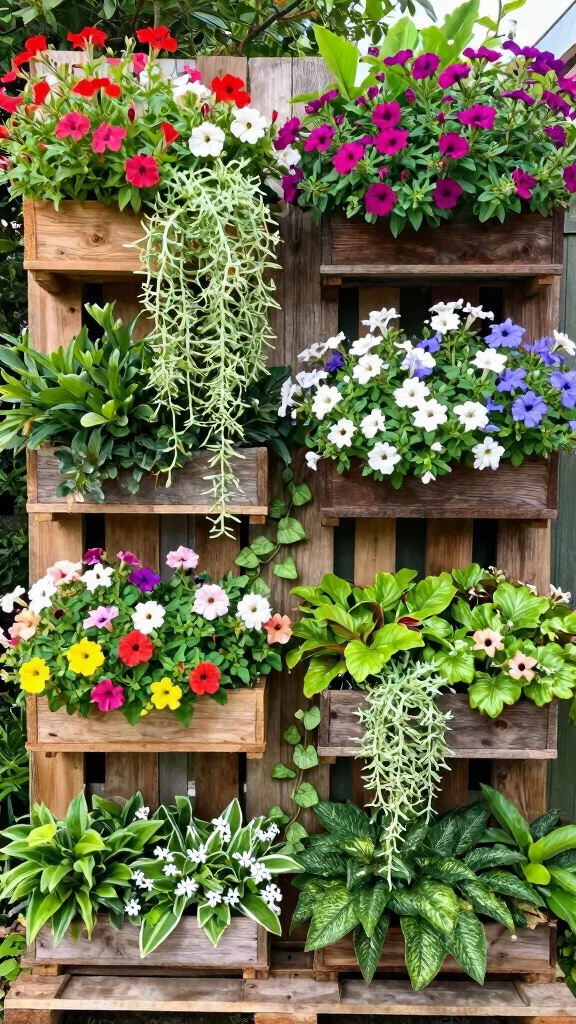
If you’re short on space, a vertical garden presents a stunning and practical solution. This innovative layout utilizes walls or fences to showcase beautiful flowering plants, like petunias and trailing ivy, arranged in stacked or hanging forms. A vertical garden not only saves space but also transforms bare surfaces into vibrant living art.
To maximize your vertical garden’s impact, consider using recycled materials, such as pallets or gutters, to create unique planting areas. Incorporate a drip-irrigation system to simplify watering, ensuring your flowers thrive without extra effort.
Key strategies for creating your vertical garden:
– Use recycled materials for eco-friendly planting options.
– Add a drip-irrigation system for efficient watering.
– Choose a mix of flowering and leafy plants for texture and interest.
Ensure your vertical structures have sturdy supports to withstand plant weight, and check for pests regularly, as vertical spaces can attract unwanted visitors.
5. The Butterfly Garden
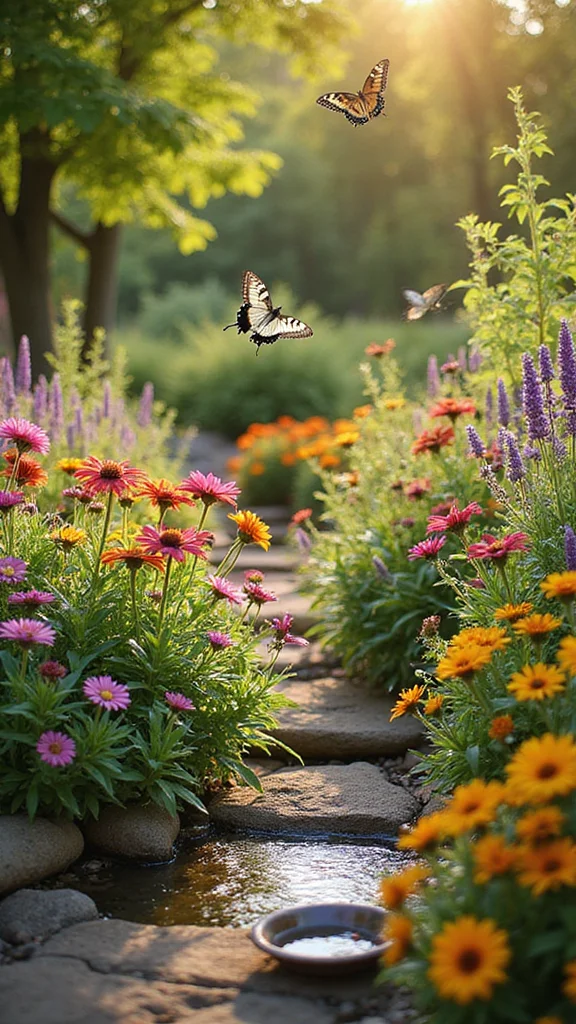
Create a magical haven for butterflies and flowers with a butterfly garden. By planting specific nectar-rich flowers like milkweed and coneflowers, you can attract these beautiful creatures while enjoying a stunning visual display. A butterfly garden not only enhances your yard’s beauty but also contributes to local pollination efforts.
To encourage butterfly visits, plant flowers in clusters, making them easily visible to fluttering friends. Include host plants like parsley for caterpillars, providing food and nurturing the life cycle of these enchanting insects.
Key elements to include in your butterfly garden:
– Plant in clusters to attract butterflies easily.
– Include host plants for caterpillars to thrive.
– Avoid pesticides to protect your butterfly guests.
Create sunny spots for butterflies to warm up and shady areas for retreat. Your efforts will create a lively and vibrant environment filled with fluttering beauty.
6. The Edible Flower Garden
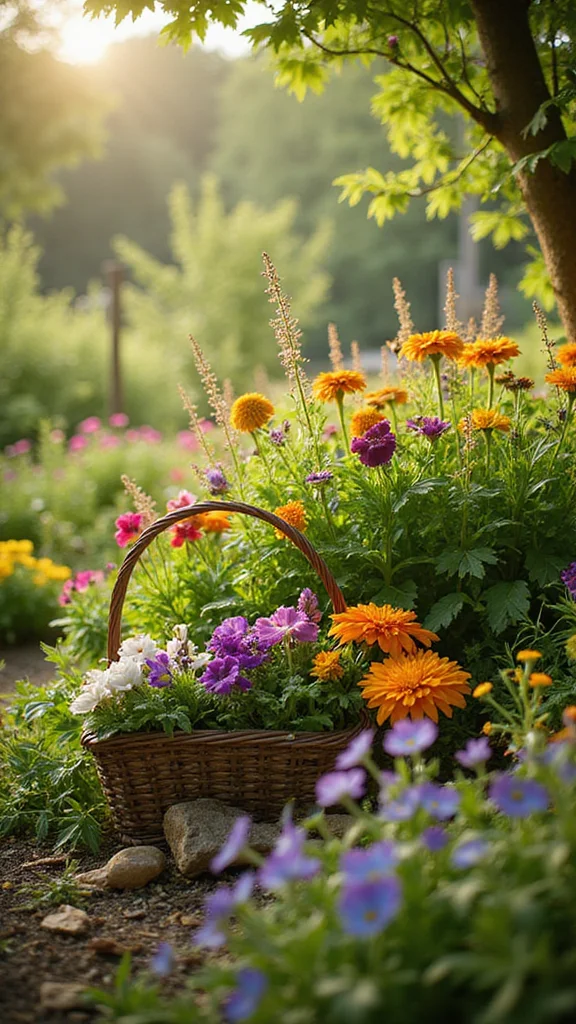
Why limit flowers to aesthetics when they can be delicious too? An edible flower garden brings together beauty and flavor, with blooms like nasturtiums and calendula ready to enhance your culinary creations. This unique garden not only provides stunning visuals but also attracts beneficial pollinators, enriching your entire garden’s ecosystem.
Before consuming any flowers, ensure they are pesticide-free and safe to eat. Experiment with different flavors, as some edible flowers have sweet notes while others offer a spicy kick, adding variety to your dishes.
Key tips for your edible flower garden:
– Ensure flowers are pesticide-free before consumption.
– Experiment with flavor profiles of different blooms.
– Pair flowers with herbs for a harmonious blend.
Plan your layout to ensure continuous blooms throughout the growing season, making your garden both beautiful and functional.
7. The Perennial Paradise
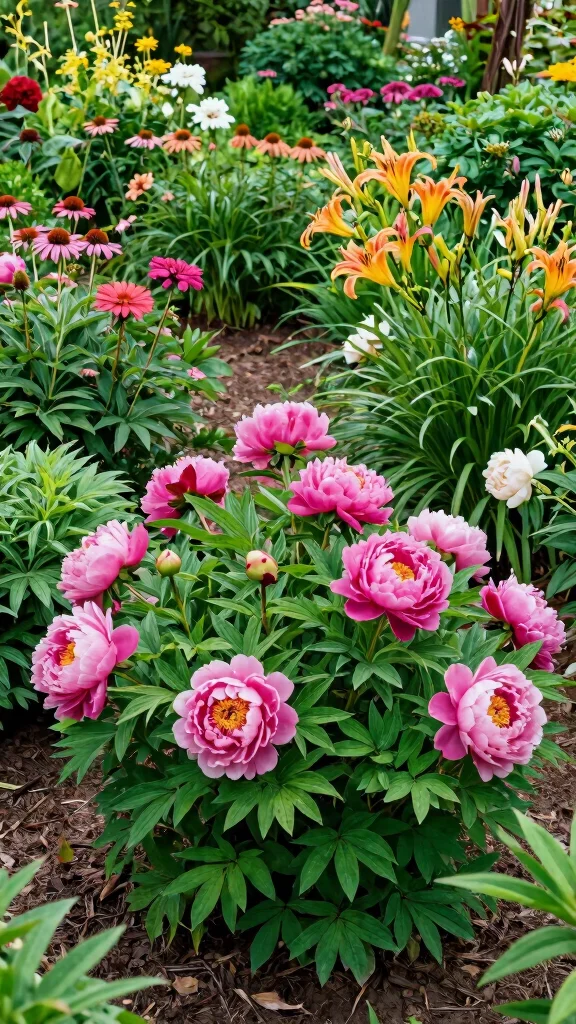
Perennial gardens are a treasure for gardeners, showcasing vibrant blooms that return year after year. Fill your space with stunning varieties like peonies and daylilies to create a low-maintenance yet stunning garden. These resilient plants provide stability and beauty, attracting wildlife while offering continuous displays of color.
By grouping perennials in odd-numbered clusters, you can achieve a more natural look. Consider the seasonal shifts when planning your layout, as various flowers bloom at different times, ensuring ongoing visual interest.
Key strategies for your perennial garden:
– Group plants in odd-numbered clusters for a natural feel.
– Consider seasonal shifts when planning your layout.
– Use mulch to retain moisture and suppress weeds.
Create zones based on bloom times for continuity and enjoy the delightful returns of your perennial paradise.
8. The Seasonal Bloom Garden
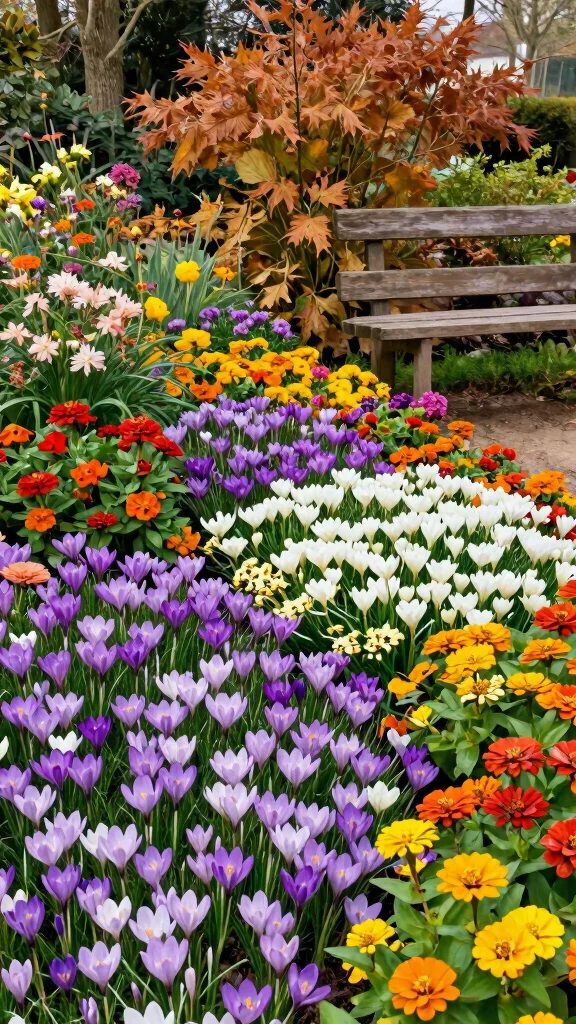
Design a garden that flourishes throughout the year by incorporating flowers that bloom in every season. Start with early bloomers like crocuses and fill the space with summer favorites like zinnias and fall asters, ensuring a continuous splash of color. This thoughtful layout encourages you to enjoy the outdoors year-round, celebrating nature’s beauty in every season.
To maximize blooms, select a combination of bulbs, perennials, and annuals tailored to your local climate. Document the timing of your flowers to refine your combinations year after year, enhancing the garden’s overall appeal.
Key considerations for your seasonal bloom garden:
– Choose a mix of bulbs, perennials, and annuals for variety.
– Document bloom timing each year for better planning.
– Maintain tidy borders to enhance visual appeal.
With careful planning, your garden will be a year-round celebration of color and life.
9. The Rustic Farmhouse Garden
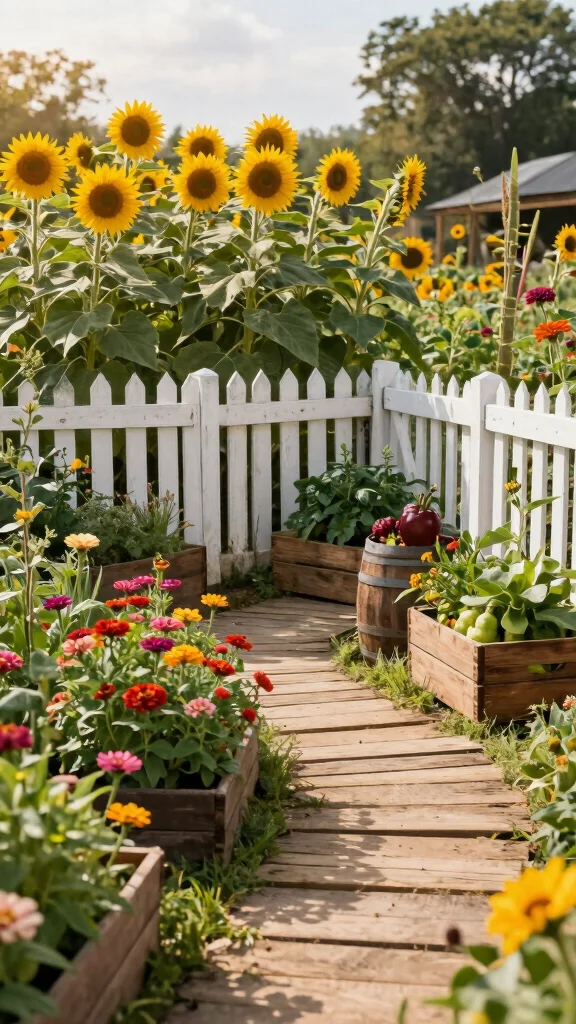
Capture the essence of country charm with a rustic farmhouse garden that blends flowers, vegetables, and herbs for a warm, inviting feel. Picture tall sunflowers standing proudly over colorful zinnias, all surrounded by a charming white fence. This layout beautifully combines beauty and functionality, enriching your outdoor space with both aesthetics and fresh produce.
Incorporate wooden crates or barrels for planting to enhance the rustic vibe, and use reclaimed wood for pathways to add character and charm. Keep your design informal, allowing plants to mingle naturally for an authentic farmhouse look.
Key elements for your farmhouse garden:
– Use wooden crates for planting to enhance charm.
– Incorporate reclaimed wood pathways for character.
– Plan for companion plants to optimize growth.
Choose a mix of heirloom and modern varieties to create diversity in both appearance and flavor.
10. The Mediterranean Garden
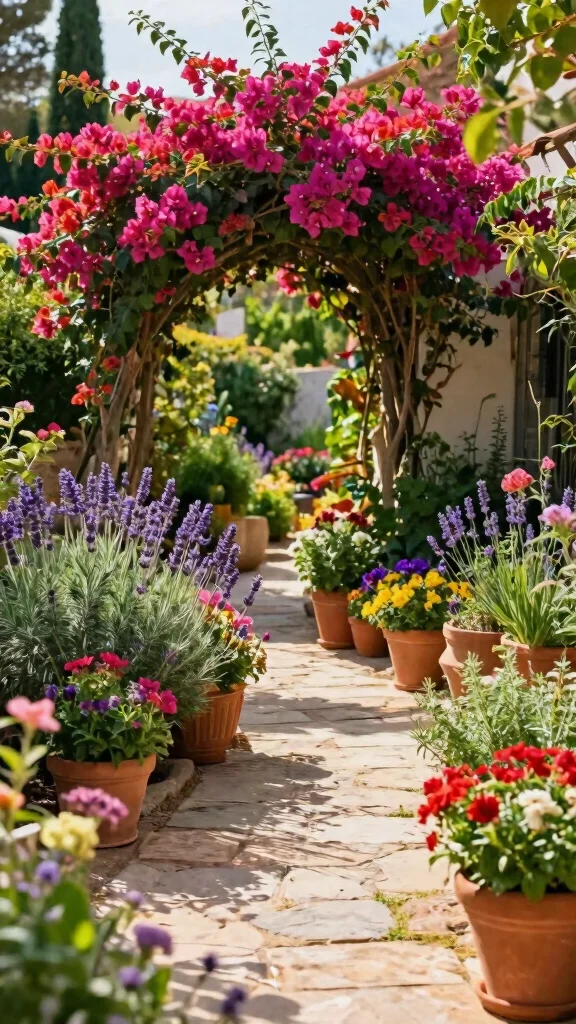
Transport yourself to the sun-drenched Mediterranean with a garden featuring bold colors and fragrant herbs. Imagine vibrant bougainvillea, aromatic rosemary, and lavender intermingling to create a stunning, relaxing landscape. This layout thrives in warm climates and focuses on drought-resistant plants, making it both beautiful and sustainable.
Incorporate stone pathways and terracotta pots to enhance the Mediterranean feel. Using gravel as a base promotes good drainage while reducing watering needs, ensuring your garden flourishes even in heat.
Key features for your Mediterranean garden:
– Use stone pathways to create a rustic vibe.
– Incorporate terracotta pots for authenticity.
– Position taller plants at the back for depth.
Choose plants that are native or well-adapted to your climate for the best results.
11. The Modern Minimalist Garden
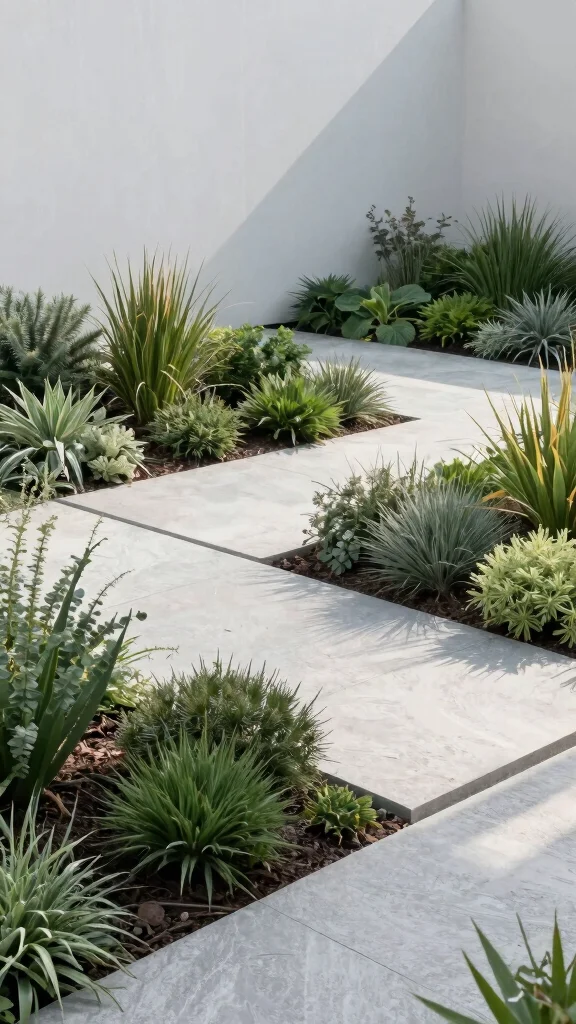
Simplicity and elegance are at the heart of a modern minimalist garden, focusing on clean lines and intentional plant placements. This layout often features monochromatic color schemes or limited floral varieties, creating a sleek and calming environment that invites tranquility.
Incorporate geometric shapes in your design, with plant arrangements mimicking modern art. Opt for low-maintenance plants that align with the minimalist aesthetic, keeping the focus on each individual plant’s beauty.
Key strategies for your minimalist garden:
– Use geometric shapes for a modern look.
– Opt for low-maintenance plants for ease.
– Implement hardscapes to highlight plants.
Regularly trim and maintain your plants to keep them looking tidy and stylish, ensuring your garden remains a peaceful retreat.
12. The Rain Garden
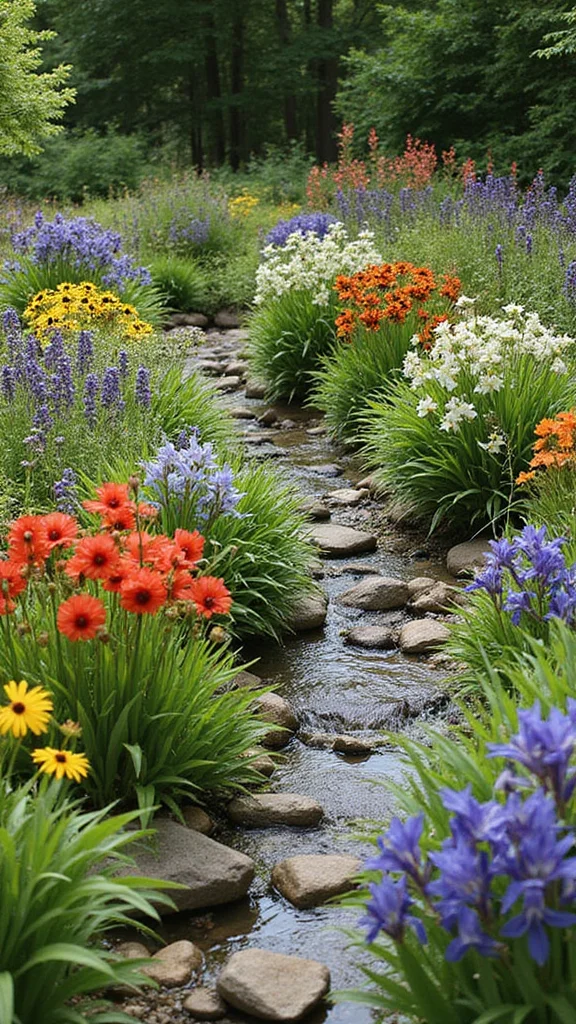
Transform your outdoor space into an eco-friendly haven with a rain garden designed to absorb and manage rainwater runoff. Plant resilient flowers like cardinal flower and blue flag iris to create a beautiful landscape that supports local ecosystems while enhancing your yard’s appearance.
Rain gardens improve water quality by filtering pollutants from runoff while providing habitats for wildlife. Position your garden in a low-lying area where water naturally collects for optimal effectiveness.
Key elements for your rain garden:
– Choose native plants that thrive in wet conditions.
– Design the garden to incorporate varying depths for natural beauty.
– Use mulch to retain moisture and suppress weeds.
Regular maintenance is essential to keep your rain garden healthy and thriving, ensuring you enjoy its beauty and benefits.
13. The Color-Themed Garden
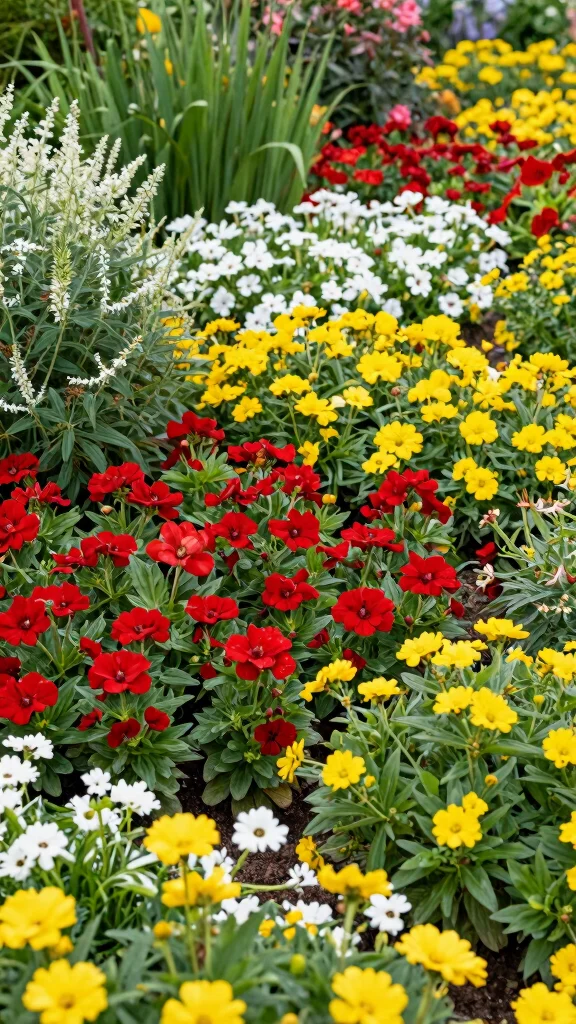
Express your personality through a vibrant color-themed garden that showcases your favorite hues. Select a cohesive palette—like serene whites or lively reds and yellows—to unify your outdoor space. A well-planned color scheme can turn your garden into a stunning visual masterpiece, evoking various moods and feelings.
When designing your layout, consider seasonal color changes and select flowers that bloom at different times to maintain your theme throughout the year. Utilize contrasting colors to create focal points and enhance visual interest.
Key strategies for your color-themed garden:
– Choose seasonal blooms for year-round color.
– Use contrasting colors for focal points.
– Plan layout to avoid overshadowing shorter plants.
Experiment with different combinations until you find the perfect mix that reflects your style and enhances your outdoor sanctuary.
14. The Wildlife Garden
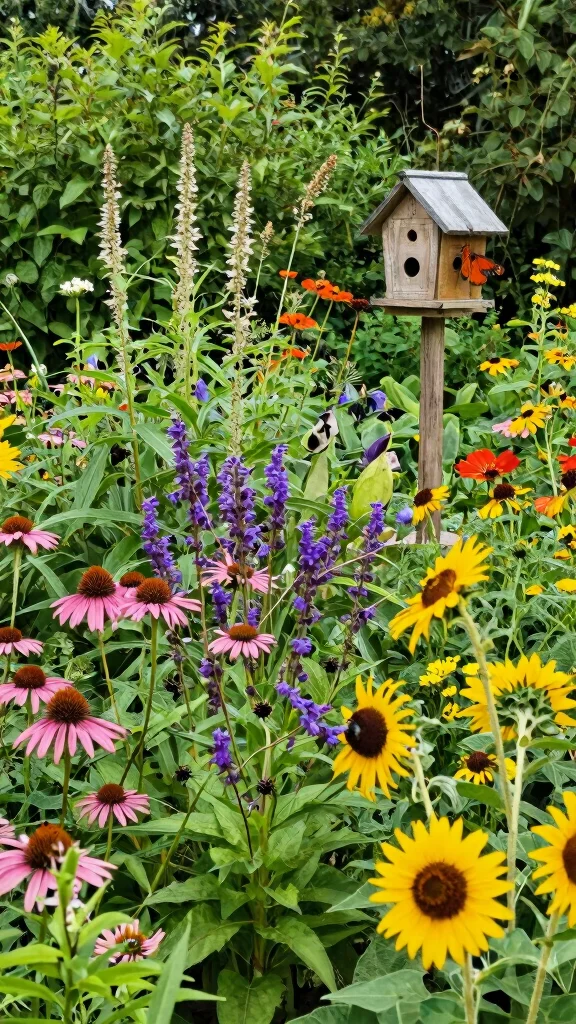
Create a vibrant sanctuary for local wildlife with a garden designed to attract birds, butterflies, and beneficial insects. By choosing native plants like bee balm and echinacea, your garden will support biodiversity while providing you with the joy of watching various species thrive.
Wildlife gardens not only add color and texture but also contribute to the health of your local ecosystem. Include features like bird feeders and butterfly houses to encourage visits and support the creatures that call your garden home.
Key elements for your wildlife garden:
– Include bird feeders and butterfly houses to attract visitors.
– Plant in layers for natural habitats.
– Limit pesticides to protect visiting wildlife.
Create a water source, like a shallow dish, to support wildlife and enhance the beauty of your garden.
15. The Container Garden
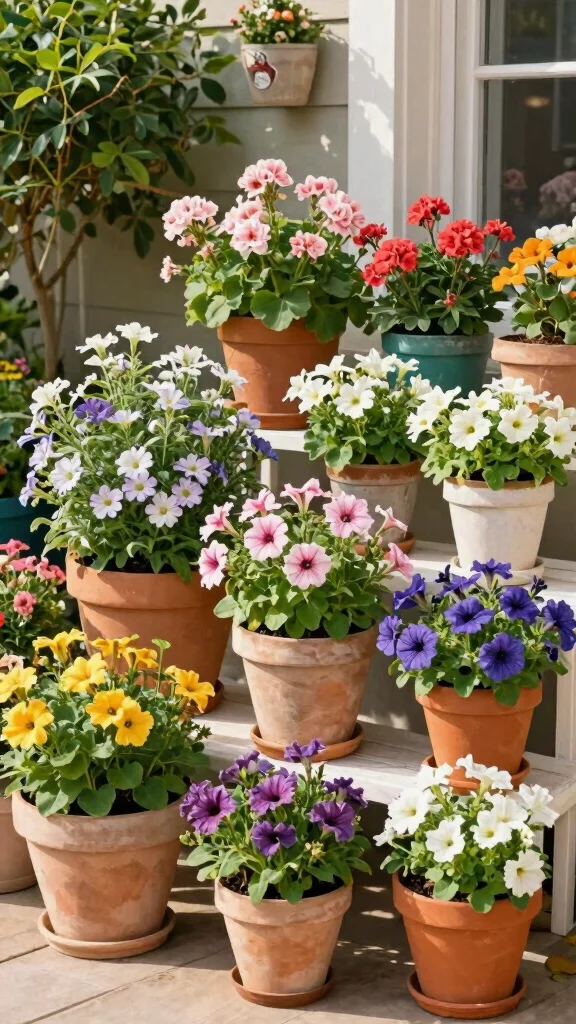
For those with limited outdoor space, a container garden offers a versatile and stylish solution. Perfect for patios or small yards, you can create stunning arrangements with flowers like petunias and geraniums, showcasing your creativity. Container gardens allow for customization, making them suitable for any environment.
To enhance visual interest, pair different heights and textures in your containers, and consider using self-watering pots to simplify maintenance. Regular watering is crucial, as containers can dry out more quickly than traditional garden beds.
Key tips for your container garden:
– Choose containers with drainage holes to prevent waterlogging.
– Experiment with different plant combinations for seasonal displays.
– Check for pests regularly in your containers.
With thoughtful planning and care, your container garden will flourish, adding beauty to your space.
16. The Community Garden
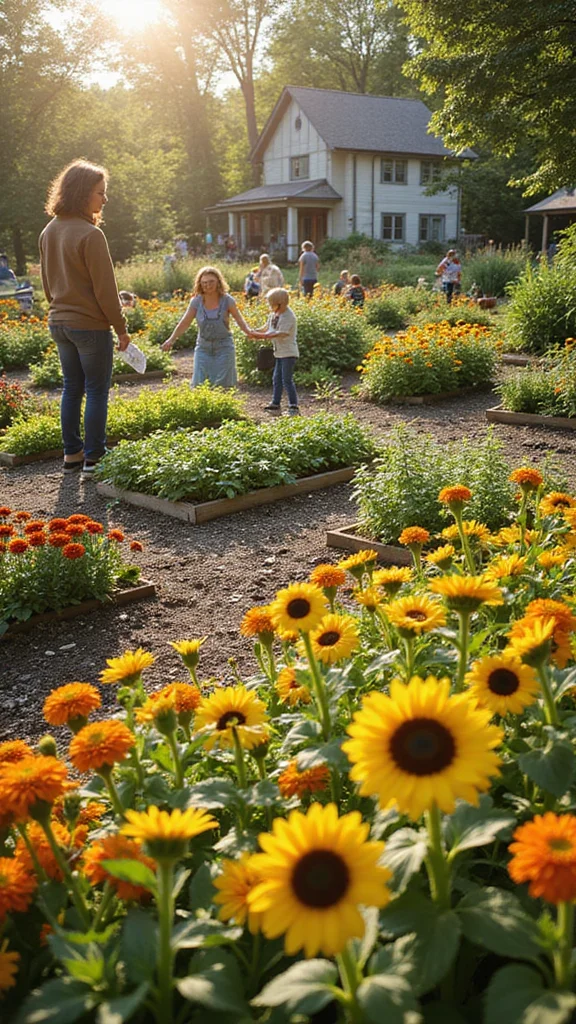
Engage with your neighborhood and promote sustainability by participating in a community garden. These collective spaces foster connections while sharing resources and knowledge, creating a vibrant environment for all. Add cheerful flowers like sunflowers and marigolds to bring joy and color to the community.
Community gardens encourage collaboration and education around gardening, making them valuable resources for everyone involved. Create designated areas for different types of flowers and vegetables to enhance productivity and visual appeal.
Key elements for a successful community garden:
– Set clear guidelines for maintenance to ensure participation.
– Organize community workshops for skill-sharing and education.
– Consider a communal tool shed for shared equipment.
Involving everyone in the planning process will create an inclusive and thriving garden space that benefits the entire community.
17. The Urban Garden
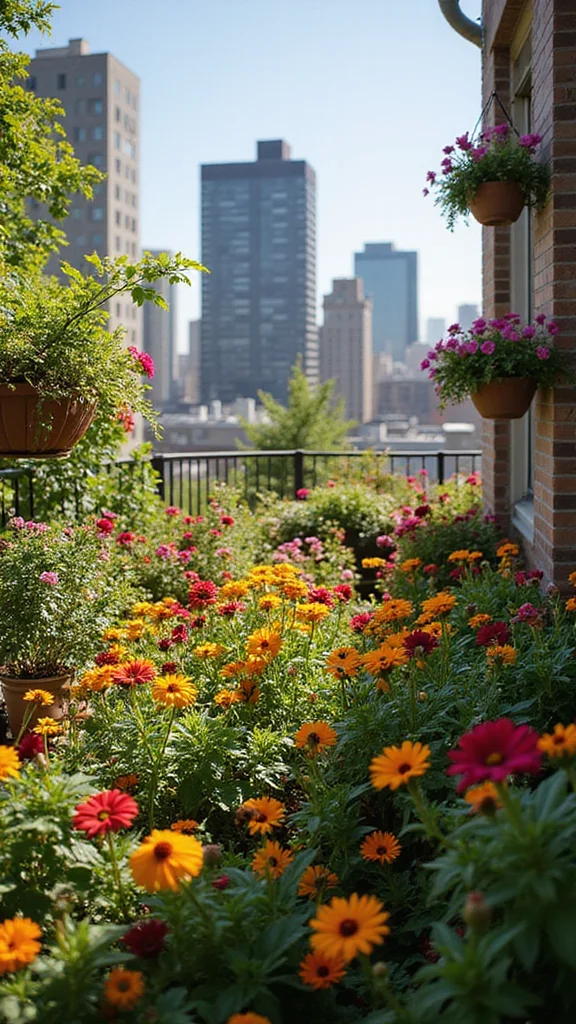
Urban gardening is trending, and for good reason! It revitalizes cityscapes by transforming rooftops, balconies, and small yards into vibrant floral havens. Opt for urban-friendly flowers like cosmos and geraniums, creating a lively atmosphere that brings nature to the concrete jungle.
Urban gardens combat heat and improve air quality while offering city dwellers a slice of greenery. They also enhance the visual appeal of urban areas, making them more inviting and cheerful.
Key strategies for your urban garden:
– Use vertical gardening techniques to maximize space.
– Incorporate edible flowers and herbs for practicality.
– Choose drought-resistant plants to minimize water usage.
With careful planning and a bit of creativity, your urban garden will flourish, bringing beauty and life to your surroundings.
18. The Tropical Garden
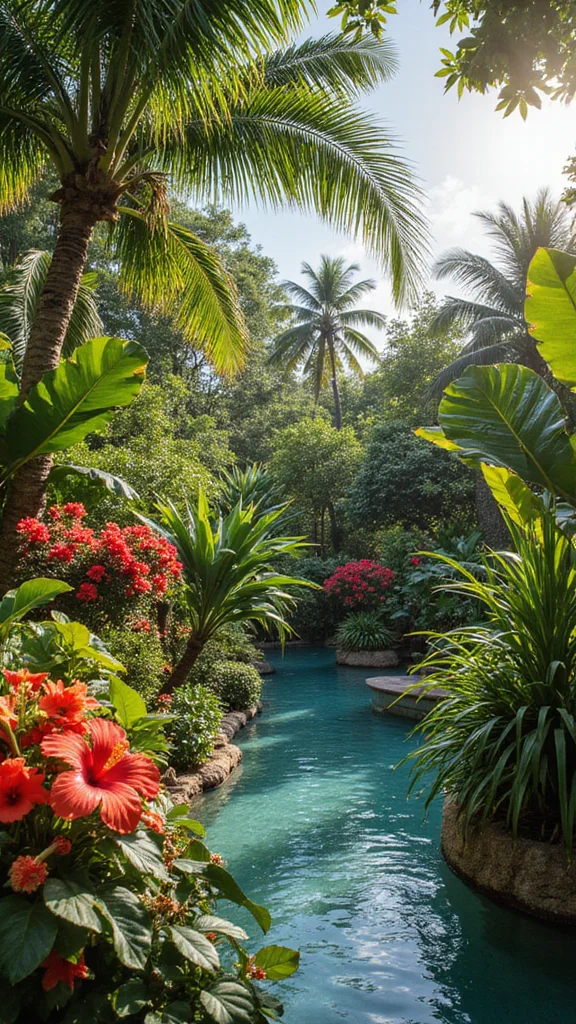
Bring the beauty of paradise to your yard with a tropical garden that bursts with bold colors and lush foliage. Feature stunning flowers like hibiscus and bougainvillea, creating an inviting landscape reminiscent of a serene vacation retreat. Tropical gardens thrive in warmer climates, showcasing diverse plantings that create an exotic atmosphere.
Incorporate palms and ferns to add layers of texture, creating a jungle-like effect that enchants your senses. Consider adding water features or decorative stones to enhance the tropical vibe and bring serenity to your outdoor oasis.
Key features for your tropical garden:
– Choose a mix of blooming and foliage plants for dynamic looks.
– Position plants in clusters for a more natural feel.
– Ensure adequate drainage for healthy growth.
With regular pruning and care, your tropical garden will flourish, providing a vibrant escape from everyday life.
Conclusion
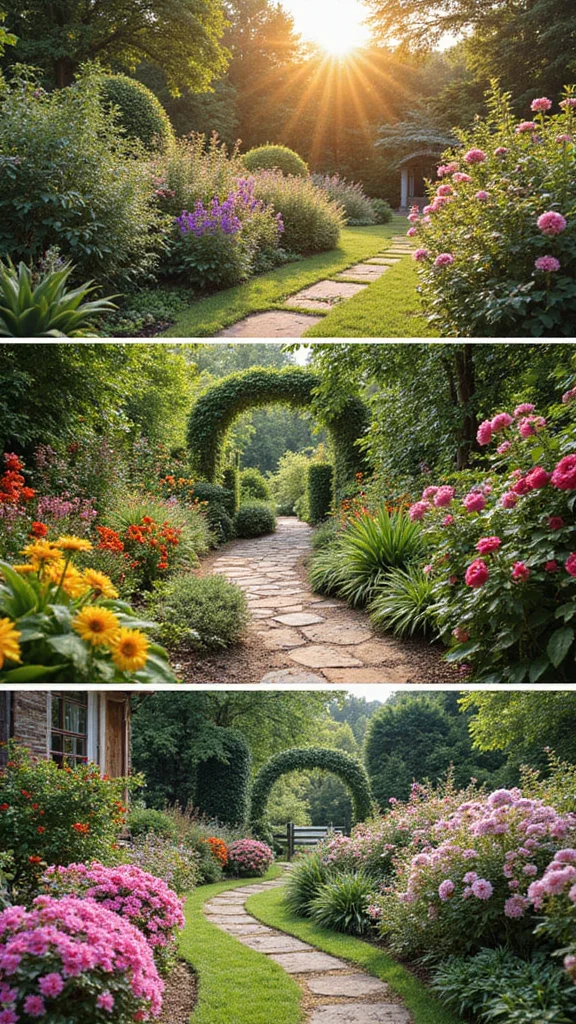
With so many breathtaking garden layout ideas, the only limit is your imagination! Whether you prefer the elegance of an English garden or the vibrancy of a tropical paradise, each layout offers its unique charm and appeal.
So what’s holding you back? Get your hands dirty, plant those seeds, and transform your outdoor space into a stunning floral wonderland that you can enjoy all year round!
Frequently Asked Questions
What is a companion planting chart and how can it help you design a floral Wonderland in your flower beds?
A companion planting chart is a simple guide showing which flowers pair well together to boost blooming, attract pollinators, and deter pests. To use it: map out plants with similar sun and water needs, group compatible pairs in blocks within your flower beds, and rotate companions each season to keep soil healthy. For a floral Wonderland, place fragrant, nectar-rich varieties near pathways and seating areas so you can enjoy the scent.
Bonus tip: combine bloom times for continuous color and ensure you have both tall backdrops and lower ground covers for depth.
Which layout ideas from the article are most effective for keeping your blooms blooming from spring to fall in flower beds?
Focus on staggered bloom times and layered plantings. Pair tall verticals with mid-height perennials and low groundcovers to cover soil and hide spent blooms. Mix perennials with seasonal annuals to extend color; group plants by pollinator needs; choose nectar-rich varieties to encourage continuous blooming. Use a cohesive color story and fragrance to create a true floral Wonderland. Include practical steps: mark sun/shade zones, set up a simple planting plan, and note pruning needs.
By planning ahead you’ll maximize bloom windows and reduce gaps in your flower beds.
How can I implement a practical companion planting chart to boost pollinator activity in my flower beds?
Start with a short list of nectar-rich flowers and complementary companions. Use the chart to pair species that share water and sun needs, so you can cluster them into pollinator-friendly blocks. Place early-blooming flowers with mid- and late-season options to keep food flowing for bees and butterflies. Include herbs like dill or fennel near flowering plants to attract beneficial insects. Finally, avoid broad-spectrum pesticides and monitor outcomes.
Tip: keep a simple notebook of which pairings attracted more pollinators, and adjust as needed.
Are there budget-friendly strategies from these layout ideas that still maximize blooming and fragrance?
Absolutely. Start with what you already have—divide perennials and replant to create new clusters (boosts bloom without buying). Use self-seeding annuals for added color, and mulch to conserve moisture and suppress weeds. Build vertical interest with budget-friendly trellises or obelisks, and use containers from around the house for instant color. Choose a few scented varieties and group them for scent-dense hotspots in your flower beds. You’ll achieve a blooming, fragrant space without breaking the bank.
Pro tip: plan ahead with a shopping list and seasonal sales to stretch your dollars while still getting the looks you want.
How can a beginner start designing their own floral Wonderland using the article’s layout ideas?
Start with a simple plan: pick a focal point (a statue, fountain, or standout plant), map sun and shade across your space, and sketch a rough layout on paper. Choose 2–3 layout ideas from the 18 that fit your site, then draft the plant list with bloom times to ensure continuous color. Add a companion planting chart to guide pairings and pollinator-friendly options. Finally, plant in blocks for impact, water smartly, and enjoy the blooms as they arrive.
Involve patience and flexibility—your floral Wonderland will evolve as plants mature and seasons change.