
Creating a beautiful garden in a small space can feel like a daunting challenge, especially when you’re working around something as large as a half-deck above an above-ground pool. Did you know that container gardening is not only a space-saver but also a fantastic way to add color and life to your outdoor area? I made this post to share some genius tips that will help you make the most of your limited space while transforming it into a green oasis.
If you’re someone who loves to garden but feels restricted by the size of your yard or deck, this post is for you. Whether you’re a seasoned green thumb or just starting, these tips will inspire you to explore creative ideas for container gardening. You’ll discover practical advice that turns those small, overlooked spaces into thriving gardens.
With 17 unique strategies at your fingertips, you’ll learn how to choose the right containers, mix and match plants, and even incorporate edible options. Get ready for a gardening adventure that will make your small space feel like a lush paradise. And trust me, you won’t believe the magic of tip #5!
Key Takeaways
– Choose the Right Containers: Selecting containers that suit your space and plant needs is crucial for successful gardening in small areas. Look for lightweight, durable options that fit your style.
– Utilize Vertical Space: Take advantage of walls, fences, or even the sides of your above-ground pool to create a vertical garden. This helps maximize your planting area without taking up valuable ground space.
– Mix and Match Plants: Combine various plants in your containers for a more dynamic display. Pairing tall plants with trailing ones creates visual interest and maximizes growth in limited areas.
– Pay Attention to Soil Quality: Good soil is the foundation of a healthy garden. Invest in high-quality potting mix to ensure your plants thrive and get the nutrients they need.
– Water Wisely: Container plants often require more frequent watering than those in the ground. Establish a watering schedule to keep your plants hydrated but avoid overwatering, which can lead to root rot.
Contents
- 1. Choose the Right Containers
- 2. Utilize Vertical Space
- 3. Mix and Match Plants
- 4. Pay Attention to Soil Quality
- 5. Fertilize Wisely (You Won’t Believe #5!)
- 6. Water Wisely
- 7. Choose the Right Plants for Your Environment
- 8. Create Layered Heights
- 9. Incorporate Edible Plants
- 10. Use Color Theory to Your Advantage
- 11. Create Microclimates
- 12. Keep Pests at Bay
- 13. Timing is Everything
- 14. Use Companion Planting
- 15. Embrace Seasonal Changes
- 16. Keep It Clean
- 17. Get Creative!
1. Choose the Right Containers
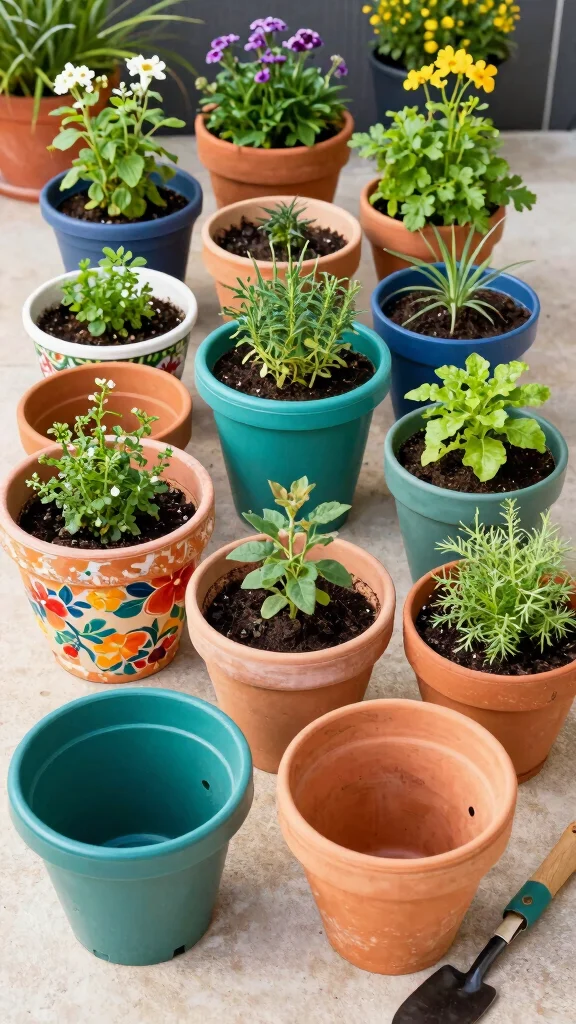
Finding the right containers is essential for your container gardening success. Your choice can greatly influence plant growth and health. Opt for pots with proper drainage holes to avoid overwatering, which can harm roots. Lightweight materials like plastic are perfect for elevated areas, while classic terracotta pots offer a rustic touch but can be cumbersome.
Consider the color of your containers; darker shades absorb heat, which is great for sun-loving plants in cooler areas but may overheat in warm climates. Mixing various sizes can enhance visual appeal, while similar colors can create a harmonized garden look.
– Ensure containers have drainage holes for healthy roots.
– Choose lightweight options for easy repositioning.
– Mix different sizes for added interest.
– Select colors based on sunlight reflection.
– Decide the type of plants you’ll grow—flowers, herbs, or veggies?
By selecting the right containers, you lay the groundwork for a flourishing container garden.
📹 Related Video: HOW TO CHOOSE THE RIGHT POT – let’s talk about pot sizes (it’s easier than you might think)
2. Utilize Vertical Space
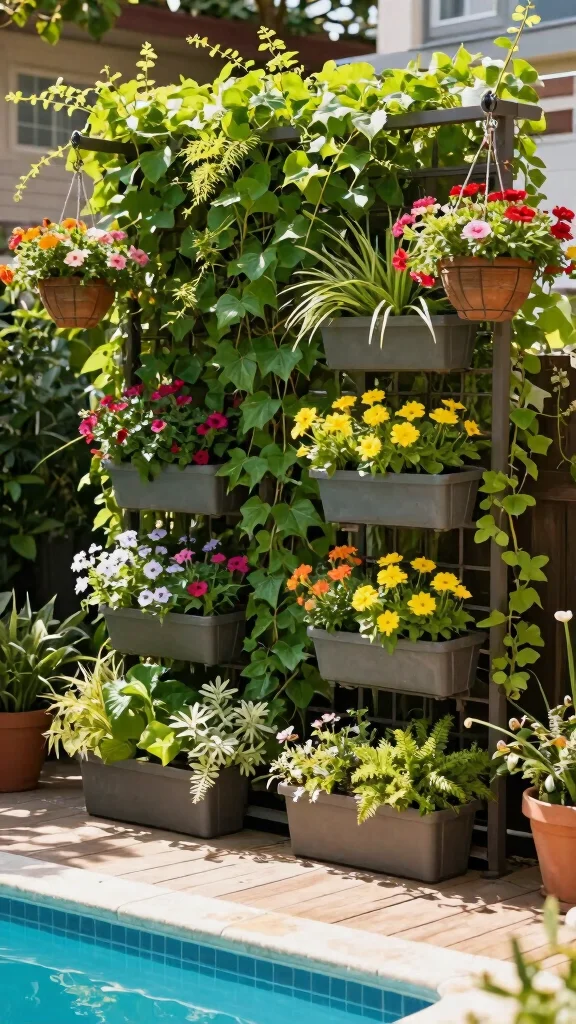
When space is limited, think upwards! Vertical gardening is a clever method to maximize your gardening area while adding layers of beauty. Wall-mounted planters, trellises, or even repurposed wooden pallets can create stunning displays without occupying much floor space. This technique works wonders on a half deck surrounding your above-ground pool, letting you enjoy greenery from all angles.
Incorporate climbing plants such as sweet peas or beans that latch onto trellises, forming a lush green wall. Hanging baskets can also add delightful cascading blooms for visual interest.
– Select climbing plants to grow vertically.
– Hang baskets at varying heights for a dynamic effect.
– Use wall-mounted shelves for easy access to herbs.
– Incorporate vertical planters for flowers and greens.
– Ensure all plants receive adequate sunlight.
This strategy not only conserves space but also beautifies your garden, transforming it into a vibrant paradise.
3. Mix and Match Plants
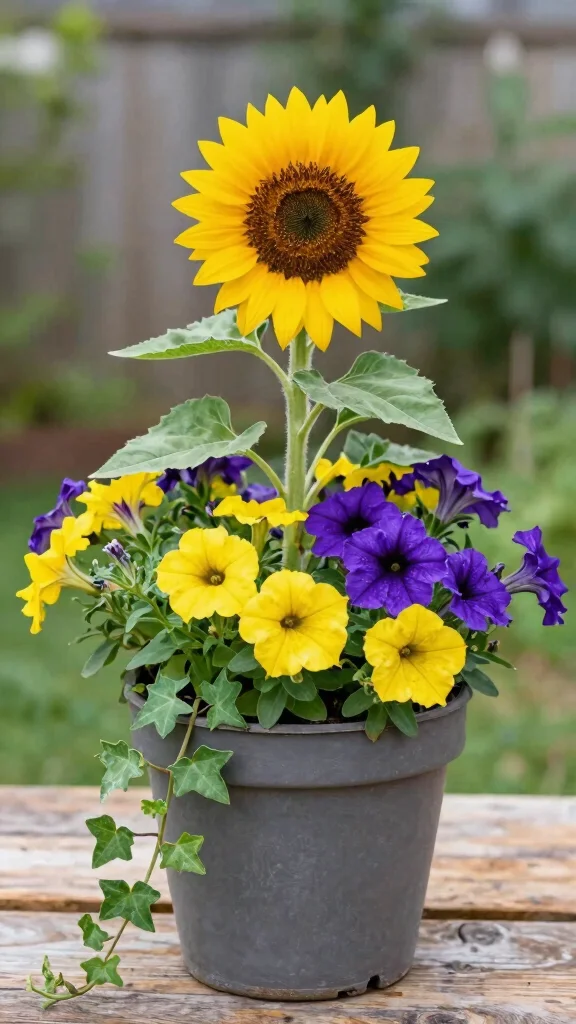
One of the joys of container gardening is your ability to create stunning plant combinations. Blending different textures, colors, and heights can turn an ordinary pot into a captivating centerpiece. For example, pairing tall sunflowers with trailing ivy creates striking contrasts and visual interest.
Filler plants, such as petunias, provide color and fullness, while tall ornamental grasses can serve as eye-catching thrillers. Spillers work perfectly to cascade down the sides of pots, enhancing the lush appearance.
– Choose plants with similar water and light needs.
– Plan seasonal combinations for year-round enjoyment.
– Create a cohesive theme based on color or texture.
– Be daring with contrasts while maintaining harmony.
– Mix edible and ornamental plants for diversity.
This creativity not only beautifies your space but also keeps your garden dynamic and fresh throughout the seasons.
You Might Also Like
4. Pay Attention to Soil Quality
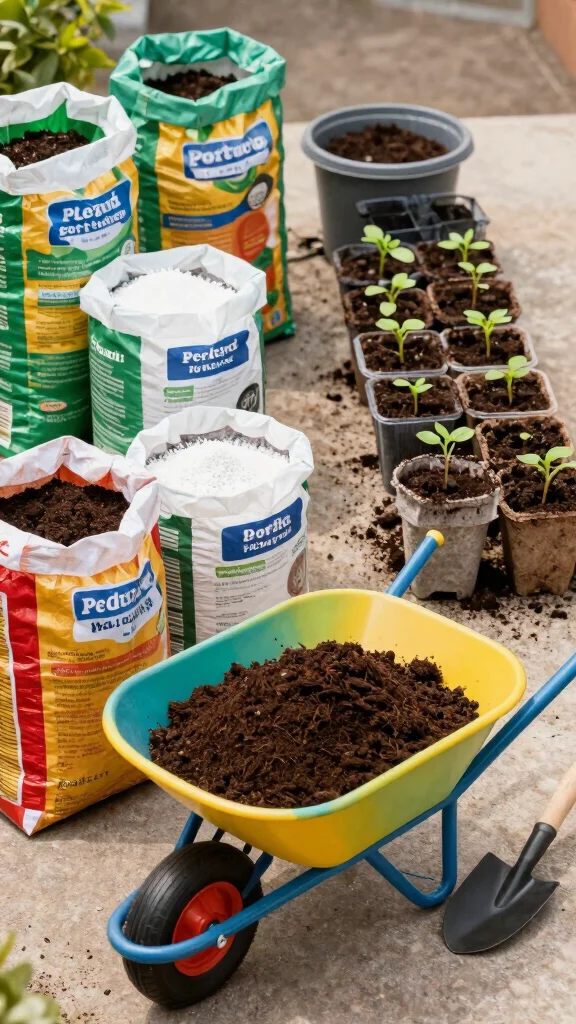
The quality of your soil is vital for successful container gardening. Using the right soil mix ensures your plants receive essential nutrients. Invest in a high-quality potting mix tailored for containers, steering clear of garden soil, which can become too compact and restrict root growth.
Adding compost to your potting mix boosts nutrient content, while perlite or vermiculite can enhance aeration and drainage.
– Choose potting mix with excellent drainage properties.
– Incorporate organic compost for added nutrients.
– Refresh the soil regularly to maintain nutrient levels.
– Test pH levels if plants show signs of distress.
– Water thoroughly after planting to settle the mix.
Quality soil is the backbone of a thriving container garden, so investing time in it pays off immensely.
5. Fertilize Wisely (You Won’t Believe #5!)
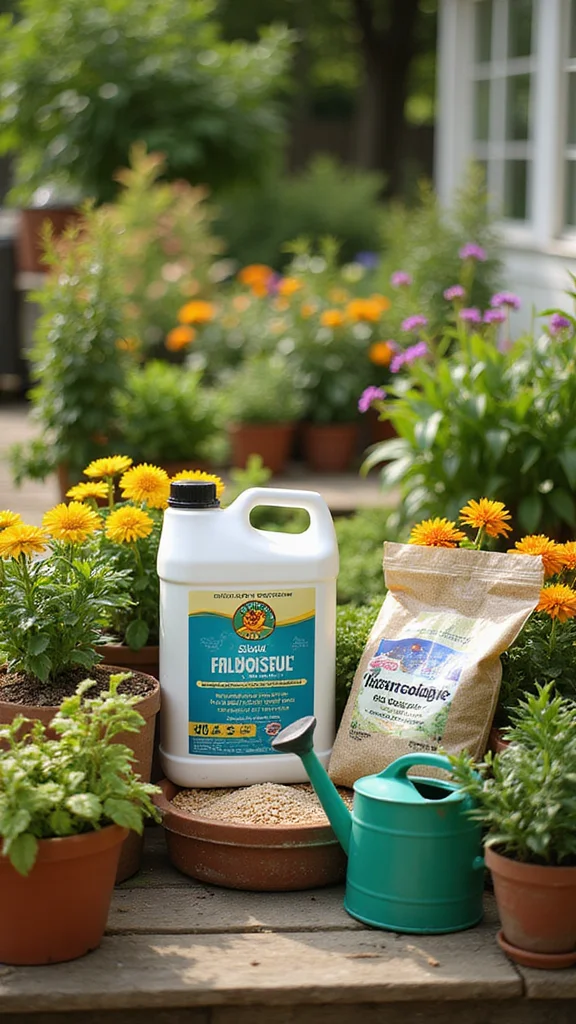
Fertilization is a crucial aspect of container gardening that often goes unnoticed. Limited soil in containers means nutrients can run out quickly. It’s essential to fertilize smartly and regularly. Consider using a slow-release fertilizer for a steady nutrient supply or liquid options for a quick boost.
Pay attention to your plants’ specific needs; flowering plants benefit from higher phosphorus, while leafy varieties thrive with more nitrogen.
– Stick to a fertilizing schedule to prevent overdoing it.
– Dilute liquid fertilizers to avoid root burn.
– Research plant-specific needs for optimal results.
– Use organic fertilizers for safer gardening.
– Try homemade compost tea as a natural option.
Consistent fertilization keeps your plants vibrant and healthy, leading to lush growth and beautiful blooms.
Fun fact: in container gardening, nutrients deplete up to 2-3x faster than in-ground beds. A slow-release fertilizer keeps the supply steady for 6-8 weeks, while a quick-liquid boost can perk up plants in days.
6. Water Wisely
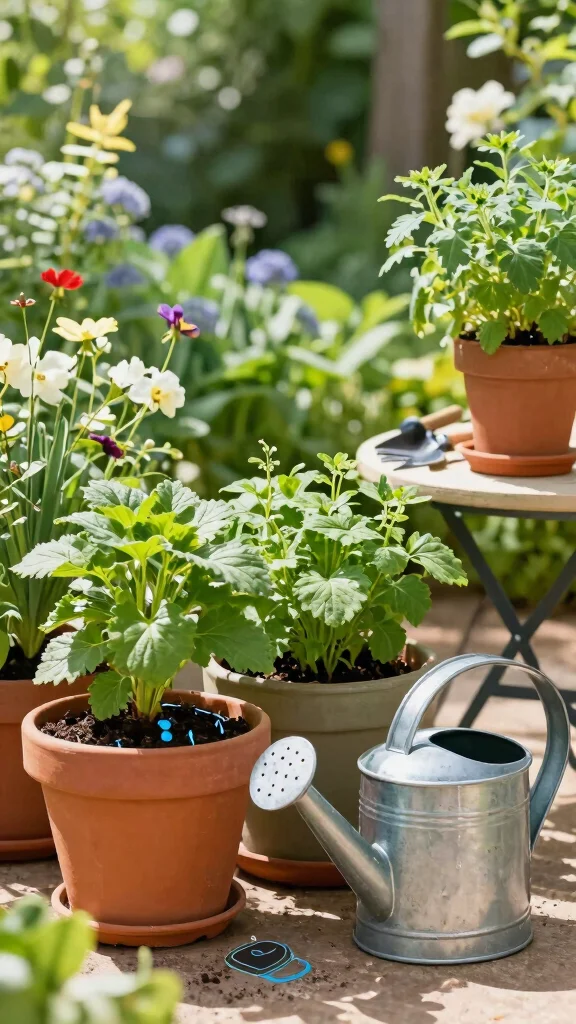
Watering in container gardening is both an art and a science. Unlike garden beds, containers can dry out quickly, especially in sunny areas near your pool deck. Watering thoroughly is essential to ensure moisture reaches the entire root system, yet it’s crucial to avoid overwatering, which can cause root rot.
Establish a regular watering schedule, adjusting for weather conditions. On hot days, check moisture levels daily. Implementing a drip irrigation system can save time and provide even watering.
– Water deeply and less frequently, avoiding daily small amounts.
– Check soil moisture with your finger or a meter.
– Adjust watering based on plant needs and weather.
– Consider self-watering containers for convenience.
– Avoid watering in direct sun to prevent leaf burn.
Understanding your watering needs helps keep your container plants flourishing all season long.
7. Choose the Right Plants for Your Environment
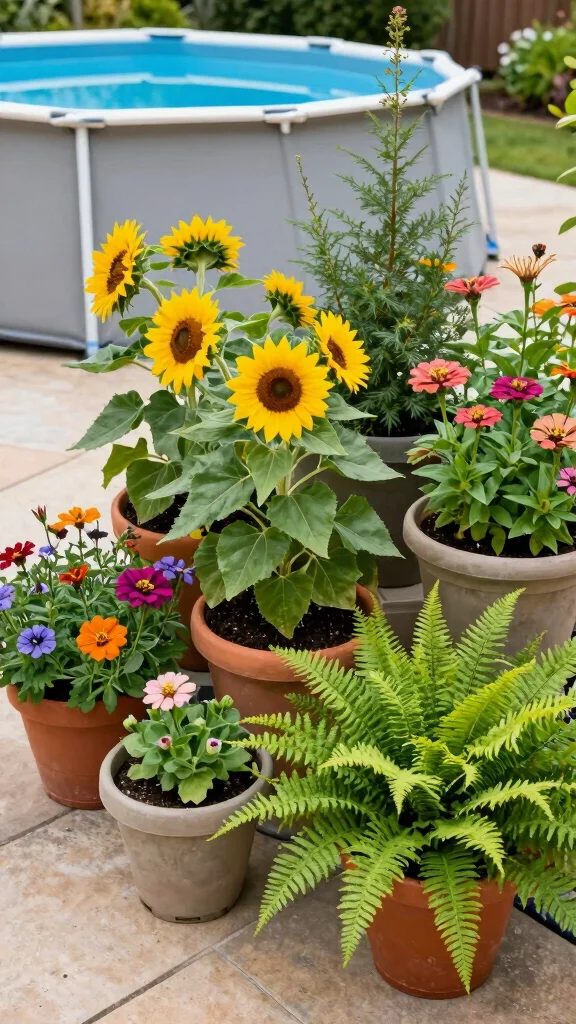
Selecting the right plants for your environment is vital to your garden’s success. Understanding your local climate and sunlight conditions can make all the difference. Consider factors like sun exposure, wind, and temperature when choosing plants for your containers around your above-ground pool.
For sunny spots, heat-tolerant flowers like zinnias or succulents thrive, while ferns and hostas excel in partial shade. Choosing suitable plants ensures a lush arrangement throughout the growing season.
– Research local climate conditions to guide your choices.
– Group plants with similar light needs together.
– Experiment with native species for better results.
– Plan seasonal plantings for continuous blooms.
– Observe and adjust based on plant responses.
Selecting the right plants ensures a healthy and vibrant miniature ecosystem in your backyard.
You might also like
How To Choose The Right Containers for Your Half Deck Around Above Ground Pool
When it comes to container gardening, selecting the right containers is crucial, especially for small spaces like a half deck around an above-ground pool. Choosing wisely can enhance your garden’s aesthetic while keeping your plants healthy. Here’s how to choose the best containers for your space:
1. Size Matters
You want to select containers that fit well within the limited space of your half deck. Consider the dimensions of your deck and the size of the plants you wish to grow. Smaller containers are great for herbs, while larger pots are suitable for vegetables or flowering plants. A good rule of thumb is to keep the height of the container no more than 12-18 inches if your deck has railing.
2. Material Choice
Containers come in various materials, including plastic, ceramic, wood, and metal. Each has its pros and cons. Plastic pots are lightweight and affordable, while ceramic pots add an elegant touch but can be heavy. Wooden containers are great for a rustic feel but may require treatment to withstand moisture. Choose based on your style preference and how much weight your deck can support.
3. Drainage is Key
Good drainage is essential for plant health. Look for pots with drainage holes at the bottom to prevent water from pooling. If you find a beautiful pot without holes, you can modify it by drilling holes or using it as a decorative layer outside a smaller pot that has drainage. Remember, standing water can lead to root rot, and that’s something you want to avoid!
4. Color and Aesthetics
The color of your containers can significantly affect the look of your garden. Bright colors can create a cheerful vibe, while neutral tones can provide a calming effect. Since your pool is a focal point, consider choosing colors that complement the pool’s style. You can mix and match or stick to a uniform color palette for a harmonious look.
5. Weight Consideration
Since you’re working with a half deck around an above-ground pool, weigh the containers you plan to use. Lightweight options are easier to rearrange and won’t put too much stress on your deck structure. If you want a heavier look, consider filling your lightweight pots with gravel or stones at the bottom for stability without compromising ease of movement.
6. Budget-Friendly Options
Gardening can be expensive, but it doesn’t have to break the bank. Look for budget-friendly options like repurposed containers such as old buckets, cans, or even wooden crates. Not only does this save money, but it also adds a unique charm to your garden. You can find affordable pots at local garden centers or online retailers during seasonal sales.
Pro Tip: Always test the stability of your container on your deck. Ensure that it’s not too top-heavy, especially when adding tall plants. You want to avoid any accidents near the pool area, ensuring safety while you enjoy your lovely garden space! 🚀
8. Create Layered Heights
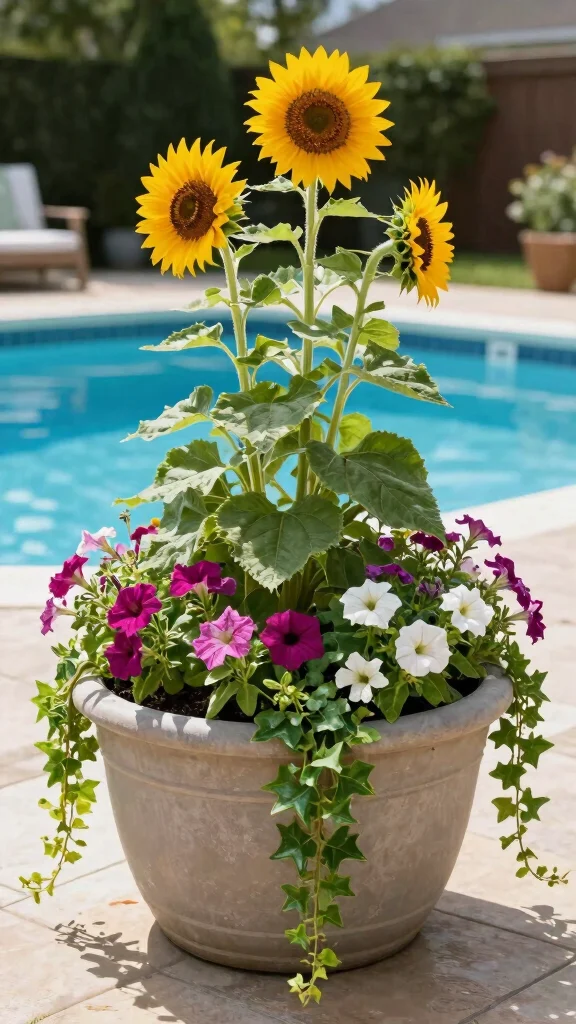
Creating layers adds depth and interest to your container garden. By varying plant heights, you achieve a more dynamic look that attracts attention. Start with tall plants in the back or center, fill in with medium-sized plants, and let trailing plants spill over the edges.
This arrangement enhances visibility and ensures all plants receive adequate light. It’s especially effective near your pool deck, where different levels can accentuate the view.
– Mix small, medium, and tall plants in each container.
– Use stands or risers to create height variations.
– Incorporate hanging plants for vertical appeal.
– Ensure all plants share similar light requirements.
– Adjust plant placement as they grow for continued interest.
Layering creates an engaging garden that impresses anyone who visits your space.
Fun fact: layered heights can boost curb appeal by up to 40% on small decks. Start tall at the back, fill with medium plants, and let trailing varieties spill over the edges—the half deck around above ground pool becomes a living centerpiece you’ll love from every angle.
9. Incorporate Edible Plants
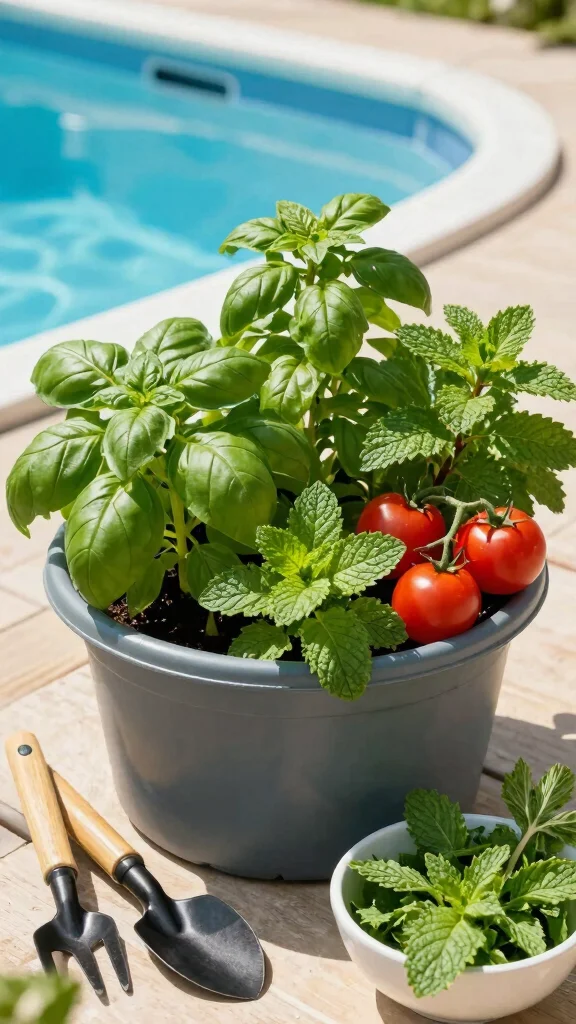
Why not add some edible plants to your garden? Including herbs and vegetables not only beautifies your space but also provides fresh ingredients for your meals. Options like basil, mint, and cherry tomatoes thrive in containers and are easy to care for. These plants also offer delightful fragrances, enhancing your outdoor experience.
Position them close to your kitchen for convenience. With a bit of planning, your small space can yield a bountiful harvest! Remember, pots and containers work wonderfully for growing edibles.
– Choose compact varieties for limited spaces.
– Regularly harvest to encourage further growth.
– Group similar plants for easier management.
– Understand growing requirements for each edible variety.
– Use organic fertilizers for enhanced flavor.
Adding edible plants enriches your container garden, making it a rewarding experience that enhances your meals and your space.
10. Use Color Theory to Your Advantage
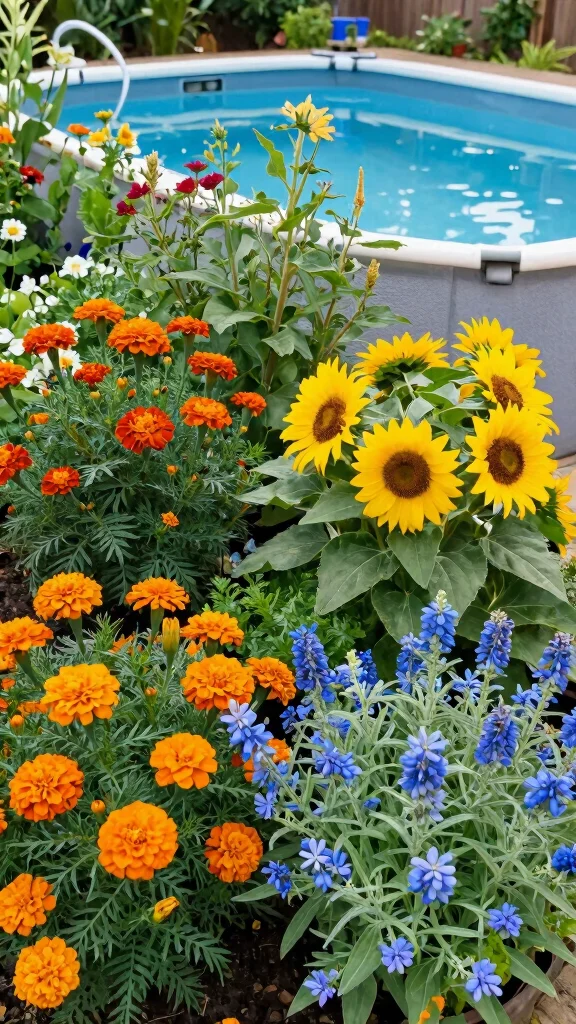
Color plays a significant role in your garden’s mood and appeal. Understanding color theory helps you choose plants and pots that create stunning visual effects. Warm colors like reds and yellows evoke energy and vibrancy, while cool colors like blues and greens bring peace and calm.
Create a cohesive look by selecting complementary colors or making bold statements with contrasting hues. Think about how different colors can enhance the beauty of your half deck and its surroundings.
– Choose a color palette that reflects your personality.
– Mix warm and cool colors for dynamic displays.
– Consider seasonal color changes throughout the year.
– Use foliage to balance and ground bright blooms.
– Experiment with combinations until you find your favorites.
Playing with color can transform your small space into a captivating garden that draws admiration.
11. Create Microclimates
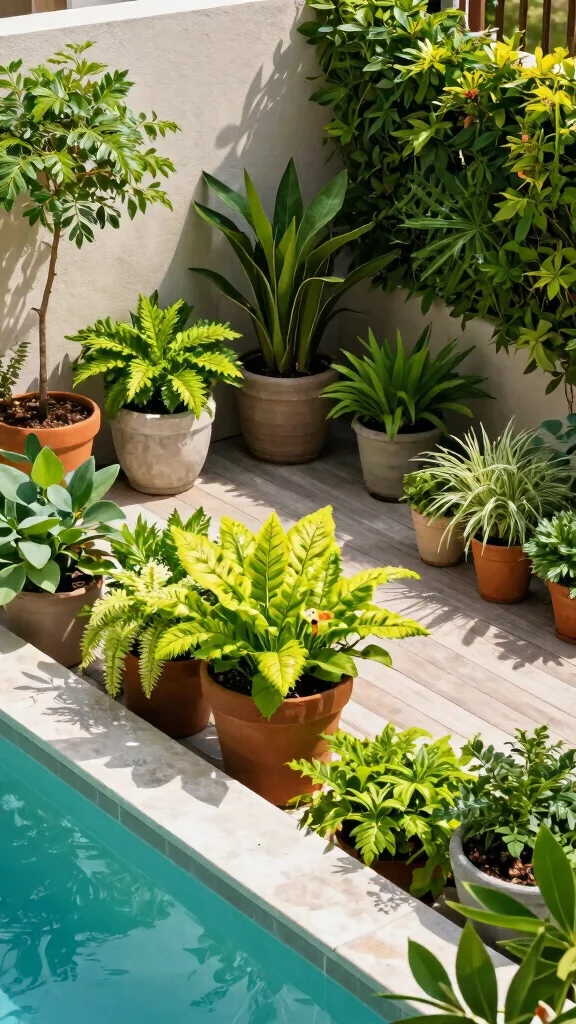
Creating microclimates in your container garden can help you take advantage of varying conditions. Placing pots near walls or under eaves provides shelter from wind and harsh sunlight, allowing delicate plants to thrive. Larger pots can act as heat sinks on cooler evenings, extending your growing season.
Be mindful of light and temperature variations, grouping plants according to their preferences for optimal health.
– Identify areas with different light and temperature conditions.
– Use larger pots for thermal benefits.
– Group similar plants for optimal care.
– Experiment with placement throughout the season.
– Observe plant responses to adjust locations as needed.
Understanding microclimates can enhance your container garden’s success, leading to lush growth and vibrant plants.
12. Keep Pests at Bay
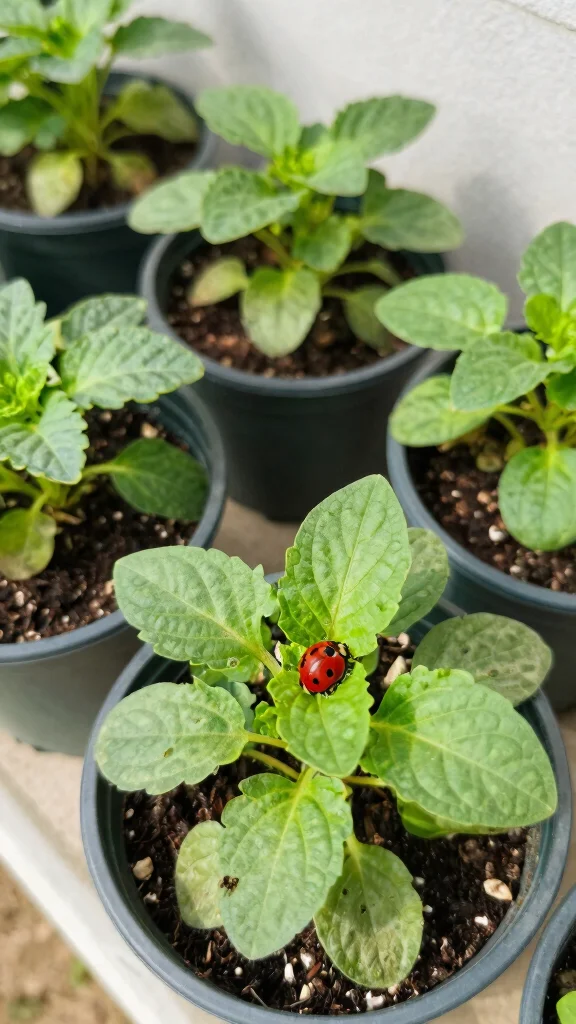
Keeping pests at bay is essential for a healthy container garden. Regularly inspect your plants for pests like aphids or spider mites and take preventive measures. Introducing beneficial insects like ladybugs can help manage unwanted pests naturally.
Consider organic pest repellents like neem oil or insecticidal soap for effective control without harming your plants. Additionally, maintaining cleanliness and removing debris can deter pests from making your containers their home.
– Inspect plants regularly for early signs of infestation.
– Use beneficial insects to manage pest populations.
– Keep containers tidy and free of debris.
– Apply organic treatments when necessary.
– Research specific pests related to your plants for targeted control.
By proactively managing pests, you ensure a healthy and thriving container garden that flourishes for years.
13. Timing is Everything
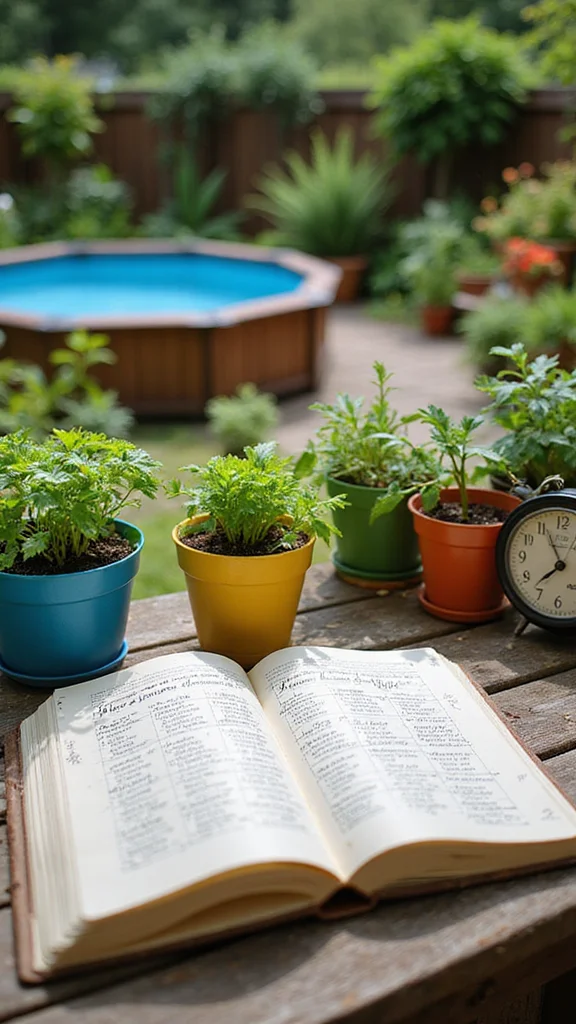
Understanding the timing for planting is crucial for successful container gardening. Different plants have specific growing seasons, and timing your planting can lead to healthier yields. Research your local frost dates and seasonal changes to find the best planting times.
For instance, cool-weather crops like pansies and spinach thrive when planted in early spring, while heat-loving plants like tomatoes and peppers flourish in warmer temperatures. Adjusting your planting schedule ensures a vibrant garden throughout the growing season.
– Know your local frost dates and growing seasons.
– Choose seasonally appropriate plants for better results.
– Consider succession planting for continuous harvests.
– Monitor weather changes affecting growth.
– Keep records of successful plantings for future planning.
Proper timing leads to a bountiful and colorful display all year long.
You Might Also Like
14. Use Companion Planting
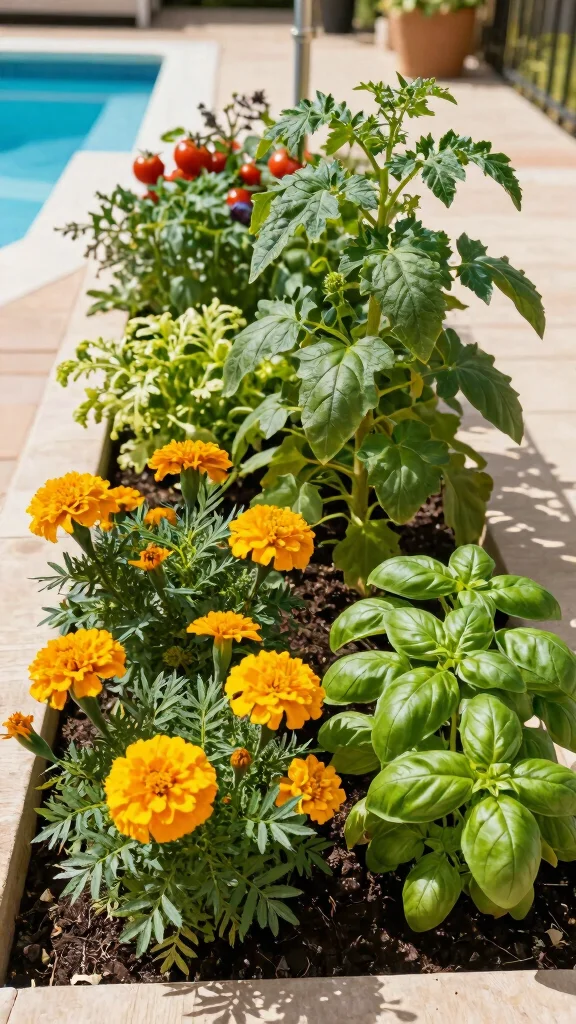
Companion planting pairs plants to enhance growth and deter pests. Understanding which plants thrive together creates a more productive garden. For example, planting marigolds alongside tomatoes can repel harmful nematodes and pests.
Another successful pairing is basil with tomatoes, where basil enhances the flavor of tomatoes while keeping harmful insects at bay. This method is especially useful in small spaces, maximizing each plant’s potential.
– Research companion plants that complement each other.
– Use flowers to attract beneficial insects to your garden.
– Group plants based on growth habits and needs.
– Keep track of combinations that yield the best results.
– Rotate companion plants each season for variety.
Companion planting leads to a thriving container garden that’s both beautiful and efficient.
15. Embrace Seasonal Changes
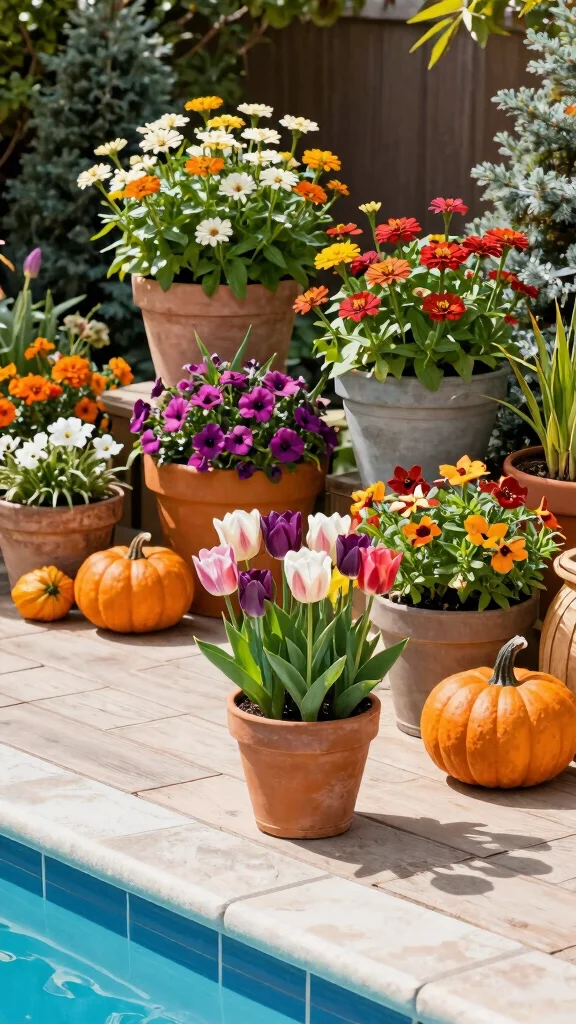
The beauty of container gardening is its flexibility, allowing you to embrace seasonal changes by rotating your plants. As seasons shift, you can swap blooms and vegetables to maintain a fresh garden. Early spring might feature pansies and tulips, while summer welcomes vibrant zinnias and dahlias.
In the fall, consider adding ornamental kale and chrysanthemums for seasonal flair. During winter, focus on evergreen plants like holly or winterberry to keep some greenery alive. This rotation keeps your garden lively and lets you enjoy seasonal variety.
– Plan seasonal rotations ahead of time for a varied garden.
– Choose plants that thrive in specific seasons for best results.
– Use seasonal decorations for added charm.
– Share seasonal plants with friends for new ideas.
– Document your garden’s progress throughout the year.
Rotating your container garden with the seasons cultivates a dynamic space that you can enjoy all year round.
16. Keep It Clean
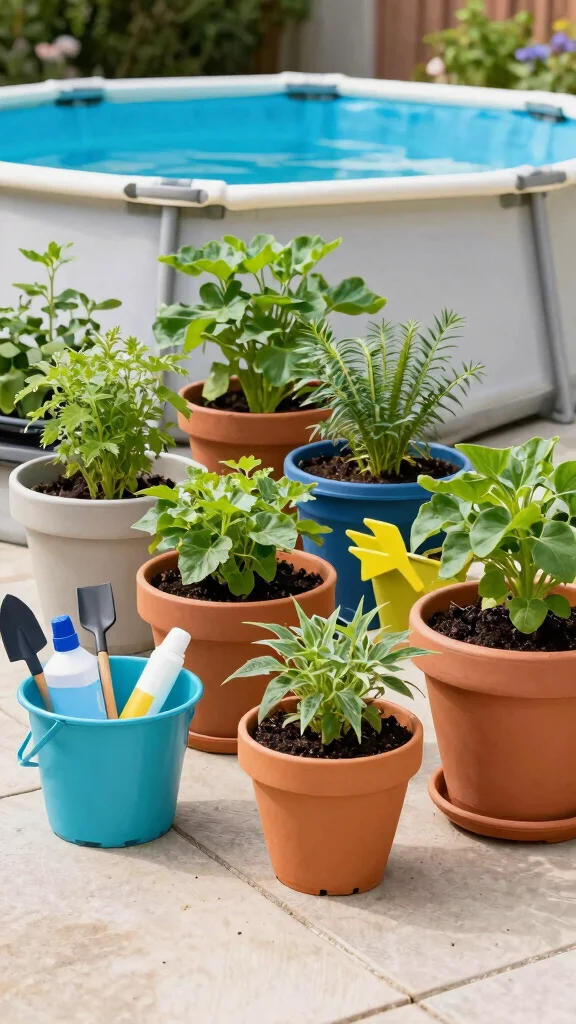
A clean garden is vital for plant health and aesthetic appeal. Regularly removing dead leaves and debris from containers and surrounding areas keeps your garden neat and reduces the risk of pests and diseases.
Additionally, cleaning pots before planting can prevent spreading pathogens. Give your containers a thorough wash with a mild bleach solution to ensure they’re free from previous plant residues.
– Set a consistent cleaning schedule for your containers.
– Clear debris around pots to deter pests.
– Wash pots thoroughly before planting new plants.
– Remove dead foliage promptly to maintain health.
– Keep tools clean for better gardening results.
Prioritizing cleanliness in your container garden leads to a thriving, beautiful space that you can enjoy without unnecessary worries.
Fun fact: 60% of container garden diseases start in dirty pots. A quick wash with a mild bleach solution between plantings reduces pests and pathogens, keeping your half deck around above ground pool clean and thriving.
17. Get Creative!
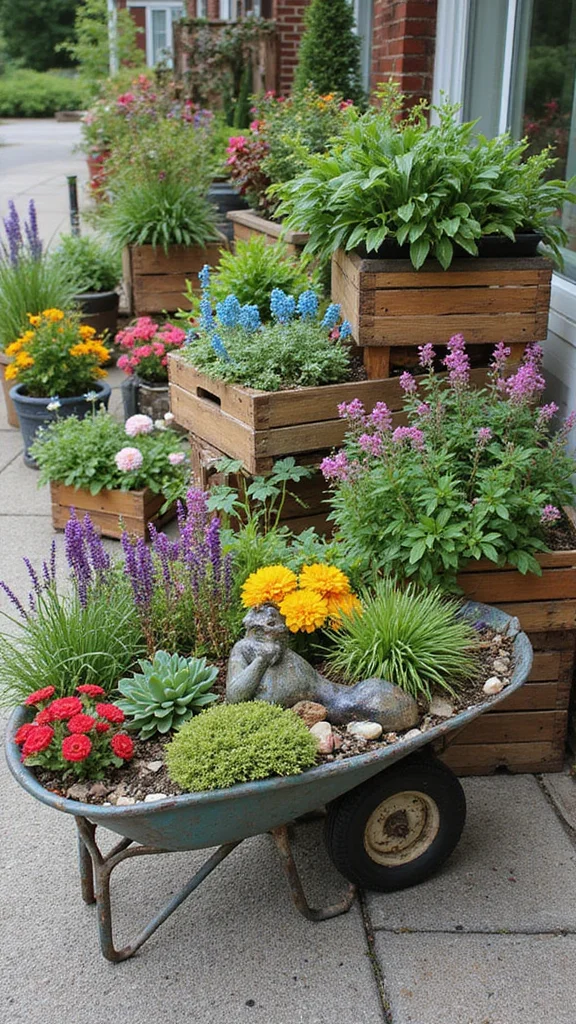
Container gardening is all about your creativity! There are no strict rules, so feel free to experiment with unique containers like old wheelbarrows, wooden crates, or even repurposed furniture. Mixing textures and styles can lead to surprising beauty in your garden. Aim for combinations that reflect your personality and aesthetic.
Personalizing your containers with paint or decorative elements adds a unique touch that resonates with your style. Adding whimsical details can make your garden feel inviting and express your creative spirit.
– Use unconventional containers for a standout look.
– Personalize pots with paint or creative designs.
– Mix materials for visual interest and variety.
– Incorporate artistic elements like sculptures or garden art.
– Change things up frequently to keep the garden lively.
Embracing your creativity in container gardening results in a one-of-a-kind outdoor space that inspires joy and relaxation.
Conclusion
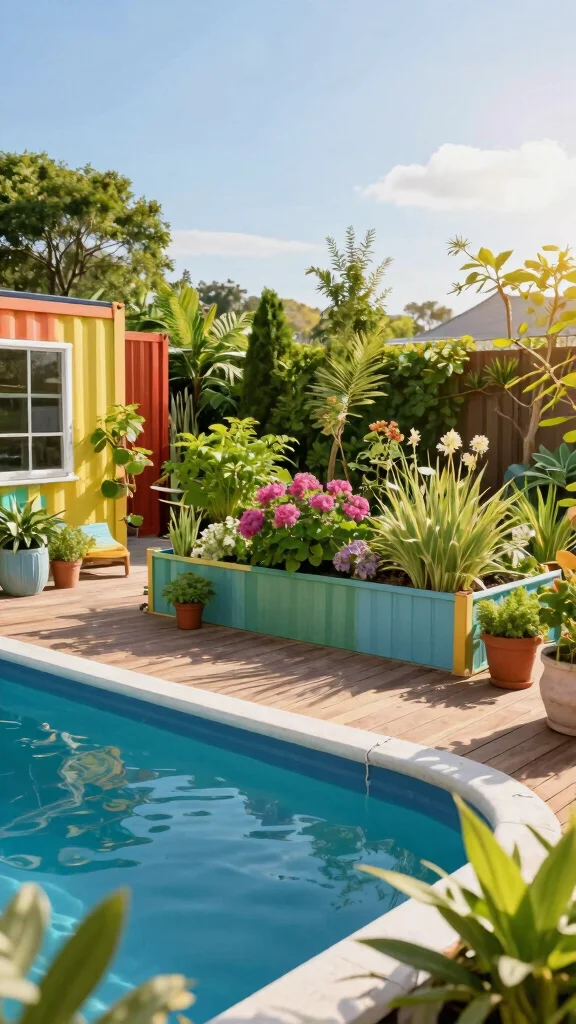
Container gardening is a fantastic way to bring nature to your small spaces, combining creativity with functionality. These 17 tips can transform your outdoor experience, especially around spaces like a half deck by an above-ground pool. With the right plants, containers, and techniques, you’re on your way to creating a vibrant oasis that boosts your mood and beautifies your surroundings. Don’t be afraid to experiment and make it your own—happy gardening!
Frequently Asked Questions
How can I maximize a small space with container gardening on a half deck around above ground pool?
Plan first: measure your deck, note sun hours, and mark walkways. For a half deck around above ground pool, use space-saving container gardening setups like railing planters, hanging pockets, and vertical tiers. Put tall plants toward the back and shorter ones in front to avoid blocking the view and pool access. Choose lightweight, weather-ready pots with good drainage, and group by light needs to maximize small spaces.
Add a simple watering plan, such as a dripping kit or self-watering containers, to cut down on maintenance.
Finish with a small cleanup area and a non-slip mat so the pool stays safe and inviting.
What are creative ideas for arranging containers in small spaces to maximize sun and airflow?
Creative ideas for arranging containers in small spaces to maximize sun and airflow:
1) go vertical with railing planters or wall pockets; 2) stackable shelves or tiered stands for different heights; 3) use matching pots to create a cohesive look that makes the space feel bigger; 4) hang baskets from railing or eaves to free floor space; 5) group sun-loving plants in sunny corners and shade-tolerant ones in shade; 6) pick compact varieties or dwarf fruiting plants; 7) add a pop of color with flowers to brighten the area.
Which plants work best in containers for poolside areas in small spaces?
For sunny poolside spots in small spaces, try basil, thyme, oregano, chives, and compact cherry tomatoes; greens like baby lettuce, spinach, and arugula; compact peppers; strawberries in hanging baskets; edible flowers like nasturtium; and color-loving annuals such as calibrachoa or petunias for long-lasting color. Choose determinate or dwarf varieties and rotate crops each season to keep soil healthy. Pair performance with beauty for a practical, appealing container garden.
How can I protect pool maintenance and cleanliness while container gardening on a limited deck space?
To protect pool maintenance, place containers away from water intake and avoid soil splashes. Use saucers or drainage trays under pots, and consider self-watering containers or a drip irrigation system to minimize wet splashes. Choose wind- and pool-chemical resistant pots, and keep pots on a deck mat or small risers so water drains into trays rather than the deck. Clean up any spilled soil or leaves promptly to prevent algae. With these steps, your container garden stays tidy without compromising the pool.
What are easy DIY container setups that stay neat and stylish on a half deck around above ground pool?
Try these simple setups: 1) railing planter boxes that hug the pool edge, 2) repurposed crates lined with plastic as corner gardens, 3) a vertical pallet garden for tall herbs and flowers, 4) matching self-watering tubs to reduce refills, 5) color-coordinated pots in weatherproof materials to keep a cohesive look. Add removable trays for cleaning, use weatherproof finishes, and rotate crops seasonally for ongoing creative ideas without clutter.
Related Topics
container gardening
small spaces
creative ideas
above ground pool
easy gardening
urban gardening
beginner friendly
outdoor decor
garden hacks
vertical gardening
summer gardening
space-saving solutions