
Spring is a season that beckons us outside, inviting us to witness the world waking up from its winter slumber. The vibrant colors and sweet fragrances of blooming flowers have me dreaming of a garden bursting with life. If you’re someone who loves flower gardening or simply wants to add some color to your outdoor space, this post is for you.
I gathered a list of 17 stunning spring flowers that can transform your garden into a floral wonderland. Each bloom brings its unique beauty, making your surroundings feel cheerful and inviting. From classic favorites to lesser-known gems, these flowers are sure to inspire you. With easy-to-follow tips and essential details about each flower, you’ll be equipped to create the garden of your dreams this spring.
Get ready to explore a colorful array of blooms that are not just visually appealing but also offer a delightful sensory experience. Imagine the joy of tending to flowers that bring warmth and happiness, turning your garden into a peaceful retreat. Let’s dive into these spring flowers that promise to elevate your outdoor space and bring you endless joy!
Key Takeaways
– Discover 17 spring flowers, each with unique colors and fragrances, perfect for enhancing your garden’s beauty.
– Learn about classic favorites like tulips and daffodils, as well as unique blooms such as bleeding hearts and anemones.
– Find practical tips on how to grow these flowers, including ideal planting conditions and care requirements.
– Explore the sensory benefits of each flower, from delightful scents to vibrant colors that uplift your mood.
– Gain inspiration to create a floral wonderland in your garden, making it a delightful space for relaxation and enjoyment.
Contents
- 1. Tulips: The Classic Spring Favorite
- 2. Daffodils: Sunshine in Your Garden
- 3. Cherry Blossoms: A Delicate Delight
- 4. Peonies: The Fragrant Showstoppers
- 5. Hyacinths: Aromatic and Easy to Grow
- 6. Iris: Elegance and Versatility
- 7. Lilacs: Sweet-Scented Blooms
- 8. Snapdragons: Whimsical Color Towers
- 9. Forget-Me-Nots: Tiny Blue Wonders
- 10. Cosmos: Colorful and Carefree
- 11. Marigolds: Bright and Cheerful
- 12. Zinnias: A Colorful Medley
- 13. Foxgloves: Vertical Elegance
- 14. Bleeding Hearts: Unique and Charming
- 15. Hellebores: Early Bloomers
- 16. Sweet Peas: Fragrant Climbing Beauties
- 17. Anemones: Bold and Beautiful
1. Tulips: The Classic Spring Favorite
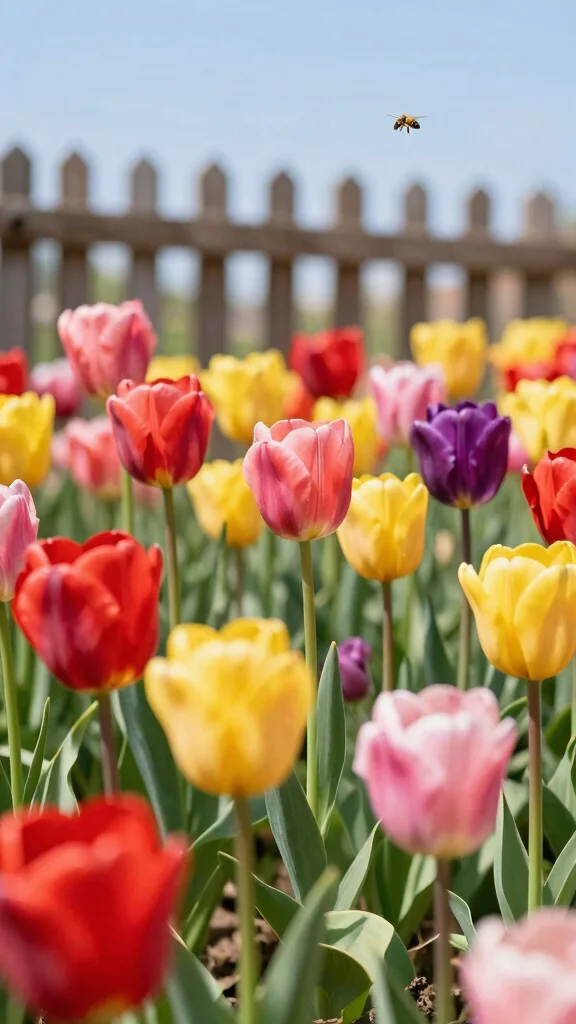
Tulips are a quintessential sign of spring, captivating with their graceful forms and a rainbow of colors.
These perennial beauties come in nearly every shade, allowing you to create striking arrangements or sprinkle them throughout your garden for a cheerful vibe. They thrive in well-drained soil and are low-maintenance, making them excellent for gardeners at any skill level.
Their delightful fragrance adds to their appeal. Mix different tulip varieties for a stunning display; imagine deep reds blooming alongside soft pinks and sunny yellows.
Key Tips for Growing Tulips:
– Plant bulbs in the fall for vibrant spring blooms.
– Select a sunny spot for optimal growth.
– Water after planting and let them dry out as they grow.
Tulips also shine in cut flower arrangements, lasting up to a week in a vase.
2. Daffodils: Sunshine in Your Garden
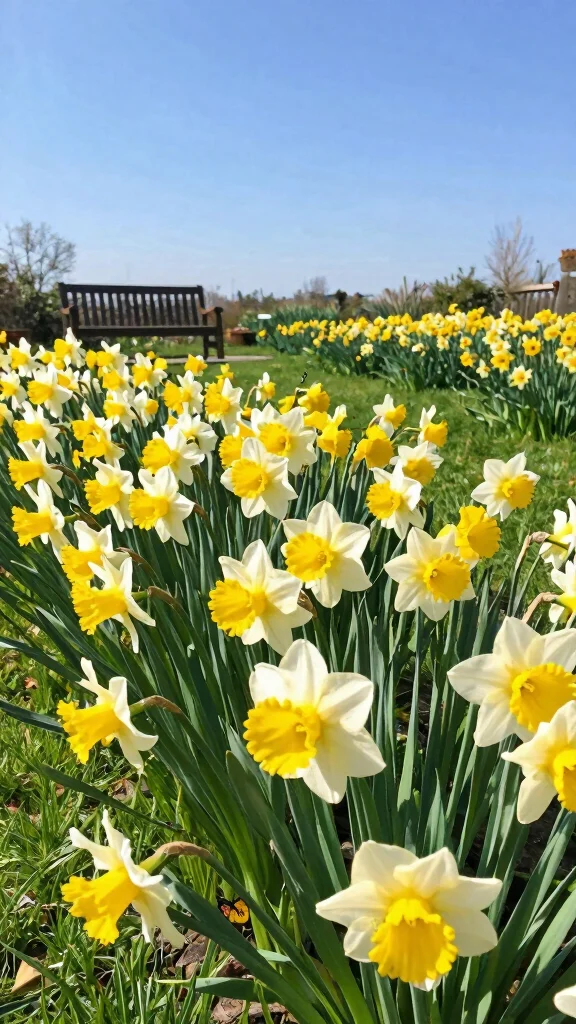
Daffodils, with their cheerful trumpet shapes and bright yellow petals, are like little suns in your garden.
These resilient flowers signal the arrival of spring, often blooming even when it’s still chilly outside. Daffodils adapt well to various soil types and can naturalize, spreading joy year after year.
Pair them with contrasting white or purple pansies for a vibrant look. They also make lovely cut flowers, brightening up any indoor space.
Planting Tips for Daffodils:
– Group bulbs in clusters of five for a natural feel.
– Ensure good drainage to prevent rot.
– Allow foliage to yellow before trimming to help bulbs store energy.
With their sunny disposition, daffodils bring warmth and life to any garden.
3. Cherry Blossoms: A Delicate Delight
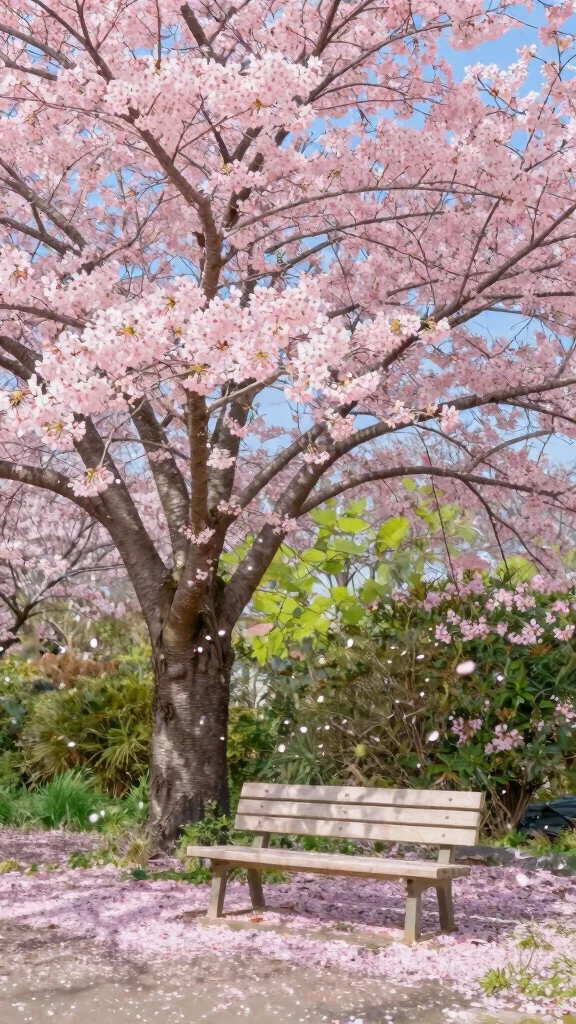
Cherry blossoms are enchanting, symbolizing renewal and hope with their soft pink and white blooms.
These delicate flowers create a magical atmosphere in your garden, blooming briefly but beautifully. Plant cherry trees as a focal point to draw the eye and create a serene environment.
They flourish in full sun and well-drained soil, needing little care once established. Enhance their charm by pairing them with darker foliage plants for a striking contrast.
Care Tips for Cherry Blossoms:
– Fertilize in early spring for abundant blooms.
– Water regularly during dry spells, especially when young.
– Prune post-bloom to maintain shape and encourage healthy growth.
Cherry blossoms add elegance and a sense of tranquility to your outdoor space.
4. Peonies: The Fragrant Showstoppers
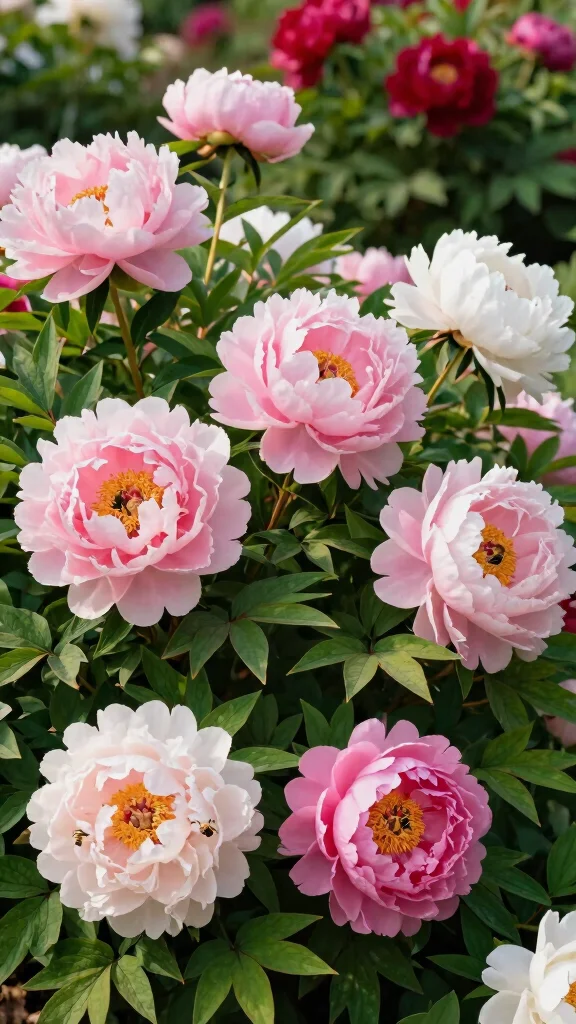
Peonies are nature’s masterpieces, celebrated for their lush blooms and enchanting fragrance.
Available in an array of colors like pink, white, and deep burgundy, these flowers command attention in any garden. Peonies thrive in well-drained soil and require plenty of sunlight.
As perennials, they return each year, filling your garden with their stunning presence. Support their heavy blooms with stakes if needed, as they can droop.
Growing Peonies Successfully:
– Plant in the fall, spacing them 18 inches apart for air circulation.
– Avoid overly rich soil to ensure blooming.
– Cut back after the first frost to keep plants healthy.
Peonies are showstoppers that bring beauty and fragrance to your garden.
5. Hyacinths: Aromatic and Easy to Grow
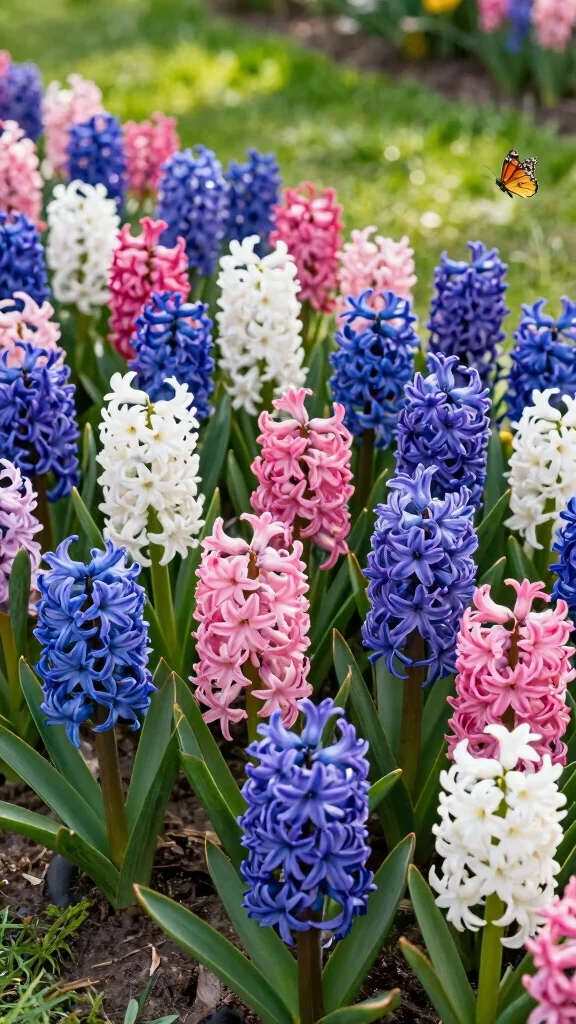
Hyacinths are a delight for gardeners, offering vibrant colors and an extraordinary fragrance.
These compact flowers bloom in clusters, showcasing shades of blue, pink, lavender, and white. They thrive in well-drained soil and love sunlight, making them ideal for pots or garden beds.
Their sweet scent attracts pollinators, benefiting your garden’s ecosystem. Plant hyacinth bulbs in the fall for vibrant spring colors, and consider mixing them with other early bloomers for a captivating display.
Growing Tips for Hyacinths:
– Water regularly, especially during dry spells, ensuring good drainage.
– Allow the foliage to die back naturally after flowering.
– Fertilize once with a balanced mix for healthy growth.
Hyacinths enhance your garden with beauty and fragrance, enchanting all who pass by.
6. Iris: Elegance and Versatility
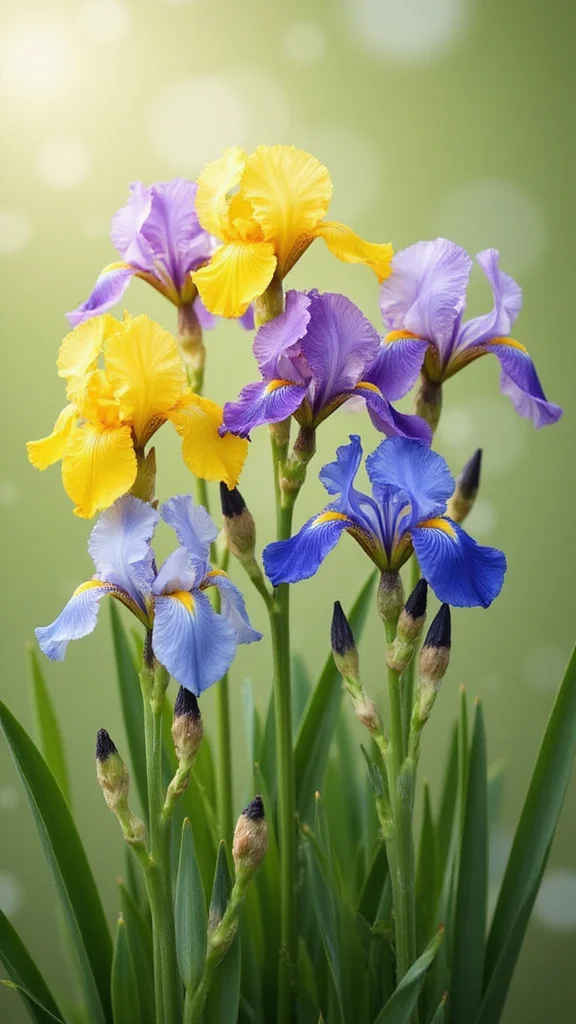
Irises are celebrated for their distinctive shape and vibrant colors, bringing elegance to any garden.
With shades ranging from classic purples to bold yellows and blues, they create stunning displays. Irises prefer full sun and well-drained soil, making them perfect for borders or perennial gardens.
Their tall, graceful stems add vertical interest and can also be cut for beautiful indoor arrangements. Keep them well-watered, especially during their establishment phase.
Tips for Growing Irises:
– Divide every few years to promote healthy blooms.
– Apply mulch around the roots to retain moisture.
– Avoid overcrowding to reduce disease and enhance bloom quality.
Irises are a striking addition to your garden, enhancing its beauty and diversity.
7. Lilacs: Sweet-Scented Blooms
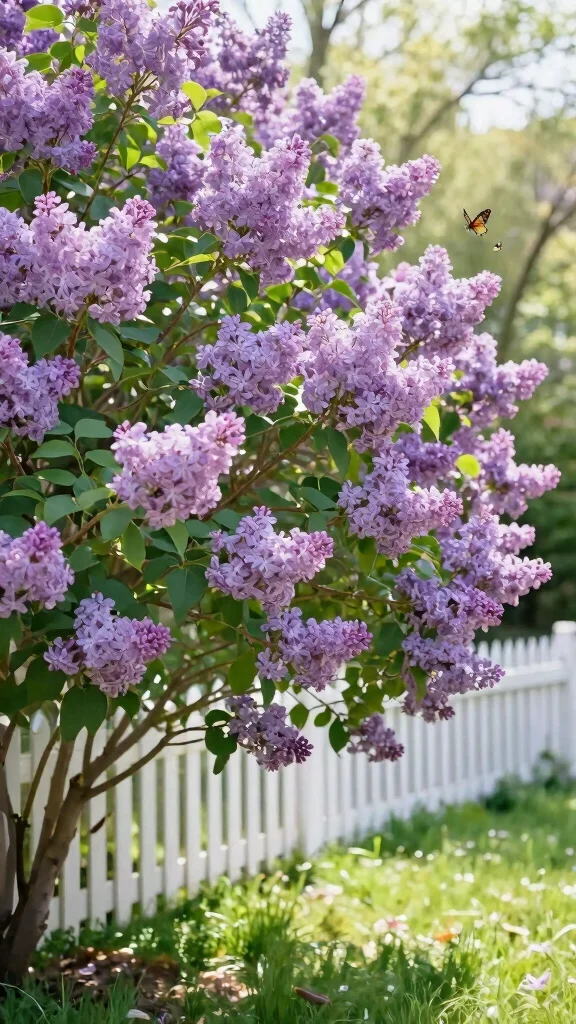
Lilacs are cherished for their delightful fragrance and beautiful clusters of flowers.
Blooming in shades of purple, pink, and white, these shrubs add charm and aroma to your spring garden. Plant them in sunny locations with well-drained soil for the best results.
Lilacs are also a favorite among pollinators, enriching your garden’s ecosystem. Prune after blooming to encourage healthy growth for the following year.
Growing Lilacs Successfully:
– Ensure they receive adequate sunlight for optimal blooming.
– Water during dry spells, especially in their first year.
– Fertilize once in early spring with a balanced mix.
Lilacs bring beauty and fragrance to your garden, creating a lovely atmosphere.
8. Snapdragons: Whimsical Color Towers
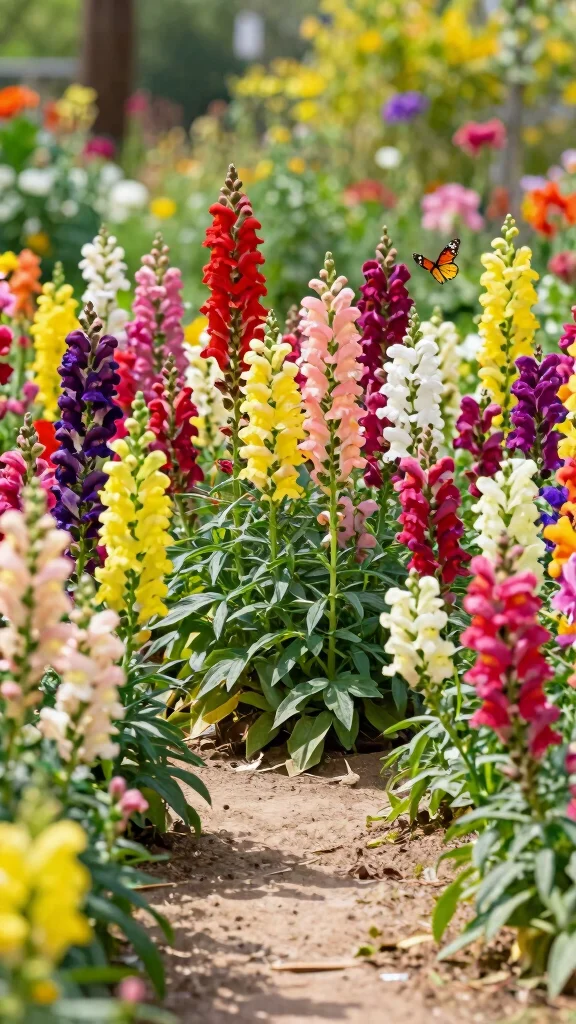
Snapdragons offer a playful touch to any garden with their tall spikes and vibrant colors.
Available in shades ranging from white to deep red, these flowers thrive in cool spring weather, perfect for early-season gardens. Snapdragons flourish in rich, well-drained soil and need regular watering to stay healthy.
Their unique shape makes for fun arrangements in garden beds, or you can cut them for stunning bouquets. They are also excellent for attracting hummingbirds and butterflies, adding magic to your garden.
Tips for Growing Snapdragons:
– Pinch tips during early growth for bushier plants.
– Plant in full sun to encourage frequent blooms.
– Deadhead spent flowers to promote continuous flowering.
Snapdragons will bring whimsy and color to your outdoor space, enchanting all who see them.
9. Forget-Me-Nots: Tiny Blue Wonders
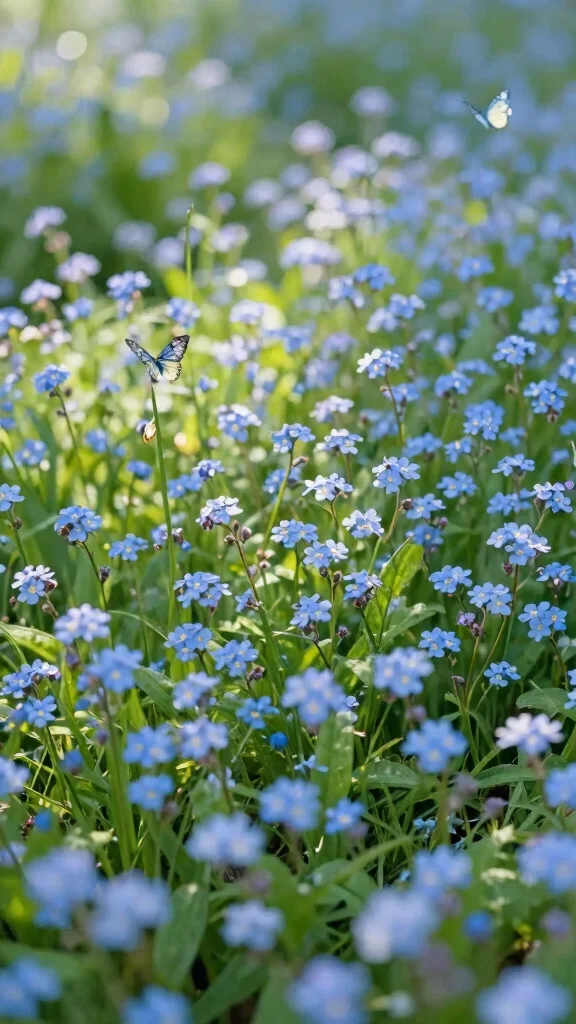
Forget-me-nots are charming little flowers that add a touch of whimsy and nostalgia to any spring garden.
Their delicate blue hue creates a lovely contrast against green foliage and other vibrant blooms. These perennials thrive in partial shade with moist soil, making them perfect for garden borders or shaded areas.
Their low-growing habit allows them to spread gently, filling in gaps beautifully and preventing weeds. Plus, they attract bees and butterflies, enhancing your garden’s ecosystem.
Growing Tips for Forget-Me-Nots:
– Water regularly, especially during dry spells.
– Deadhead spent blooms to encourage further flowering.
– Allow some to self-seed for lovely surprises next spring.
Forget-me-nots add a charming touch, evoking fond memories and enhancing your garden’s beauty.
10. Cosmos: Colorful and Carefree
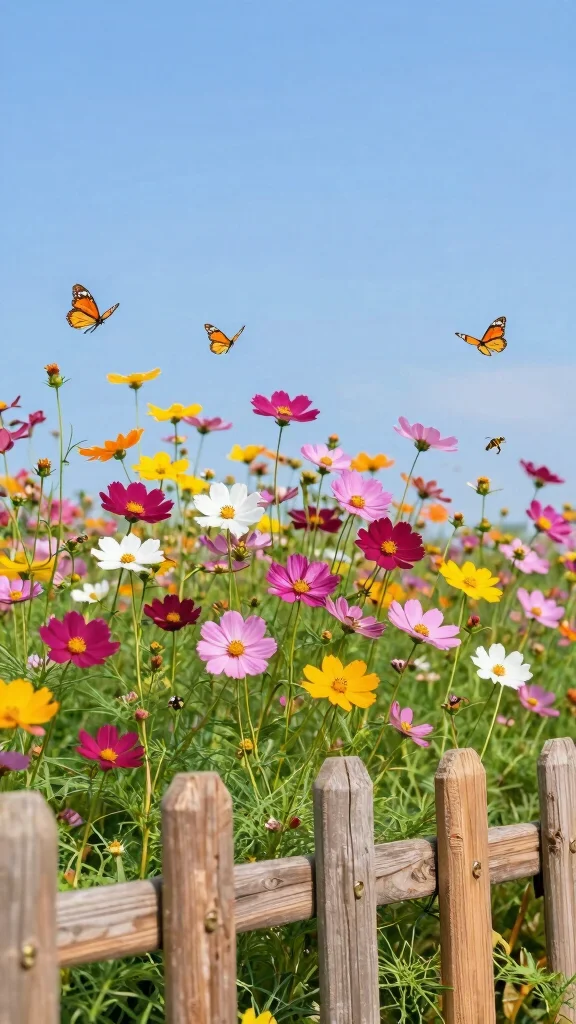
Cosmos are simple yet stunning flowers that evoke a carefree vibe in any garden.
Available in shades of pink, white, and orange, these annuals bloom profusely throughout the summer, often starting in late spring. They thrive in poor, well-drained soil and require minimal maintenance, making them ideal for novice gardeners.
Perfect for garden borders or mixed beds, cosmos attract butterflies and bees, enhancing your outdoor beauty. Their long stems are excellent for cutting and displaying indoors.
Tips for Growing Cosmos:
– Plant in a sunny spot for maximum blooms.
– Water sparingly; they prefer drier conditions.
– Deadhead regularly to promote continuous flowering.
Cosmos bring a delightful, carefree charm to your garden, making it a joyful space.
11. Marigolds: Bright and Cheerful
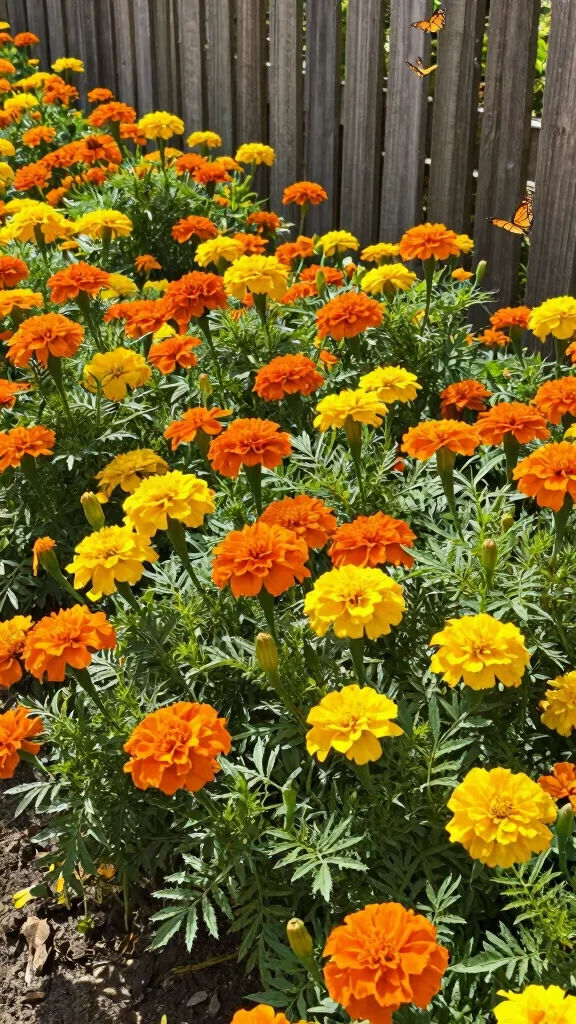
Marigolds are a vibrant addition to any spring garden, known for their sunny yellow and orange blooms.
These hardy flowers are easy to grow, making them perfect for gardeners of all experience levels. They thrive in full sun and can tolerate drought, making them an excellent choice for warm climates.
Marigolds attract beneficial insects while deterring pests, making them great companions in vegetable gardens. For continuous blooms, pinch off spent flowers and plant them in clusters for a striking display.
Growing Tips for Marigolds:
– Sow seeds directly in the garden after the last frost.
– Water regularly, especially during dry spells.
– Fertilize sparingly to encourage more blooms.
Marigolds brighten up your garden and contribute to a healthy growing environment.
12. Zinnias: A Colorful Medley
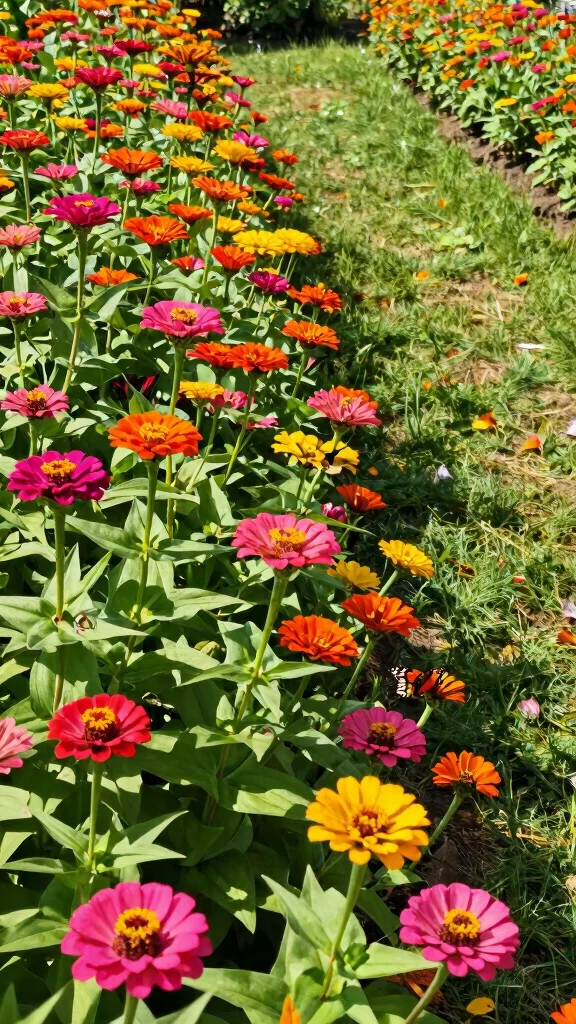
Zinnias are adored for their stunning range of colors and long-lasting blooms, making them a favorite among gardeners.
With nearly every shade available, these cheerful flowers thrive in sunny spots and bloom from late spring until the first frost. Their sturdy stems hold up well in both gardens and bouquets, ideal for cut flowers.
Zinnias attract pollinators, adding life and energy to your garden space. Plant them in groups for a captivating display, and they also work beautifully as borders or fillers in flower beds.
Growing Tips for Zinnias:
– Sow seeds directly in well-drained soil after the last frost.
– Water regularly to maintain healthy blooms.
– Deadhead spent flowers to encourage more growth.
Zinnias bring vibrant colors and joy to your garden, making it an inviting retreat.
13. Foxgloves: Vertical Elegance
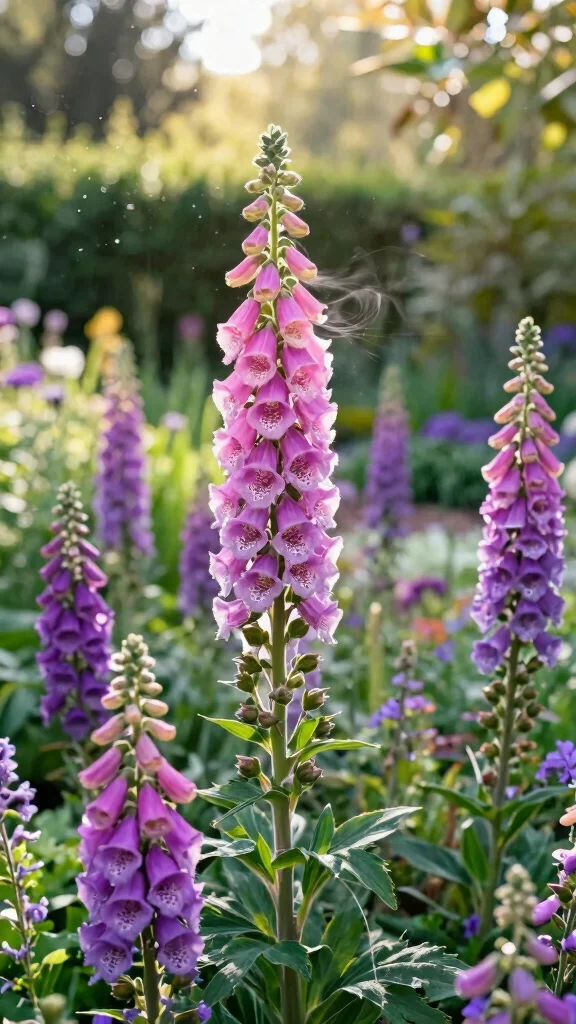
Foxgloves are celebrated for their impressive vertical spikes adorned with delicate tubular flowers.
These breathtaking blooms can reach remarkable heights and come in colors like pink, purple, and white. They thrive in partial shade and well-drained soil, ideal for cottage gardens or shaded spots.
Their unique shape adds dramatic flair to your garden design. Foxgloves attract hummingbirds and beneficial insects, enhancing your garden’s biodiversity. While they can be toxic, it’s best to exercise caution around pets or young children.
Tips for Growing Foxgloves:
– Sow seeds indoors or directly in the garden in early spring.
– Water regularly, especially during dry periods.
– Allow the plant to self-seed after blooming for next year’s growth.
Foxgloves add an elegant touch to your garden while supporting local wildlife.
14. Bleeding Hearts: Unique and Charming
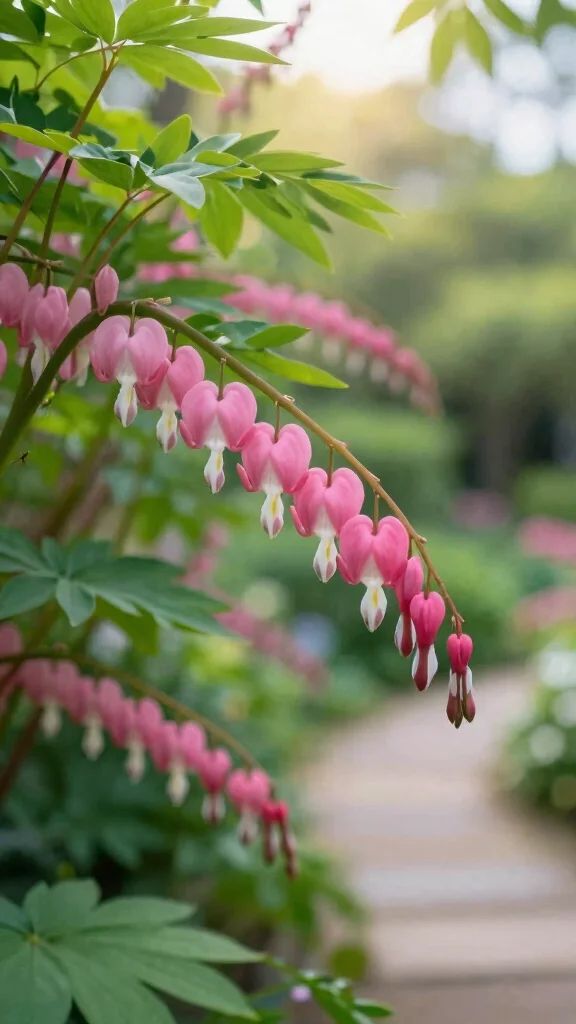
Bleeding hearts are unique and charming, featuring heart-shaped flowers gracefully hanging from arching stems.
These delicate blooms thrive in shaded areas, making them perfect for woodland gardens or shady spots. Available in pink and white varieties, they add a romantic touch to any spring garden.
Bleeding hearts enjoy moist, well-drained soil and can remain undisturbed for years once established. Their unique shape and vibrant color make them perfect for mixed flower beds or as a centerpiece in your garden.
Growing Tips for Bleeding Hearts:
– Plant in a shaded area with some morning sun exposure.
– Water regularly, especially during dry spells.
– Fertilize in early spring for optimal blooming.
Bleeding hearts bring charm and elegance to your garden, creating a serene atmosphere.
15. Hellebores: Early Bloomers
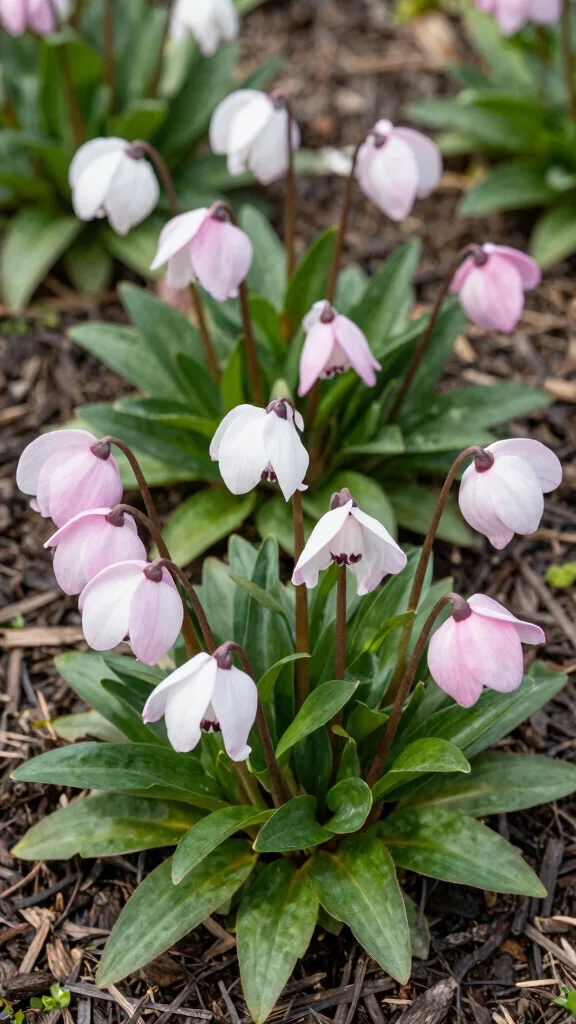
Hellebores, often known as Lenten roses, are among the first flowers to bloom in spring, sometimes even peeking through the snow.
Their unique, bowl-shaped blooms showcase muted colors like purples, pinks, and whites, adding elegance to any garden. They thrive in partial to full shade and prefer well-drained soil, making them suitable for cool, moist areas.
Hellebores are also evergreen, providing year-round interest in your garden. Their delicate blooms attract early pollinators, making them vital for a spring ecosystem.
Tips for Growing Hellebores:
– Plant them in well-drained soil, ideally amended with compost.
– Water regularly, especially in dry periods.
– Remove spent flowers to encourage further blooming.
Hellebores enrich your garden with early beauty and support the spring wildlife.
16. Sweet Peas: Fragrant Climbing Beauties
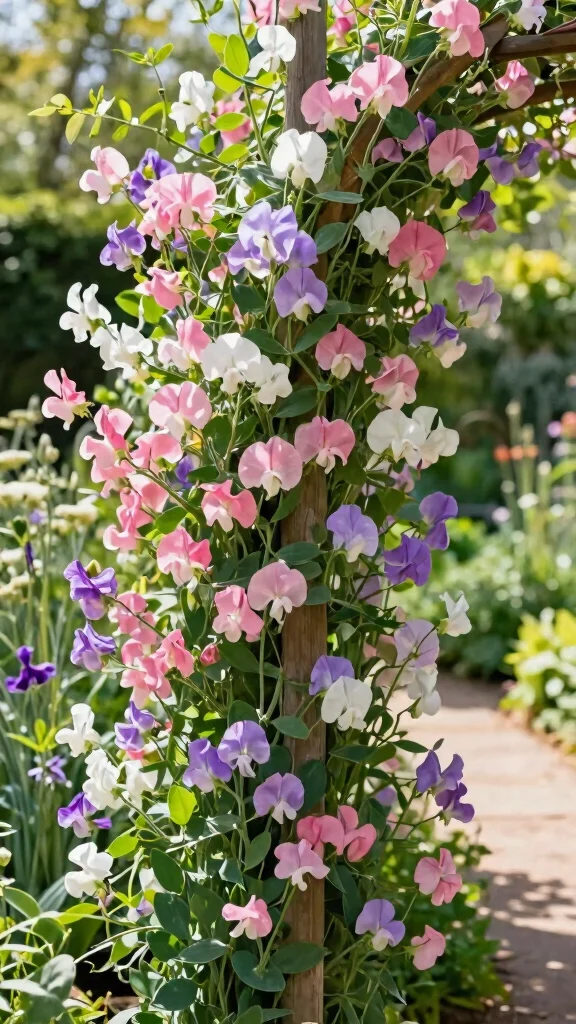
Sweet peas are fragrant climbing flowers that add vertical interest and delightful scent to any garden.
Their delicate blooms come in a range of colors, from soft pastels to vibrant hues, making them ideal for trellises, fences, or containers. Sweet peas thrive in cooler temperatures, making them perfect for spring planting.
They prefer full sun and moist, well-drained soil. When cutting sweet peas for indoor arrangements, harvest them early in the morning for the freshest blooms. These charming flowers also attract pollinators, enhancing your garden’s health.
Growing Tips for Sweet Peas:
– Sow seeds directly in the garden in early spring.
– Provide support for climbing varieties, like trellises.
– Water regularly and pinch off spent blooms to encourage new growth.
Sweet peas add beauty and fragrance, making your garden a delightful retreat.
17. Anemones: Bold and Beautiful
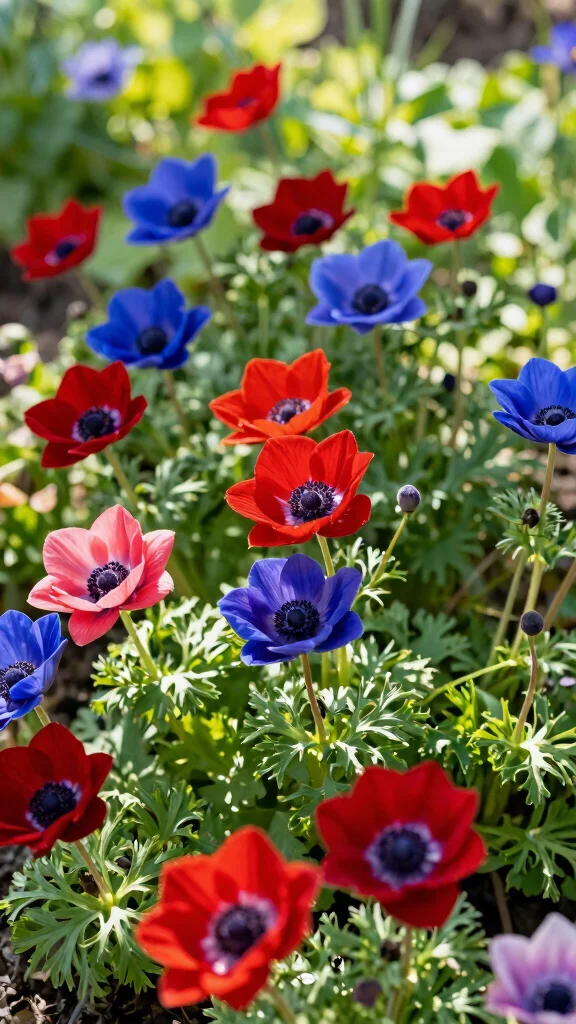
Anemones, with their bold blooms and eye-catching colors, are an excellent choice for spring gardens.
Available in vibrant shades of red, blue, pink, and white, these flowers create stunning focal points. Anemones thrive in full sun and well-drained soil, making them perfect for garden beds or as cut flowers.
They bloom in spring and may even re-bloom in the fall, adding extra beauty to your space. Anemones are also great for attracting pollinators, enhancing your garden’s overall health.
Growing Tips for Anemones:
– Plant corms in the fall or early spring for best results.
– Water regularly to maintain moisture.
– Deadhead spent blooms to encourage continuous flowering.
Anemones bring vibrant energy to your garden, transforming it into a lively paradise.
Conclusion: Create Your Floral Wonderland This Spring
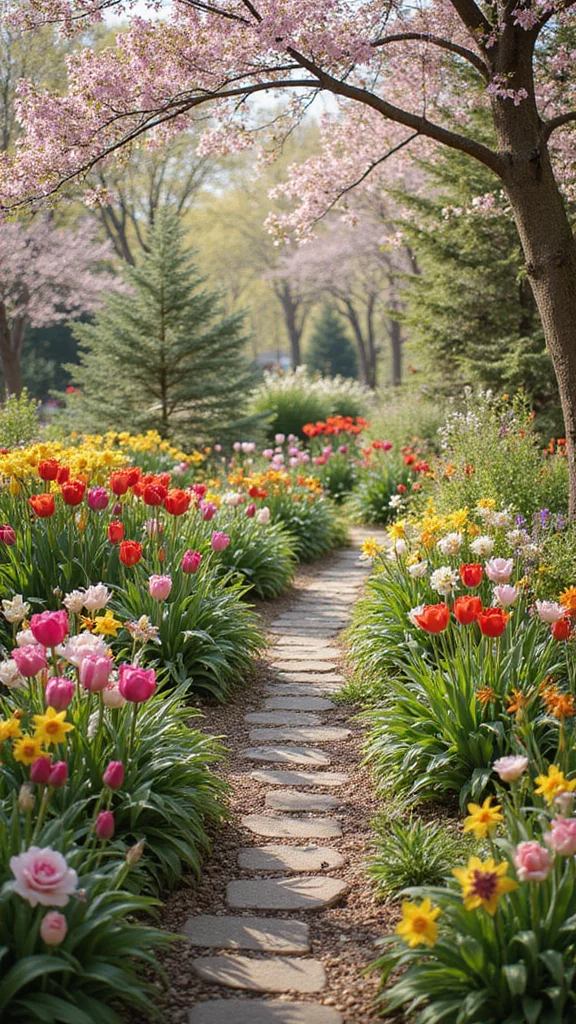
Spring is truly a time of renewal, and incorporating these colorful blooms can transform your garden into a spectacular floral wonderland.
From the classic charm of tulips to the unique beauty of bleeding hearts, these flowers can create a magical atmosphere that beckons you to spend more time outdoors.
So grab your gardening gloves and plant some of these beautiful spring flowers to enjoy all season long!
Frequently Asked Questions
What are the best spring flowers to create a colorful garden transformation?
To unleash a floral wonder with spring flowers, mix bulbs and perennials that bloom in sequence and fit your sun. Start with bulbs like tulips and daffodils for early color, add mid-season favorites like primroses and violas, and finish with later-blooming annuals such as pansies or petunias for lasting vibrancy. Plan a simple color wheel: pair warm tones with cool accents to create vibrant flowers.
Practical steps include assessing sun exposure (full sun, partial shade, or shade), preparing soil with compost, planting bulbs at depths of about 2-3 times their height, mixing in hardy perennials and annuals, and maintaining moisture with regular watering. You’ll enjoy flower gardening that feels like a floral transformation all season.
How can I plan a spring flower garden for continuous color from early to late spring?
Create a bloom timeline that slots plants by their peak color: early-spring bulbs (snowdrops, crocus), mid-spring favorites (daffodils, tulips), and late-spring fillers (violas, primroses). Group plants by light needs, then stagger planting so there’s always something blooming. Use a cohesive color scheme and repeat key hues across the bed for a unified look. Practical steps: 1) sketch a simple layout with layers (tall to short), 2) plant in groups for impact, 3) keep a consistent watering routine, 4) top with mulch to conserve moisture, 5) refresh with a few vibrant annuals as the season progresses. This approach keeps your garden lively with vibrant flowers from start to finish.
What soil and sun conditions are ideal for spring flowers, and how can I improve my soil for better blooms?
Most spring flowers thrive in well-draining soil with plenty of organic matter and adequate sun. Aim for sun exposure of 6+ hours for sunny spots, while some charming varieties tolerate partial shade. Test your soil pH (ideally around 6.0–7.0 for many spring blooms) and amend accordingly: add compost to improve texture and drainage; lime to raise pH if soil is too acidic; or organic mulch to regulate moisture. Practical tips: 1) loosen heavy clay with compost and sand if needed, 2) create raised beds in poor drainage areas, 3) apply a balanced, slow-release fertilizer at planting, 4) mulch to preserve moisture and reduce weeds. With the right soil boosts, your spring flowers will show their true flower gardening potential.
How do I care for spring blooms to maximize color and longevity?
Keep your blooms vibrant with a simple care routine. Deadhead faded flowers to encourage more blooms, water deeply at the base rather than overhead to prevent disease, and apply a balanced fertilizer every 6–8 weeks during the growing season. Mulch helps retain moisture and suppress weeds, while staking tall varieties prevents flopping in breezy weather. Regular checks for pests and diseases let you catch issues early. By pairing consistent watering, smart feeding, and timely pruning, your vibrant flowers stay lively longer and boost your overall flower gardening success.
What are beginner-friendly options to create a vibrant spring garden with low maintenance?
Start with hardy bulbs and perennials that come back reliably year after year. Try crocus, snowdrops, daffodils, and primroses for quick color, plus easy perennials like violets and pulmonaria for ongoing interest. Use containers or a simple bed layout with repeated color echoes to reduce upkeep. Tips: 1) choose disease-resistant varieties, 2) plant in blocks for easier weeding and care, 3) mulch to cut down on water and maintenance, 4) set up a basic feeding schedule with a slow-release fertilizer. With these steps, you can achieve a stunning spring garden packed with spring flowers and vibrant flowers with minimal effort.