
Urban gardening is becoming a popular way to bring nature into our homes. As city living becomes the norm, many folks are craving greenery and fresh produce but face limited space. That’s why I put together this post—it’s time to explore some stylish and practical gardening solutions that fit perfectly into your urban lifestyle.
If you’re passionate about home decor and love the idea of incorporating plants into your living space, this post is for you. Whether you live in a tiny apartment, a bustling neighborhood, or a house with a small yard, these ideas will help you make the most of what you have. You’ll discover various space-saving techniques that not only maximize your gardening area but also enhance your home’s aesthetic.
In this guide, you’ll find 16 innovative urban gardening solutions that are both chic and functional. From keyhole garden designs to vertical planters, each solution will inspire you to create a little green oasis in your urban environment. Let’s dive in and transform your space into a stylish garden that reflects your personality while providing fresh herbs and vegetables right at your fingertips!
Key Takeaways
– Explore the concept of keyhole garden design to maximize space while providing easy access to your plants.
– Discover vertical planters that allow you to grow a variety of plants upward, saving precious floor space.
– Learn about hanging gardens that can beautify your walls and offer a unique way to display flowers and herbs.
– Find out how container gardens can be tailored to suit your indoor or outdoor space, making gardening accessible for everyone.
– Understand the importance of smart garden technology that can help you monitor and care for your urban garden with ease.
Contents
- 1. Keyhole Garden Design
- 2. Vertical Planters
- 3. Hanging Gardens
- 4. Garden Ladders
- 5. Container Gardens
- 6. Wall Gardens
- 7. Raised Beds
- 8. Compact Greenhouses
- 9. Hydroponic Systems
- 10. Plant Stands
- 11. Balcony Gardens
- 12. Edible Walls
- 13. Gardening in Recycled Materials
- 14. Succulent and Cacti Displays
- 15. Portable Gardening Solutions
- 16. Smart Garden Technology
1. Keyhole Garden Design
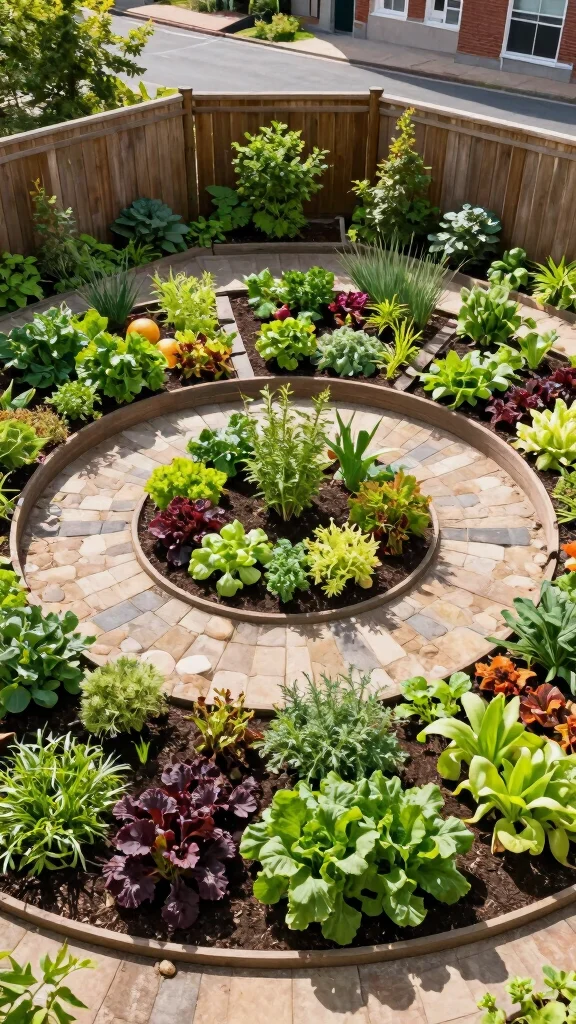
Keyhole garden design is a beautiful way to optimize your gardening space while embracing a functional aesthetic. This circular layout features a central composting area, surrounded by raised beds arranged in a keyhole shape. The combination of easy access and efficient use of space makes it perfect for those with limited mobility, allowing you to grow a variety of plants effortlessly. Imagine vibrant herbs and colorful flowers flourishing in a garden that not only serves your needs but also enhances your outdoor space.
To implement this design, consider using locally sourced stones or bricks for pathways that lead to the center, adding a charming touch. You can also mix in native plants to ensure better adaptability, making your garden both beautiful and sustainable.
Consider these elements to maximize this garden’s potential:
– Pair colorful stones for pathways leading to the center.
– Install raised beds at varying heights for added visual interest.
– Use composting materials to nourish your plants naturally.
This design not only creates an inviting atmosphere but also showcases the beauty of natural materials, enhancing the overall aesthetic of your garden.
2. Vertical Planters
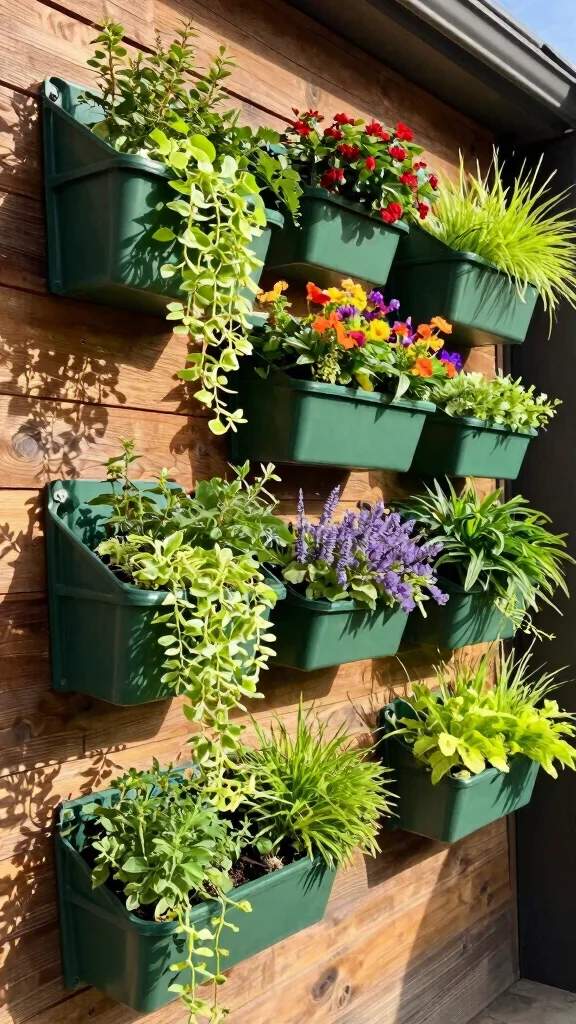
Vertical planters are the perfect solution for those eager to garden despite limited floor space. These stylish structures allow you to create a lush garden by stacking plants upwards, turning any wall or balcony into a green oasis. With designs ranging from simple wall-mounted shelves to intricate freestanding units, vertical planters can be crafted from wood, metal, or even recycled materials, bringing both functionality and style to your space.
To make the most of vertical planters, combine trailing and upright plants for a balanced display. This not only enhances visual appeal but also provides a unique backdrop for your home decor. Don’t forget to ensure adequate drainage to keep your plants thriving.
Consider these tips to elevate your vertical gardening experience:
– Pair trailing plants like ivy with upright succulents for depth.
– Install your vertical planter in a sunlit area for optimal growth.
– Use bright colors to paint your planter for a fun twist!
By incorporating vertical planters, you’ll add layers of greenery that enliven your space, creating an artistic touch with minimal effort.
3. Hanging Gardens
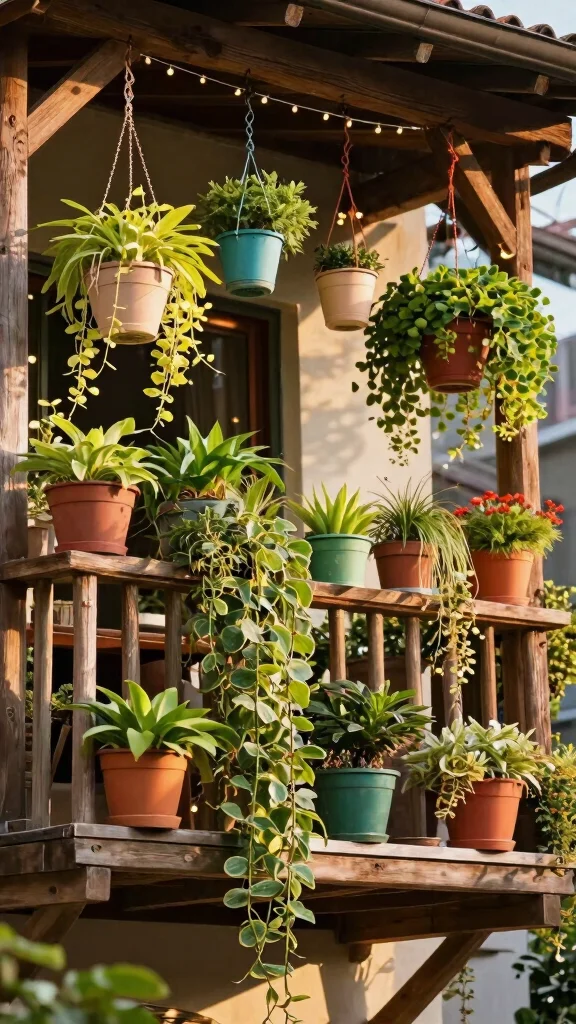
Hanging gardens present a delightful solution for urban spaces where ground area is limited. These stunning displays can be suspended from ceilings, balconies, or walls, allowing you to introduce vibrant layers of greenery without sacrificing valuable floor space. With lightweight planters, you can hang a variety of plants, from lush ferns to colorful flowers, adding both texture and beauty to your home.
To enhance your hanging garden, mix plants of different heights and sizes for a cascading effect. This not only creates visual interest but also improves air circulation, promoting healthier growth. Make sure your hanging planters have proper drainage to keep your plants happy and thriving.
Consider these ideas for your hanging garden:
– Use lightweight potting soil for easy maintenance.
– Pair with string lights for a magical evening glow.
– Incorporate unique items like old teacups as planters for a fun twist!
This approach not only saves space but also turns your garden into a stunning focal point, enhancing the ambiance of your living area.
4. Garden Ladders
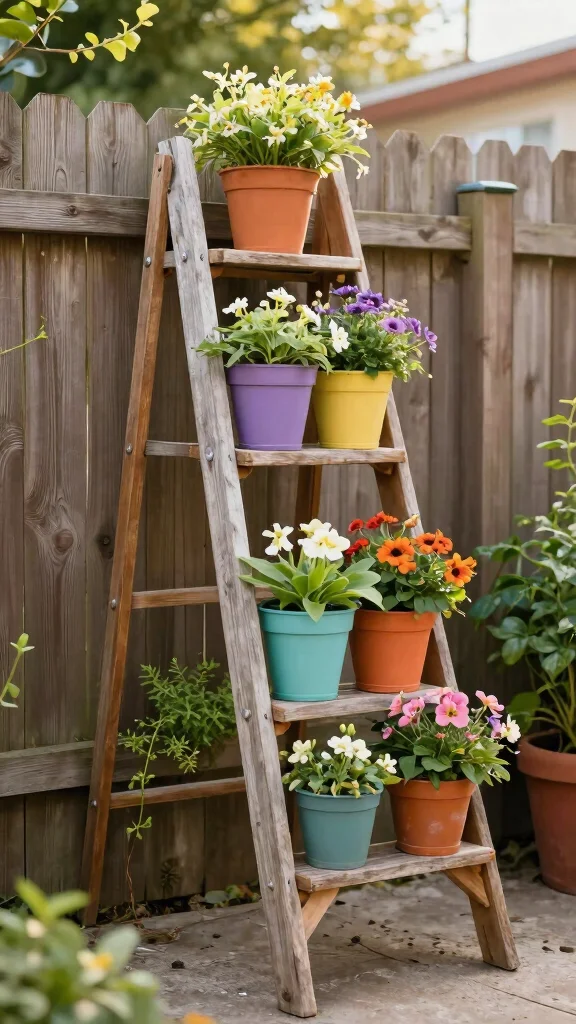
Transform an old ladder into a charming garden display that maximizes vertical space! Garden ladders are a quirky and practical solution for displaying potted plants and herbs while adding rustic charm to your outdoor area. By repurposing a wooden ladder, you can create a unique vertical garden that holds small pots on its rungs, and the top can serve as a larger planter or decorative display.
This method allows you to infuse a pop of color into your garden with vibrant flower pots while positioning the ladder against a wall for added stability. For a creative touch, consider painting the ladder in bright hues or giving it a weathered look for a vintage vibe.
Try these tips to enhance your garden ladder display:
– Ensure the ladder is sturdy to support your plants.
– Use colorful pots to brighten your space.
– String fairy lights on the ladder for a cozy atmosphere.
This approach not only saves space but accentuates the beauty of your plants, creating a charming focal point in your garden.
5. Container Gardens
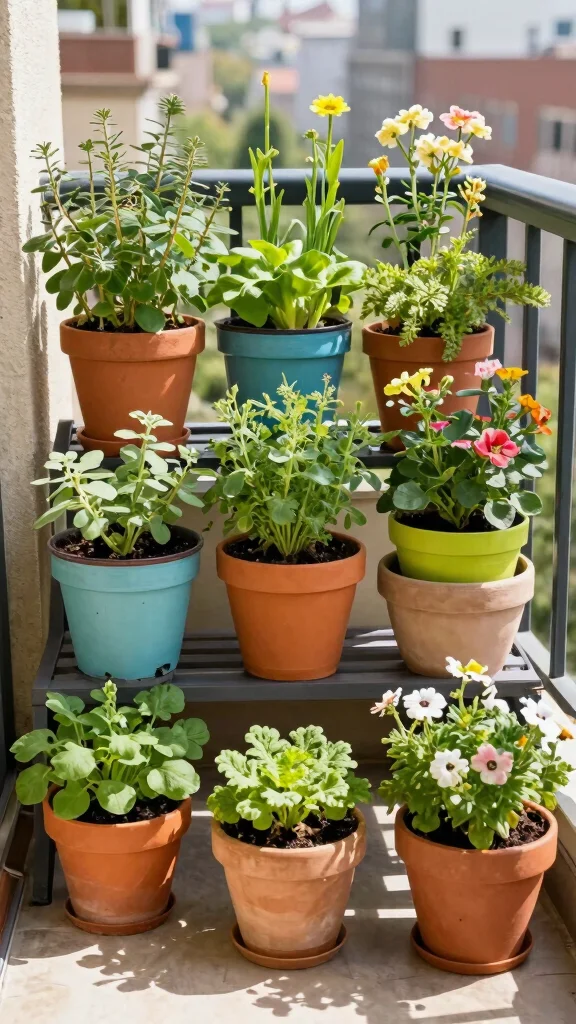
Container gardens are a fantastic way to introduce greenery into urban environments, making them a versatile choice for any gardener. You can utilize a wide range of containers—from old buckets to stylish ceramic pots—to create vibrant green spaces that suit your personal style. This method allows for creative combinations of plants, colors, and textures, making it ideal for herbs, flowers, and even vegetables.
The beauty of container gardening lies in its mobility; you can rearrange your plants according to the season or sunlight needs. Grouping containers can create a layered effect, enhancing visual interest while saving space.
Consider these essentials for successful container gardening:
– Choose pots with proper drainage to foster healthy growth.
– Pair complementary plants for better growth and pest control.
– Match your container colors to your outdoor decor for a cohesive look.
This approach not only maximizes your gardening capabilities but also adds a personal touch to your outdoor space, enhancing its overall charm.
6. Wall Gardens
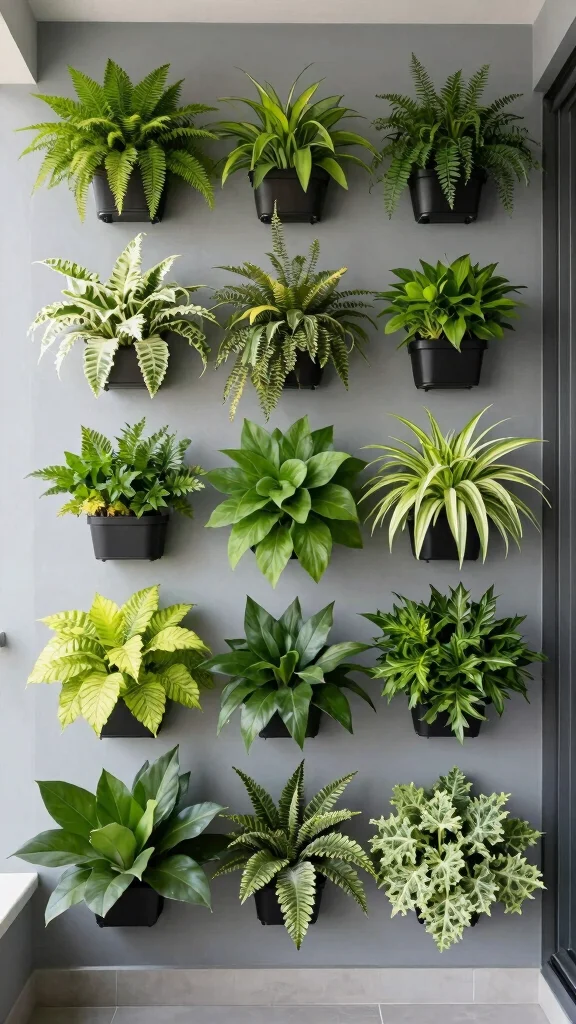
Wall gardens offer an innovative way to incorporate greenery into your home without using up any ground space. These vertical installations can be created with various materials, such as wooden frames or wall-mounted planters, transforming your wall into a lush backdrop. Wall gardens not only save space but also serve as striking focal points in your decor, allowing you to showcase a mix of plants like succulents, ferns, and flowering varieties.
To personalize your wall garden, choose planters that complement your home’s aesthetic. Ensure that your wall can support the weight of the plants and soil to maintain the installation’s integrity. Opt for plants with diverse textures and leaf shapes to create engaging visual interest.
Here are some tips to enhance your wall garden:
– Ensure the wall can support the weight of the installation.
– Select plants with different textures for a dynamic look.
– Consider adding a drip irrigation system for easy maintenance.
This design elevates your decor while inviting nature into your living space, enriching your environment with life.
7. Raised Beds
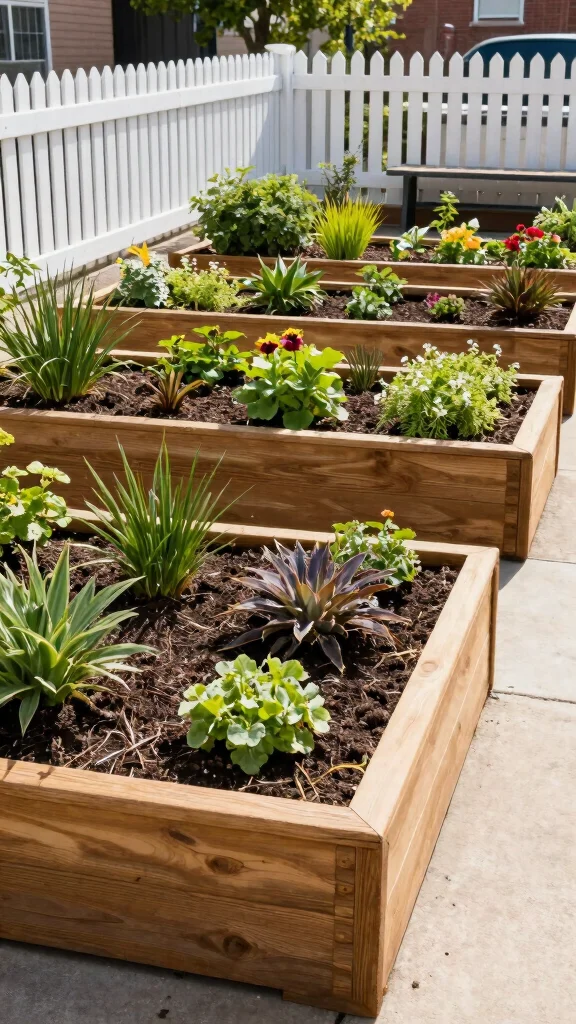
Raised beds are a practical and attractive option for urban gardening, offering better drainage and easier access for planting. Constructed from wood, stone, or recycled materials, these beds provide ample room for roots to grow, allowing you to cultivate an array of plants comfortably. The added height also means less bending and kneeling, making gardening more accessible for everyone.
One of the appealing aspects of raised beds is their adaptability; you can design them to fit your space creatively. Consider staining or painting the wood for a stylish finish that complements your garden’s aesthetic.
Here are some tips to get the most out of raised beds:
– Utilize companion planting for better pest control and growth.
– Create a tiered look by mixing different heights of beds.
– Add a layer of mulch to retain moisture and suppress weeds.
This method not only improves your gardening experience but also enhances the beauty of your outdoor space, creating a flourishing environment.
8. Compact Greenhouses
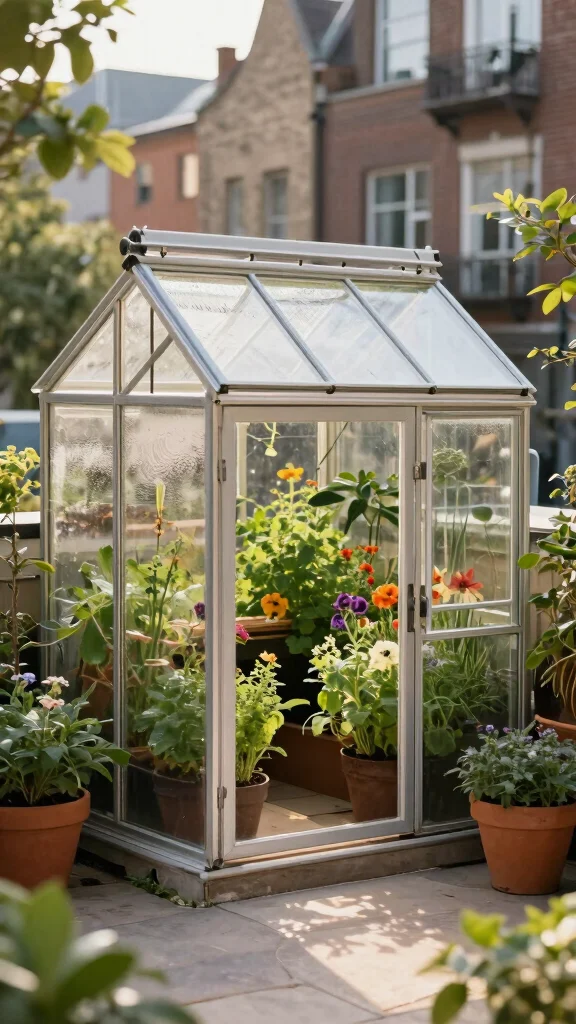
For those looking to maximize their gardening potential, a compact greenhouse is the perfect solution. These small structures fit seamlessly into balconies or patios, allowing you to extend your growing season year-round. Compact greenhouses provide protection from harsh weather while creating a controlled environment for your plants to thrive.
Whether freestanding or wall-mounted, you can grow everything from herbs to tropical plants, creating a mini-ecosystem right in your urban home. Consider including vertical shelves inside the greenhouse to maximize your available space.
Keep these suggestions in mind for your compact greenhouse:
– Ensure proper ventilation to prevent overheating.
– Include a mixture of herbs, vegetables, and flowering plants.
– Use vertical shelves for efficient space utilization.
This approach not only allows for diverse plant growth but also adds a unique element to your gardening journey, fostering a deeper connection to nature.
9. Hydroponic Systems
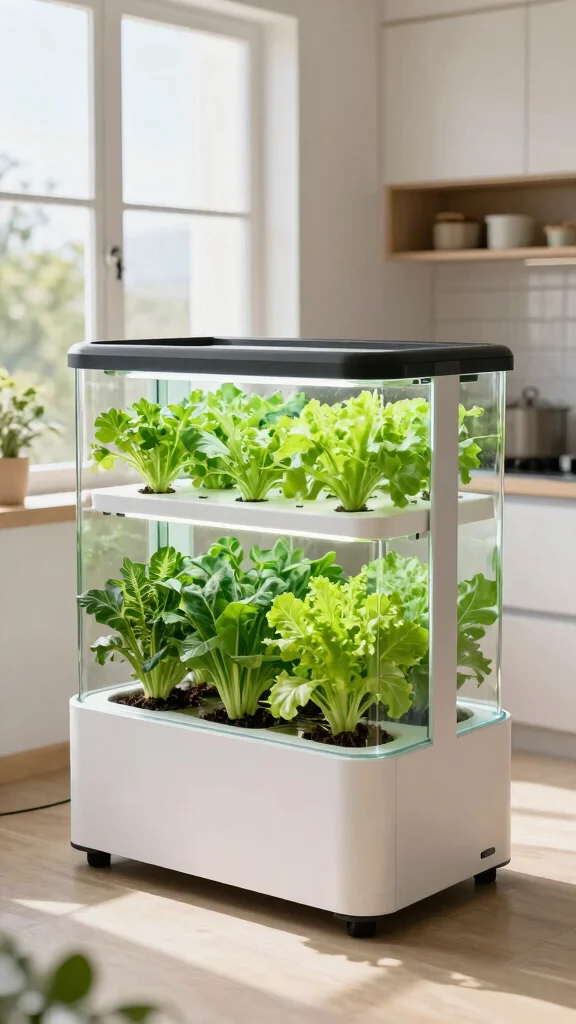
Hydroponic systems might sound advanced, but they are surprisingly attainable and perfect for urban gardeners. By using water and nutrient solutions instead of soil, these systems can be set up in compact spaces, making them ideal for city living. Hydroponics can even be integrated into vertical systems or aquaponics, where plants and fish coexist harmoniously.
Starting with easy-to-grow plants like lettuce or basil is a great way to dive into hydroponics. Regularly checking the pH levels ensures optimal plant health and growth while reducing the need for pesticides.
Consider these tips for successful hydroponic gardening:
– Begin with beginner-friendly plants like lettuce or basil.
– Monitor pH levels regularly for healthy growth.
– Integrate a small fish tank for natural nutrient cycling.
This innovative method not only increases yield but also offers an engaging gardening experience, connecting you with nature in a unique way.
10. Plant Stands
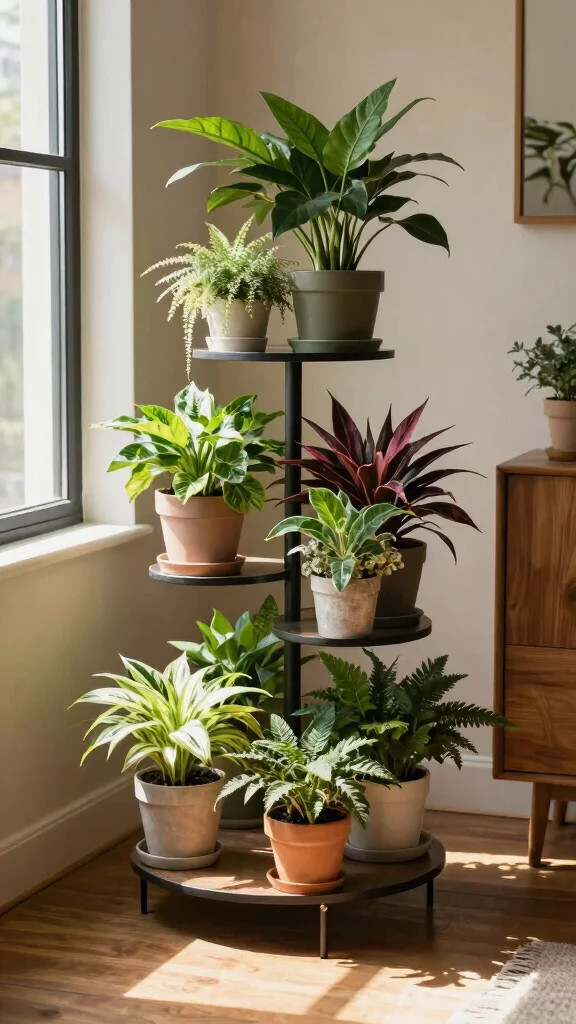
Plant stands are a wonderful way to showcase your greenery while maximizing vertical space in your home. These decorative pieces come in various styles, from minimalist to ornate, allowing you to elevate plants at different heights for a dynamic display. A well-curated plant stand can transform a dull corner into a lively focal point in your decor.
Arrange your plants with varying leaf shapes and colors to create visual interest and harmony. Placing stands near windows or in bright corners will enhance the appeal of your living space.
Here are some ideas for using plant stands effectively:
– Arrange plants with different textures for a captivating look.
– Position stands in corners or by windows for added visibility.
– Combine plant stands with decorative items for a layered aesthetic.
This approach not only adds dimension to your space but also highlights the beauty of nature, enriching your environment.
11. Balcony Gardens
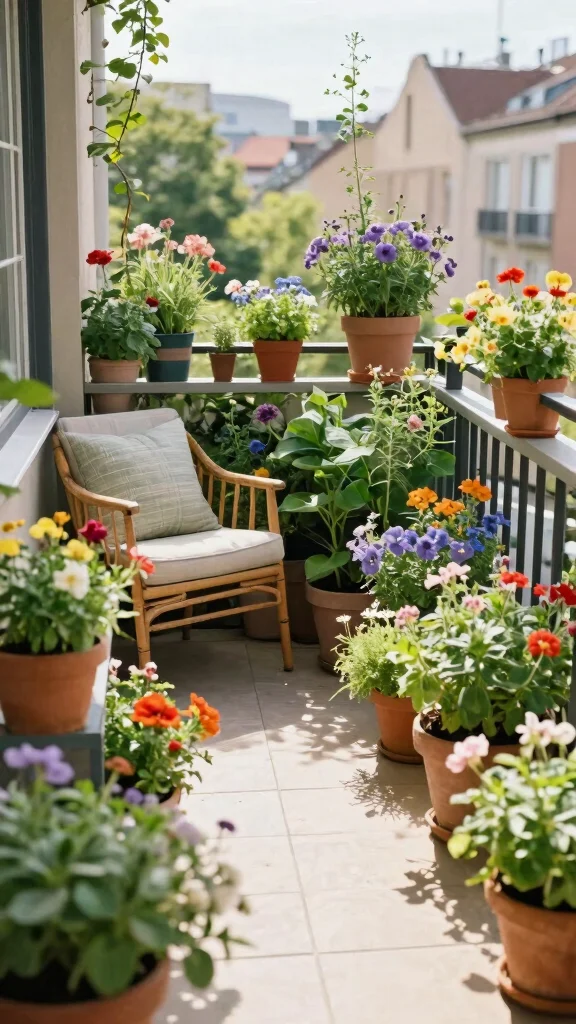
Balcony gardens are a precious asset in urban living, offering a slice of nature high above the city. You can transform your balcony into a lush retreat with container gardens, hanging plants, and cozy seating. By selecting the right plants—such as herbs, flowers, and small vegetables—you create an inviting outdoor space that reflects your personal style and enhances your living experience.
When designing your balcony garden, consider factors like sunlight and wind exposure to make informed plant choices. Using vertical planters can save floor space while maximizing your garden’s potential, ensuring you enjoy every inch of your outdoor area.
Here are some tips to elevate your balcony garden:
– Assess sunlight and wind exposure when choosing plants.
– Incorporate vertical planters to maximize space.
– Add string lights for a magical evening atmosphere.
This approach turns your balcony into a vibrant oasis, allowing you to escape the urban hustle without leaving home.
12. Edible Walls
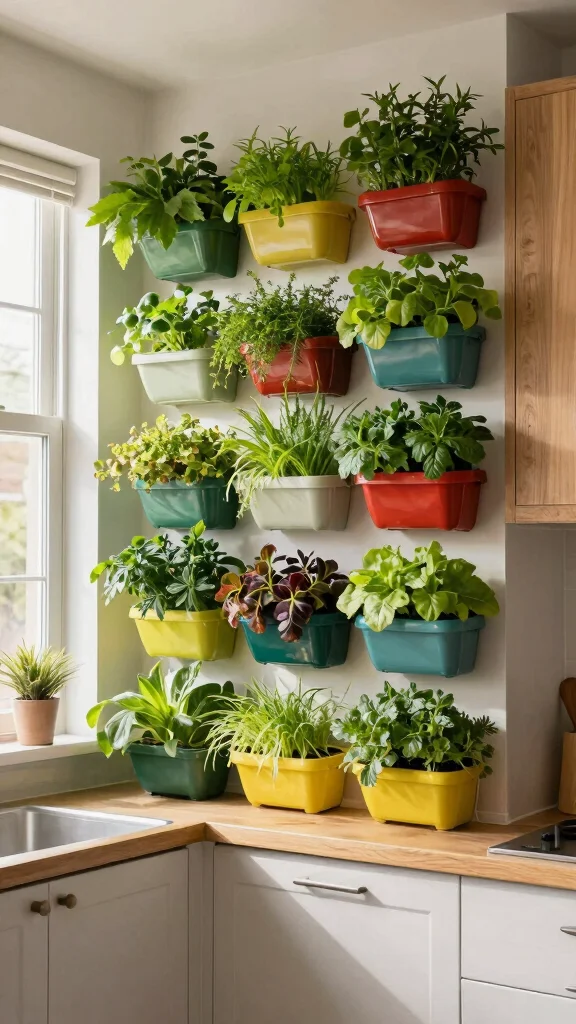
Edible walls introduce an exciting twist to vertical gardening by focusing on growing food-producing plants. With wall-mounted planters, you can cultivate herbs, lettuces, and even strawberries, creating a functional and visually appealing edible garden. This method not only saves space but also makes fresh ingredients easily accessible right from your wall, enhancing your kitchen decor.
Start with easy-to-grow herbs such as basil, mint, and parsley for a successful edible wall. Opt for attractive containers that complement your kitchen style to create a cohesive and aesthetically pleasing setup.
Use these tips to maximize your edible wall:
– Choose fast-growing herbs for quick access to fresh flavors.
– Select containers that match your kitchen aesthetic.
– Install a drip irrigation system for hassle-free maintenance.
This innovative approach not only enhances your cooking experience but also adds a delightful touch of greenery to your home.
13. Gardening in Recycled Materials
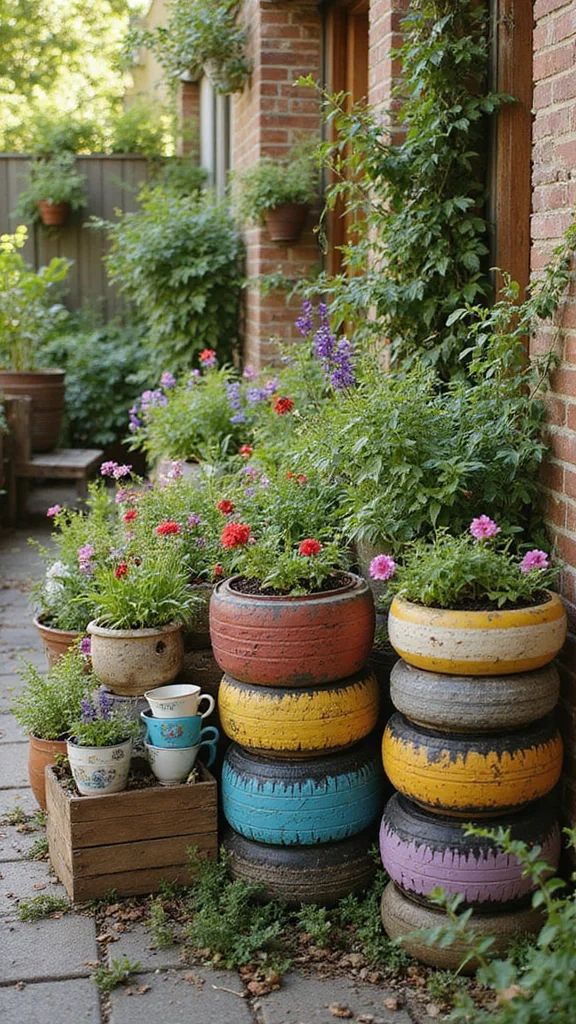
Gardening in recycled materials is both environmentally friendly and a wonderful way to add character to your urban garden. From repurposed wooden pallets to old tires, you can creatively use various items as planters, allowing for unique and personalized gardening experiences. This approach encourages creativity and helps reduce waste, resulting in a garden that tells a story.
Consider using old crates, barrels, or even teacups to create an eclectic garden look. Just ensure that all recycled materials are clean and safe for planting, providing a healthy environment for your plants.
Here are some ideas for using recycled materials:
– Use old crates or barrels for distinctive planter styles.
– Ensure all materials are safe for plant growth.
– Create DIY projects that become conversation starters.
This method not only fosters sustainability but also enriches your gardening experience, making it more enjoyable and fulfilling.
14. Succulent and Cacti Displays
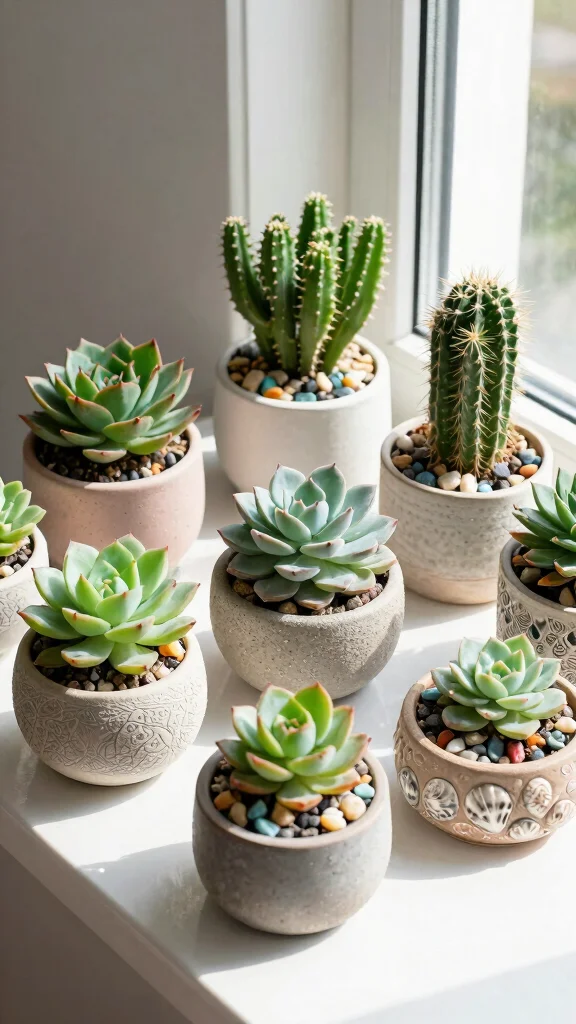
Succulents and cacti are ideal plants for urban gardening, renowned for their low maintenance and minimal space requirements. These hardy plants come in various shapes and sizes, making them perfect for creative displays. You can arrange them in terrariums, quirky containers, or even as a vibrant centerpiece for your dining table, adding life to any space.
To care for these plants, ensure proper drainage and use cactus soil for optimal growth. Pairing different types of succulents can create a visually striking display, showcasing their unique characteristics.
Consider these tips for your succulent and cacti displays:
– Ensure proper drainage for healthy roots.
– Mix different types for an eye-catching arrangement.
– Incorporate decorative rocks or shells for an added aesthetic touch.
This approach not only beautifies your space but also connects you with nature in a manageable way.
15. Portable Gardening Solutions
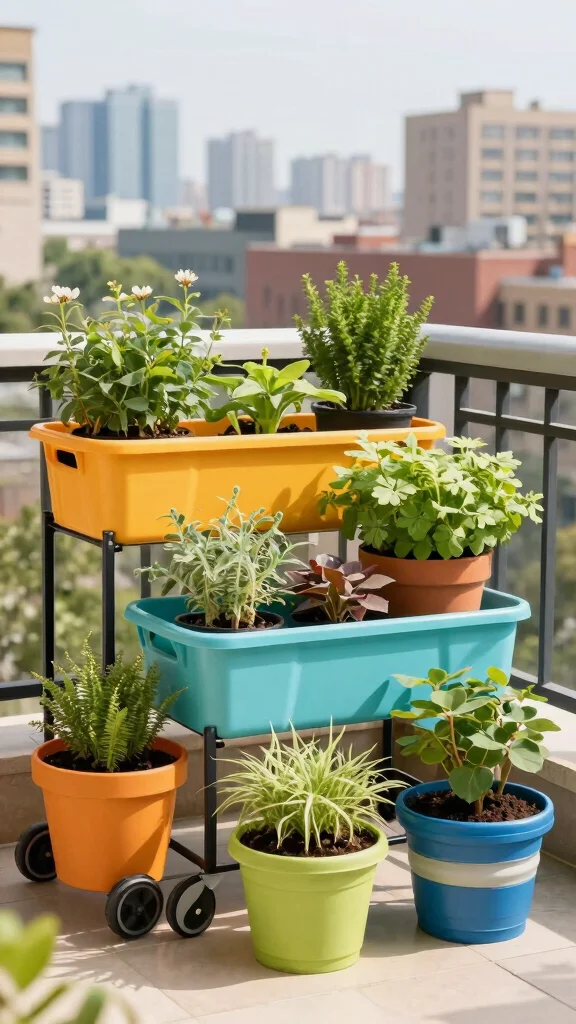
Portable gardening solutions offer the perfect flexibility for those who want to enjoy gardening without a permanent setup. Utilizing wheeled planters or collapsible pots allows you to move your plants as needed, adapting to sunlight and weather conditions. This is especially beneficial for apartment dwellers who want to switch up their garden layout or bring plants indoors during colder months.
When selecting portable planters, opt for lightweight containers to make mobility effortless. Grouping smaller pots together can create a dynamic and flexible garden space, allowing for easy rearrangement.
Here are some creative ideas for portable gardening:
– Choose lightweight containers for easy movement.
– Group smaller pots for a versatile display.
– Label your planters creatively for a personal touch.
This approach makes gardening accessible and enjoyable, providing you with the freedom to adapt your green space to your lifestyle.
16. Smart Garden Technology
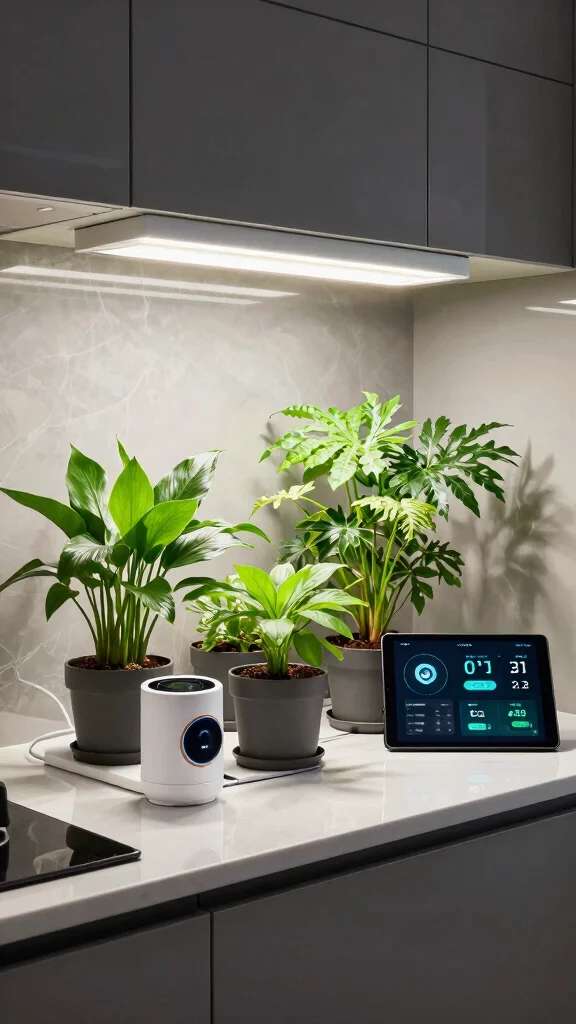
Smart garden technology is changing the way urban gardeners approach plant care, providing tools that make it easier than ever to grow in limited spaces. With smart sensors, automatic watering systems, and app-controlled devices, you can keep tabs on your plants’ health from anywhere. These technologies help optimize water usage, track sunlight exposure, and send alerts when your plants need attention, making gardening manageable even with a busy lifestyle.
Investing in quality smart gardening devices ensures reliable performance and a successful gardening experience. Pairing technology with traditional gardening practices can yield the best results, combining innovation with time-tested methods.
Consider these tips for integrating smart technology into your gardening:
– Choose reliable smart devices for efficient care.
– Blend technology with conventional practices for optimal results.
– Use smart lighting systems to support plant growth in winter.
This approach not only simplifies gardening but also enhances your connection with nature, allowing you to cultivate your green space with ease.
Conclusion
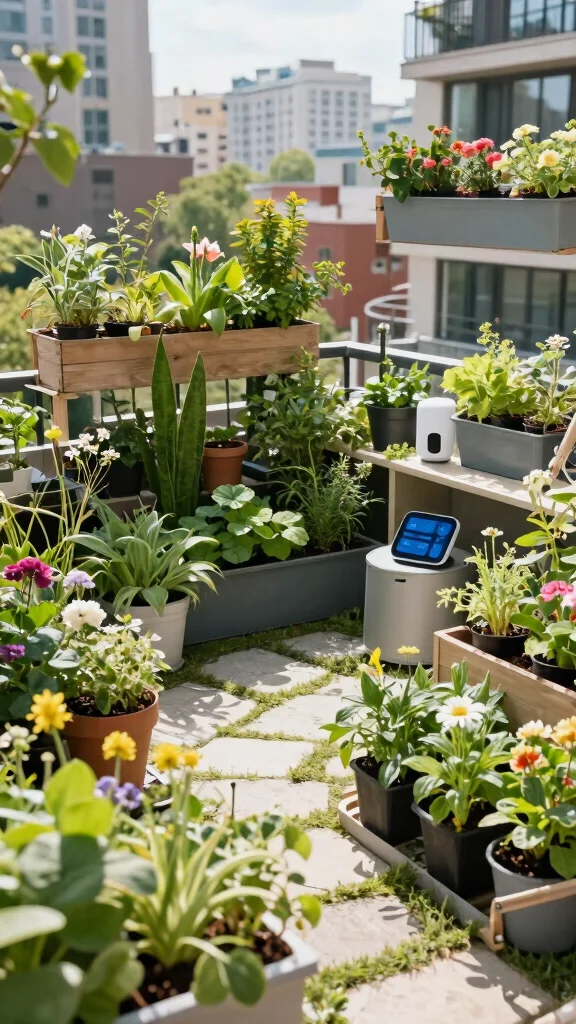
Urban gardening offers endless possibilities, even in the smallest of spaces.
Adopting space-saving solutions can not only enhance your living environment but also allow you to cultivate your own little green oasis. By embracing creativity and practicality, your urban gardening journey can be both stylish and fulfilling.
Ready to start your own space-saving garden? Let your imagination run wild, and enjoy the process of bringing nature into your urban life!
Frequently Asked Questions
What is a keyhole garden design and why is it a great space-saving option for urban gardening?
A keyhole garden design is a circular raised bed with a small notch for access and a hollow center that acts as a composting core feeding the surrounding soil. This compact, efficient layout maximizes growing space in tight urban spots and lets you reach every plant from the edge, making gardening both space-saving and stylish.
To get started: choose a diameter of about 3 to 4 feet for tight spaces or up to 6 feet if you have a little more room. Build the ring with brick, stone, or sturdy timber. Leave a notch for easy access and fill the core with kitchen scraps, leaves, and finished compost. Fill the outer ring with a rich, well-draining soil mix and mulch. Add a drip irrigation line for water efficiency and a neat, low-maintenance look.
How can I keep my urban garden stylish while staying space-saving and practical?
Start with a cohesive design palette and then layer in space-saving solutions that still feel luxurious.
Use vertical planters, wall-mounted shelves, and trellises to gain green inches without sacrificing floor space. Choose uniform pots or woven textures in a limited color scheme to create a stylish look.
Incorporate lighting, weather-resistant textiles, and multi-purpose furniture (like a bench with hidden storage) to keep the setup practical yet chic.
What are some beginner-friendly, space-saving garden ideas I can start today?
Here are quick, practical ideas you can implement now:
1) Make a centerpiece using a keyhole garden design to maximize yield in a small spot.
2) Add a vertical herb wall on a sunny wall with pocket planters or a hanging rack.
3) Install railing planters or hanging baskets on a balcony for greens and nasturtiums.
4) Use modular, stackable planters on a sunny windowsill or balcony shelf.
5) Try a movable raised bed or wheeled planter cart for flexible space. Each idea keeps things space-saving and stylish while staying practical.
How do I maintain a keyhole garden design for low-maintenance urban gardening results?
Maintenance is simple when you optimize the core concept: keep the compost core topped up with kitchen scraps and leaves; mulch to retain moisture; and use a drip irrigation line or soaker hose for efficient watering.
Choose quick-growing, low-maintenance crops and rotate them seasonally. Apply integrated pest management and avoid overwatering. With a keyhole garden design, you get productive yields with less effort, keeping your urban garden stylish and low-maintenance.
Are keyhole gardens suitable for growing edibles on small balconies or rooftops?
Absolutely. A keyhole garden design fits compact spaces and makes edible gardening accessible from all sides. Place it in full sun, ensure good drainage, and pick lightweight materials if you’re on a balcony.
Choose compact edibles like herbs, lettuce, spinach, kale, greens, cherry tomatoes, and compact peppers. Use sturdy pots or a raised ring, and protect plants from wind on rooftops. With proper soil, irrigation, and sun exposure, you can enjoy fresh harvests without sacrificing space or style.